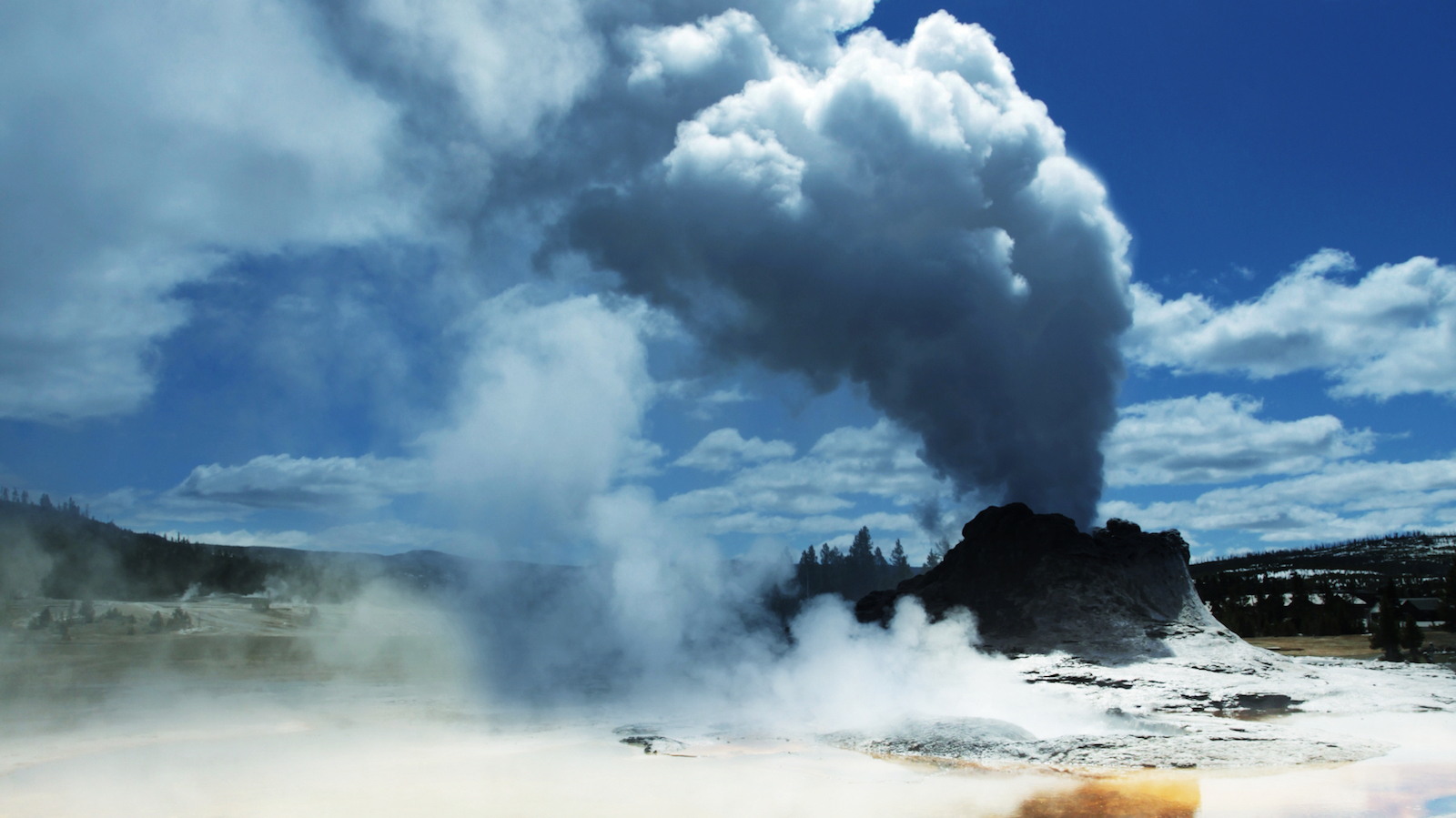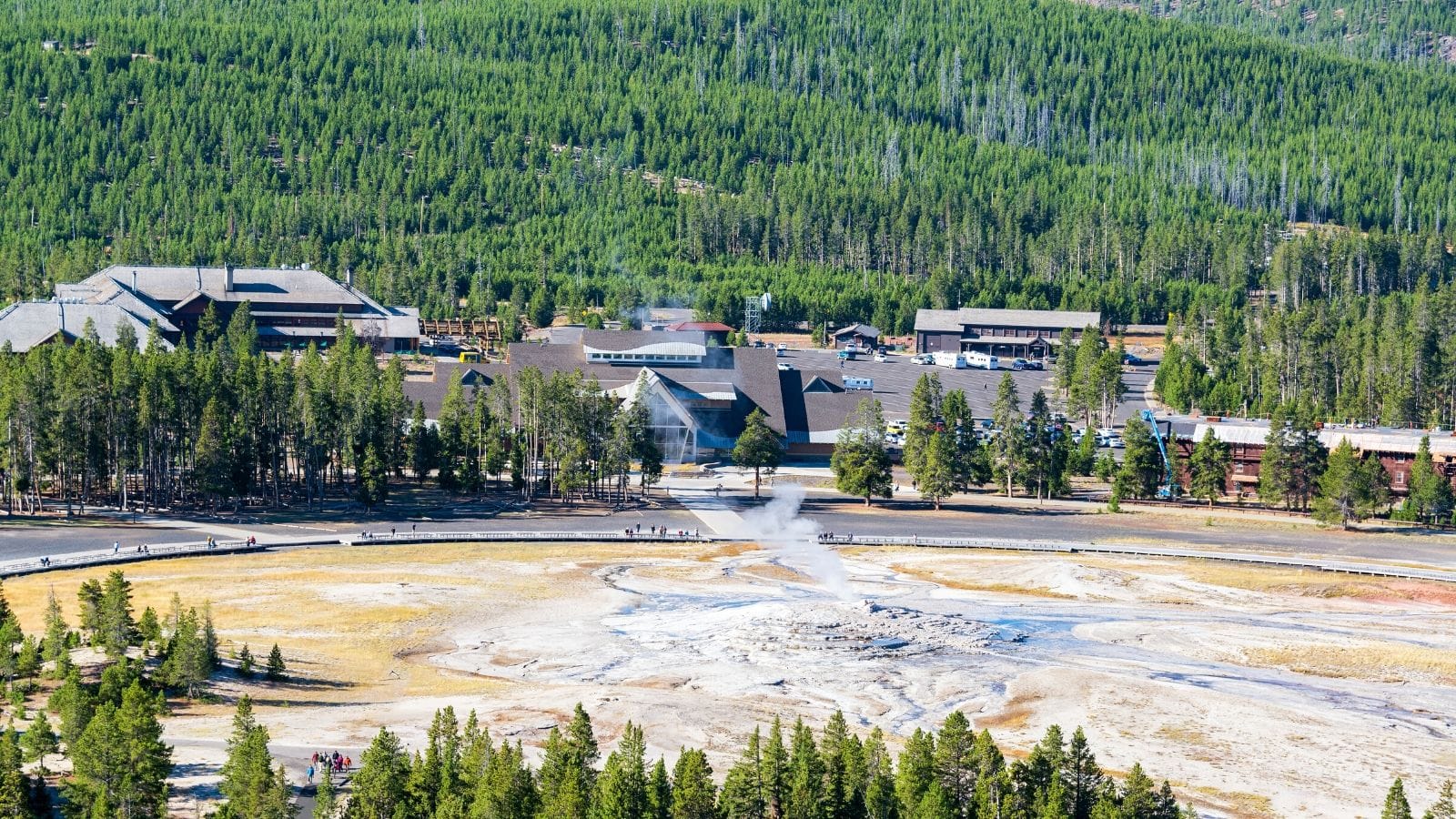

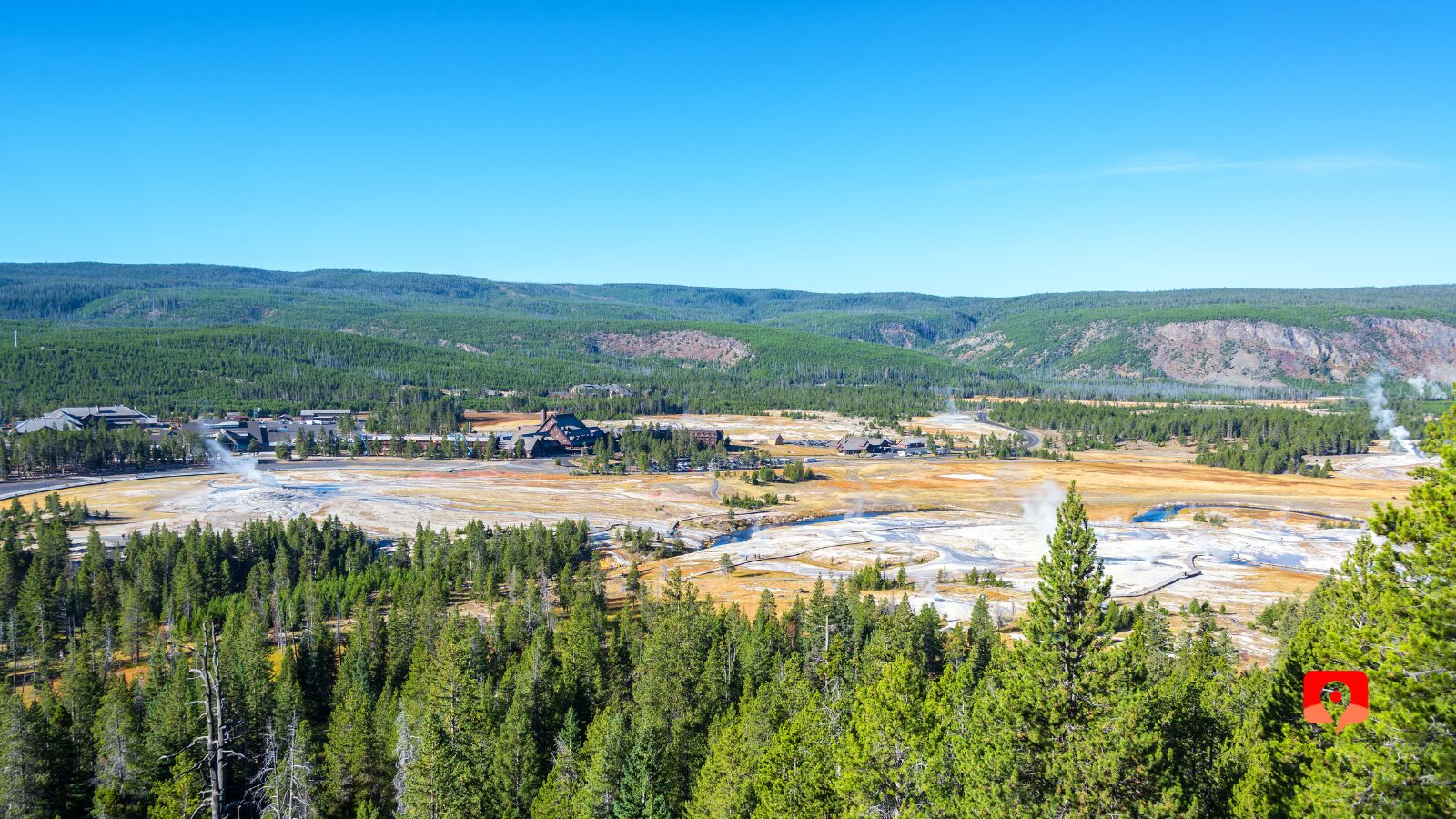
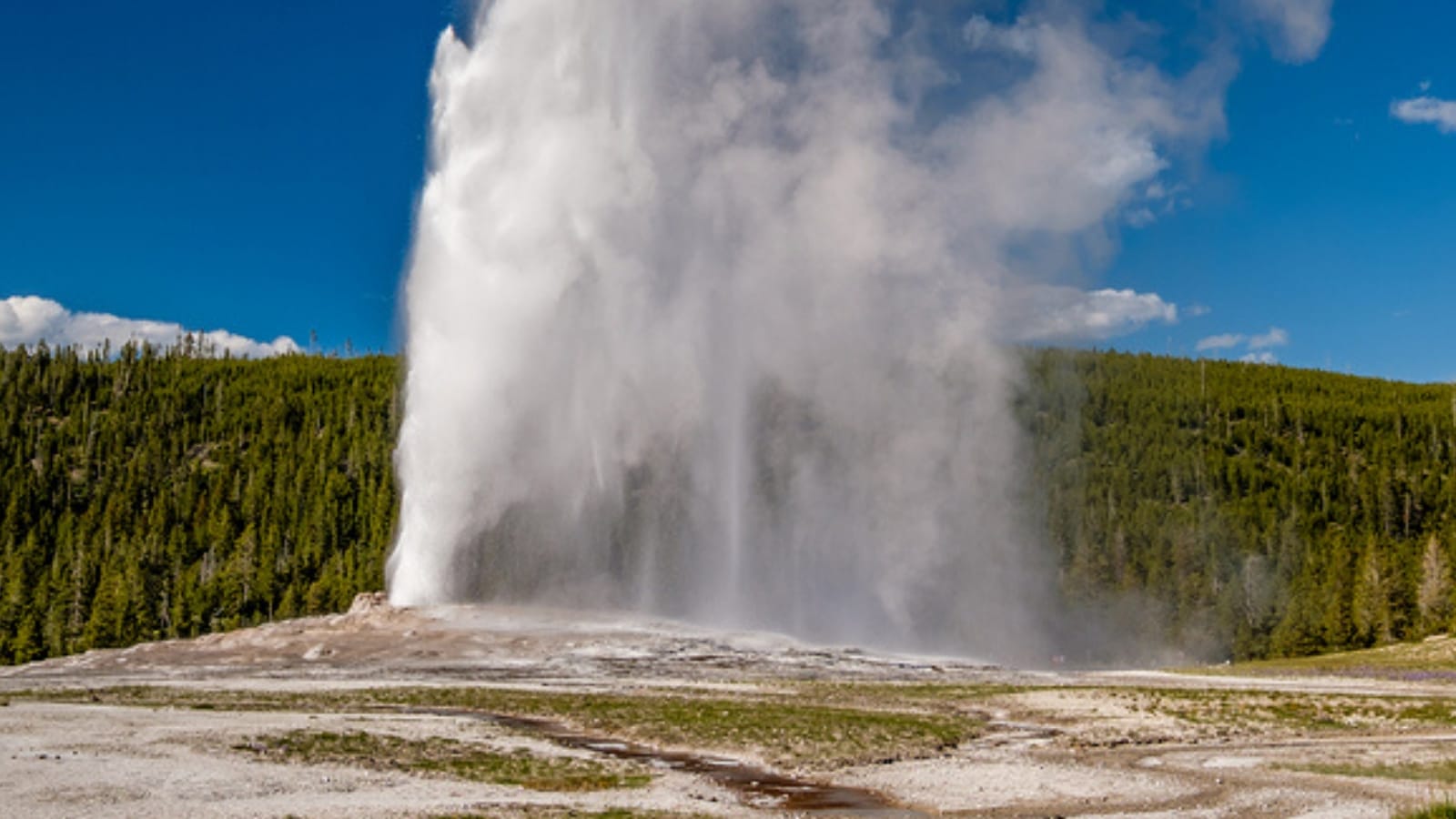
Old Faithful is arguably one of Yellowstone’s most famous features, and it’s definitely worth seeing. But what do you do when Old Faithful’s several-minute eruption is over? A lot. What many people don’t realize is Old Faithful is surrounded by many geysers, gorgeous waterfalls, great hikes and historic attractions. Here are some tips on how to see the best of the Old Faithful area and lose the crowds at one of the park’s most popular attractions.
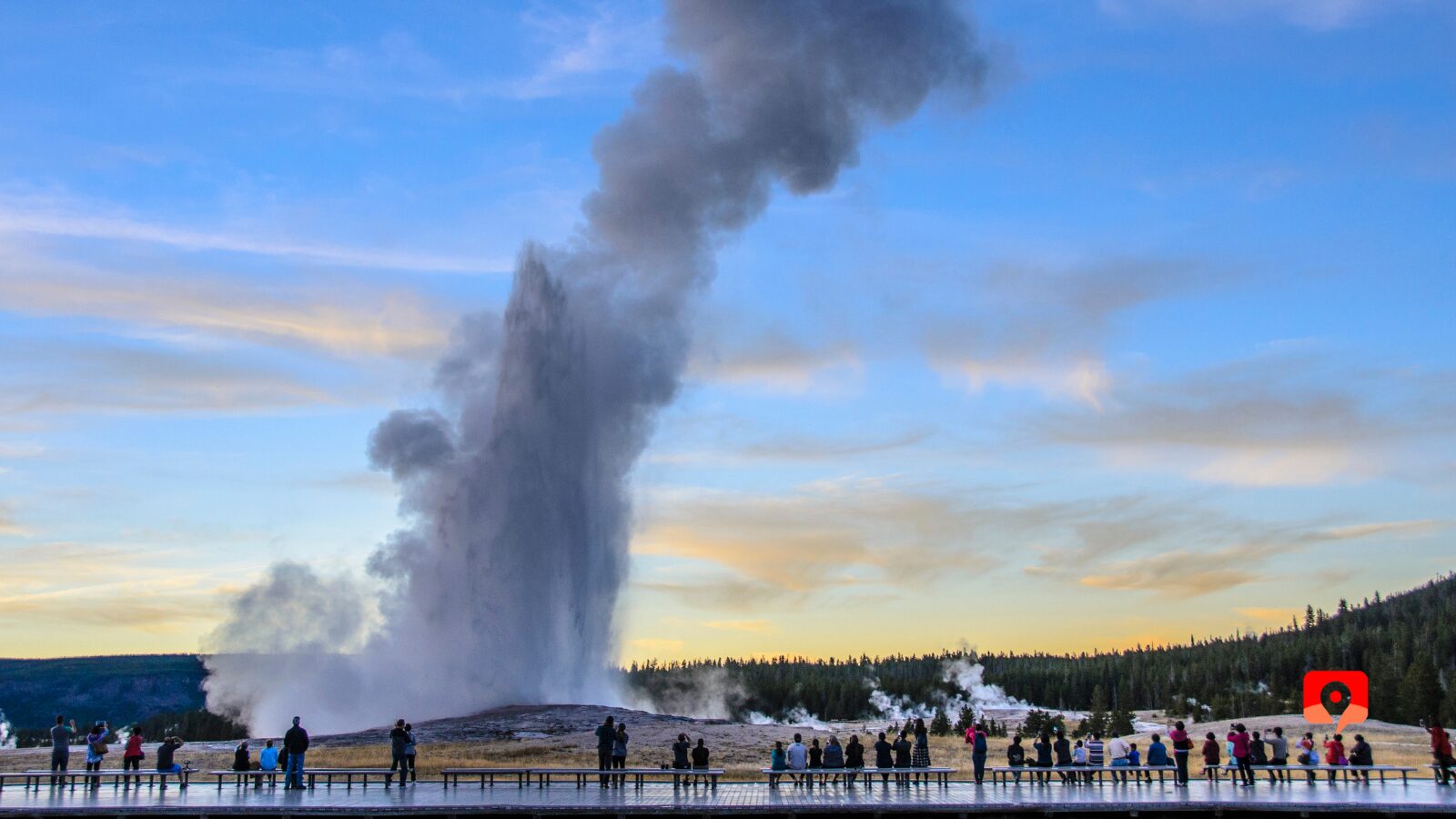
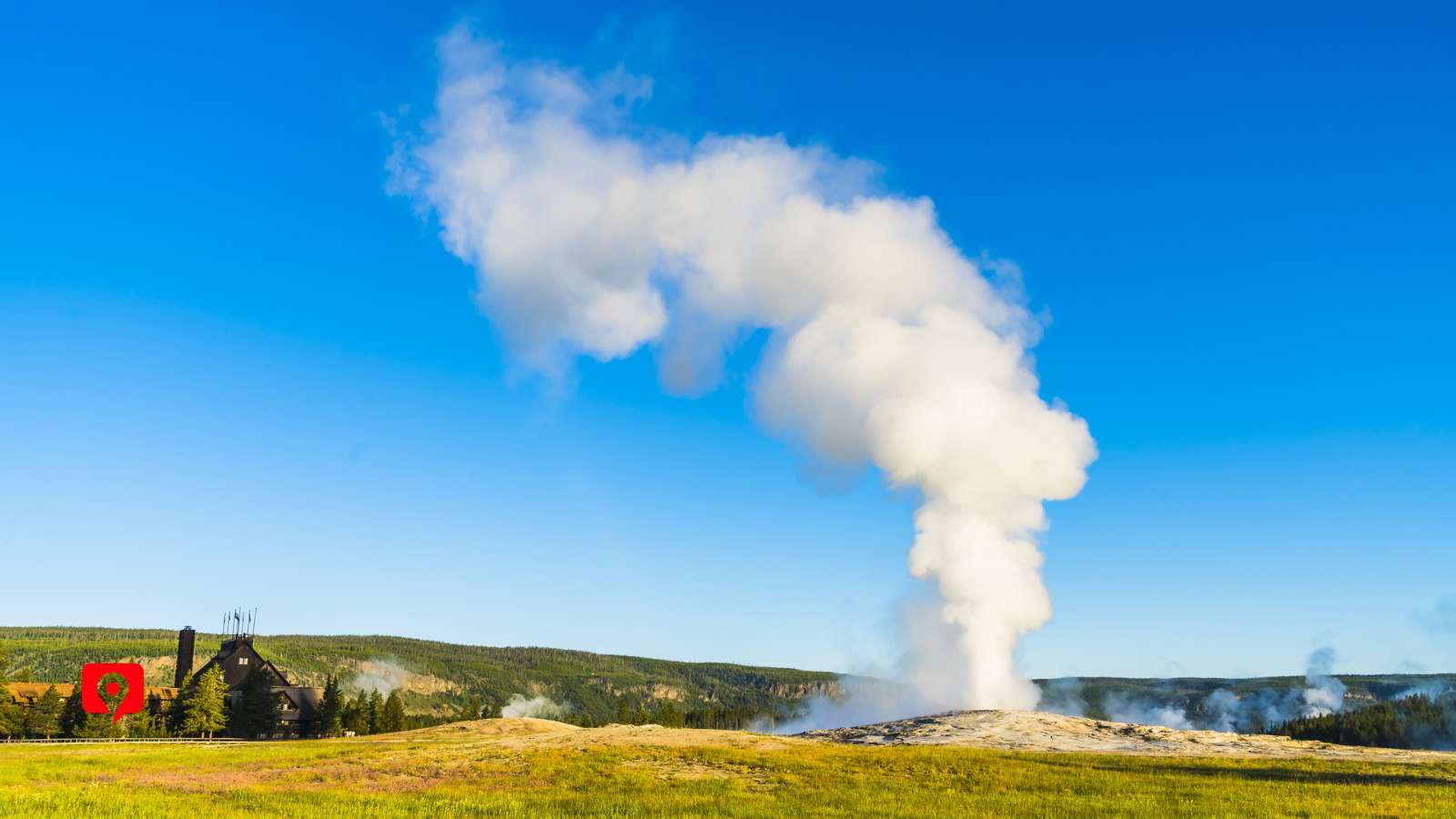
Timing is really everything when it comes to seeing Old Faithful erupt, especially if you have limited time to explore Yellowstone. Fortunately, Old Faithful consistently blows every 68 or 94 minutes, give or take 10 minutes. How do you ensure you’ll get to see this magnificent 106-184-foot geyser? Find out its predicted eruption schedule by following @GeyserNPS on Twitter, stopping in the Old Faithful Visitor Education Center, which is a 30-second walk from Old Faithful, or by calling the park’s recorded prediction line at 307-344-2751.
If you want to see Old Faithful erupt without having to jostle your way through a pack of tourists, we’ve got two recommendations for you. For adventure seekers, hike to Observation Point, a 1.5-mile roundtrip hike that leads you through a forest and onto a hilltop. From here, you’ll be far above the crowds, and you’ll enjoy incredible views of Old Faithful and the upper Geyser Basin.
Otherwise, visit Old Faithful really early in the morning or later in the evening. You’ll get a sense of solitude you’d never get showing up at any other time during the day. If waking up at sunrise is a challenge, grab a cup of coffee from Old Faithful Inn Bear Paw Deli or Old Faithful Lodge Bake Shop, both of which open at 6:30 a.m. and are a two-minute stroll to Old Faithful.
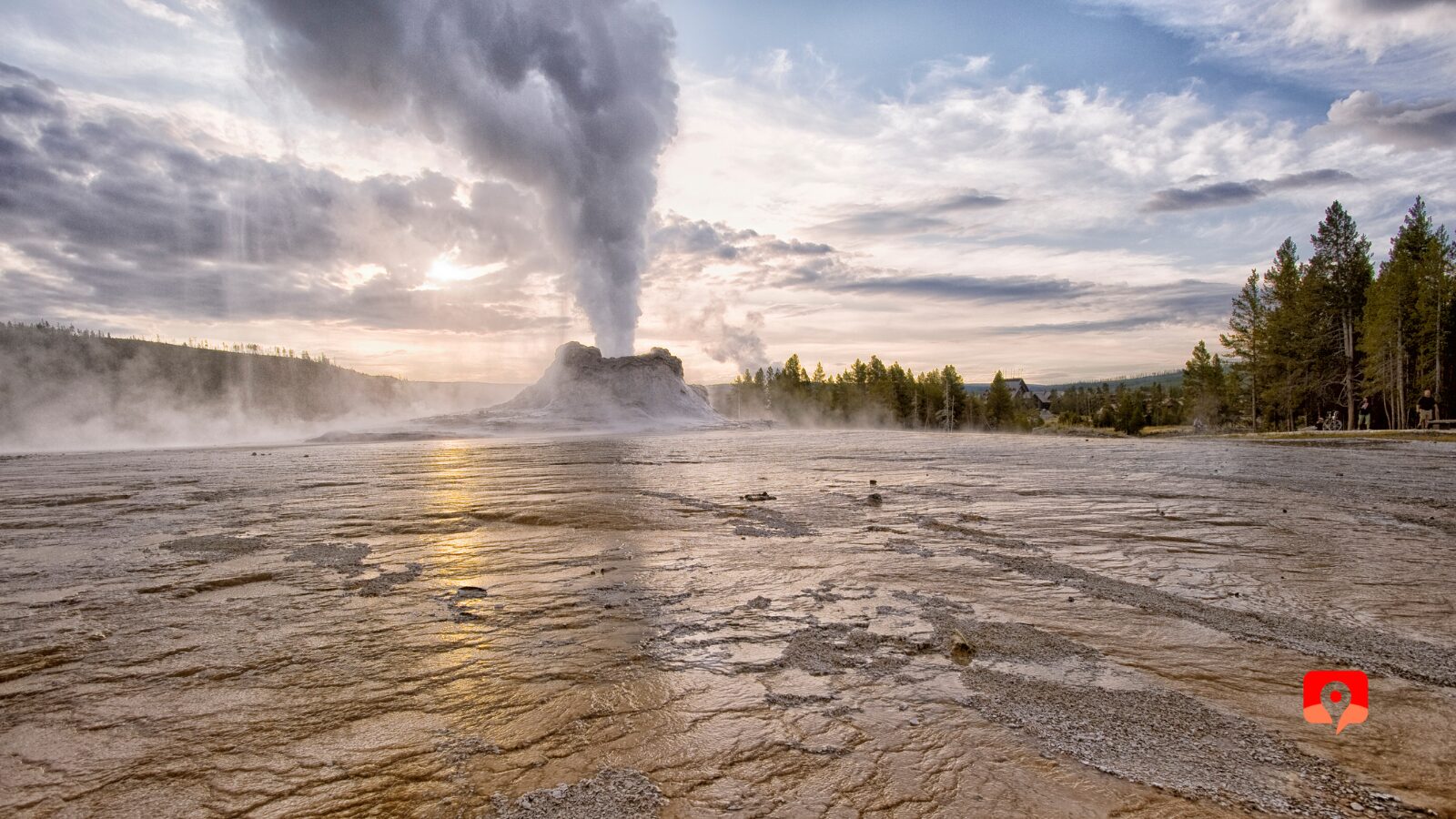
After you watch Old Faithful erupt, stop in the Old Faithful Visitor Education Center to see when the other four geysers in the Upper Geyser Basin are predicted to erupt — Castle, Grand, Daisy and Riverside. Or go to the park prediction webpage here. Then, plan your route through the Upper Geyser Basin, a sprawling geyser basin surrounding Old Faithful, timing it so you can see at least one of the four erupt. This magical basin contains the park’s largest concentration of geysers. And you can see many of them on the Upper Geyser Basin’s fantastic, easy three-mile loop that’s made of pavement and boardwalk. The bonus? You may see some of Yellowstone’s revered wildlife like bison and elk along the way. Depending on how quickly you walk and how often you stop, this loop could take you a couple of hours.
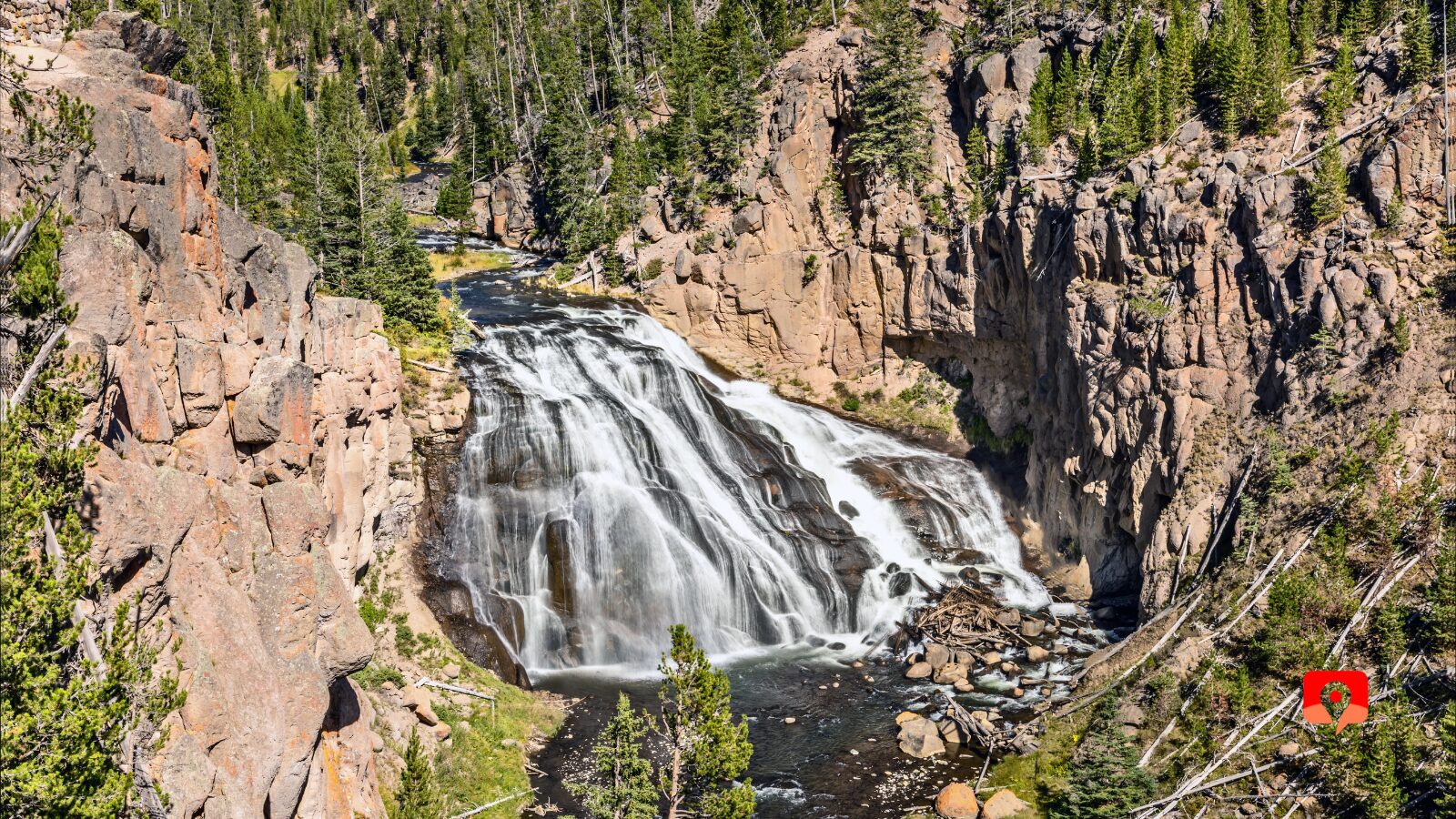
Want to see a waterfall the easy way? Drive to the Kepler Cascades pull off and do a very short walk to the platform viewing area. It’s just about a mile-and-a-half drive from the Old Faithful Lodge. Upstream, you’ll see the Firehole River cascading down a series of waterfalls, with the biggest drop being 50 feet. Downstream, you can watch the river flow toward the Old Faithful area.
For those looking for a bit more adventure, opt for the family-friendly Mystic Falls hike where you’ll burn more calories and have more of a backcountry hiking experience. The trailhead starts at the Biscuit Basin trailhead about two miles north of Old Faithful on the Grand Loop Road. Park at a pull out and explore Biscuit Basin via the boardwalk before leaving the far end of the boardwalk and hiking along a dirt path to Mystic Falls. The 70-foot Mystic Falls is tucked in a narrow canyon and is formed by the Little Firehole River dropping into the canyon from above. Stop short of the falls, which can be dangerous, for a 2.4-mile out-and-back excursion.
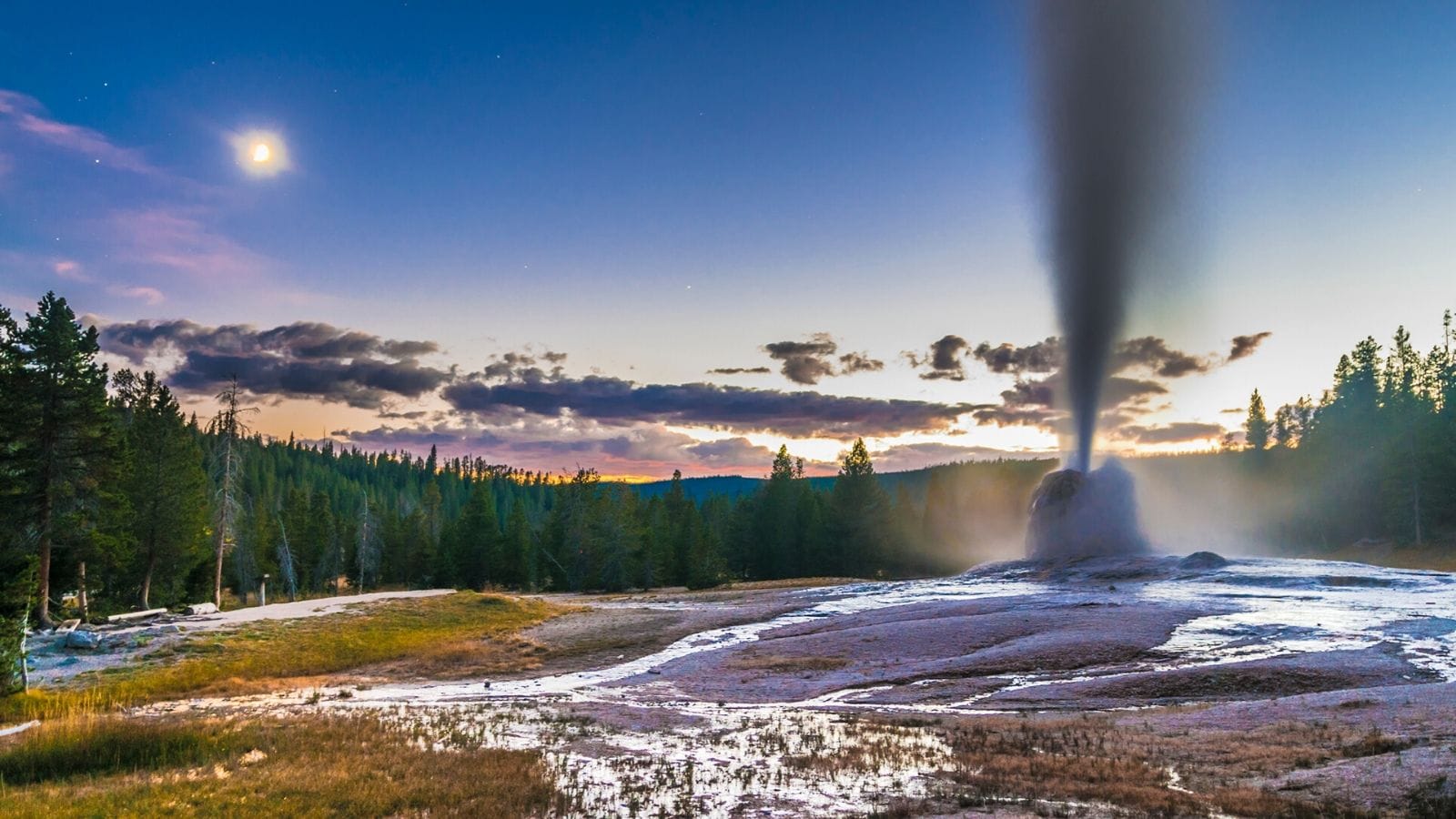
If you’re looking for a longer hiking trail with fewer people, we recommend the 4.8-mile round-trip hike to Lone Star Geyser. Under the canopy of the forest, you’ll follow the Firehole River for just over two miles until you get to a clearing where Lone Star Geyser sits. Not only is it a beautiful hike, but Lone Star erupts every three hours, making it totally feasible to time your arrival with the eruption. Pack a picnic and eat lunch in the meadow a safe distance from the geyser. You’ll find the trailhead east of the Kepler Cascades pull-out off the Grand Loop Road just 1.5 miles from the Old Faithful parking areas.
There are a few must-see cultural stops that help you get to know Yellowstone with a deeper appreciation. Old Faithful Visitor Center is one of them. Its state-of-the-art exhibits on Old Faithful and the park tell so many stories that really bring Yellowstone to life. Plus, you can find out when Old Faithful is erupting next in here. And the rangers on hand can answer any questions you may have.
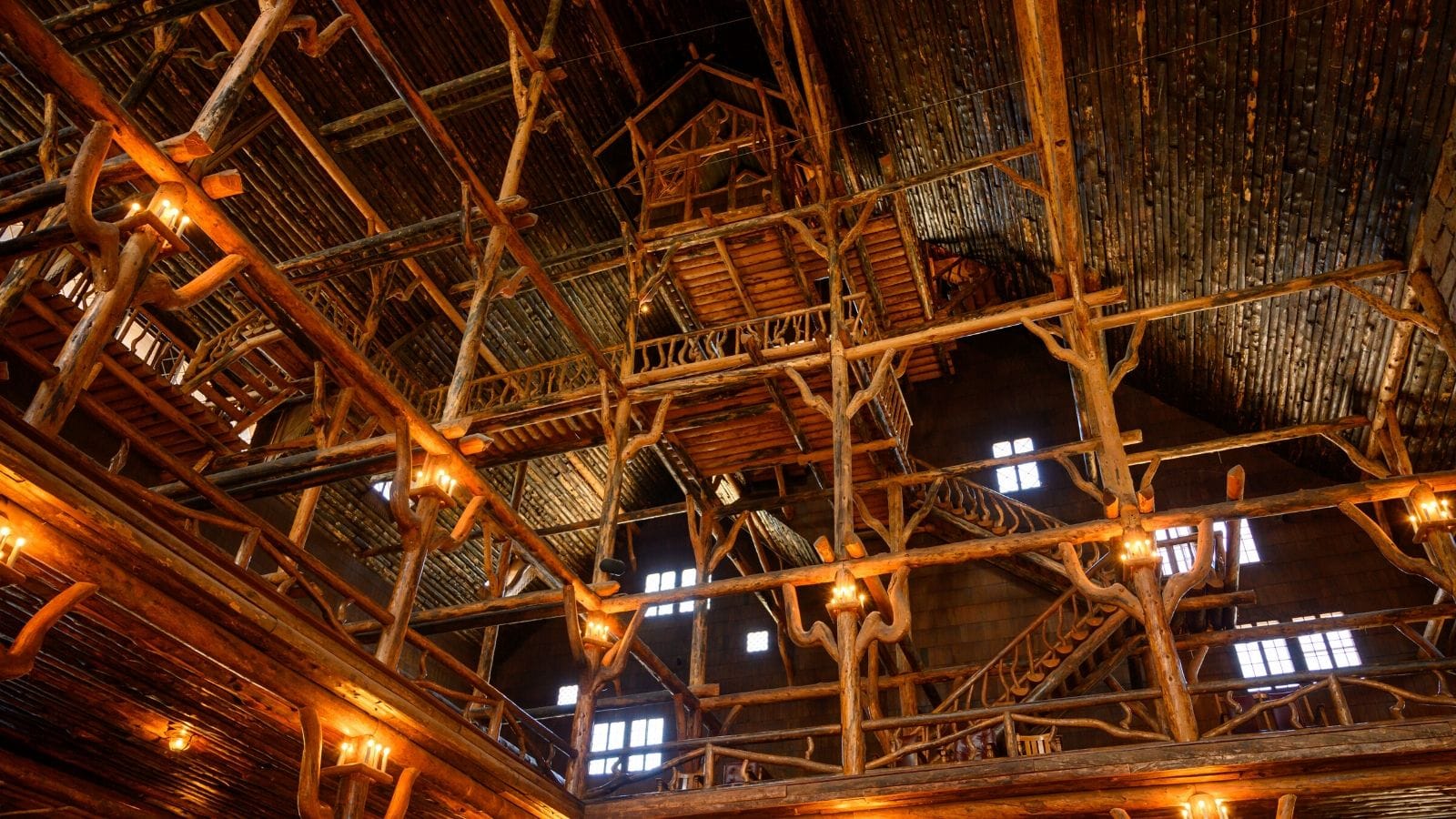
A three-minute walk down the path is the historic Old Faithful Inn, an iconic Yellowstone landmark that takes you back in time 120 years when the park was in its early days. When it was built in 1903-04, Old Faithful became the largest log cabin structure in the world. Step into the lobby to admire the exposed intricate woodwork and beams of this gorgeous iconic hotel. Around you, you’ll hear languages from all over the world spoken. For a special dinner, make reservations in advance to eat in the Old Faithful Dining Room where 50 percent of the food is sustainably sourced.
For more of Yellowstone’s fascinating behind-the scenes stories, local tips and directions that play automatically in your car based on your GPS location, download the GyPSy Guide Yellowstone and Grand Teton Audio Tour app.
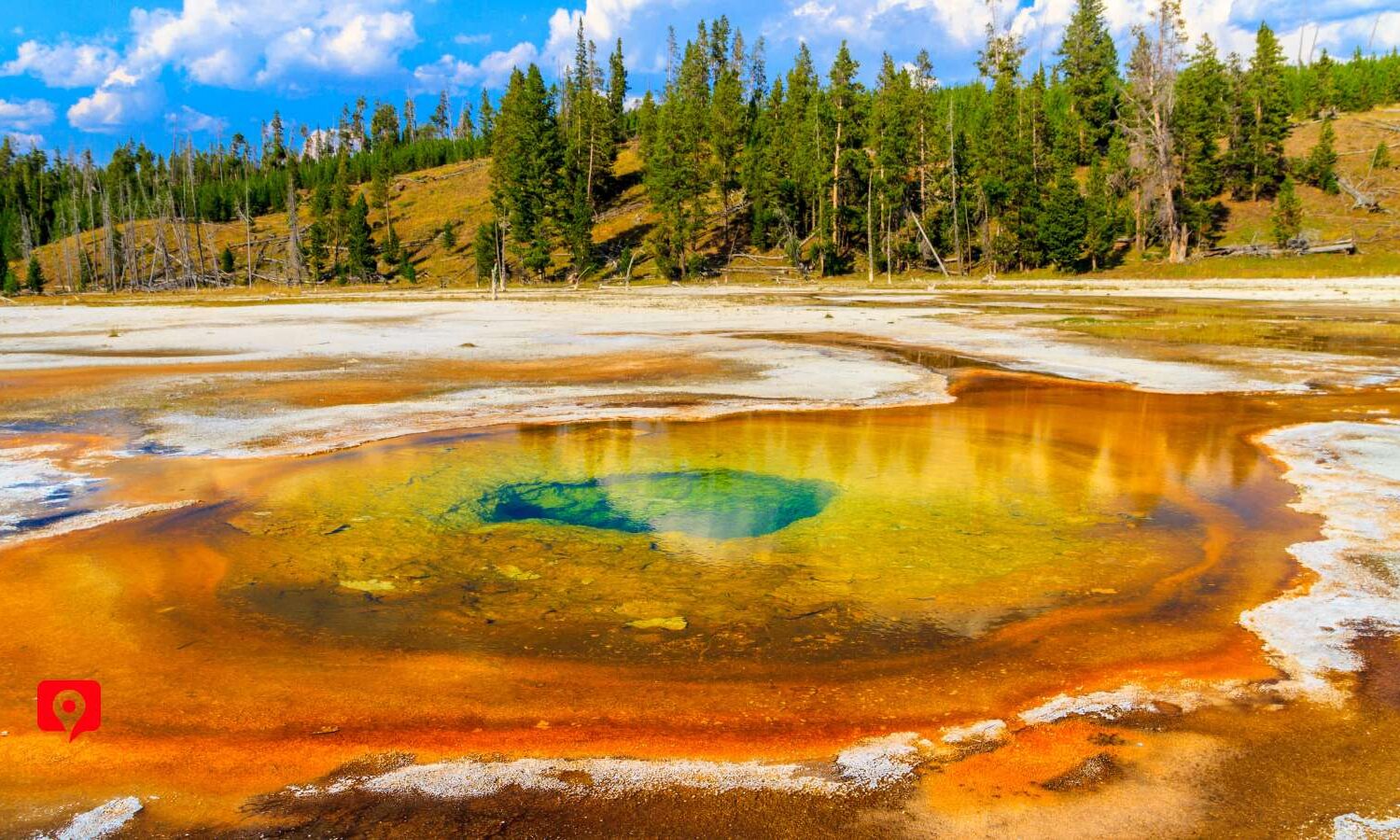
“Chromatic Pool lives up to its name with swirling bands of blue, orange, and gold. It’s a color wheel spun by heat and minerals, a reminder that Yellowstone’s palette is painted by nature.
“
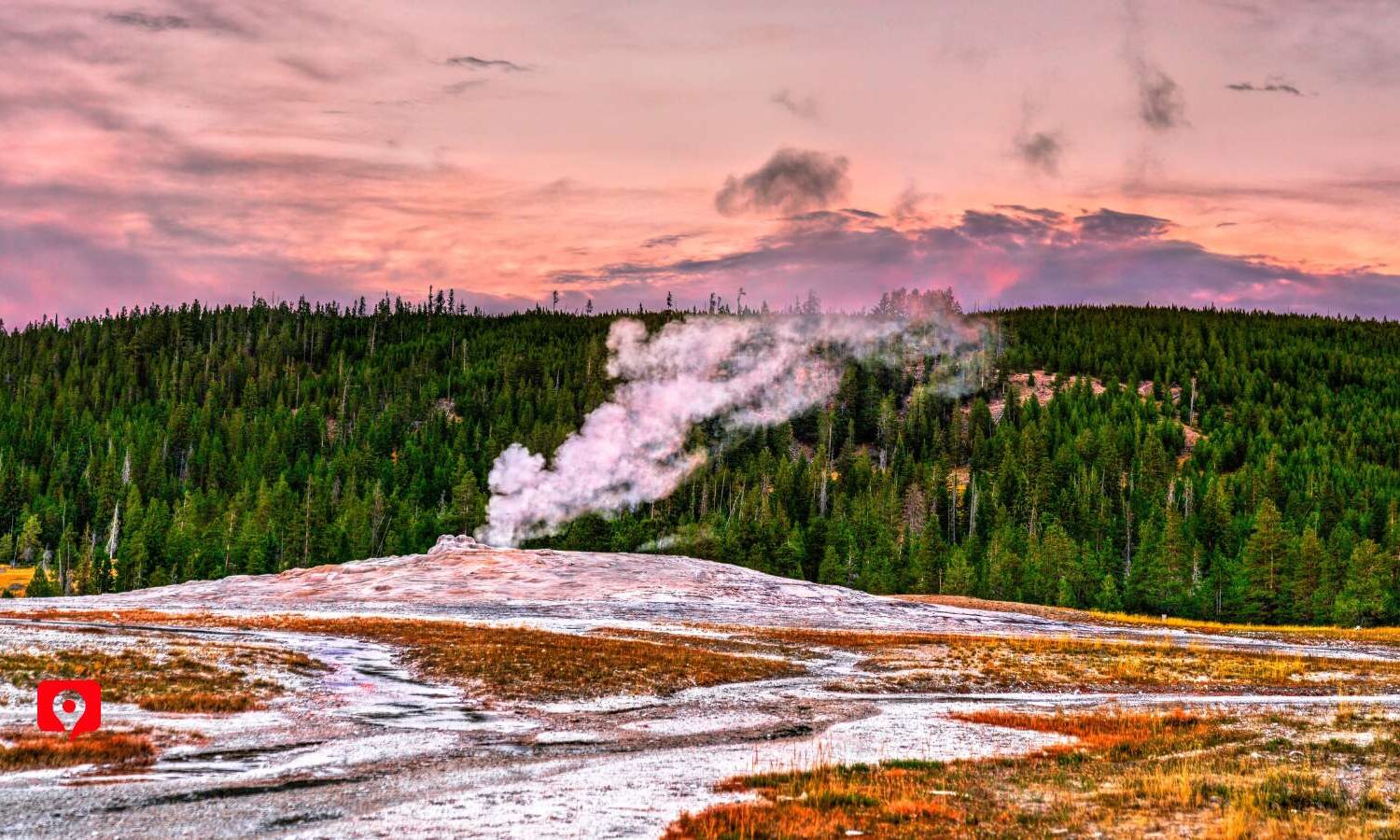
Giant Geyser is Yellowstone’s powerhouse. Though eruptions are rare, they’re jaw-dropping, blasting over 250 feet into the air. Seeing one is a bit like spotting a legend- unexpected, wild, and utterly thrilling.
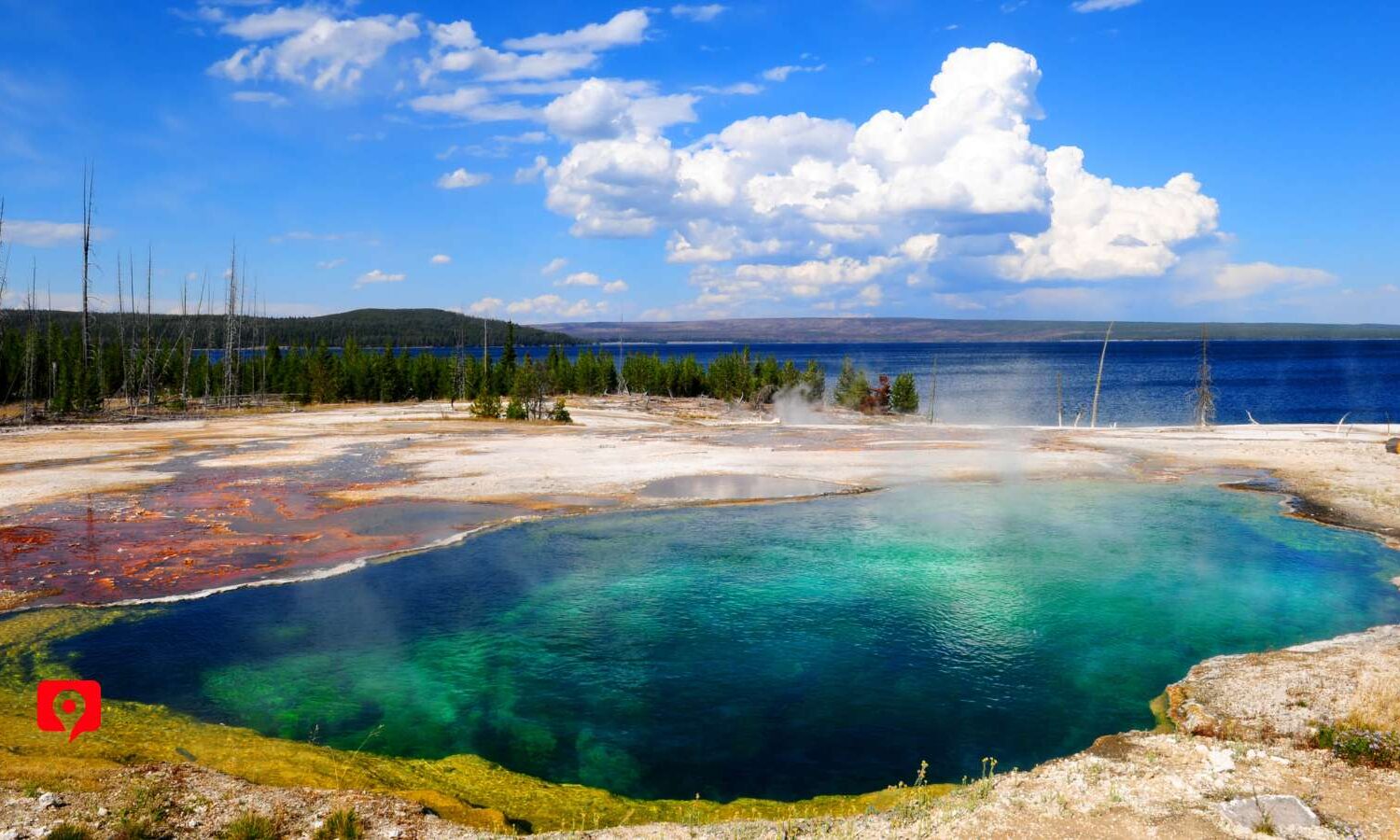
Don’t look too long, you might fall in. Abyss Pool is one of Yellowstone’s deepest, a sapphire sinkhole with a haunting beauty. Still on the surface, but beneath? It hides serious power. Once, it even erupted 100 feet high. Quiet now, but always watching.
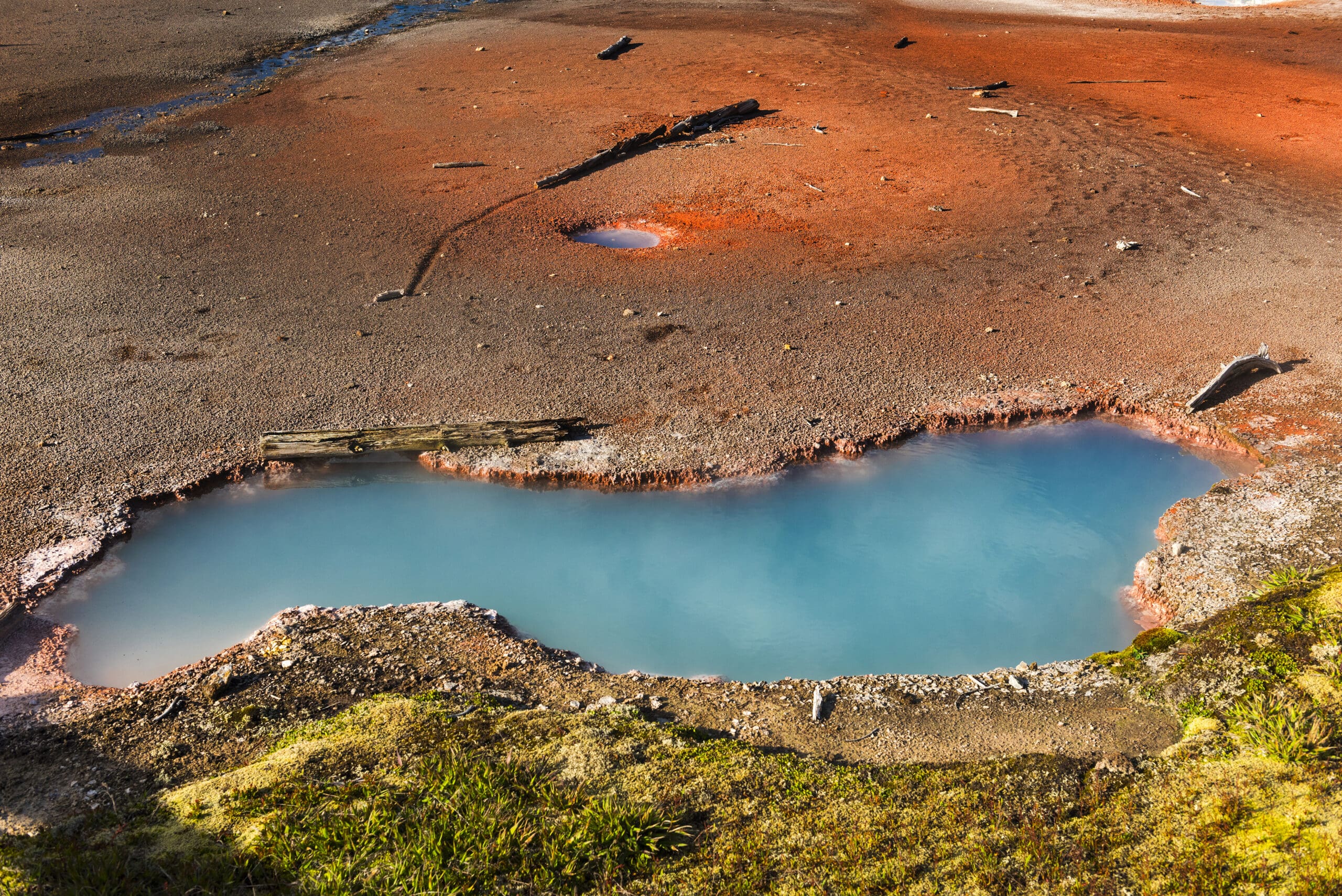
Immerse yourself in the vibrant, bubbling world of the Artists Paintpots. This dynamic hydrothermal area features a captivating collection of colorful hot springs, steaming fumaroles, and lively mudpots that gurgle and “paint” the surrounding earth with shades of grey, pink, and brown. A scenic boardwalk trail winds through this fascinating landscape, offering close-up views and the distinct earthy aroma of sulfur. It’s a wonderful spot to witness the artistic power of nature at work, constantly reshaping the earth’s surface with its geothermal energy.
One stop, four types of geothermal action. Geysers. Hot springs. Mudpots. Fumaroles. It’s like Yellowstone showing off and it’s absolutely worth the hype.
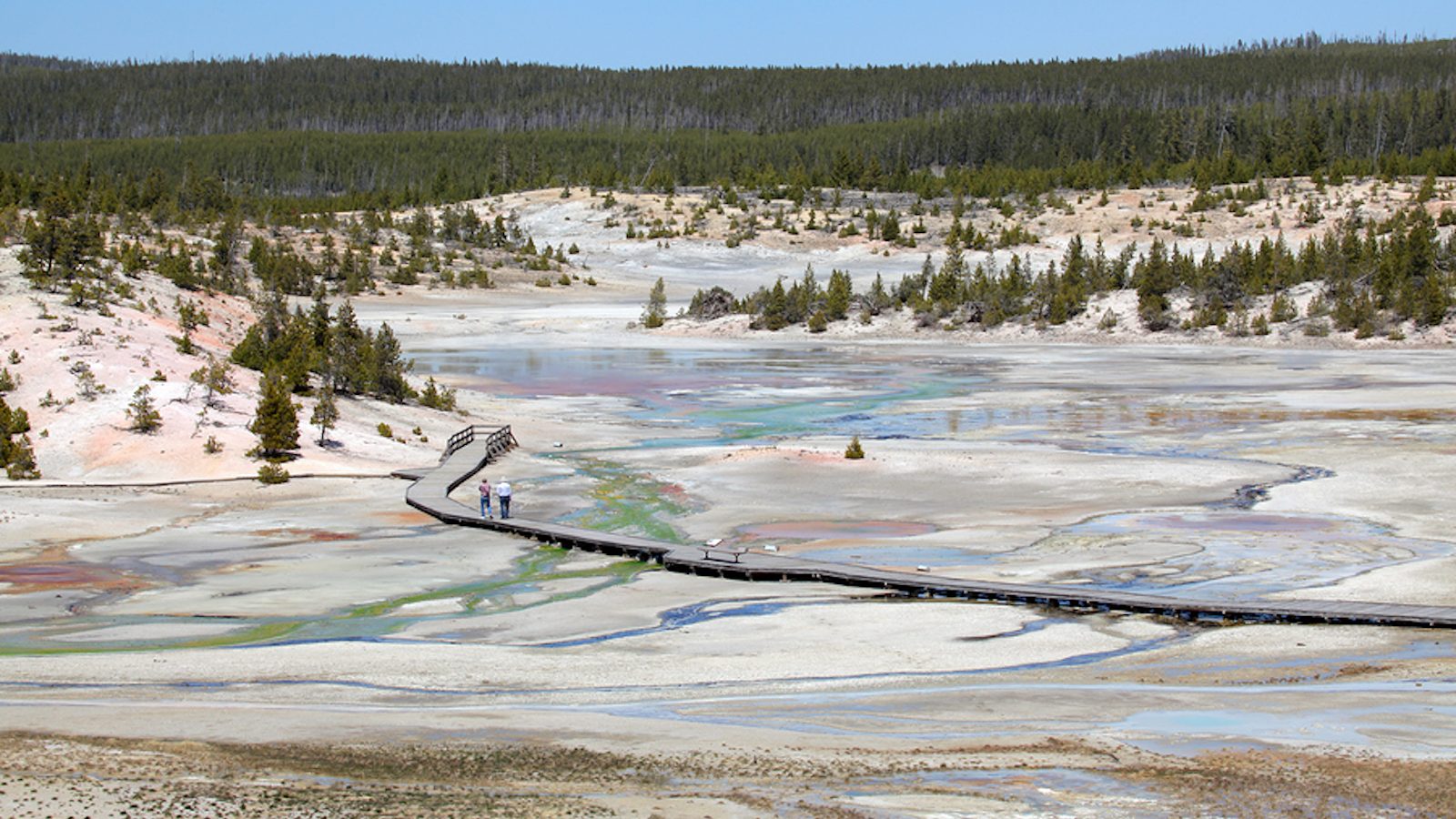
Welcome to the wildest part of Yellowstone. It’s hot, unpredictable, and always changing. You might even catch Steamboat Geyser in action, if you’re really, really lucky.
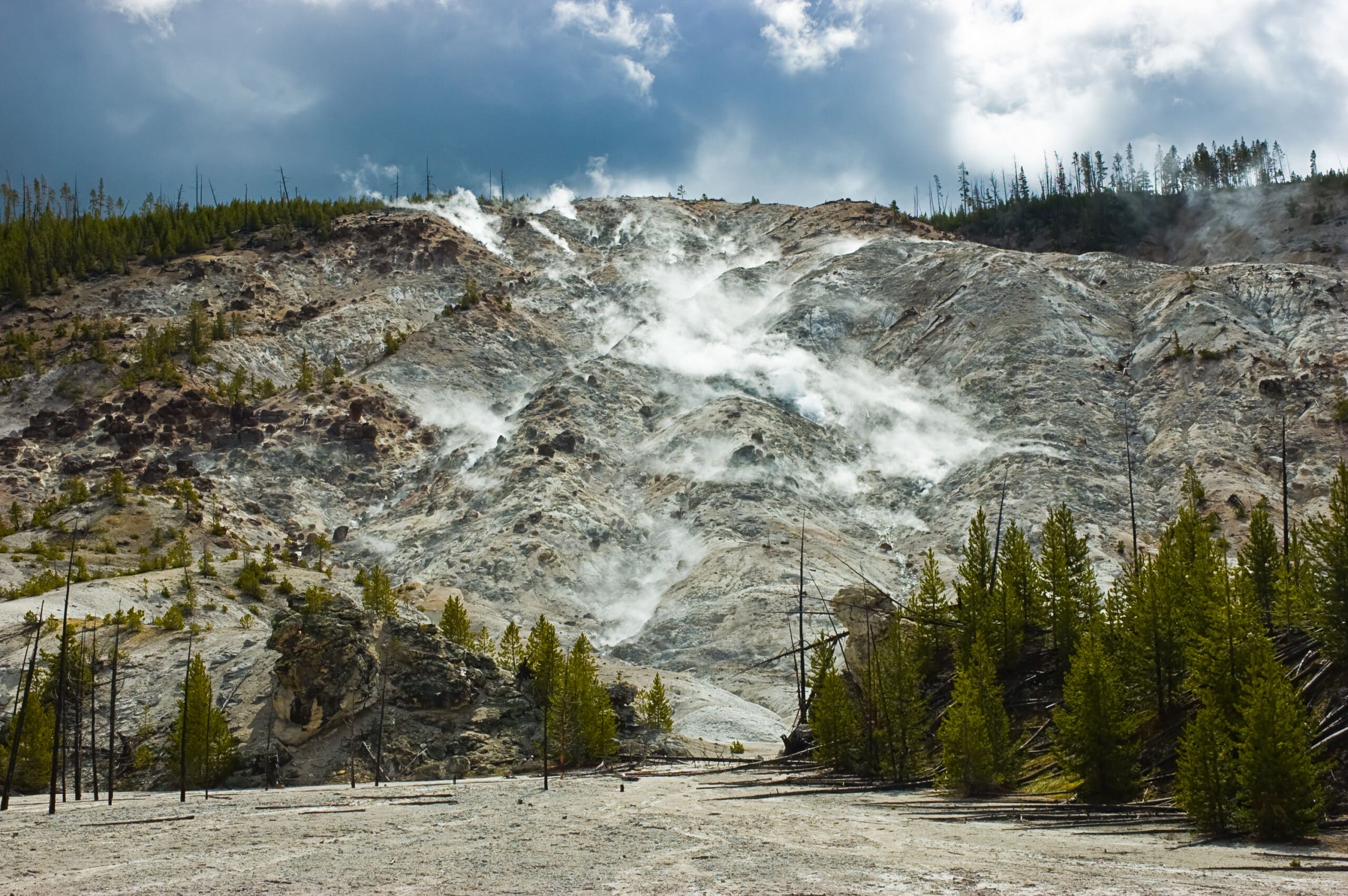
This mountain hisses at you. Its steam vents roar loud enough to hear from the car. Spooky? Yes. Awesome? Also yes.
Thermal features in the lake? Yep. This spot has boiling pools with a view of Yellowstone Lake and the mountains beyond. It’s like the park showing off… again.
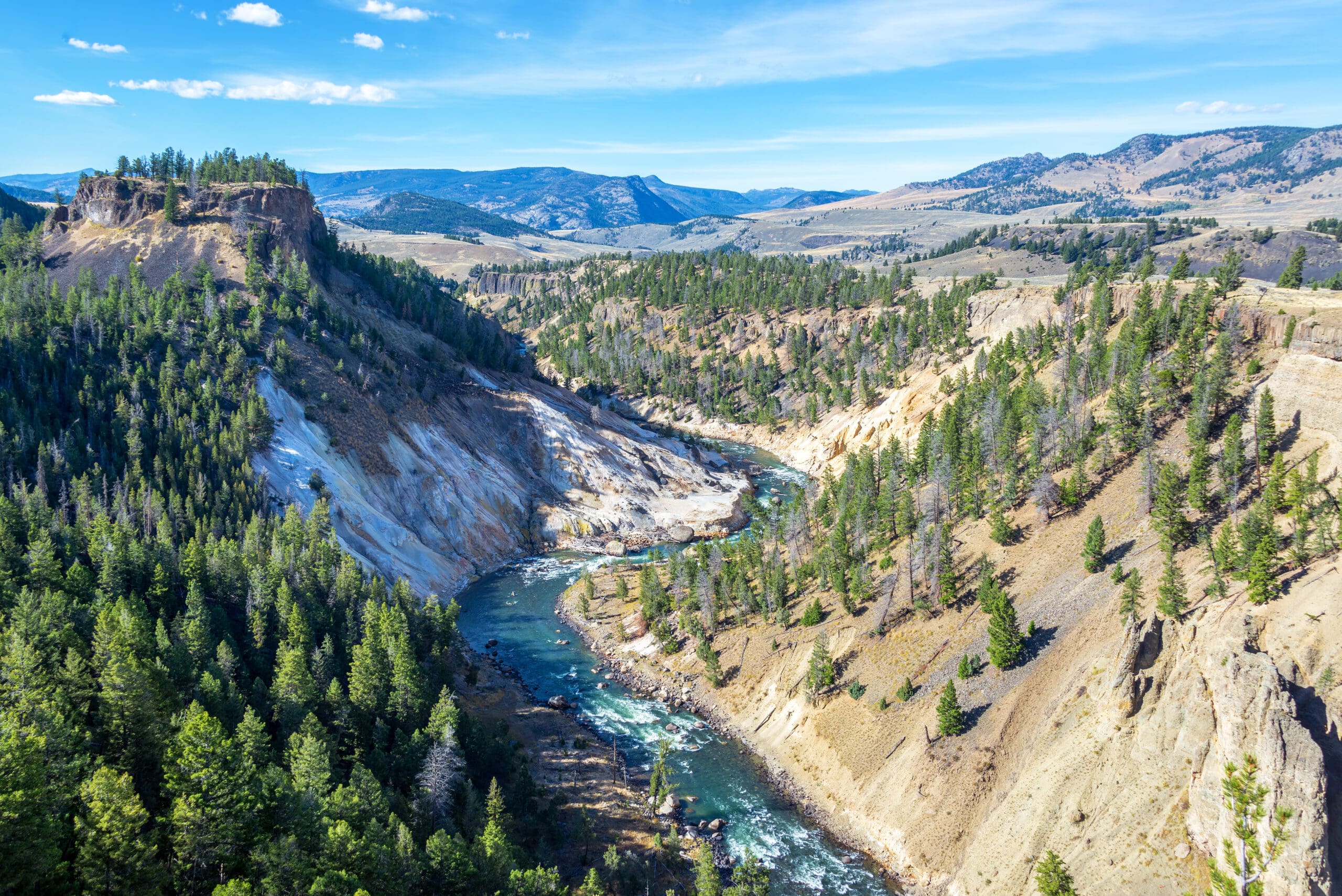
Straight out of a fantasy novel. Water plunges 132 feet past spiky volcanic rock that looks like, well, towers. It’s dramatic, thunderous, and totally photogenic.
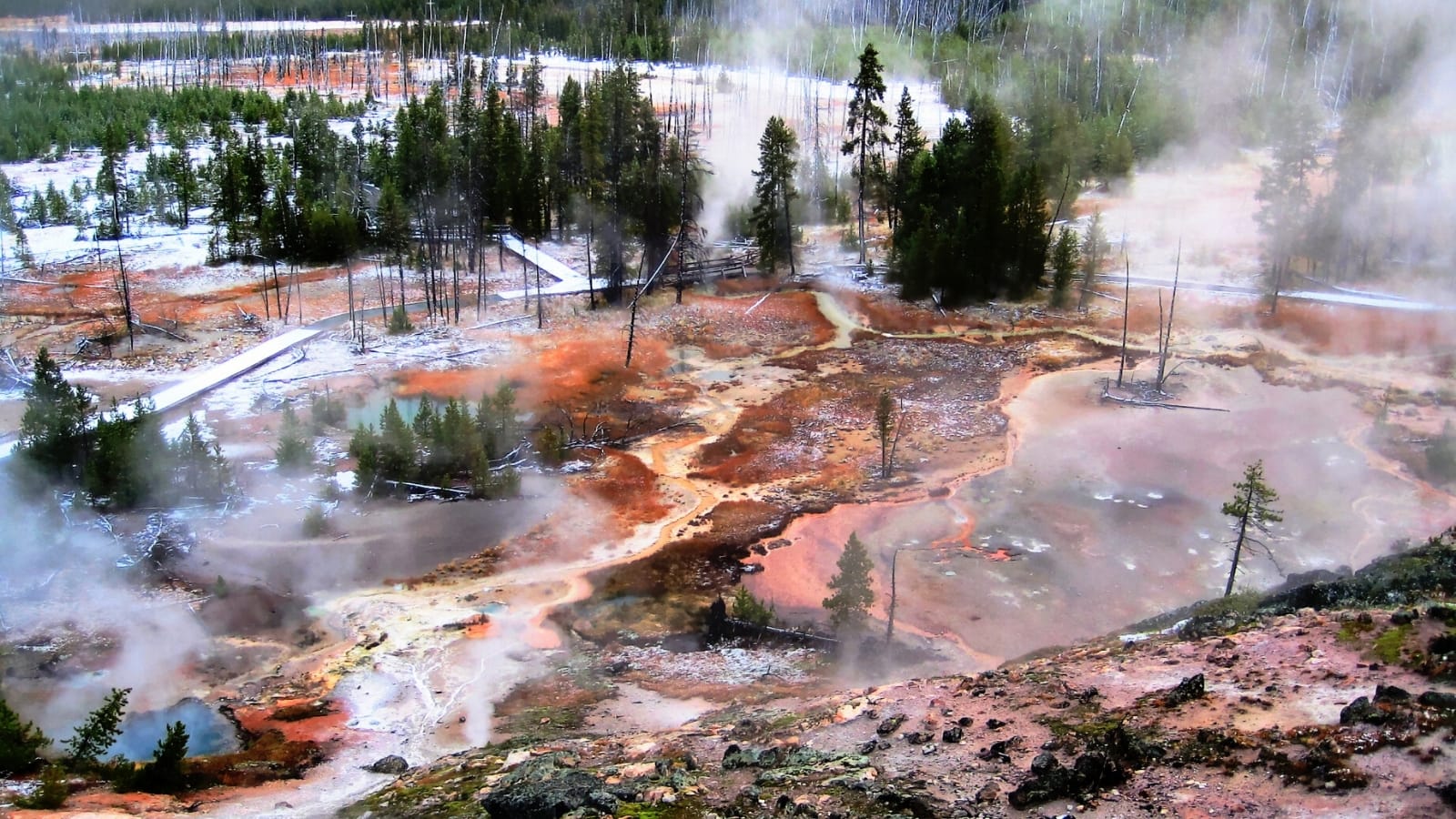
Where hot spring meets cold river. Yellowstone’s legendary natural hot tub. Once a favorite soaking spot, the Boiling River blended wild heat and chill currents in the best way. It’s often closed now due to safety and erosion, so check ahead. Still, the story of this steamy junction lives on.

It’s stinky. It’s steamy. And it sounds like a dragon snoring. With names like Dragon’s Mouth and bubbling pits of goo, this spot feels more Middle-earth than mid-America.
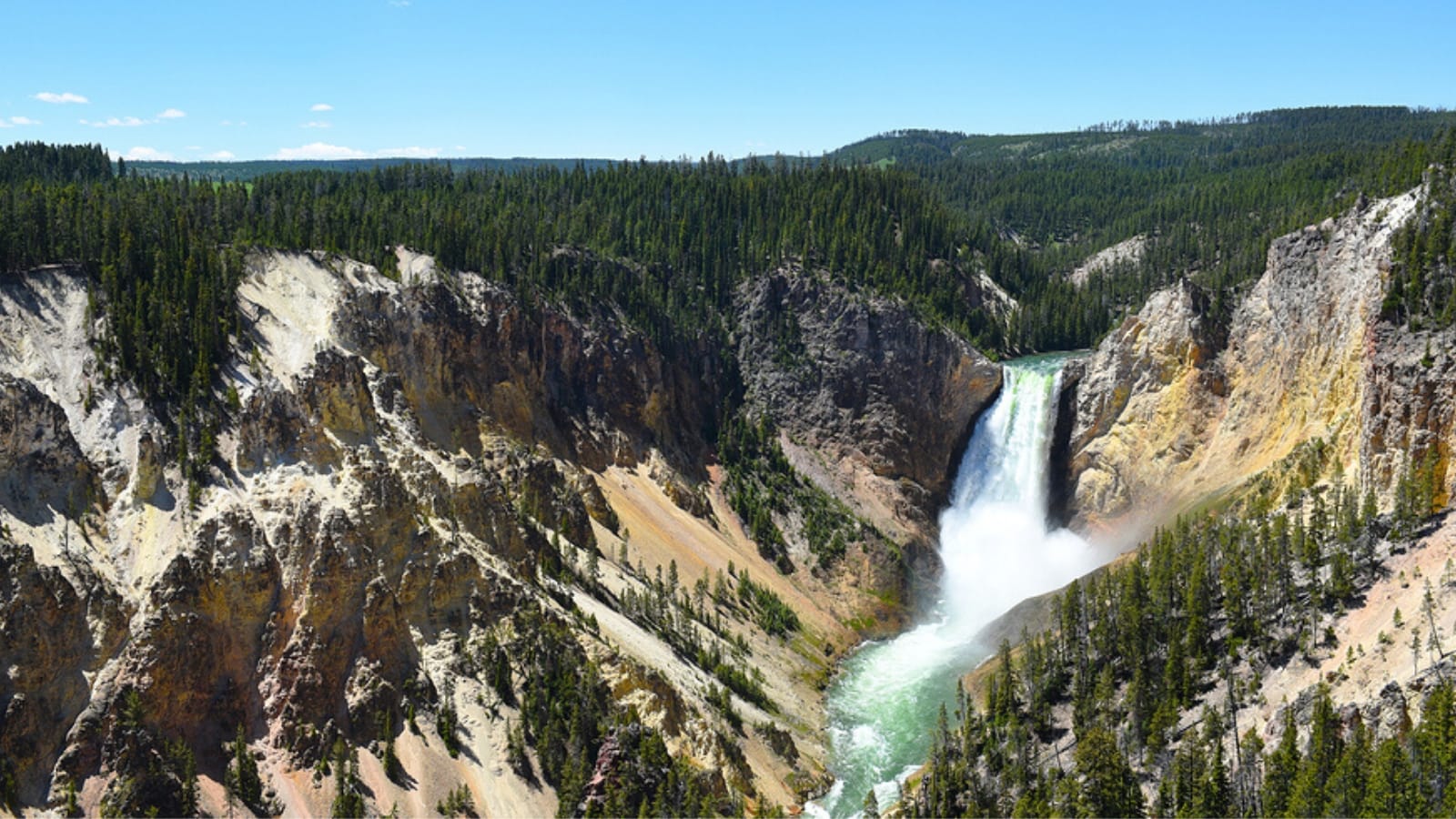
No, not that Grand Canyon but this one’s pretty epic too. Gaze down at the rainbow-streaked cliffs and thunderous waterfalls that make you feel like a tiny dot in a giant masterpiece.
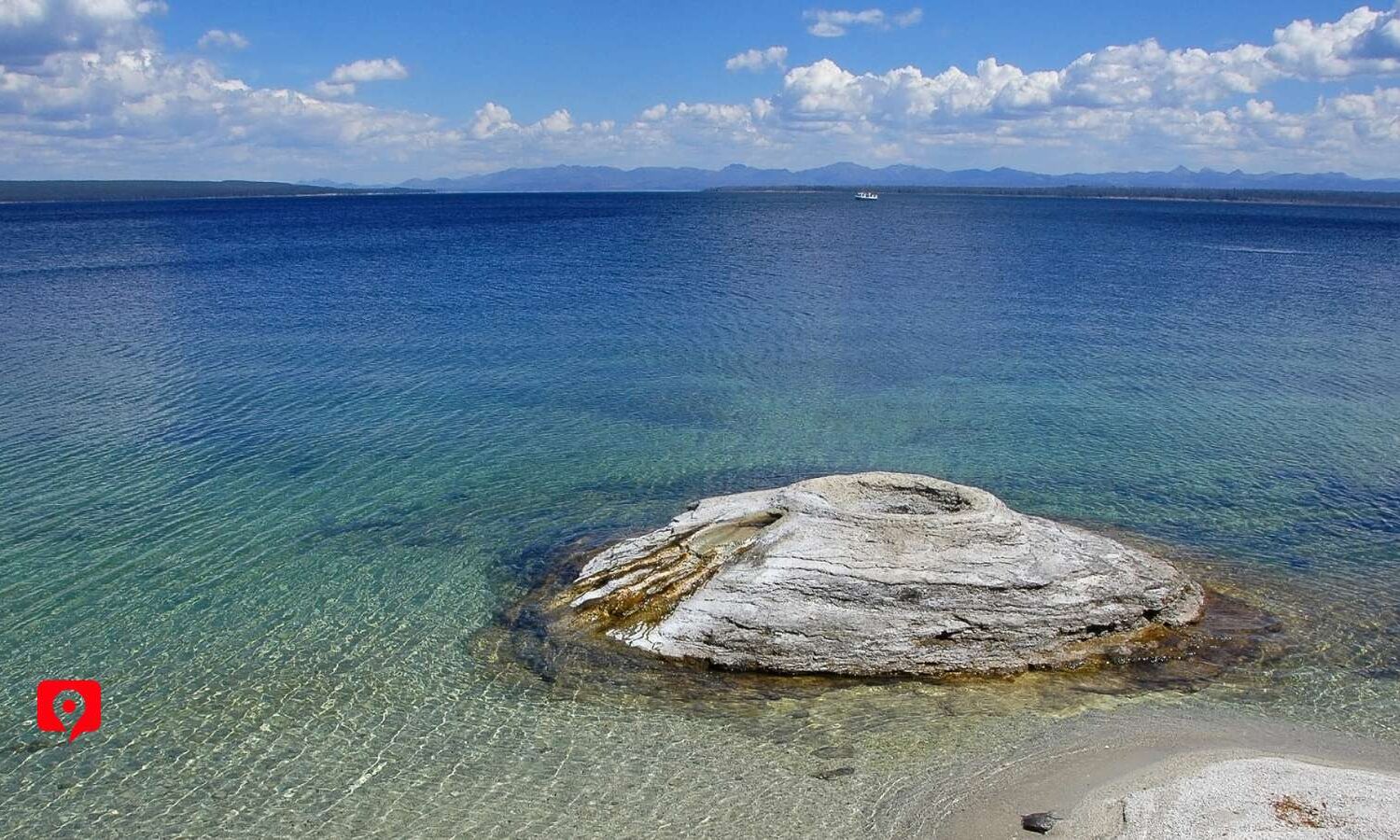
Yes, people once cooked fish while they were still on the line. This lakeside geyser cone was the original absurd Yellowstone party trick- dip, boil, and serve. That’s banned now (thankfully), but the cone remains a weird, wonderful icon of Yellowstone’s wild days.
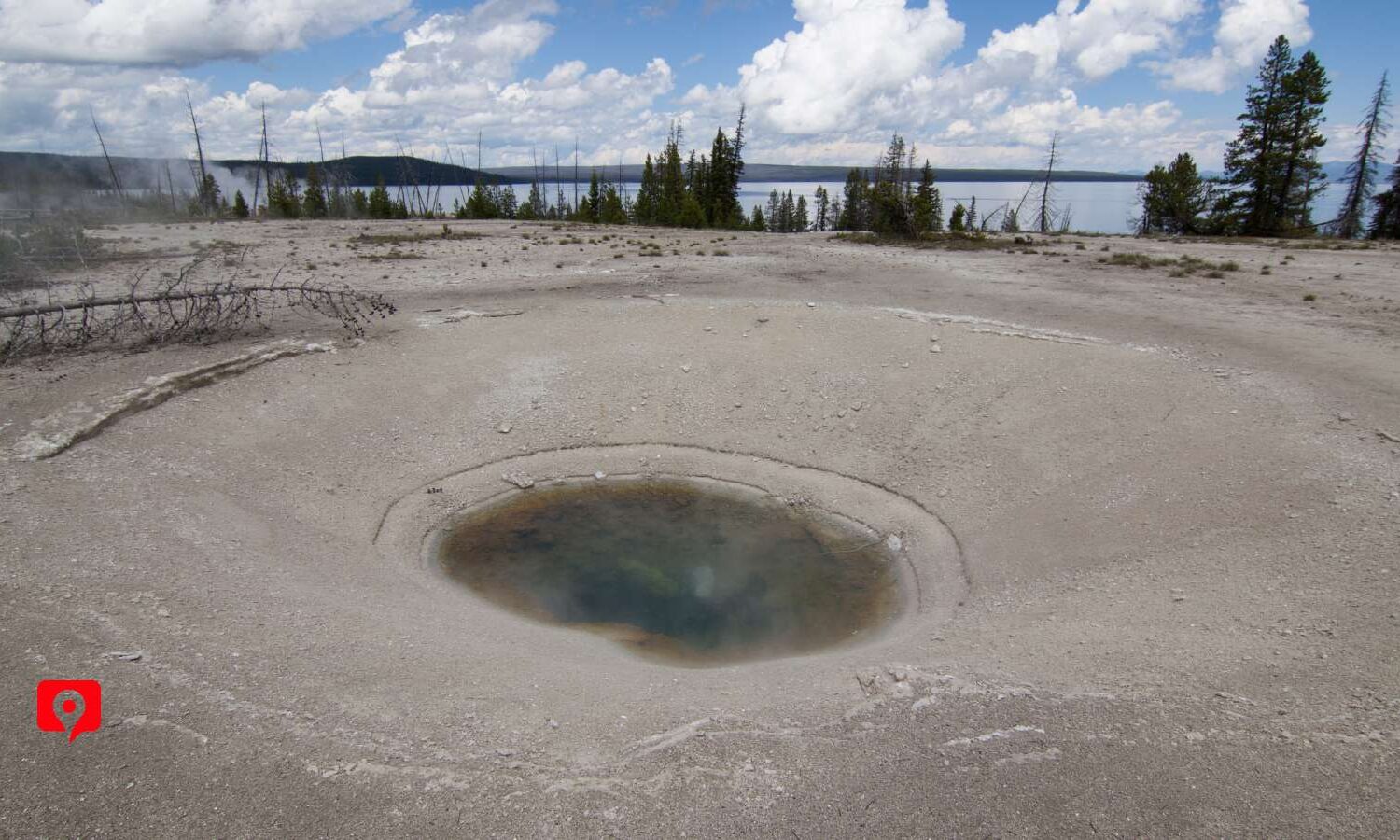
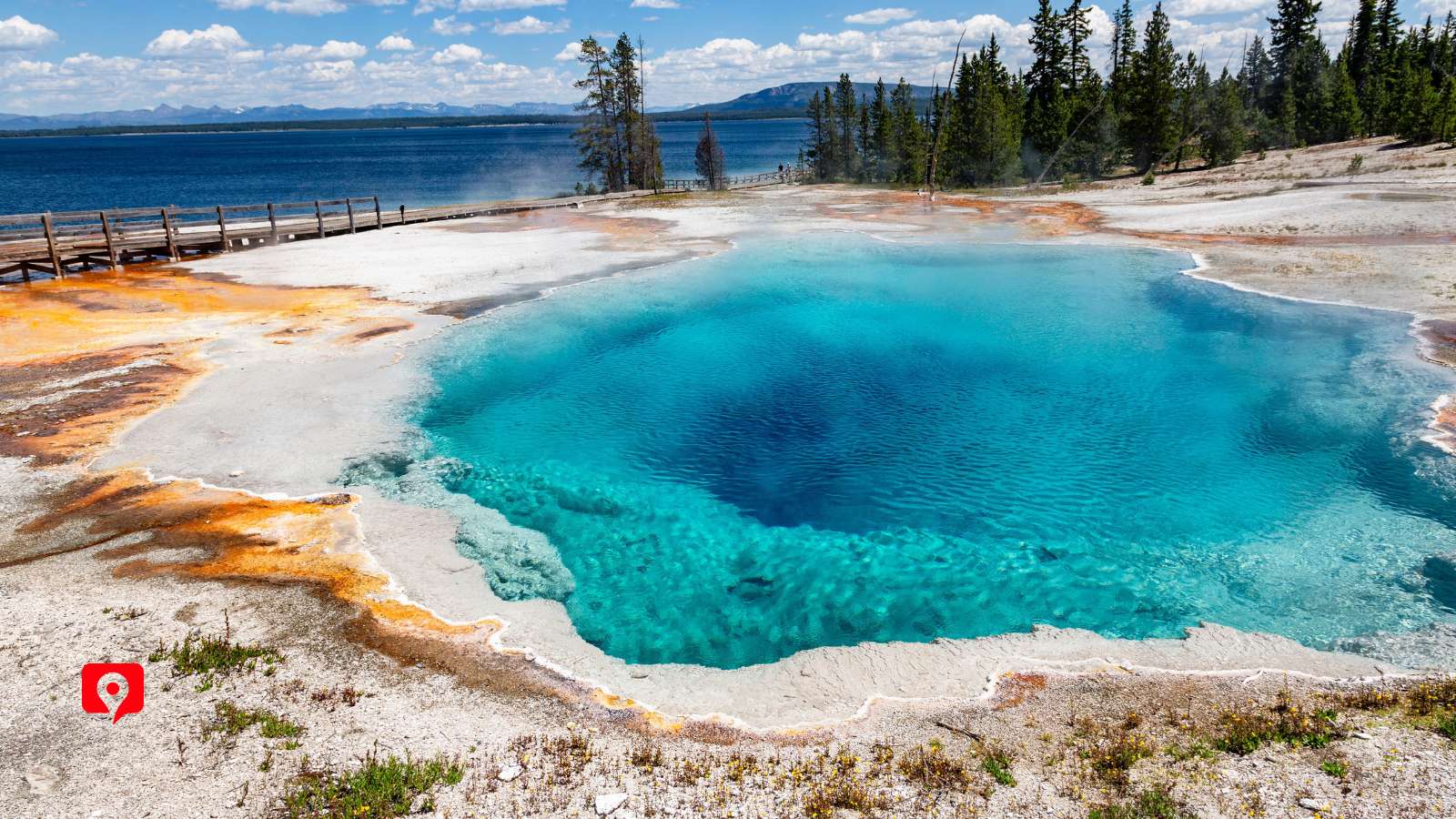
An electric-blue eye in the earth. This bubbling hot spring looks almost unreal—thanks to heat-loving microbes and crazy-clear water. It’s the color of a tropical sea, with the temperature of a kettle. Hypnotic, otherworldly, and a total stunner.
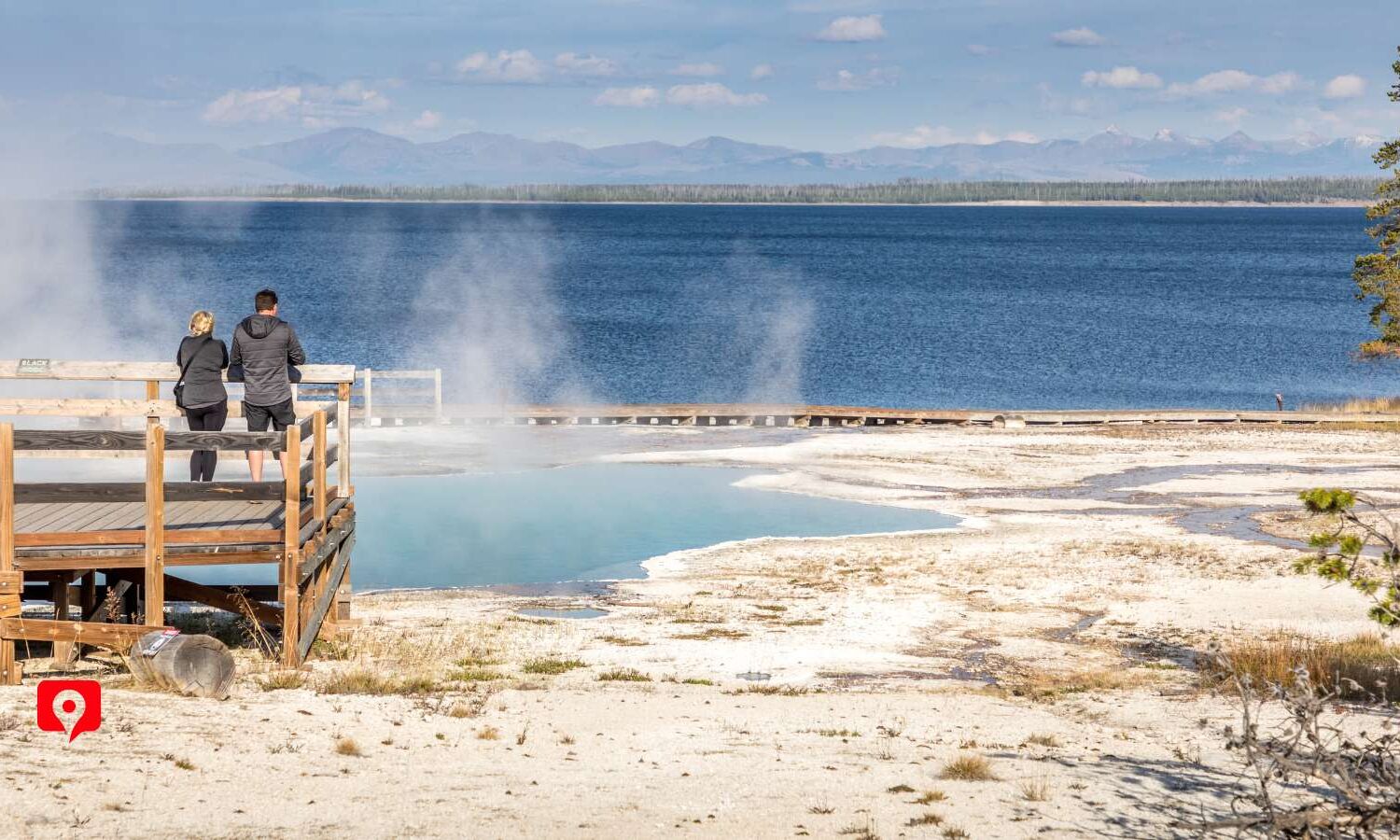
Where boiling water meets lake water! This lakeside geyser shoots up dramatic bursts of steam just inches from Yellowstone Lake. It’s a rare clash of hot and cold that’s as steamy as it sounds. Nature’s chemistry experiment, right at your feet.
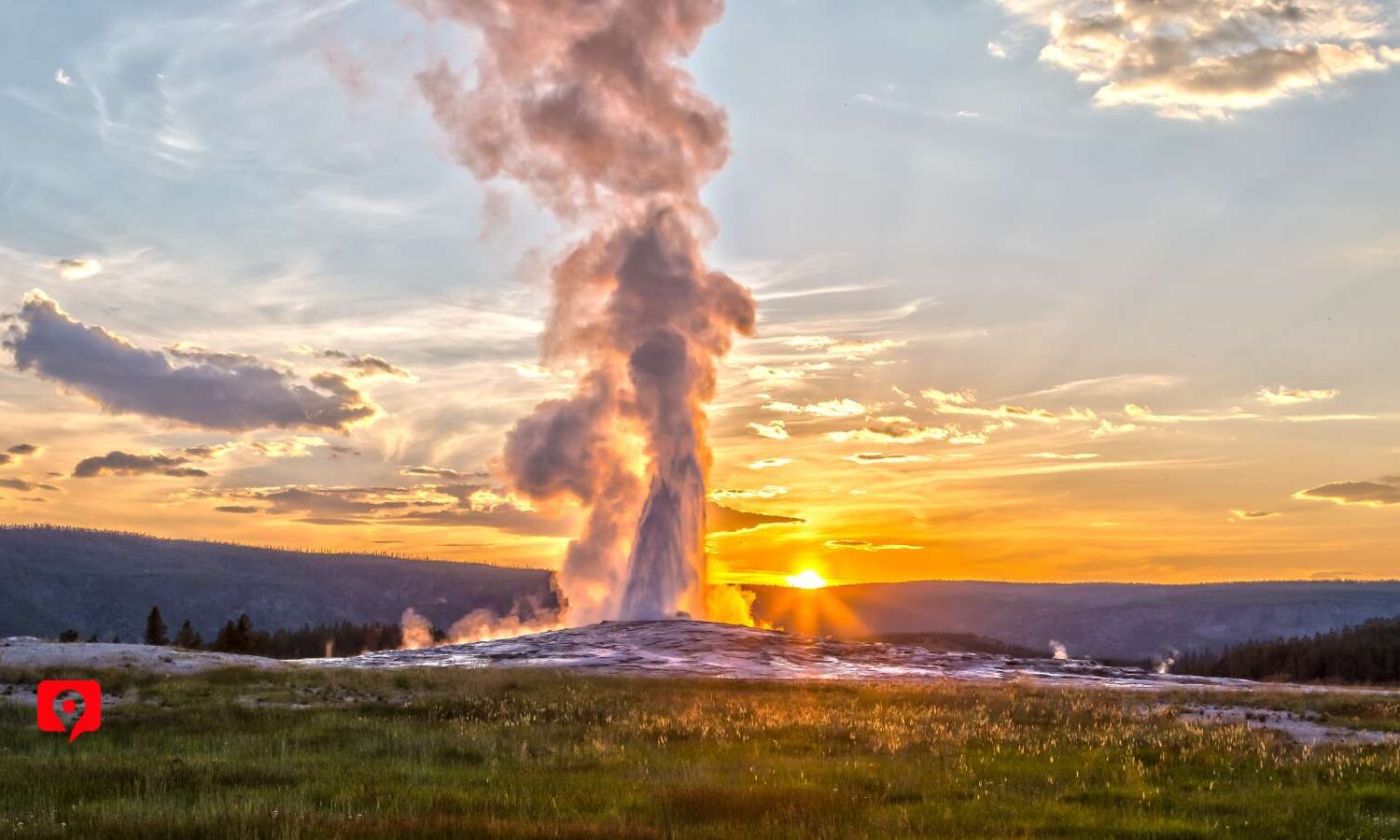
“Grand Geyser is the tallest predictable geyser on the planet. Eruptions burst skyward in several pulses, each one bigger than the last. It’s drama, power, and wonder all packed into one steamy spectacle.”
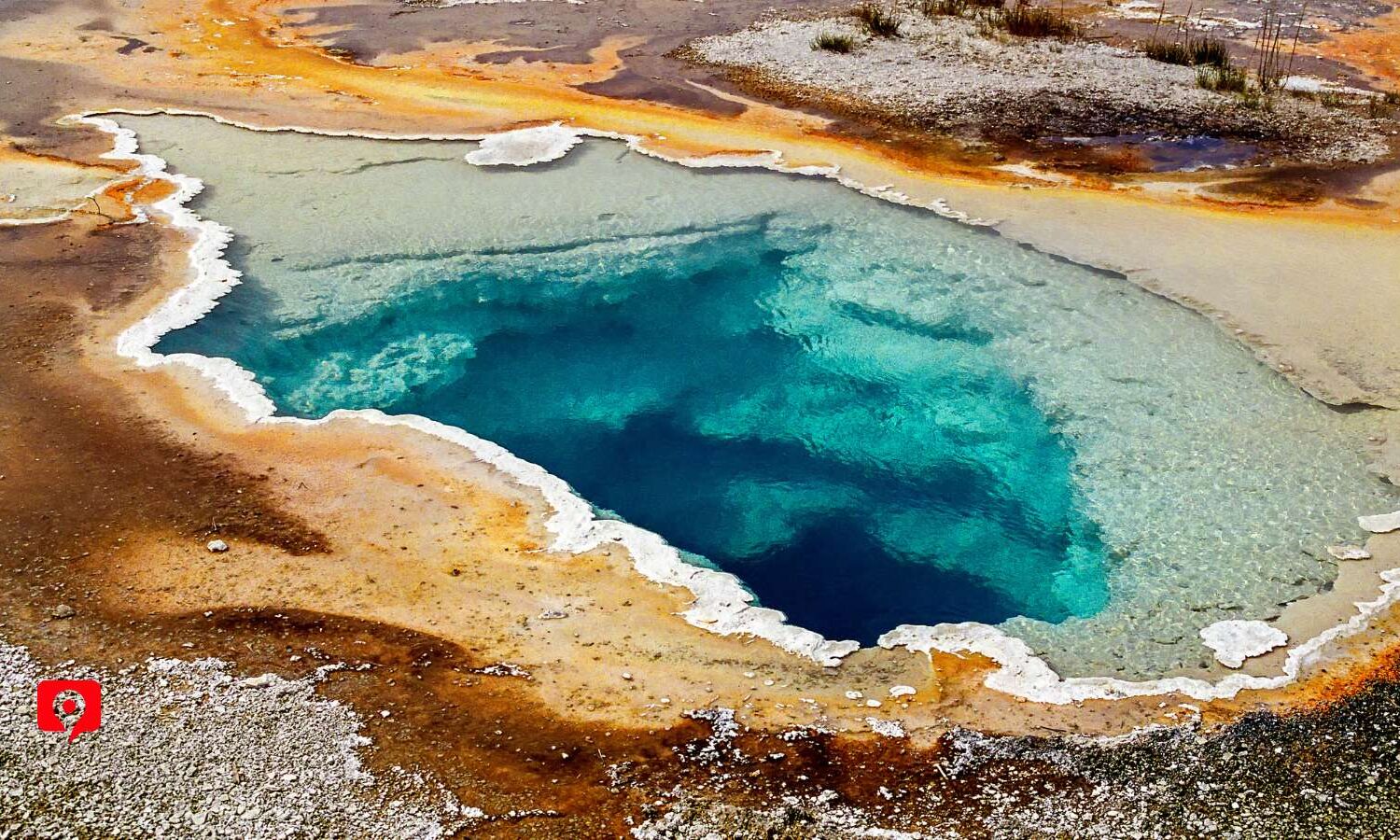
Heart Spring is all about quiet beauty. Its heart-shaped pool glows with soft blues and greens, framed by colorful bacterial mats. A peaceful thermal stop that feels like Yellowstone’s hidden heartbeat.
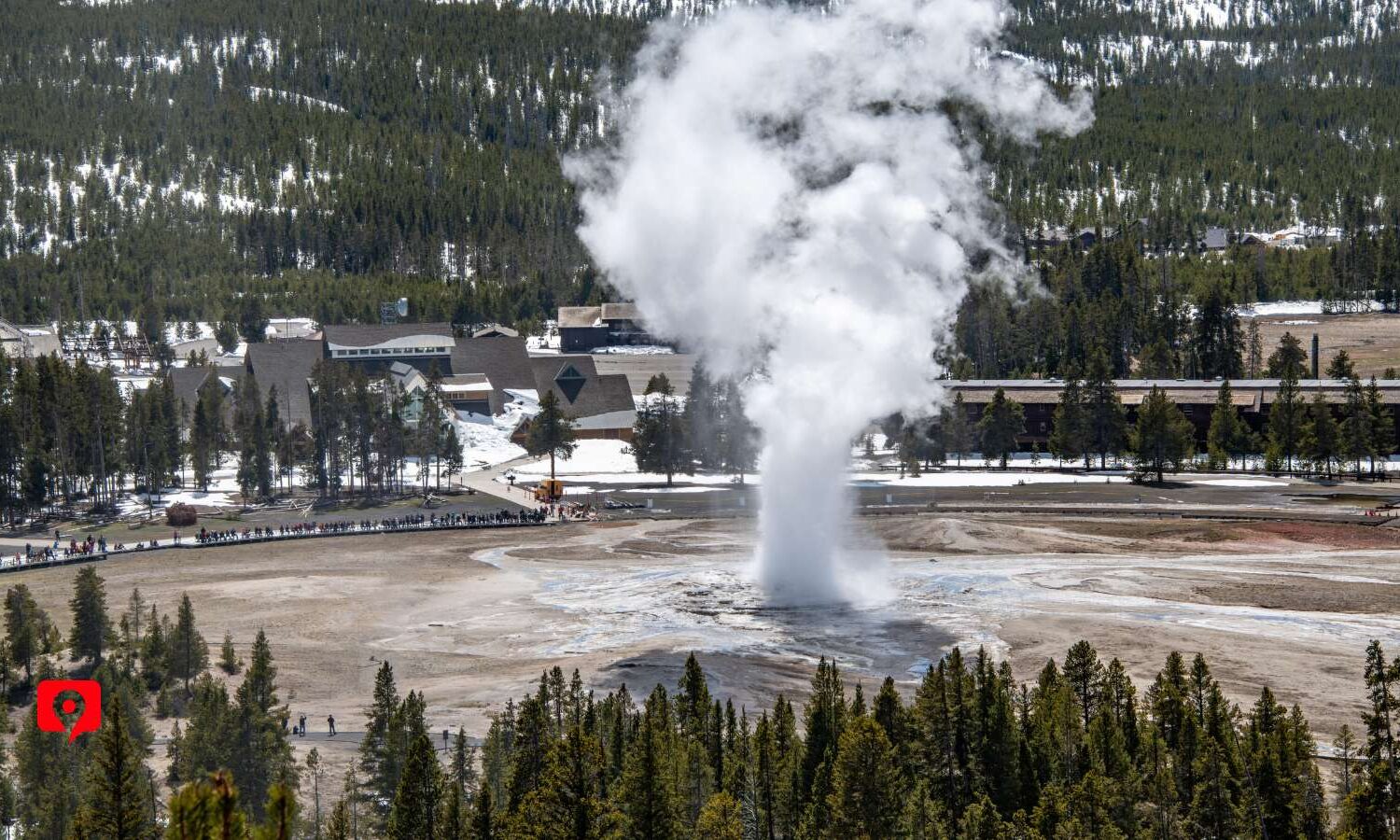
Beehive Geyser launches with spectacular force- when it goes, it really goes. Eruptions can reach 200 feet, rivaling Old Faithful but with more surprise. If you’re lucky enough to catch it, the show is unforgettable.
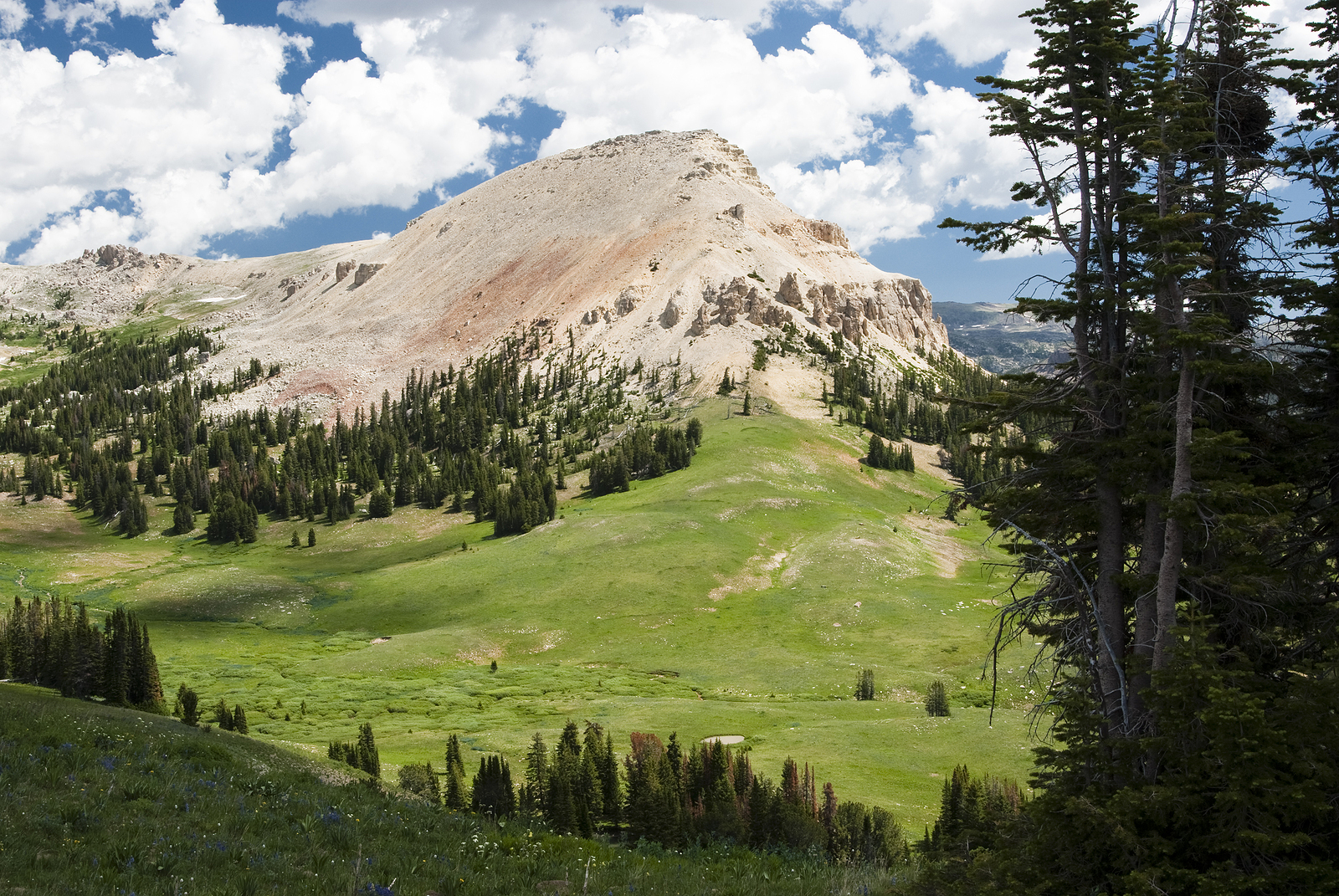
Just off the main road, Clay Butte Lookout offers a big-picture view of the Beartooth Mountains. From up here, you’ll see wide valleys, wildflower meadows, and distant peaks. The lookout tower often has signs that explain the area’s geology, wildlife, and history. It’s a great stop to get your bearings and enjoy a quiet moment above the trees.
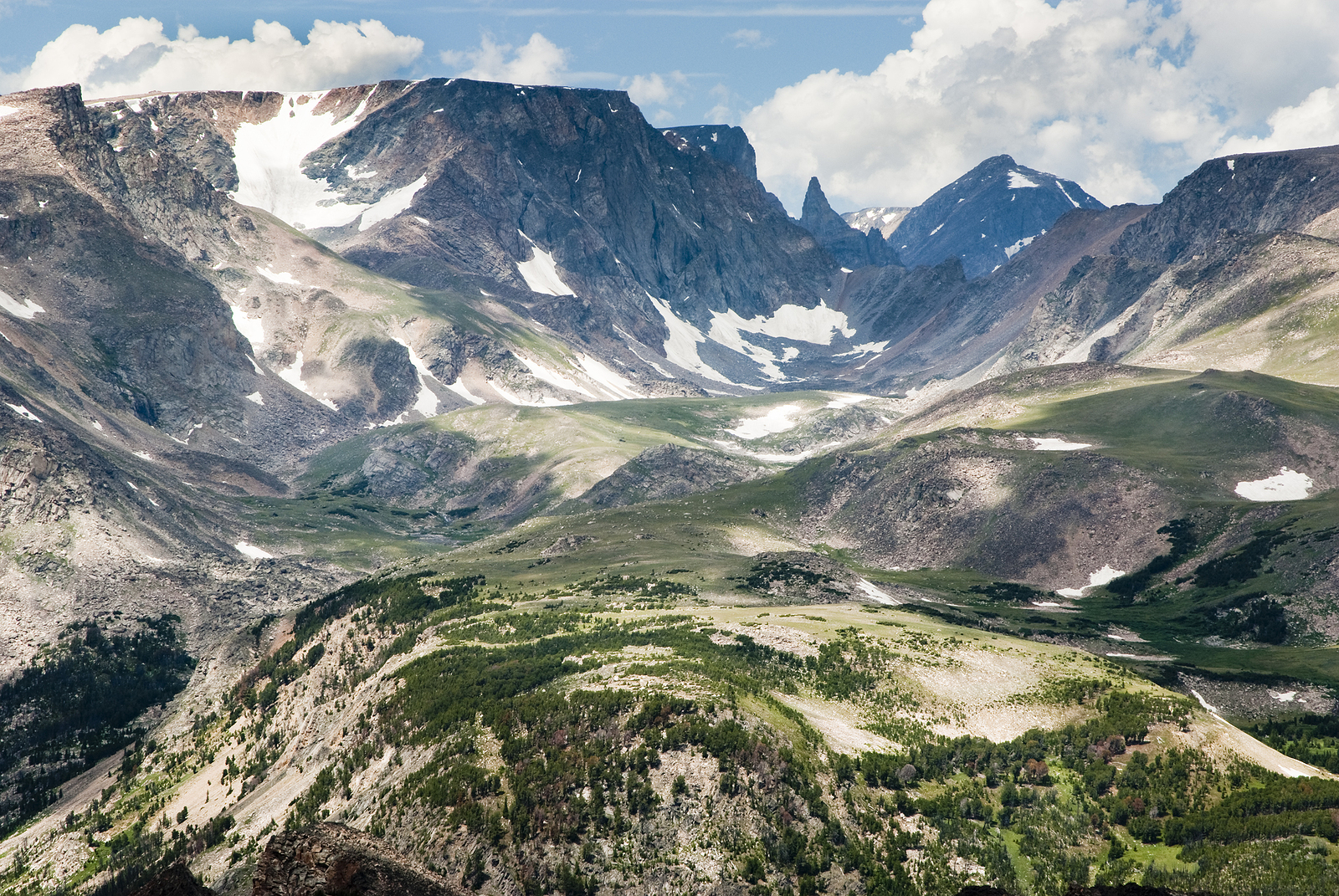
Bears Tooth View is one of the top scenic stops along the Beartooth Highway. From here, you’ll see the sharp rock spire called the “Bear’s Tooth”, the landmark that gave this mountain road its name. It’s a great spot for a photo, with epic views of the mountains all around. You’ll also learn how this wild landscape was shaped over time.
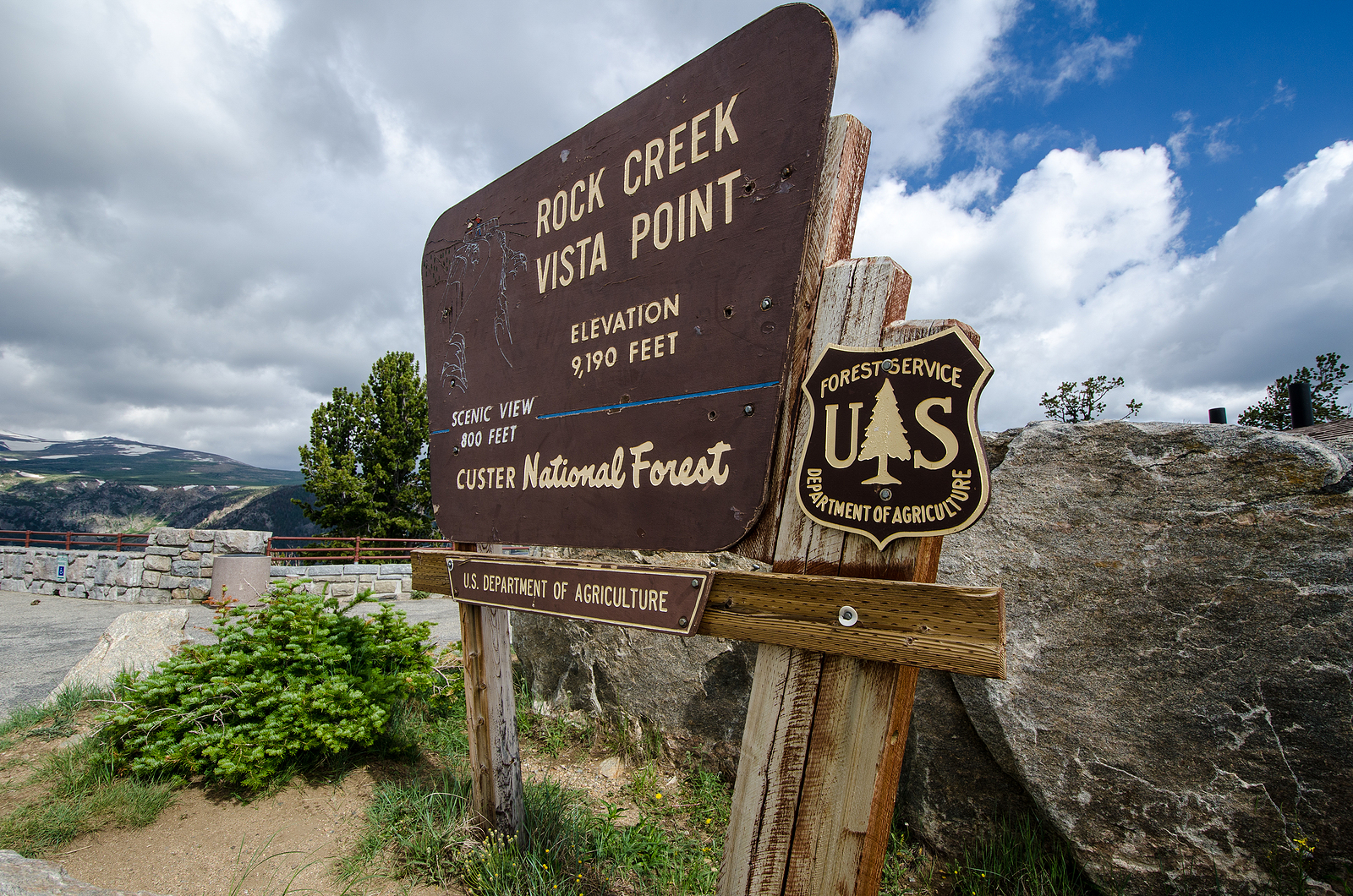
Vista Point gives you a bird’s-eye view of Rock Creek Valley. This is where the Beartooth Highway begins its steep, winding descent toward lower elevations. You’ll see forests, meadows, and the curving Rock Creek far below. It’s a perfect place to stop, take photos, and admire how this scenic drive cuts through such dramatic terrain.
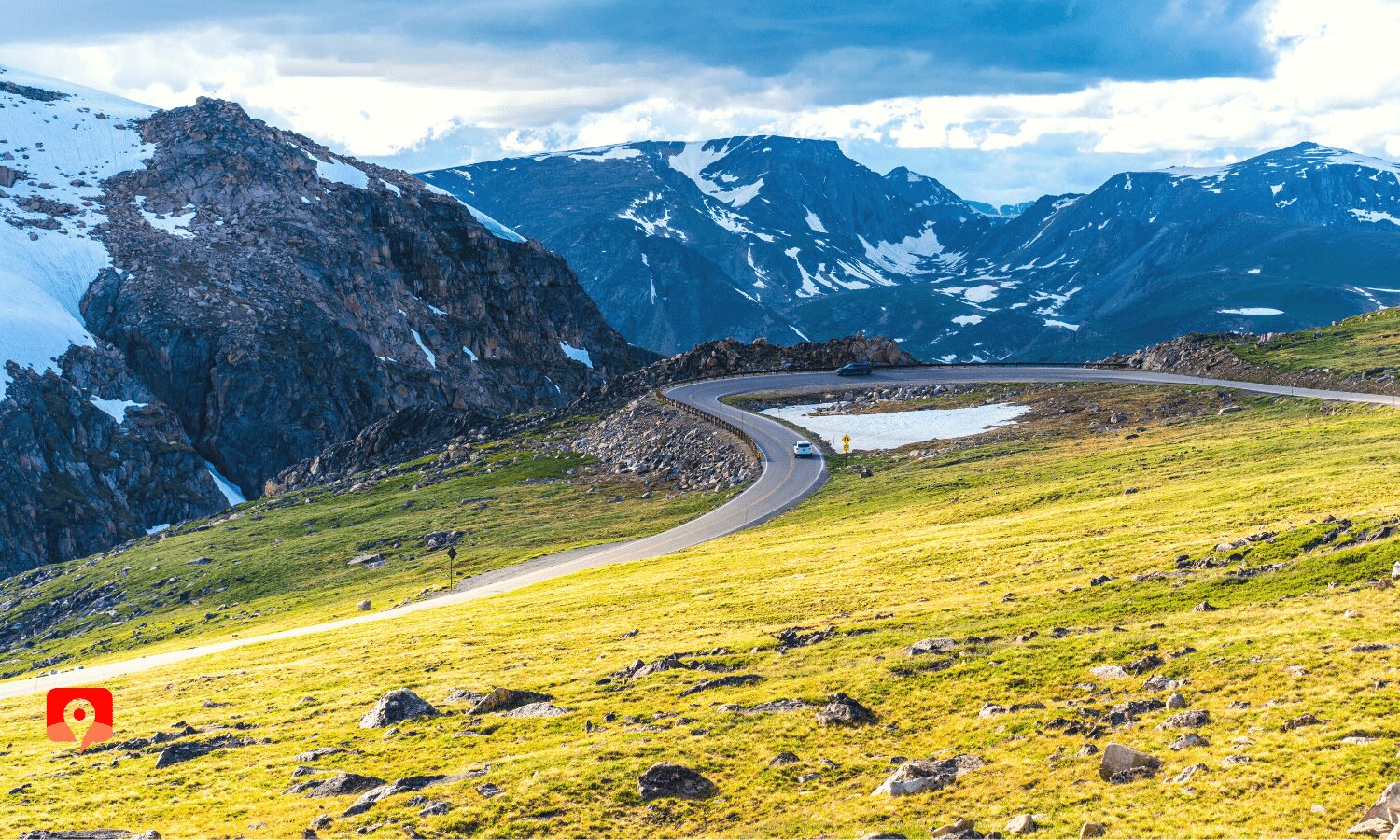
Before you leave the high country, don’t miss West Summit Overlook. It’s one of the last big viewpoints heading west on the Beartooth Highway. From here, you can look back at the peaks and alpine scenery you’ve just traveled through. It’s a great place to pause and take in one last view before the road winds down.
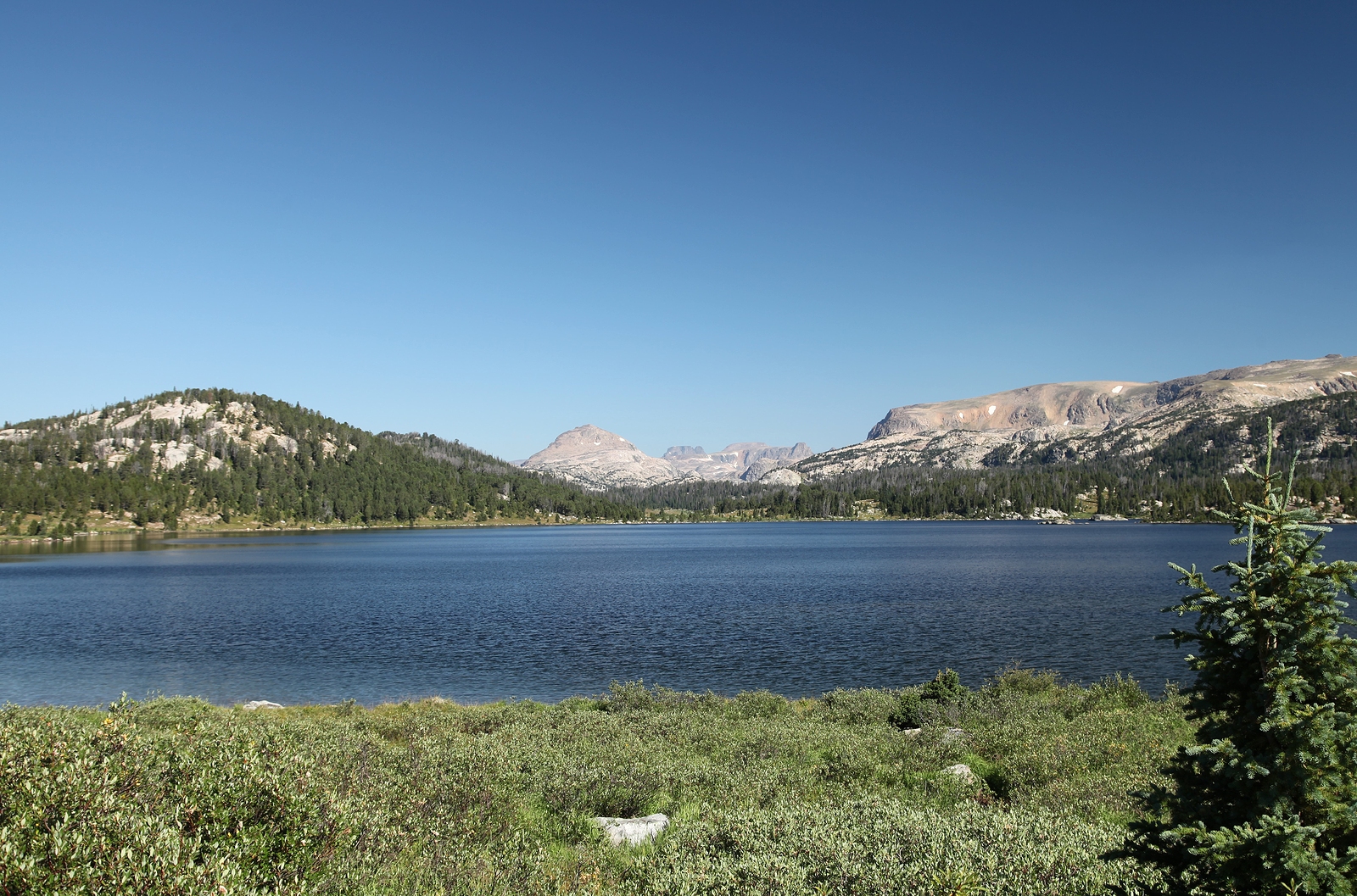
Island Lake is a peaceful alpine lake just off the Beartooth Highway. With clear water and mountain reflections, it’s one of the prettiest spots along the route. In summer, colorful wildflowers bloom around the shore. It’s a nice place for a short walk, a picnic, or just to relax and enjoy the view.
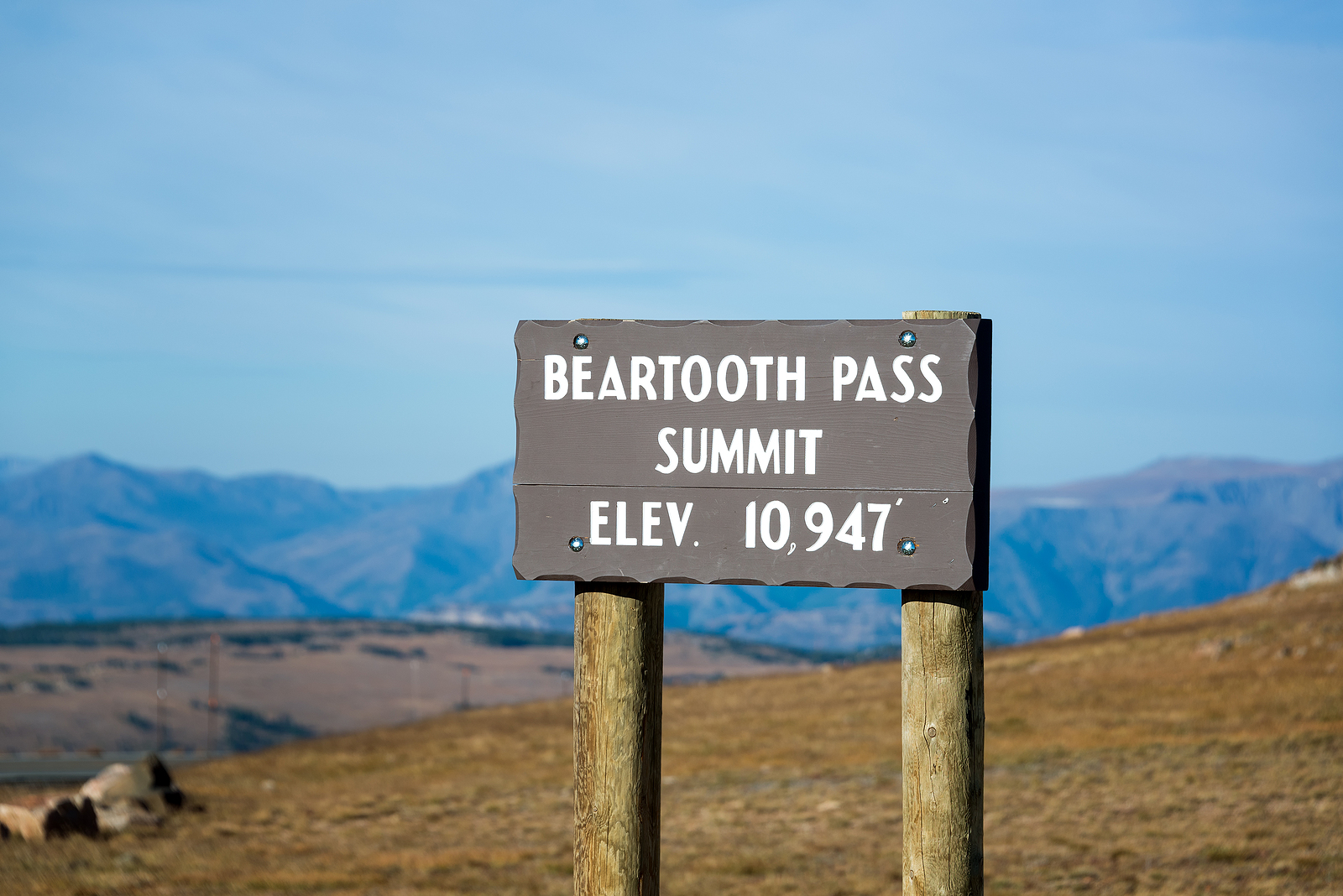
Beartooth Pass is the highest point on the Beartooth Highway, over 10,000 feet above sea level! At the summit, step into cool mountain air and enjoy wide, sweeping views of the Absaroka and Beartooth Mountains. This is one of the most scenic spots on the drive, where you might even see snow in summer. It’s also a great place for photos and to take in the scale of the landscape.
Mammoth Hot Springs in Yellowstone National Park Tour is a fascinating complex of colorful terraces and hot springs that’s constantly changing.
See them up close on the boardwalks, or drive the short loop.
Old Faithful in Yellowstone National Park Tour is often considered the world’s most famous geyser and its eruption schedule is highly predictable. The time between eruptions varies but since the year 2000, recorded intervals have ranged between 44 minutes and two hours.
Rather than watch Old Faithful from the crowded boardwalk, consider hiking the Observation Point Trail and watch it erupt from a viewpoint high above the entire geyser basin.
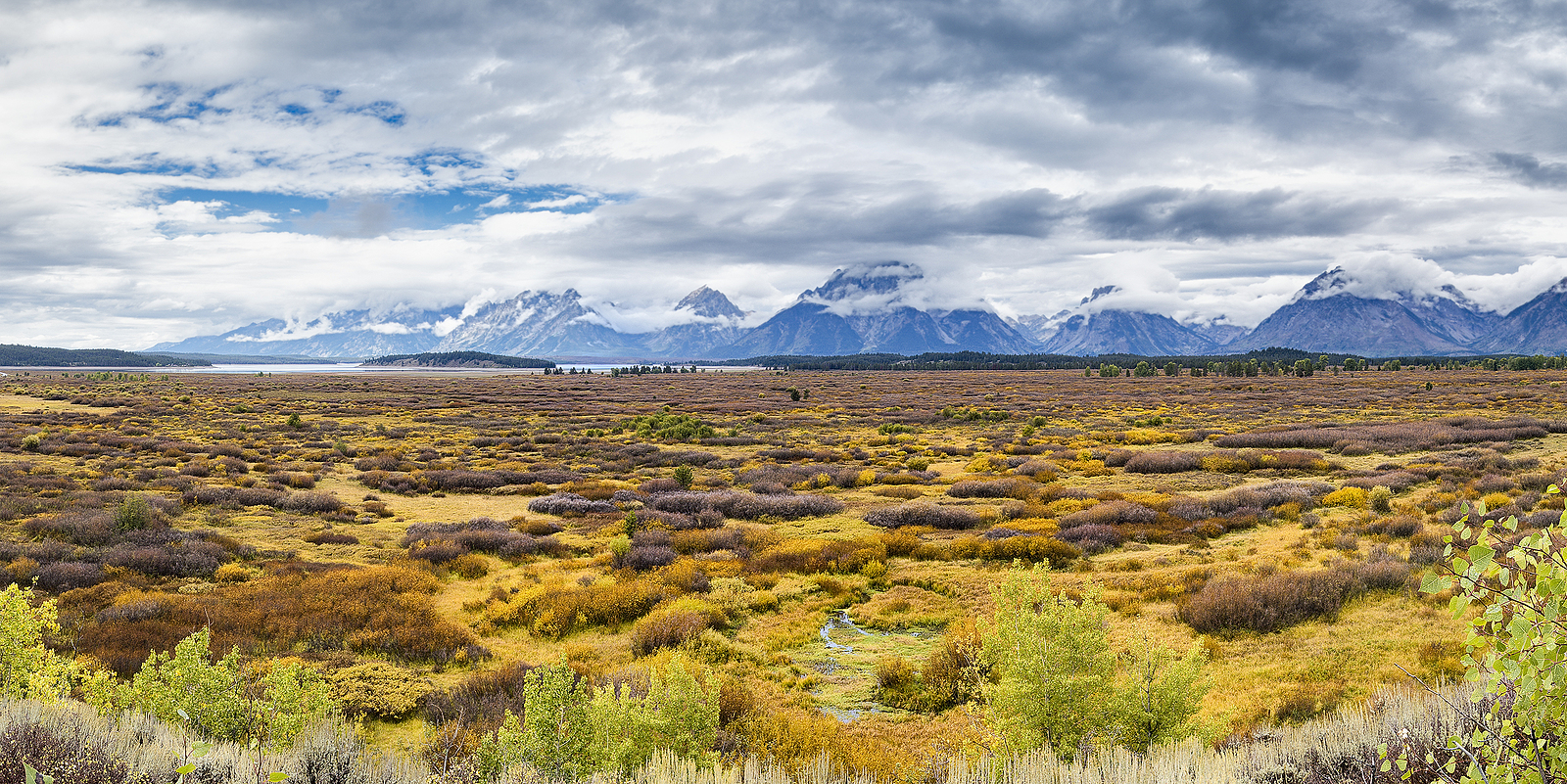
Perched above Jackson Lake, this classic lodge offers wide-open views of the Tetons from its huge picture windows and outdoor terraces. Step inside to admire the rustic-modern design, learn its history, and maybe grab a drink as you soak up the scenery.
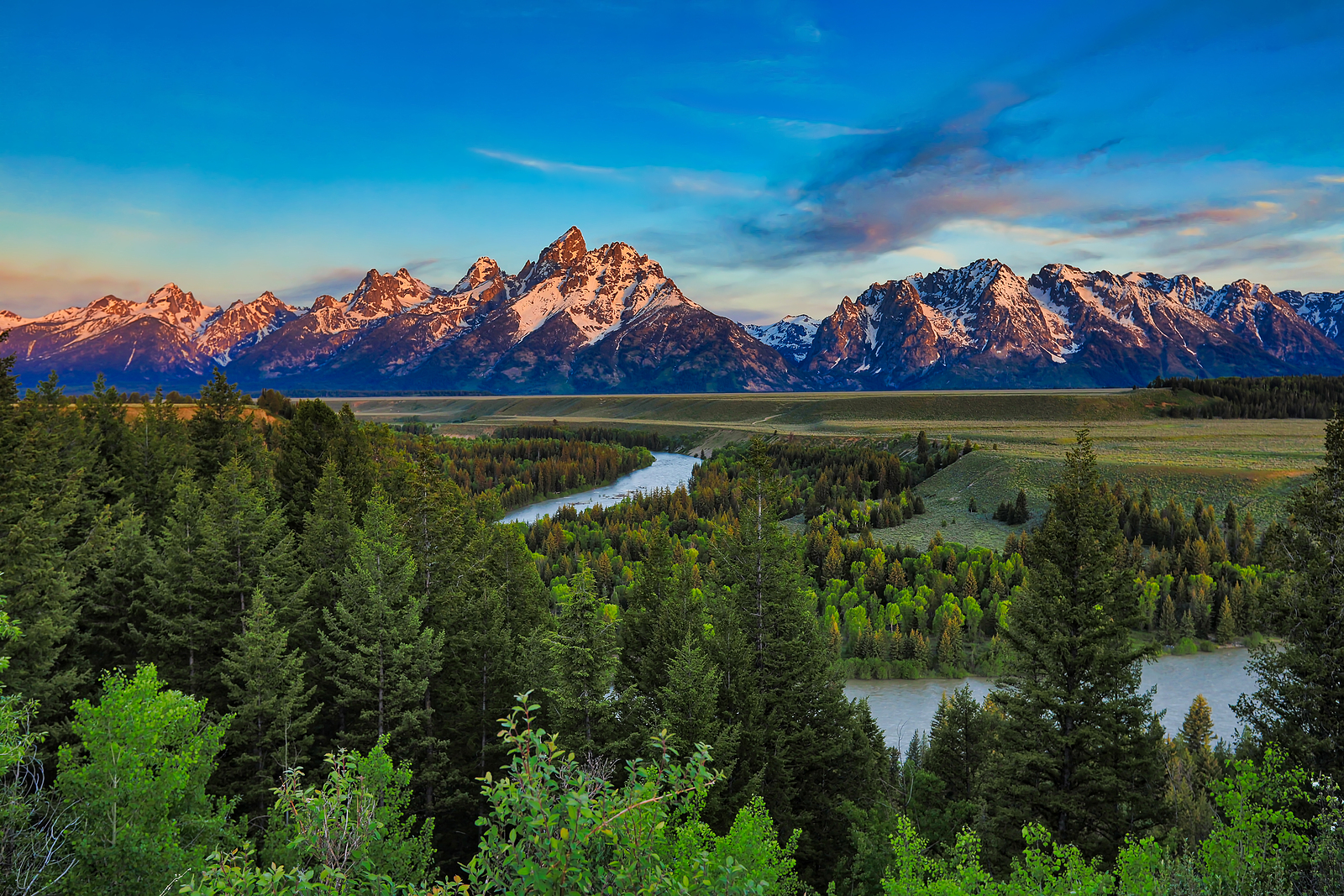
Finish your tour at Snake River Overlook, one of the most iconic views in Grand Teton National Park. Made famous by Ansel Adams’ classic photo, this spot shows the Snake River winding below with the Teton Range rising in the distance. Take your own photo of this timeless scene and soak in the beauty that’s inspired visitors for generations.
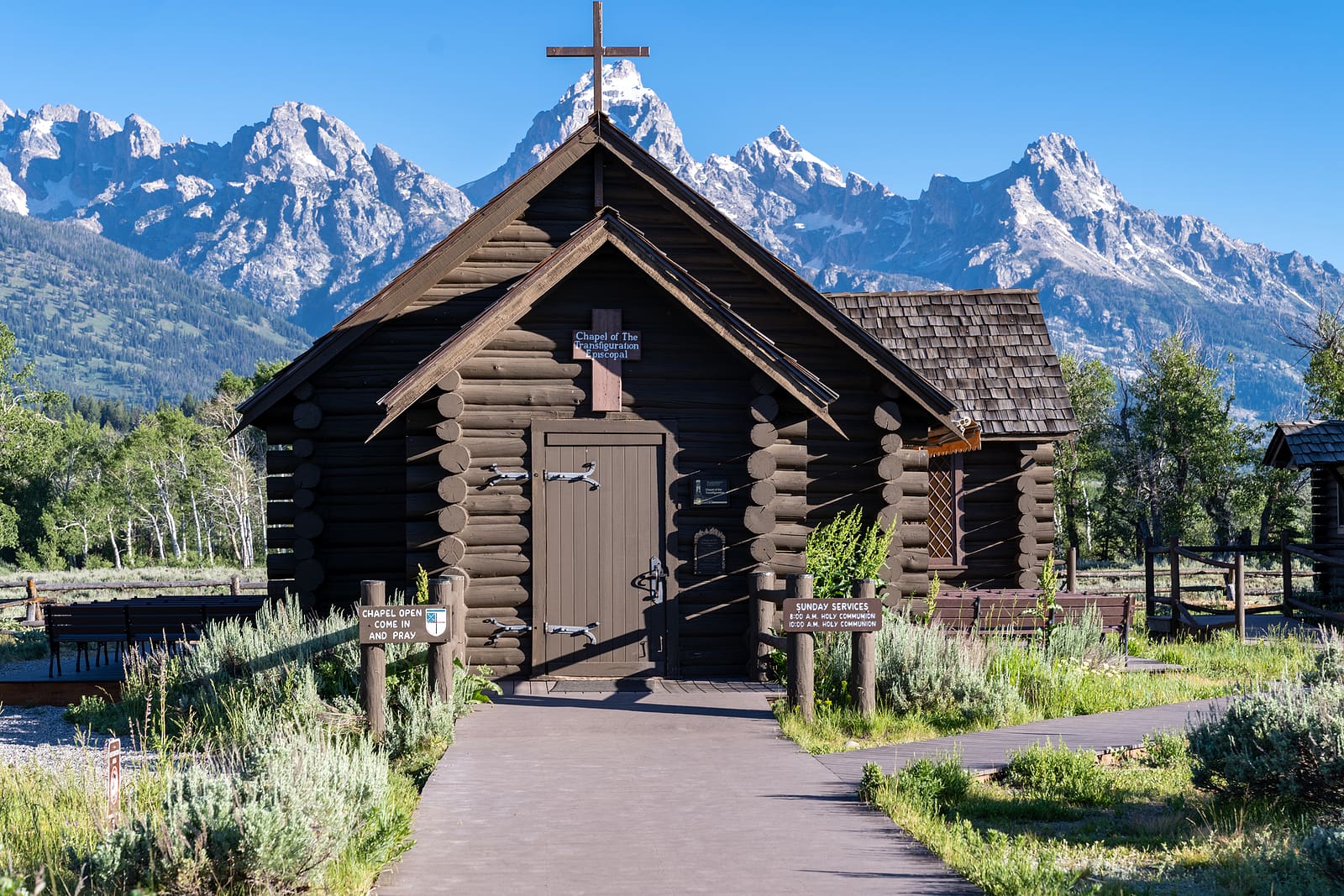
Start your Grand Teton journey at the Chapel of the Transfiguration, a small log chapel with one of the park’s most iconic views. Through its altar window, the Teton Range fills the frame, just as it has for nearly a century. Pause for a moment of quiet, take in the beauty, and snap a photo that feels timeless.
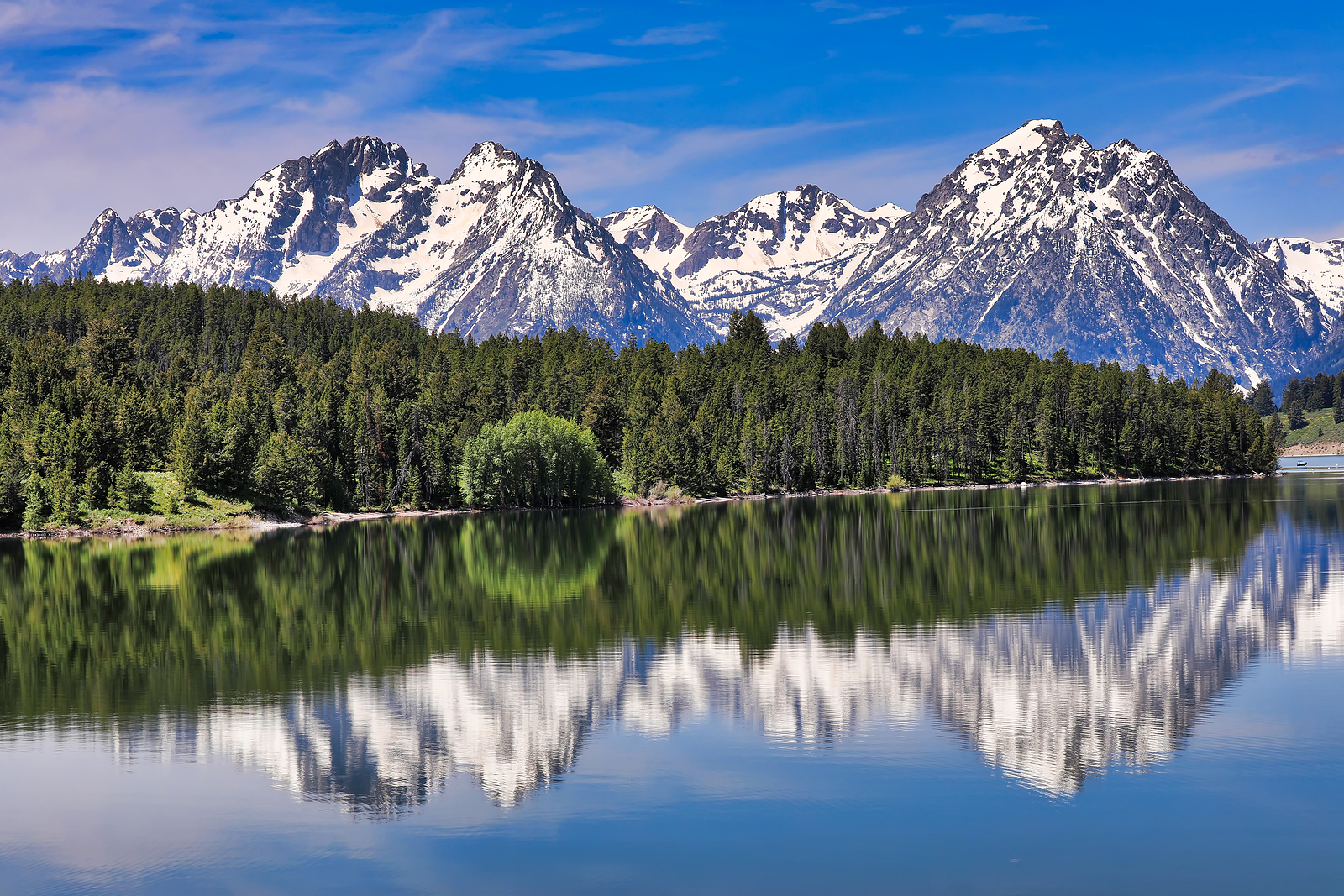
Drive or hike to the top of Signal Mountain for incredible views across Jackson Hole. From the summit, you’ll see the Snake River, Jackson Lake, and the Tetons lined up on the horizon. It’s one of the best places to take in the park from above.
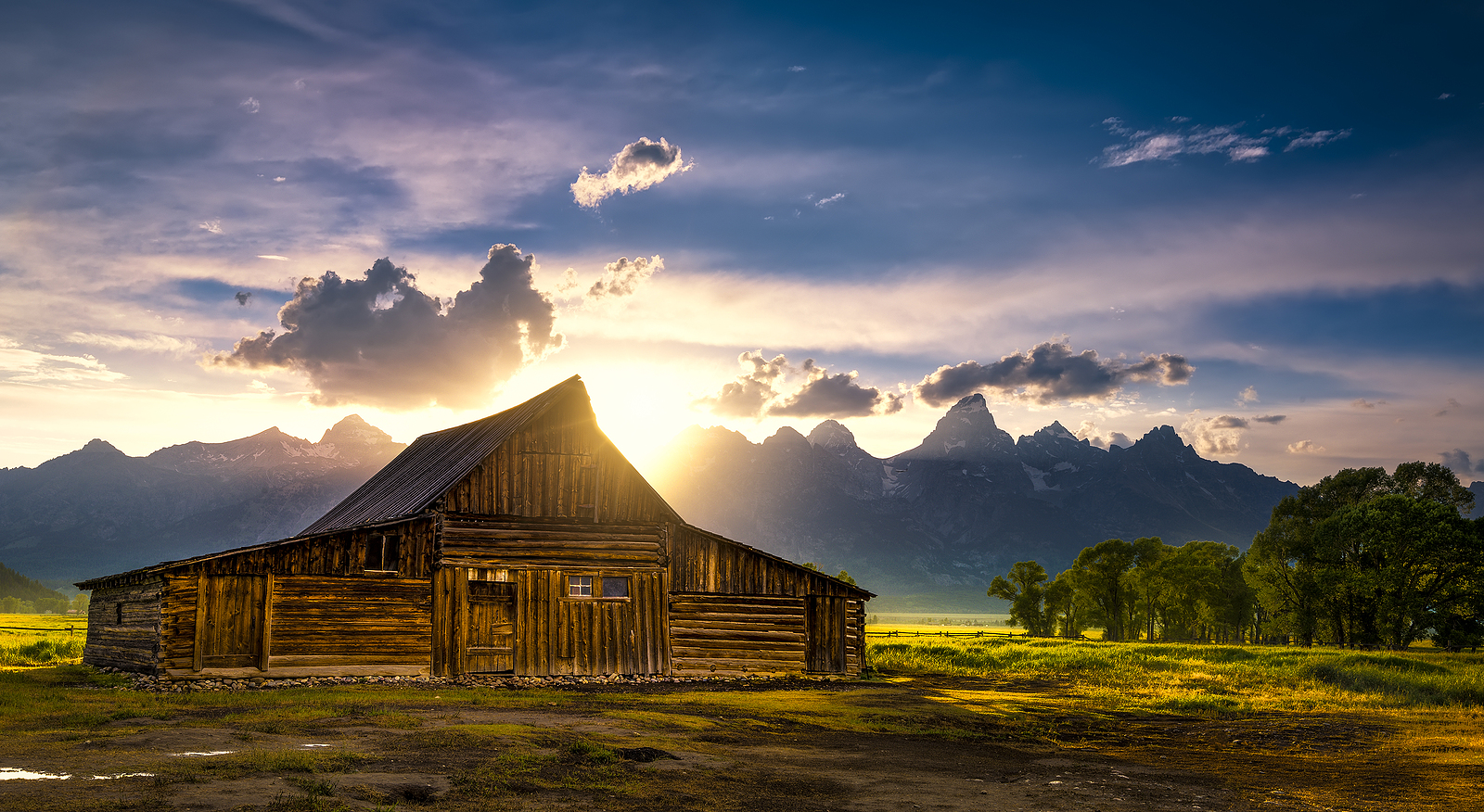
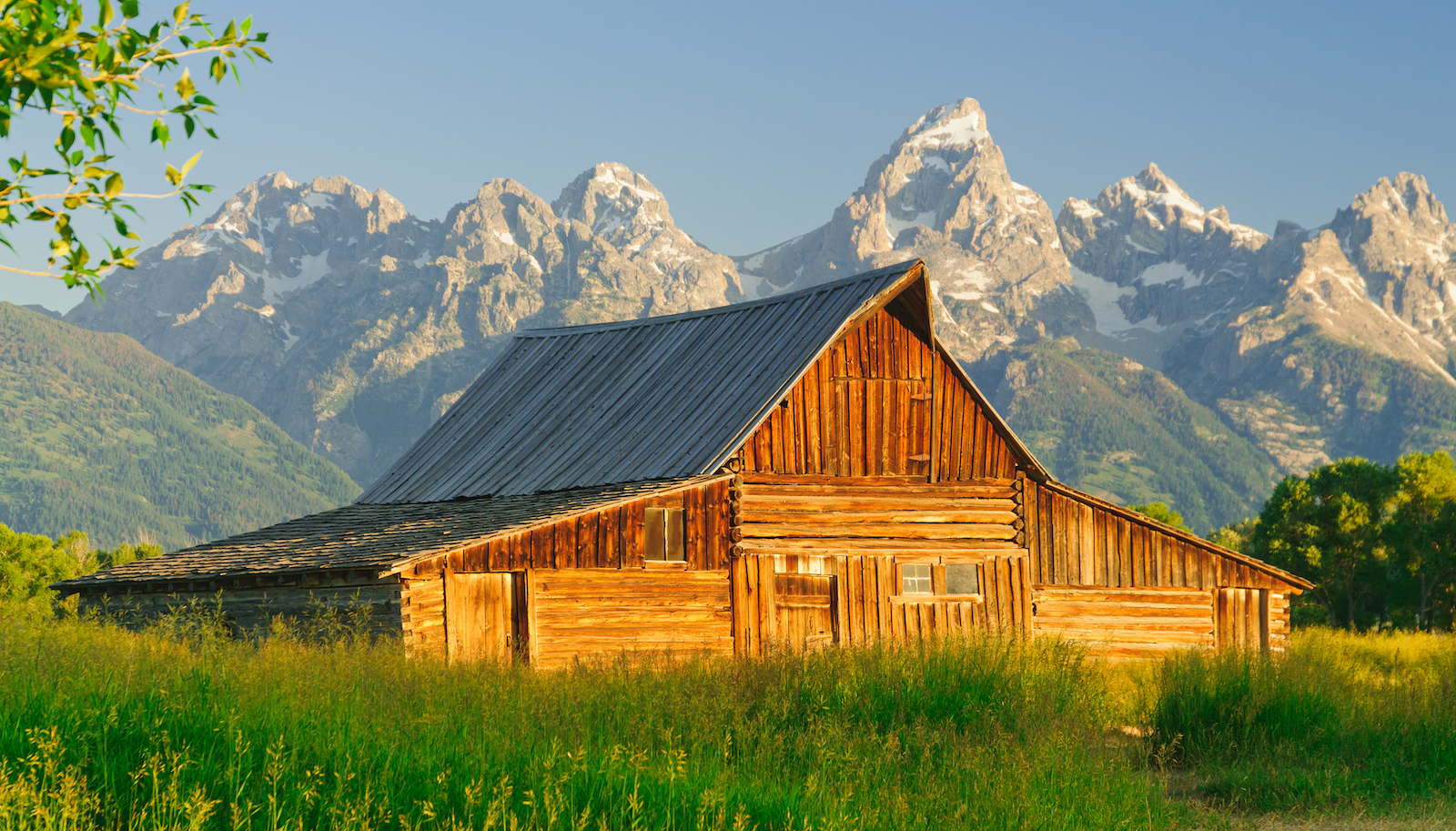
Mormon Row is one of the most photographed spots in Grand Teton. Historic barns and homes sit in front of the towering Tetons, creating postcard-perfect scenes. Wander through the area and imagine the lives of the Mormon settlers who built these structures more than a century ago.
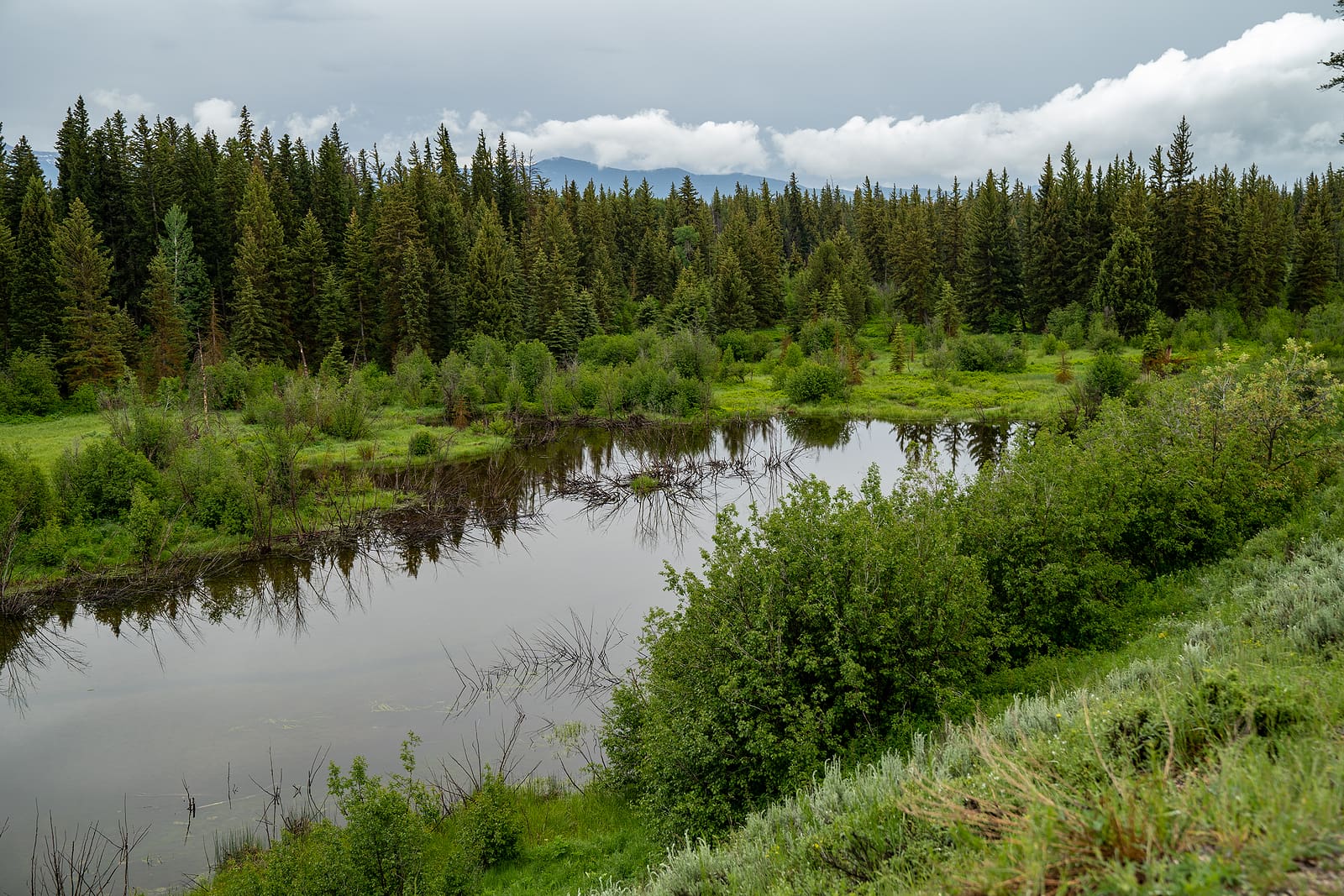
Take a slow, scenic drive on Moose Wilson Road, one of the best places in the park to spot wildlife. Look for moose, elk, bears, and more as the road winds through aspen groves and meadows with views of the Tetons. It’s a peaceful and photo-worthy stretch.
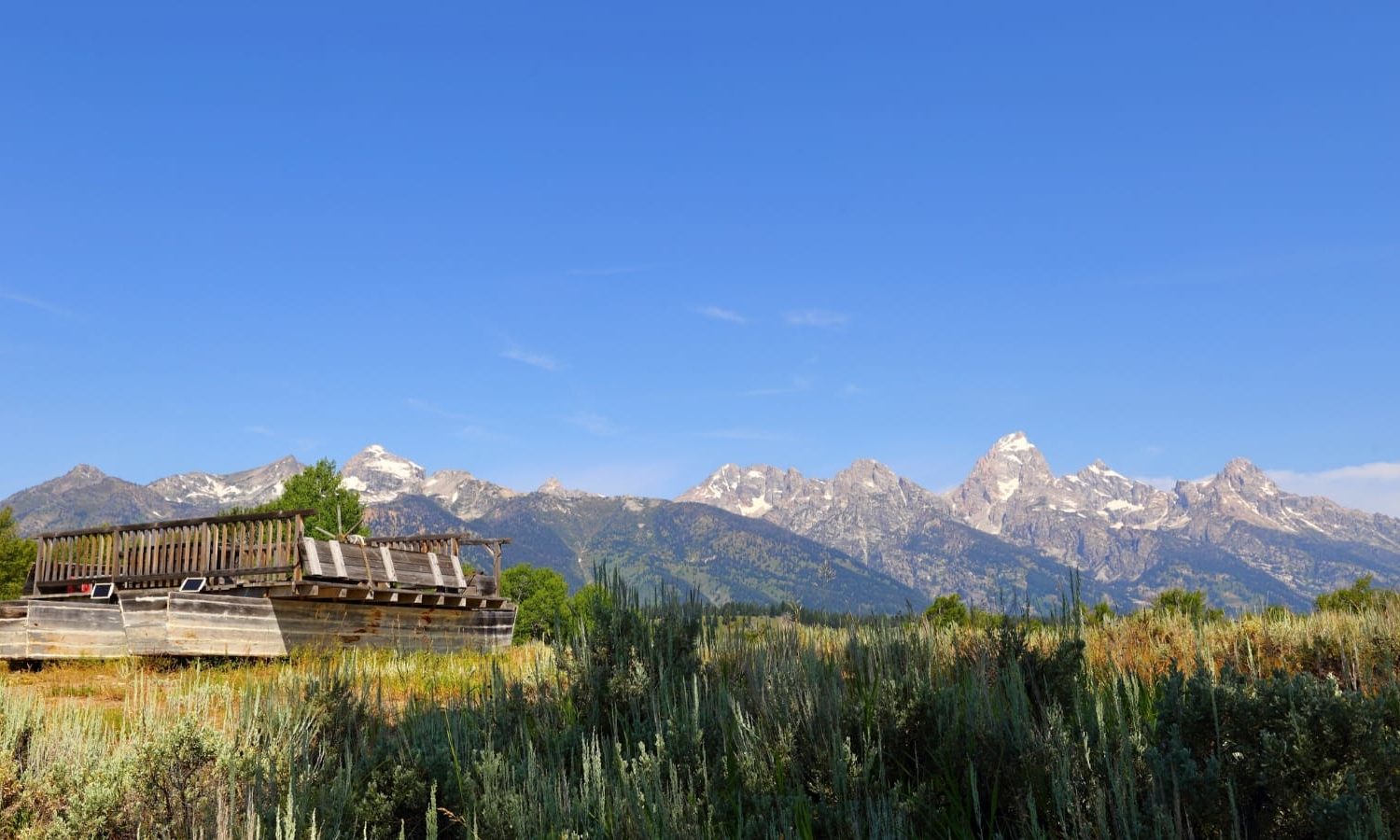
At Menors Ferry, explore a rebuilt river crossing and historic buildings from the park’s early days. Learn how settlers moved goods across the Snake River and step inside structures like the Maud Noble Cabin. Depending on the season, you might even see the ferry in action.
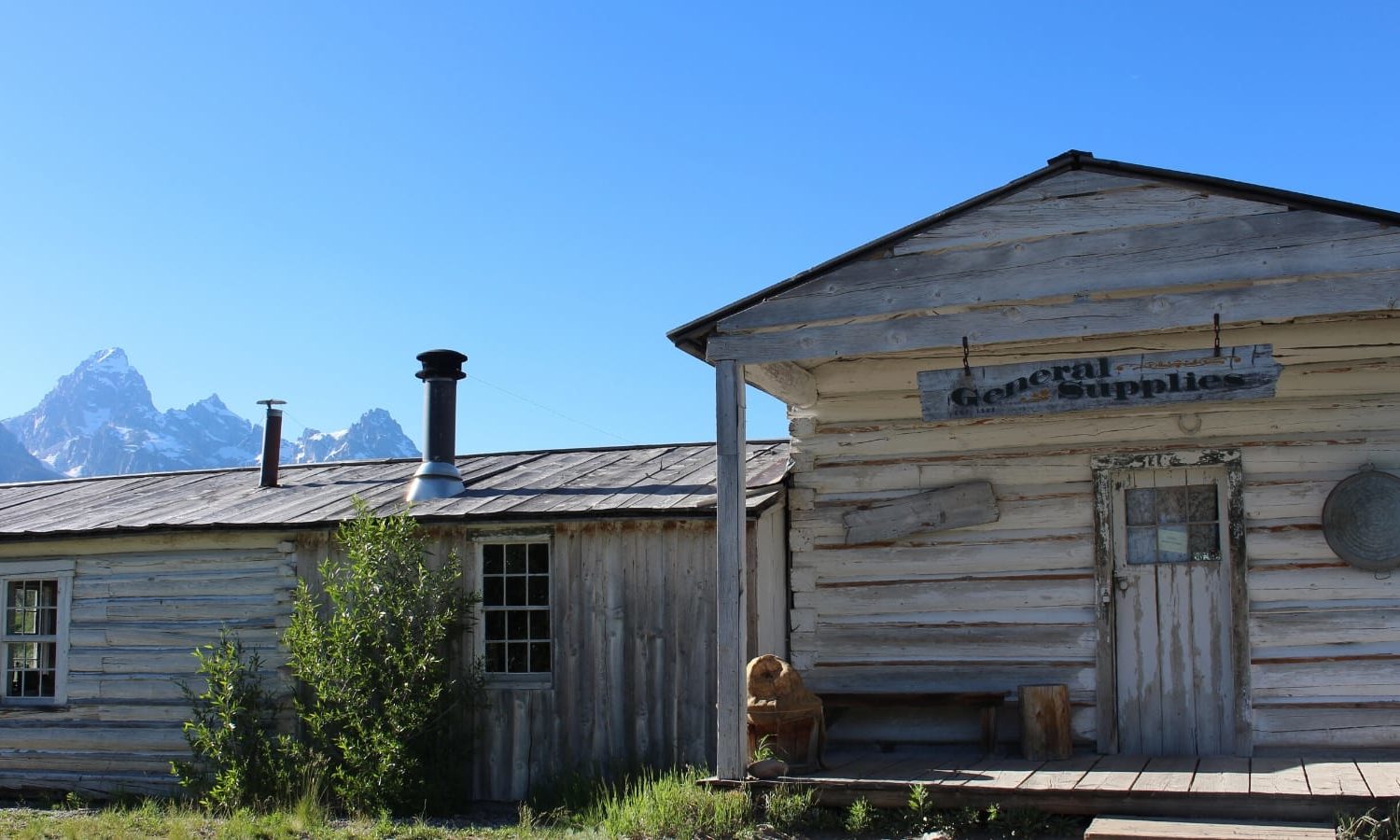
Step back in time at the JP Cunningham Cabin, a simple log structure built by early settlers. This preserved homestead gives you a glimpse of life in the valley’s early days and offers a striking view of the Tetons through the cabin’s old doorways.
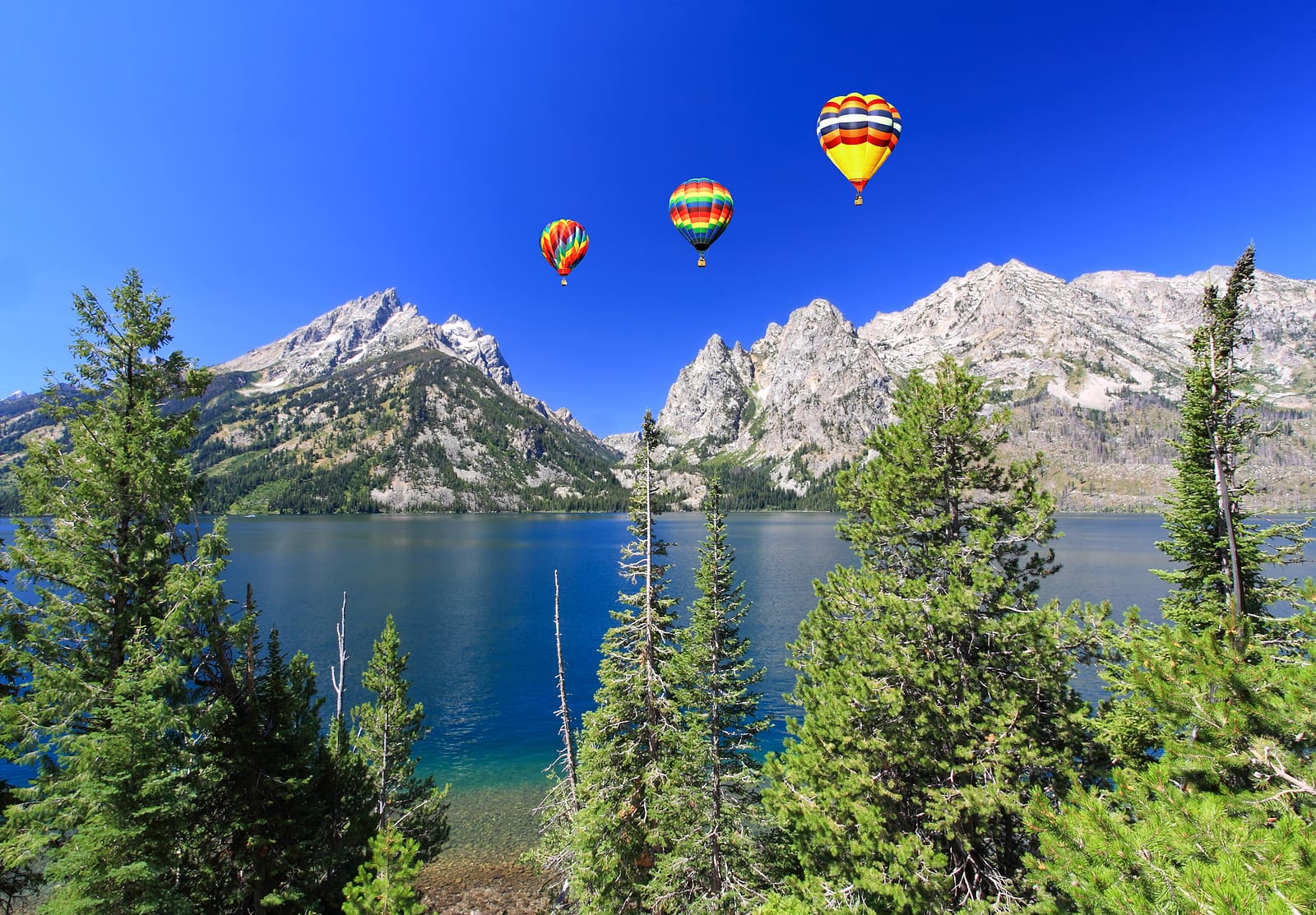
Jenny Lake is one of the park’s most beloved spots, with crystal-clear water reflecting the rugged peaks above. Walk along the shore, take a boat across the lake (seasonal), or hike to Hidden Falls and Inspiration Point. Whether you relax or explore, the beauty here is unforgettable.
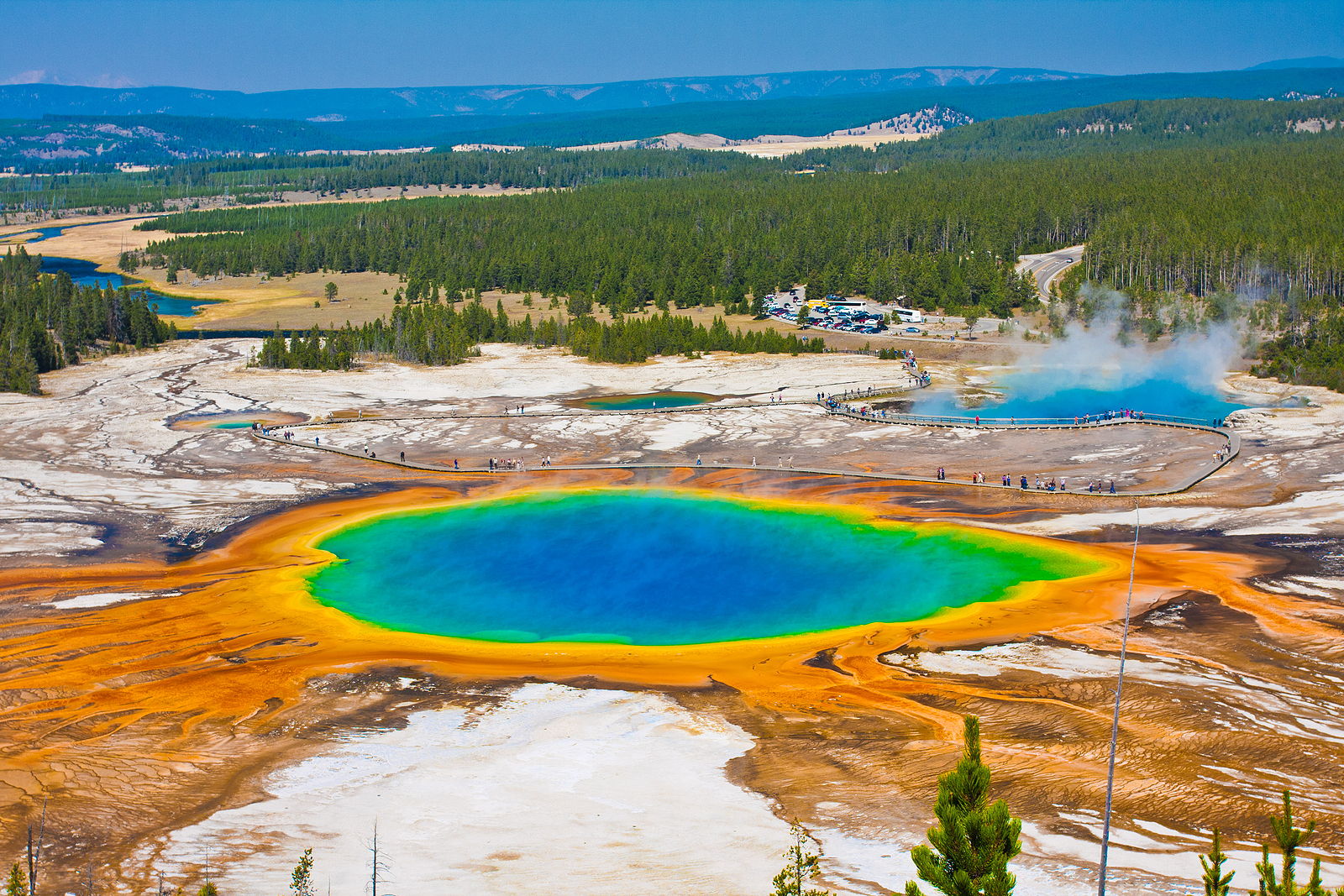
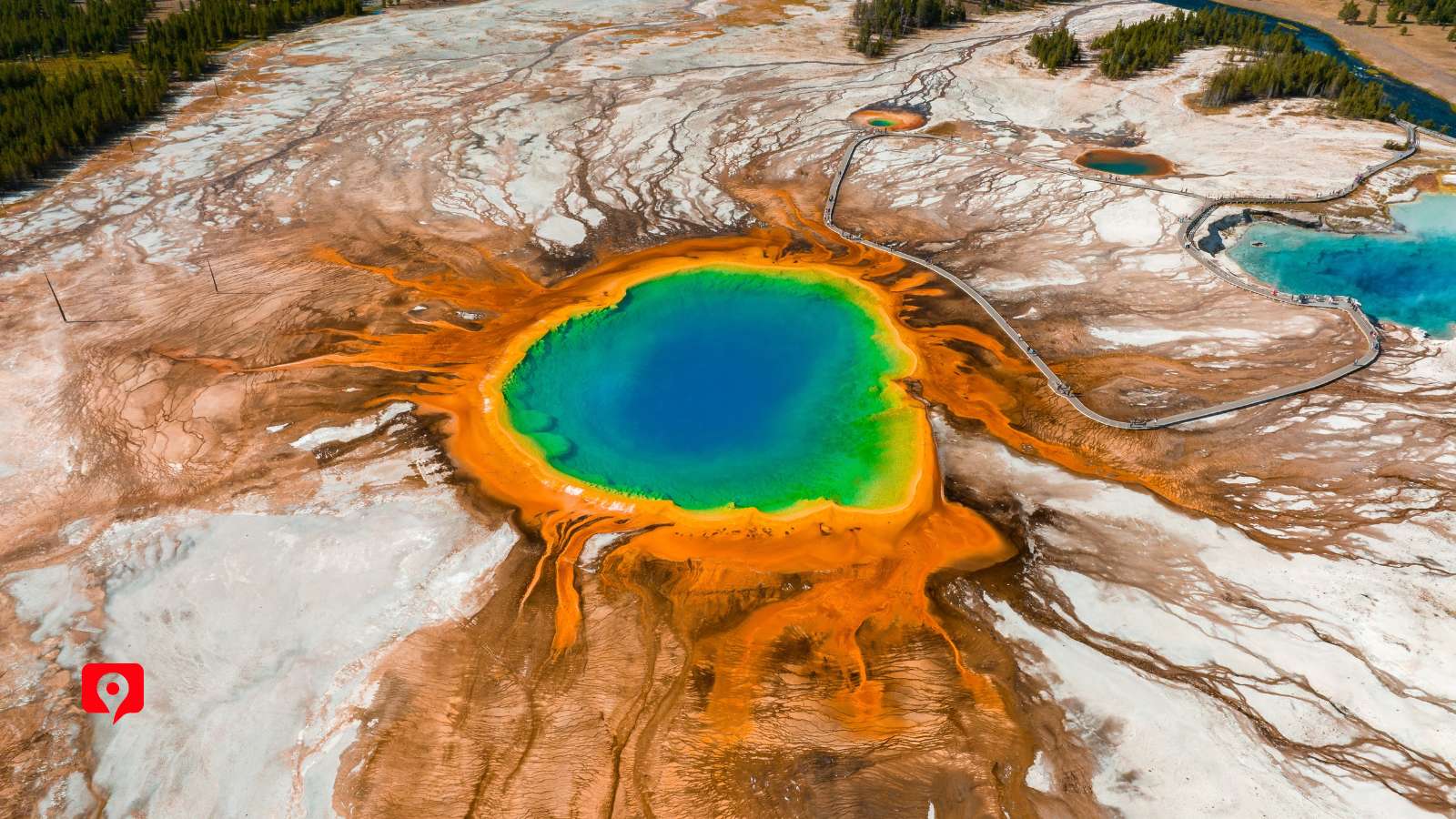
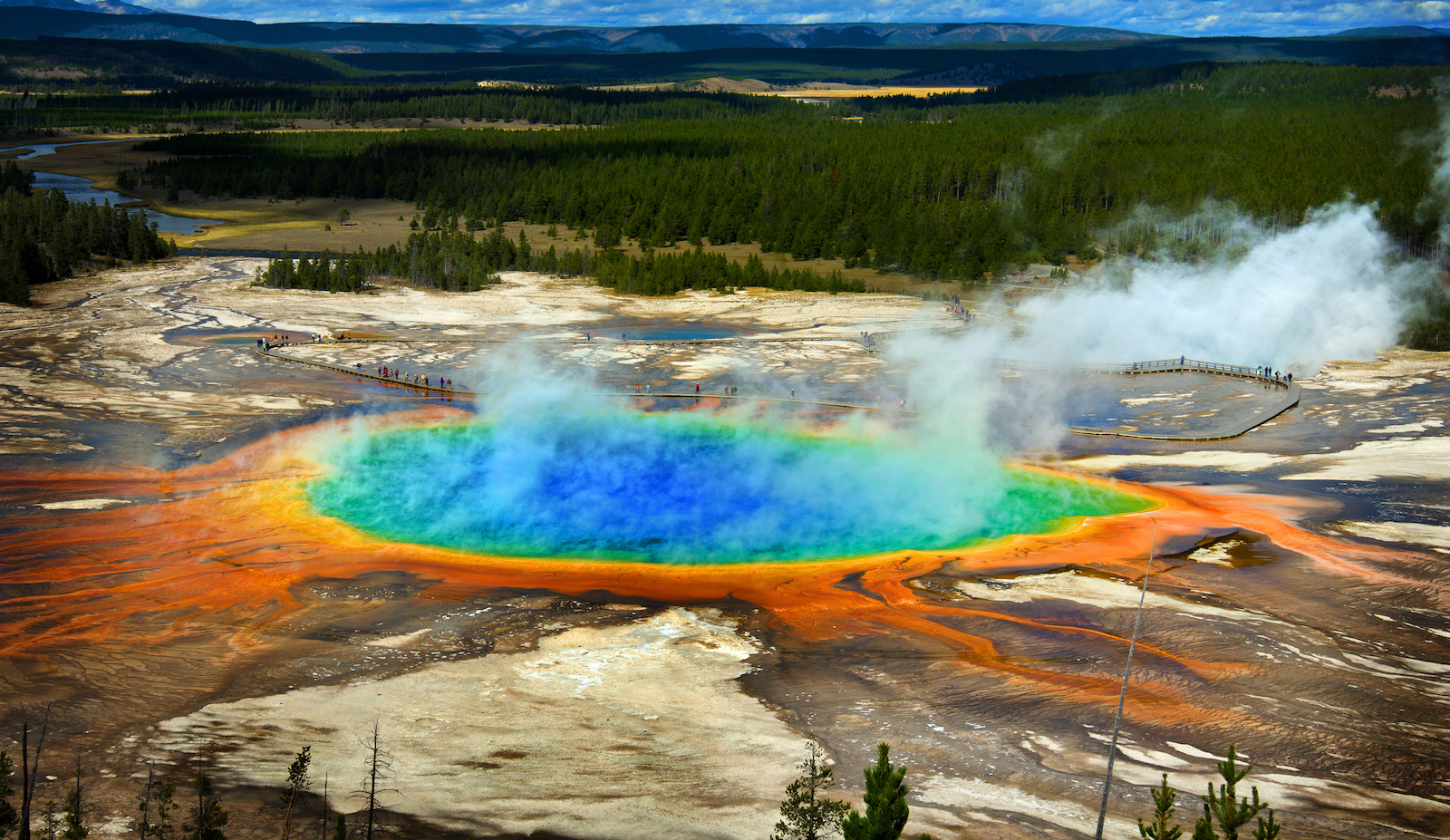
Start your tour with one of Yellowstone’s most iconic views: Grand Prismatic Spring from the overlook trail. From this higher spot, you’ll see the spring’s full rainbow of colors, deep blue in the center, with bright rings of orange, yellow, and green. It’s an easy hike through the forest to reach this viewpoint, and the photos you’ll take here are unforgettable.
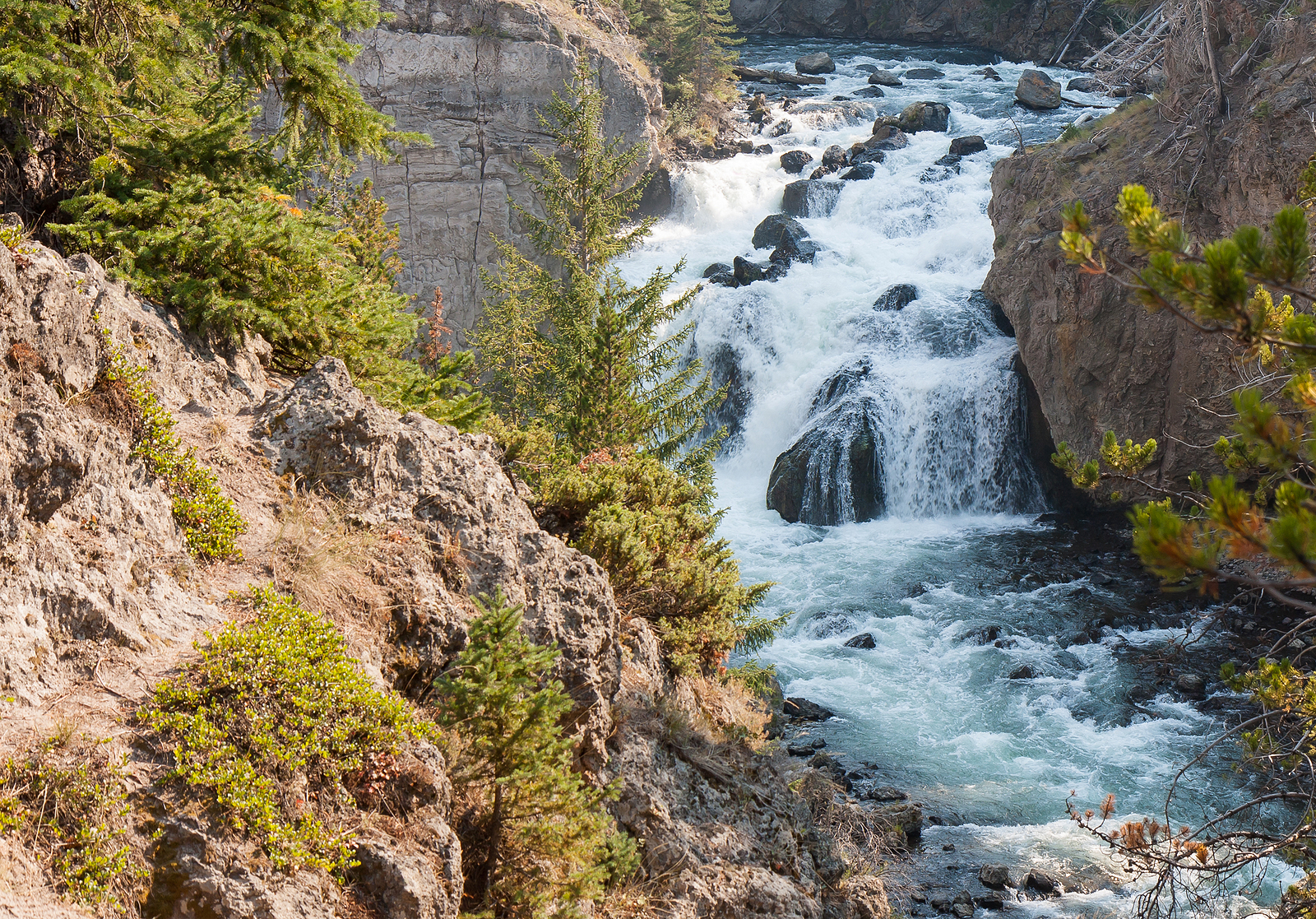
The Firehole River runs through a steaming, active stretch of Yellowstone, where hot springs feed into the water. On cool mornings, you’ll see mist rising from the river’s surface. The warm water attracts wildlife, too. Keep an eye out for bison along the banks. It’s a beautiful and unique mix of flowing river and geothermal energy.
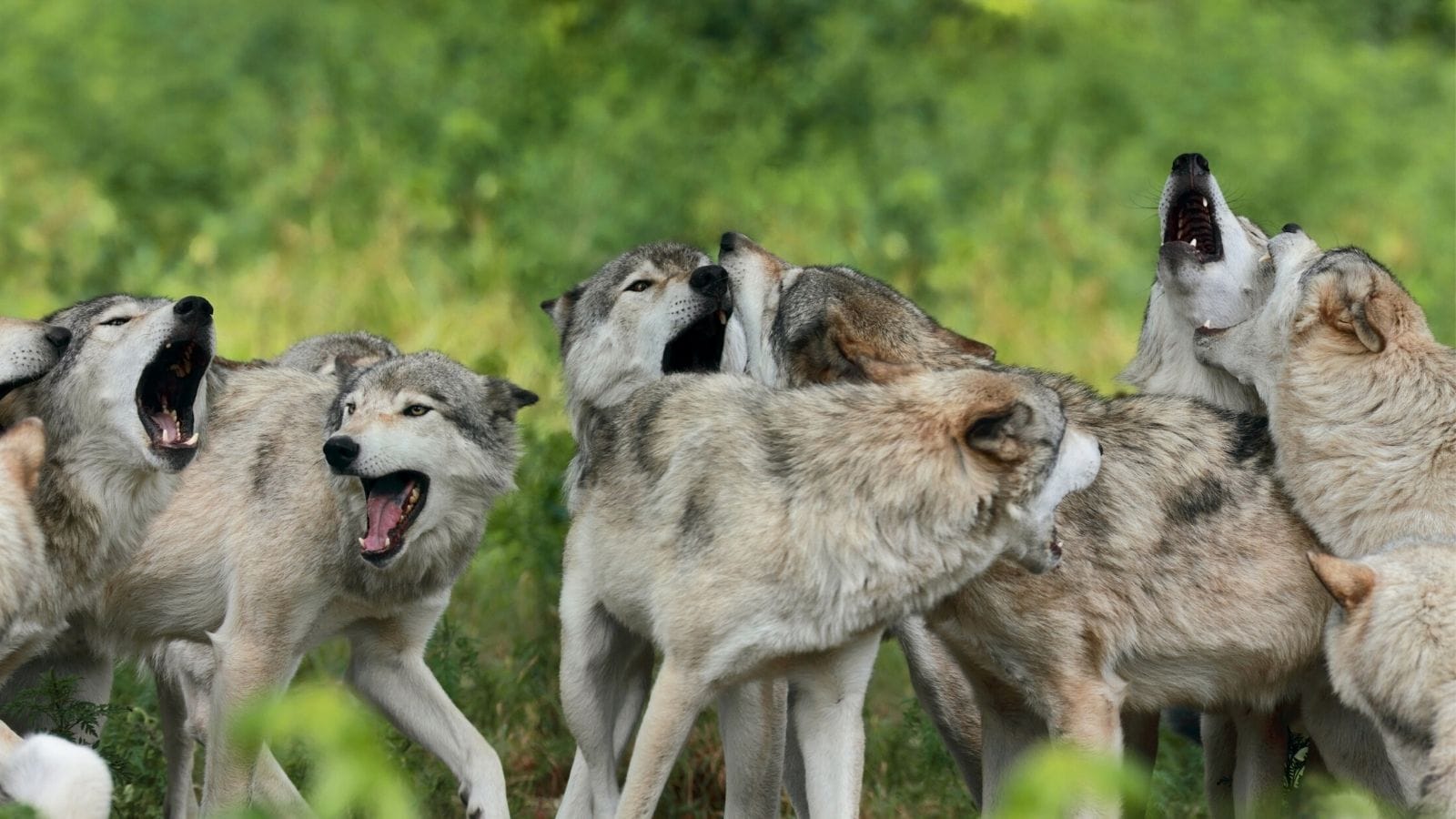
Lamar Valley is one of best places in Yellowstone National Park Tour for wildlife spotting, including bison, elk, bears and wolves.
Spring is an exciting time with bears emerging from hibernation and newborn animals appearing – especially the adorable ‘red devil’ bison calves.
The Grand Prismatic Spring in Yellowstone National Park Tour is arguably its most fantastic natural feature. It’s the third-largest hot spring in the world and deeper than a 10-story building. It’s also one of the most photographed, so arrive early or late to avoid the crowds.