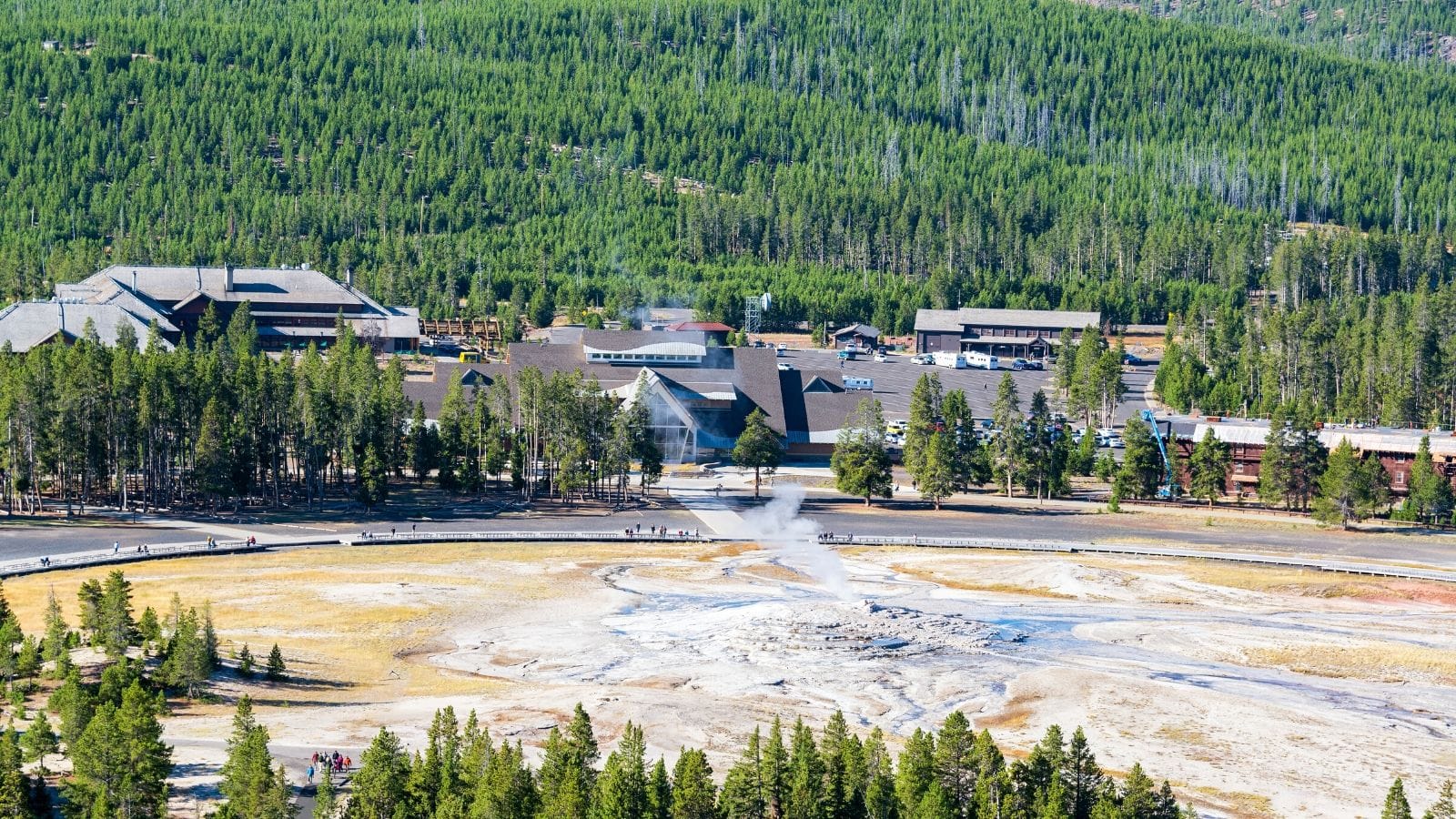


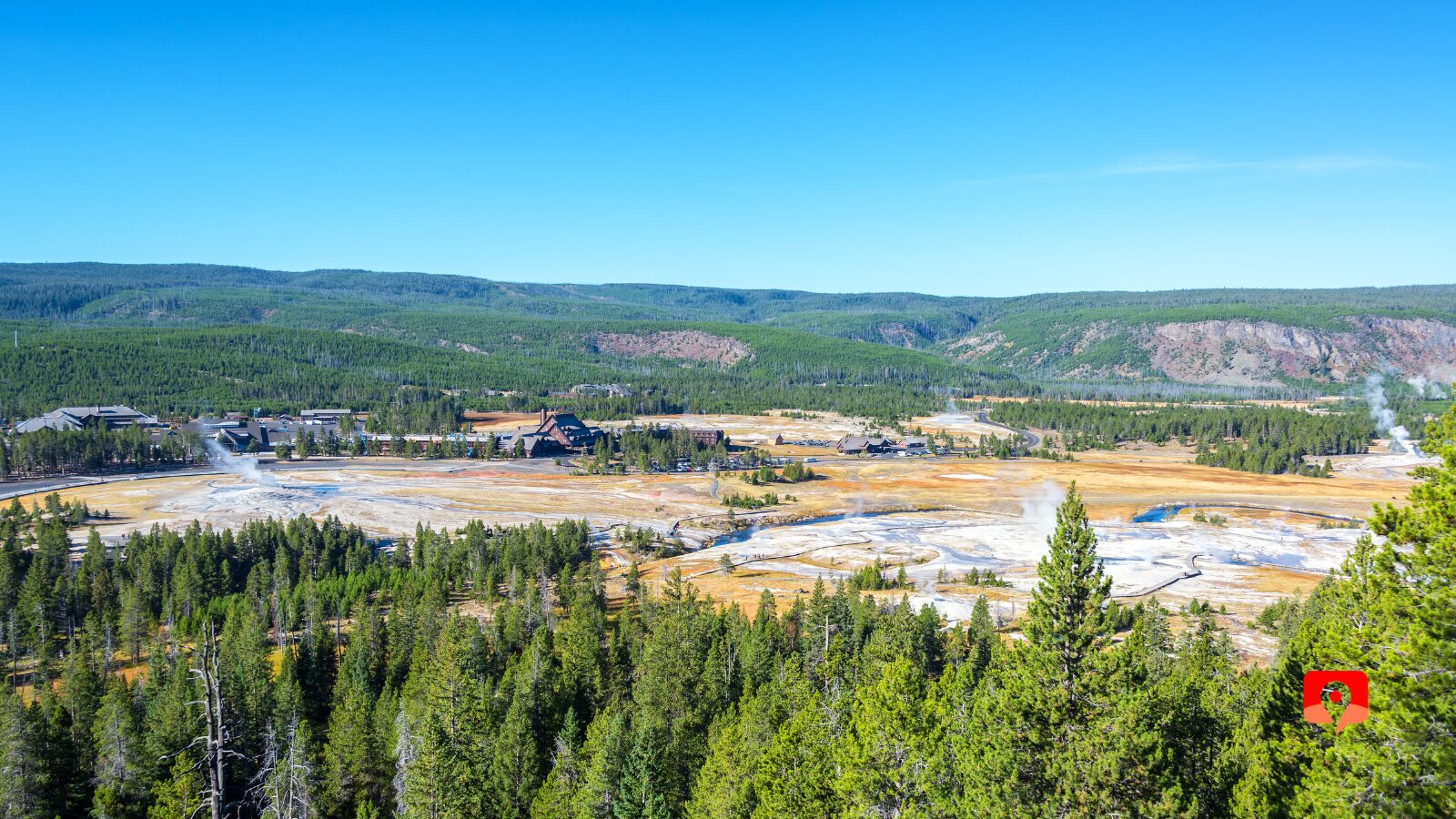
Old Faithful is arguably one of Yellowstone’s most famous features, and it’s definitely worth seeing. But what do you do when Old Faithful’s several-minute eruption is over? A lot. What many people don’t realize is Old Faithful is surrounded by many geysers, gorgeous waterfalls, great hikes and historic attractions. Here are some tips on how to see the best of the Old Faithful area and lose the crowds at one of the park’s most popular attractions.
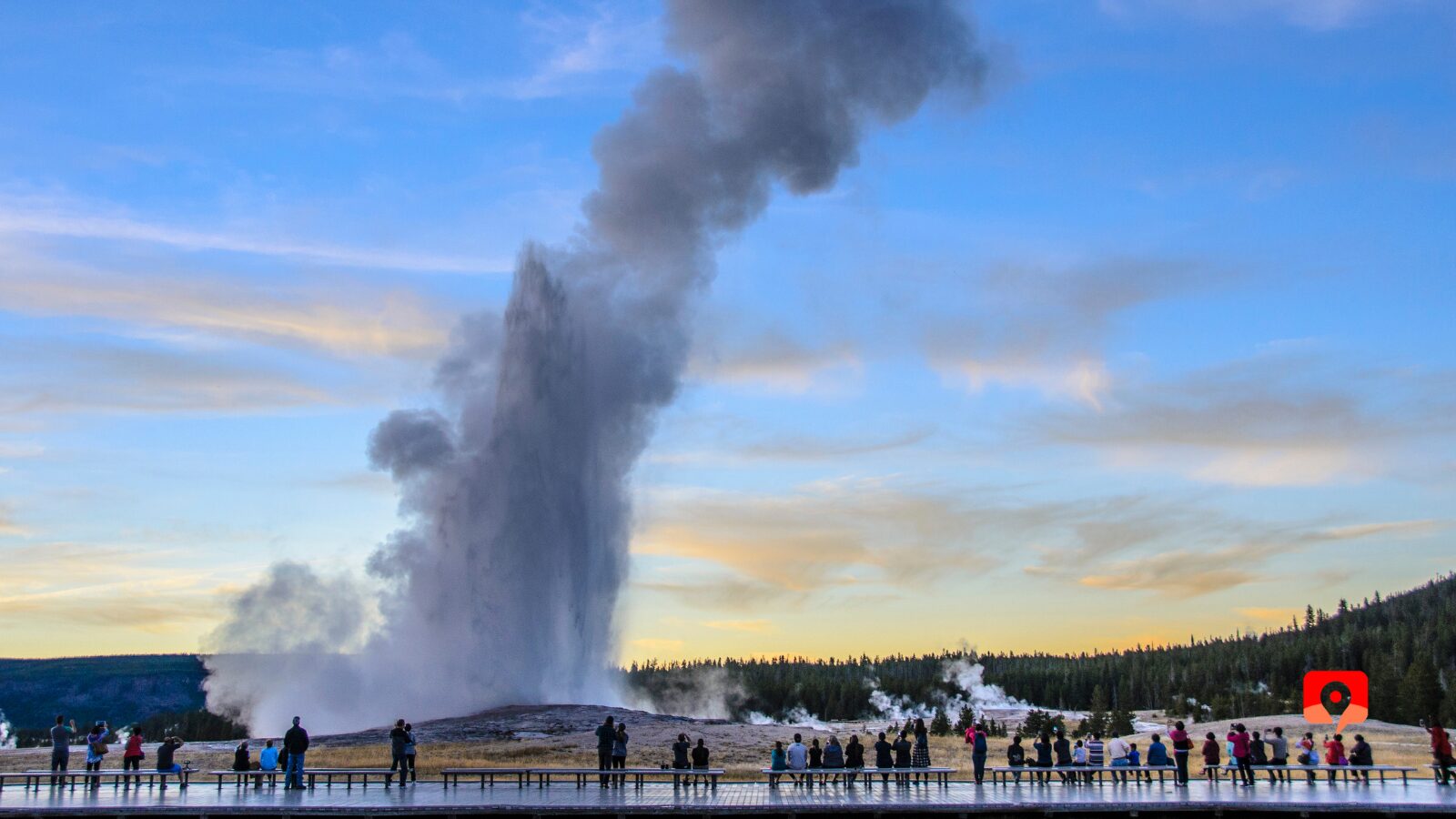
Timing is really everything when it comes to seeing Old Faithful erupt, especially if you have limited time to explore Yellowstone. Fortunately, Old Faithful consistently blows every 68 or 94 minutes, give or take 10 minutes. How do you ensure you’ll get to see this magnificent 106-184-foot geyser? Find out its predicted eruption schedule by following @GeyserNPS on Twitter, stopping in the Old Faithful Visitor Education Center, which is a 30-second walk from Old Faithful, or by calling the park’s recorded prediction line at 307-344-2751.
If you want to see Old Faithful erupt without having to jostle your way through a pack of tourists, we’ve got two recommendations for you. For adventure seekers, hike to Observation Point, a 1.5-mile roundtrip hike that leads you through a forest and onto a hilltop. From here, you’ll be far above the crowds, and you’ll enjoy incredible views of Old Faithful and the upper Geyser Basin.
Otherwise, visit Old Faithful really early in the morning or later in the evening. You’ll get a sense of solitude you’d never get showing up at any other time during the day. If waking up at sunrise is a challenge, grab a cup of coffee from Old Faithful Inn Bear Paw Deli or Old Faithful Lodge Bake Shop, both of which open at 6:30 a.m. and are a two-minute stroll to Old Faithful.
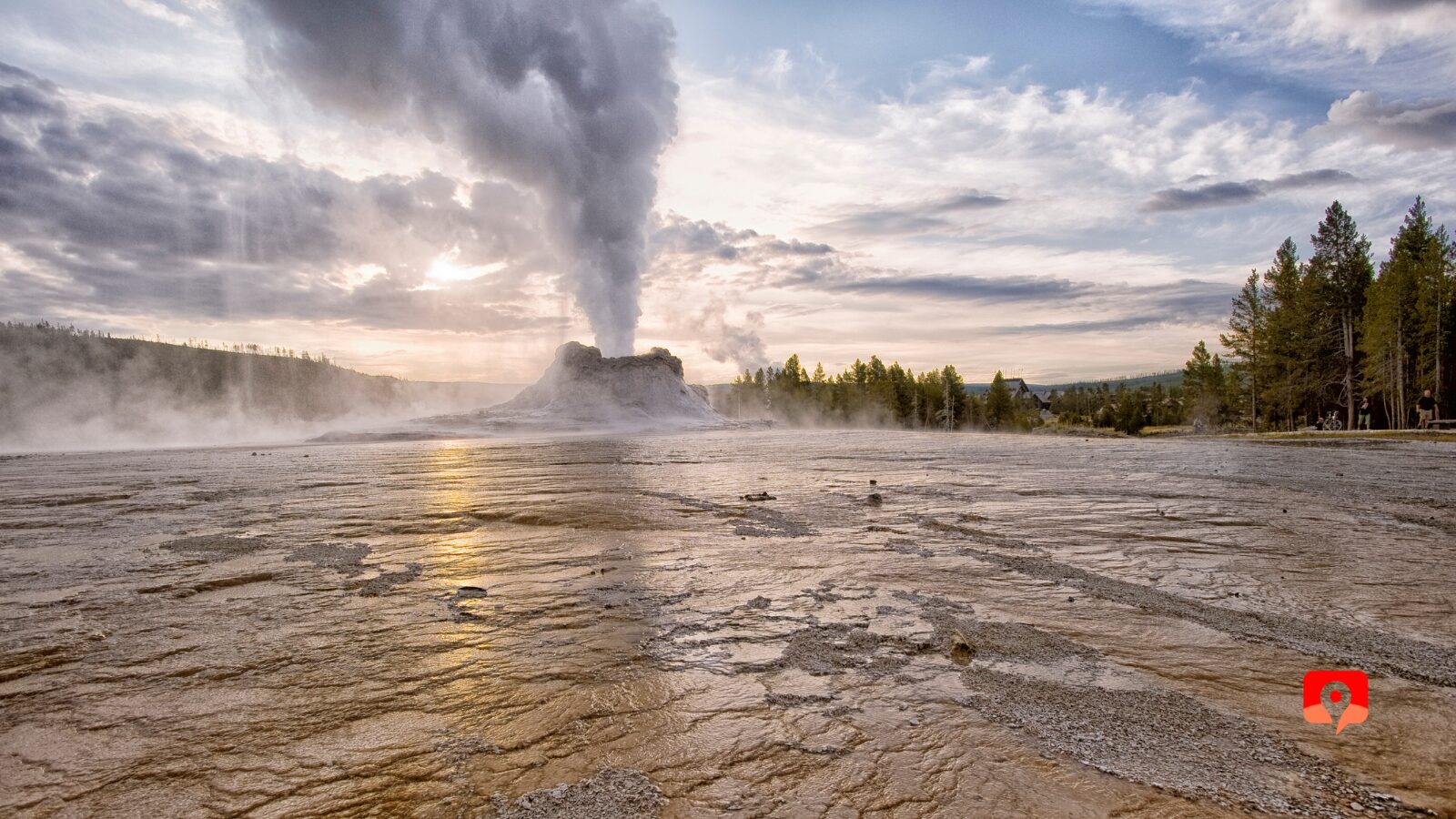
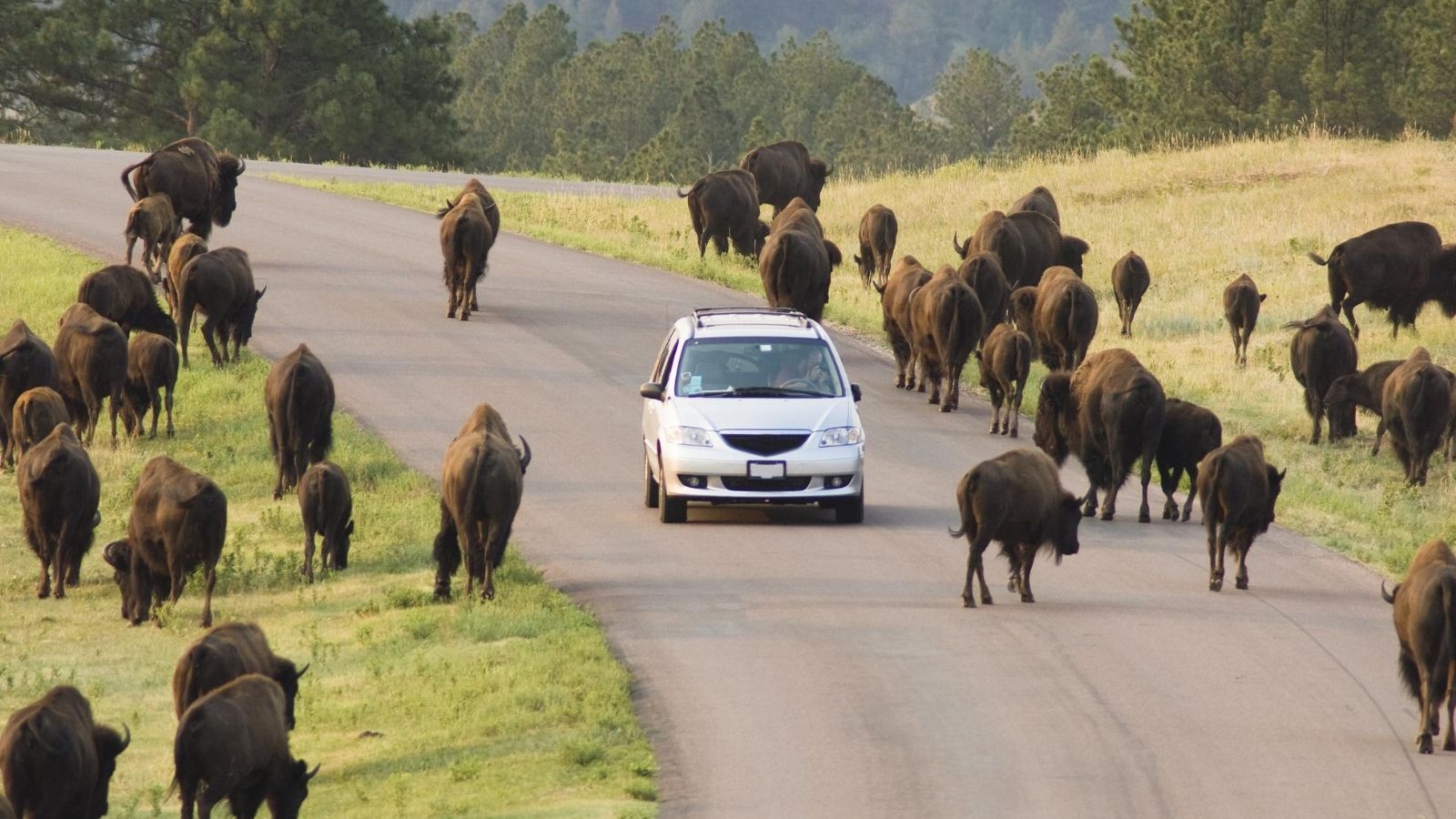
After you watch Old Faithful erupt, stop in the Old Faithful Visitor Education Center to see when the other four geysers in the Upper Geyser Basin are predicted to erupt — Castle, Grand, Daisy and Riverside. Or go to the park prediction webpage here. Then, plan your route through the Upper Geyser Basin, a sprawling geyser basin surrounding Old Faithful, timing it so you can see at least one of the four erupt. This magical basin contains the park’s largest concentration of geysers. And you can see many of them on the Upper Geyser Basin’s fantastic, easy three-mile loop that’s made of pavement and boardwalk. The bonus? You may see some of Yellowstone’s revered wildlife like bison and elk along the way. Depending on how quickly you walk and how often you stop, this loop could take you a couple of hours.
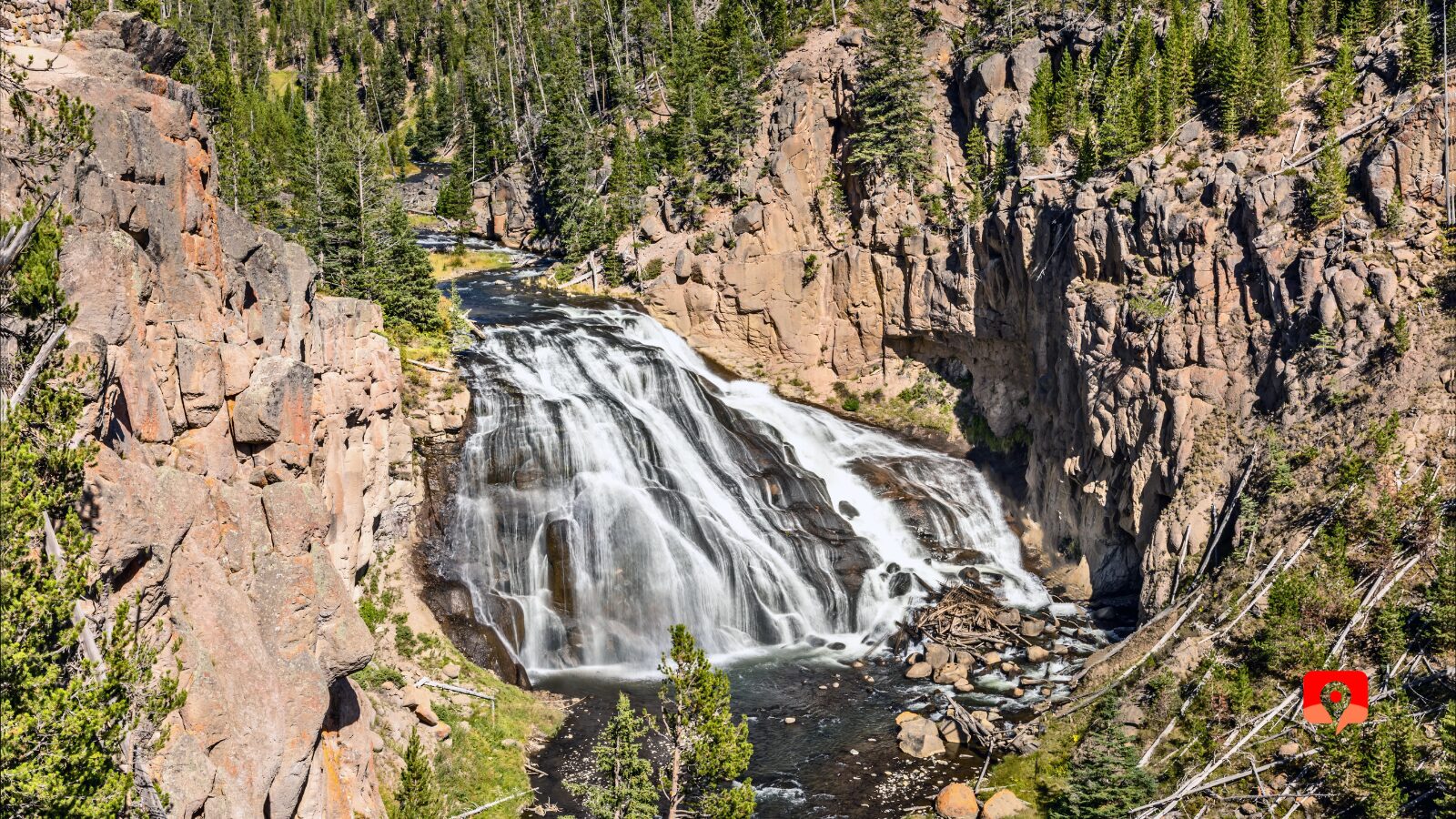
Want to see a waterfall the easy way? Drive to the Kepler Cascades pull off and do a very short walk to the platform viewing area. It’s just about a mile-and-a-half drive from the Old Faithful Lodge. Upstream, you’ll see the Firehole River cascading down a series of waterfalls, with the biggest drop being 50 feet. Downstream, you can watch the river flow toward the Old Faithful area.
For those looking for a bit more adventure, opt for the family-friendly Mystic Falls hike where you’ll burn more calories and have more of a backcountry hiking experience. The trailhead starts at the Biscuit Basin trailhead about two miles north of Old Faithful on the Grand Loop Road. Park at a pull out and explore Biscuit Basin via the boardwalk before leaving the far end of the boardwalk and hiking along a dirt path to Mystic Falls. The 70-foot Mystic Falls is tucked in a narrow canyon and is formed by the Little Firehole River dropping into the canyon from above. Stop short of the falls, which can be dangerous, for a 2.4-mile out-and-back excursion.
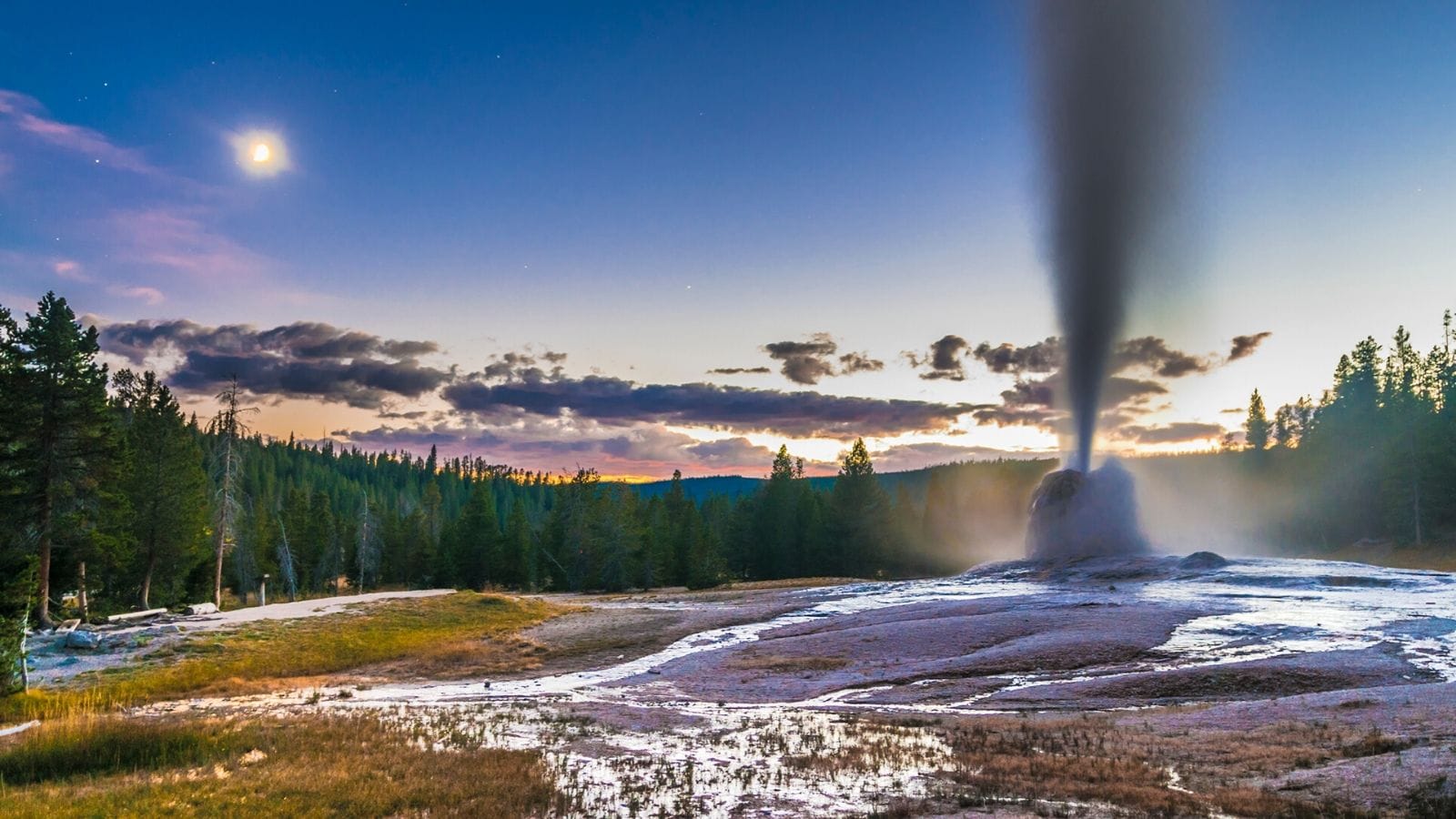
If you’re looking for a longer hiking trail with fewer people, we recommend the 4.8-mile round-trip hike to Lone Star Geyser. Under the canopy of the forest, you’ll follow the Firehole River for just over two miles until you get to a clearing where Lone Star Geyser sits. Not only is it a beautiful hike, but Lone Star erupts every three hours, making it totally feasible to time your arrival with the eruption. Pack a picnic and eat lunch in the meadow a safe distance from the geyser. You’ll find the trailhead east of the Kepler Cascades pull-out off the Grand Loop Road just 1.5 miles from the Old Faithful parking areas.
There are a few must-see cultural stops that help you get to know Yellowstone with a deeper appreciation. Old Faithful Visitor Center is one of them. Its state-of-the-art exhibits on Old Faithful and the park tell so many stories that really bring Yellowstone to life. Plus, you can find out when Old Faithful is erupting next in here. And the rangers on hand can answer any questions you may have.
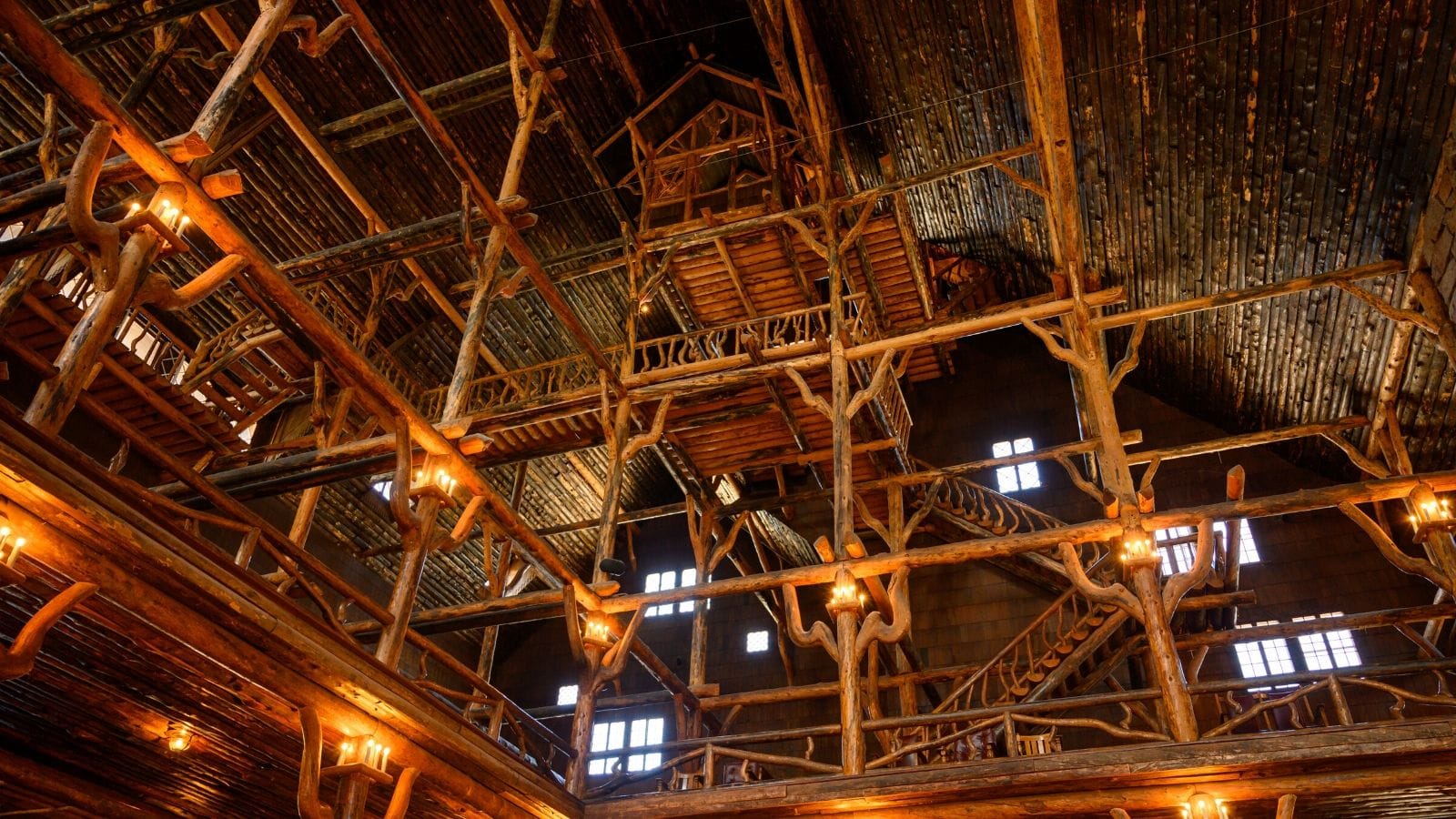
A three-minute walk down the path is the historic Old Faithful Inn, an iconic Yellowstone landmark that takes you back in time 120 years when the park was in its early days. When it was built in 1903-04, Old Faithful became the largest log cabin structure in the world. Step into the lobby to admire the exposed intricate woodwork and beams of this gorgeous iconic hotel. Around you, you’ll hear languages from all over the world spoken. For a special dinner, make reservations in advance to eat in the Old Faithful Dining Room where 50 percent of the food is sustainably sourced.
For more of Yellowstone’s fascinating behind-the scenes stories, local tips and directions that play automatically in your car based on your GPS location, download the GyPSy Guide Yellowstone and Grand Teton Audio Tour app.
Here’s where you’ll find your collection of purchased tours in the GuideAlong app on your phone.
Tap the My Tours tab in the bottom menu.
You might see your tour in Download, Open or Update status.
If you see download, the audio, maps and images still need to be downloaded for offline use before you start driving in areas without service. Just tap to download.
If you see open – you’re ready to start planning, browse the tour or start driving.
And if you see update, there’s a new version you can download for free.
After traveling you might want to remove the tours to save space. They’ll always remain in your My Tours account.
Mammoth Hot Springs in Yellowstone National Park Tour is a fascinating complex of colorful terraces and hot springs that’s constantly changing.
See them up close on the boardwalks, or drive the short loop.
Now we don’t get many support calls, but the number one thing people ask about is setting up to broadcast the commentary through the car stereo, using Bluetooth. That’s not something controlled by the app. It’s actually a connection you sync between your device and the vehicle.
But let’s see if I can give you a few tips. Now each vehicle may a little bit different so it’s not a bad idea to have the vehicle manual on hand.
Most vehicles will need you to be stopped and in Park, in order to connect the Bluetooth device.
Next let’s enable enable Bluetooth on your phone. Pair your phone and your vehicle by entering a matching number code. Make sure you’re pairing the right phone and not to someone else’s phone that is in the car. Check the audio source setting on the vehicle stereo display that it is also set to Bluetooth, not to FM/Satellite or USB.
If you’re in a rental car, double check this audio source setting isn’t resetting each time you start the car.
Here’s one other little wrench in the works you might be experiencing. Even though you might be able to make a phone call using Bluetooth that doesn’t mean that the car is set to use Bluetooth as the audio source. You may need to set that audio source to Bluetooth as an extra step.
We can’t offer technical support for problem solving audio connection issues, so your backup is to hear your commentary play through the phone speaker, which is the default. If you do that, make sure to turn off Bluetooth on your phone.
Alright friends, happy travels.
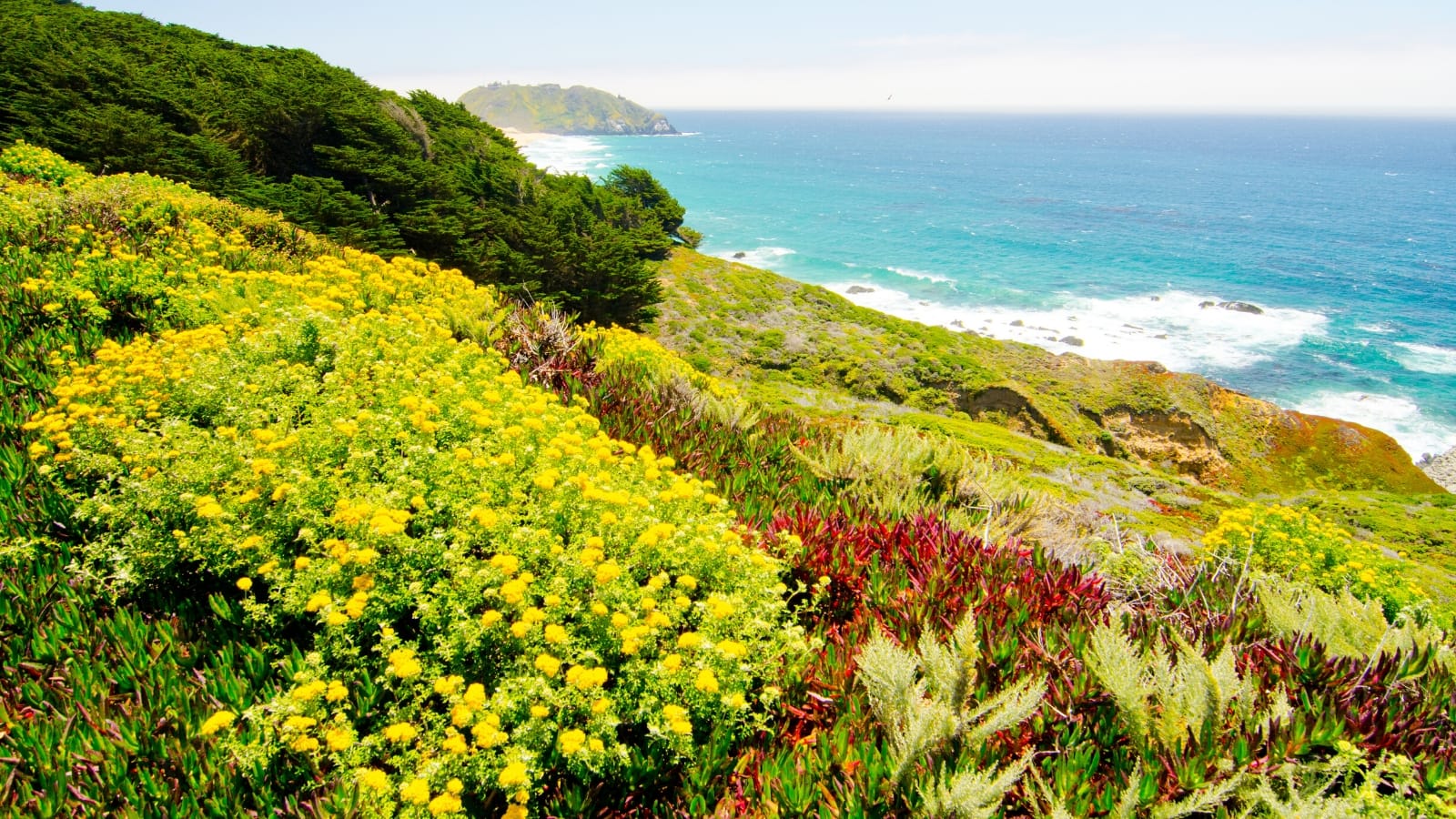
Who here loves artichokes? Well I’ve got to say I don’t mind them, so long as they are prepared really well.
It’s a favorite in Mediterranean cuisine. If you’ve never tried one, then it’s something you should have at least once, best served as an appetizer, maybe at a finer local restaurant.
California’s agricultural business is worth billions and some produce is specifically associated as being Californian, like pistachios and almonds, or even prunes and avocados – and just for fun, let’s throw zinfandel in there too.
Though not as wildly popular, California is considered a world center for artichokes too.
Why does this matter? Well the namesake of the State Park just ahead is considered the person who first brought artichokes to California. He was the grandson of an early settler to these parts, at a time when the Spanish and Mexicans controlled these lands.
If you’re thinking, should I really care about artichokes, well let me tell you someone who thought it was important enough – in 1948 Marilyn Monroe was bestowed the title of the first Artichoke Queen.
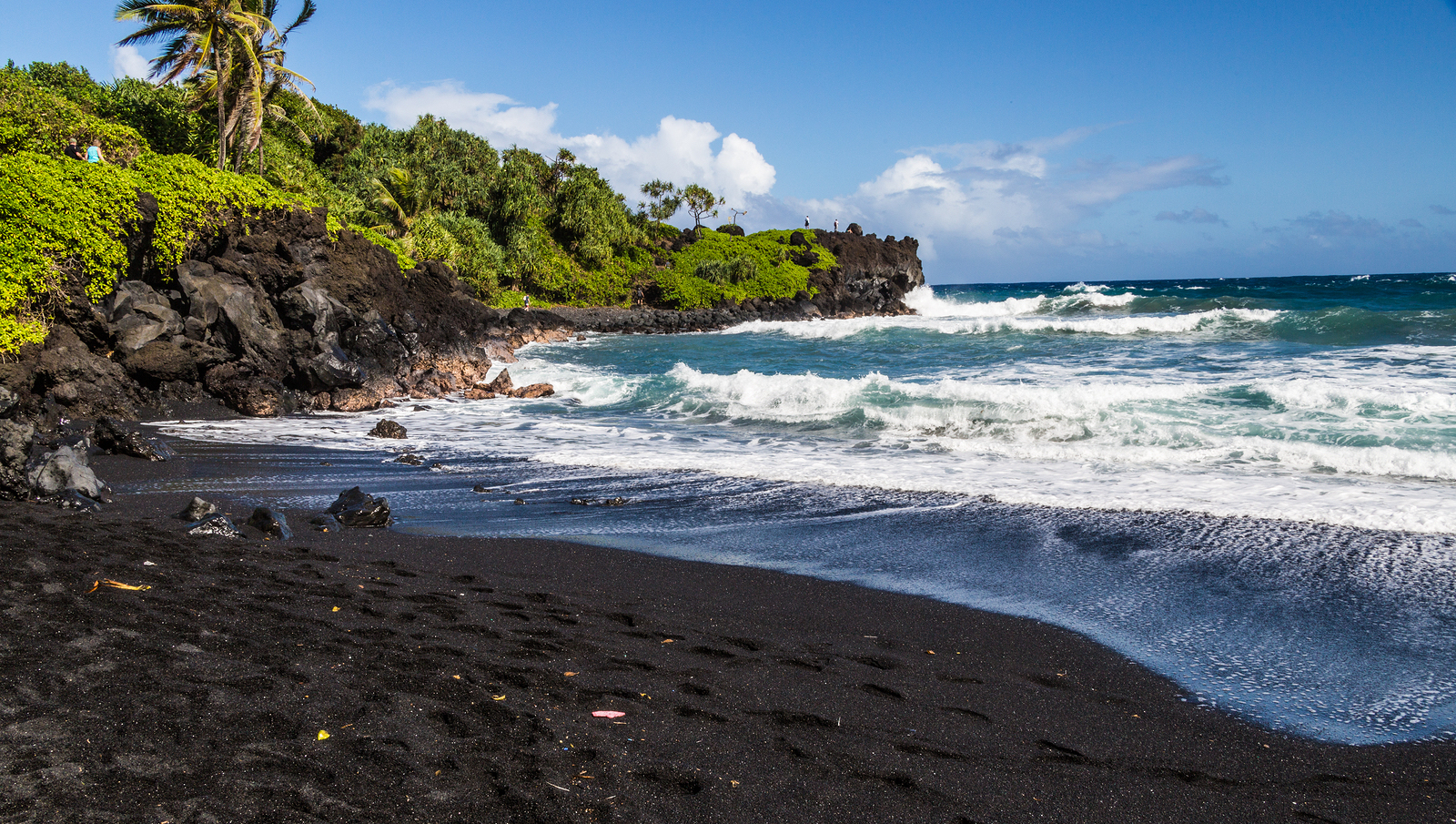
So, we are approaching the Andrew Molera State Park, nestled in a forested canyon. Although this park is not one of our top must-do destinations on our drive, there is still plenty here to keep us occupied if we are exploring deeply.
Over 20 miles of trails run along the bluffs, beaches, the Big Sur River and up into the hills, as well as to the 40 foot Highbridge Falls.
You can also find the oldest structure in Big Sur, the Cooper Cabin, and it’s accessible via a short trail.
It was built out of redwood around 1861. Another building worth investigating is the Ranch House Museum, which offers a glimpse into the lives of Big Sur pioneers. The museum is only open on weekends.
Those interested in the plight of the California condor should definitely check out the Big Sur Discovery Center, again weekends only and from Memorial Day through Labor Day. Here you can learn all about the endangered condor and the bald eagle and the efforts of the Ventana Wildlife Society to reintroduce both birds into their natural environment.
Parking for Andrew Molera State Park is up ahead.
Heading to Yellowstone National Park in 2021? It’s your Gypsy Guide traveling buddy here to tell you about a major road construction project happening all this summer. Doing a little trip planning for Yellowstone now could save us the surprise of hours of extra driving later. The closure is on this section of the Grand Loop Drive that connects the Tower Fall area to Canyon Village. That just means we’ll be doing a little detouring via Norris Canyon Road, or backtracking on the Upper Loop. So for example, let’s say we’re at Fishing Bridge and planning to head to the beautiful Lamar Valley to see some wildlife. We’ll head across Norris Canyon and up the west side of the Grand Loop Drive. That Sure, in tourist season traffic, that adds a couple hours to get to Lamar Valley, so maybe you want to but if we plan it right, we can just take in Mammoth Hot Springs and everything else on that side of the park on the same day. Or if we’re staying in West Yellowstone and wanted to drive the Upper Loop, this year you can drive as far as Tower Fall and then will need to backtrack. One suggestion is to combine the Grand Canyon of the Yellowstone into your Lower Loop Drive instead. Download the all new Gypsy Guide app today, and I’ll be there with you with some great stories, tips and information, right from the park gates, so you don’t miss a thing! Alright. Start your planning. And happy travels!