

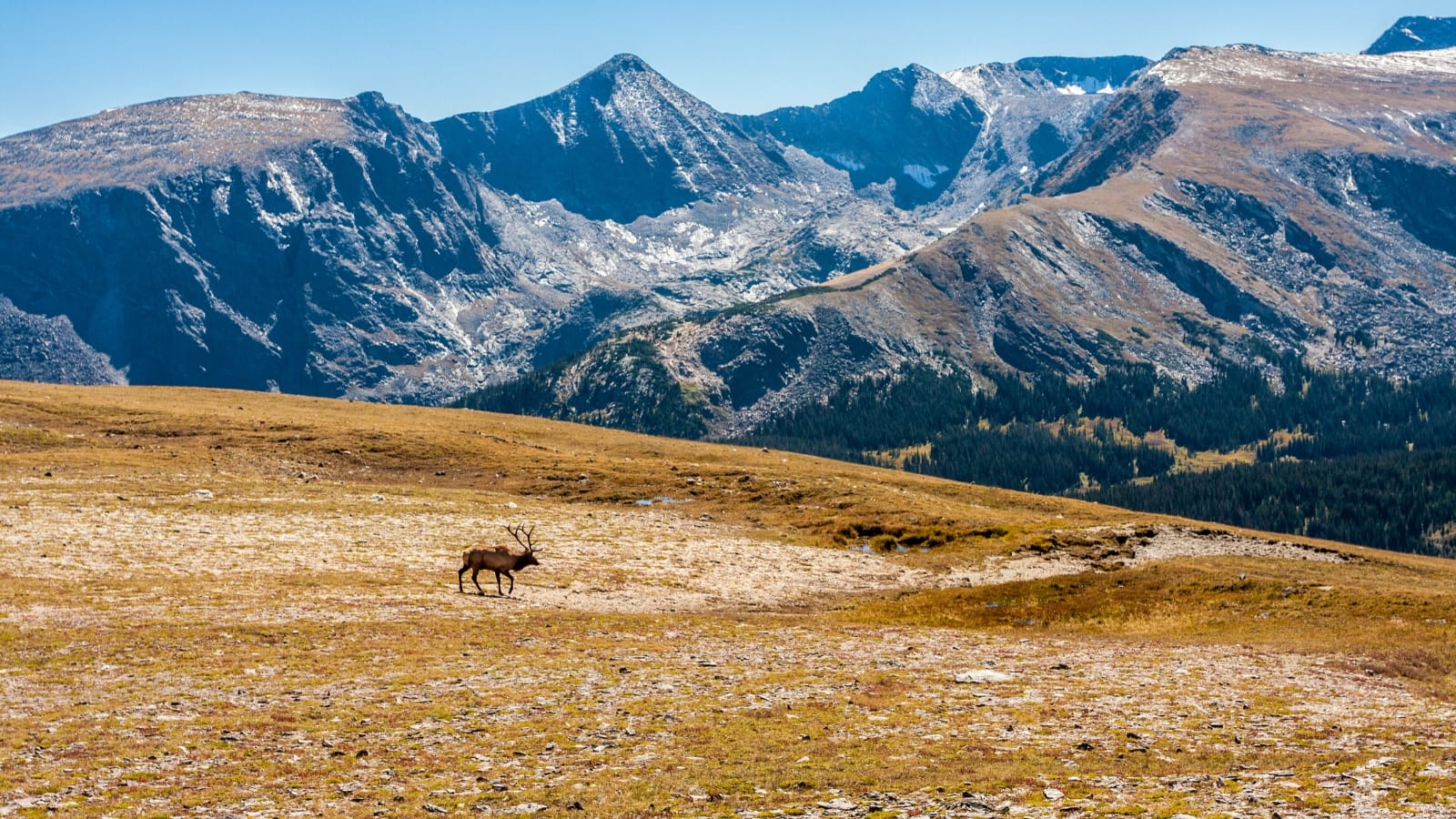
Seeing wildlife is often the most thrilling highlight of a visit to the Rocky Mountain National Park Tour.
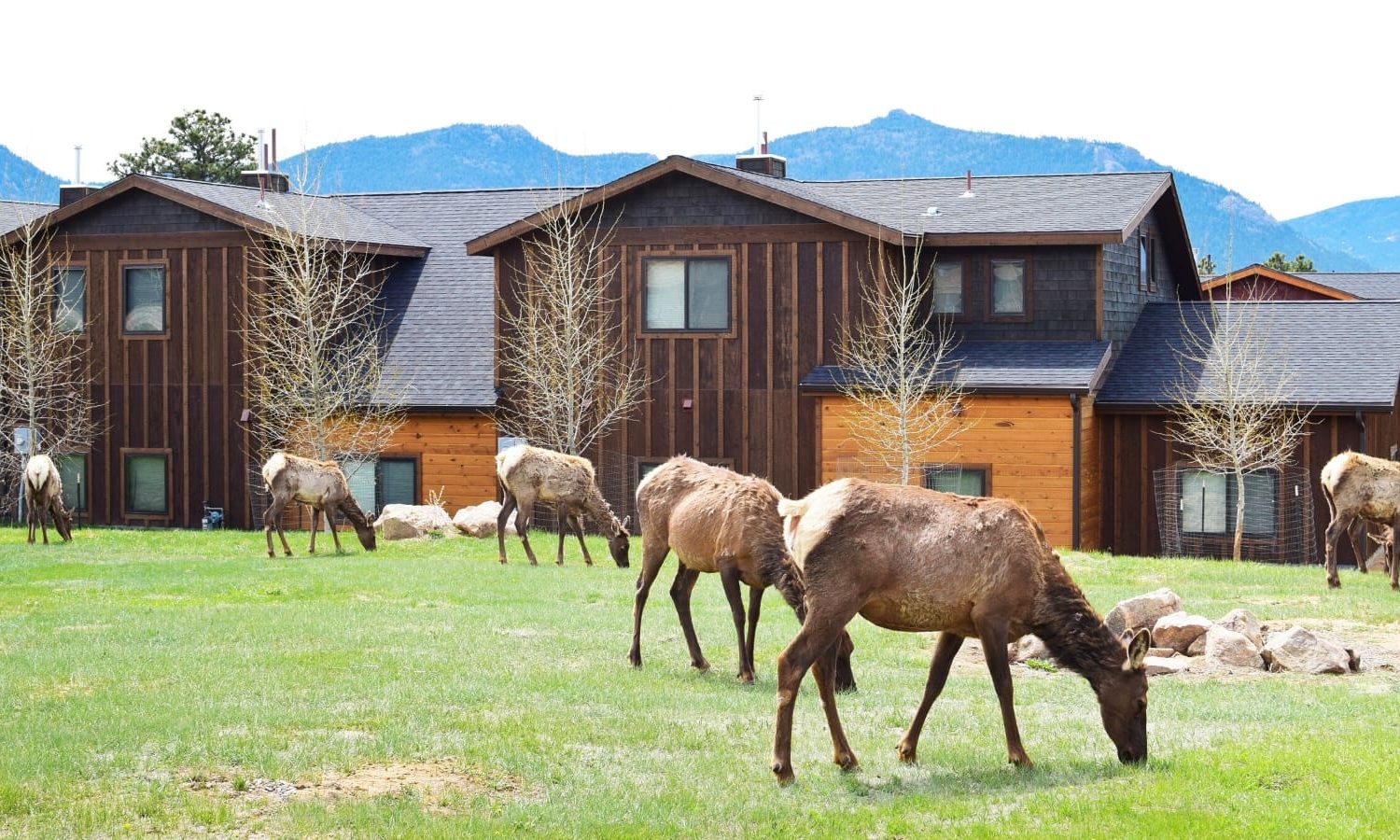
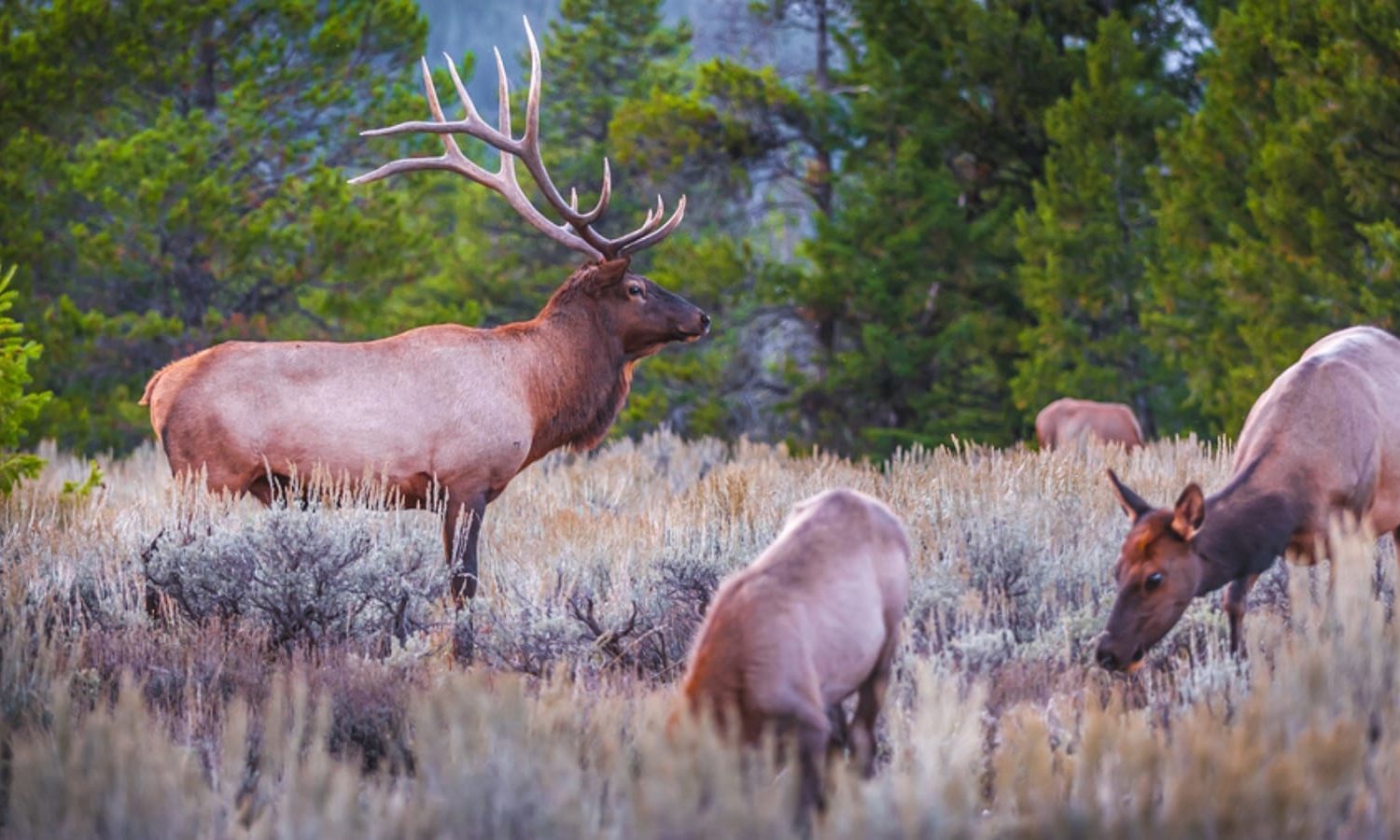
It’s one of the best national parks for spotting wildlife, and home to 67 mammals including moose, elk, bighorn sheep, marmots and many more. Moose are often spotted along the Colorado River on the western side of the park, and look for elk in the meadows and in the town of Estes Park.
Located along Bear Lake Road in the Rocky Mountain National Park Tour, Sprague Lake offers an easy and mostly flat, but busy, 0.8 mile loop trail.
Along the way there’s several benches to kick back and enjoy the peaceful scenery and panoramic views of the Continental Divide. And keep your fingers crossed, if you’re here in the late afternoon you might be lucky enough to see moose here.
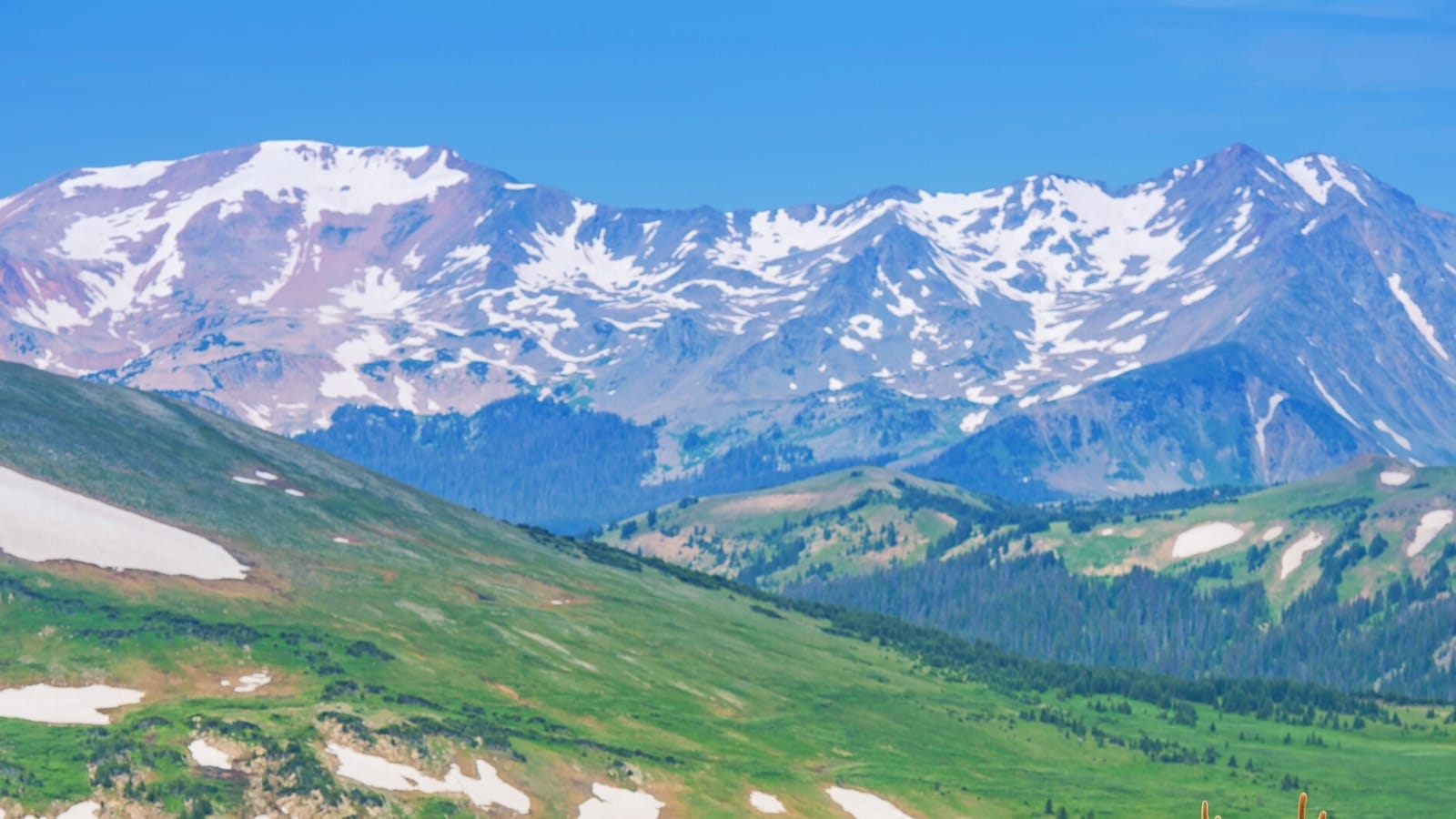
Most definitely the star of the Rocky Mountain National Park Tour, Trail Ridge Road is a scenic drive like no other in the country.
This 48-mile road climbs up to over 12,000 feet through dense aspen forests, gorgeous mountain valleys, and unique alpine tundra. Along the way, take in panoramic mountain views from the scenic overlooks and keep your eyes out for pikas, marmots and bighorn sheep, as well as elk grazing in the forest-rimmed meadows.
Originally constructed in 1920, the Old Fall River Road was the first automobile route in the Rocky Mountain National Park Tour to provide access to the park’s high country.
The road is unpaved with steep, narrow, and windy turns but it’s very well maintained. It’s a slow but memorable one-way drive up to 11,500 feet.
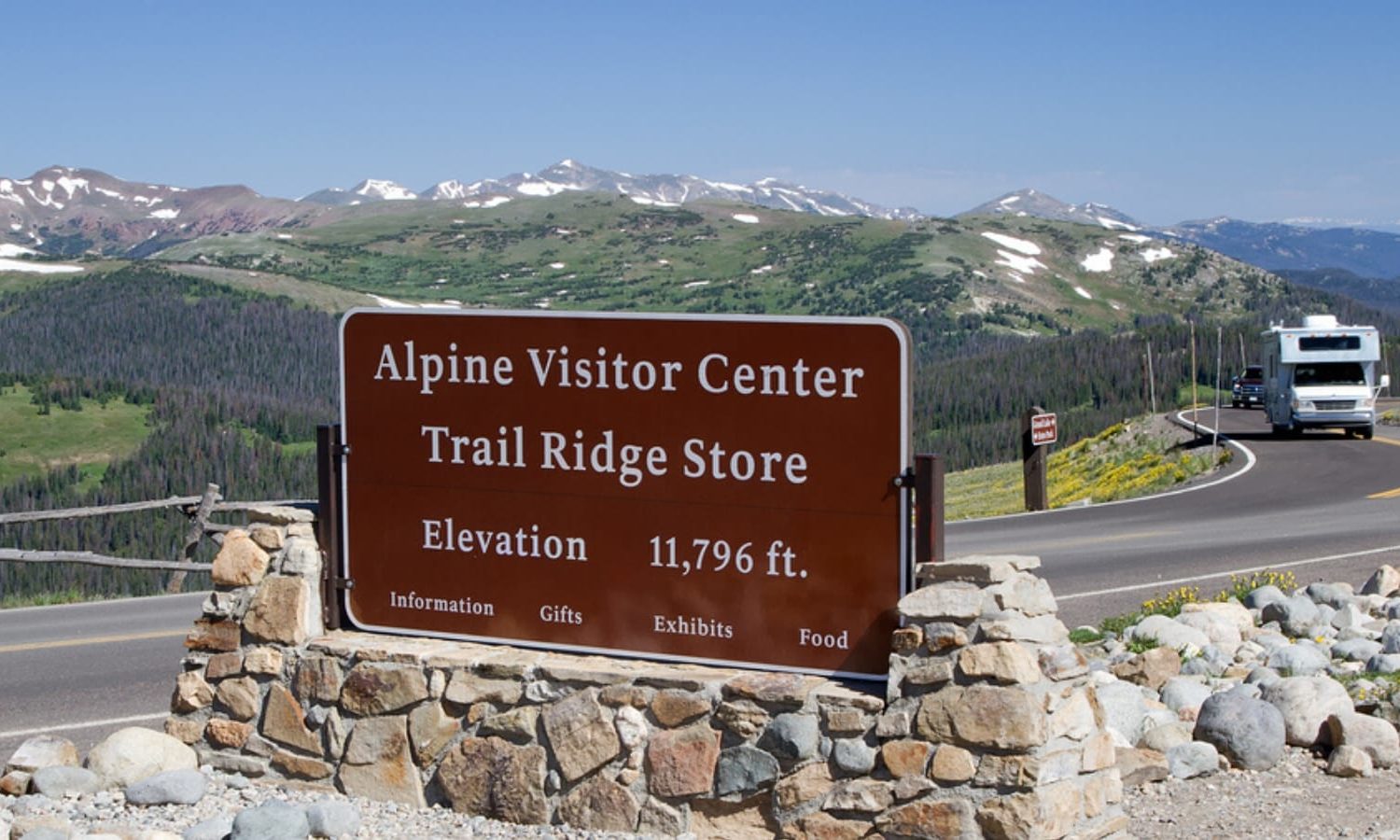
“Sitting nearly 12,000 feet up, this is the highest visitor center in any U.S. national park. Step inside for exhibits on alpine ecosystems or step outside for jaw-dropping views of tundra and sky.
“
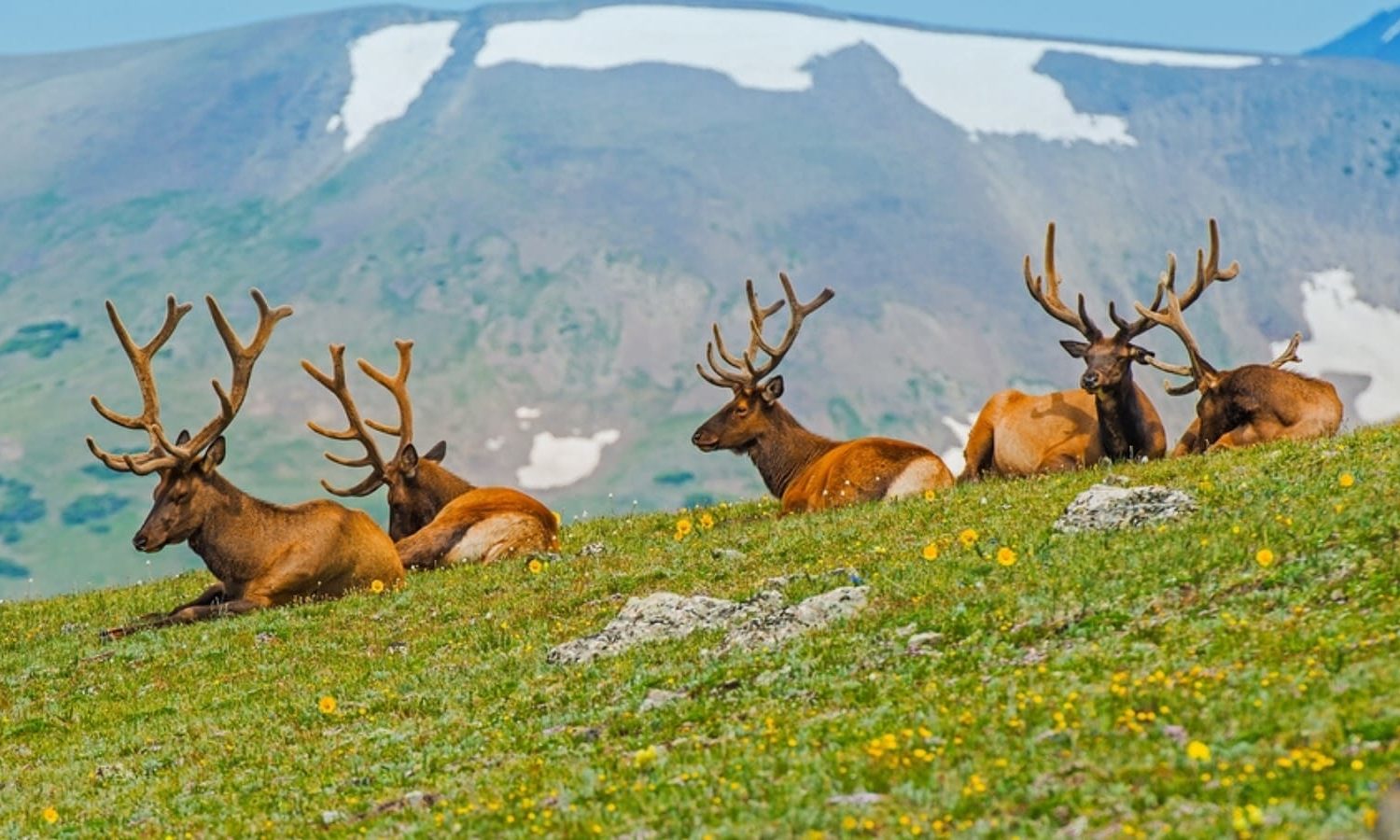
“Dark volcanic rock meets bright alpine sky. These jagged cliffs are leftovers from ancient eruptions, offering a moody twist to the park’s granite landscape.
“
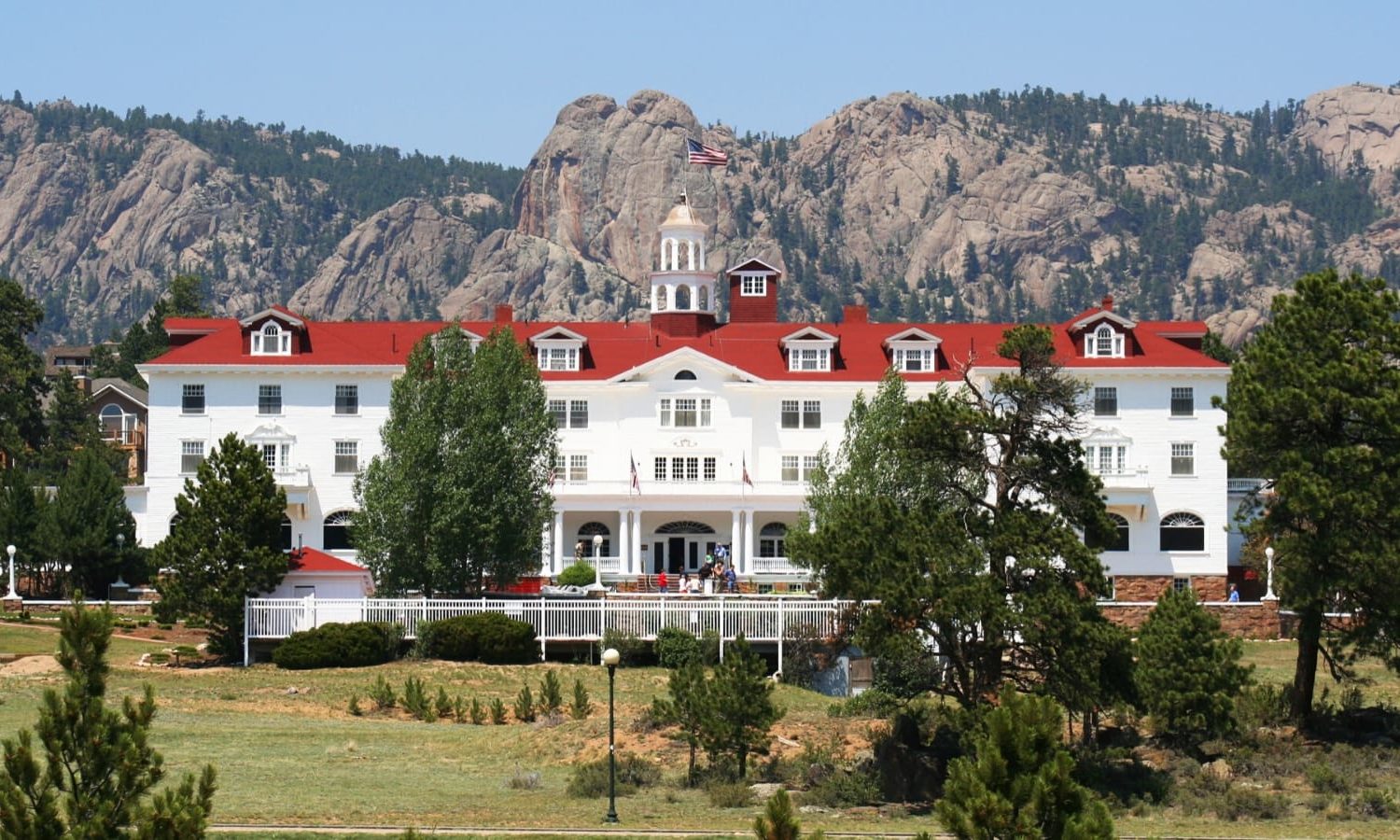
“A hotel with a haunting legacy. Stanley’s old-world elegance inspired The Shining and it still stuns with its mountain views, grand tours, and ghost stories.
“
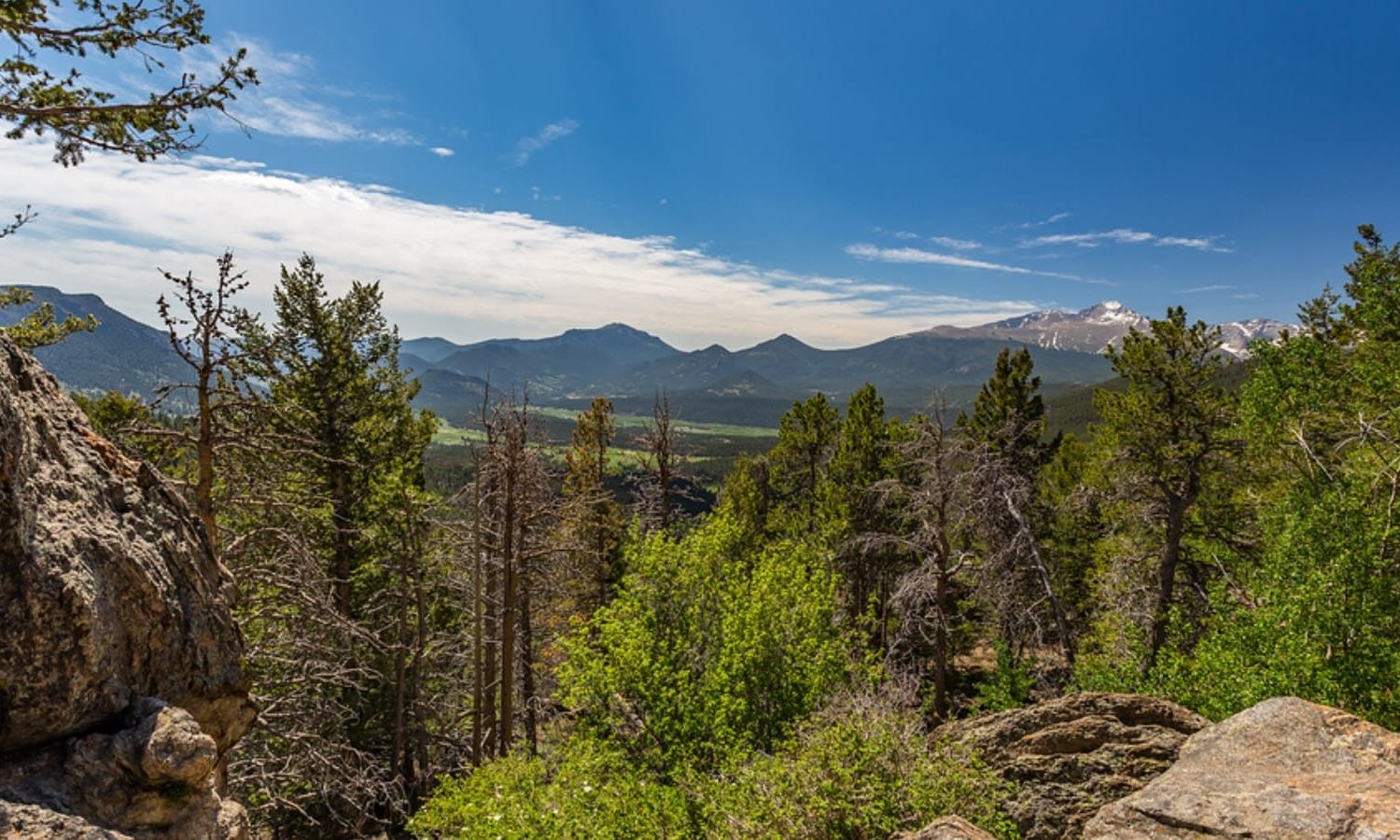
Big names, even bigger views. These overlooks serve up wide-open vistas of tundra, glacial valleys, and distant peaks. Bring your camera and your wow face.
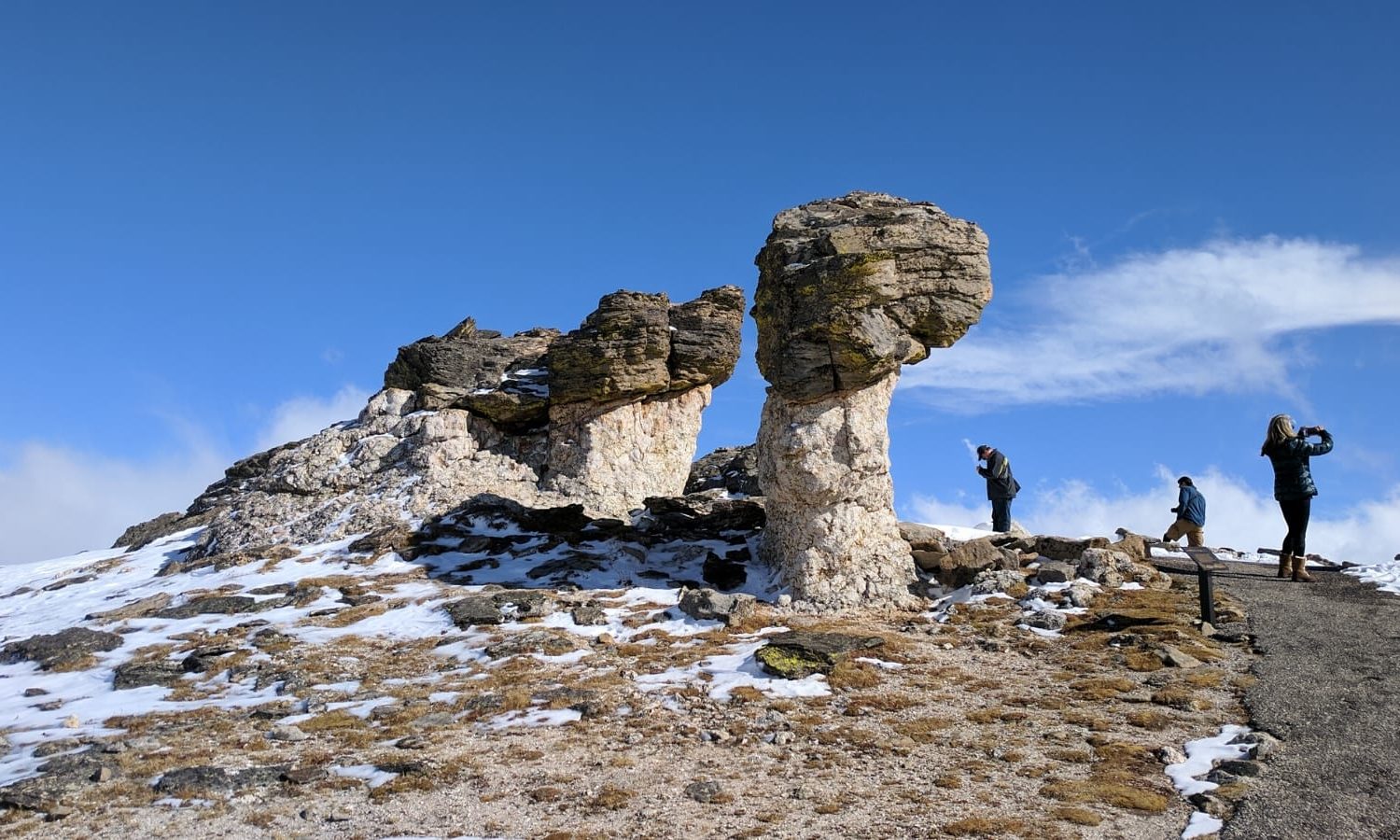
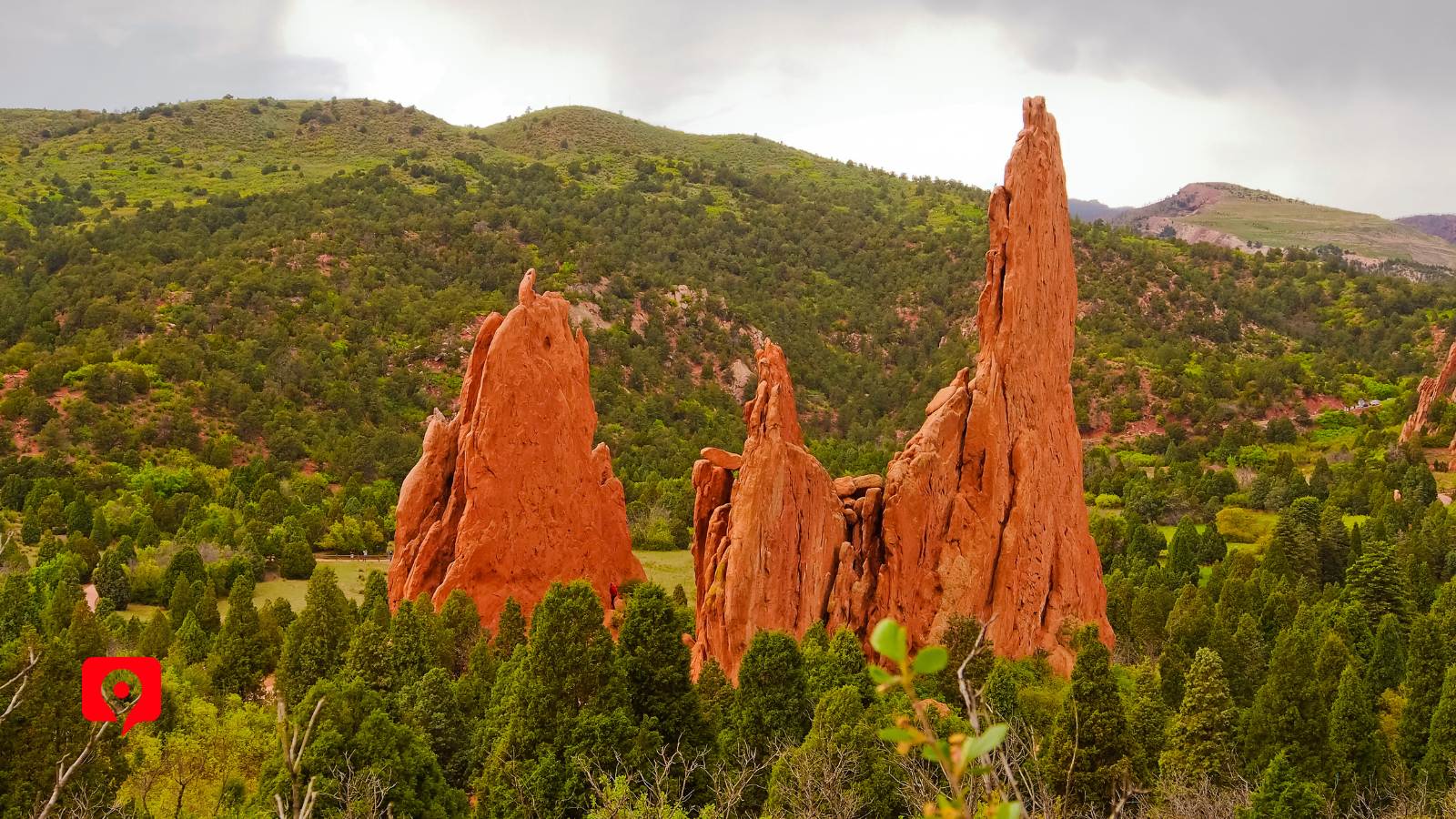
“Nature’s oddballs, giant rocks that look like they belong in a fairy tale. Formed by wind and water over millennia, they’re weird, wonderful, and totally photogenic.
“
“Old cabins, wide-open meadows, and a glimpse into early 1900s ranch life. Once a dude ranch, now a walk through time, right along the Colorado River.
“
“Laid-back vibes and lakeside views. Paddle, fish, or just chill by Colorado’s deepest natural lake. Its historic boardwalk makes the perfect afternoon stroll.
“
“This cozy gateway town mixes mountain charm with modern comforts. Think riverside walks, scenic trams, and a downtown full of shops, art, and good eats.”
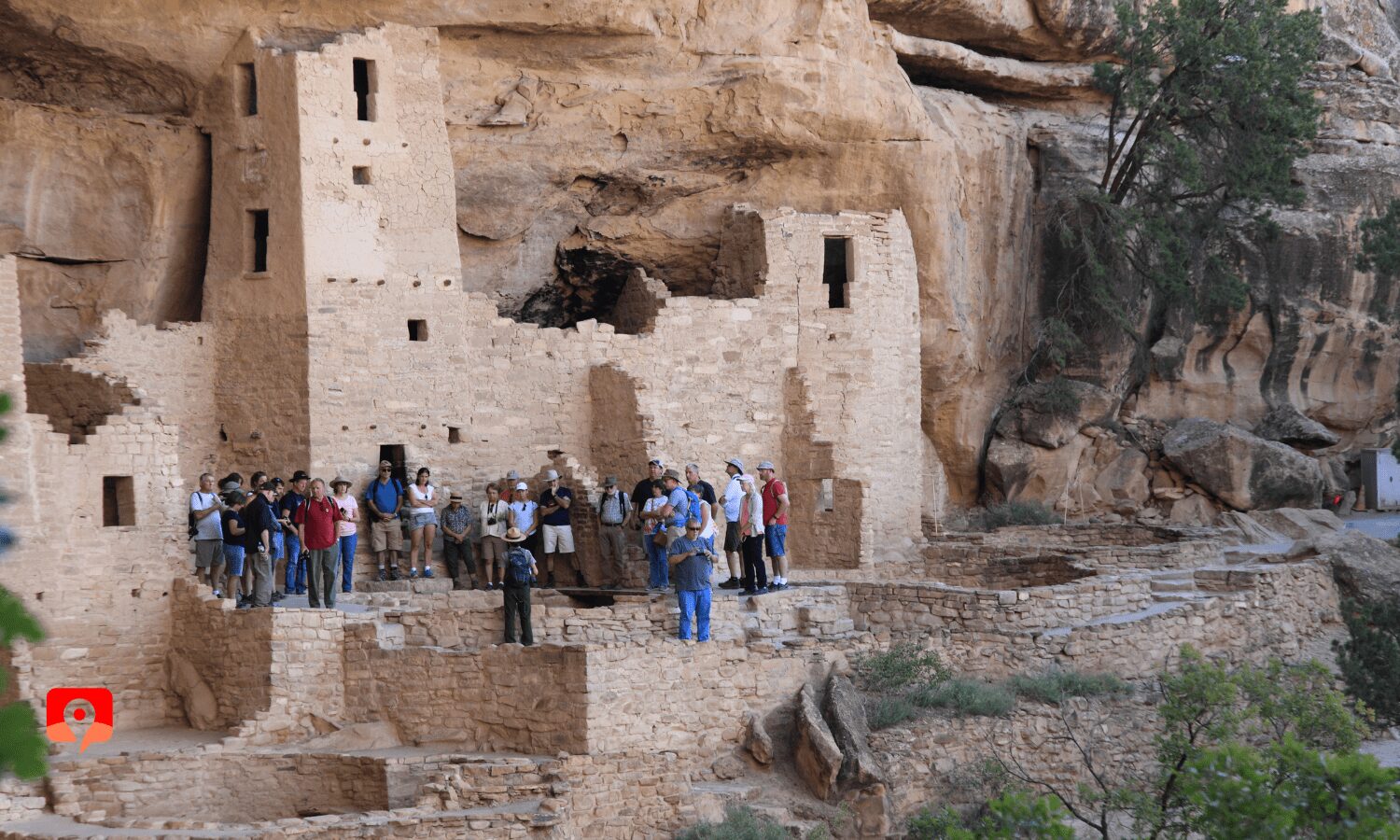
Stand in awe before Cliff Palace, the largest and most iconic cliff dwelling in North America and a masterpiece of Ancestral Pueblo architecture. Nestled dramatically within a vast cliff alcove, this magnificent structure boasts over 150 rooms and more than 20 kivas, suggesting it was a significant social, administrative, and ceremonial center. As you gaze upon its towering walls and intricate construction from the overlooks, or explore it on a ranger-guided tour (when available), imagine the vibrant community that thrived here until the late 1200s, leaving behind an enduring legacy of their sophisticated society.
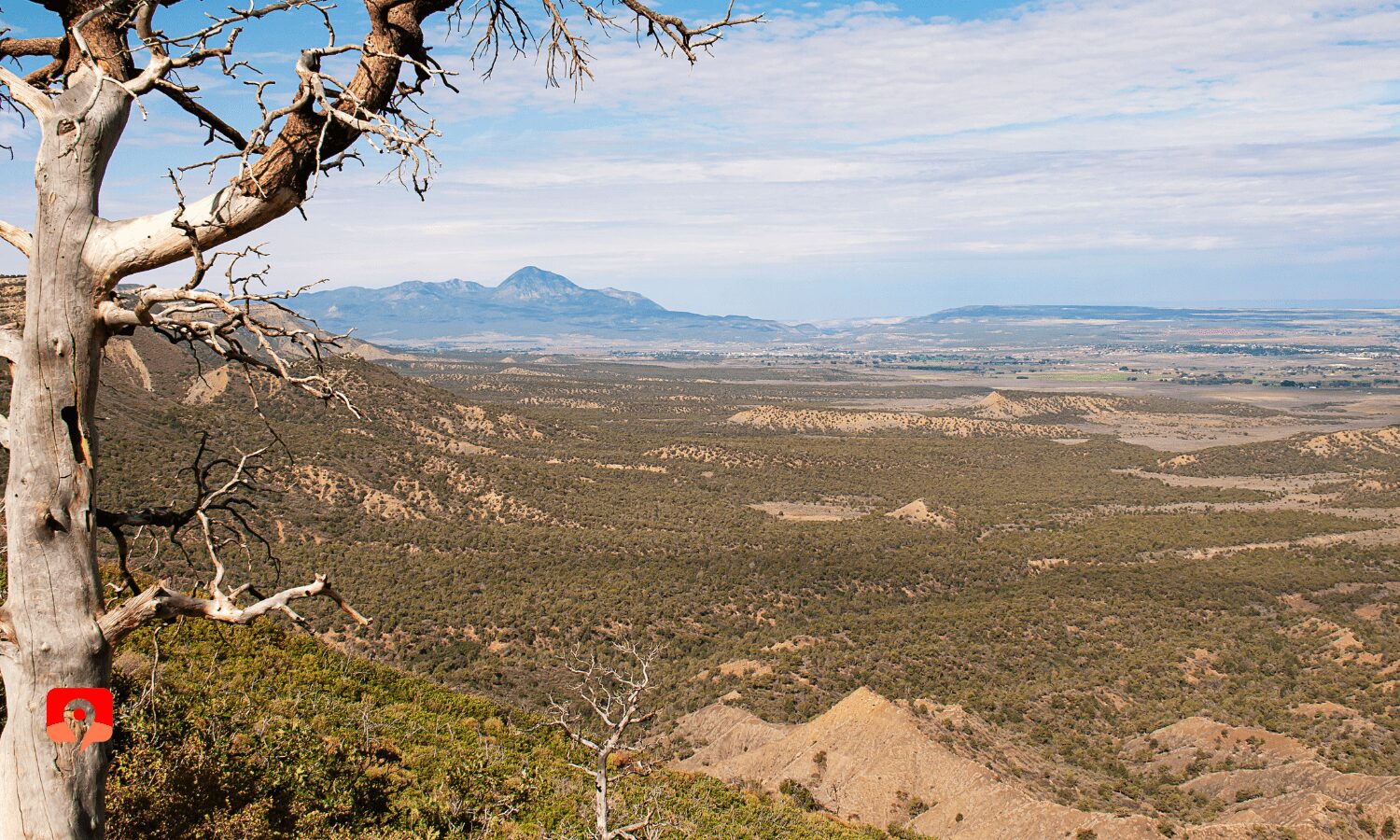
Take in the breathtaking, expansive views from the Montezuma Valley Overlook. This viewpoint offers a stunning panorama of the landscape from which the Ancestral Pueblo people derived their livelihood and eventually migrated. It’s an ideal location for photography and for contemplating the sheer scale of the region. Witness the dramatic geological formations and appreciate the sweeping scenery that provides context to Mesa Verde’s archaeological wonders.
Explore the foundational architecture of Mesa Verde by visiting ancient Pithouse sites, dating from around 550 to 750 AD. These semi-subterranean dwellings represent the earliest settled communities on the mesa tops. Learn how these structures, skillfully built into the earth for insulation, signify the beginnings of the architectural ingenuity that later culminated in the magnificent cliff dwellings, showcasing the adaptation and development of the Ancestral Pueblo people.
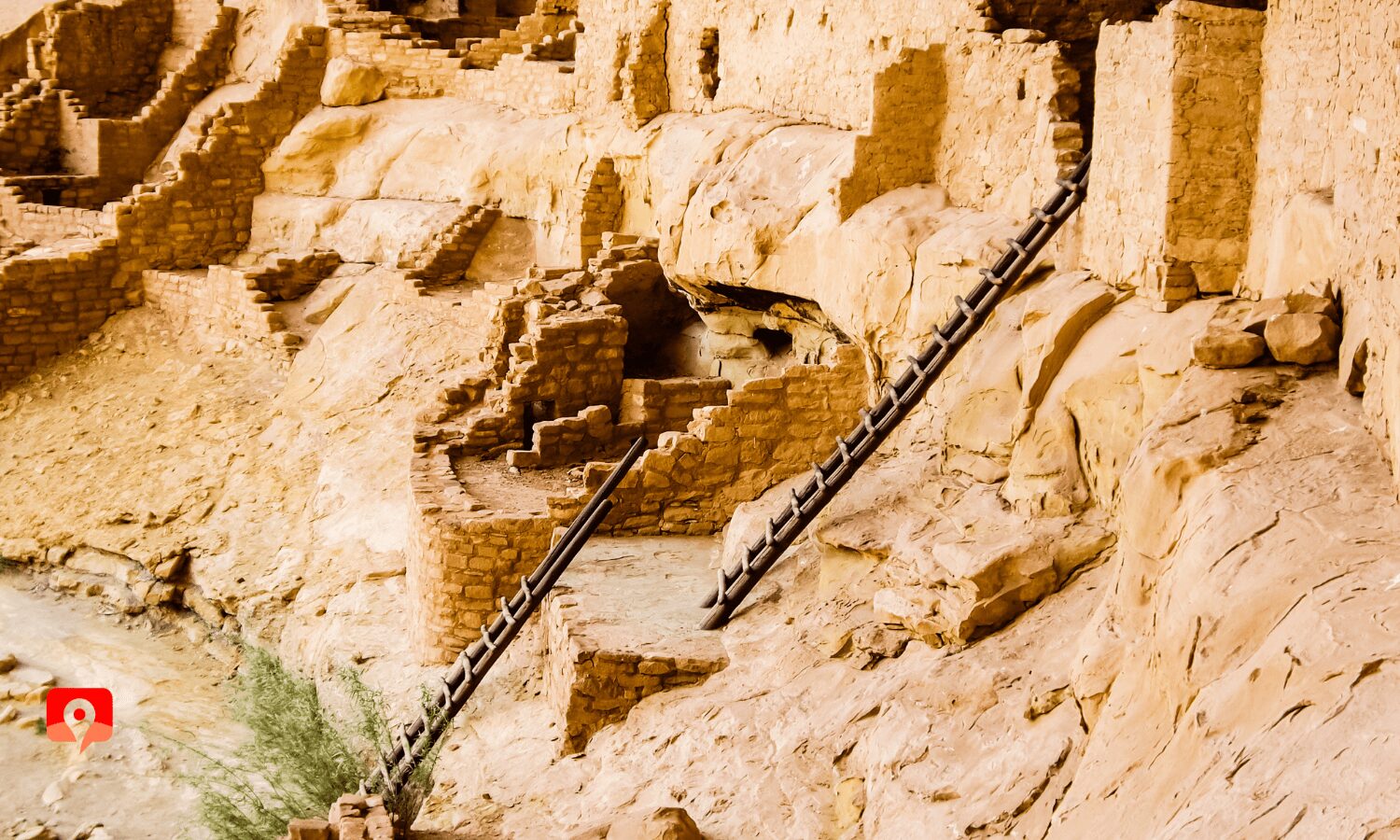
Discover the unique historical layers at Step House on Wetherill Mesa. This site distinctively features evidence of two separate occupations: an early modified Basketmaker III pithouse (circa 626 AD) and a later Classic Pueblo masonry dwelling (circa 1226 AD) built within the same alcove. This provides a rare chance to observe the evolution of Ancestral Pueblo building styles and lifestyles in a single, compelling location during a self-guided tour.
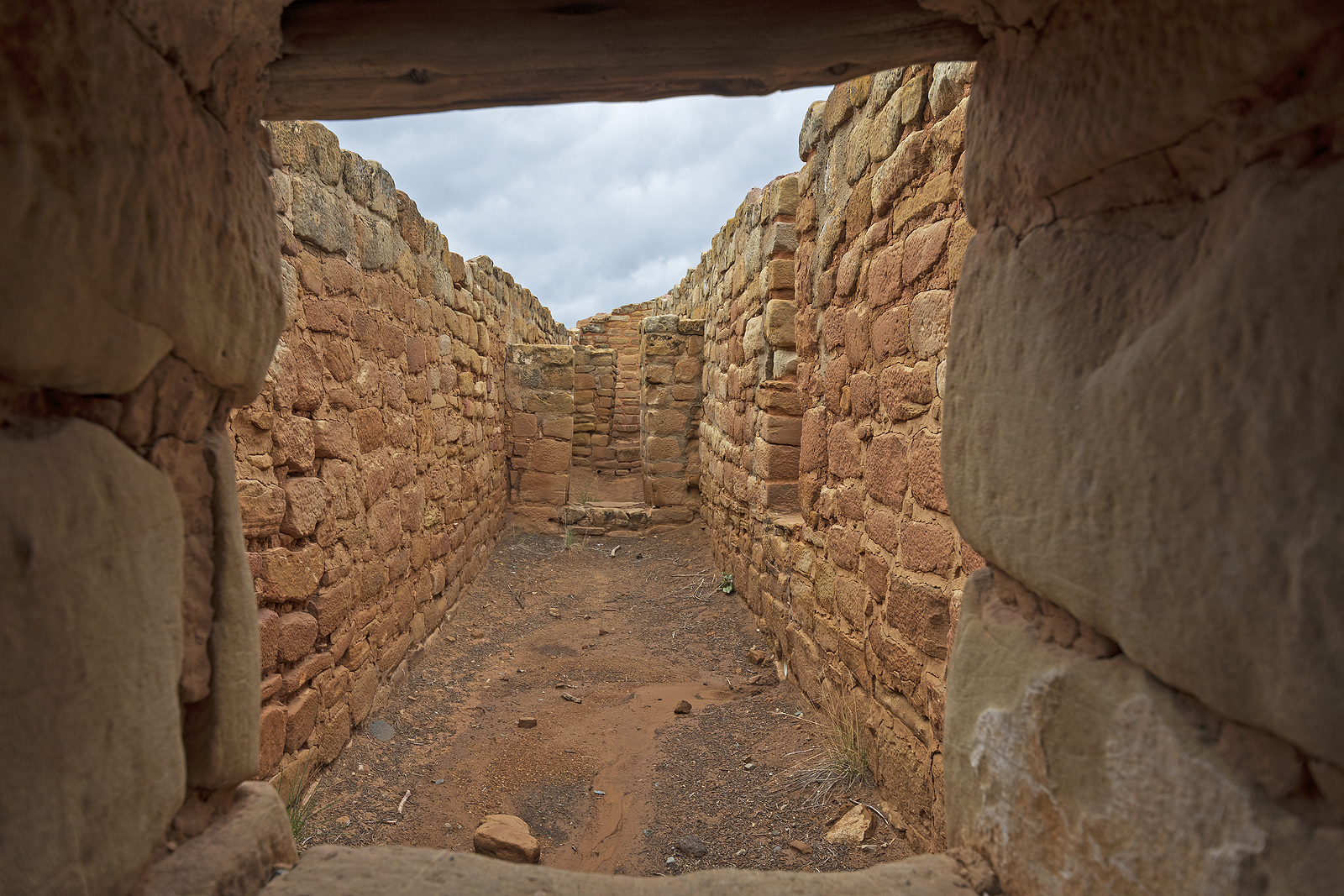
Ponder the mysteries of Sun Temple, a unique D-shaped masonry structure on the Mesa Top Loop. Unlike dwellings, its precise purpose remains unknown, though its intricate construction and possible astronomical alignments suggest it was a significant ceremonial center. As you walk around its impressive walls, imagine the rituals and gatherings that might have connected the Ancestral Pueblo communities to their spiritual world and the cosmos.
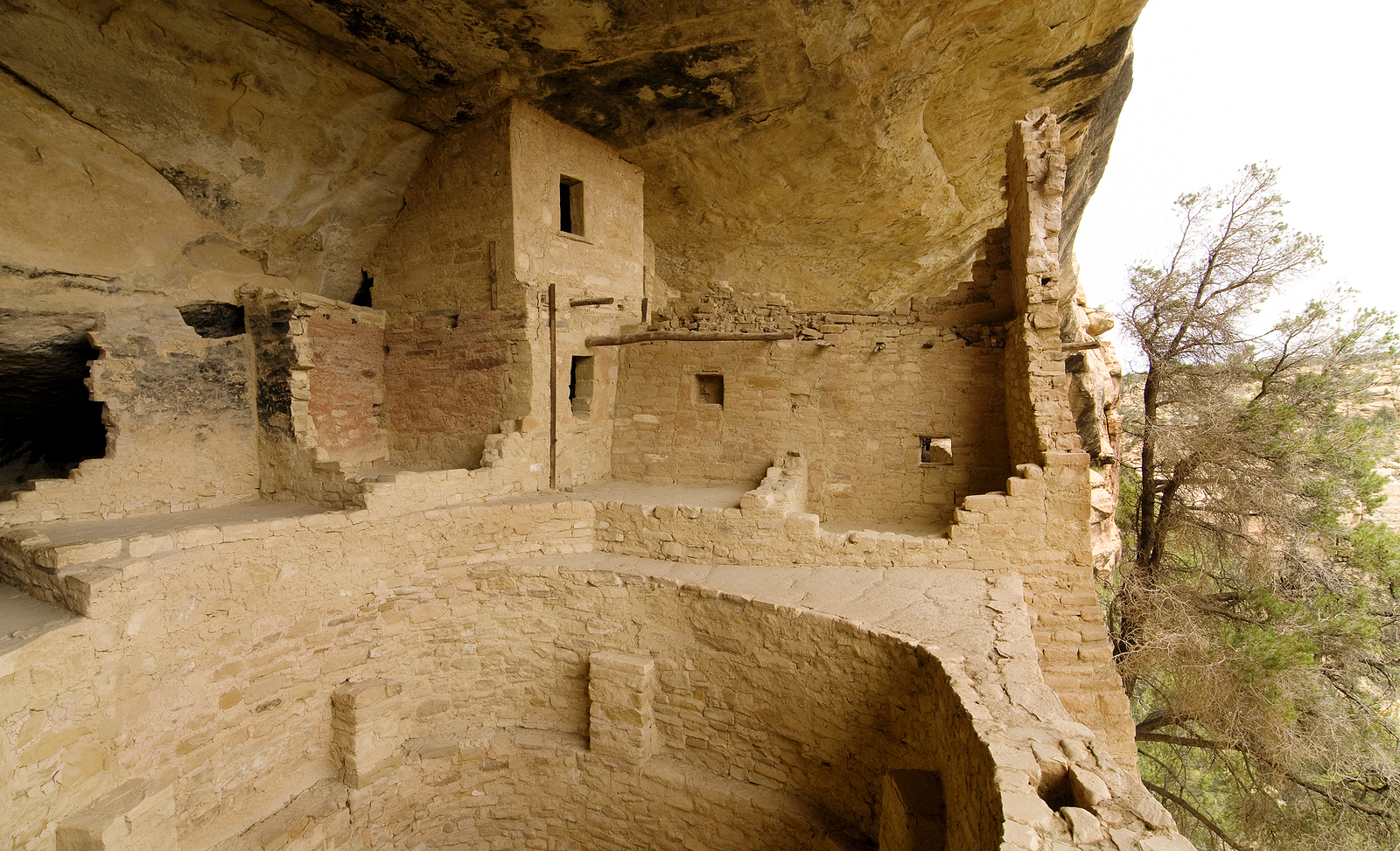
Prepare for an adventurous journey into the past at Balcony House, one of Mesa Verde’s most intriguing and well-preserved cliff dwellings. Accessing this remarkable site is an experience in itself, involving climbing a 32-foot ladder, crawling through a narrow tunnel, and scaling stone stairways. This intimate tour offers a unique perspective on the daily lives and ingenious architecture of the Ancestral Pueblo people who inhabited this mid-sized village of 38 rooms and two kivas around the 13th century. The well-maintained balconies and passageways provide a tangible connection to the resourcefulness of its ancient builders.
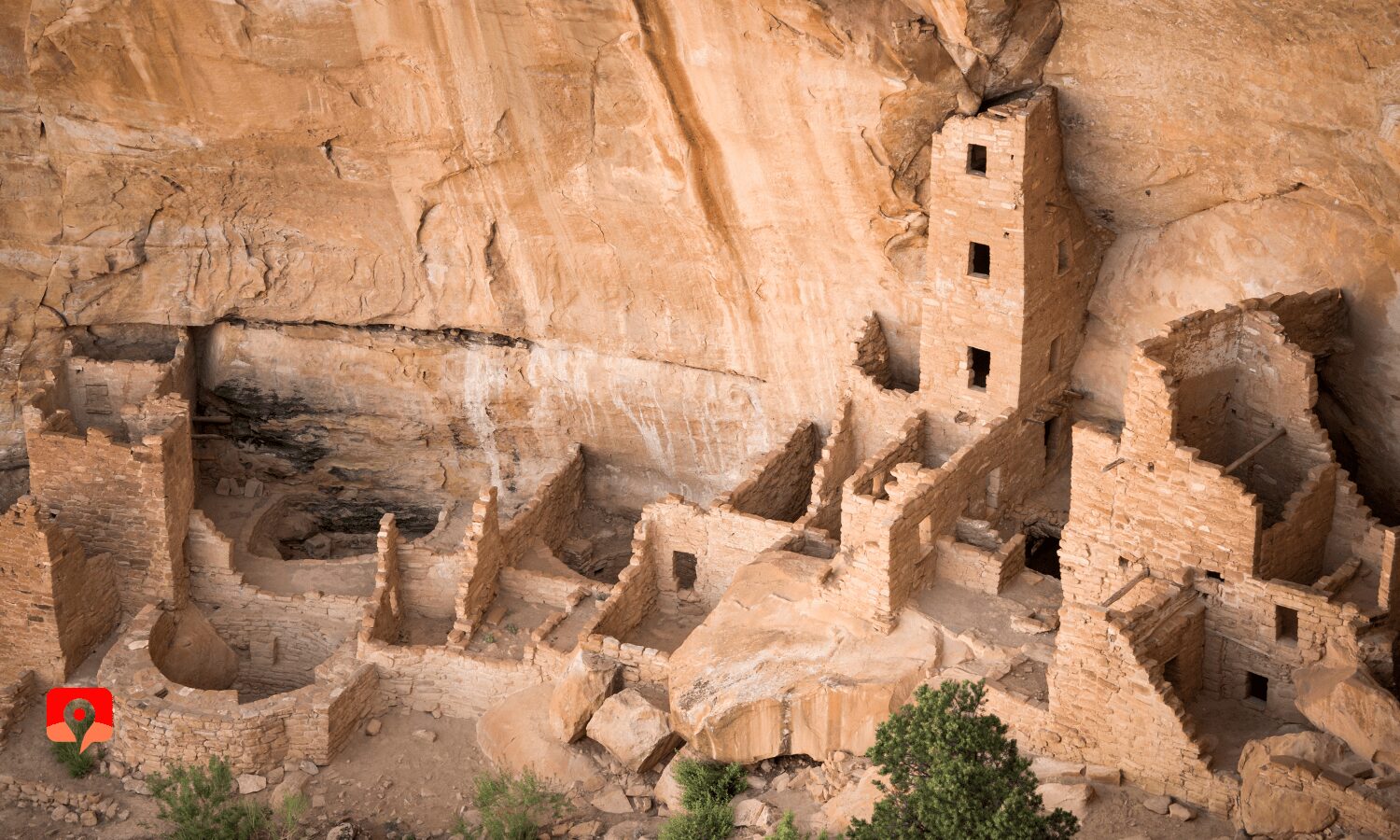
Admire the impressive Square Tower House, renowned for having the tallest standing structure within Mesa Verde National Park. Its striking four-story tower is a remarkable example of Ancestral Pueblo engineering. Typically viewed from an overlook on the Mesa Top Loop to protect its delicate structure, the site’s complexity and well-preserved elements, including original roof beams, highlight the sophisticated building techniques of its ancient inhabitants.
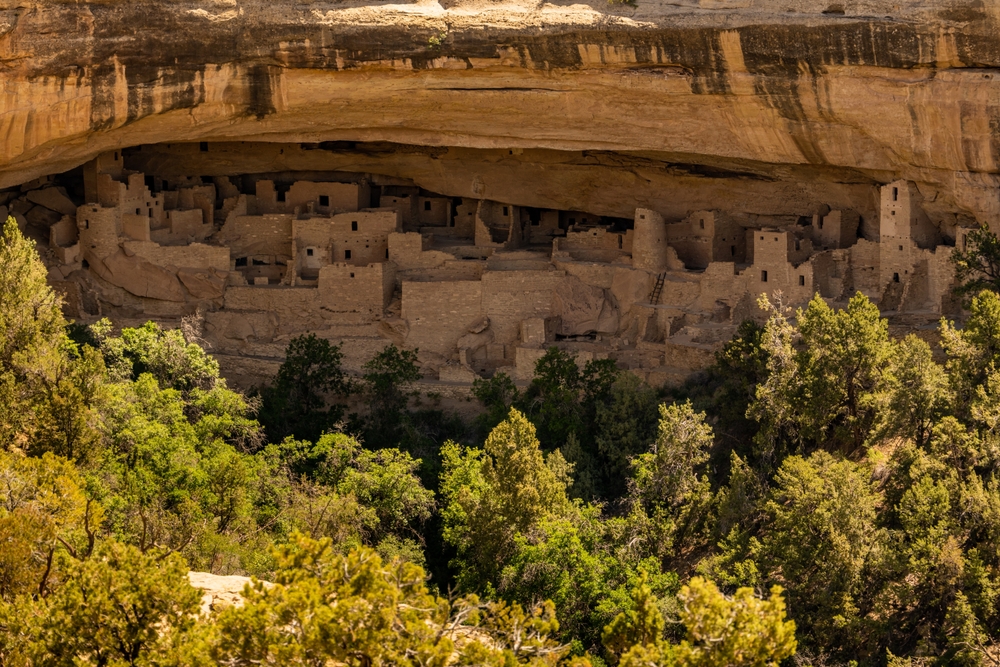
View Spruce Tree House from the nearby overlook, one of Mesa Verde’s best-preserved and third-largest cliff dwellings. This impressive structure, nestled within a deep natural alcove, contains approximately 130 rooms and eight kivas. It’s remarkably intact, showcasing original wooden beams and plaster. Though direct access may be limited, the view offers an excellent perspective of this village, believed to have housed 60 to 80 people.
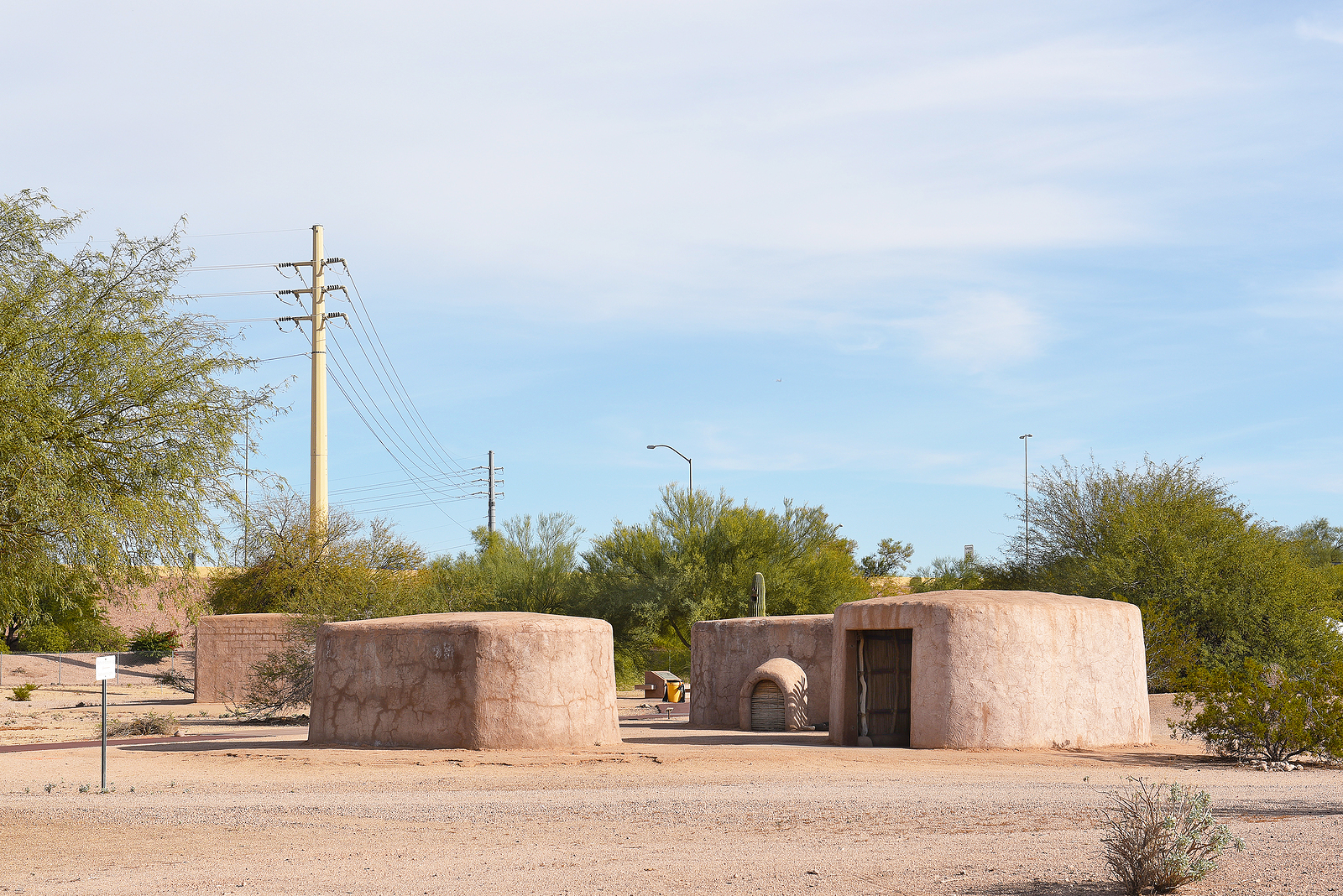
Explore the foundational architecture of Mesa Verde by visiting ancient Pithouse sites, dating from around 550 to 750 AD. These semi-subterranean dwellings represent the earliest settled communities on the mesa tops. Learn how these structures, skillfully built into the earth for insulation, signify the beginnings of the architectural ingenuity that later culminated in the magnificent cliff dwellings, showcasing the adaptation and development of the Ancestral Pueblo people.
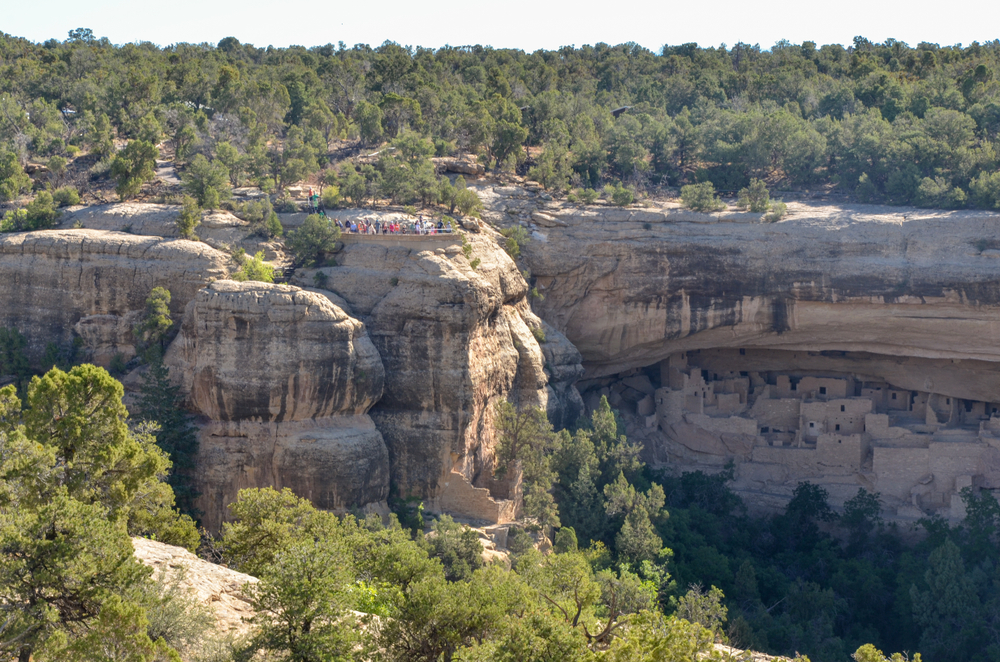
Delve deeper into the history and culture of the Ancestral Pueblo people at the Chapin Mesa Archeological Museum. Though sometimes undergoing renovations, the museum traditionally offers a wealth of information, showcasing exquisite artifacts including pottery, tools, and weavings. View detailed dioramas depicting daily life across different eras of Pueblo history in the region, providing valuable context to the sites you’ll explore. Situated near an overlook for Spruce Tree House, the museum serves as a crucial starting point for understanding the ingenuity and resilience of those who called Mesa Verde home for centuries.
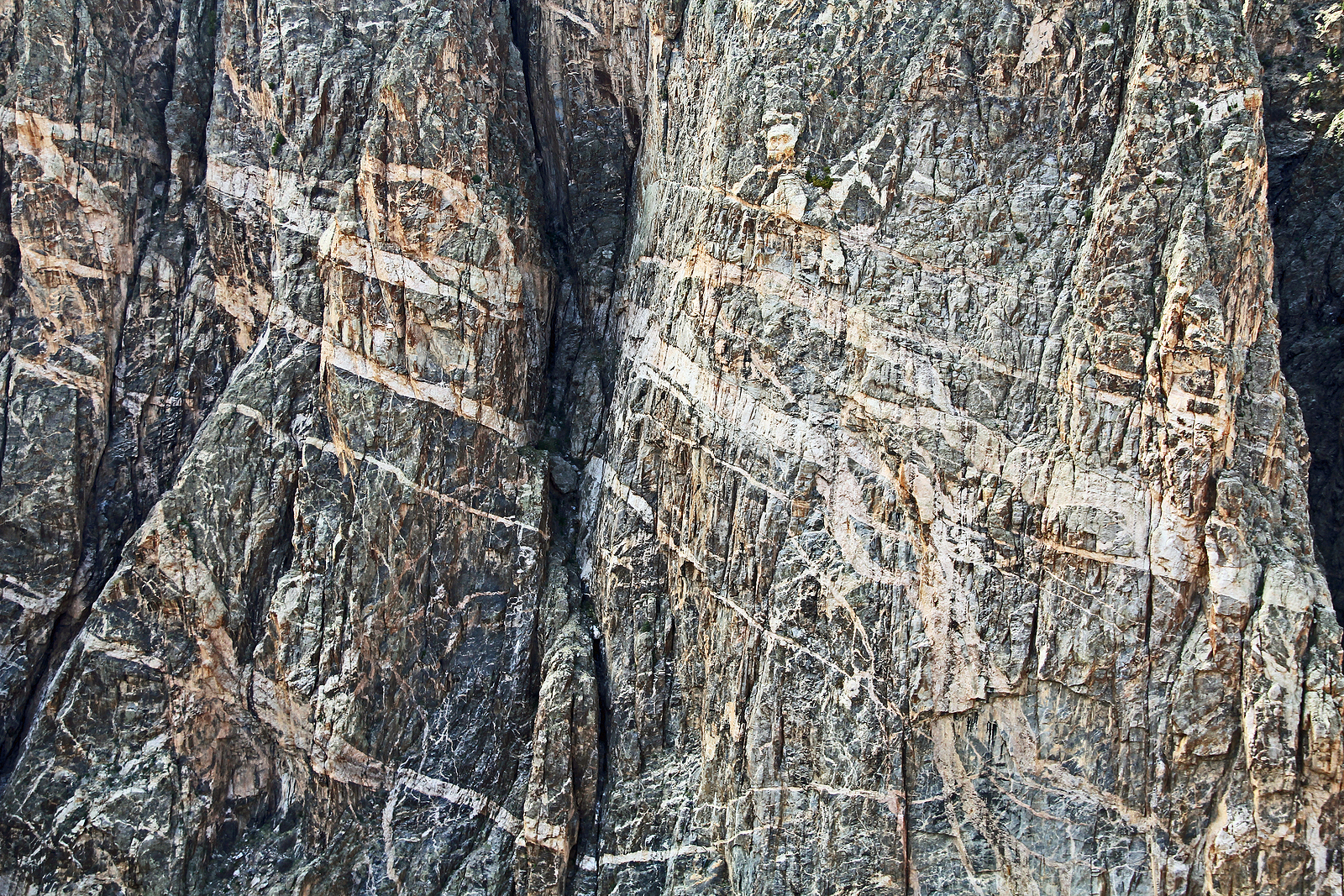
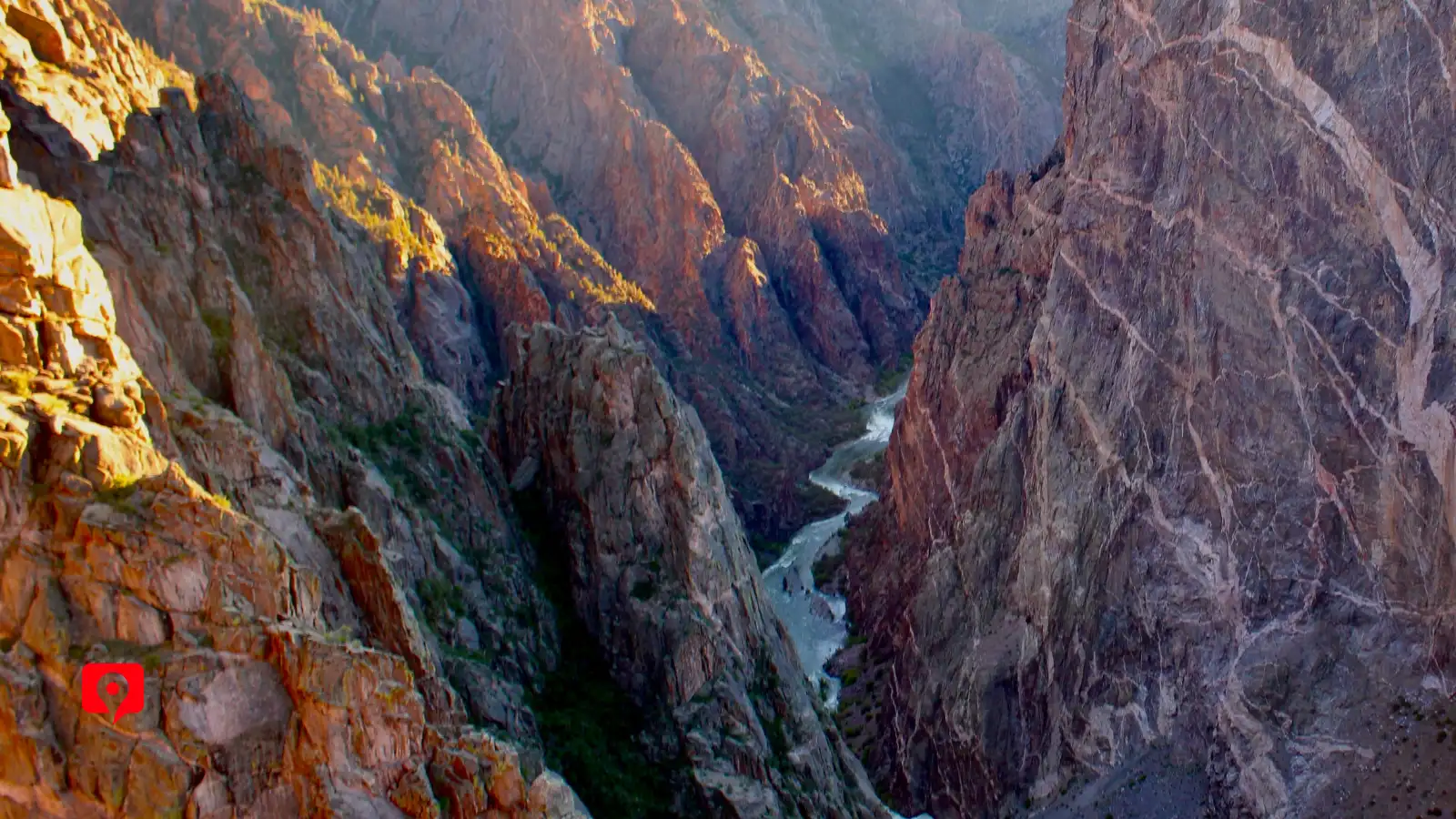
Chasm View and Painted Wall View are two of the most dramatic overlooks on the South Rim. At Chasm View, you’ll look into one of the narrowest and steepest parts of the canyon. Painted Wall View shows off Colorado’s tallest cliff, over 2,250 feet of striped rock. The bold patterns on the granite make it one of the most photographed spots in the park.
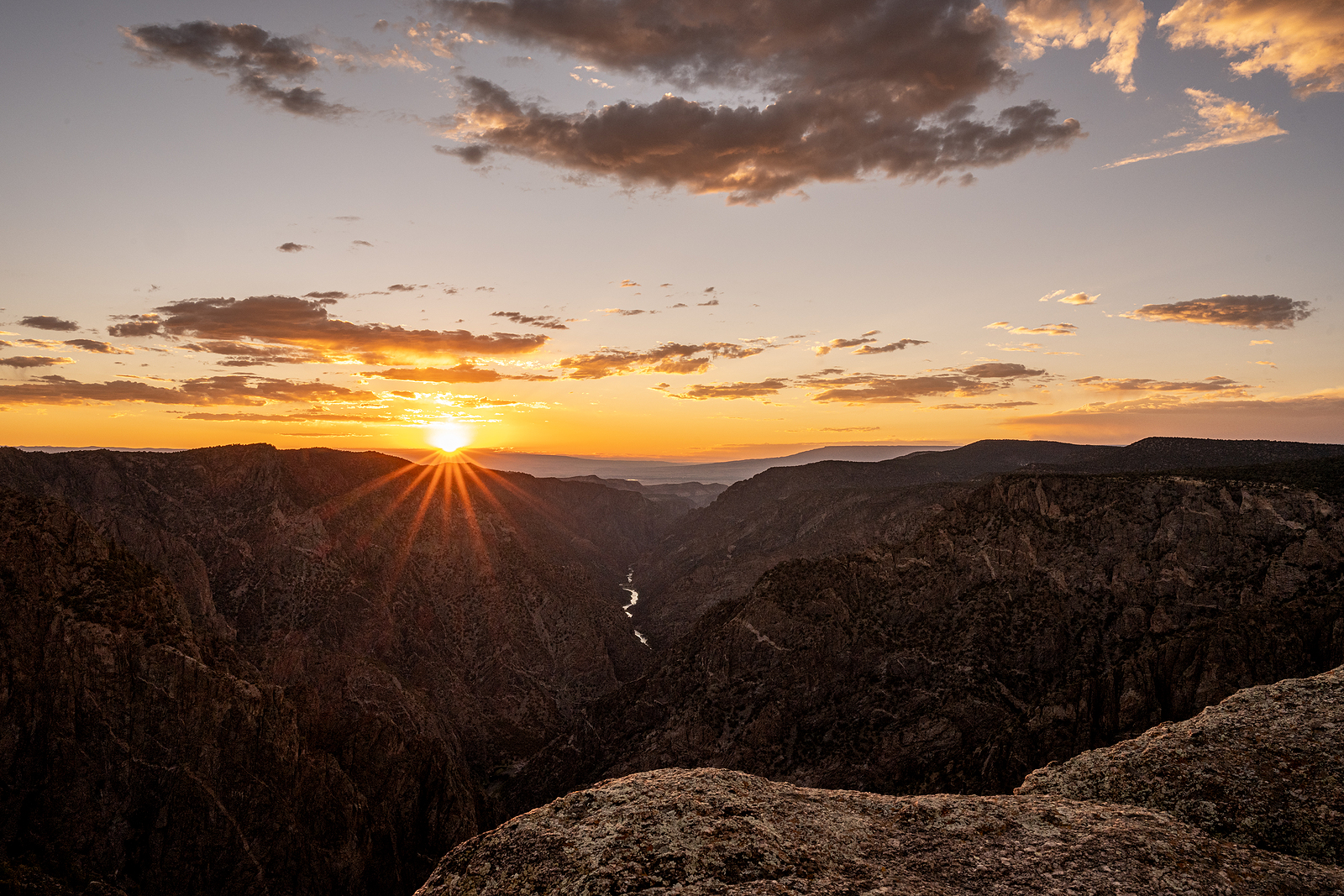
Sunset View is the perfect place to end your day at Black Canyon. In the late afternoon, the setting sun lights up the cliffs in gold and orange. It’s one of the most scenic and peaceful overlooks, great for reflection, photos, or simply soaking in the last light over the canyon.
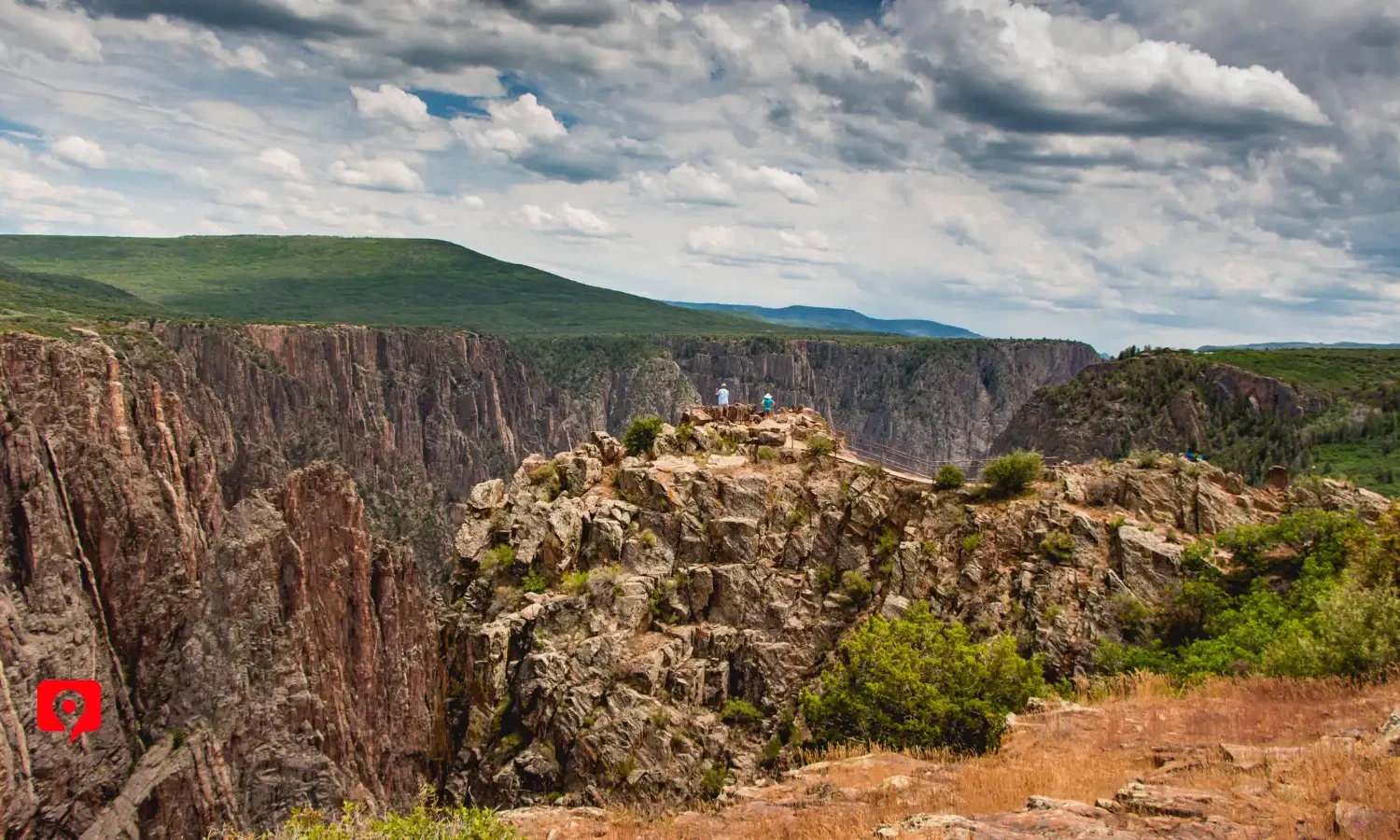
At Cross Fissures View, you’ll get a close look at the deep cracks and layers in the canyon walls. These patterns were shaped by millions of years of shifting rock and water erosion. It’s a fascinating stop to see how nature’s forces carved the canyon.
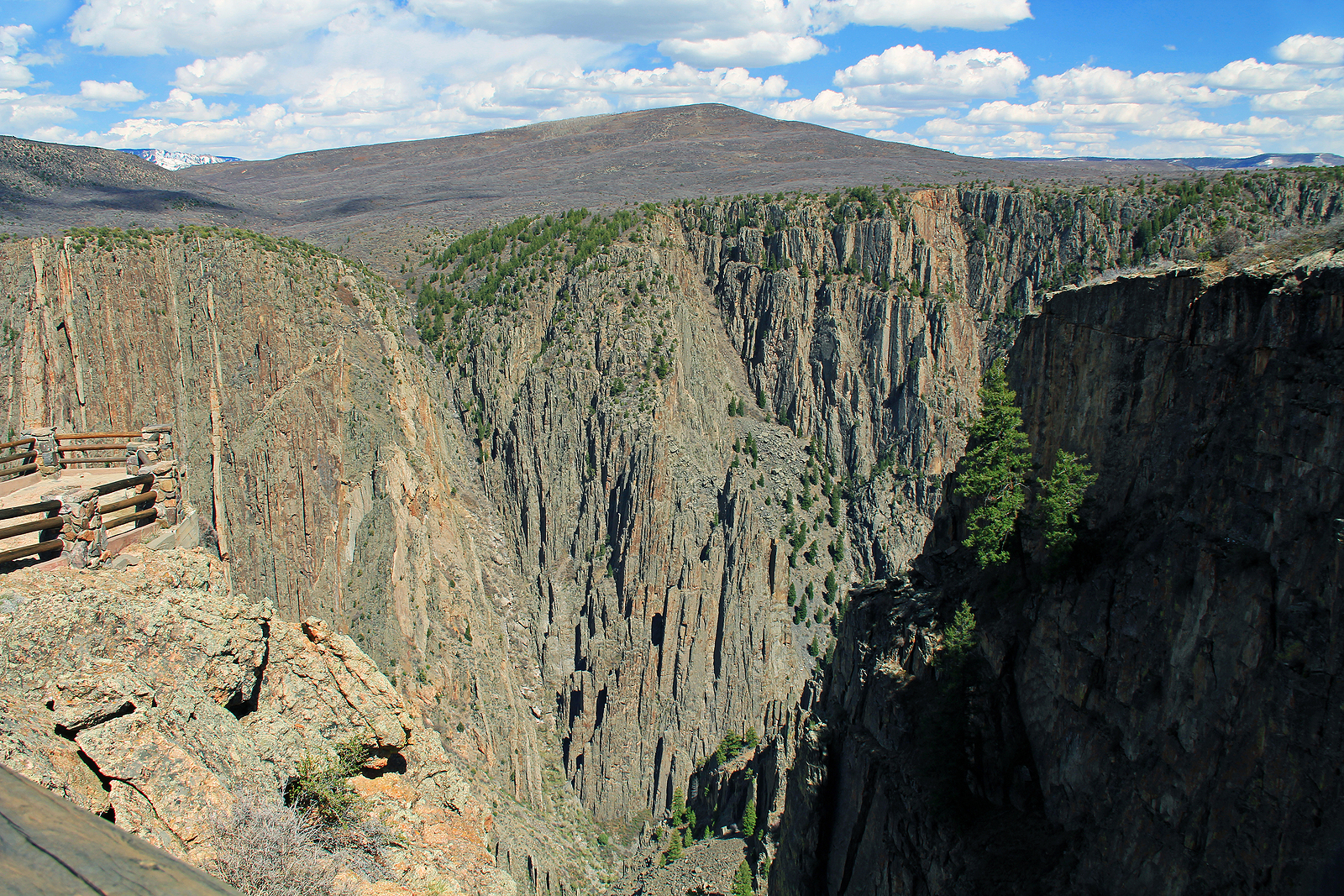
Tomichi Point is a great first stop on the South Rim. This wide overlook gives you a big-picture view of the canyon’s depth and dramatic drop-offs. It’s an easy-to-reach photo spot that helps you get your bearings and see just how sharply the land falls away.
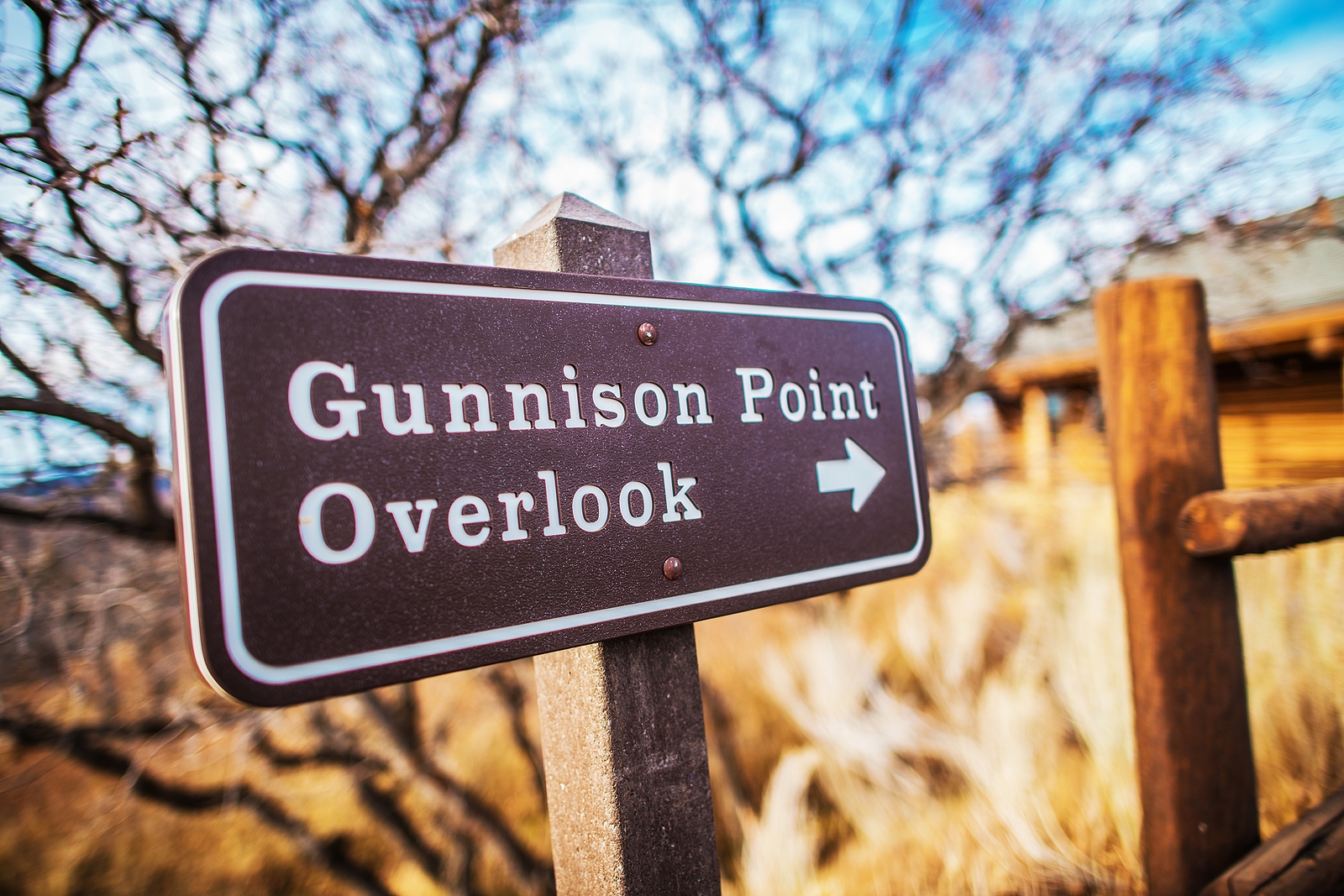
Gunnison Point is just steps from the South Rim Visitor Center and offers one of the most iconic views in the park. You can look straight down to the Gunnison River nearly 2,000 feet below. There are signs here explaining the canyon’s geology, and it’s a great place to learn, take photos, or start your visit.
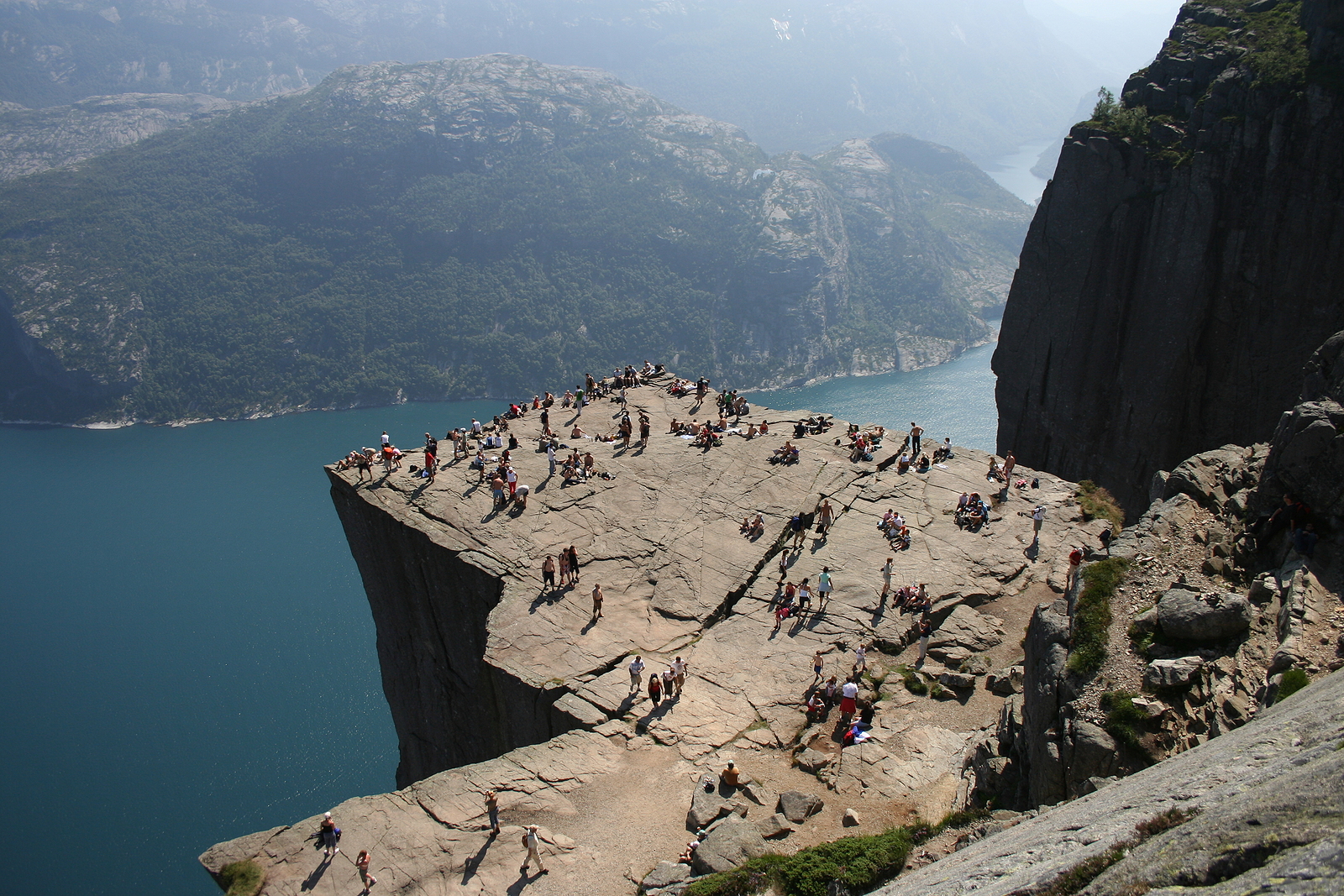
Pulpit Rock Overlook gives you a bold, edge-of-the-cliff view into the canyon. The viewpoint sits near a rock shaped like a preacher’s pulpit, which inspired the name. If you want a photo that shows just how deep and sheer the canyon walls are, this is the perfect place to stop.
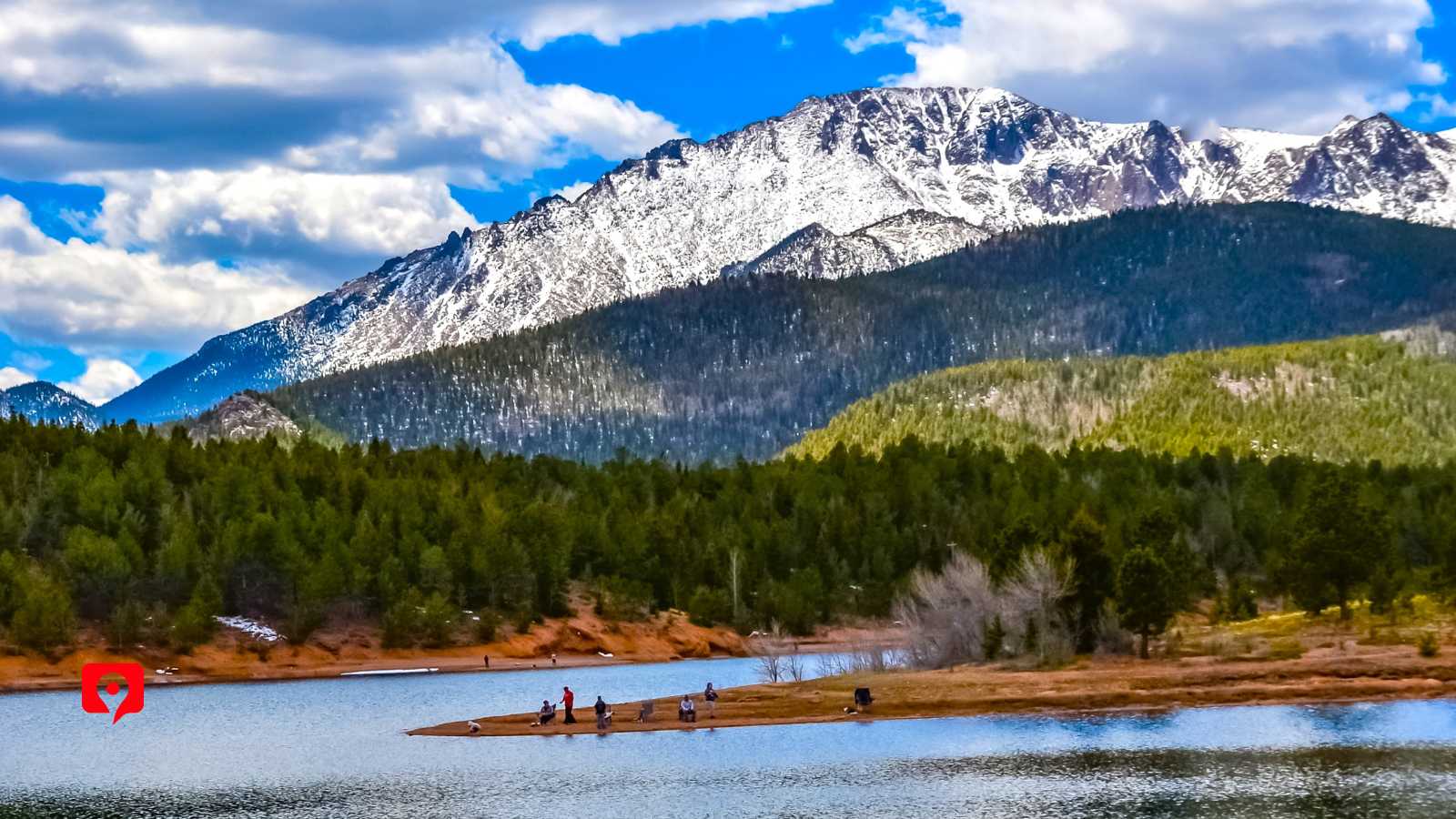
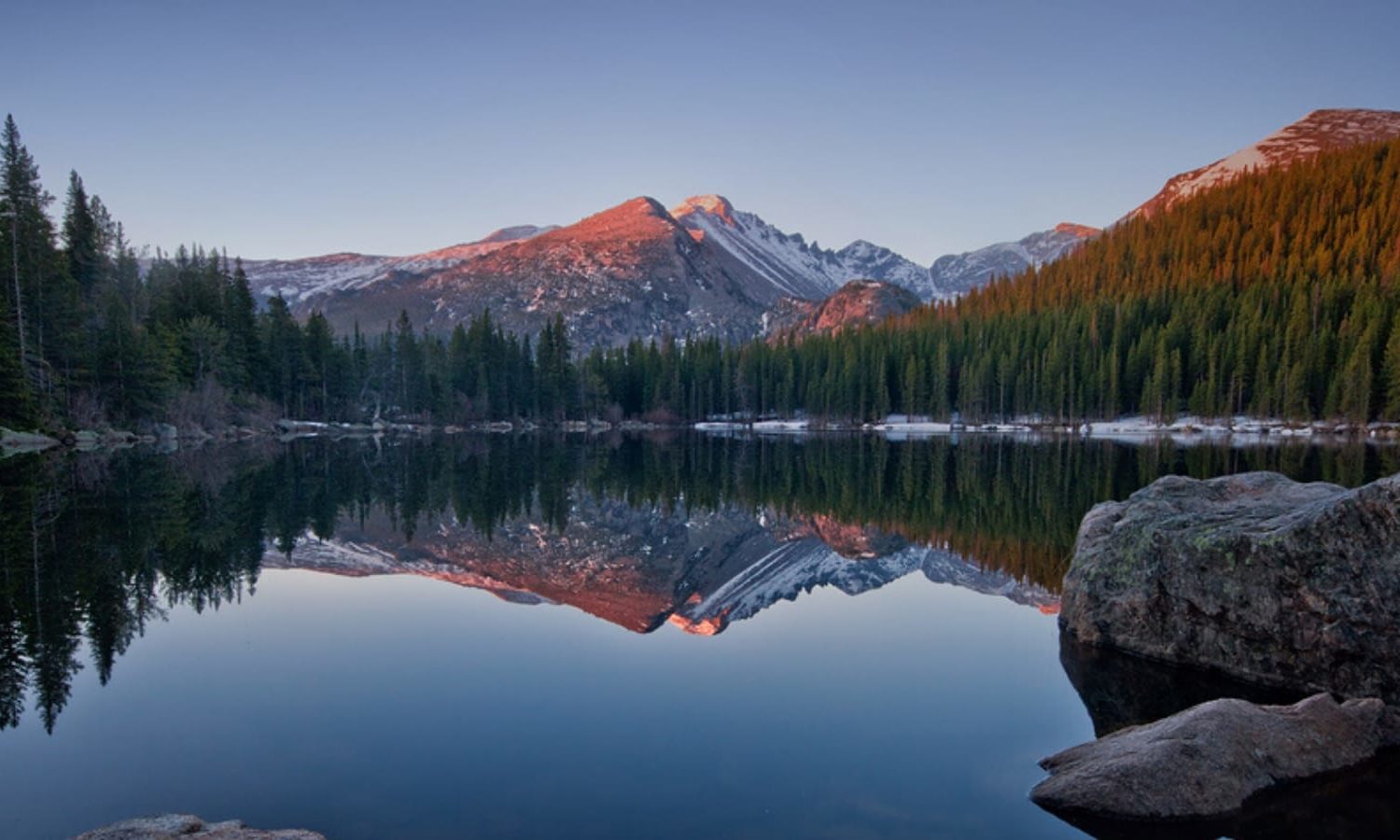
Bear Lake is one of the most picturesque lakes in the Rocky Mountain National Park Tour.
The lake is the starting point for many of the park’s most popular hikes, and there’s a leisurely stroll around the lake with fantastic mountain views. The parking area often fills early in the morning during the summer months, so it can be easier to take the free shuttle bus to save the hassle of finding a parking spot.