00:00

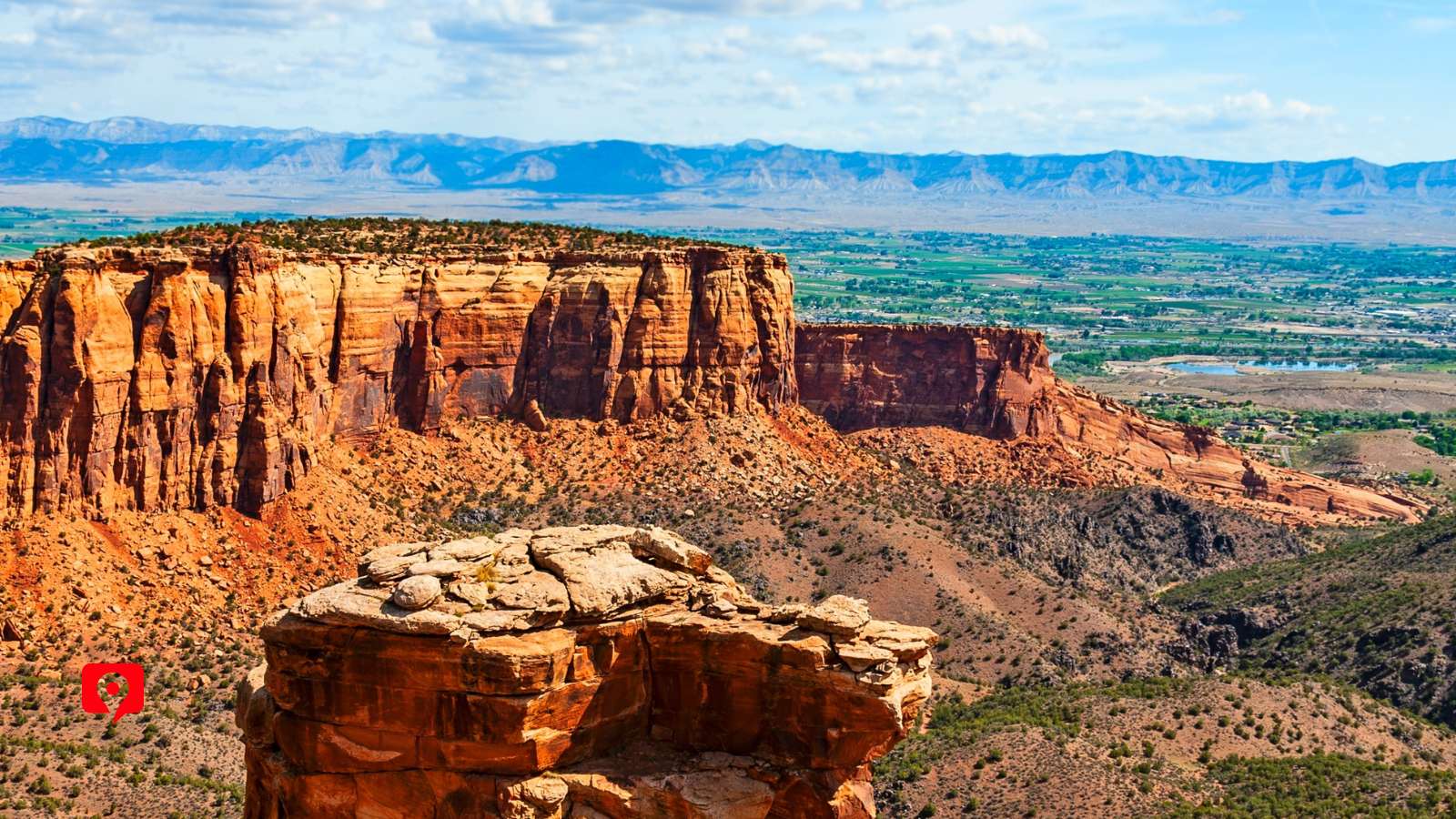
Welcome to one of Colorado’s most spectacular drives a journey along Rim Rock Drive through Colorado National Monument. This scenic highway winds past towering sandstone monoliths, sheer-walled canyons, and vast desert vistas shaped over millions of years by wind, water, and geologic forces. Along the way, you’ll encounter rock layers that tell stories of Earth’s ancient past, from the Precambrian basement to the fossil-rich Morrison Formation, offering a glimpse into the region’s fascinating geology.
Stops at iconic viewpoints like Independence Monument, Coke Ovens Overlook, and Artists Point reveal ever-changing perspectives of the red rock canyons. You’ll also learn about the human history here, from the ancestral Ute people who called this land home to John Otto, the park’s “Trail Builder,” whose dedication helped preserve this natural wonder for future generations.
Whether you choose to take a short walk along the Devil’s Kitchen Trail, pause at overlooks to soak in the dramatic scenery, or cruise the winding road, every moment captures the rugged beauty and awe-inspiring spirit of the American Southwest. This drive is a must for nature lovers, photographers, and anyone seeking a truly unforgettable adventure.
You can reach Colorado National Monument by car or plane. If flying into Grand Junction Regional Airport, rent a car and drive approximately 18.6–19 miles (37 minutes) to the monument, following signs through Grand Junction to the east entrance. Alternatively, take Interstate 70 to Fruita (Exit 19), then head south on Highway 340 for about 3 miles (15 minutes) to the west entrance.

Fly into Grand Junction Regional Airport (GJT), located about 19 miles (approximately 37 minutes) from the Monument’s east entrance. Rent a car at the airport and follow signs through Grand Junction along Monument Road to reach the park. Alternatively, drive about 13 miles (around 15 minutes) southwest from the airport to access the Fruita-side (west) entrance.

Drive east or west on Interstate 70 to reach the monument. Head to Exit 19 near Fruita, then follow Highway 340 south for about 3 miles to the Fruita (west) entrance. Alternatively, take Exit 31 or 37 toward Grand Junction, proceed through town via Monument Road for roughly 4 miles to the Grand Junction (east) entrance.
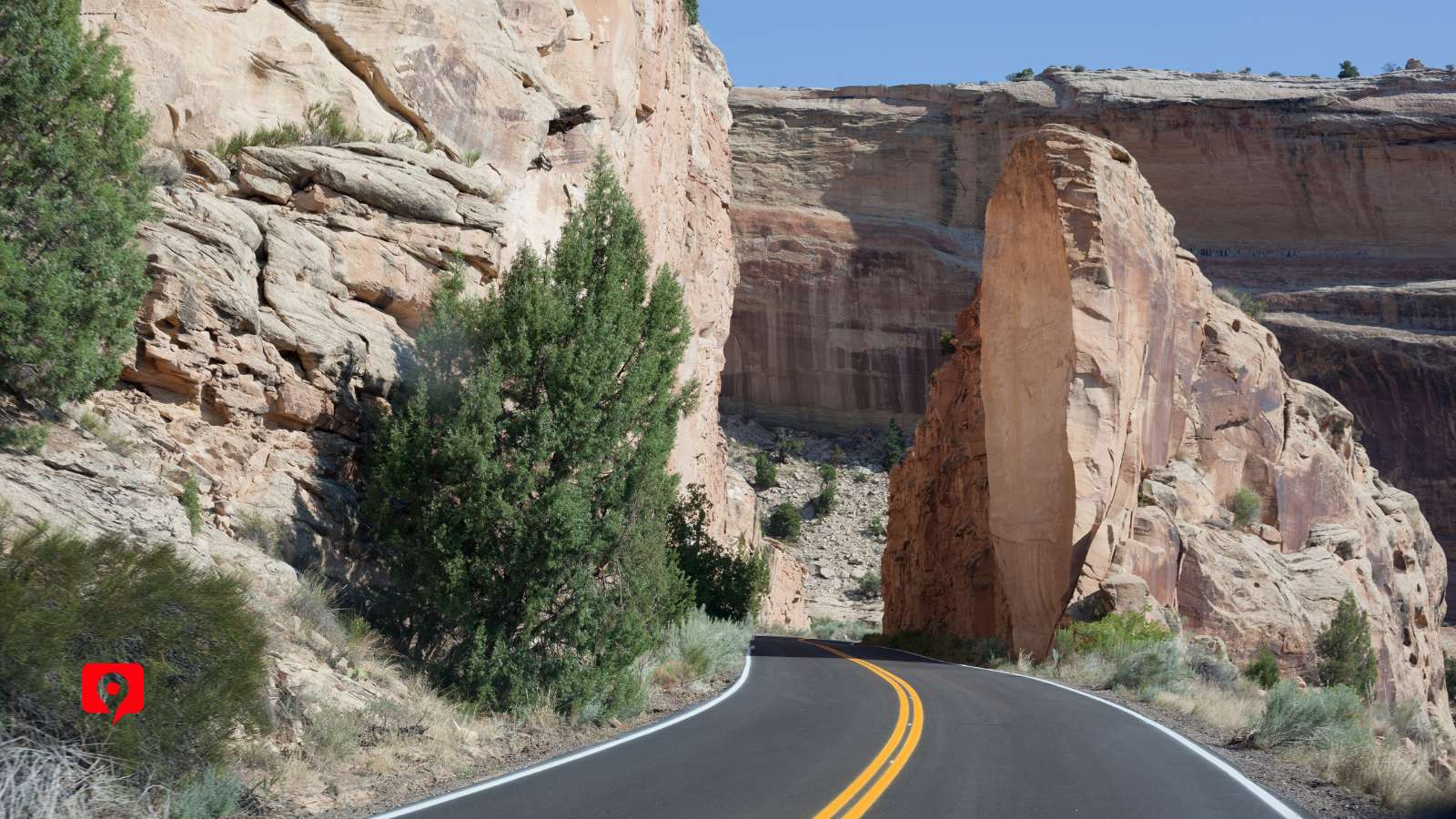
Exploring Colorado National Monument is best done by car or bike. Exploring Colorado National Monument is best by car or bike along the 23-mile Rim Rock Drive, with pullouts and short parking at viewpoints like Balanced Rock, Coke Ovens, Grand View, and Red Canyon many with trail access and interpretive displays. Cyclists tackle steep climbs, three tunnels, and winding switchbacks; ride single-file, use lights in tunnels, and stay alert on narrow shared stretches.
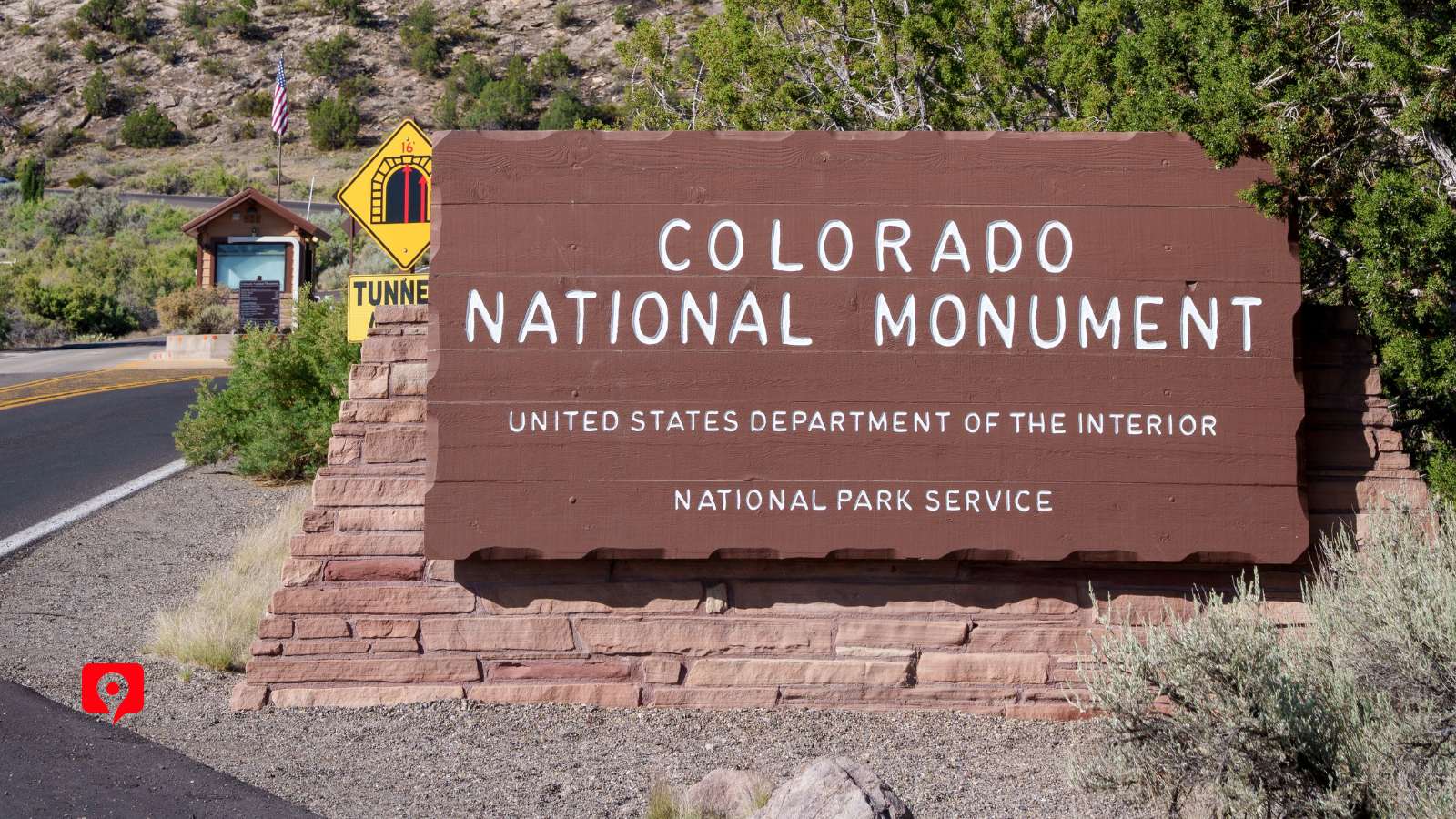
Entrance to Colorado National Monument requires a valid pass, available at the Fruita (west) and Grand Junction (east) entrance stations. Seven-day fees are $25 per vehicle, $20 per motorcycle, and $15 per person on foot or bicycle. If you plan to visit multiple parks, the America the Beautiful Annual Pass costs $80 and provides a year of access to all U.S. national parks and federal recreation sites. Passes can be purchased on-site or online through the National Park Service or Recreation.gov. Your fees help maintain Rim Rock Drive, keep trails in good condition, and support educational programs that protect the Monument’s natural and cultural resources.
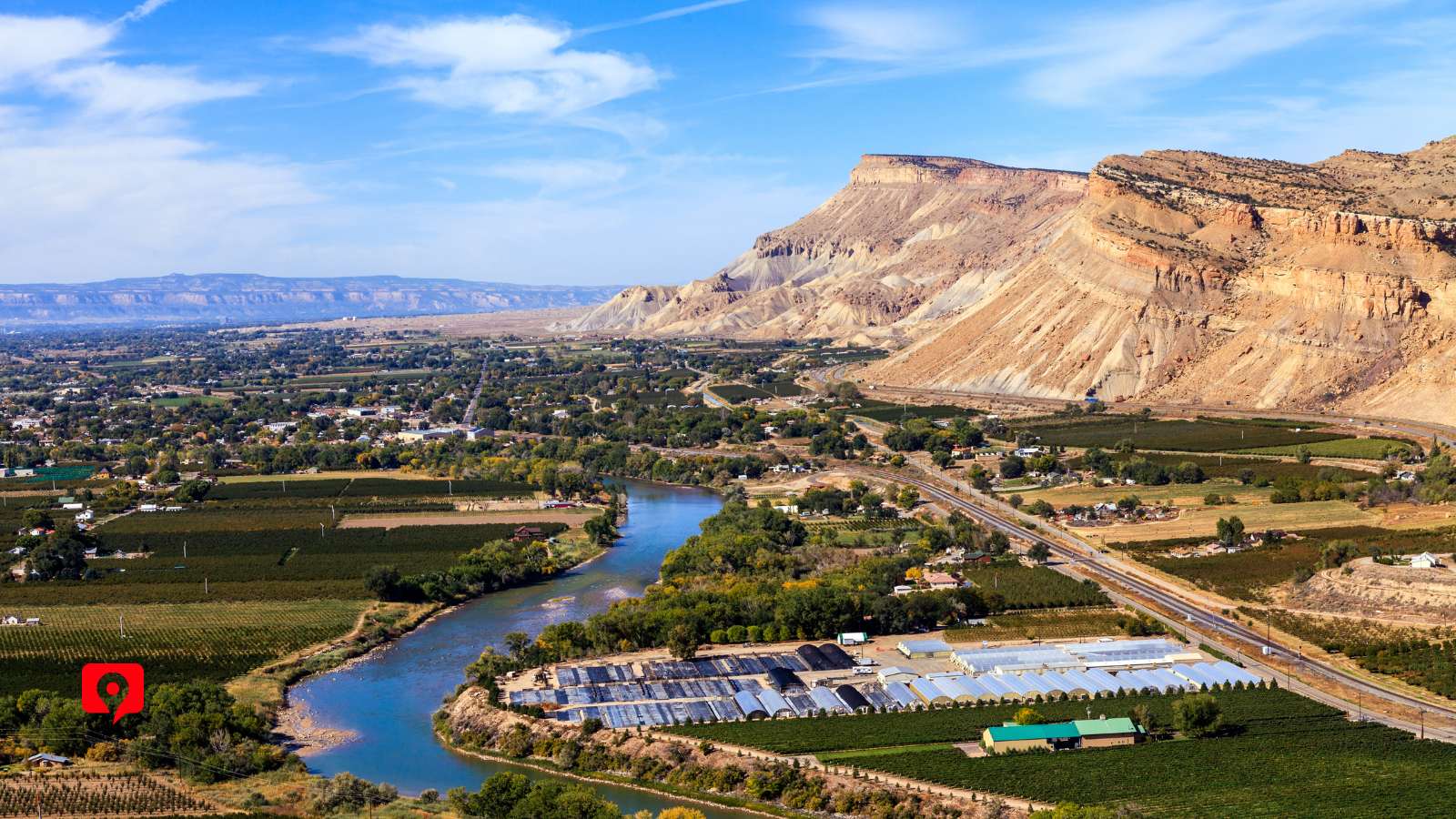
For those wanting to stay close to the highlights of Colorado National Monument, the nearby towns of Grand Junction and Fruita are your best options. You’ll find a range of accommodations, including hotels, motels, bed-and-breakfasts, and vacation rentals to suit every style and budget. From upscale boutique hotels and modern resorts to cozy inns and charming historic lodgings, many are just a short drive from Rim Rock Drive and the Monument’s trailheads.
Grand Junction is ideal for visitors who want to be near dining, shopping, and cultural attractions while still having quick access to the Monument. Fruita offers a quieter, small-town vibe, perfect for cyclists, hikers, and nature lovers seeking early morning access to the trails or a relaxed atmosphere after exploring the park.
For travelers who enjoy camping or RV travel, nearby campgrounds like James M. Robb – Colorado River State Park and local RV parks provide scenic sites along the Colorado River, allowing visitors to stay immersed in nature while remaining within easy driving distance of the Monument’s viewpoints and trails.

For those wanting to stay close to the highlights of Colorado National Monument, the nearby towns of Grand Junction and Fruita are your best options. You’ll find a range of accommodations, including hotels, motels, bed-and-breakfasts, and vacation rentals to suit every style and budget. From upscale boutique hotels and modern resorts to cozy inns and charming historic lodgings, many are just a short drive from Rim Rock Drive and the Monument’s trailheads.
Grand Junction is ideal for visitors who want to be near dining, shopping, and cultural attractions while still having quick access to the Monument. Fruita offers a quieter, small-town vibe, perfect for cyclists, hikers, and nature lovers seeking early morning access to the trails or a relaxed atmosphere after exploring the park.
For travelers who enjoy camping or RV travel, nearby campgrounds like James M. Robb – Colorado River State Park and local RV parks provide scenic sites along the Colorado River, allowing visitors to stay immersed in nature while remaining within easy driving distance of the Monument’s viewpoints and trails.
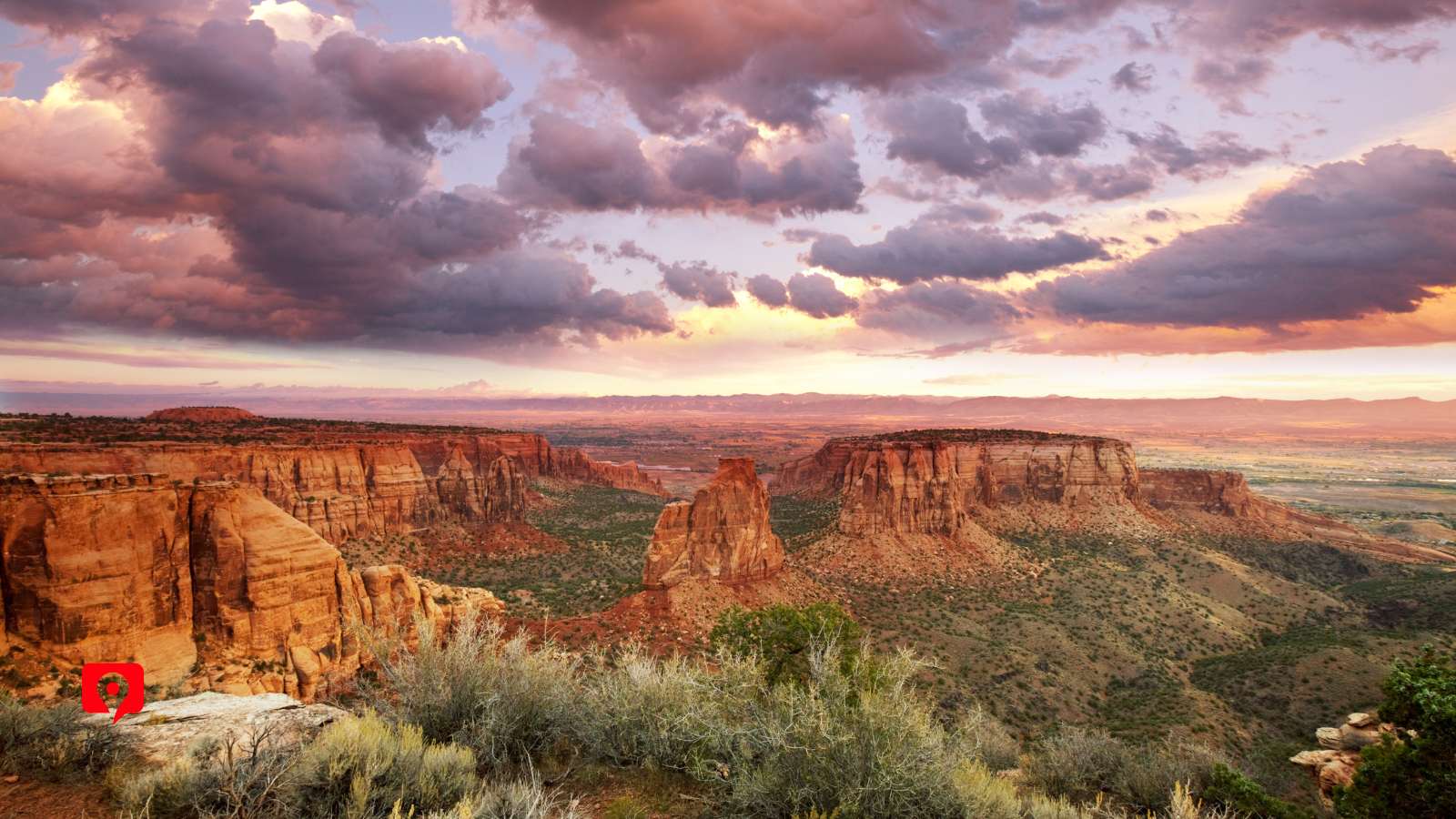
The best time to explore Colorado National Monument is during the spring and fall, when temperatures are mild and the crowds are smaller. Spring brings blooming wildflowers, fresh greenery, and flowing streams, while fall offers crisp air and vibrant autumn foliage that contrasts beautifully with the red and orange canyon walls.
Summer can be hot, with daytime highs often reaching the mid-90s°F (35°C), but early mornings and late afternoons remain enjoyable for scenic drives and hikes. Winter visits are less crowded, offering a peaceful, quiet experience, though some trails and roads may be icy or snow-covered.
Weekdays generally provide a calmer experience compared to weekends, when local visitors often arrive for day trips. Sunrise and sunset are particularly magical times to see the Monument’s towering sandstone formations bathed in warm, golden light—perfect for photography. No matter the season, planning ahead ensures a comfortable visit and the chance to experience the Monument’s stunning landscapes at their best.
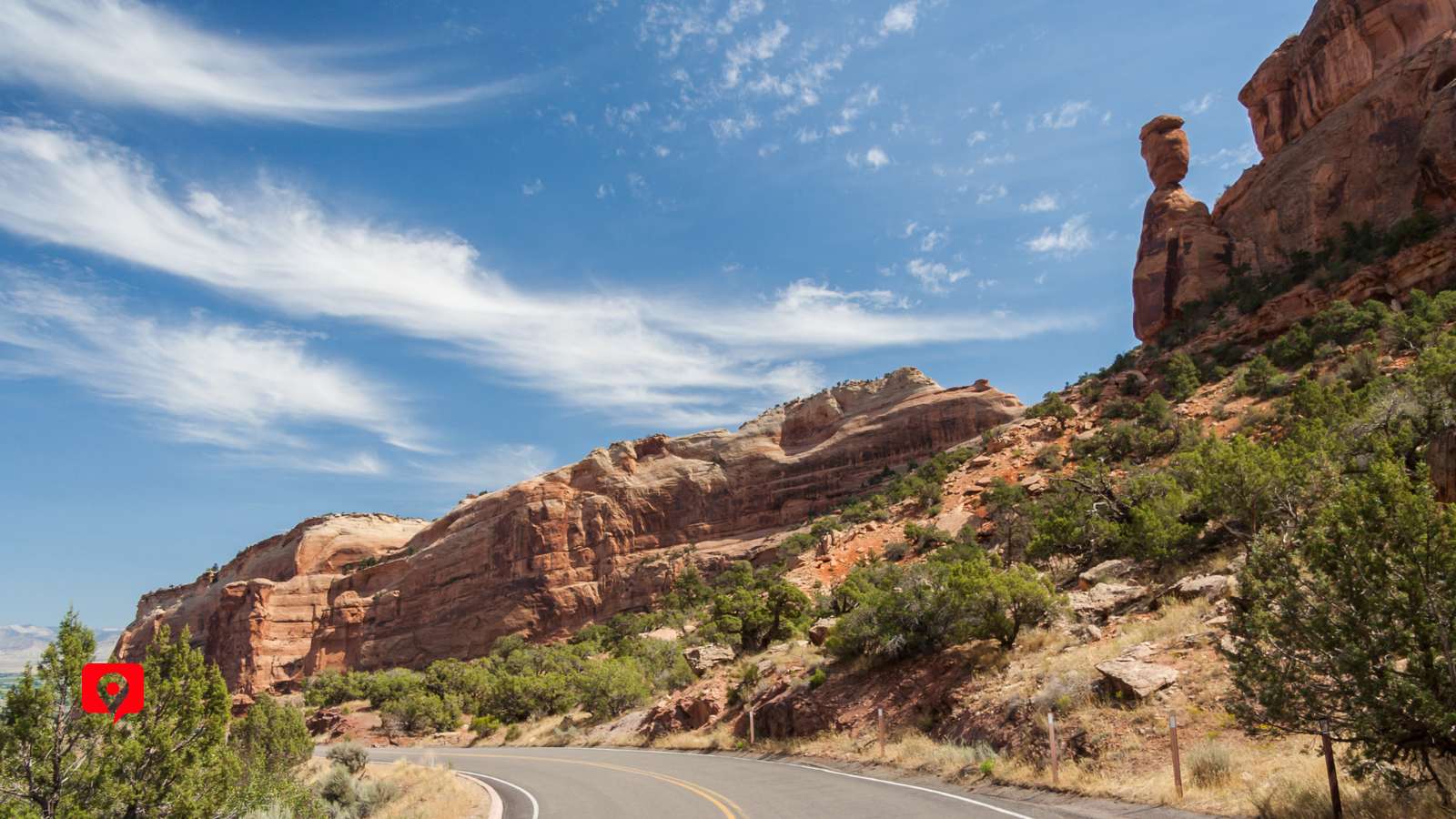
To visit Colorado National Monument, plan for 2 to 6 hours, depending on the experience you want. For a quick visit, you can drive along Rim Rock Drive and stop at a few key viewpoints, completing the tour in about 2 hours. This allows you to enjoy the major highlights without rushing.
If you’re looking for a more comprehensive experience, including scenic stops, short hikes, and time for photography, 3–4 hours will give you enough time to explore the main attractions.
For a full-day experience, including longer hikes and a deeper dive into the monument’s geology, history, and natural beauty, plan to spend 5–6 hours in the park. This will allow you to explore the park in greater detail and truly soak in the scenery.
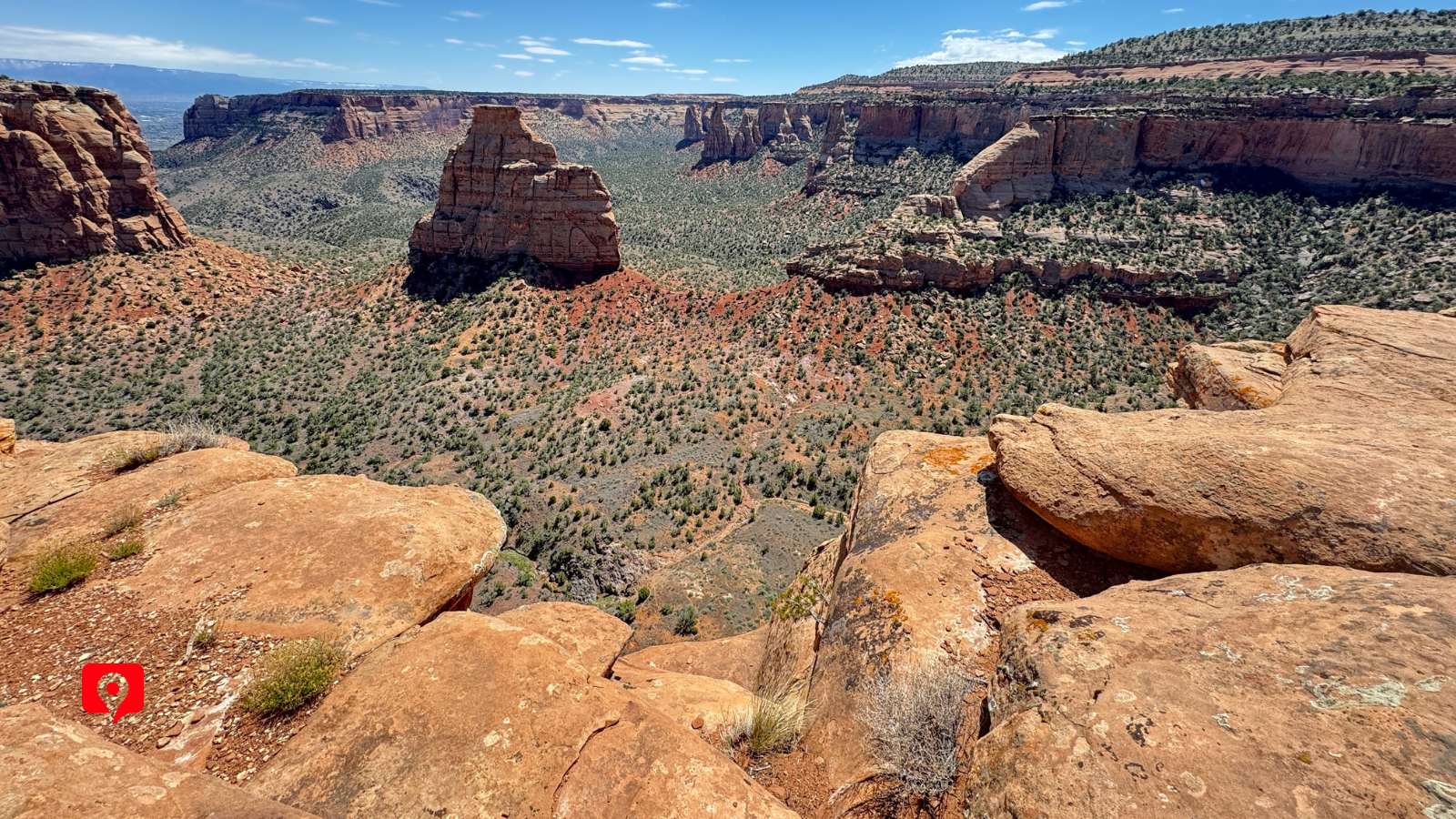
Colorado National Monument attracts visitors year-round, but spring through summer sees the highest traffic, especially on weekends and holidays. To enjoy a more peaceful experience, aim to arrive early in the morning—before 9 a.m.—or later in the afternoon, when the canyon walls glow in soft light and parking at popular viewpoints like Grand View, Coke Ovens, or Red Canyon is easier to find.
Weekdays are generally quieter than weekends, and visiting during the off-season months of late fall or winter allows for a tranquil experience, though some trails may be icy or snow-covered. For hikers, opting for less-traveled paths like the Ute Canyon Trail or exploring pullouts along Rim Rock Drive away from the main overlooks can provide solitude.
Cyclists and photographers can enjoy the winding roads and dramatic vistas at sunrise or sunset, when both the light and crowds are ideal. Planning ahead, packing snacks, and choosing shorter stops at multiple viewpoints can make your visit smoother and more enjoyable. With a little strategy, you’ll experience Colorado National Monument at its most serene and inspiring.
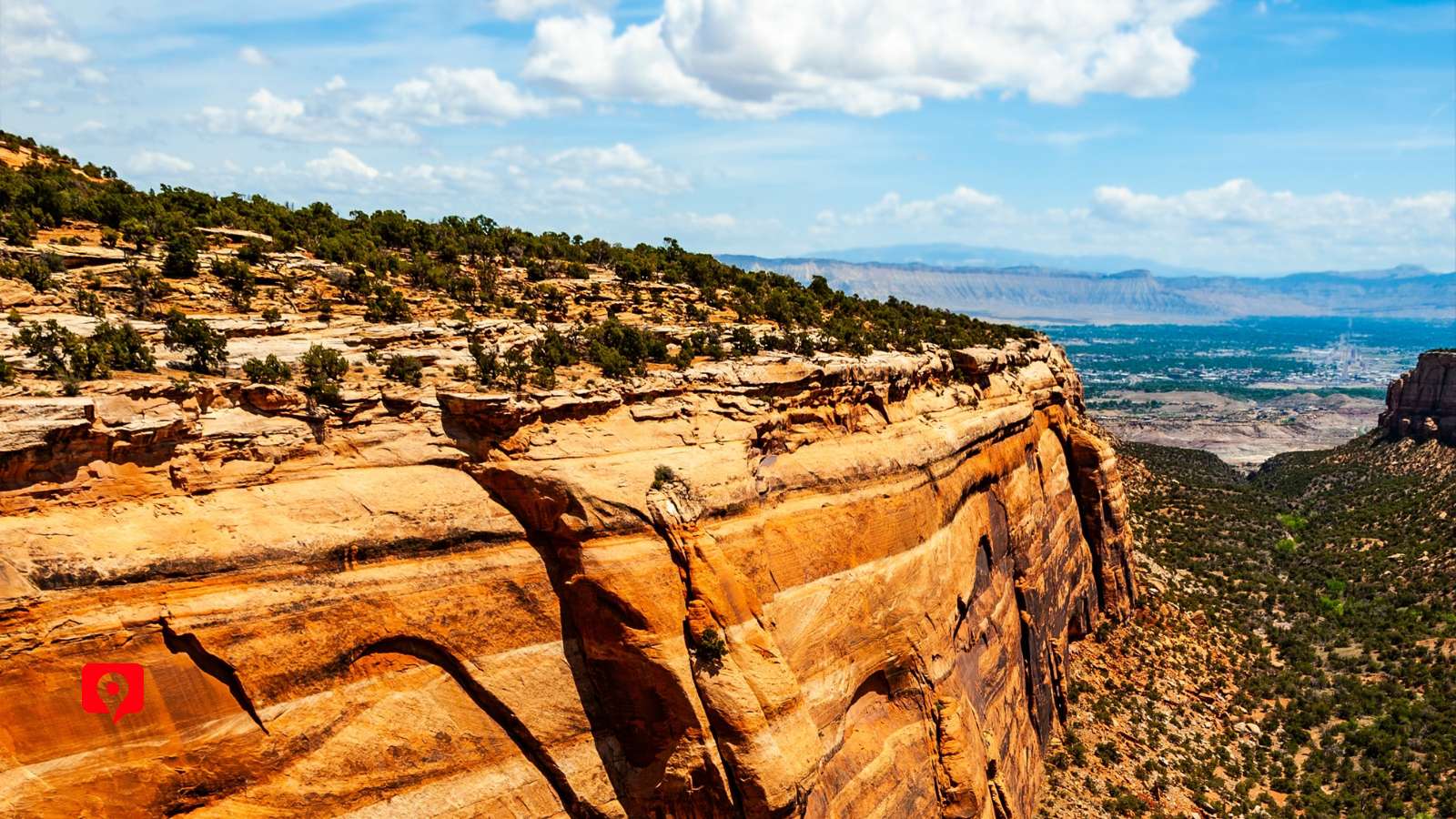
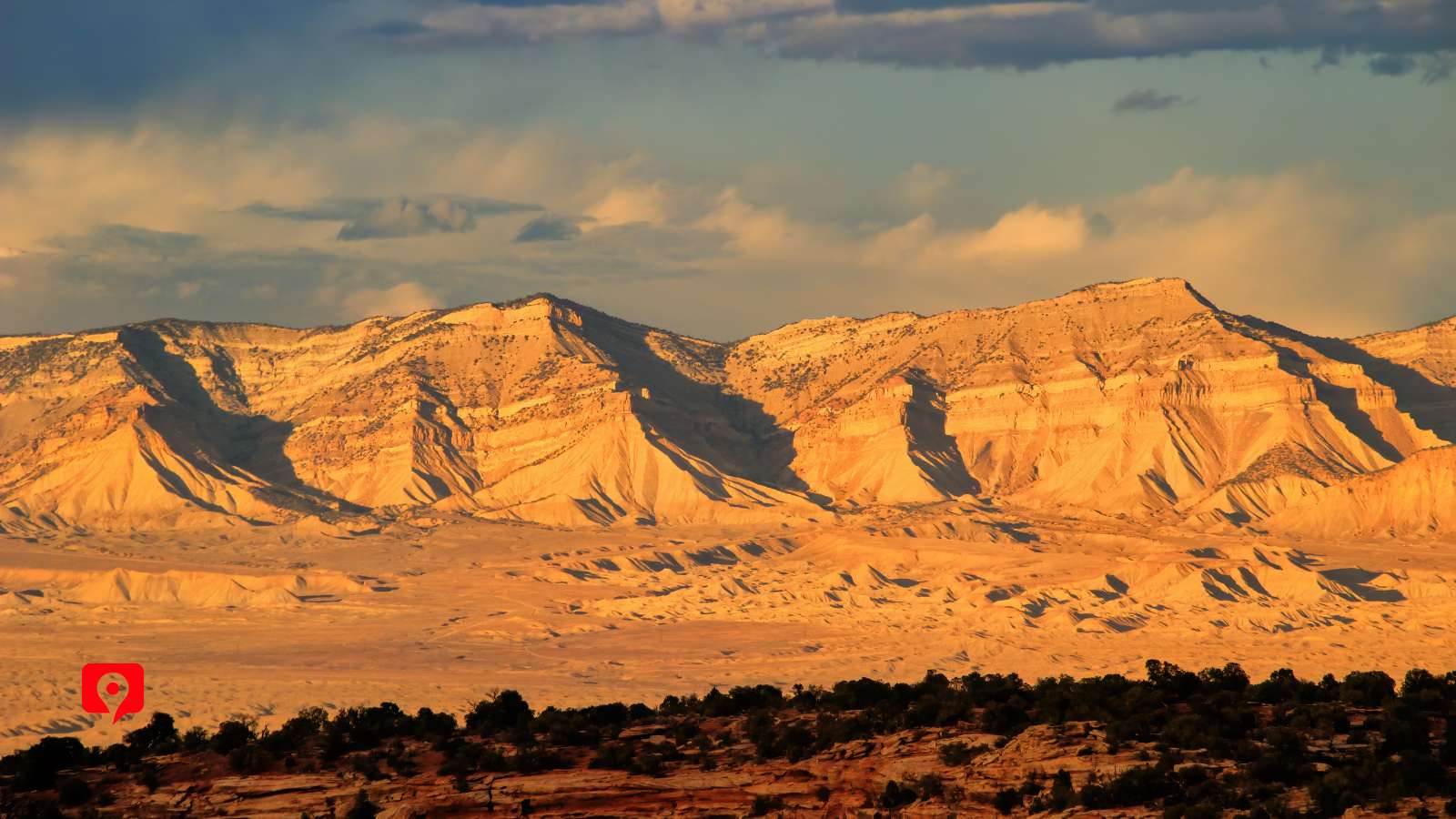
Book Cliffs View offers a striking panorama of the layered cliffs named for their resemblance to a bookshelf. The base is grayish Mancos shale, topped by tan sandstone, creating a natural pattern of shelves formed over millennia by water erosion. Streams wore away softer stone, leaving harder layers jutting out. The viewpoint has a small pavilion for photos and observation, making it an easy stop to appreciate the Monument’s unique geology and the interplay of color and form in these dramatic cliffs.
Window Rock is a natural arch that draws visitors for its striking geological formation and easy access. The sandstone formation frames scenic views of Wedding Canyon and Monument Canyon. From the parking area, you can enjoy the sweeping landscapes that highlight the Monument’s layered cliffs and iconic rock formations. This spot is ideal for photography, offering a clear view of Book Cliffs and Independence Monument in the distance, while remaining safe and family-friendly for all ages.
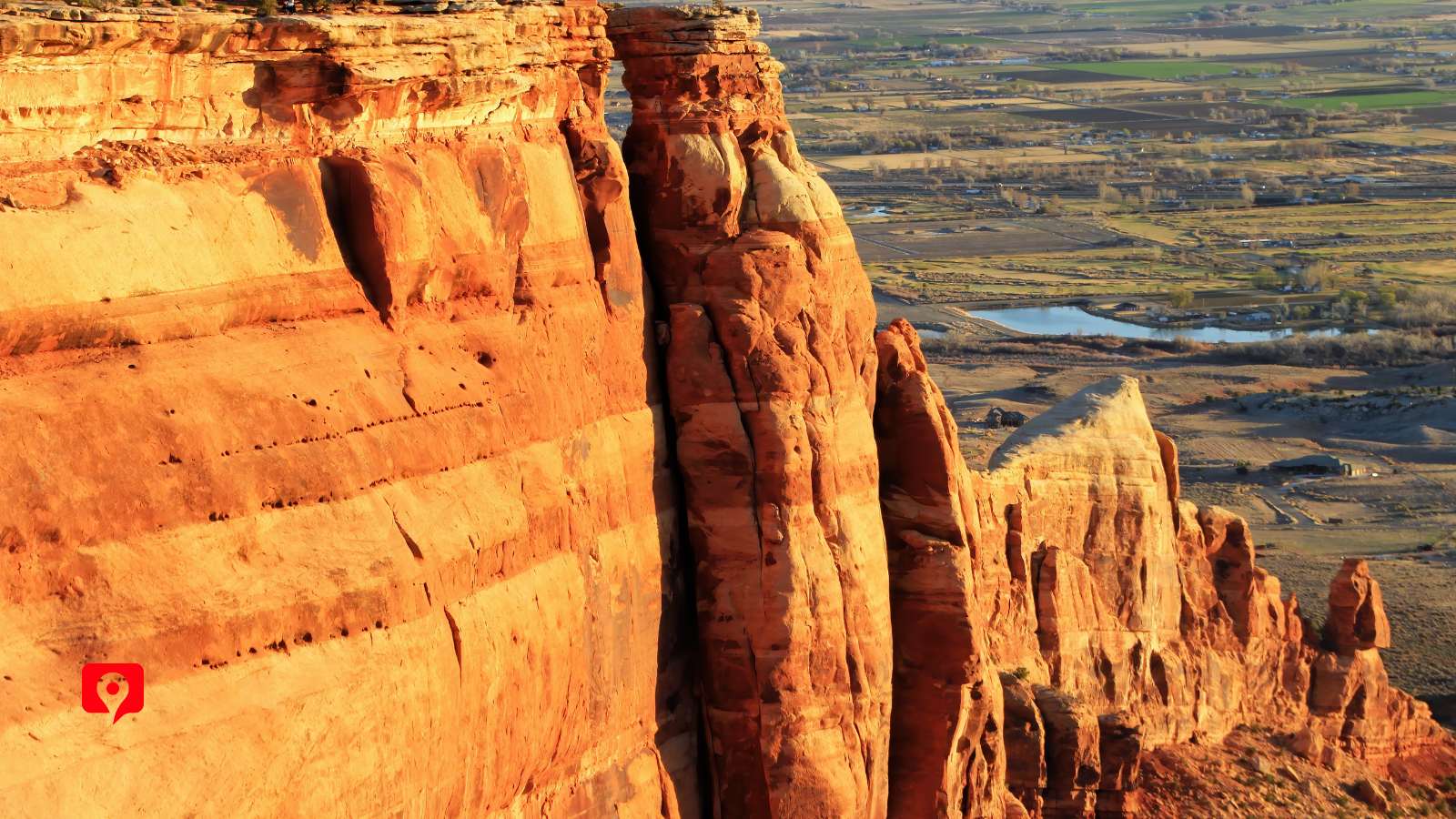
Independence Monument is a towering monolith rising over 450 feet, named by John Otto for its patriotic symbolism. He carved footholds and handholds to climb it and raised the American flag on July 4, 1911—a tradition still honored today. The monument’s base sits on Precambrian basement rock, with layers of Chinle, Wingate, and Kayenta sandstone above. Visitors can admire its impressive height and layered geology from the turnout while learning about Otto’s dedication to preserving Colorado National Monument for future generations.
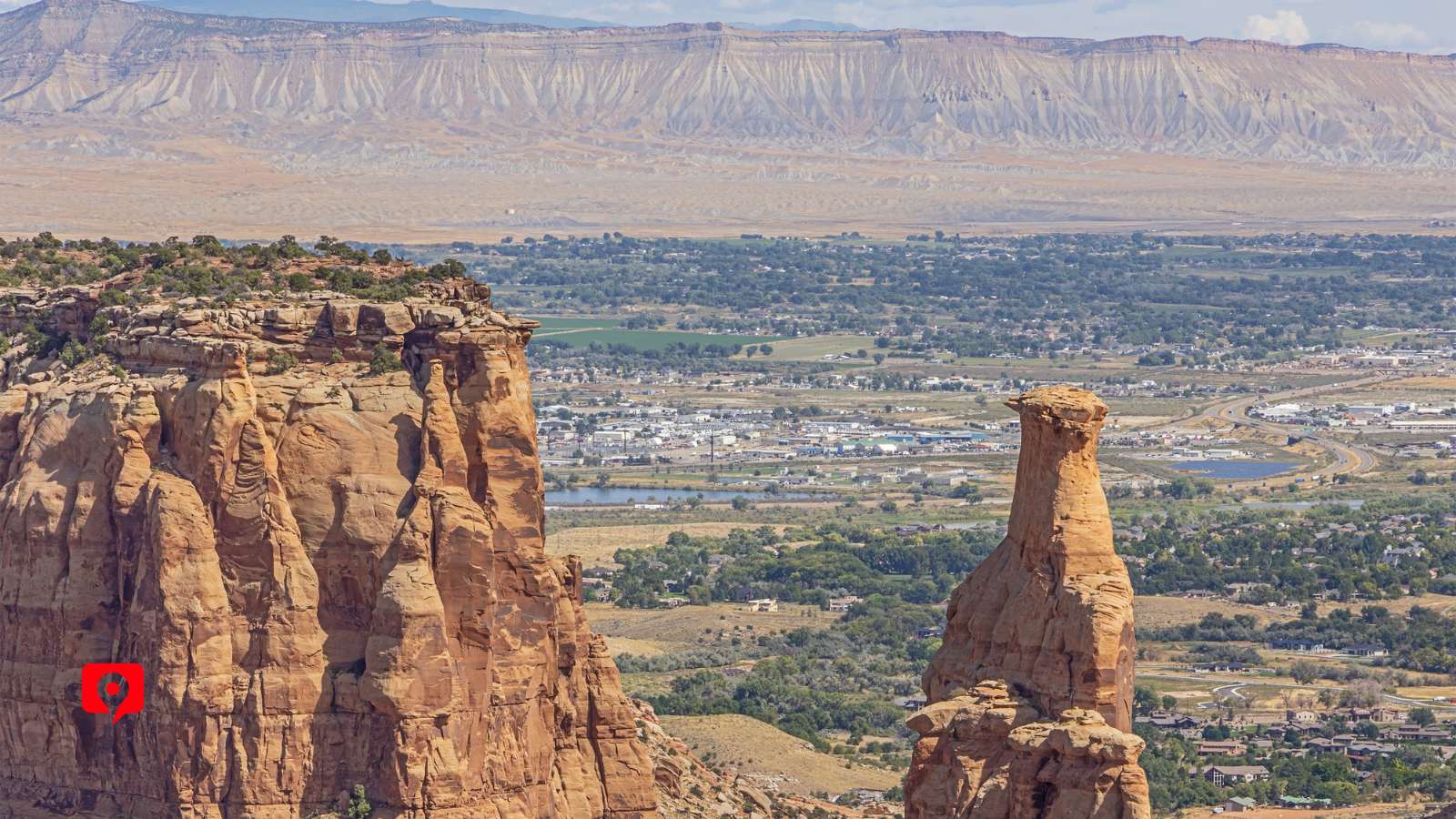
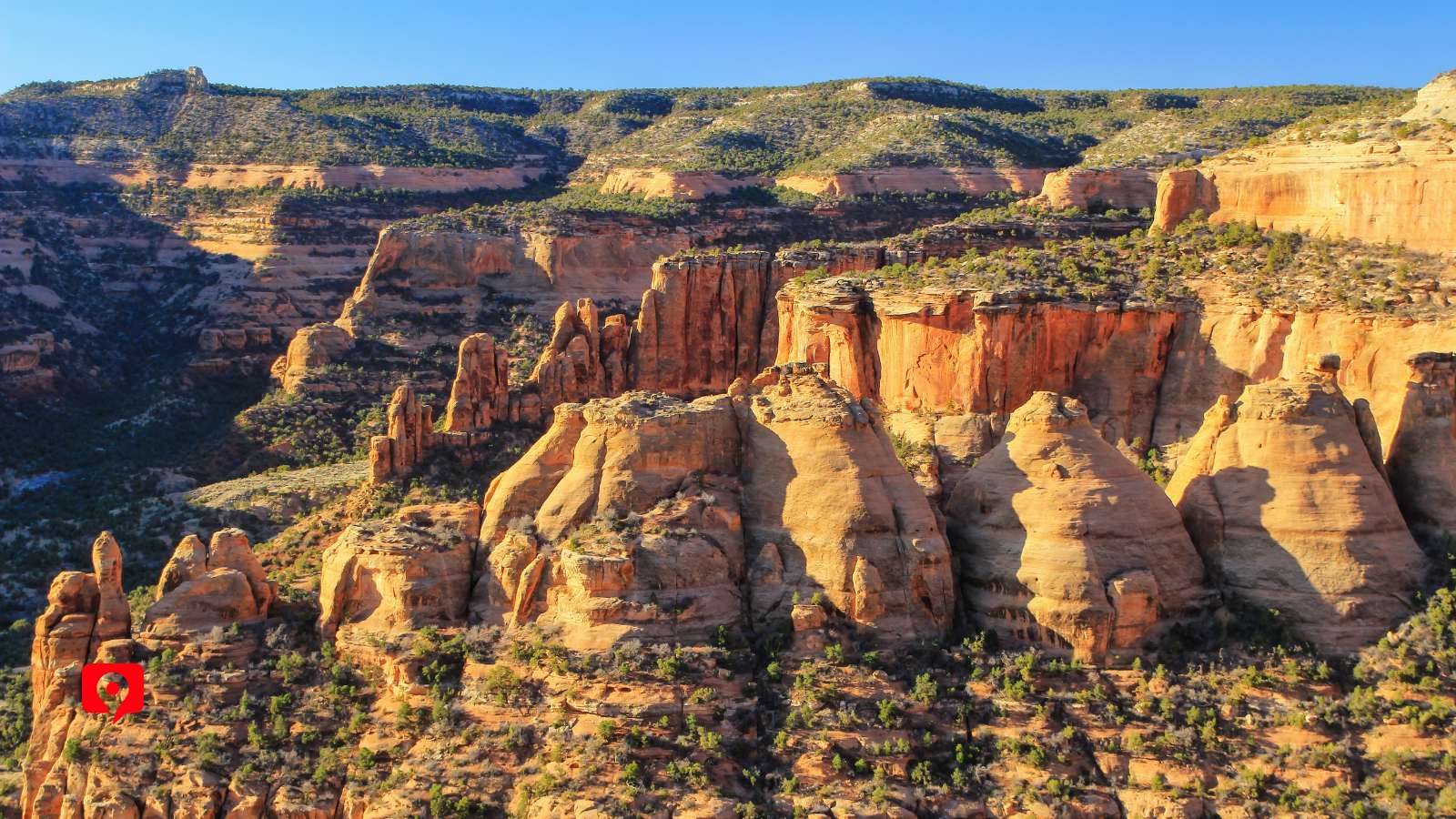
The Coke Ovens Overlook showcases distinctive beehive-shaped sandstone formations, named for 19th-century brick ovens used to heat coal into coke. The softer Wingate and Chinle sandstone beneath harder Kayenta sandstone created the sculpted shapes visible today. From this viewpoint, visitors enjoy sweeping vistas of the surrounding canyons and can observe the Monument’s unique erosional patterns. The overlook provides an easy, scenic stop for photography and interpretation, offering insight into the natural forces that shaped the Monument over millions of years.
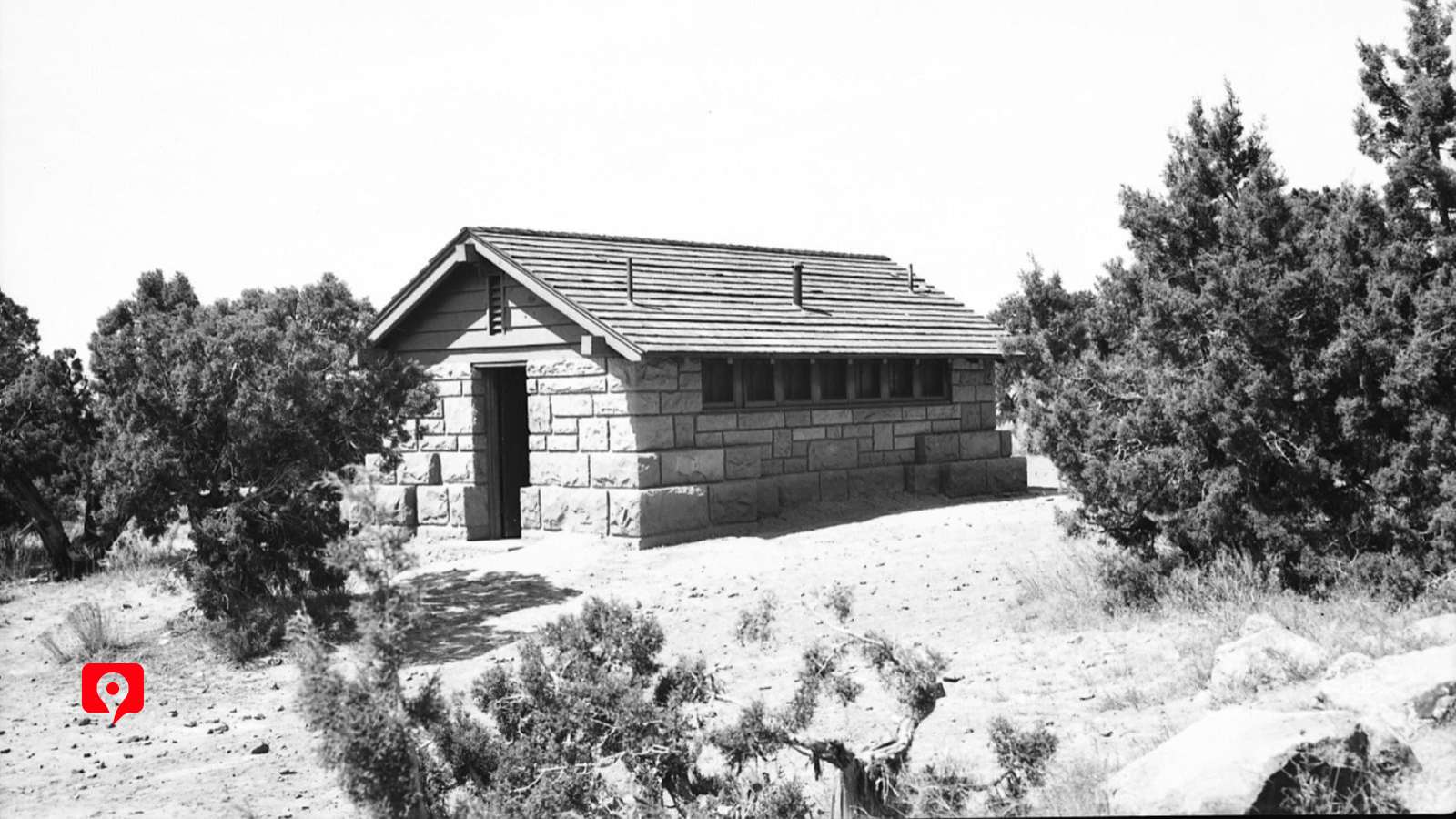
The Saddlehorn Comfort Station, built in 1937 by the Civilian Conservation Corps, is a historic example of rustic park architecture. It provided early visitors with restrooms and reflects the careful integration of man-made structures into natural landscapes. The wooden station still serves visitors today and sits near the iconic Saddlehorn formation. It represents the Great Depression-era effort to provide jobs while developing national parks and monuments. A stop here lets visitors appreciate both the scenery and the Monument’s history.
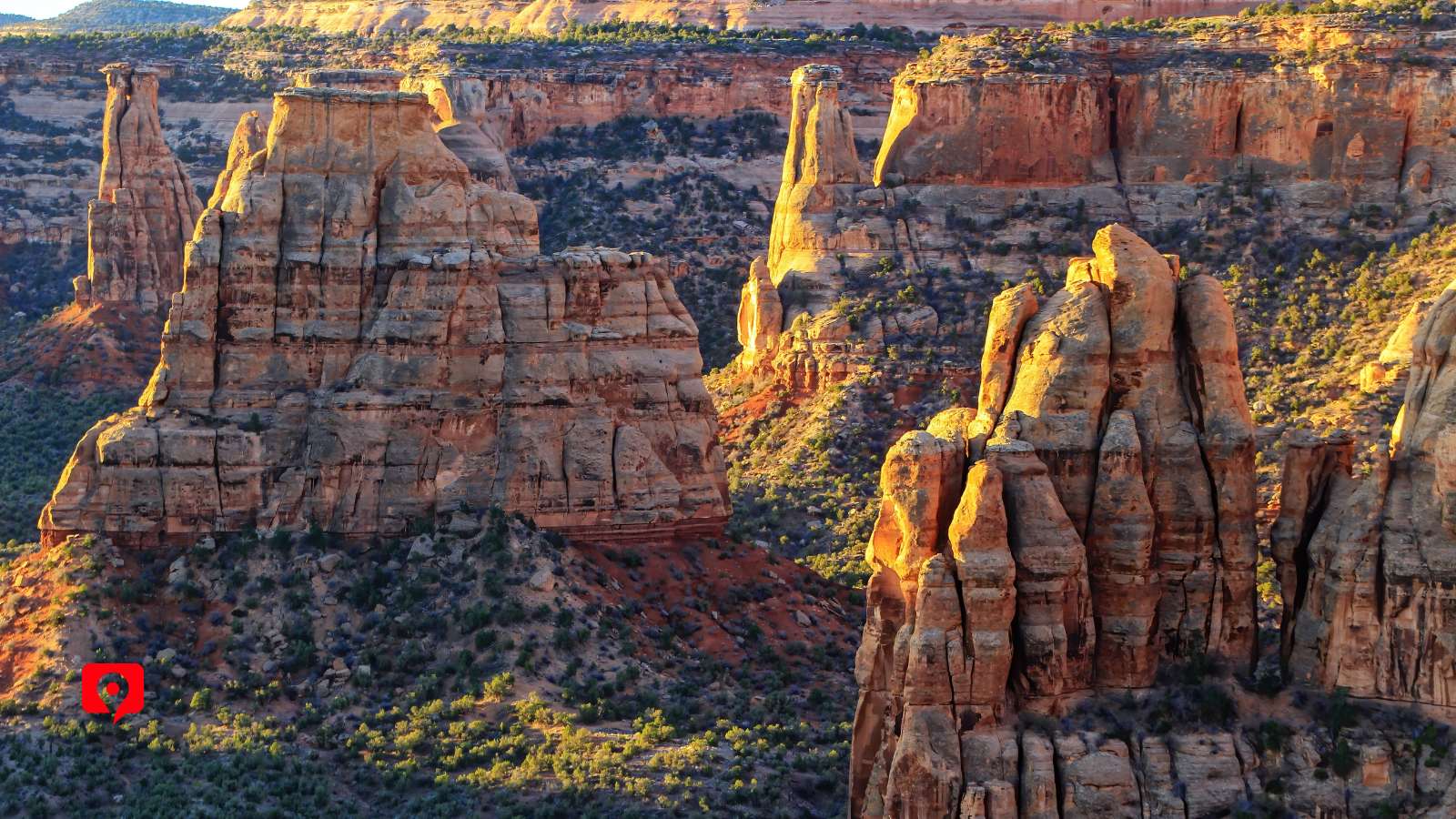
Grand View Overlook is a must-see stop, offering panoramic vistas of Monument Canyon. From this viewpoint, visitors can observe the colorful sandstone layers, carved cliffs, and distant rock formations. Bighorn sheep occasionally appear on the rocky slopes, adding wildlife excitement to the scenery. The overlook’s accessible turnout allows for easy parking and photos, making it a highlight of Rim Rock Drive. Grand View captures the essence of the Monument’s dramatic landscapes and provides a sense of scale for the surrounding canyons and cliffs.
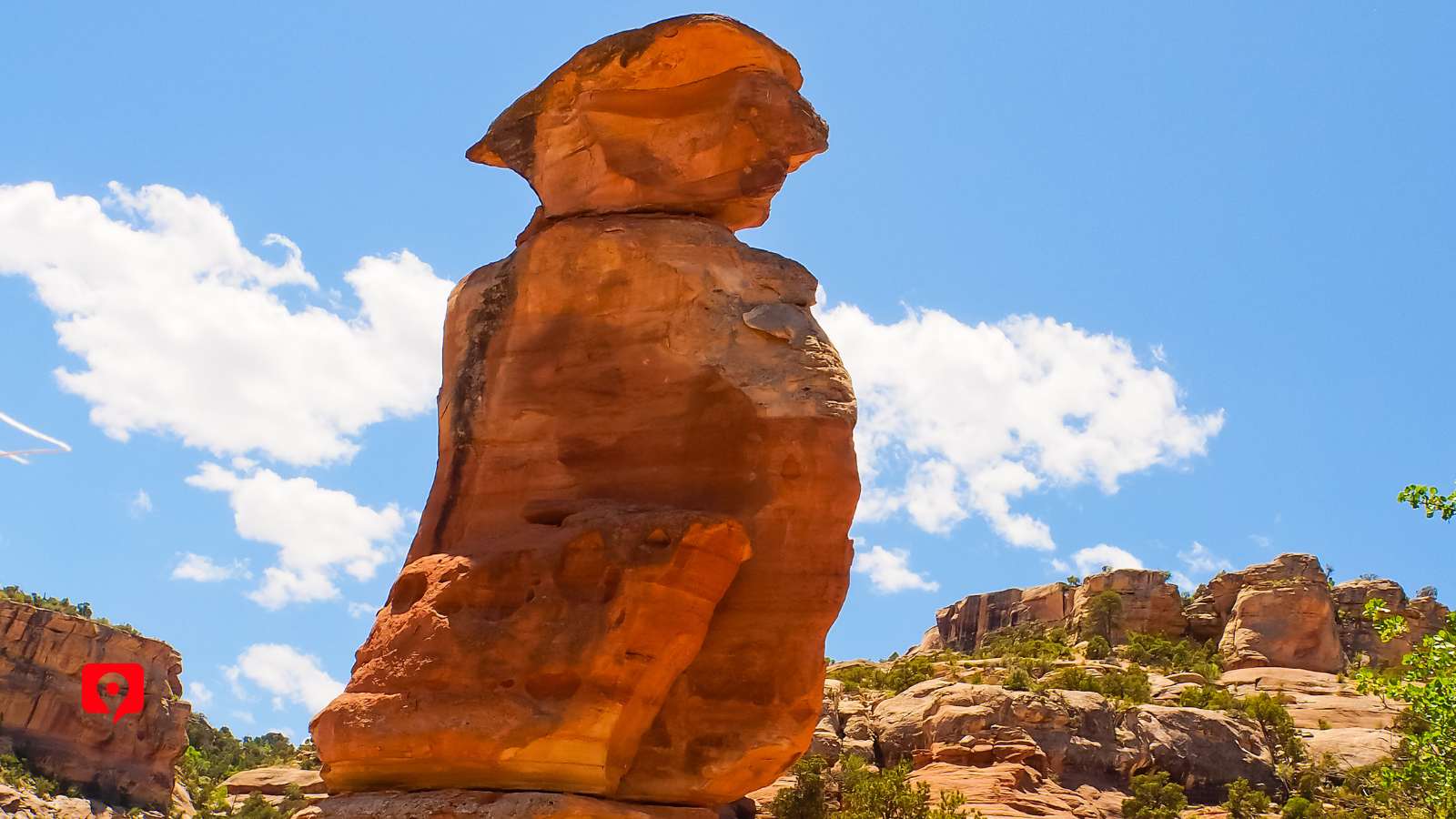
This easy one-mile hike takes about 20 minutes and leads to a fenced lookout with stunning views of Praying Hands and Independence Rock. Named after John Otto, the first custodian of Colorado National Monument, the trail provides a beginner-friendly way to experience the park’s iconic sandstone formations. Ideal for families or those looking for a short walk, this trail highlights the colorful canyons and layered rock, giving visitors a quick yet memorable taste of the monument’s natural beauty.

A steep and challenging 12-mile trail, Upper Monument Canyon is best suited for experienced hikers. Along the route, you’ll find petroglyphs protected under rock overhangs, created by the Fremont People who lived here between 300 and 1,300 CE. The hike offers striking views of the canyon’s sandstone cliffs, unique rock formations, and rugged landscapes. This trail is not for beginners, but it rewards hikers with a deep, immersive experience of Colorado National Monument’s ancient history and dramatic scenery.
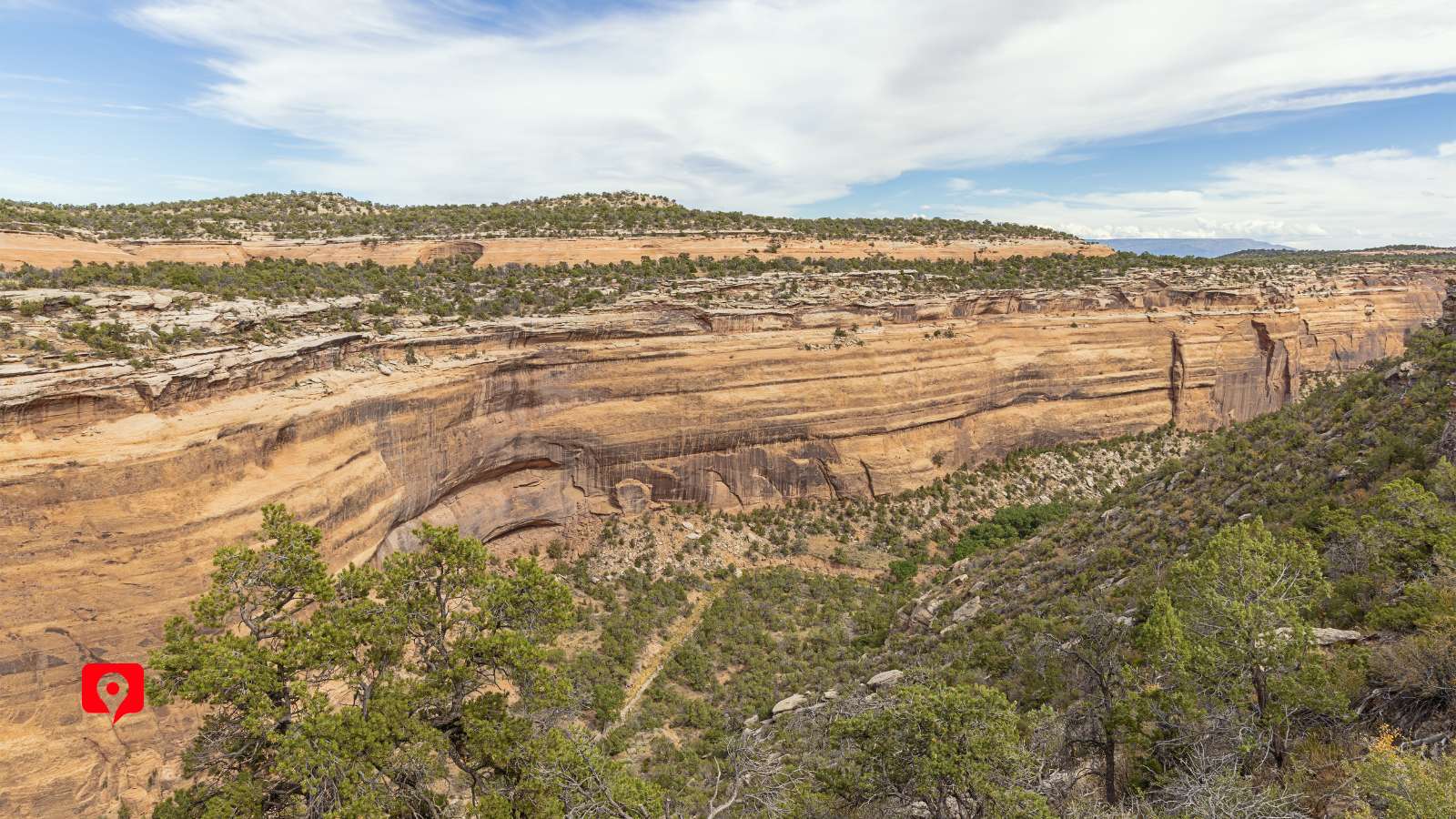
The Liberty Cap Trail is a moderately challenging 10-mile hike, taking about four hours to complete. Starting on an old Jeep trail, it gradually descends to Liberty Cap Monument, a dome-shaped sandstone formation named by John Otto. Hikers are treated to panoramic views of the canyons and rugged terrain below. The trail showcases the park’s layered sandstone, steep cliffs, and striking rock formations, making it a rewarding hike for those seeking both physical challenge and spectacular scenery in Colorado National Monument.
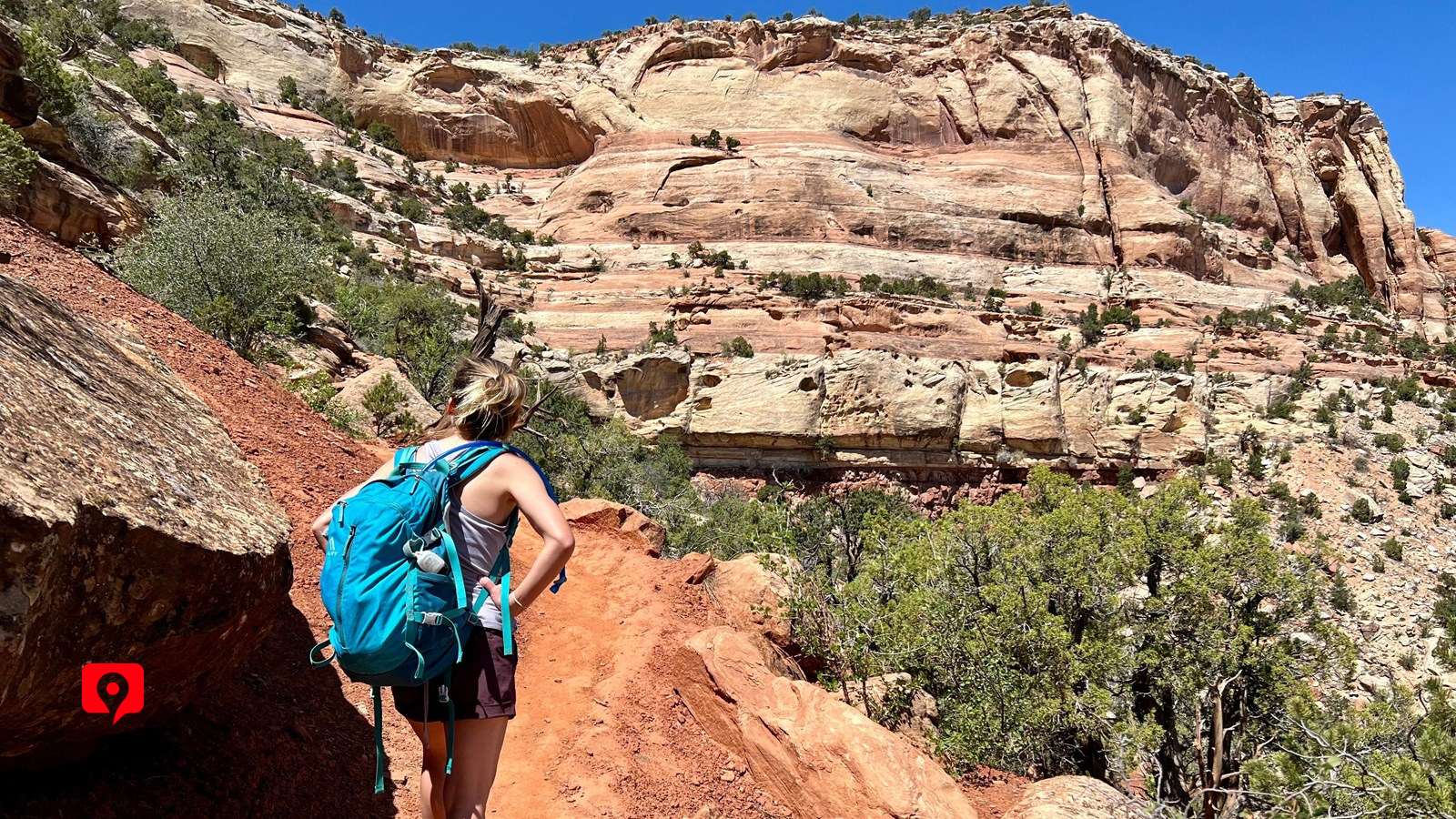
Devil’s Kitchen is a moderate two-mile round-trip hike that takes roughly an hour. The trail leads to sandstone monoliths that form a natural “playhouse” with arch-like openings, perfect for peering through or snapping photos. Families often enjoy this trail for its unique rock formations and slightly spooky atmosphere, which inspired the trail’s name. While short, the hike offers an engaging way to experience the monument’s geology and striking red-rock scenery, giving visitors a memorable taste of Colorado National Monument’s dramatic landscapes.
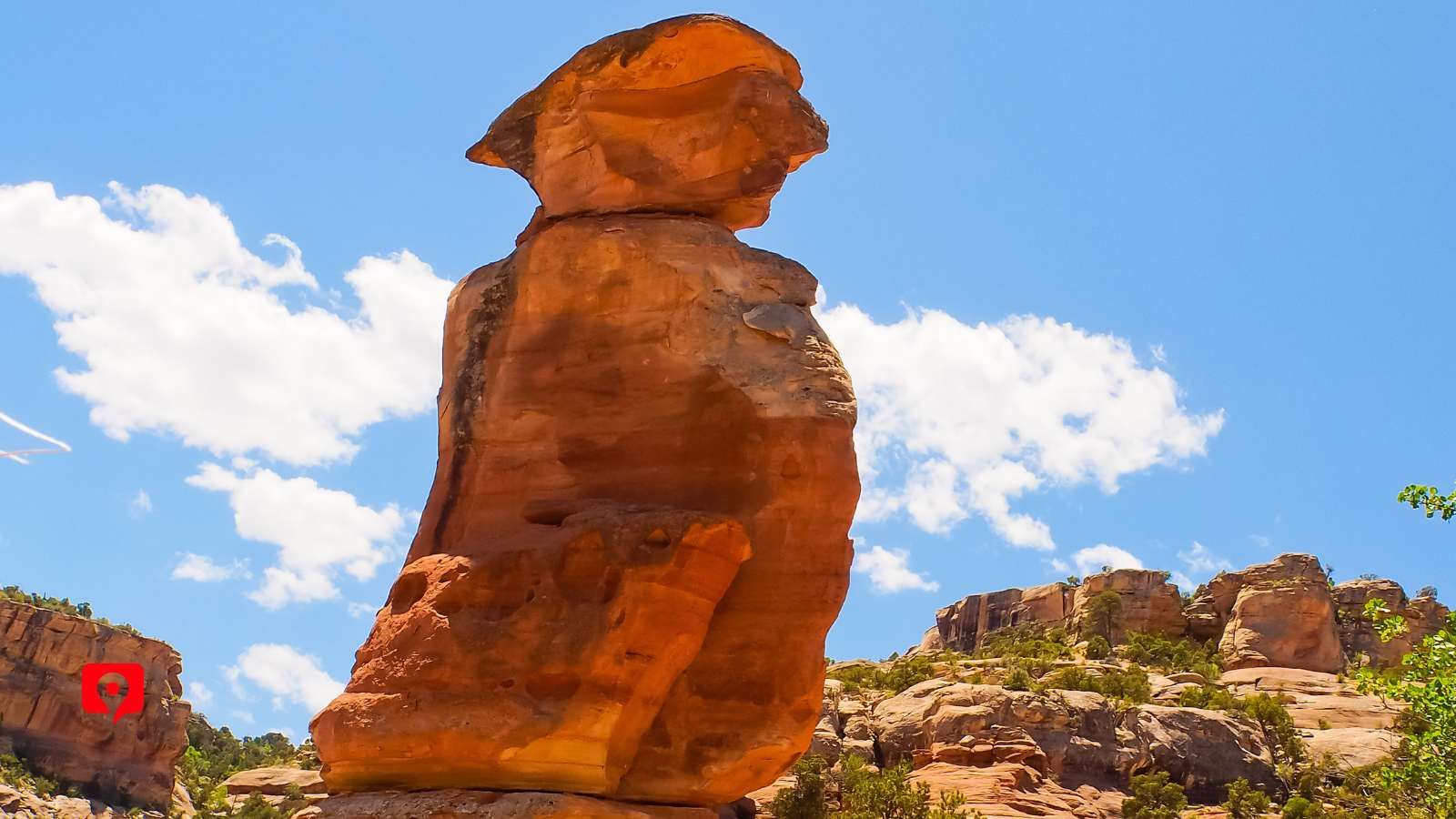
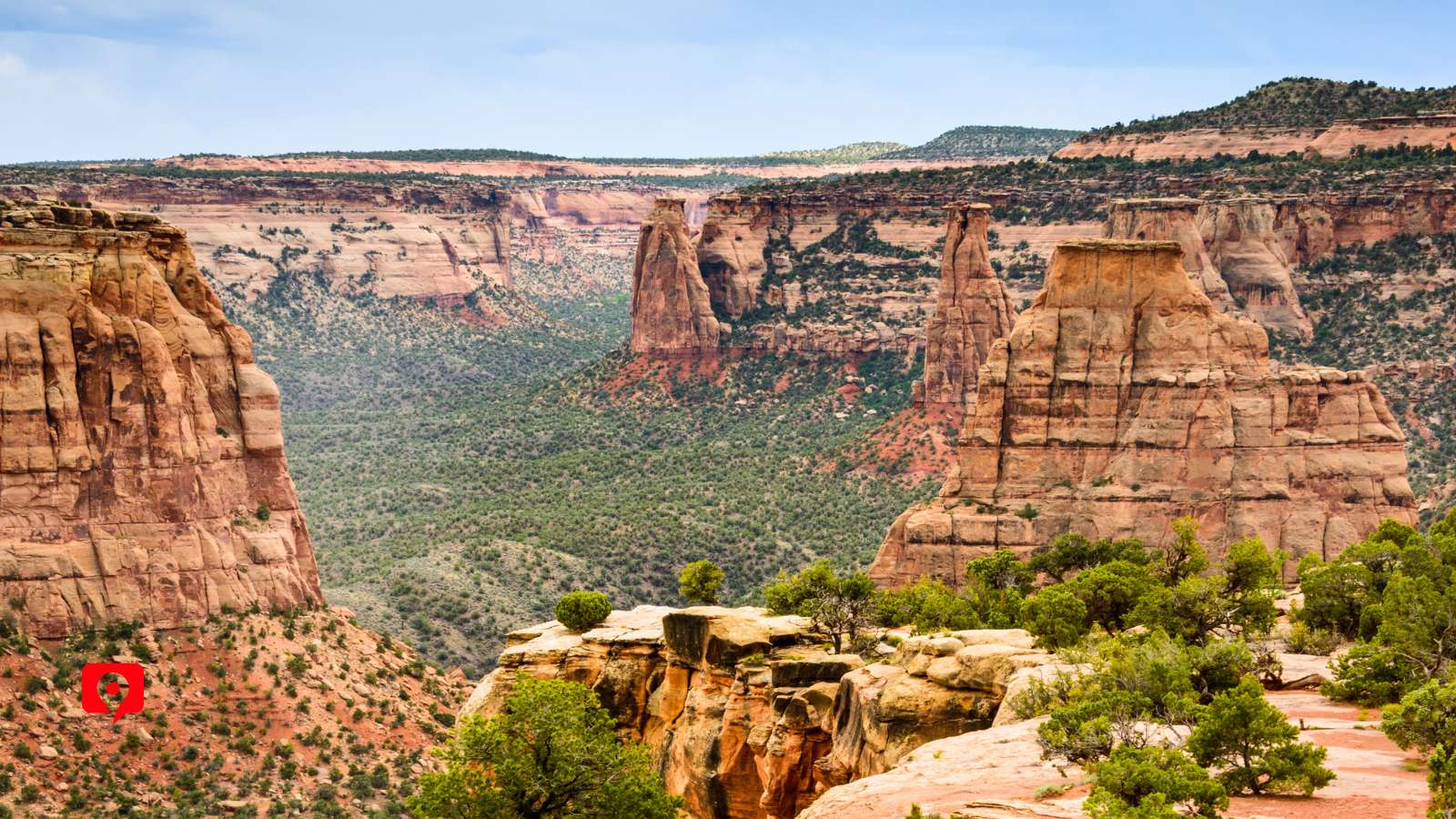
Rim Rock Drive stretches 23 miles along canyon rims, offering sweeping views at every turn. Pullouts like Balanced Rock, Grand View, and Coke Ovens let you safely stop for photos and take in the dramatic cliffs and layered rock formations. This drive highlights the Monument’s geology, sheer walls, and colorful sandstone layers. Whether you’re visiting briefly or exploring the full route, Rim Rock Drive delivers an unforgettable introduction to Colorado National Monument’s natural beauty and epic vistas.
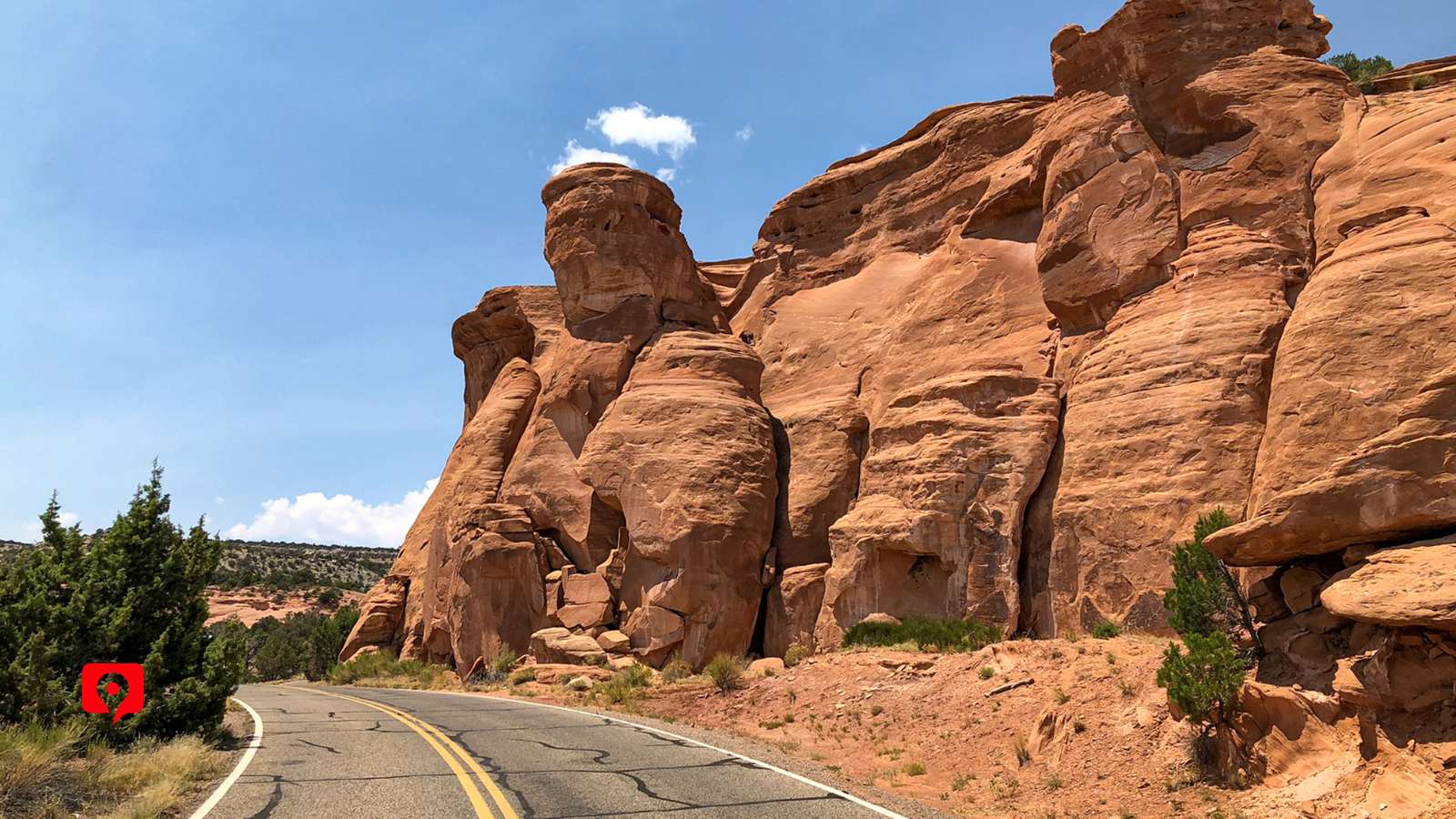
Rim Rock Drive stretches 23 miles along canyon rims, offering sweeping views at every turn. Pullouts like Balanced Rock, Grand View, and Coke Ovens let you safely stop for photos and take in the dramatic cliffs and layered rock formations. This drive highlights the Monument’s geology, sheer walls, and colorful sandstone layers. Whether you’re visiting briefly or exploring the full route, Rim Rock Drive delivers an unforgettable introduction to Colorado National Monument’s natural beauty and epic vistas.
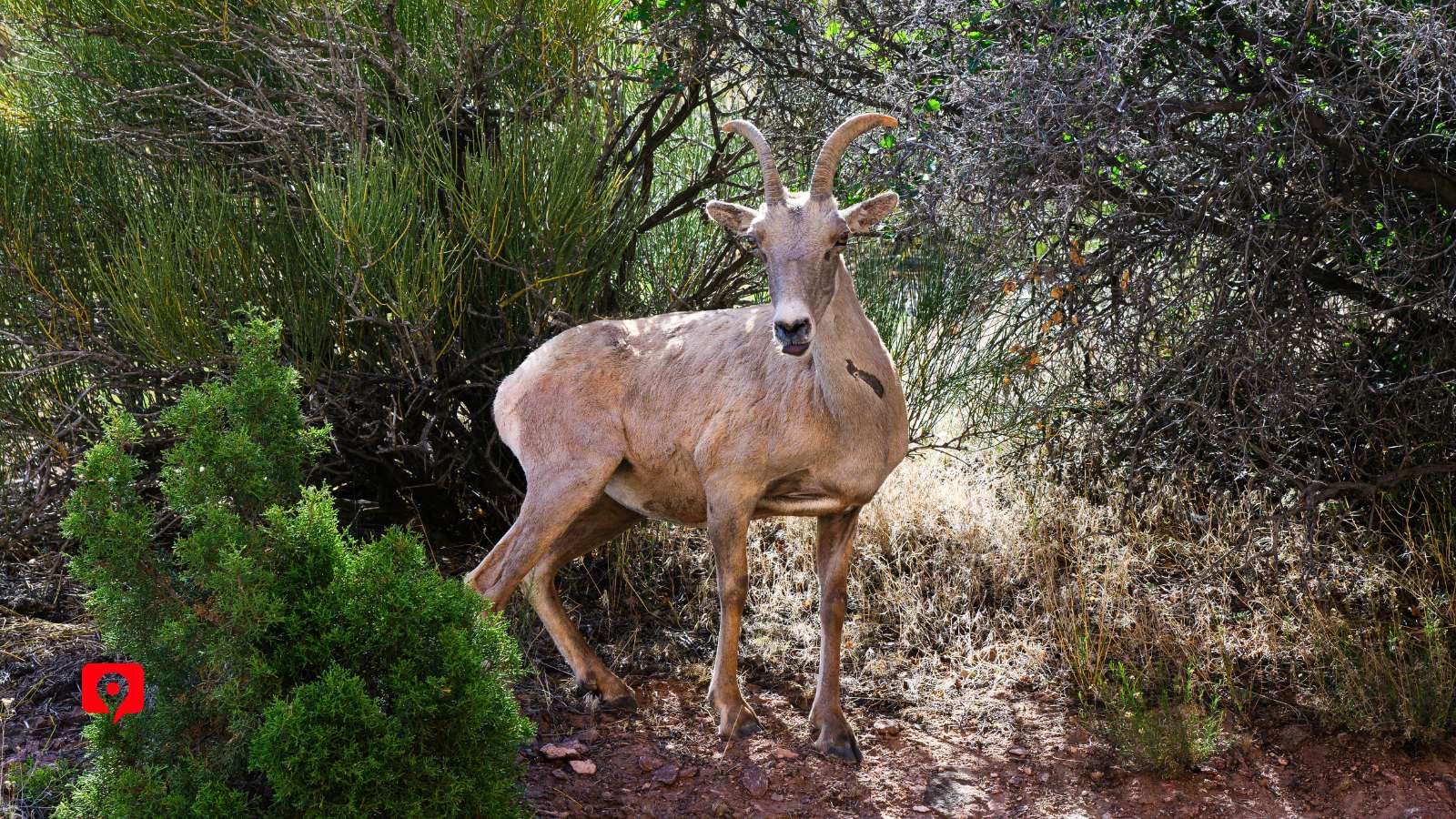
Colorado National Monument showcases dramatic sandstone formations like Independence Monument, Kissing Couple, and Liberty Cap, layered atop ancient Precambrian rock. These striking monoliths reveal millions of years of geologic history shaped by erosion and tectonic forces. Visitors can enjoy breathtaking views from overlooks and parking areas, making it a must-see destination for nature lovers and anyone fascinated by the forces that shaped the West..
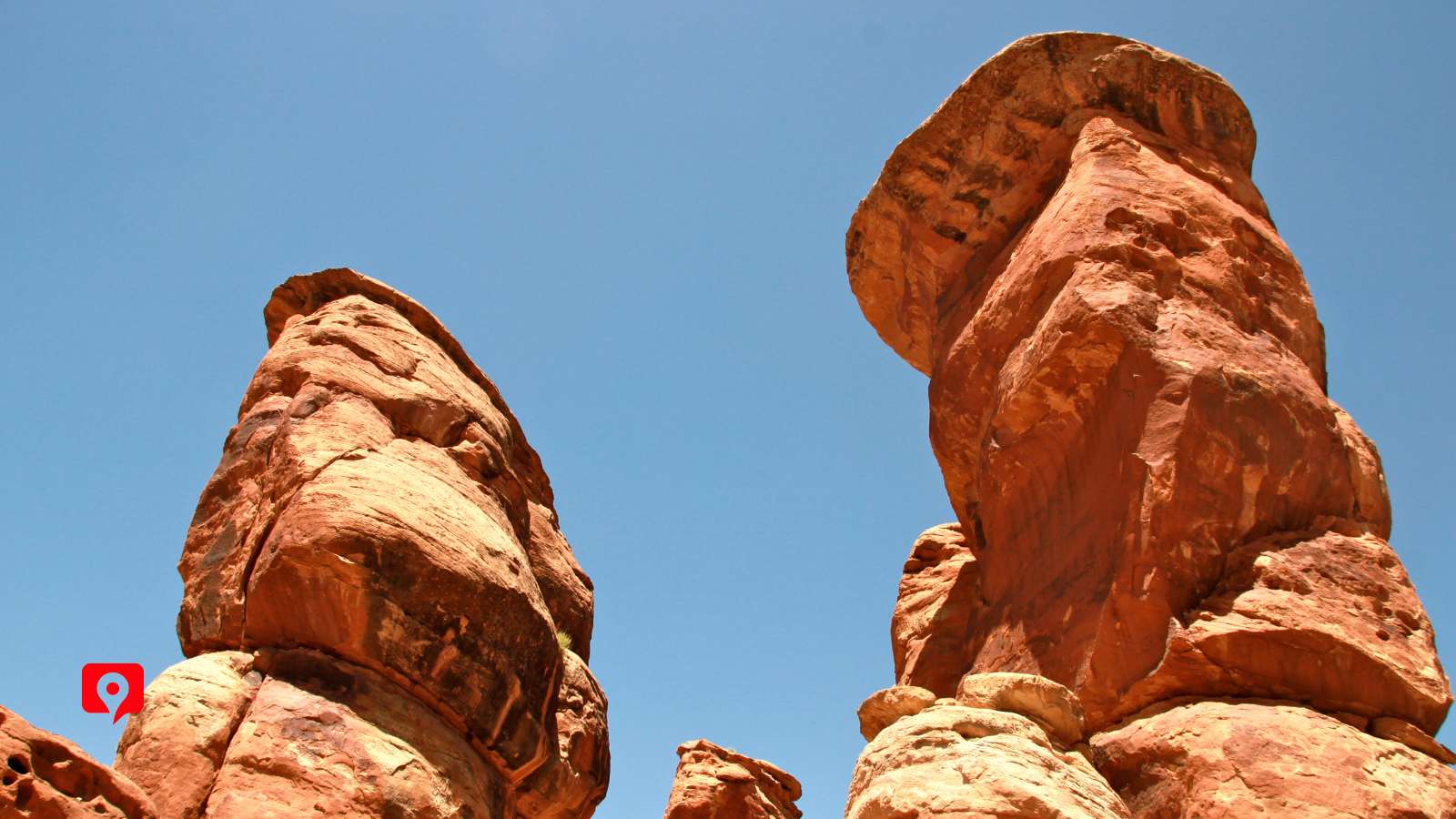
Colorado National Monument is famous for its breathtaking sunrises and sunsets. The glowing red and orange sandstone cliffs come alive as the sun rises over the canyons, creating a magical morning scene at viewpoints like Grand View and Saddlehorn. Sunset paints the cliffs and formations in deep gold, crimson, and purple hues, with Cold Shivers Point offering dramatic panoramic views. These moments provide perfect photo opportunities and a serene way to connect with the Monument’s natural beauty.
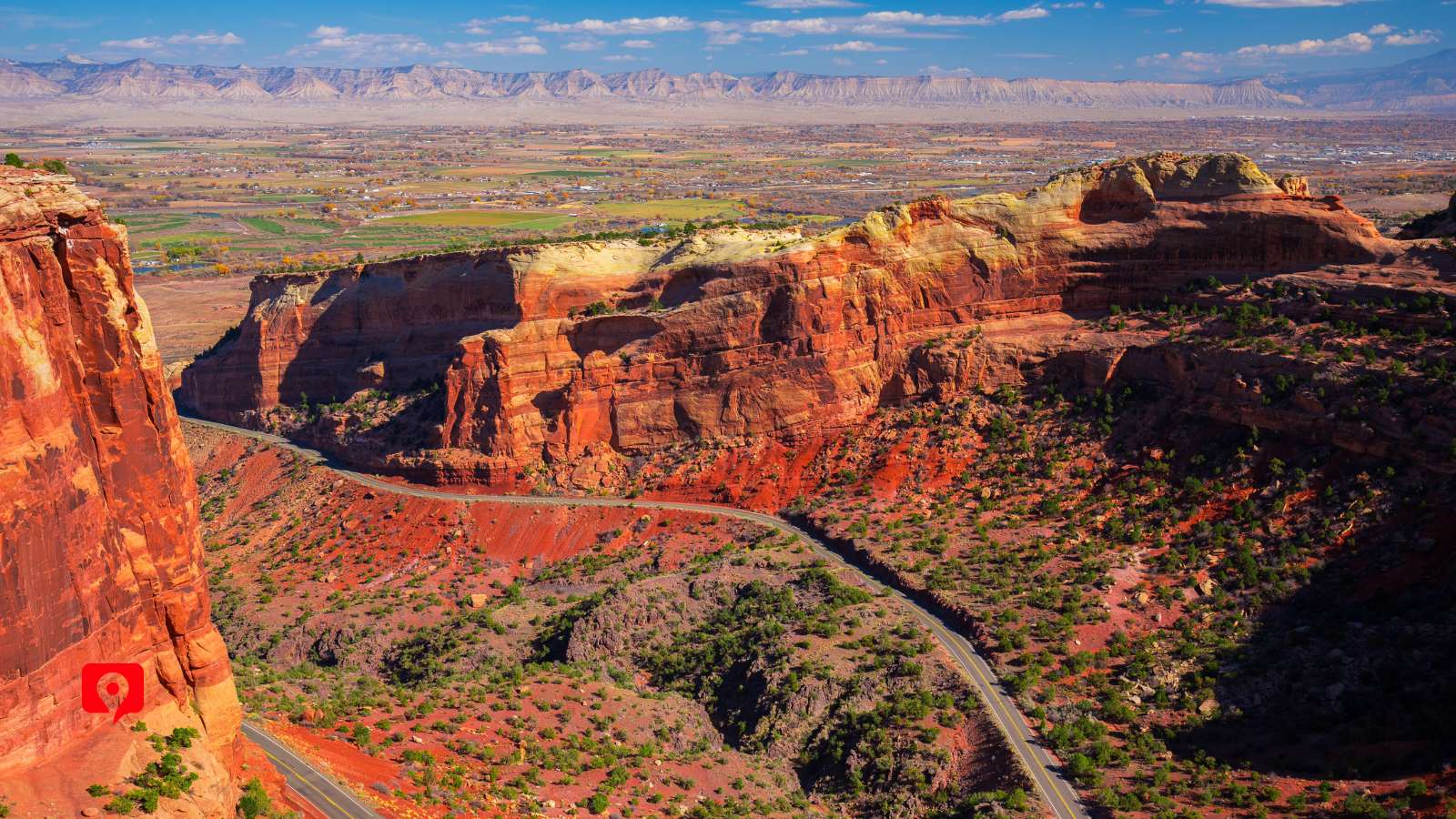
Comfortable Clothing: An unpredictable high‑desert climate: hot, dry afternoons give way to sudden rain or breeze especially in summer when temperatures hit 100 °F or storms develop. A waterproof or wind‑resistant shell plus adjustable layers keep you comfortable.
Comfortable Footwear: Trails and overlooks feature rocky, uneven surfaces and slick sandstone. Wear closed, treaded footwear with ankle support; avoid sandals or smooth soles.
Sun Protection: Elevated terrain offers intense UV exposure with minimal shade. Sunburn risk is high during exposed canyon hikes reapply sunscreen regularly.
Camera or Smartphone: The monument’s panoramic red‑rock vistas and sunrise/sunset lighting are highly photogenic. A charged camera or phone, power bank, and lens wipes help ensure you’re ready for photo ops.
Binoculars: Wildlife and birds such as bighorn sheep or soaring raptors often gather along canyon rims and distant ledges. Binoculars let you observe safely without disturbing wildlife.
Trash Bag: Keep the drive pristine by packing out any waste.
Outdoor Gear: If you plan to camp or enjoy nighttime stargazing, include camping gear suitable for cold desert nights and a flashlight or headlamp.
First Aid Kit: Pack a basic kit with bandages, antiseptic, pain relievers, and any necessary personal medications. Consider including items for snake bites and heat exhaustion, given the park’s natural environment.
Snacks and Water: No drinking water is available on trails at least one gallon (≈ 4 L) per person per day is strongly advised, especially during hot months. Include energy or infusion snacks and electrolytes.