00:00

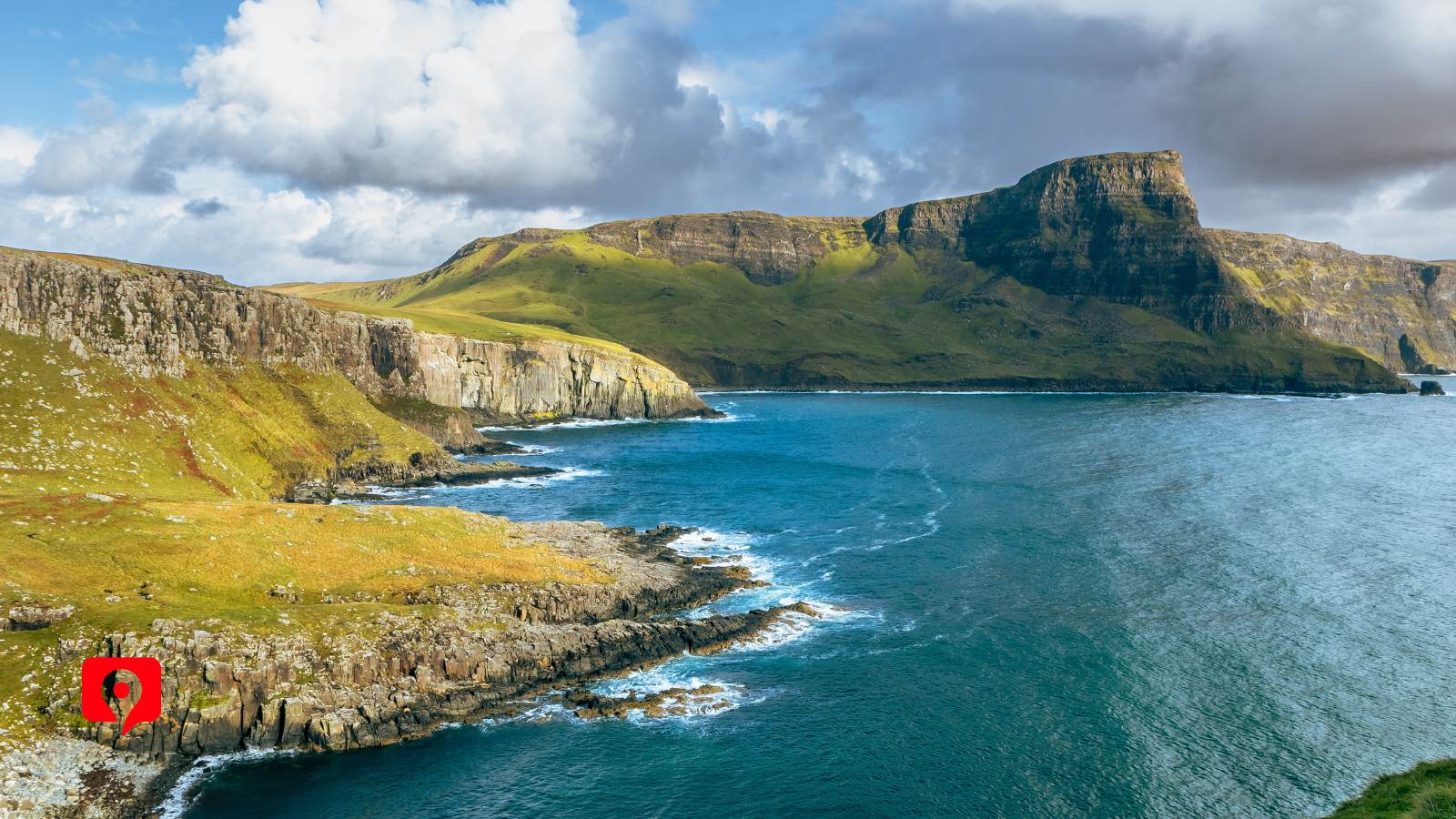
The largest island in the Inner Hebrides, Skye was formed by prehistoric volcanic activity, millennia of glacial sculpting, and the steady wear of sea and rain. This has created some of the most breathtaking views in the world, with startling volcanic monuments rising against the gentle green hills, and all surrounded by endless ocean views.
The island can be divided into five regions (south to north): Sleat (Armadale), Central (Portree), Minginish-Strathaird (Cuillin, Elgol), Waternish-Duirinish (Dunvegan, Coral Beach), and finally Trotternish (Old Man of Storr, Quiraing).
Plan a full two days on the island to explore. The hikes on this tour vary from gentle strolls across pastureland to more challenging routes that involve navigating rocky terrain. There are options suitable for beginners to advanced hikers, including walks appropriate for kids.
Whether you hope to do some whale watching from the coast or can’t wait to learn more about clan history and the storied Fairy Flag at Dunvegan Castle, there’s something for everyone on Skye – “The Misty Isle.”
Most travelers fly into Inverness Airport (INV), which is a major international hub. From there, we recommend renting your car in Inverness, where there are more options to choose from. Then, it’s about a two-hour drive through the scenic highlands to Kyle of Lochalsh, where the Skye Bridge connects the mainland to the Island of Skye. Simply drive across the bridge to begin the driving tour of Skye.
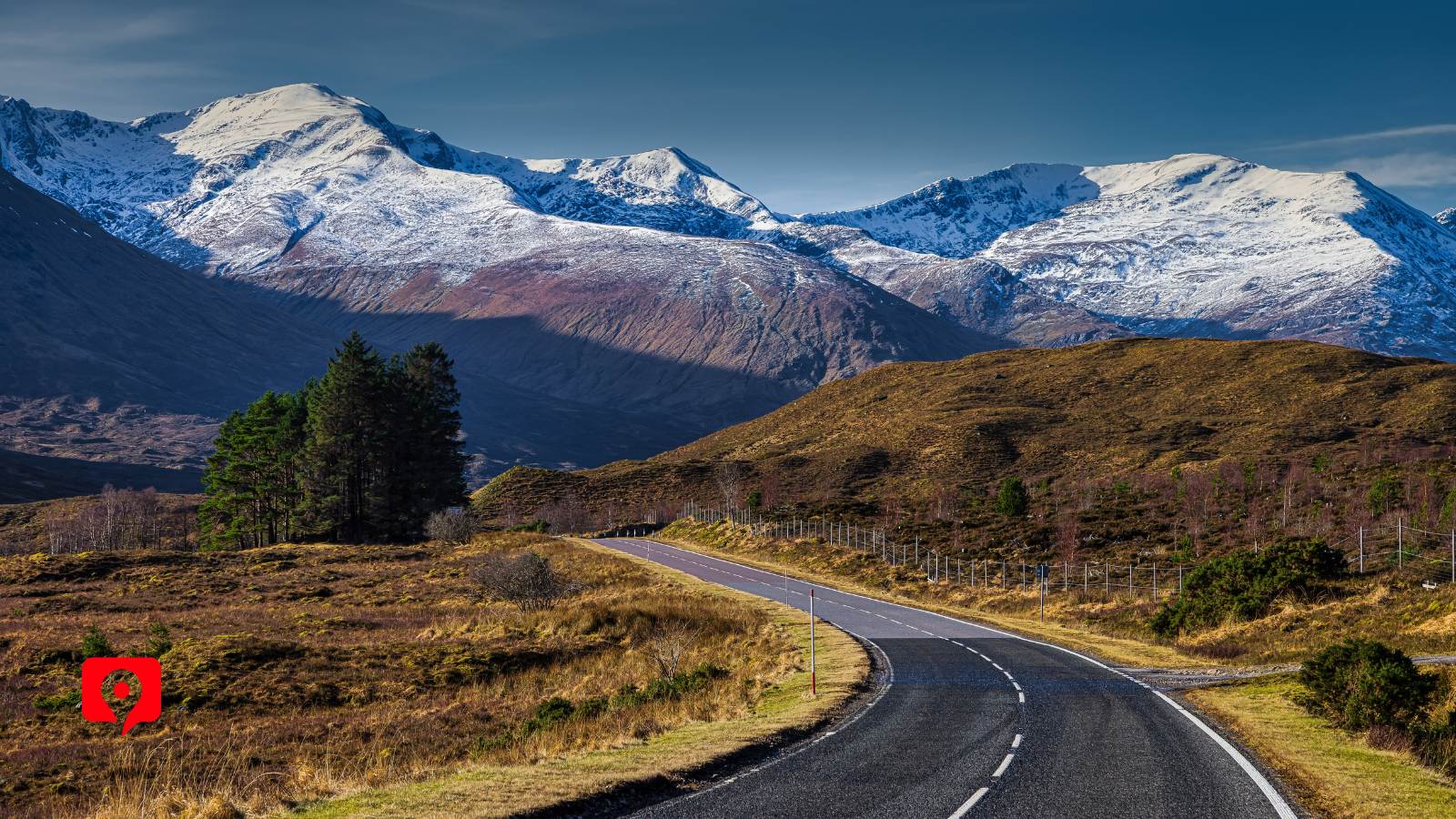
There is no airport directly on Skye, so most people arriving by plane fly into Inverness Airport (INV), which is a major international hub of travel. Cars can be rented at the airport or elsewhere in Inverness, then visitors can drive two hours to the Skye Bridge via A87 or A890. There is no fee to cross the Skye Bridge, which connects Kyle of Lochlash on the mainland to Kyleakin on Skye.
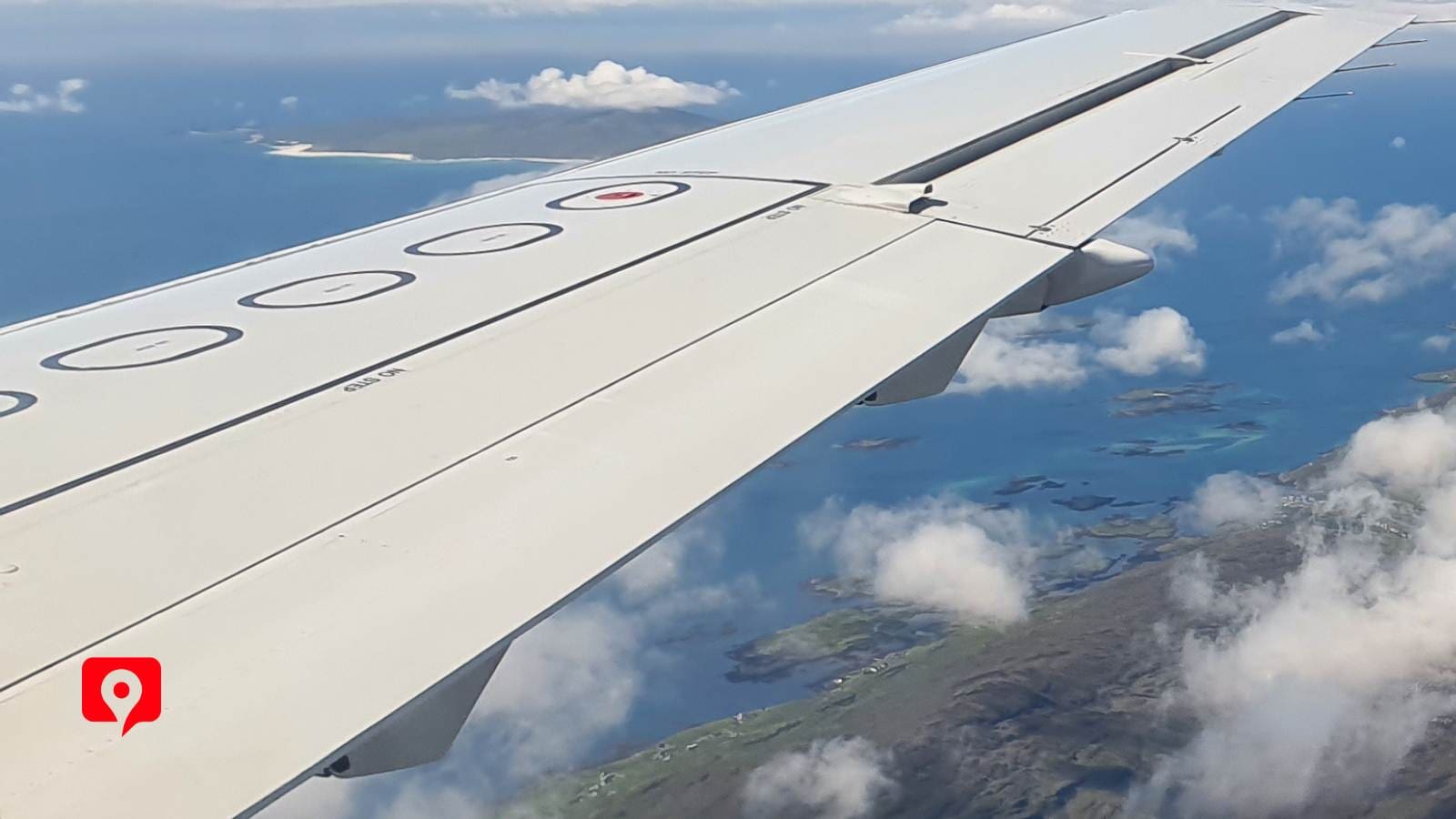
You will drive onto the island via Skye Bridge, which connects Kyle of Lochlash on the mainland to Kyleakin on Skye. After crossing the bridge, head southwest on the A87 to begin the tour.
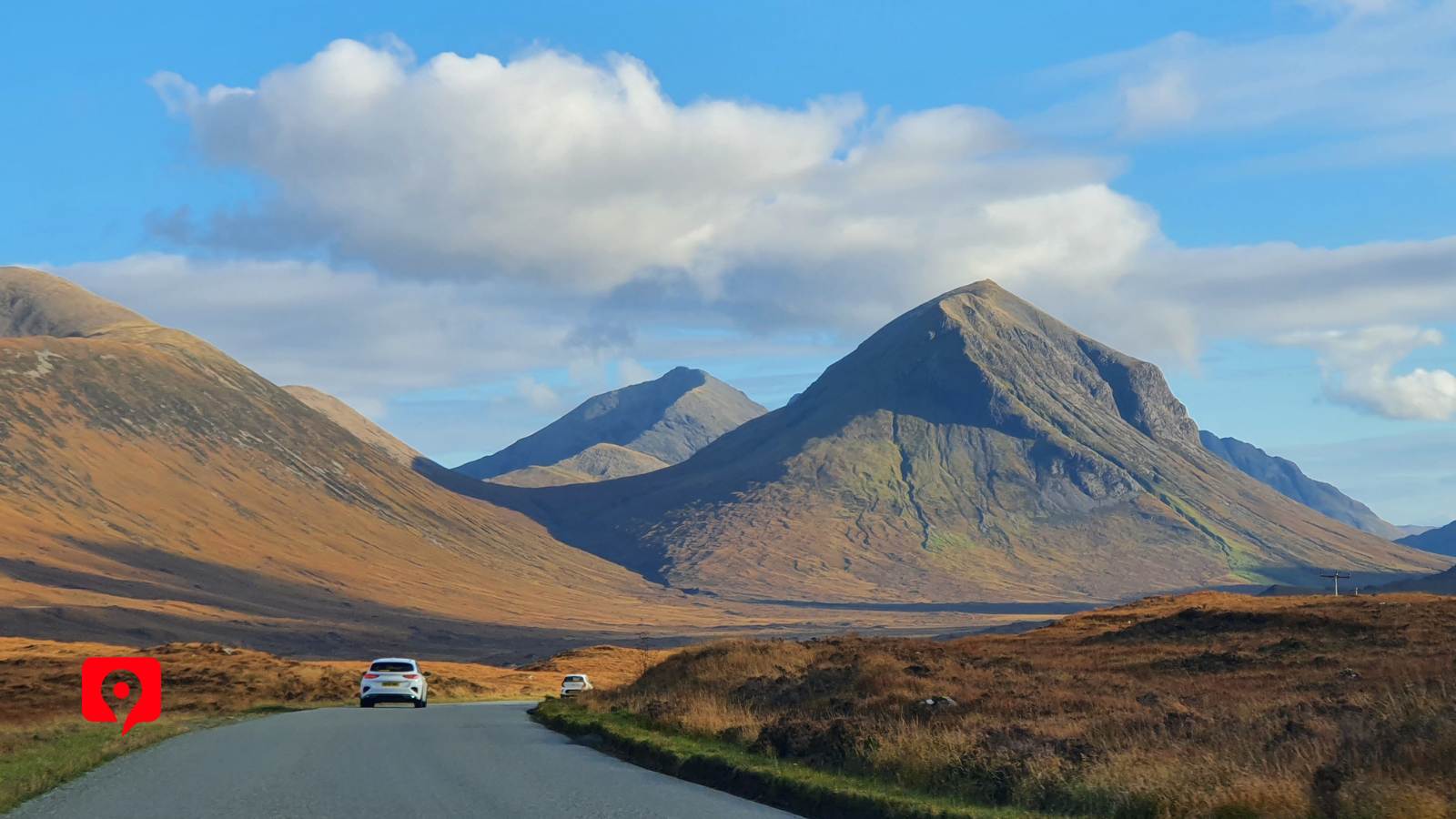
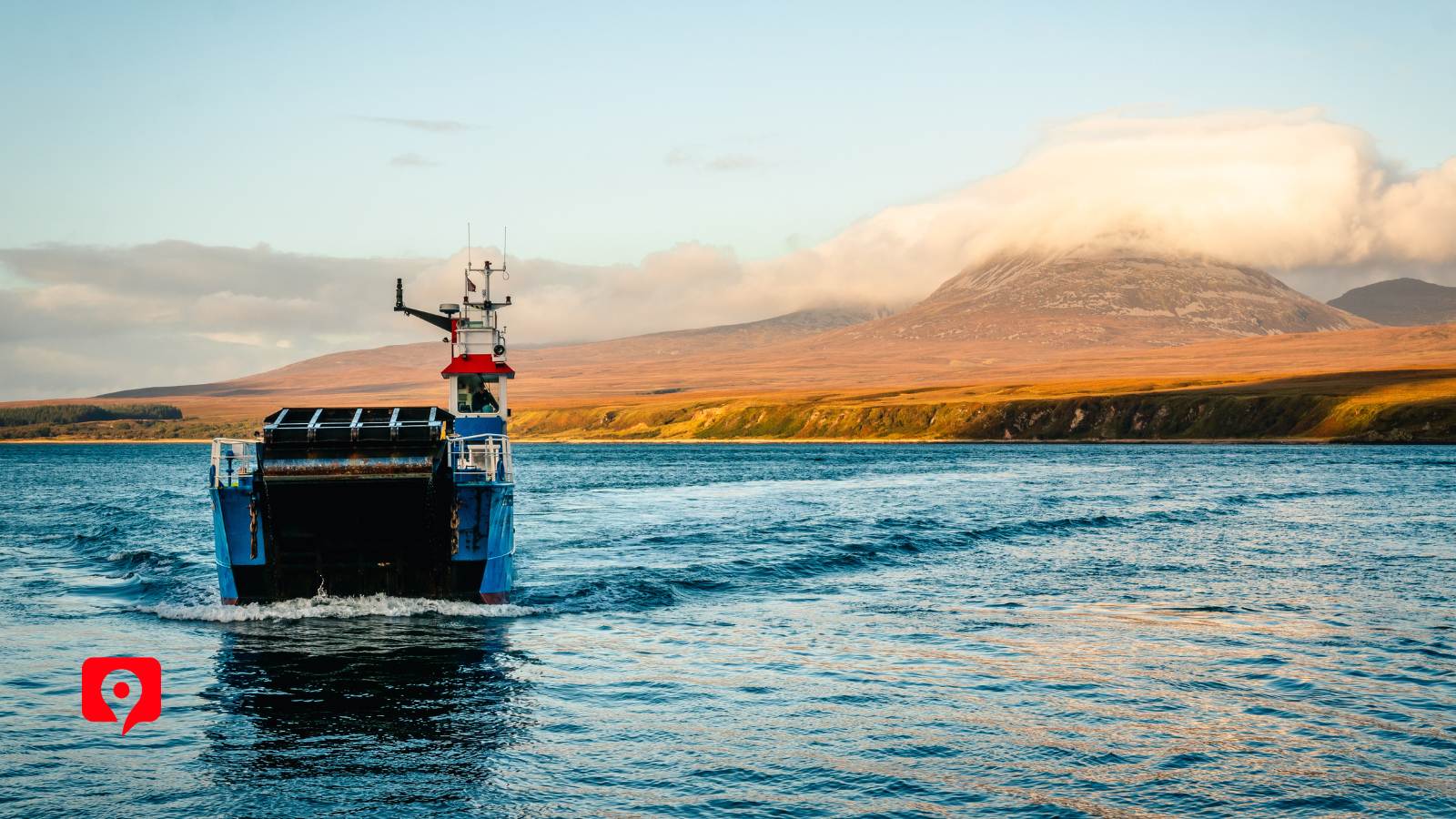
The Mallaig car ferry docks at Armadale, a convenient spot to begin your south-to-north exploration of Skye. The 45-minute excursion is quick and bookable in advance.
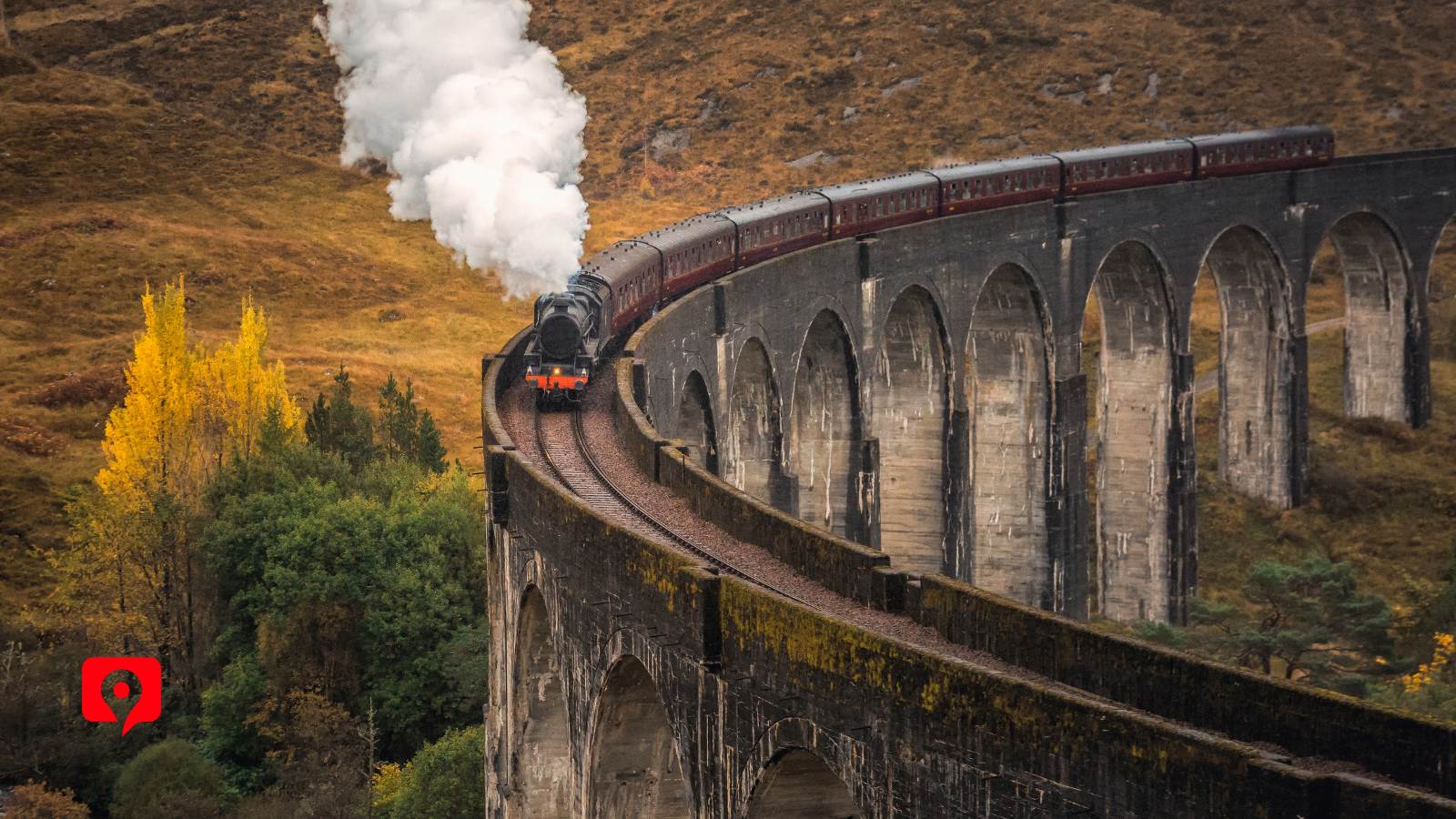
While there is no rail on the Isle itself, visitors can take the West Highland Line from Glasgow to Mallaig for a scenic train ride over famous Highland sights like the Glenfinnan Viaduct. The train ride takes between 5 and 6 hours. From Mallaig, visitors can take a ferry to Armadale, where a small family-operated car rental company operates.
The Kyle Line is another option. It runs from Inverness to Kyle of Lochalsh. This ride takes about two and a half hours, and there’s taxi service available from Kyle of Lochalsh. There is a small car rental company available here.
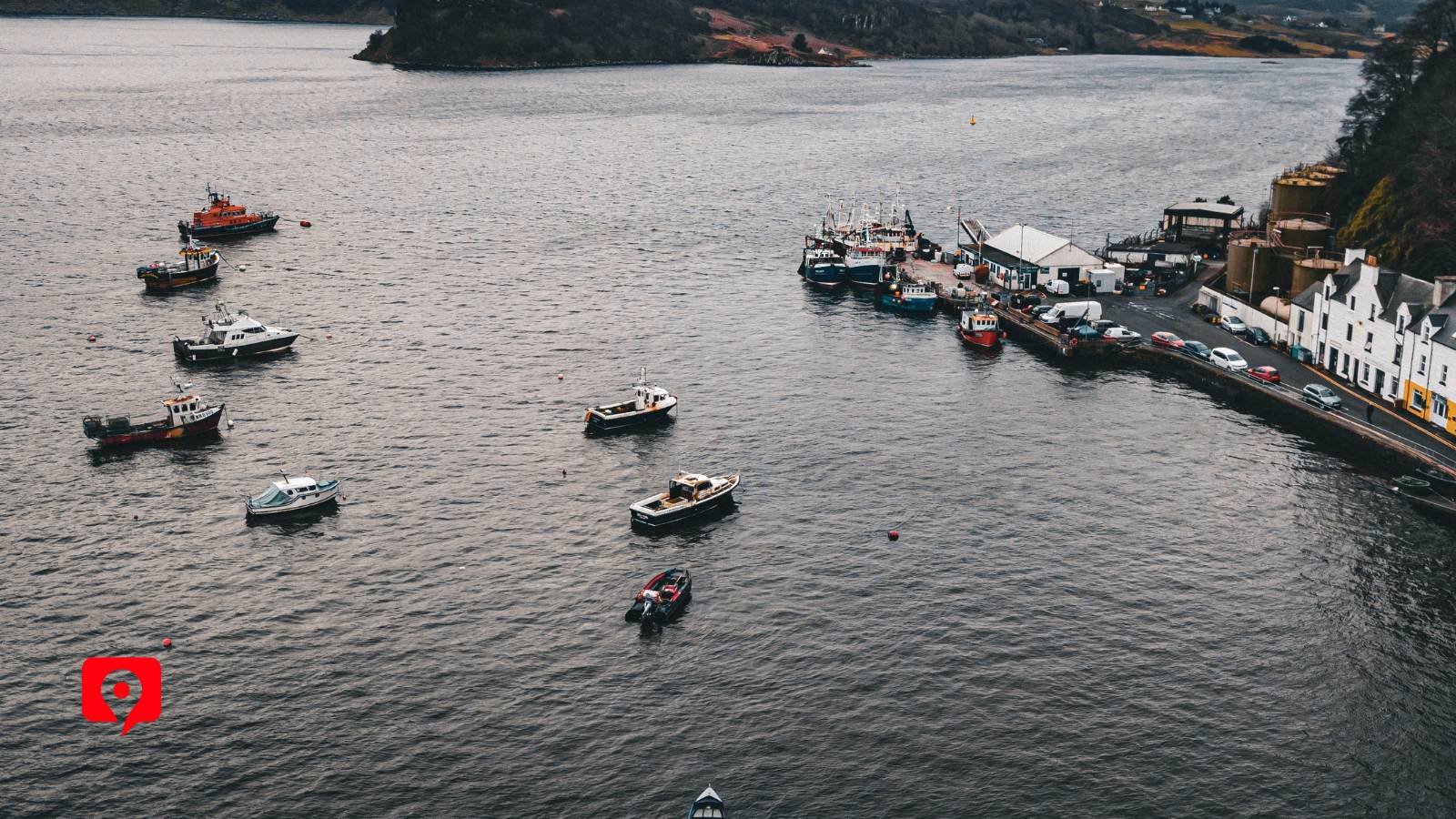
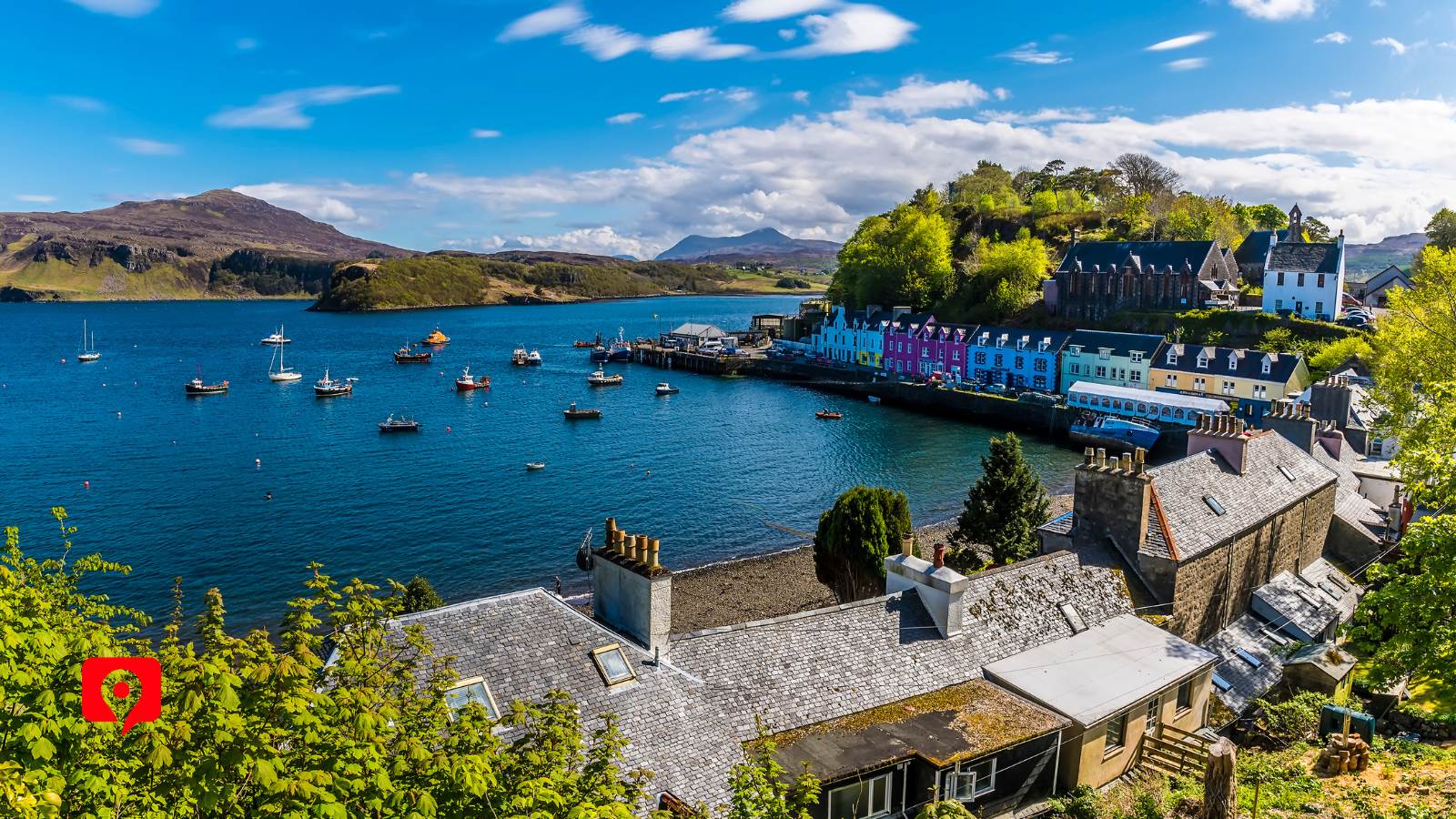
Most cruise ships visiting Skye dock at Portree, the island’s capital town. Small tenders transport passengers into the town, which can be explored on foot. There are car rental options in Portree, but they should be reserved well in advance during the busy summer season.
There is no fee to enter the Isle of Skye. Driving across the Skye Bridge from the mainland to the island is free. Multiple attractions along the route require paid entry if you choose to visit inside. Sites like Dunvegan Castle, the Armadale Castle Gardens and Museum, Angus MacAskill Museum, and the Staffin Dinosaur Museum all require admission fees that may vary.
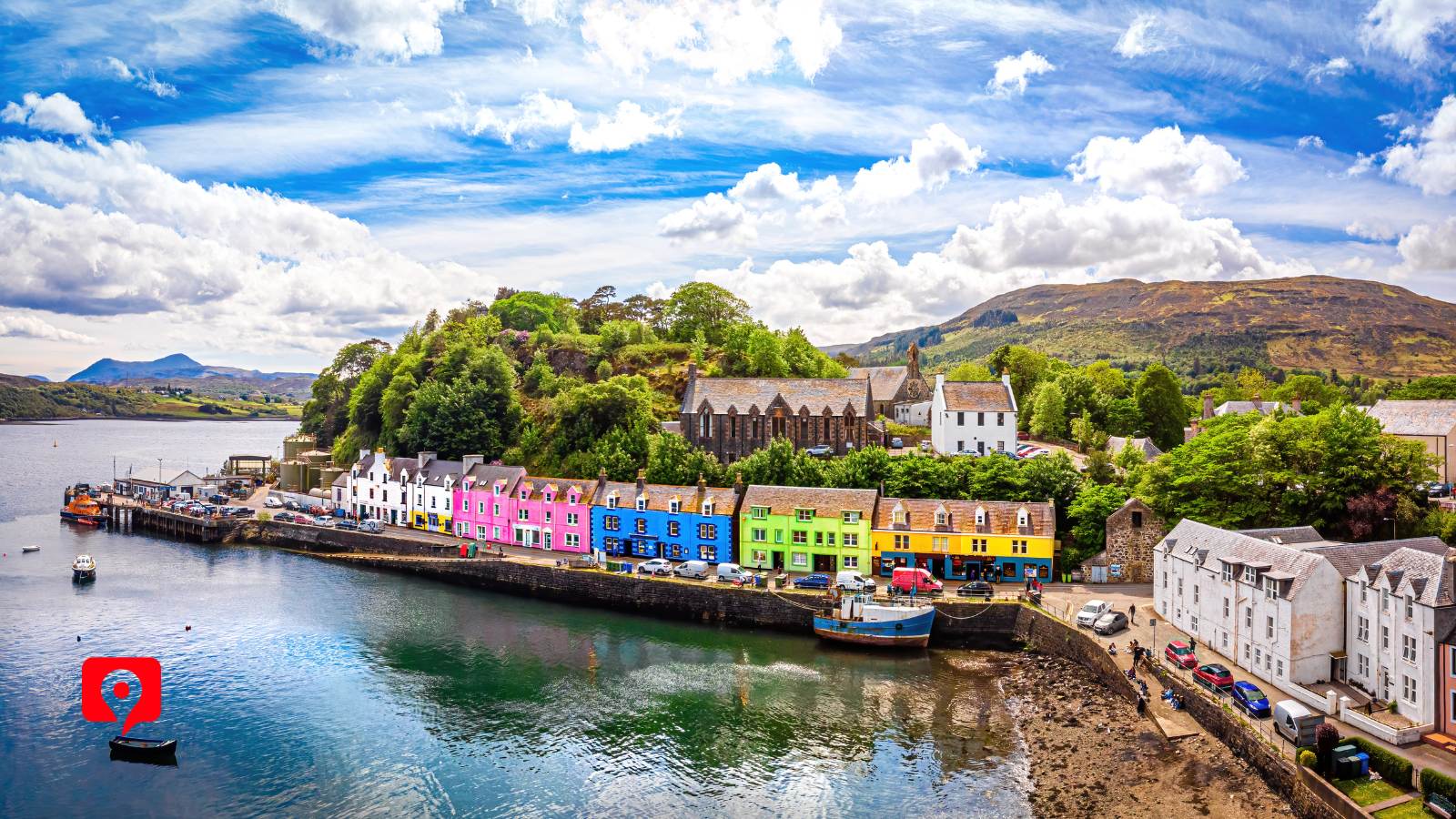
HOTELS
Broadford and Portree offer the most variety on Skye, and there are hotels throughout the island. There are many options, ranging from luxury to family-friendly, all around the island.
Bed and Breakfasts
These are the most popular option on Skye, and there are endless options for every preference and price point. If you stay in Kyleakin, you will be ready to start your driving tour bright and early.
Kinloch Campsite
This family-friendly campsite is on the shores of Loch Dunvegan, within view of MacLeod’s Tables and a five-minute walk of the village. Camper and tent camping are both available, as are showers and laundry facilities. Visit their website to book a site.

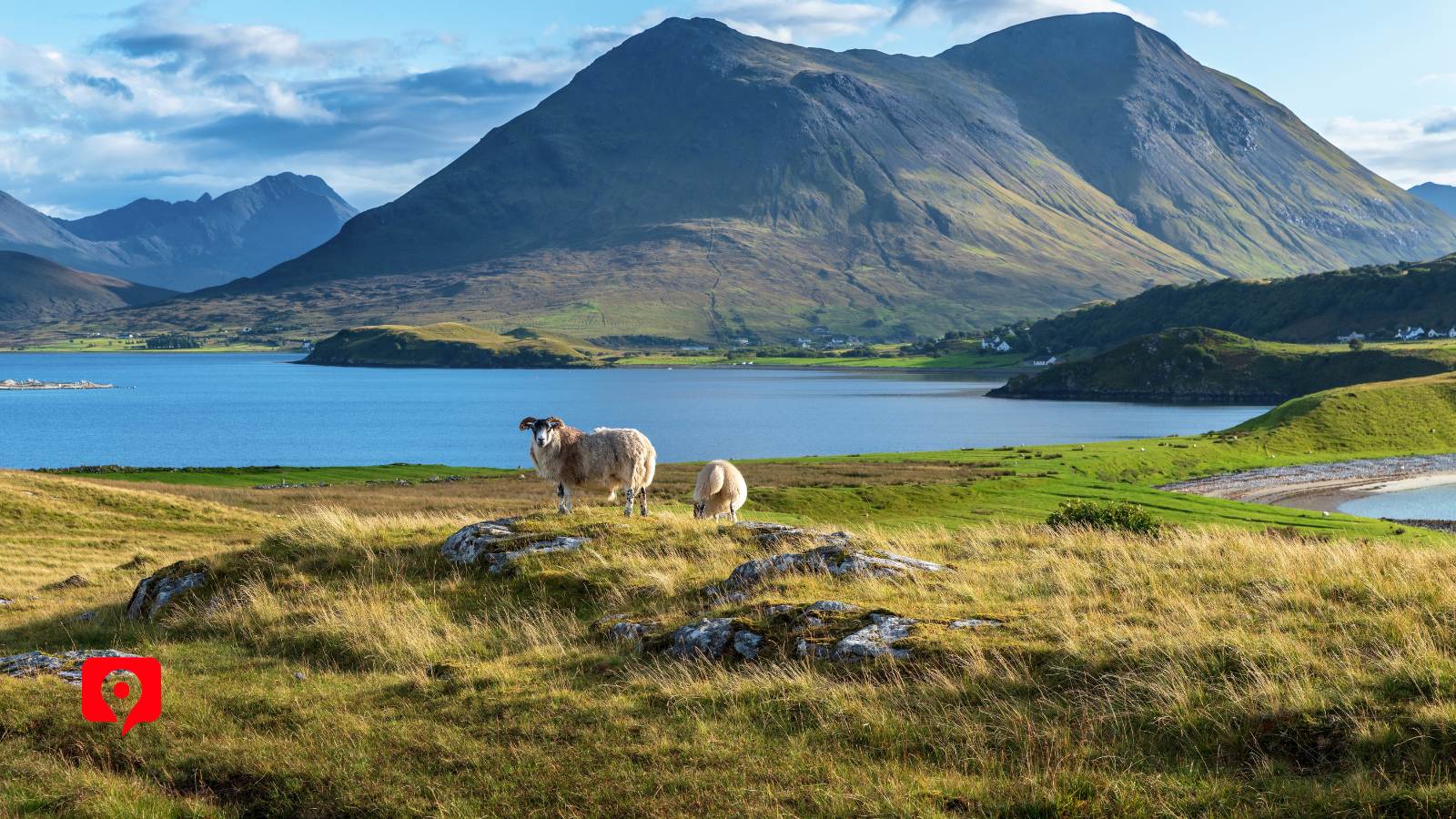
Late spring and summer are Skye’s regular season. Armadale, Dunvegan, and the Staffin Fossil Museum are all open from April-October. Expect mostly warm weather that can get chilly in the rain or when on the coast. Bring plenty of insect repellant for midges. June and July are the best times for whale watching.
Winter is the off-season for Skye, but there is still plenty to explore! Expect cool, rainy weather in the low 40s Fahrenheit. If you’re willing to bundle up and navigate a little mud, you can still see some amazing misty scenery.
Fall brings unique scenery and great photography opportunities. Spring is similar, with wildflowers and no midges. Come prepared for damp, chilly temperatures.
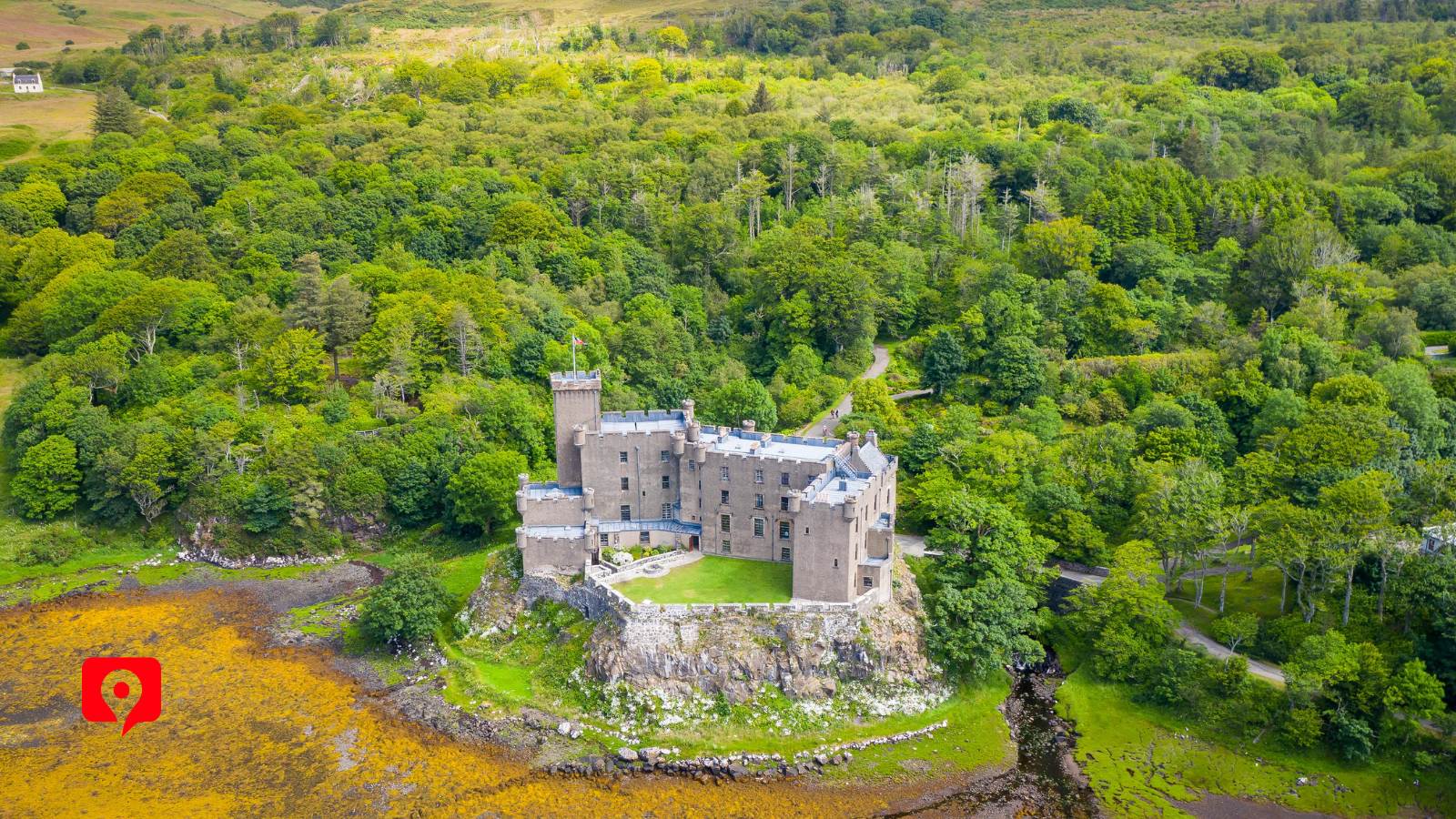
Hear the legend of giants, transformations, and magical promises at this 160-foot high basalt pillar that juts straight up from the Trotternish Ridge. You can venture among the rocks to climb the rocky ridge on the most popular walk on Skye, or just admire The Storr from gentler terrain as you hear about Skye’s prehistoric volcanic era that created these stunning natural sculptures – and the myths that echo through the stones.
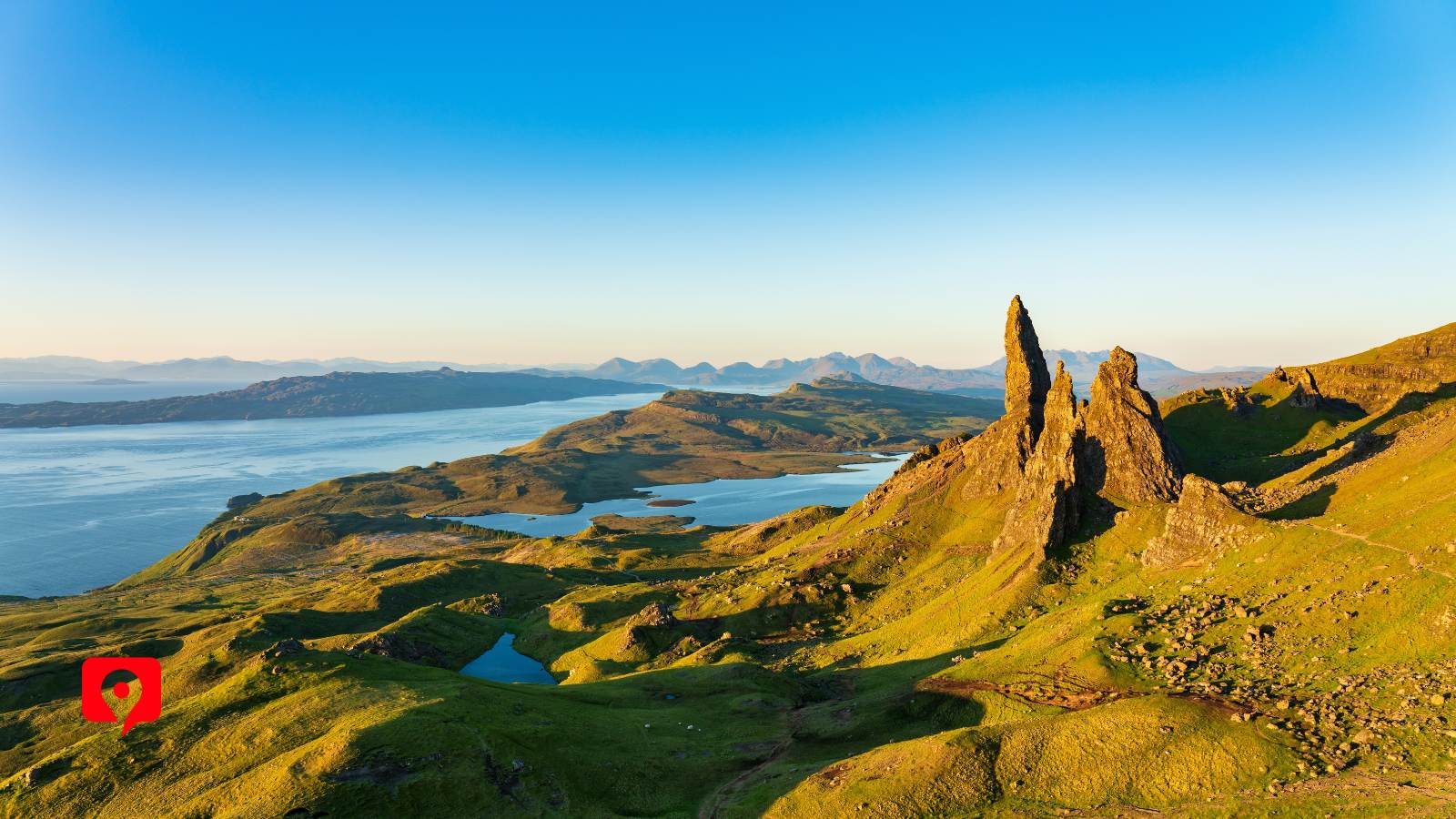
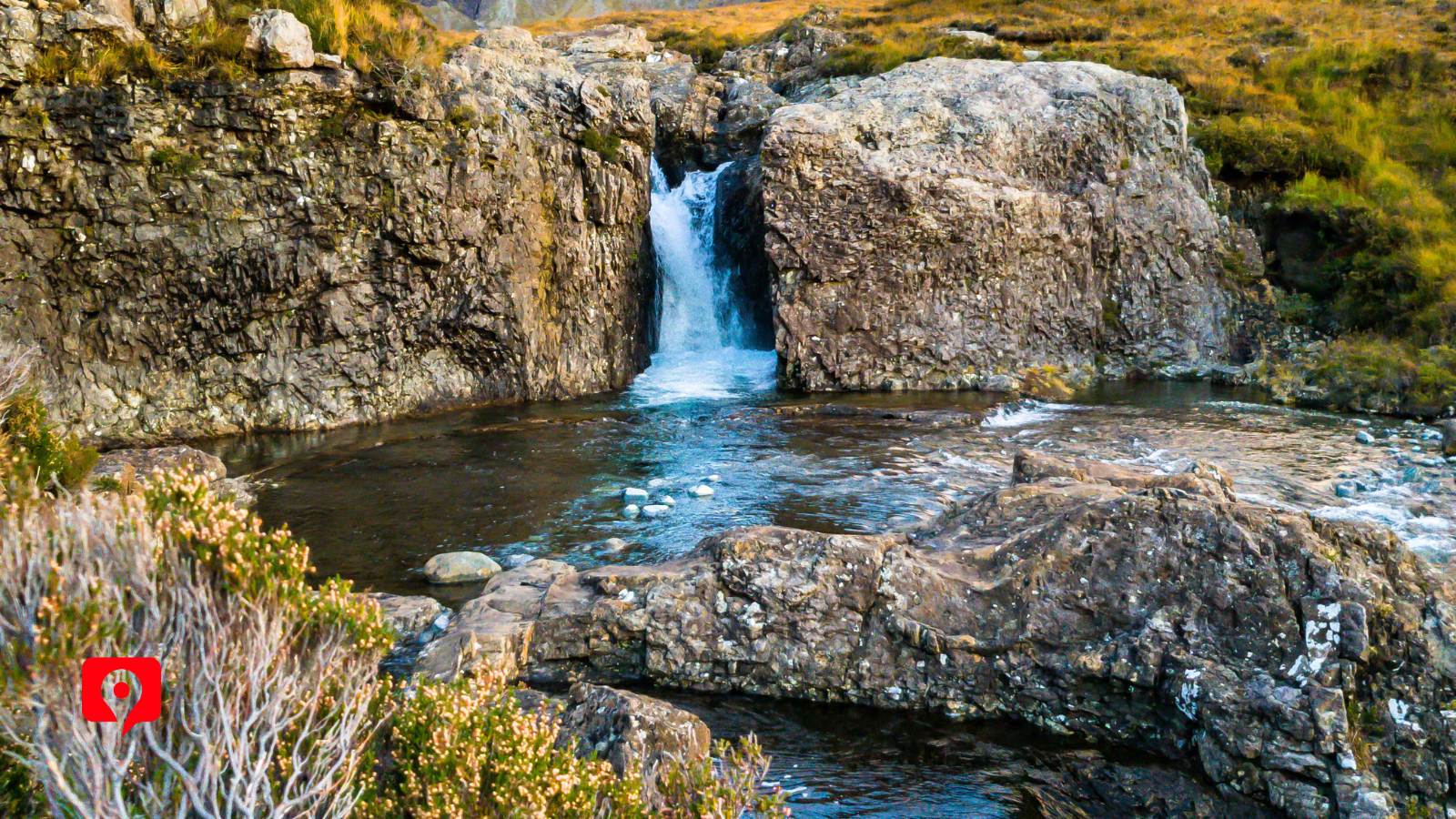
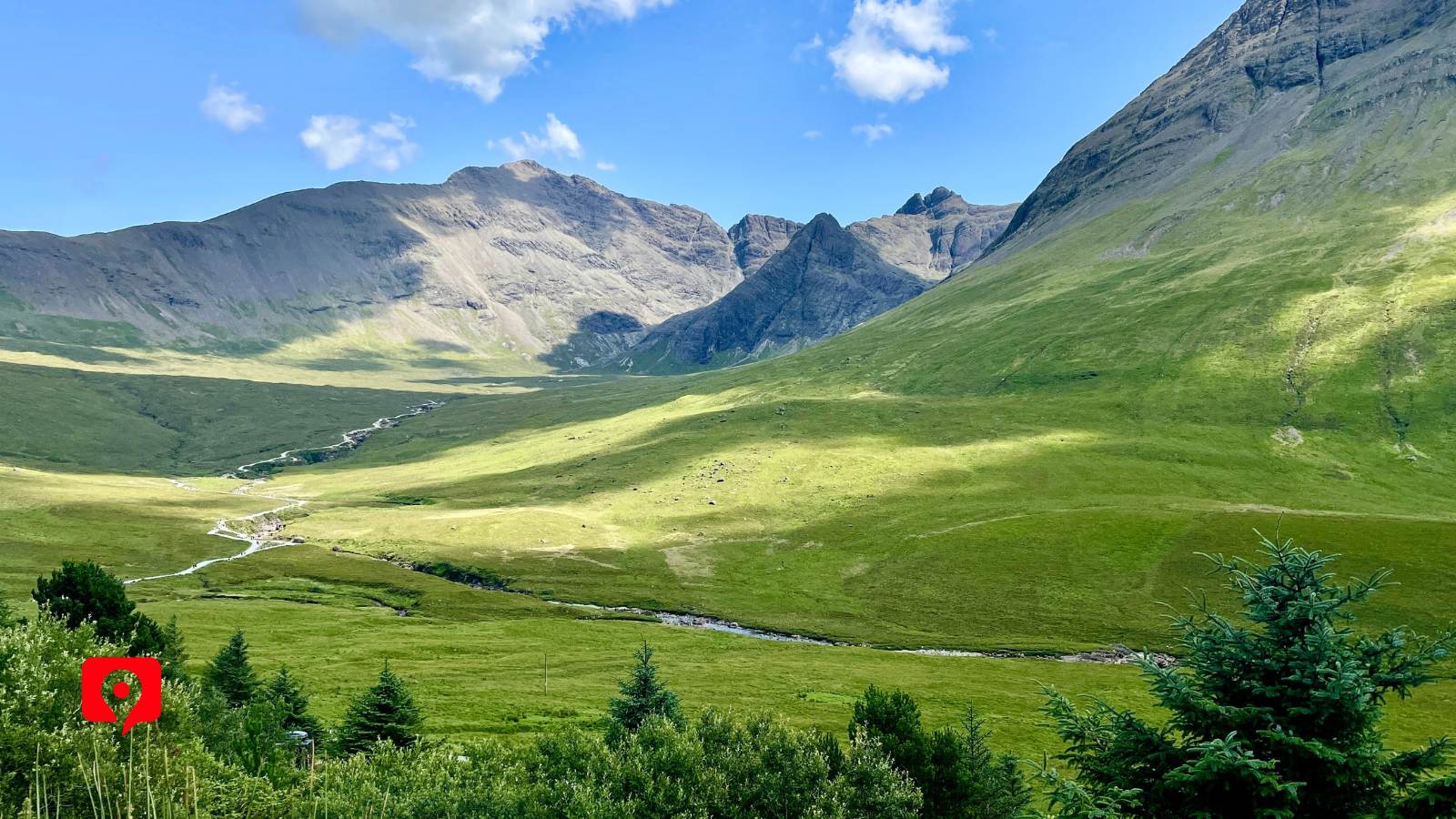
Walk through the quiet wood, dotted with wildflowers and filled with birdsong, to discover crystal-clear waterfalls and ice blue pools of the Fairy Pools, with the massive Black Cuillins providing a dramatic mountainous backdrop. Visitors can go for a dip in the pools at the end of a gentle walk down a forested path, or just enjoy the transcendent feeling of discovering a hidden enchanted world among the sheltering mountains.
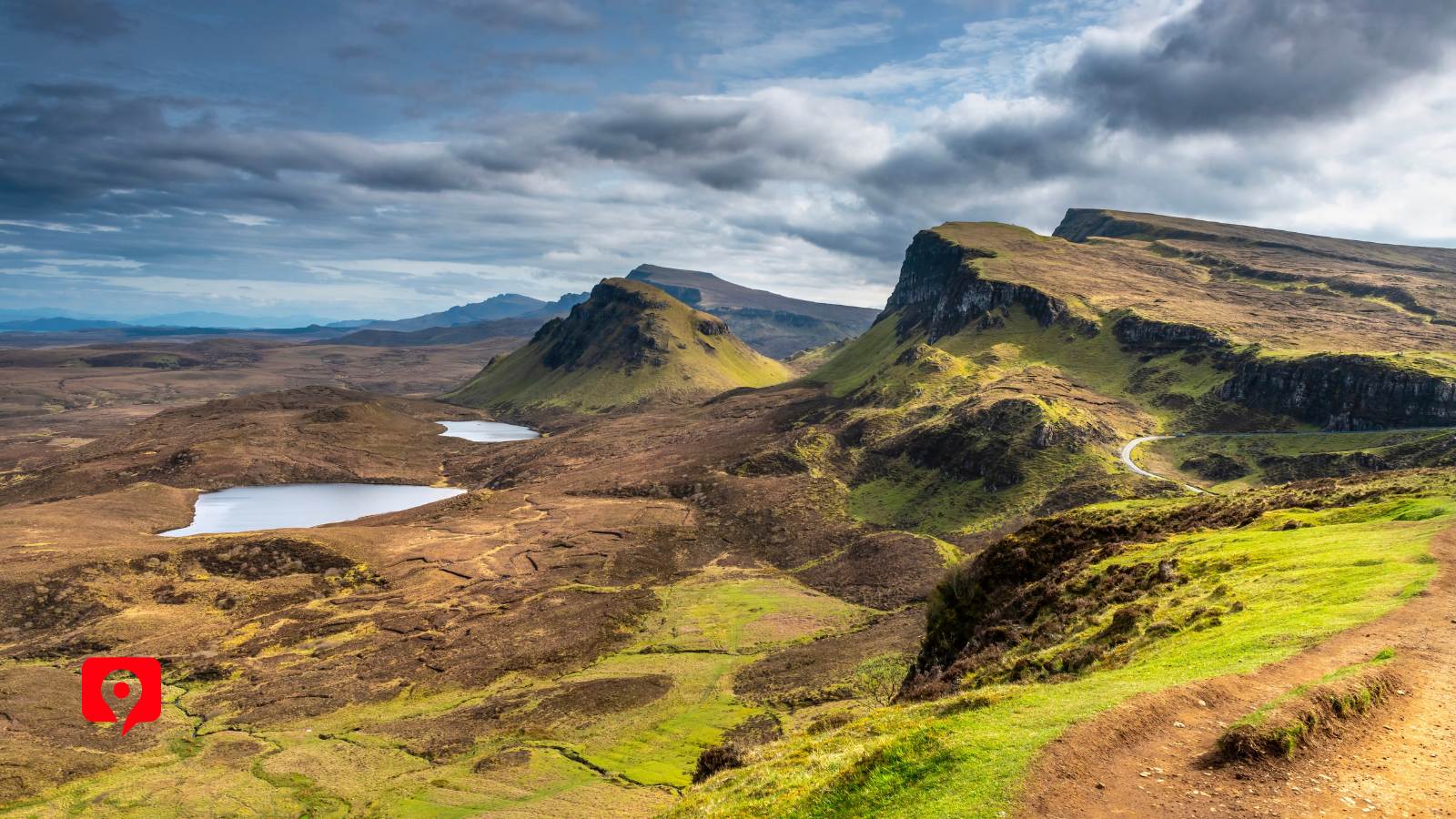
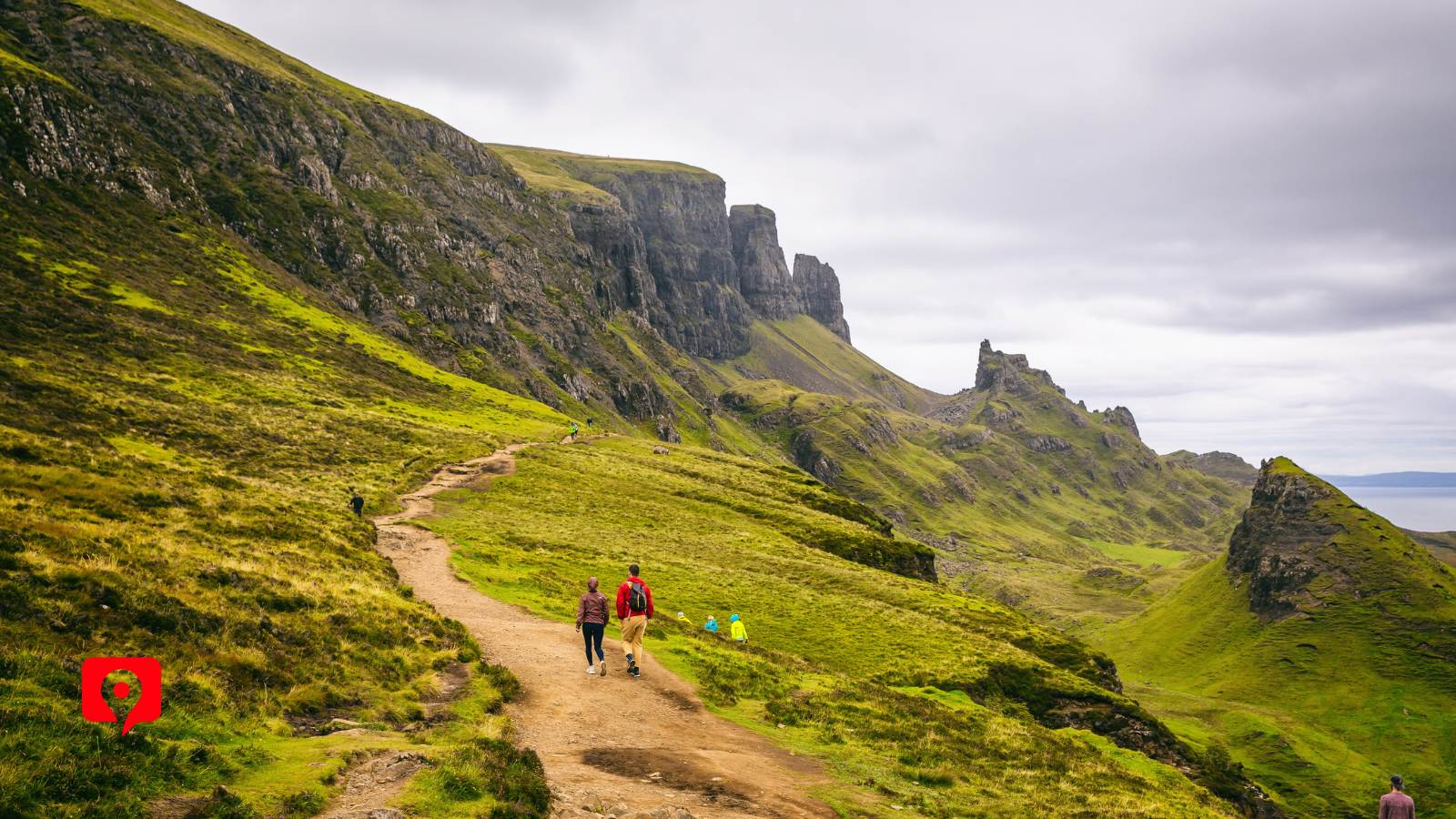
No trip to Skye would be complete without visiting this rocky crater surrounded by otherworldly basalt formations. Visitors can take the 4.2-mile rocky hike to see naturally carved monuments like The Prison and The Needle, contrasting with glassy slopes and tumbled rocks that define this prehistoric landslip. A winding drive up to the observation point rewards visitors with a stunning landscape full of steep slopes, carved rocks, and dramatic stone-meets-sky vistas that look straight out of Middle Earth.
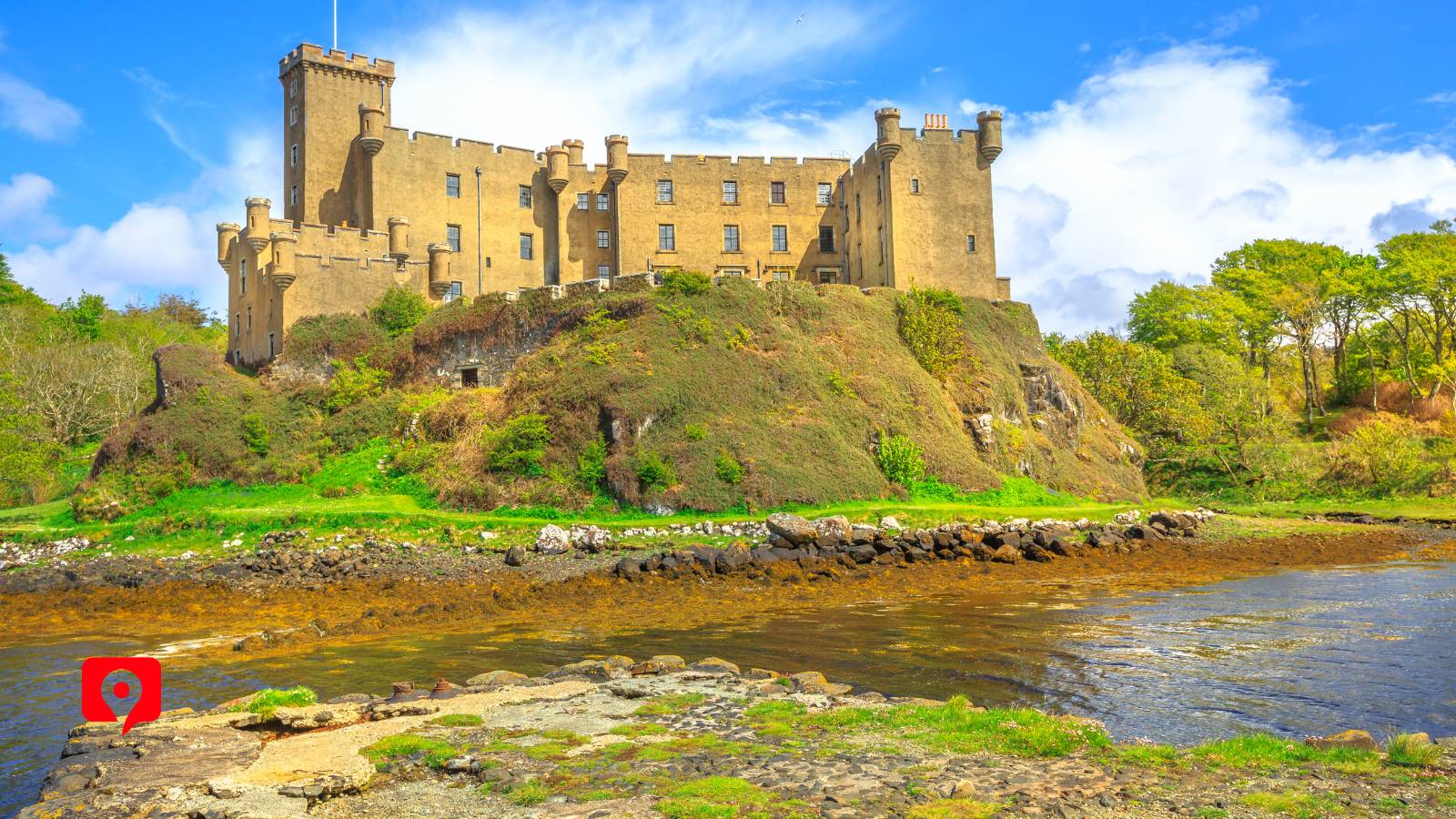
Visit the oldest continuously occupied castle in Scotland at Dunvegan, the seat of Clan MacLeod for over 800 years. Explore five acres of formal gardens and wooded paths here, then venture inside to tour the 18th-century drawing rooms, the forbidding stone dungeon, and public galleries that hold treasures like the Fairy Flag, the Dunvegan Cup, and Roy Mor’s Horn – and hear the legends and prophecies that accompany each precious artifact.
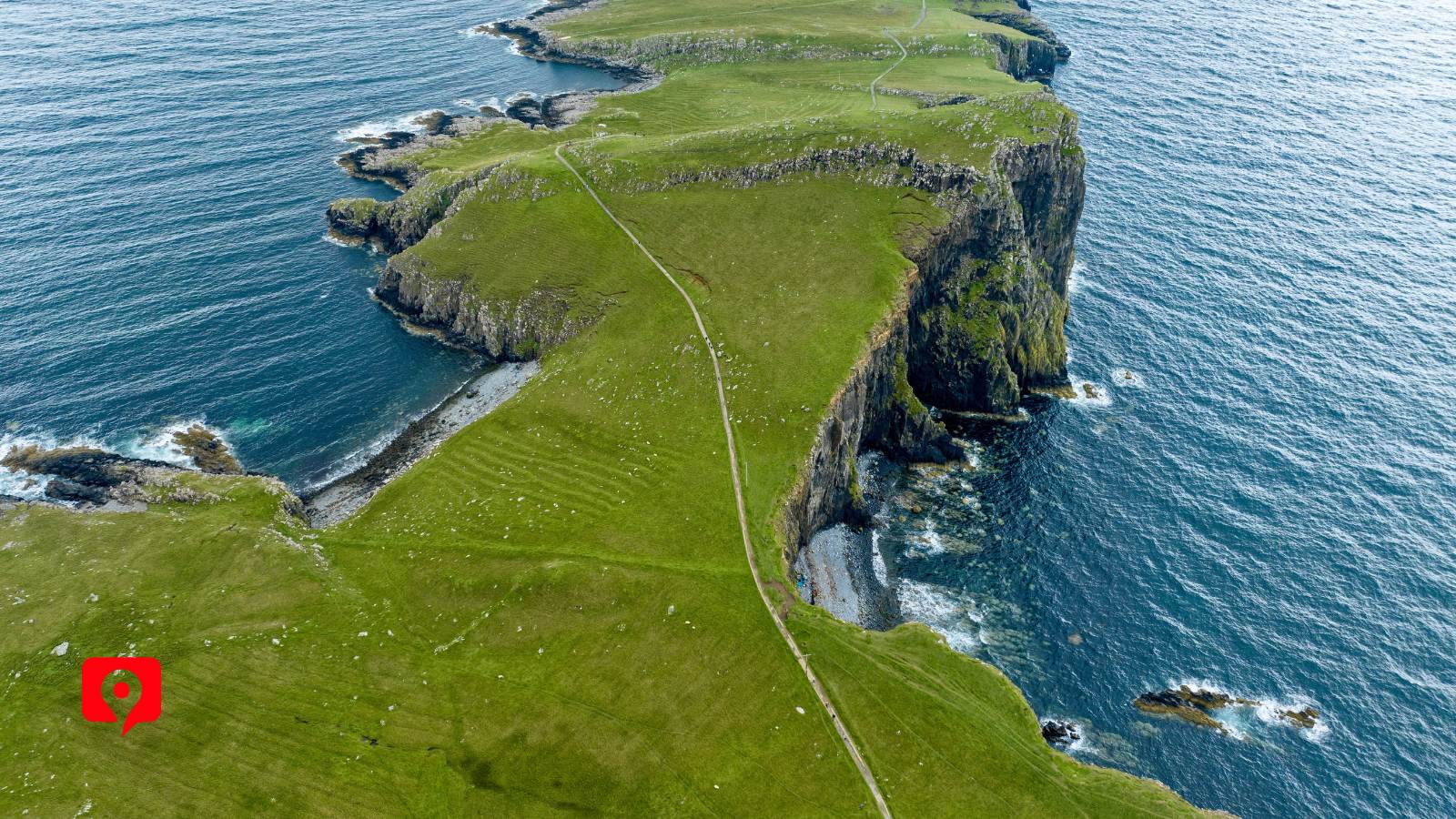
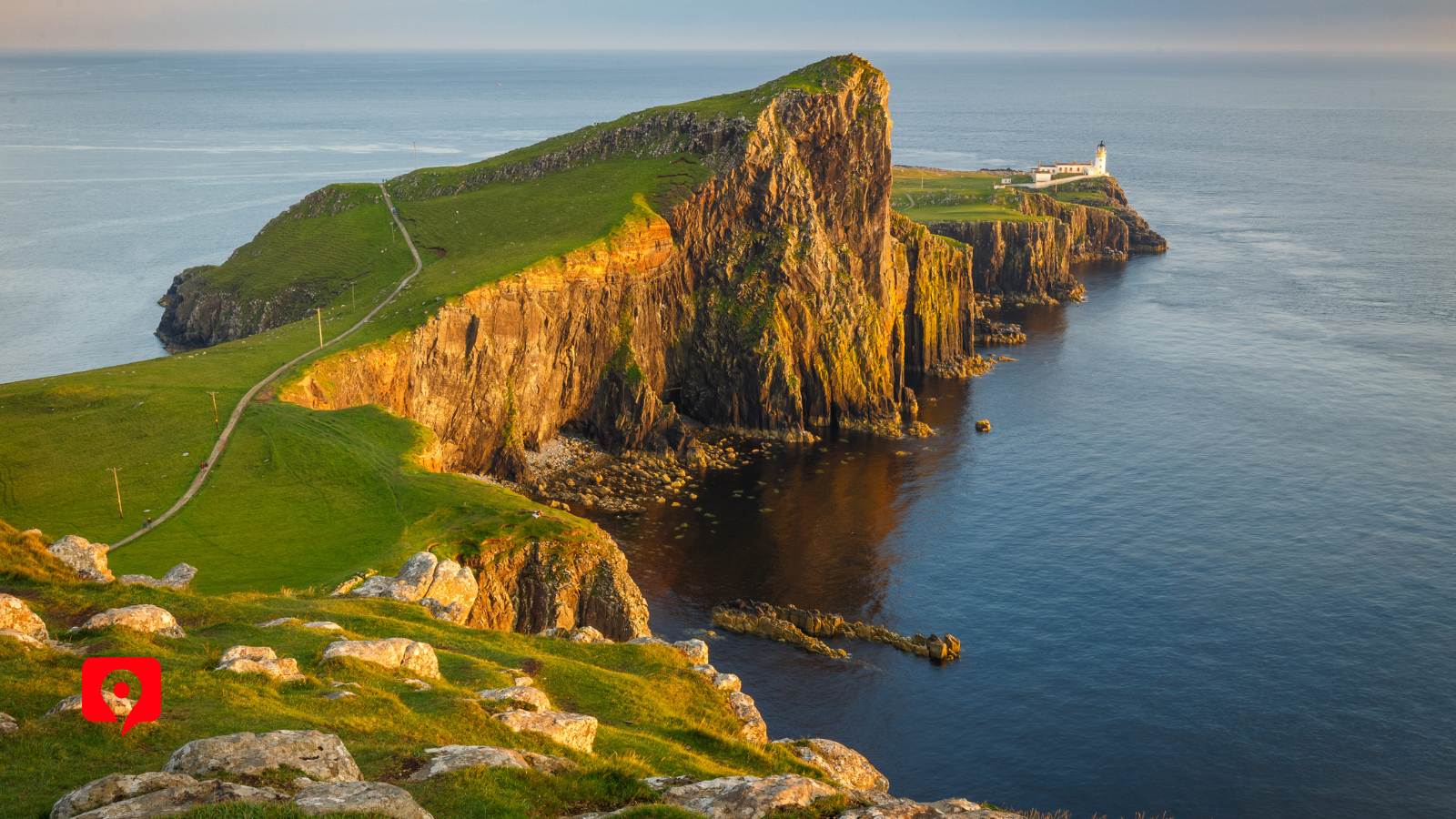
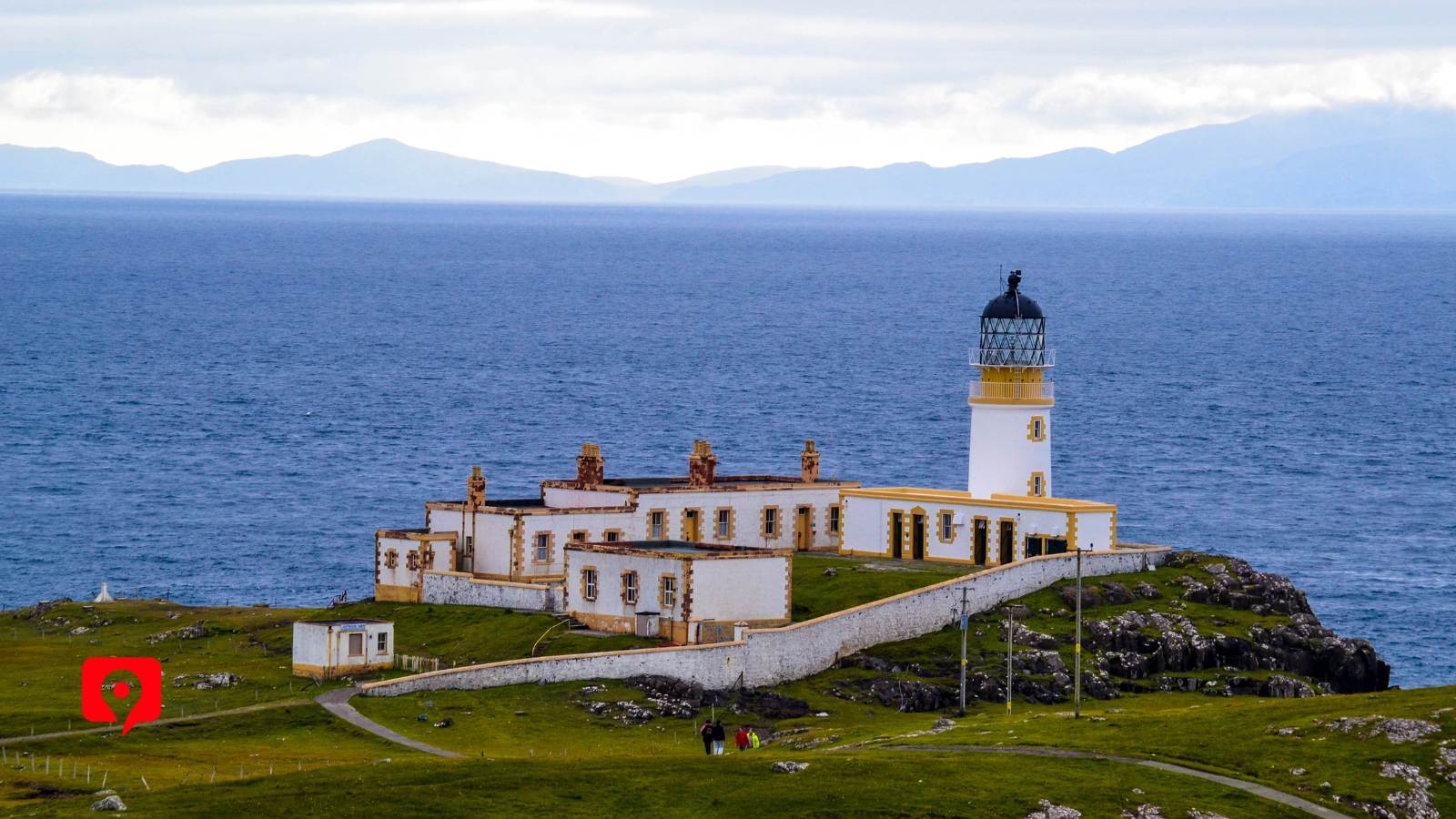
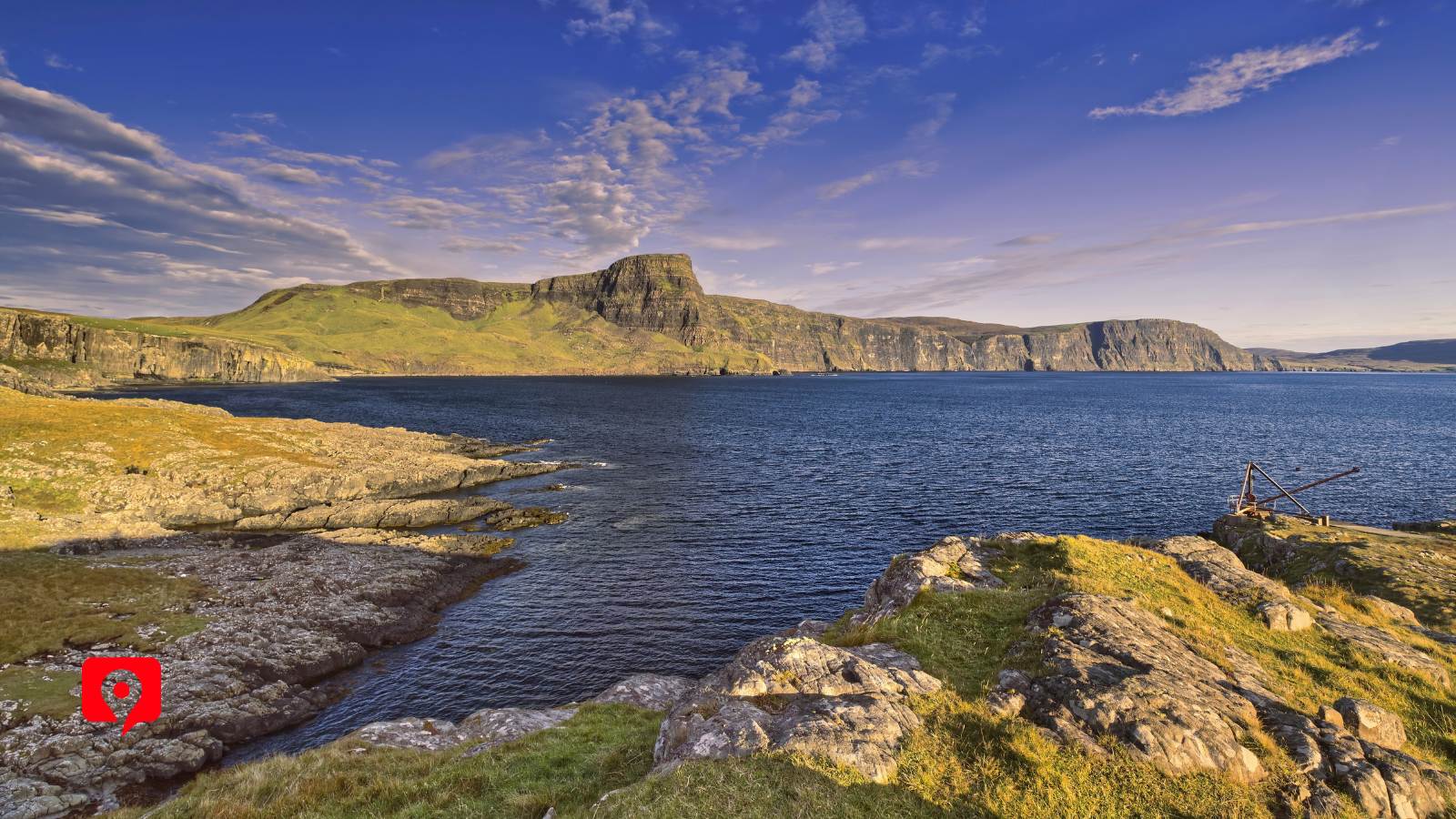
Climb the steps to the top of rocky promontory Neist Point, where the lighthouse still guides sailors through the tricky waters of the Inner Hebrides. The steep climb comes with spectacular vistas of the sea, and the small stone towers left by generations before. Seeing the rocky coastal views from this height at sunset is a truly once-in-a-lifetime experience – especially if some whales are cruising along on their own annual summer vacation nearby!
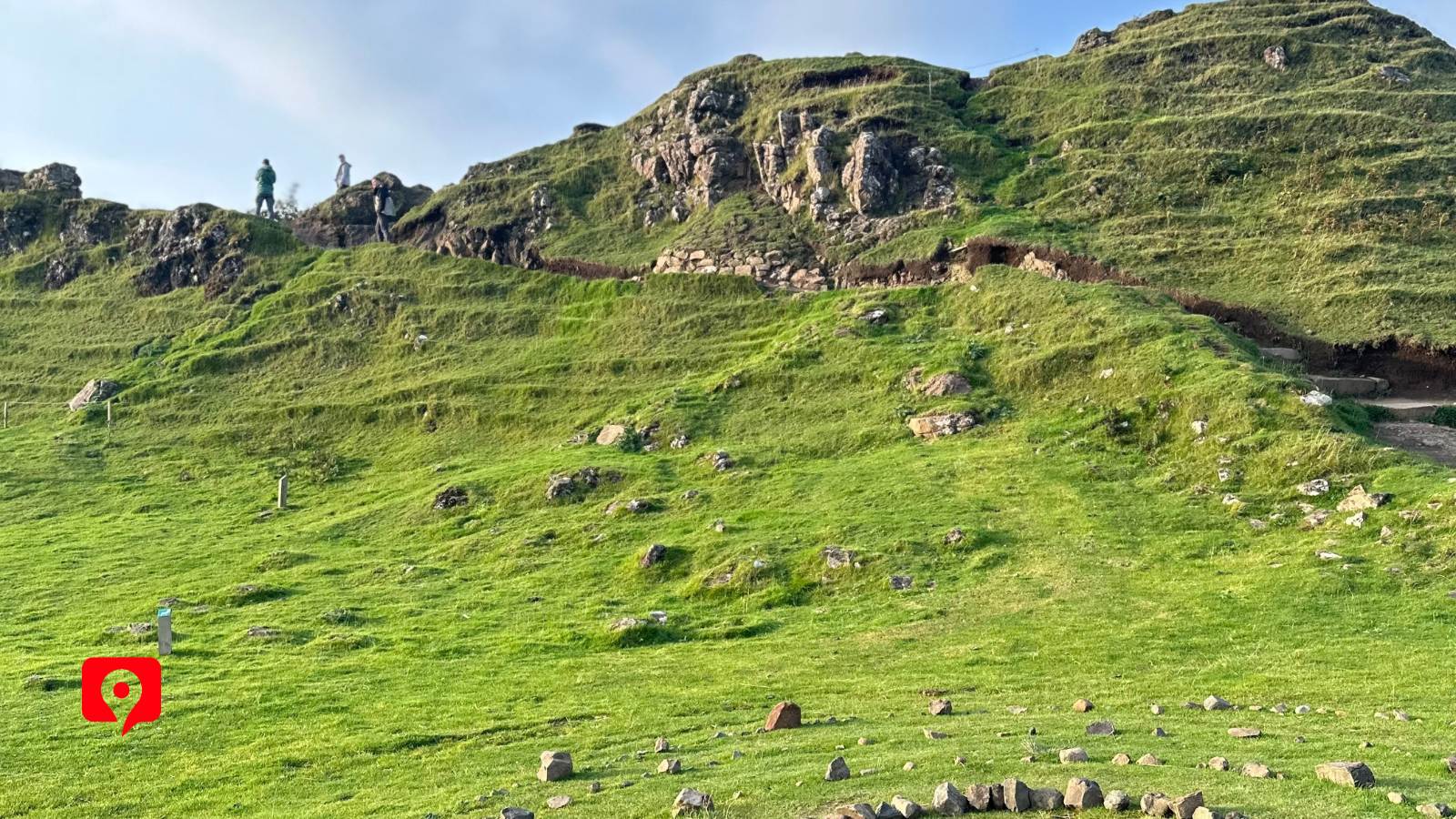
Called the Quiraing in miniature because of its otherworldly, spiraling rock formations, the Fairy Glen offers a delightful walk through miniature lochs, green hills, and strange stone sculptures. Tucked within the more drastic scenery of Skye, its green paths are a welcome retreat.
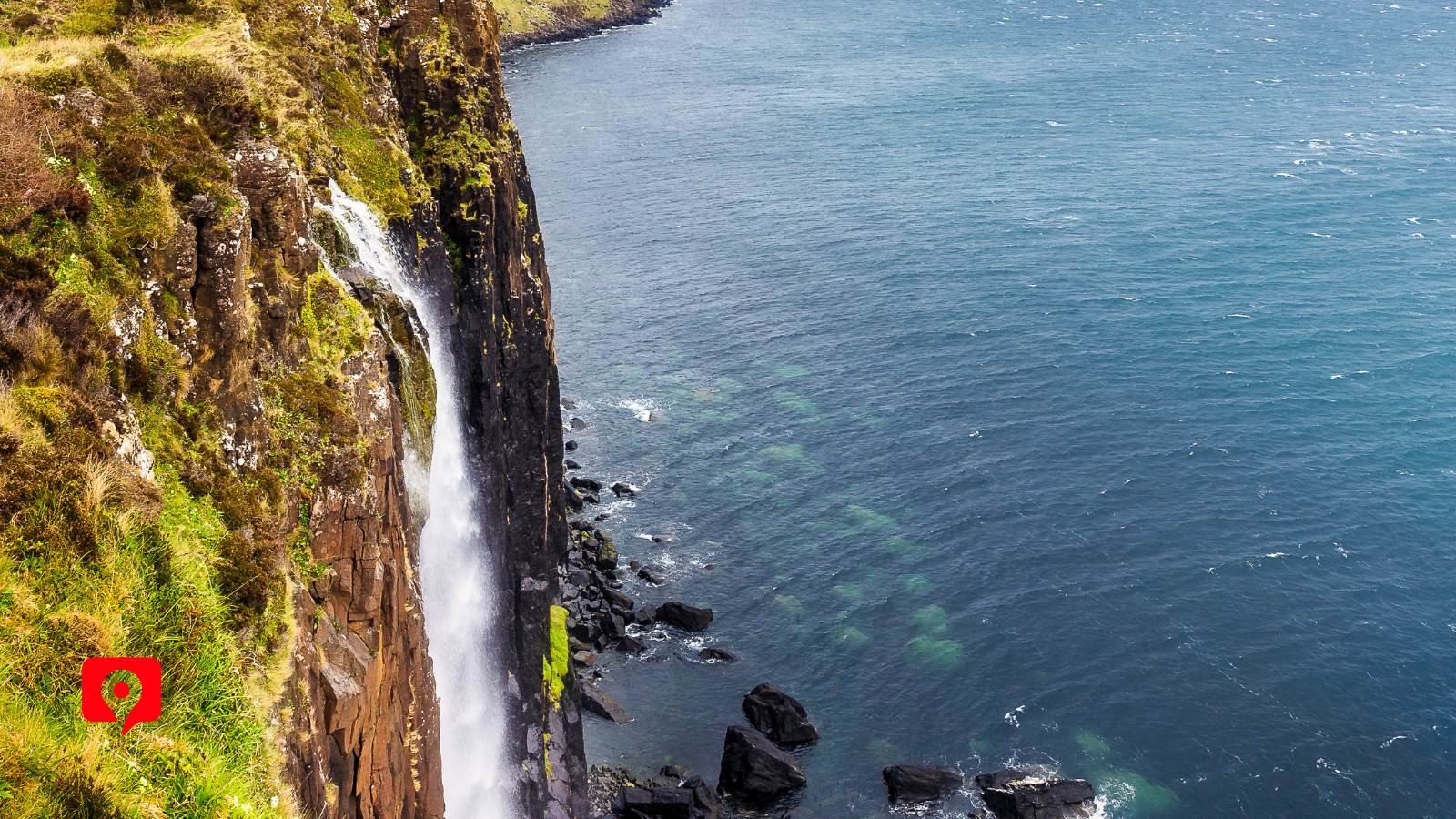
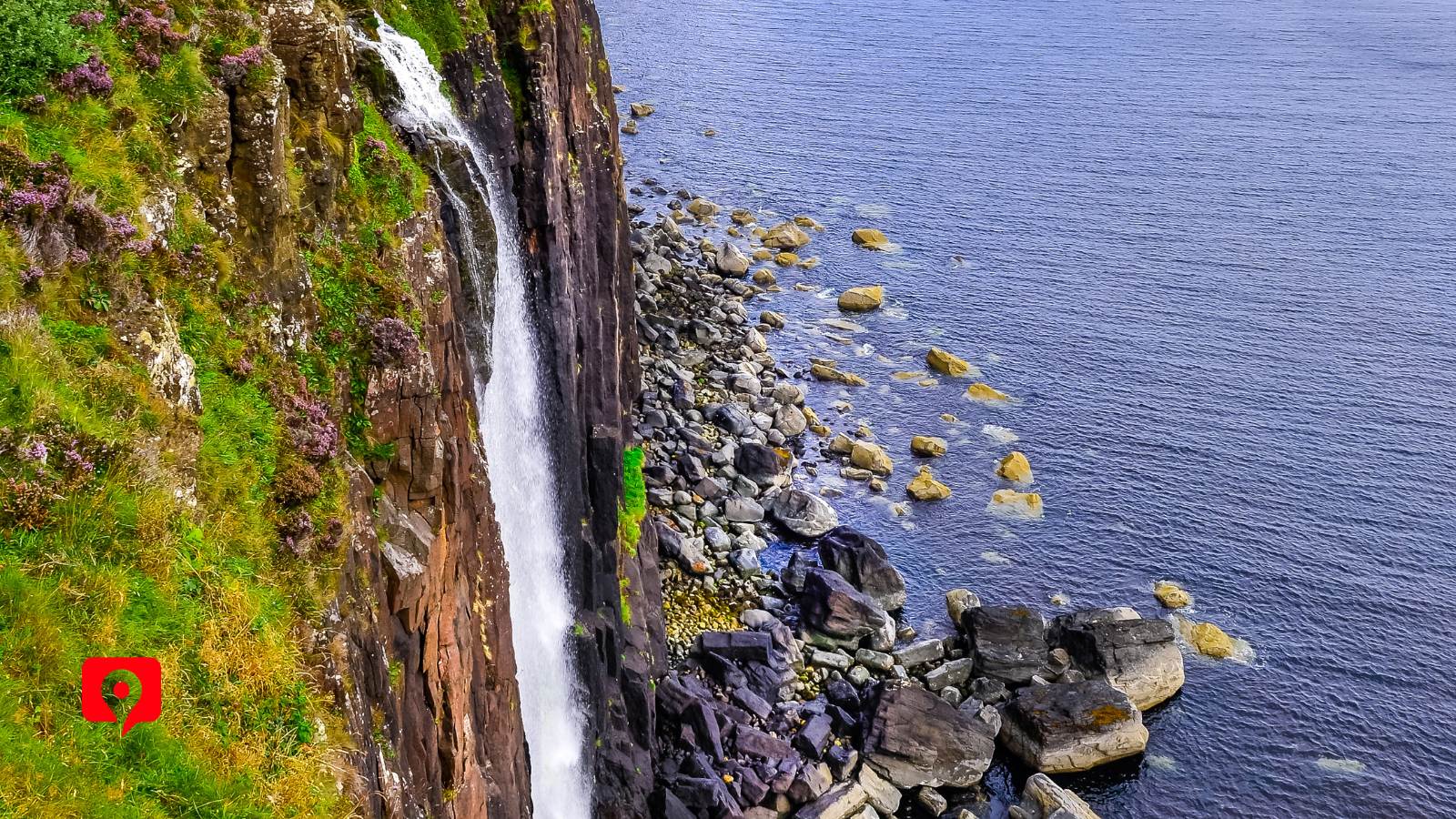
The uniquely folded basalt rocks that resemble a traditional Scottish kilt seem to ripple down the cliffs in careful pleats, as roaring waves and sea spray crash up against the rocks. They’re so distinctive that they’ve been used as a landmark for sailors for centuries! Adding to the drama, Mealt Waterfall drops straight into the ocean next to Kilt Rock in a thundering cascade of crashing water.
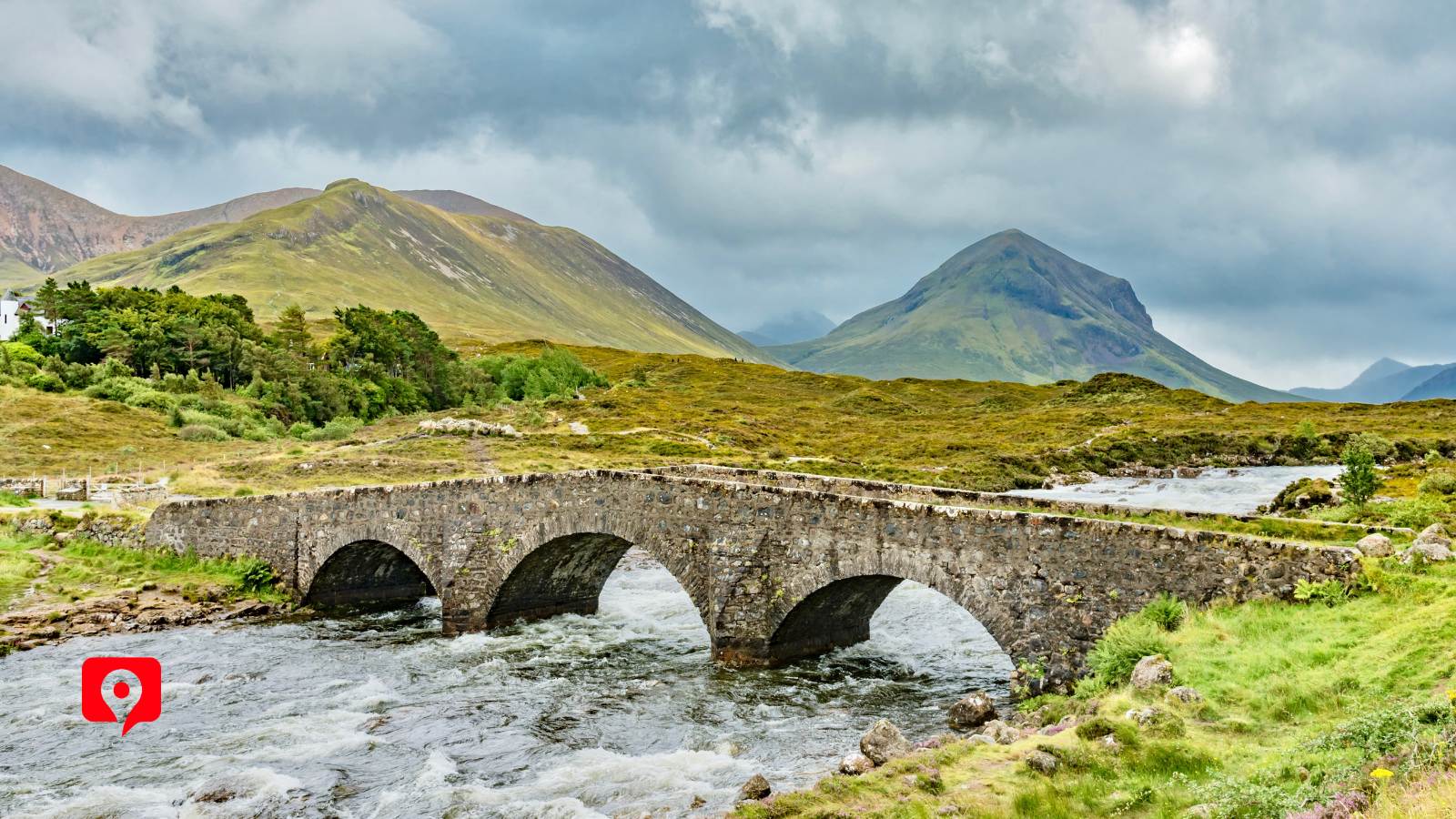
The legends say that visitors to this scenic stone bridge along the drive to Dunvegan can gain eternal beauty simply by dipping their faces in the enchanted waters that flow beneath – but if they don’t placate the Fair Folk correctly, they may have tricks played on them instead! With the Cuillins looming in the background of the Sligachan Glen, this scenic spot looks straight out of a medieval legend.
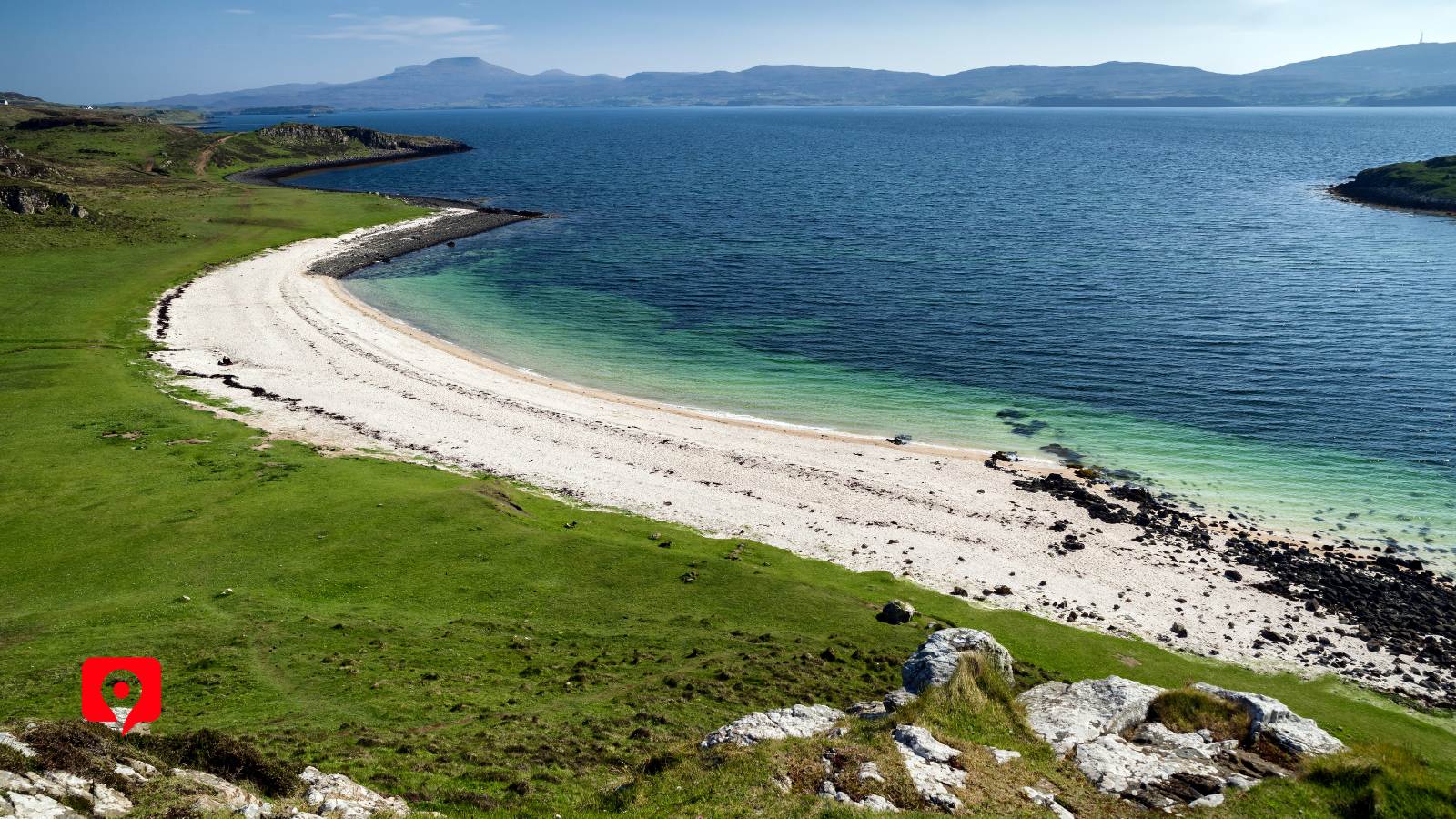
When the sun reflects off the surprisingly white beach and clear water, visitors might think they’ve accidentally crossed through a secret passage into the tropics! This is a uniquely Scottish beach, though, deposited over millennia by the dried and crushed marl-seaweed that is bleached in the sun and washes onto this sheltered beach, where it mimics white sand. Pick some up and marvel at the tiny pieces that mimic dried coral.
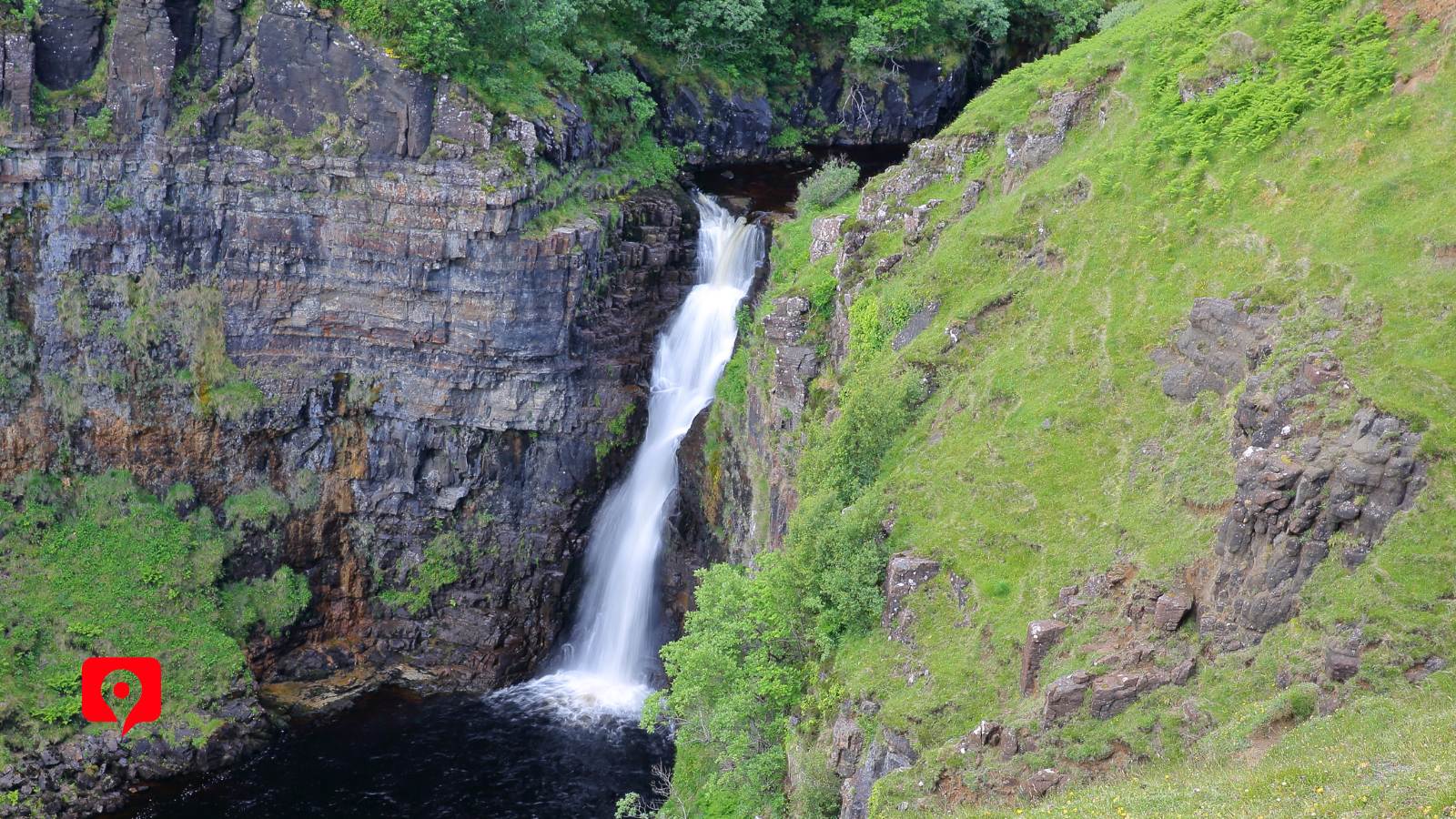
One of the most dramatic waterfalls on the island, Lealt Falls tumbles down the carved rock ledges of a tree-lined gorge before crashing into the ice-cold plunge pool below. Take in the sights from the elevated viewing platform, or adventurers can take a zig-zag path down to the shoreline on the wooden steps and walkways, to stroll the beach below and see the abandoned smokehouses and diatomite factory that hint at Skye’s industrial past.
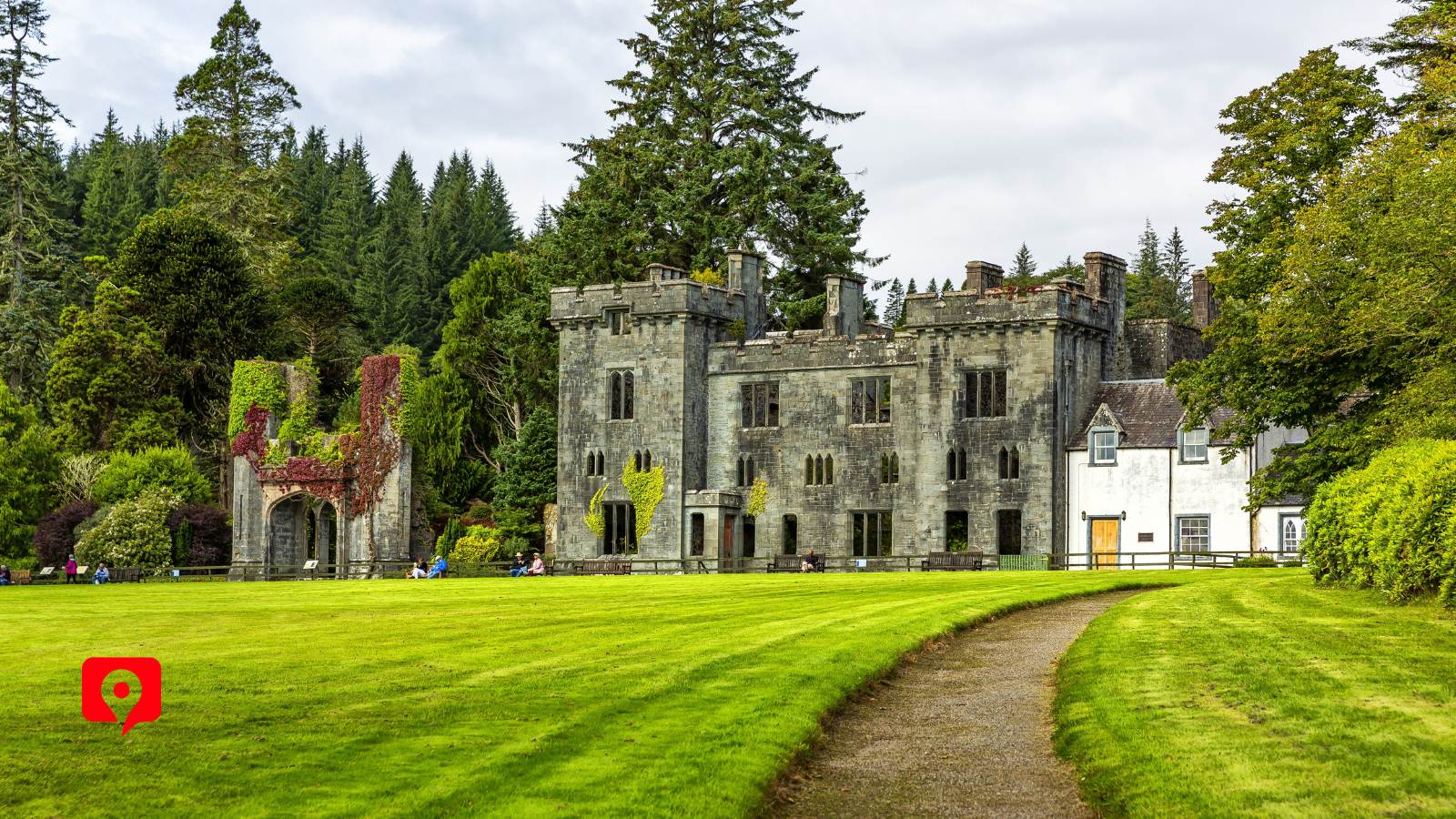
Explore the rich history of the MacDonalds of Sleat, stretching all the way back to the 15th century. 40 acres of public gardens envelop the picturesque ruined castles, set in the gentle rolling hills of the southern woodlands. Famous for its museum commemorating clan history, visitors to Armadale can delve deep into the stories and feuds that once inflamed the island, then gaze across the Sound of Sleat to take in views of the misty mainland.
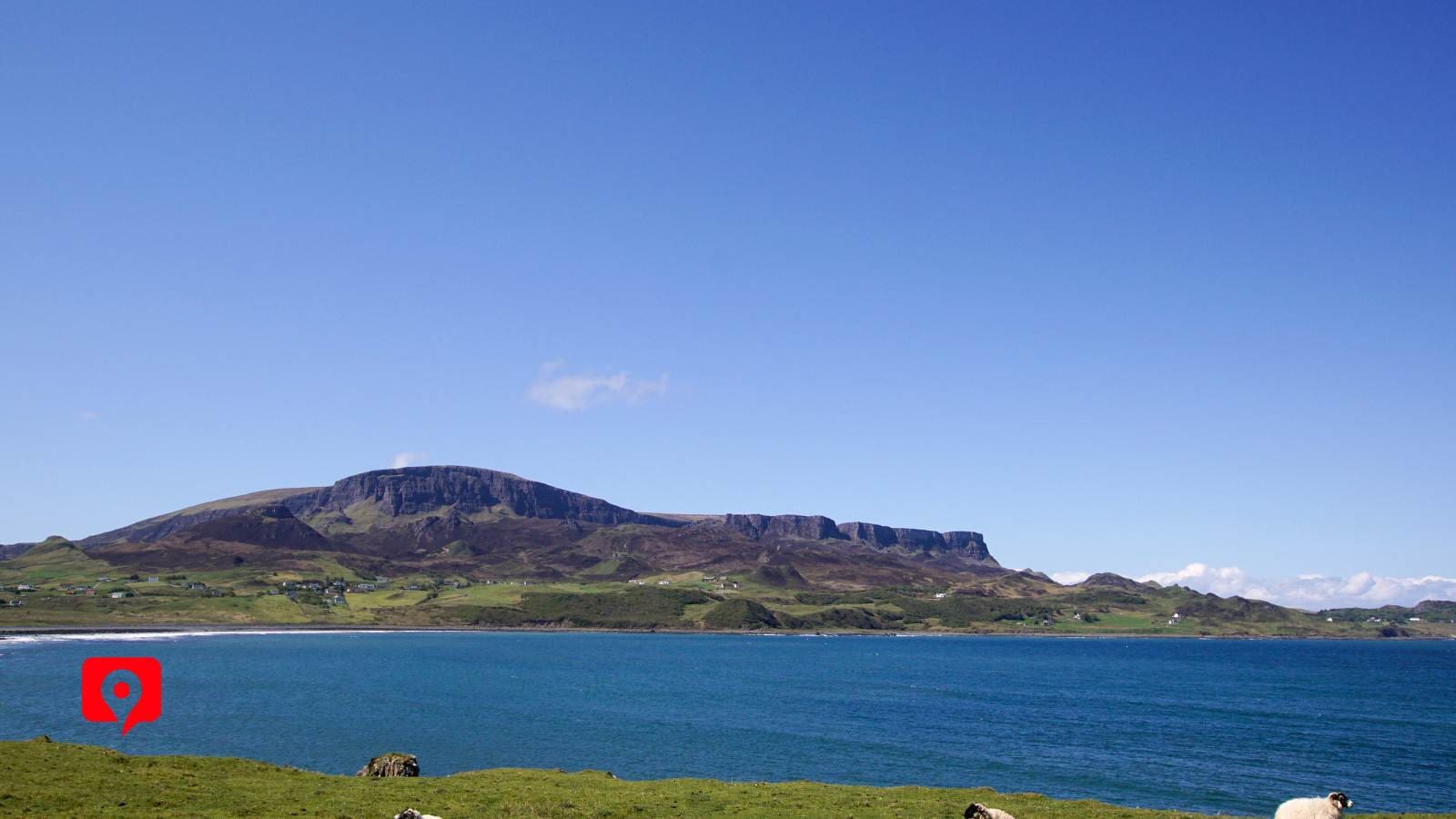
Discover Skye’s “Jurassic Coast,” where a stroll along the black sand beach can reveal hidden evidence of Skye’s prehistoric past. When the tide is fully out, sandstone bedrock reveals the fossilized imprints of three-toed hadrosaur footprints! Remember just to take photos here. Then, dive deeper into Scotland’s dino lore at the nearby Staffin Fossil Museum, which holds an internationally-acclaimed collection of fossilized bones, footprints, shells, plus more artifacts from Skye’s natural history.
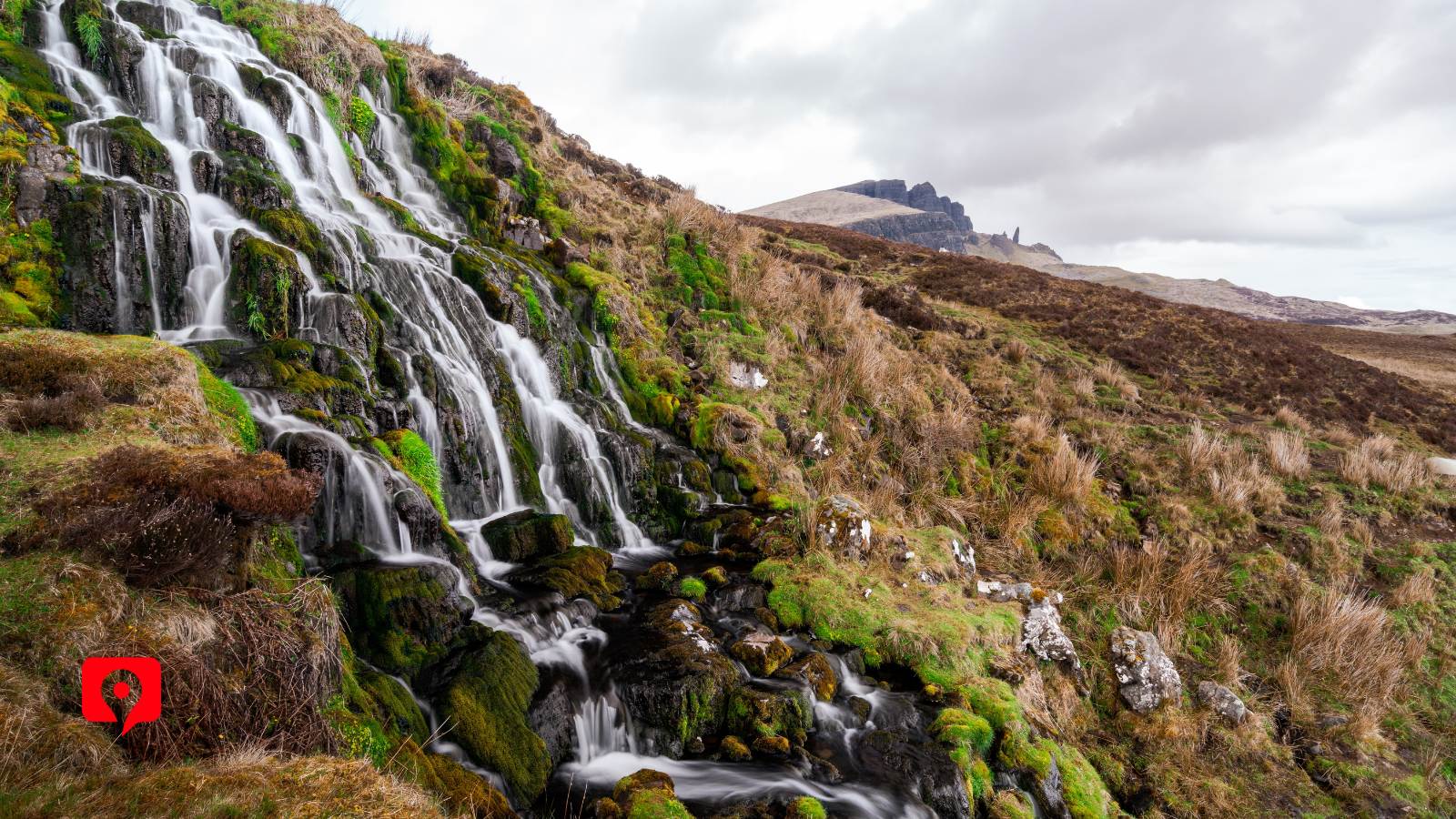
Delicate lines of water join together in a complex interwoven net, giving the Bride’s Veil Falls its name. Visitors who arrive after a rainfall are in for a special treat – the “veil” is especially full and runs dramatically down the hill. Visitors who climb to the top of the waterfall can see the Old Man of Storr from this spot or even capture a photo with both sights in one frame.
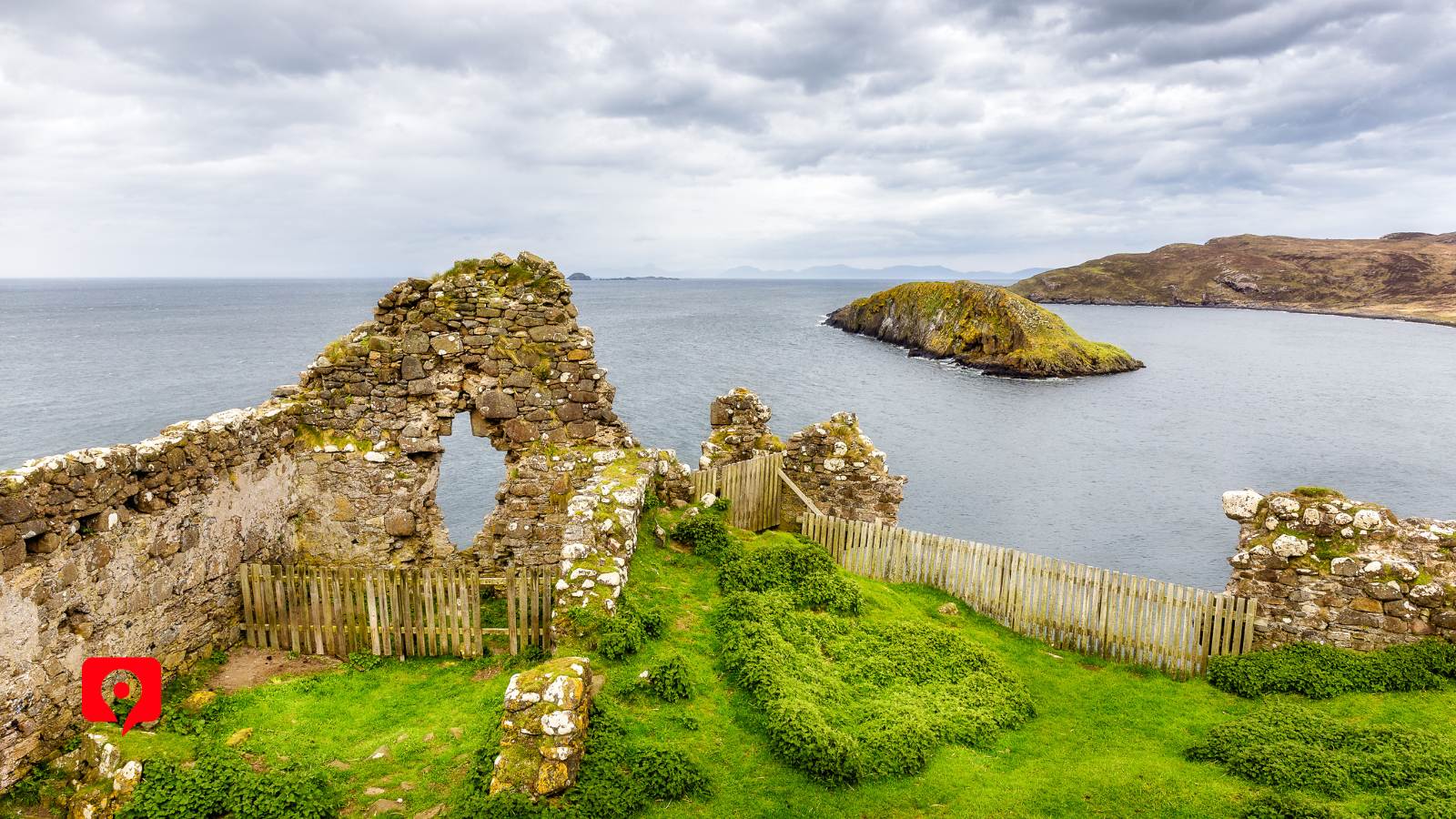
Perched high above the ocean on a dramatic basalt promontory, the ruins of 14th and 15th-century Duntulm offer sweeping views of the coastline and seabirds, along with persistent rumors of the unsettled spirits who still linger. Hear legends of the castle stretching all the way back to the Iron Age, through the Viking Era, and as an embattled stronghold of Clan MacDonald as we wander the hills for spectacular views of the ruins.
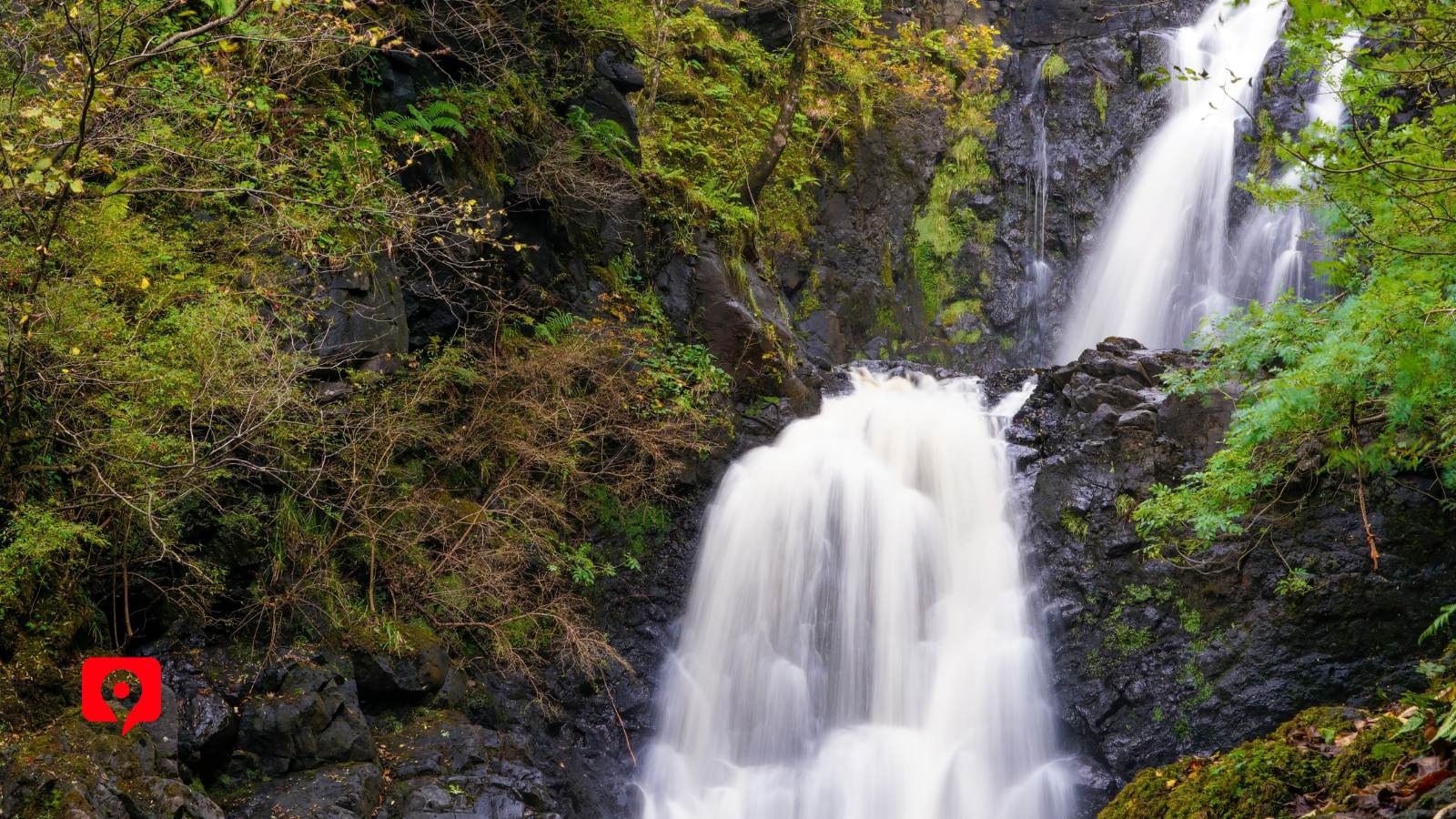
These peaceful falls tumble through the mossy rocks of this hidden glen. Just a short walk up a simple stepped path from Uig, Rha Waterfall feels like a secluded hideout. The unique double waterfall is especially beautiful after heavy rain, with water tumbling over the rocks and filling a burbling creek. Eagles have been spotted here, making Rha the perfect expedition for nature lovers away from the crowds of busier spots.
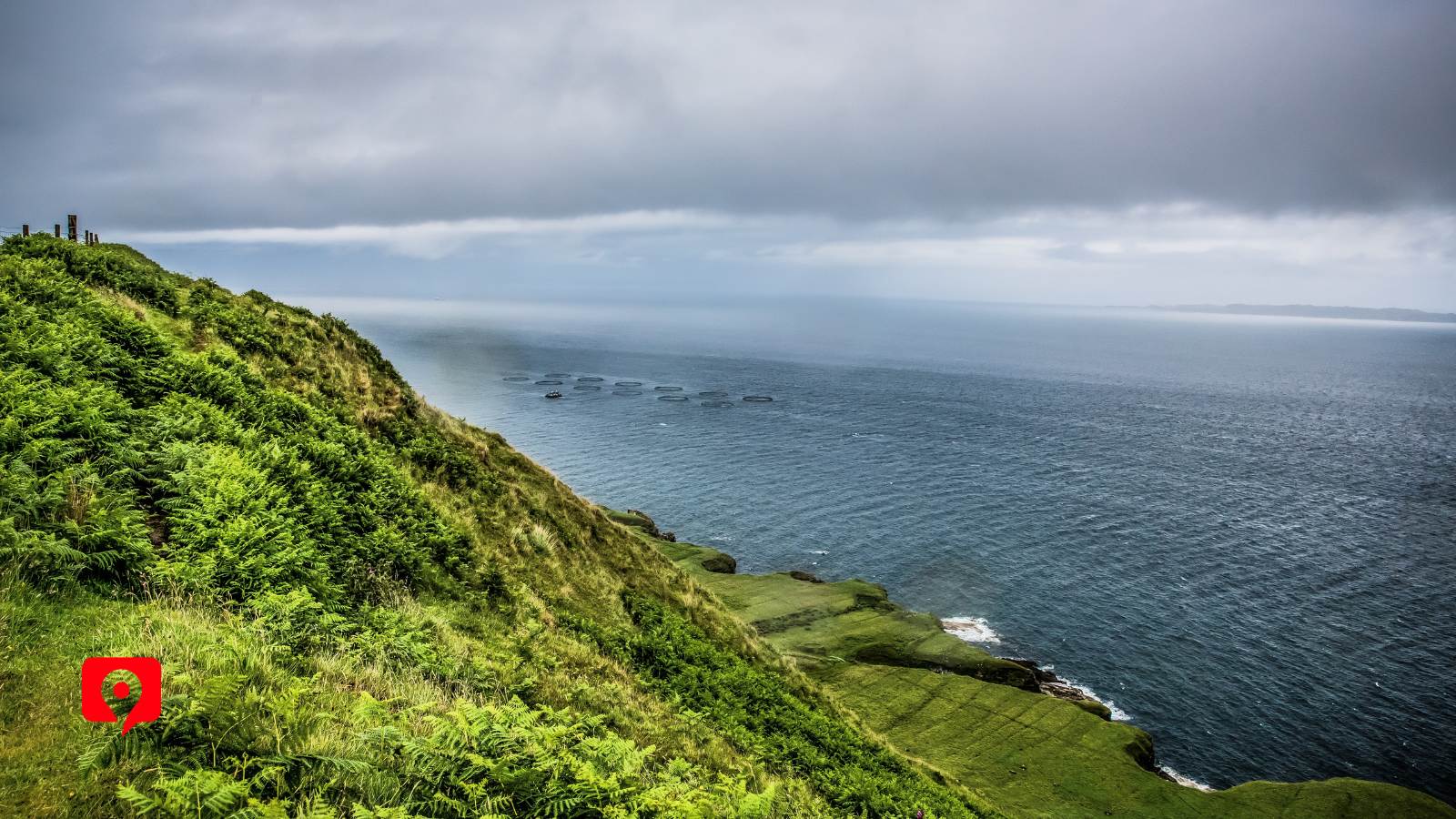
Gaze out over the sea to the Hebrides islands, and even on clear days all the way to the mainland. This view offers everything that visitors adore about Skye: expansive views of sea and sky alongside a tranquil pastoral setting. The peaceful green pastures stretch all the way to the cliffline and place you at the center of this gorgeous scenery, where the world seems to stretch out endlessly in all directions.
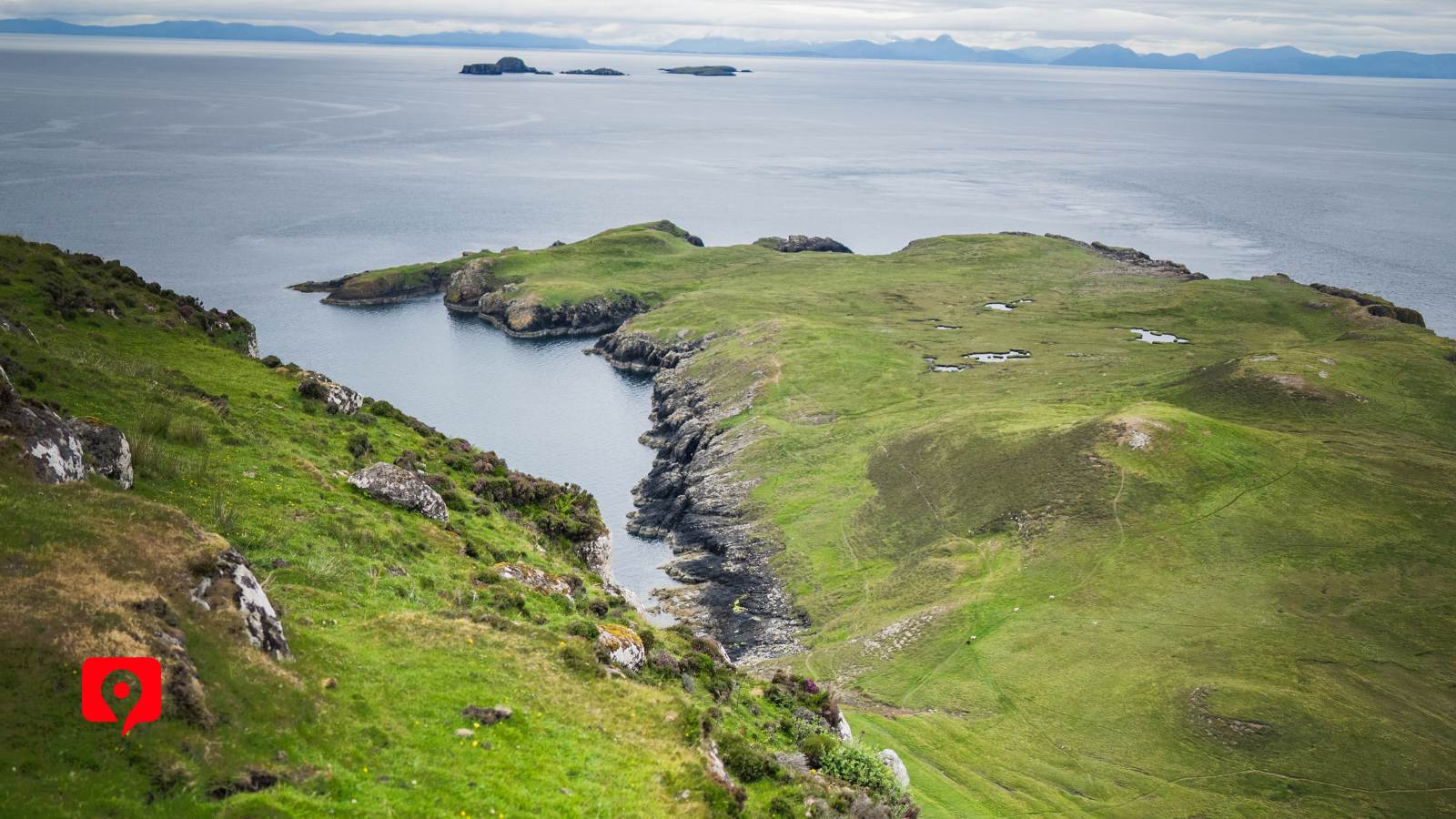
Explorers willing to brave this northernmost tip of the Isle of Skye are in for a rewarding hike. The trail leads visitors to the remote outlook over the sea – a perfect place to spot seabirds, seals, and whales enjoying the rugged beauty of the rocky coastline jutting out into the Atlantic. Full of outstanding views, Duntulm can just be seen from Rubha Hunish’s coast, and the cliffs are a favorite spot for nesting seabirds.
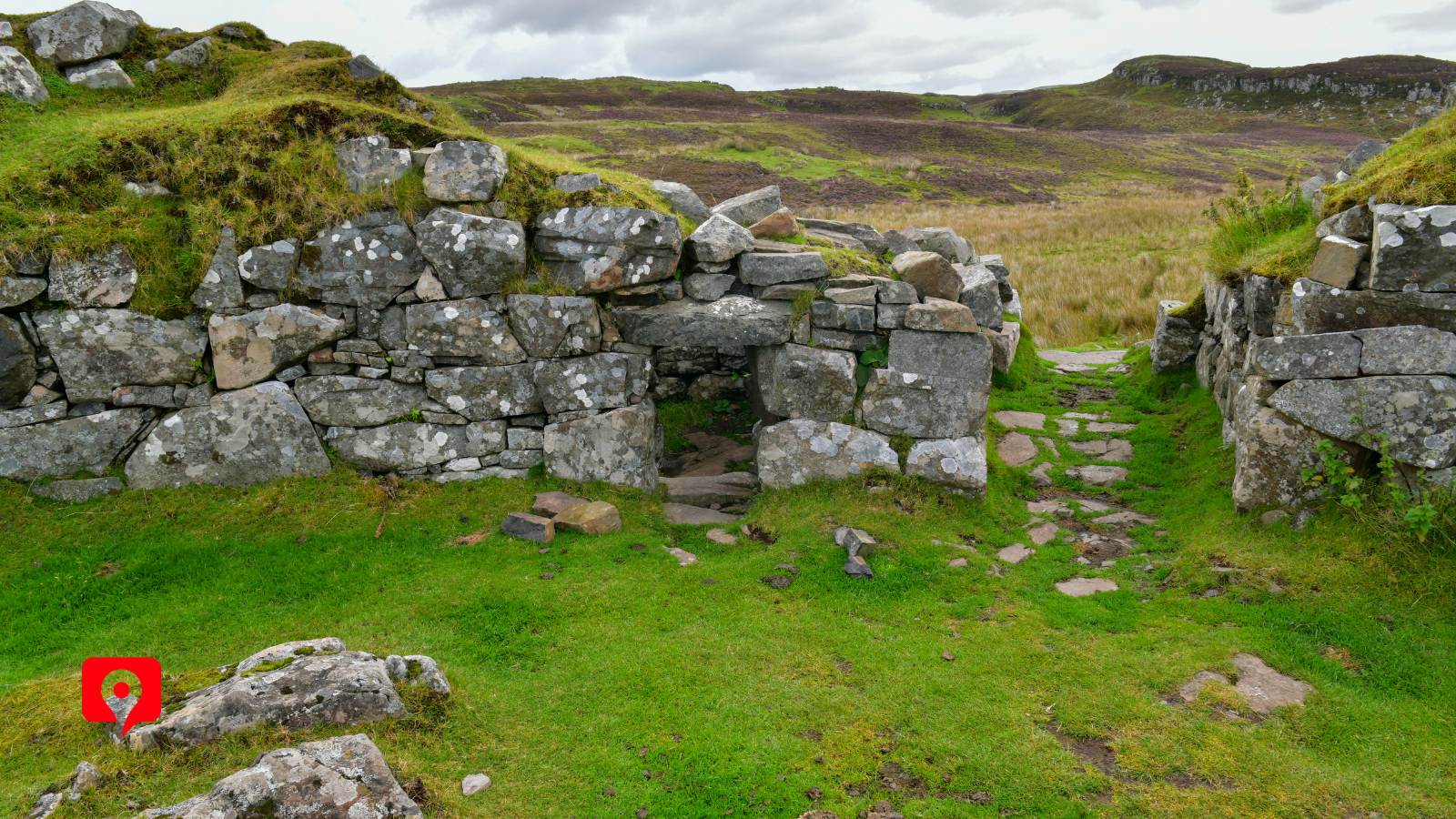
Standing guard over the countryside atop a rocky knoll, Dun Beach bears silent witness to the land, just as it has done for 2,500 years. Visitors can climb to the top of this Stone Age broch – meaning fortified tower – and imagine keeping watch for armed invaders from the sea. The broch’s drystone construction still stands tall and proud and provides a stable ascent, all these centuries later.
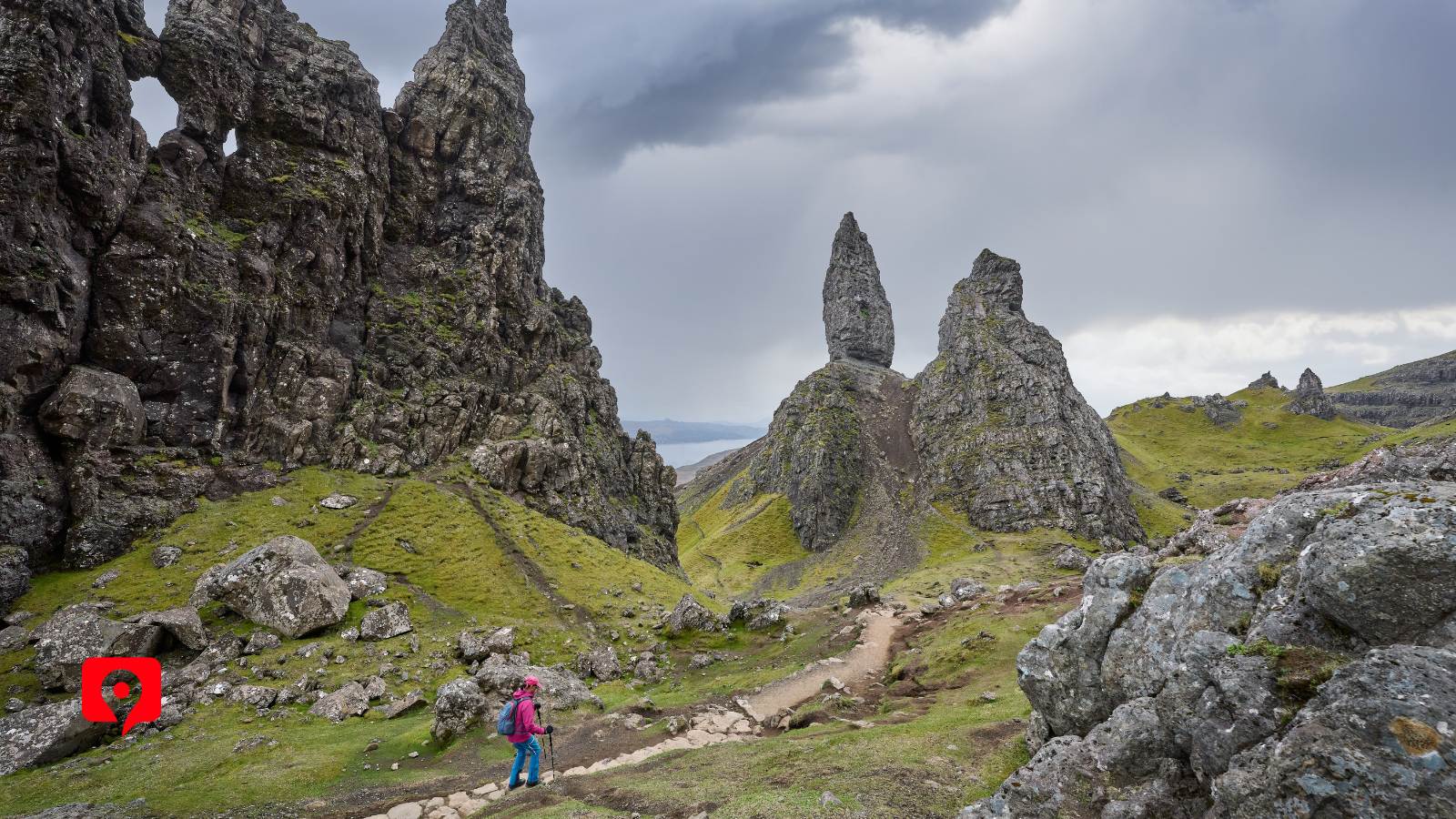
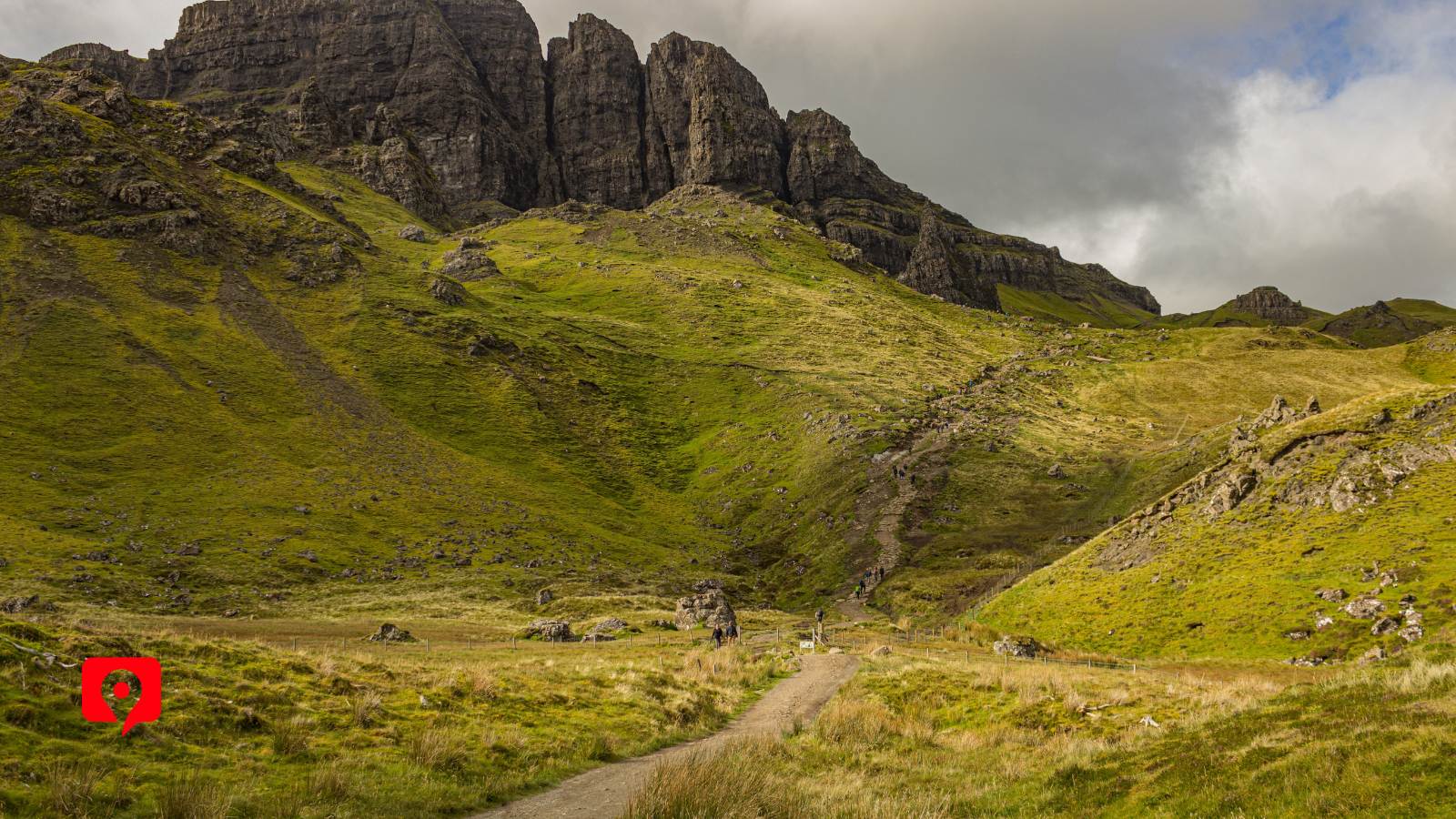
Hiking to the foot of the iconic basalt pillar on Trotternish takes most people about 1.5 hours and covers about 2.5 miles. The trail is clearly defined but moderate in difficulty. The path zigzags up the rocky hill, departing directly from the large Storr Carpark. Hikers who reach the top are rewarded with an up-close look at the Old Man, all that remains of a 2,800 million year old volcanic plug.
Don’t miss the chance to see one of the most popular spots on Skye! This well-maintained path leads 1.5 miles out-and-back to the crystal-clear waterfalls and pools beneath the Cuillins. It takes most people 1.5 hours over gravel terrain, though the path can get rocky in places. The trail to the Fairy Pools departs from a pedestrian gate next to a large carpark dedicated to the Fairy Pools.
The most popular hike on the island, the Quirang, is a giant grassy crater surrounded by basalt pillars. The climb up the prehistoric landslip rewards visitors with otherworldly rock formations and views down into the “bowl” of the landslip and requires occasional rock scrambling with stretches of grassy slopes. The Quirang Loop covers 4.2 miles of grassy, rocky, and occasionally steep sections. It takes most hikers between 2.5 and 4 hours and departs from the large Quiraing Carpark.
This short but steep 1.2-mile out-and-back hike leads visitors to fantastic ocean views by Neist Lighthouse. The trailhead is through a gate alongside the visitors carpark. A well-maintained, steep concrete path leads downhill, with occasional steps and handrails, then up another hill. Visitors are free to explore the Point at the end of the path; look for nesting seabirds, views of The Minch, and aurora borealis.
This peninsula near Staffin leads to rocky cliffs. The path to the cliffs is obvious, but occasionally boggy. It’s considered moderately difficult; the rocky terrain can get slippery, and winds buffet the rocky promontory. The 1.8 out-and-back trail takes about an hour and a half. The trailhead begins at a small roadside pullout on the opposite side of A855 from the Kilena Cemetery – it’s easy to miss, so look for the small wooden signposts.
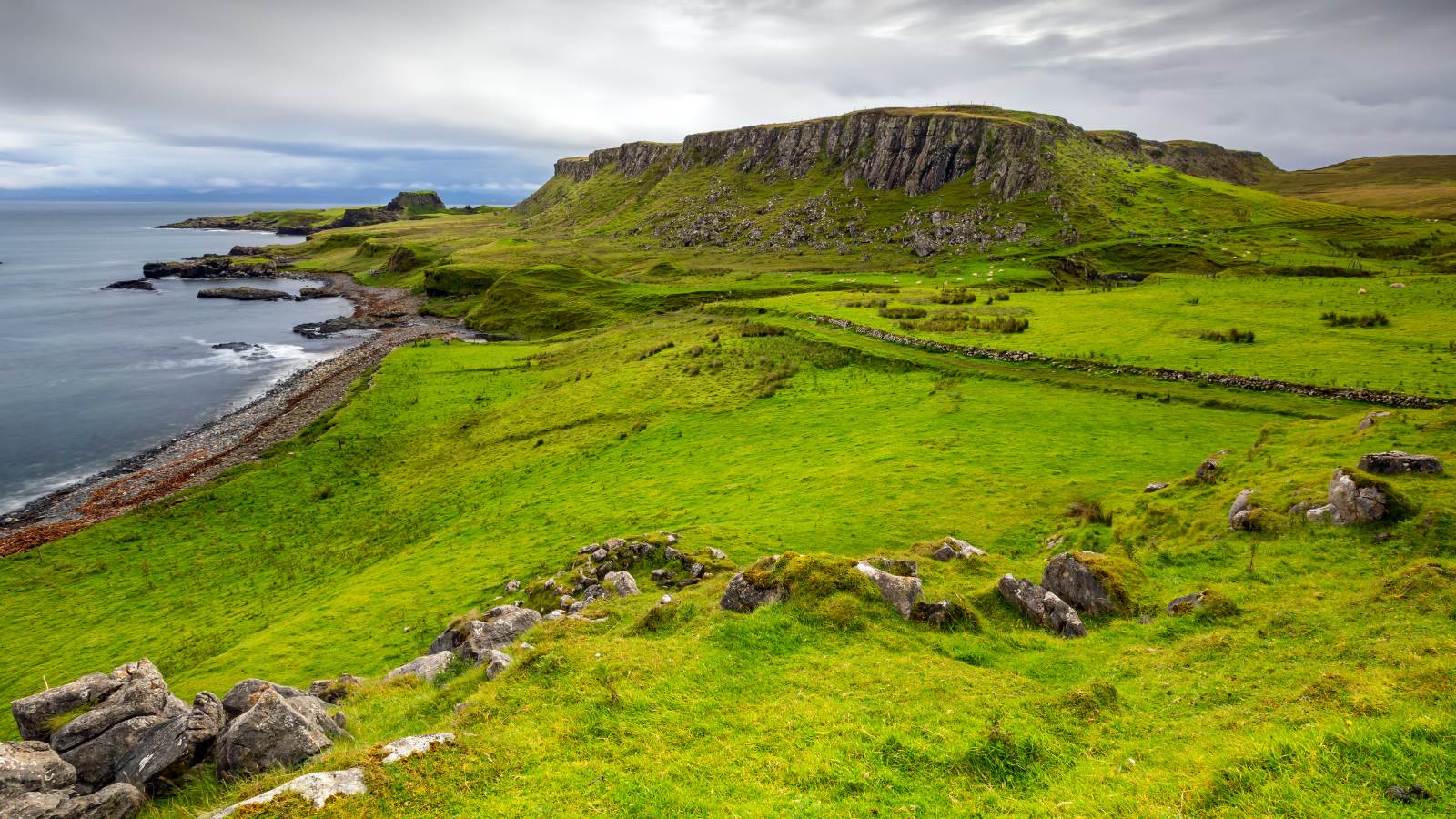
The most iconic spots on Skye are scattered around different peninsulas of the island, so two (very) full days are needed to see everything along the route. This essentially means two nights and three days for planning purposes. With an extra day or two, we can really take the time to explore all the hikes, beaches, castles, and scenic views around the island.
Two full days packs in all the best sights along a carefully designed route that makes the most of Skye’s unique geography, along with enough time to choose a couple of hikes to enjoy, like Storr, Rubh Hainish, or Neist Point. A good rule of thumb is to stay near enough to Portree to grab a meal or shelter from rain – the good news is that Skye isn’t a huge island, and top sights like Staffin and Dunvegan are only about a 30-minute drive from the de facto capital town. This gives the day some flexibility to adjust to weather, energy levels, and spur-of-the-moment bouts of adventure.
For visitors who really only have one day, pick which sight along the route is the top priority, and design the drive around that destination. The Old Man of Storr, Armadale, and the Fairy Pools are all popular anchor destinations. A shortened, one-day trip to Skye could include driving an hour from Kyleakin to Storr for the Old Man of Storr Hike. This leaves enough time to loop around the Trotternish Peninsula to see a few other can’t-miss spots, like An Corran Beach, The Quiraing, and Dunvegan.
With three days or more, we can really make the most of everything Skye has to offer, including plenty of time taking in sights of the Black Cuillins in the South of Skye and seeing some of the lesser-known sights on the Sleat Peninsula, like Dunscaith Castle, which requires a bit of an extra drive but rewards visitors with some beautifully ruined stonework. Travelers with extra time may wish to book a short boat jaunt from Dunvegan to see the seal colonies or a boat trip from Elgol to see the moody Loch Coruisk, set deep in the Black Cuilins.
To truly get two full days on Skye, plan on an extra half-day before or after for sufficient travel time onto or off the island. Plan on spending at least one night in Portree:
ARRIVAL DAY
If you’re arriving via the Skye Bridge, plan on a leisurely 2-hour drive up to Portree with some sightseeing along the way. If you arrive by ferry into Armadale, enjoy the nearby castle and stunning Sound of Sleat views too, min. 3 hours.
DAy 1
Assuming the weather cooperates, explore the Trottenish Peninsula on the first full day. Leave 1-2 hours for the Old Man of Storr hike. Check out Kilt Rock, the Quiraing, An Corran, and Fairy Glen.
DAY 2
Discover western Skye on the next day: Dunvegan, Coral Beach, Neist, and Fairy Pools.
DEPARTURE DAY
As you head out of Portree, take the opportunity to see any sights you missed on your way in. If you arrived via the bridge, consider leaving via the ferry at Armadale and vice versa.

Pack a DC Charger: Using location services will drain your battery faster so bring a 12V DC charger for keeping your phone charged throughout the day.
Rain Gear: it’s rainy, it’s muddy, it’s wet – and it’s best to be prepared. Waterproof jackets and socks make it so much easier to enjoy the landscape. Layers keep the chill away (even in summer).
Hiking Boots: Don’t forget something sturdy for the hikes and walks, which can get muddy.
Swim Gear: For the days you’re visiting Fairy Pools or Coral Beach.