00:00

Iceland’s south coast holds an astonishing variety of landscapes. Volcanic deposits created the distinctive black sand beaches and geometric basalt formations at Reynisfjara. Erosion has sculpted even more mountainous views at Dyrhólaey Cape, where the Sea Arch is a favorite photo spot and nesting puffins thrive in the rocky cliffs.
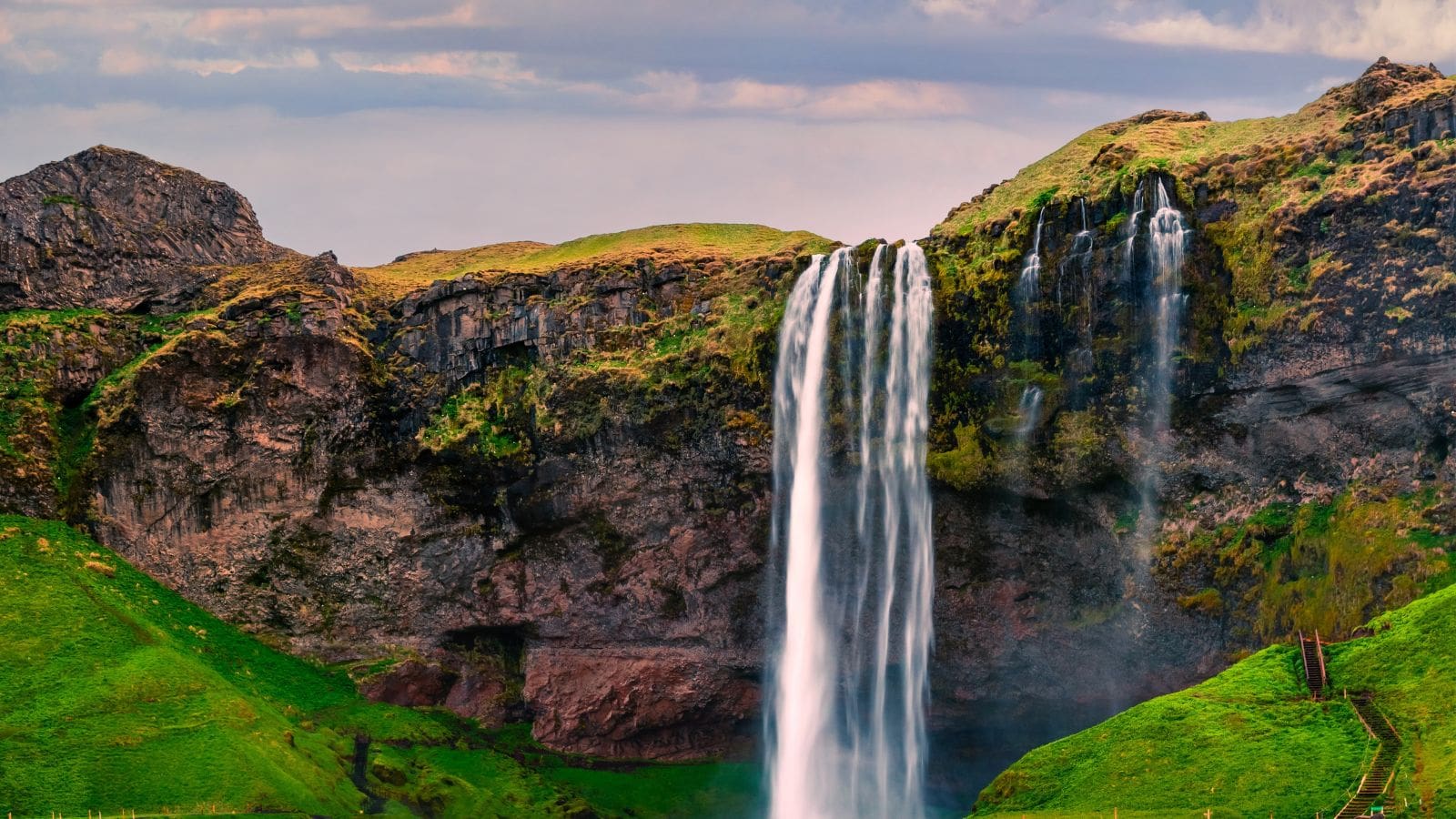
This stretch of the Ring Road also leads to some of the most impressive waterfalls in the entire country. Lying along a prehistoric sea cliff that is now inland, waterfalls like Seljalandsfoss, Gljúfrabúi, Írárfoss, and Skógafoss are easily accessible from the Ring Road.
The evidence of volcanic activity is everywhere in the south, from bubbling hot springs and geysers at Hveragerdi to the rust-red hills at Raudhólar. Two major volcanos, Hekla and Eyjafjallajökull, stand in the south as well.

Most travelers arrive at Keflavík International Airport (KEF), which is about a 45-60 minute drive from the tour starting point at 100 Miklabraut, entering Reykjavik via Route 41. Many travelers choose to rent a car directly at KEF, or take the FlyBus Shuttle into Reykjavik and rent a car there.
Some travelers fly directly into Hofn Airport (HFN), which is smaller but gives faster access to spots in the north. It is about a 3-hour drive away from the tour’s starting point in Vík í Mýrdal

Reykjavik connects to the Ring Road circling Iceland via Route 1/Hrinvegur. If you’re starting from another town, like Selfoss or Vik, simply pick up the audio commentary along Ring Road.

The FlyBus Service offers transport between KEF and Reykjavik, where there are many car rentals available.

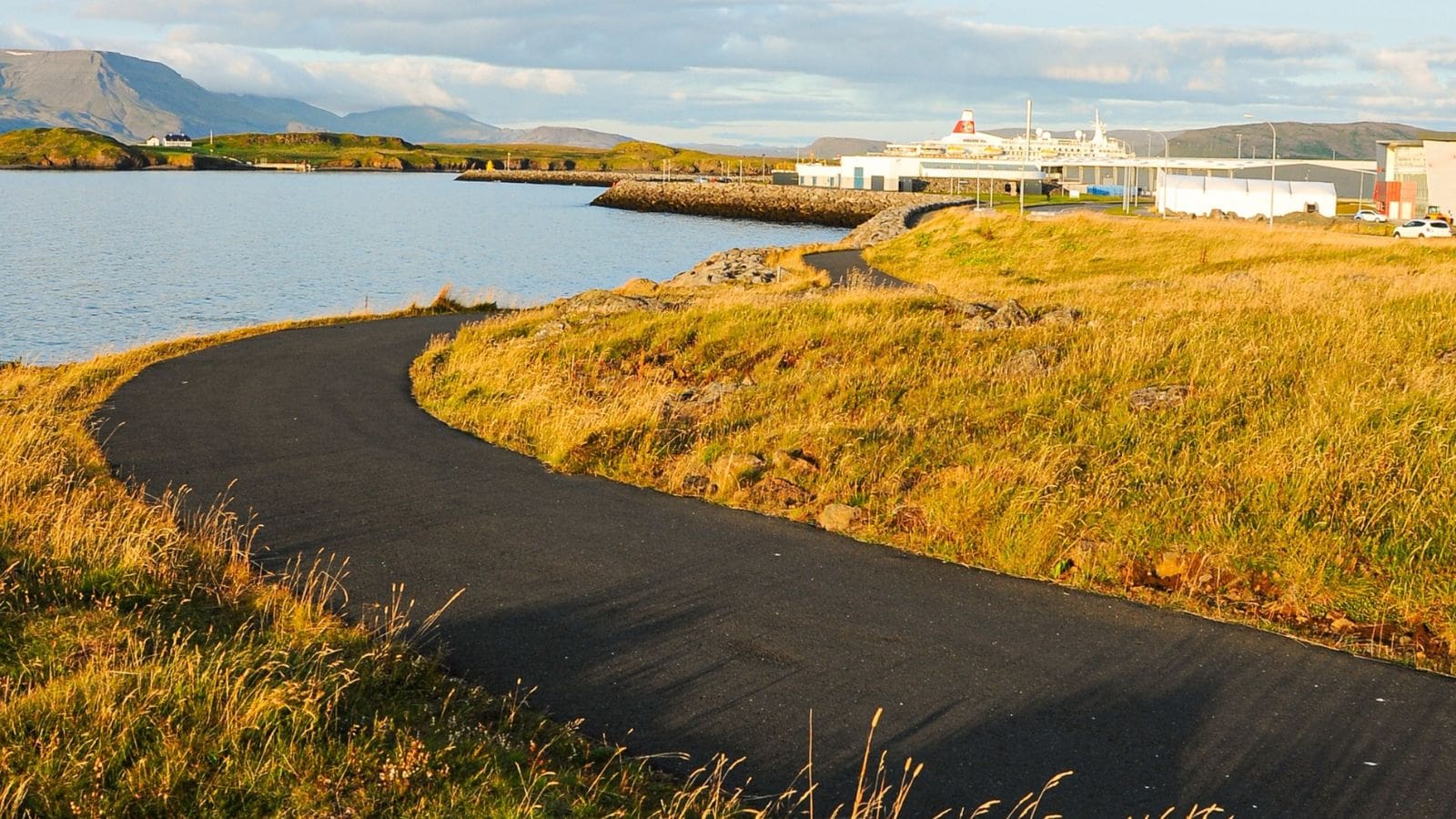
Visitors arriving on a cruise ship usually dock at Skarfabakki Terminal, which is about 2 miles away from Reykjavik’s city center. Once in Reykjavik, rent a car to continue on the tour.
There is no specific fee to enter or exit the Ring Road in Iceland. Keep in mind that several of the attractions along our route charge admission and require reservations.
Hotels
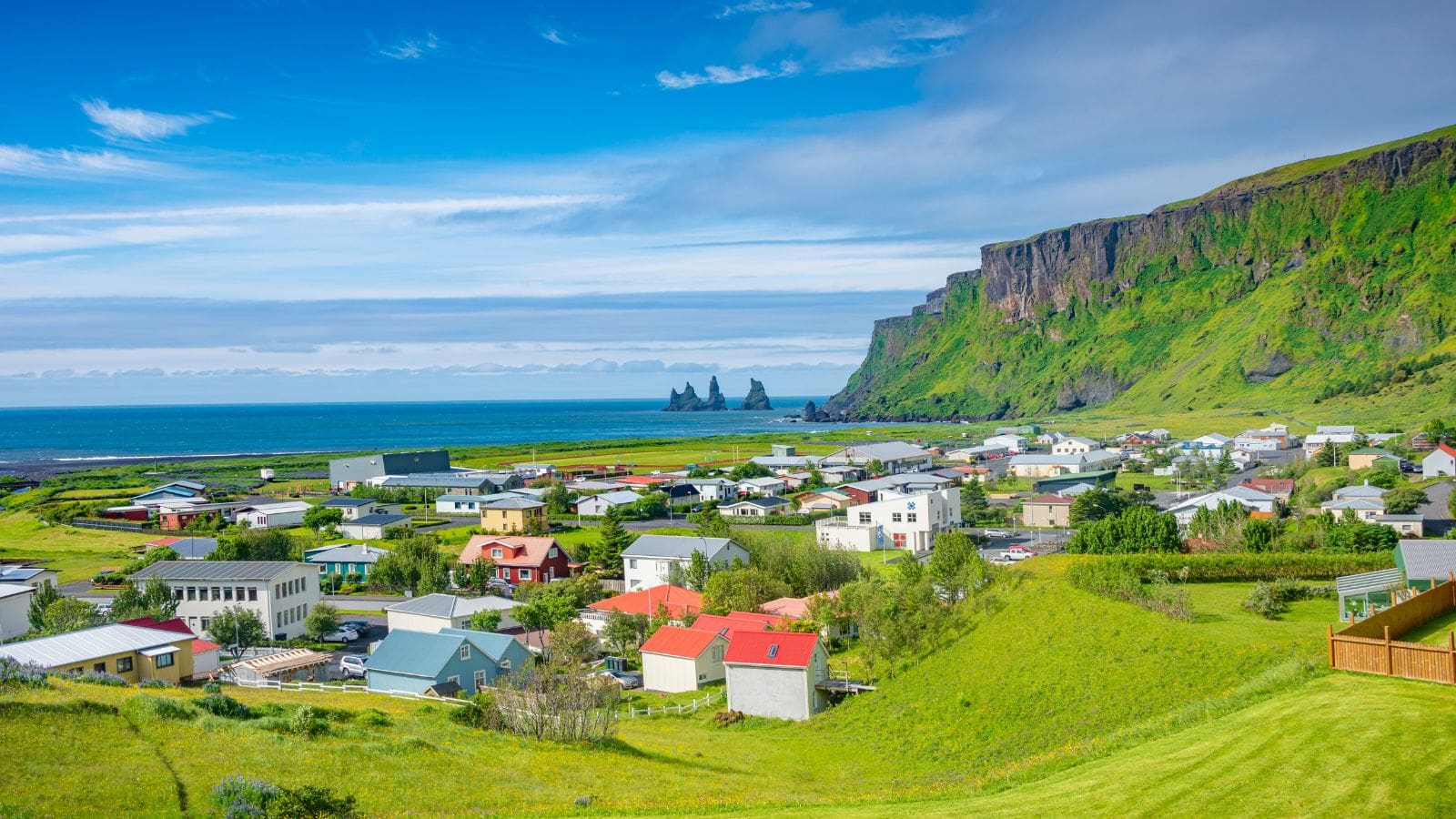
There are plenty of options in Southern Iceland – just remember to book well in advance, as accommodations fill up quickly during the peak summer season. There are several small towns along our Ring Road route, all with options ranging from cozy B&Bs to luxury stays with on-site geothermal spas. Staying in Vik is a good way to spread the driving tour conveniently over two days, with a chance to get early-morning views of the black sand beaches, sea stacks, and maybe even puffins. Staying in Selfoss is another popular choice, as it gets you much closer to the waterfalls on our route. Many people prefer staying in Reykjavik for the amenities and easy drive to the airport, so making that your home base is also a solid choice.
Campsites
Camping in Iceland’s rugged landscape is a special experience. There are a wide range of camping amenities available along the south coast, ranging from primitive tent-camping spots to campervan parking areas to heated cabins. Review the options on the Parka app. Many campsites operate on a first come, first served basis, while others can be reserved on the Tjalda site, a division of the Parka app.

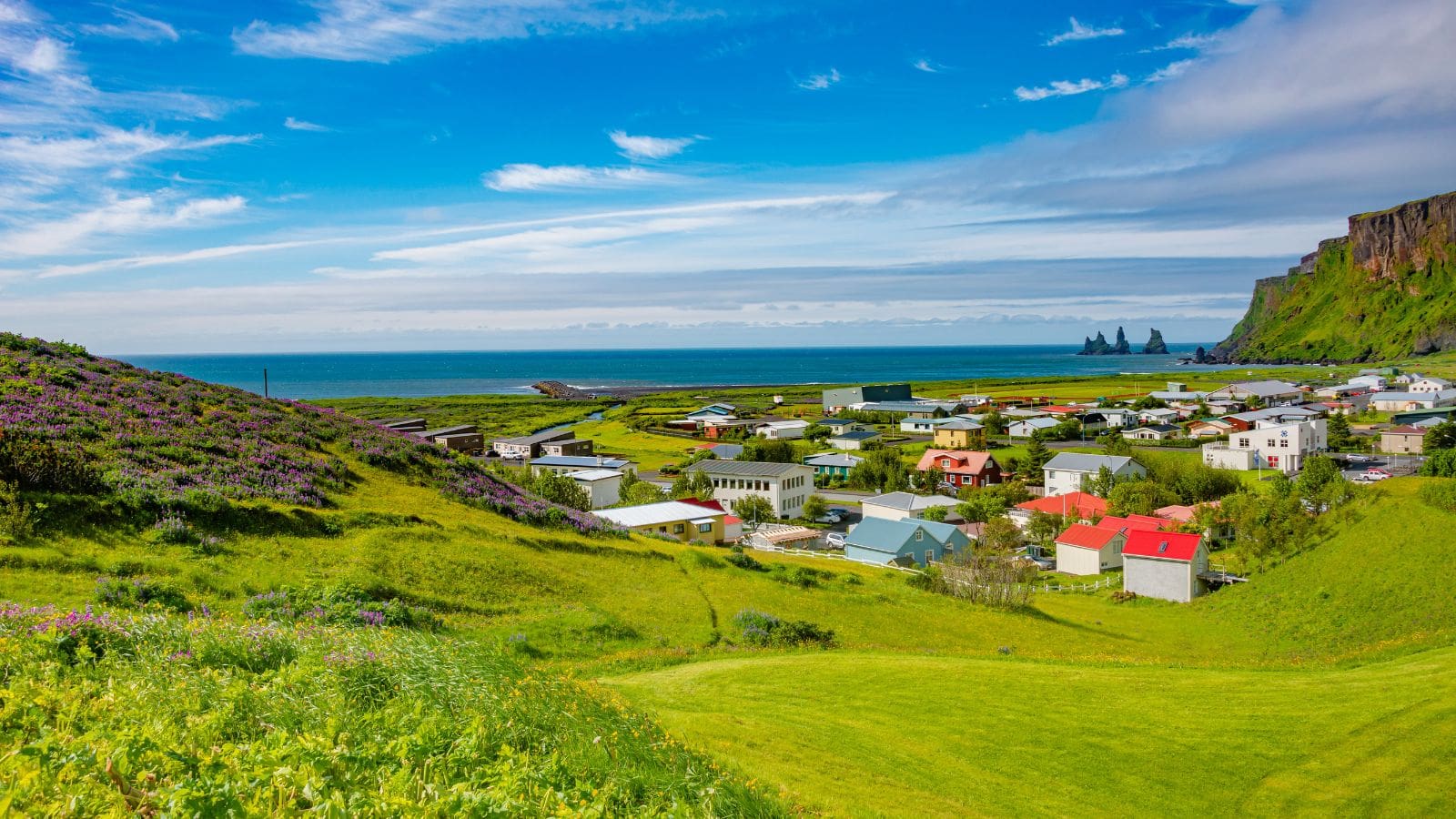
Summer, June through August, is the peak season, with extended daylight hours giving you more time to explore. Puffins are active at Dyrhólaey Cape, and the temperatures are in the mid-60s. This is also the most crowded season, so make reservations early.
There’s more chance of spotting Northern Lights in the fall, between September and October, and roads are in generally good condition, with fewer crowds than summer.
If you’re prepared for cold temperatures and can be flexible in your travel dates, winter is the peak time for seeing the Northern Lights and snowy landscapes. Brave travelers can book glacier hiking trips.
In April and May, the waterfalls are at full capacity, thanks to snowmelt. The weather can be unpredictable and muddy in spring, but there are generally fewer crowds.
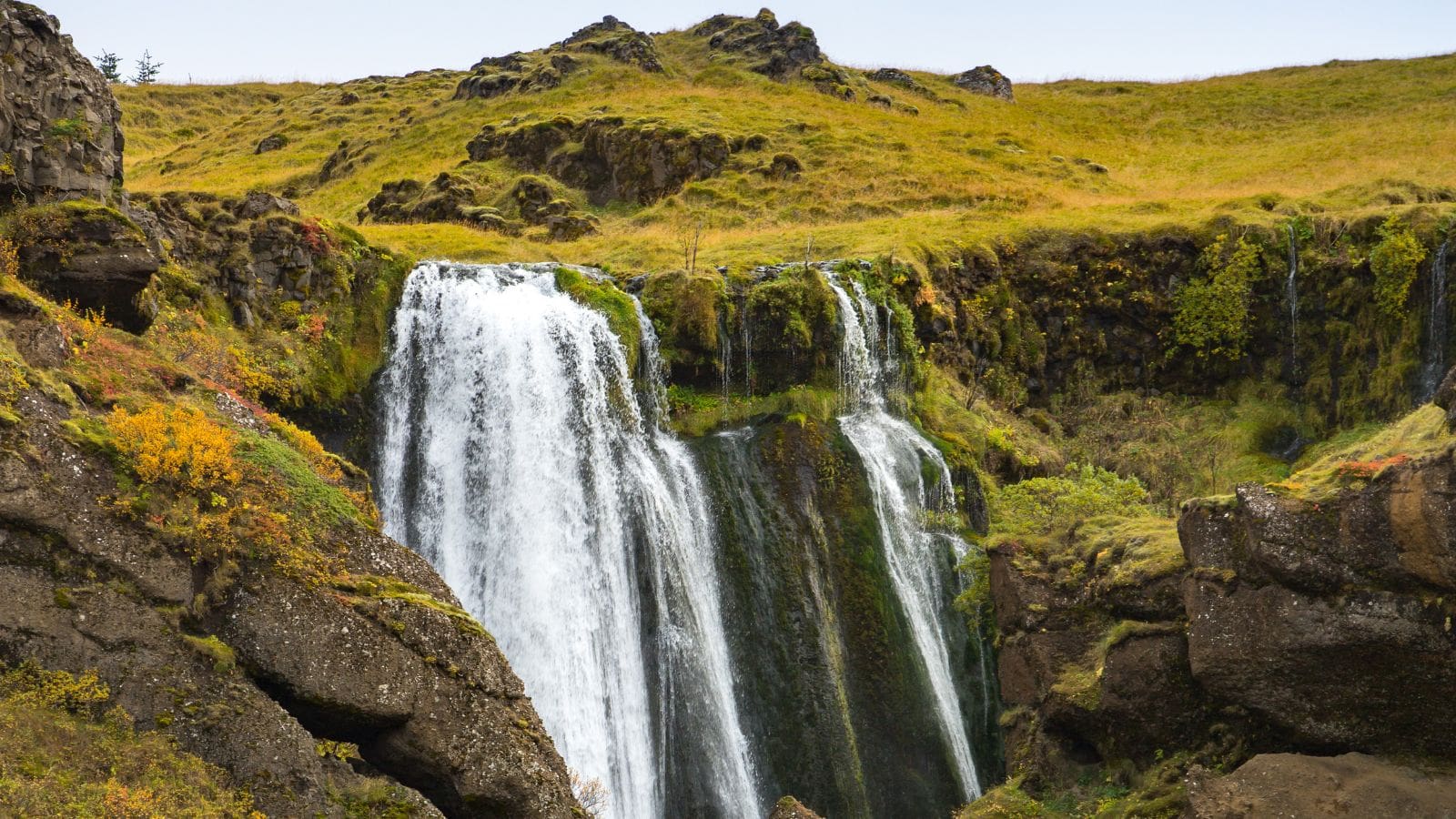
Drive down this volcano-formed cape to the southernmost visitable tip of Iceland. Marvels of nature compete for attention here, including an erosion-carved sea arch that looks like something from ancient Rome. In the distance, spot the sea stacks that are said to be frozen trolls. In the summertime, puffin colonies return to their ancestral nesting spots along the rocky cliffs here, diving for fish and entertaining generations of visitors.
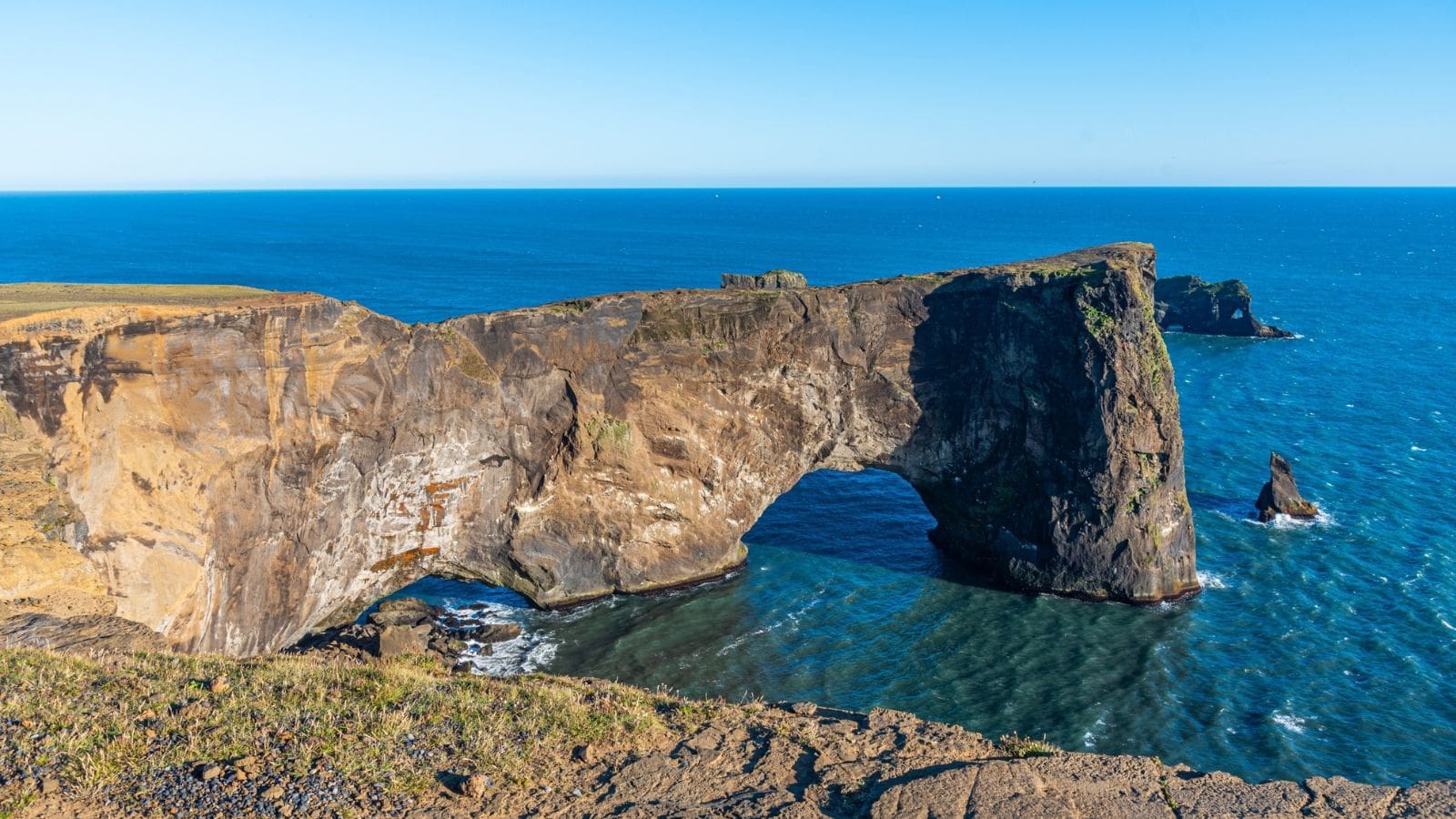
Marvel at one of the most famous waterfalls in all of Iceland. Its 200-foot cascade fed by the mighty Eyjafjallajökull Glacier isn’t all that makes Seljalandsfoss special – there’s a trail that actually leads visitors behind the waterfall for a truly magical experience. Just off the Ring Road, we’ll see these iconic falls and explore its lesser-known neighbors like Gljúfrabúi and Ömpuhellir Cave for good measure.
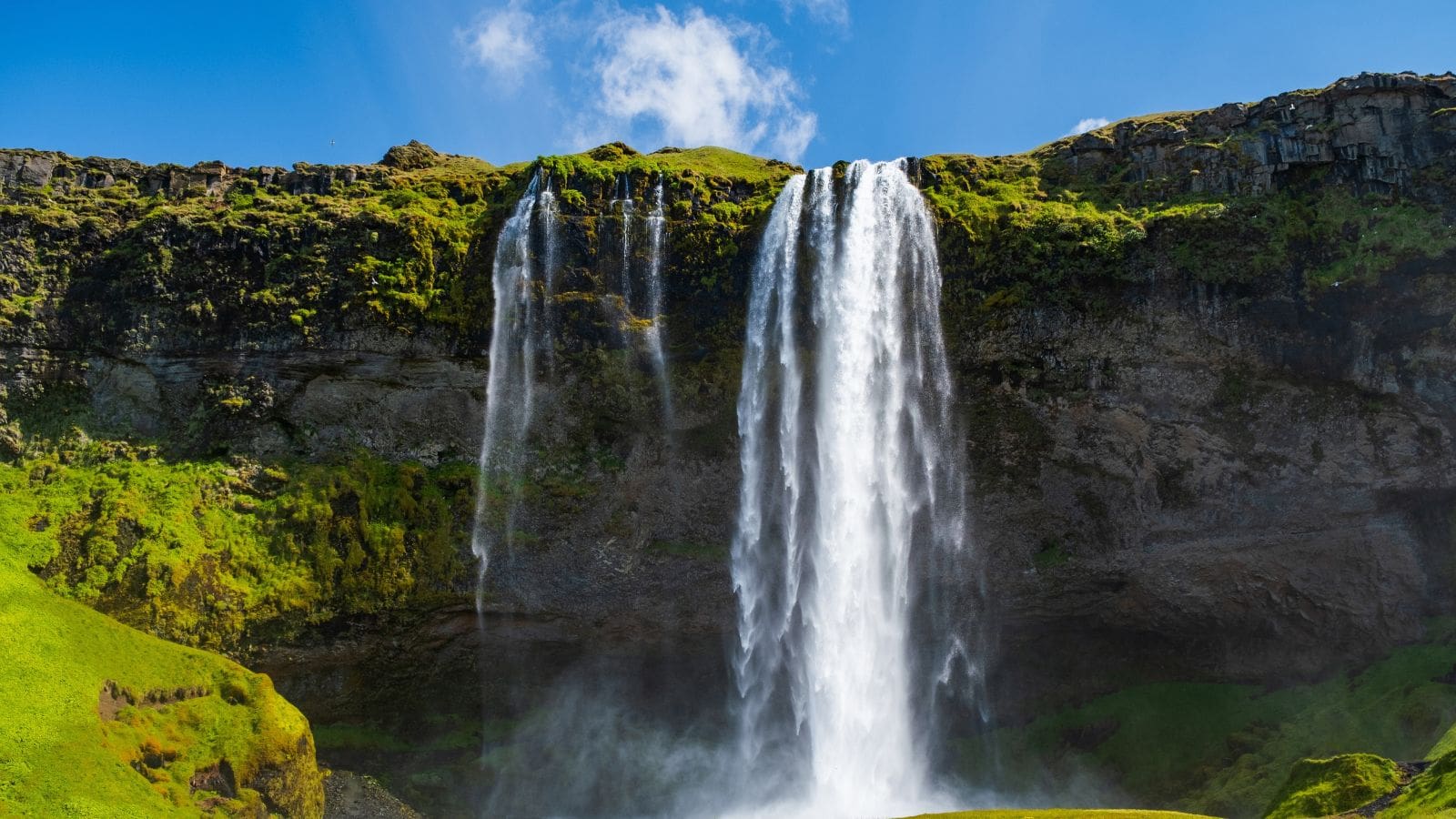
See an Icelandic Glacier up close at Sólheimajökull. Because it’s a naturally occurring outlet of the larger Mýrdalsjökull Glacier, the ice cap covering the Katla volcano, Sólheimajökull is much easier to visit than other ice sheets in Iceland. From the viewpoint, we’ll see the massive blanket of ice, and the lagoon that’s growing larger every year from the glacier’s meltwater.

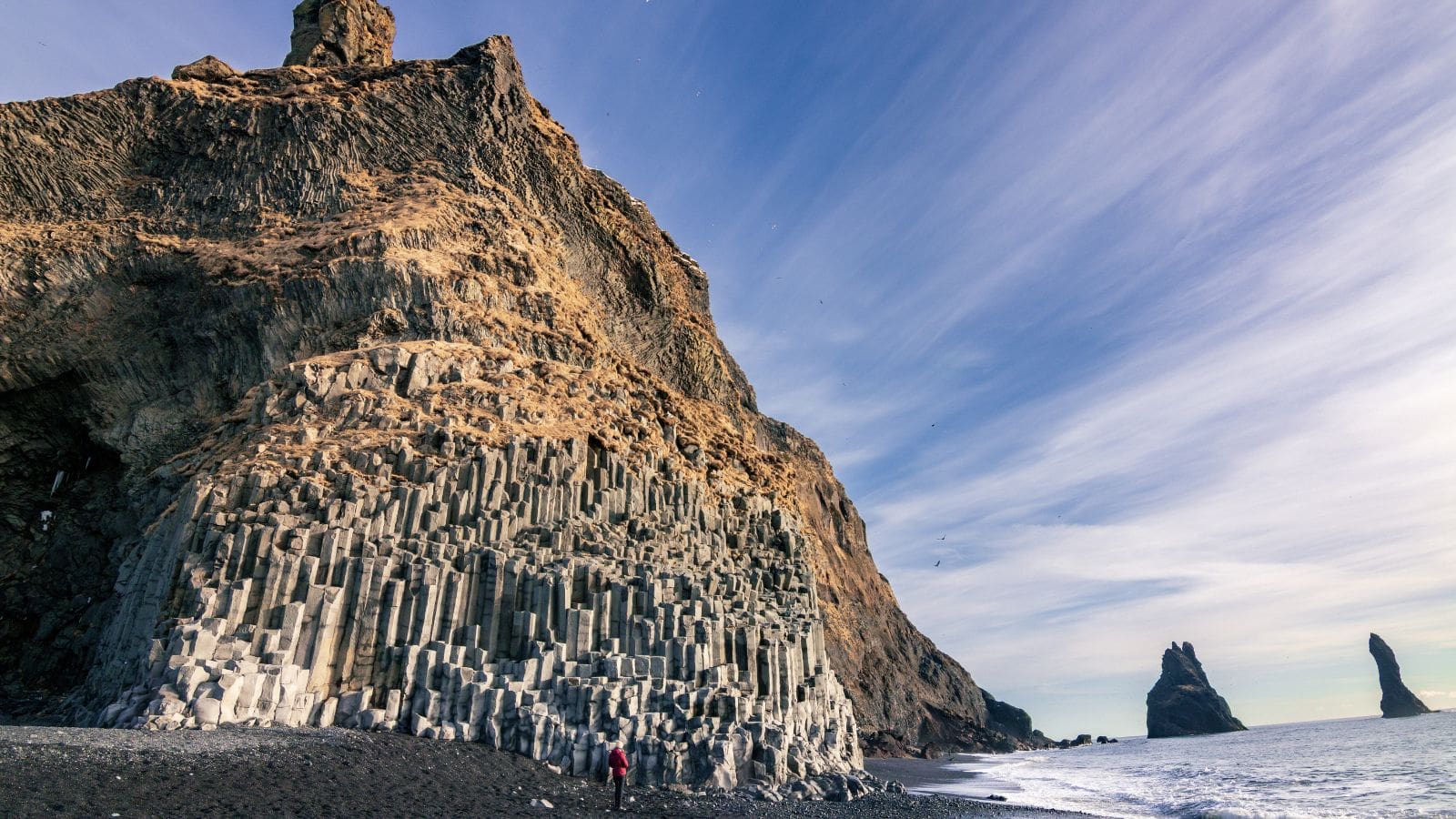
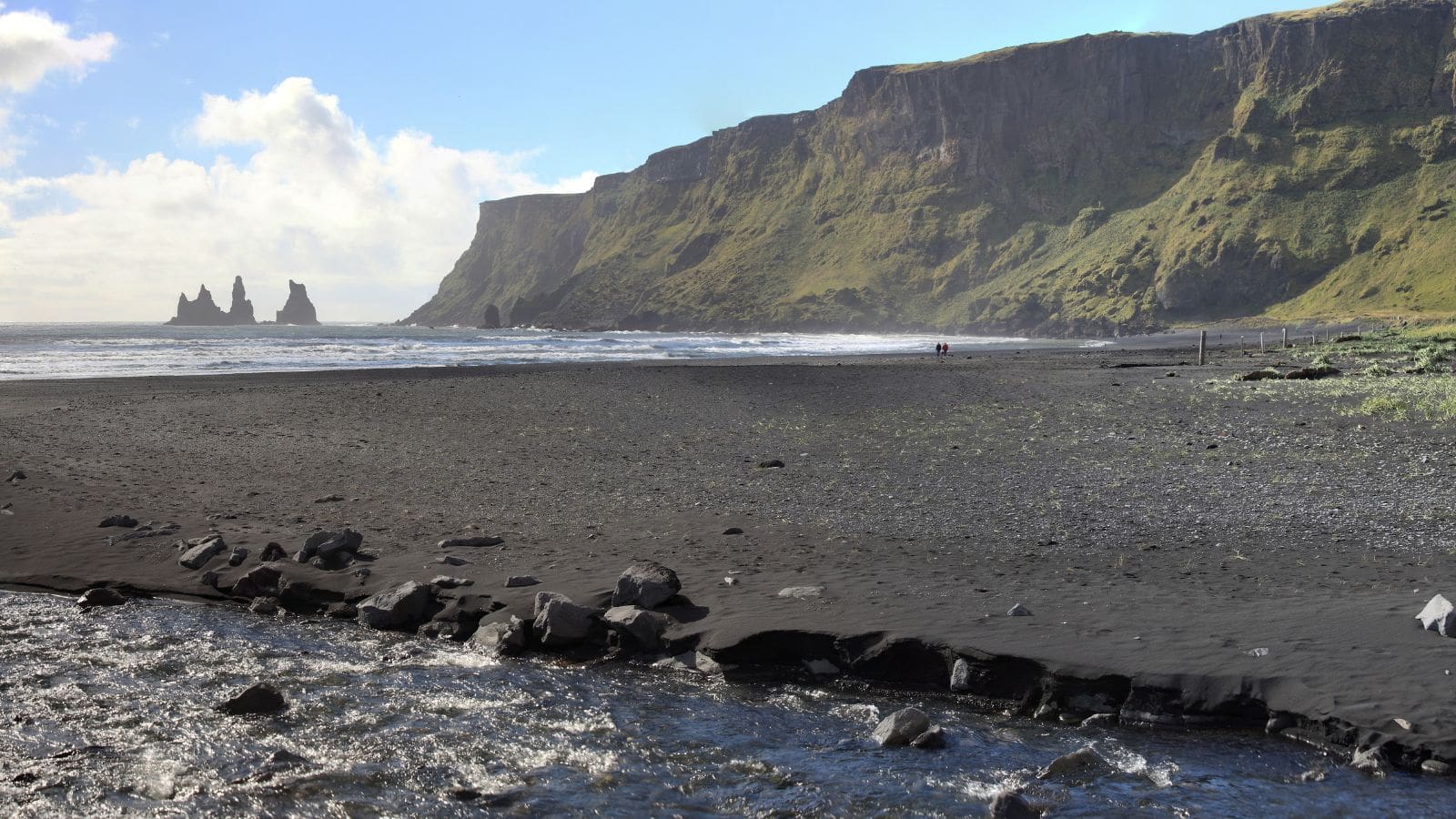
This iconic beach next door to Vik has served as the backdrop for so many movies, it’s hard to keep track! We’ll see why as we take in the otherworldly stretches of black sand framed by grassy mountains and the mighty North Atlantic waves. Columns of geometric basalt pillars conceal hidden sea caves and hint at the fragility of all this beauty.
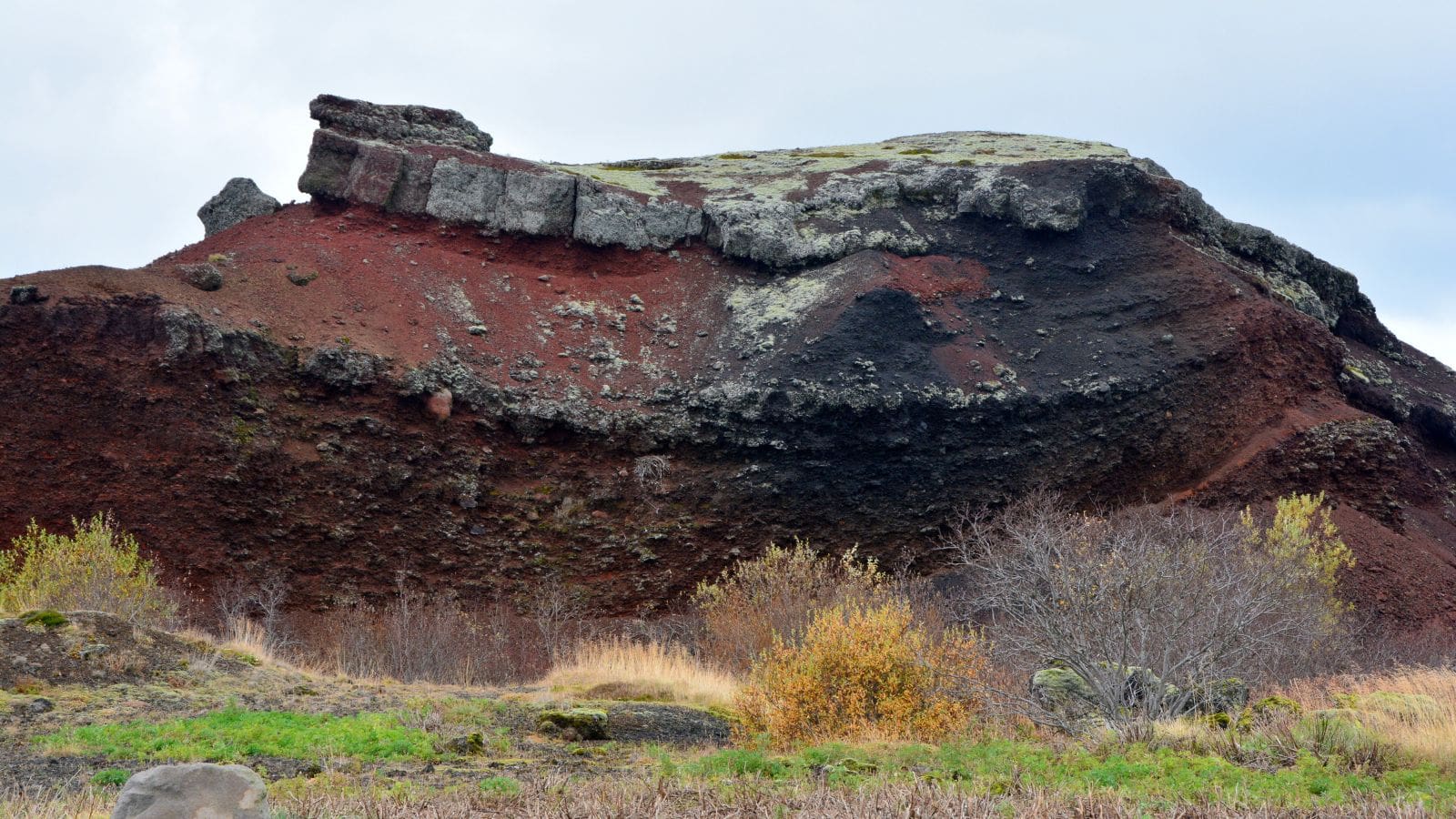
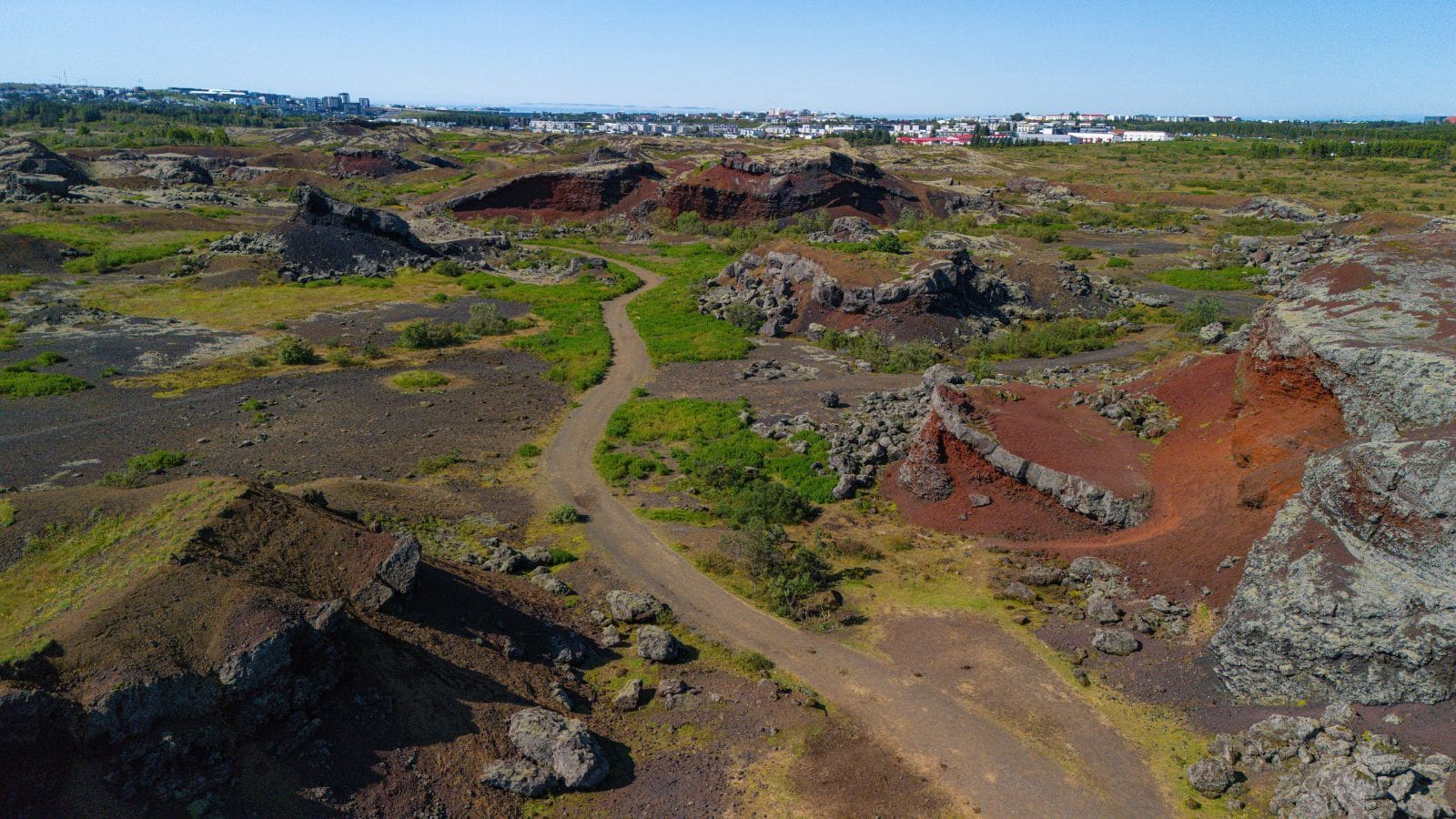
Explore the martian-like landscape of Iceland’s Red Hills. These low hills get their name from the iron-rich, oxidized volcanic rock that gives them their unique, rust-red color. Just one of the many volcanic landscapes we’ll explore in South Iceland, Raudhólar is the evidence of a 5,000-year-old eruption of the Leitin Shield Volcano that interacted with a shallow lake and created this rare phenomenon called “rootless cones.”
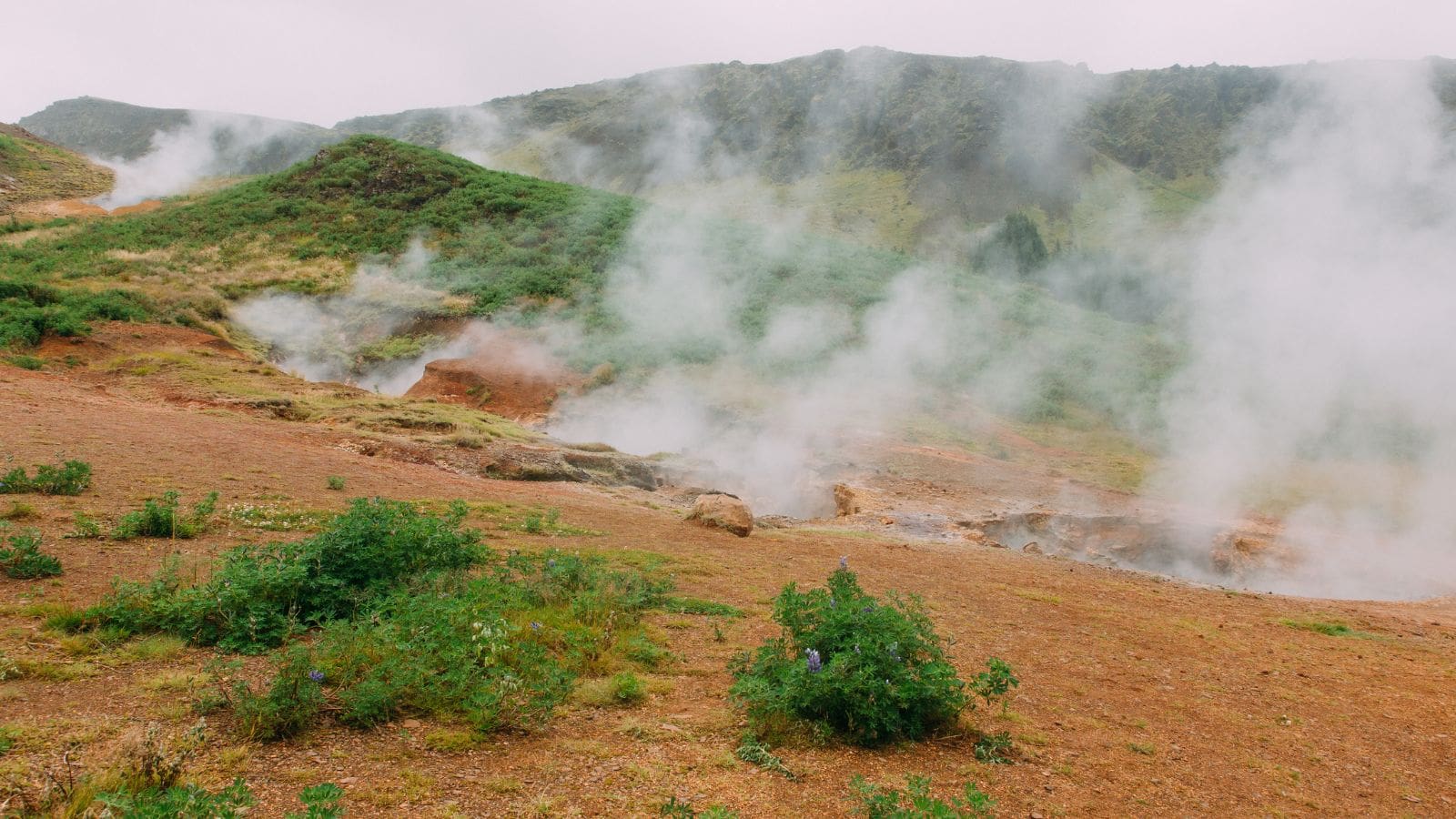
See a geyser up close, wade into a thermal river, and even hard-boil an egg on the groundwater alone at this unique park. In Hveragerdi, every facet of life is touched by the ubiquitous hot springs that run underneath the town, and we’ll explore how Iceland has been shaped by the powerful geothermal forces from the Middle Ages and into the technological era.
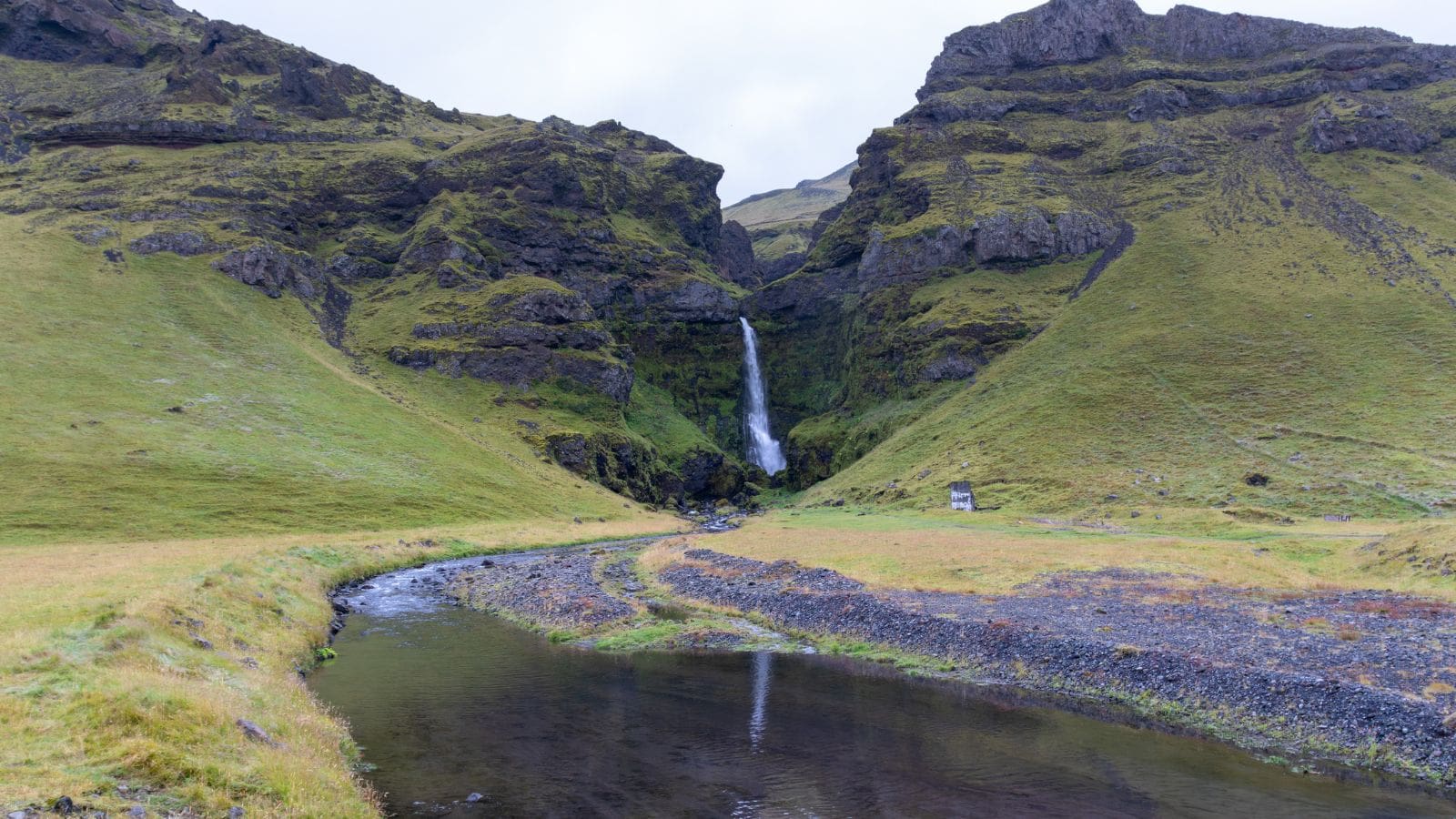
Hear the legends associated with another mighty cascade at Írárfoss, or “Irish Falls.” The 200-foot drop flows down a prehistoric sea cliff, worn away by millennia of the North Atlantic waves pummeling the cliffs, then gradually filled in by more volcanic eruptions until jagged basaltic cliffs are all that’s left of what was once Iceland’s southern coastline – now, the perfect route for breathtaking waterfalls making their way to sea.
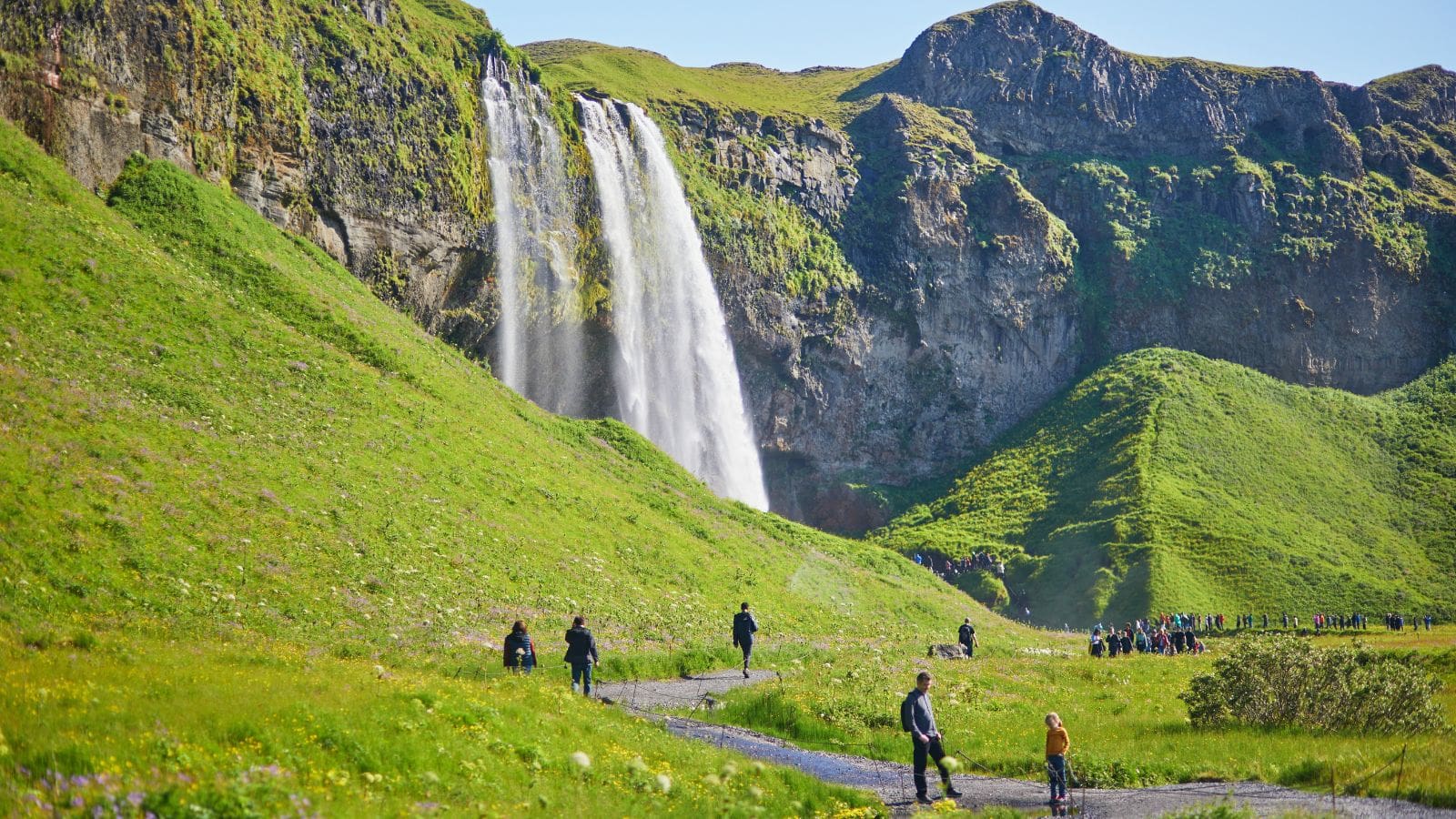
This easy, 1.2-mile hike leads visitors behind the Seljalandsfoss waterfall. Make sure to wear waterproof layers and shoes with good traction, as it can get slippery. It takes about 30 minutes to explore Seljalandsfoss, and closer to an hour if going a little further down the trail to see Gljúfrabúi, the waterfall hidden inside a gorge.

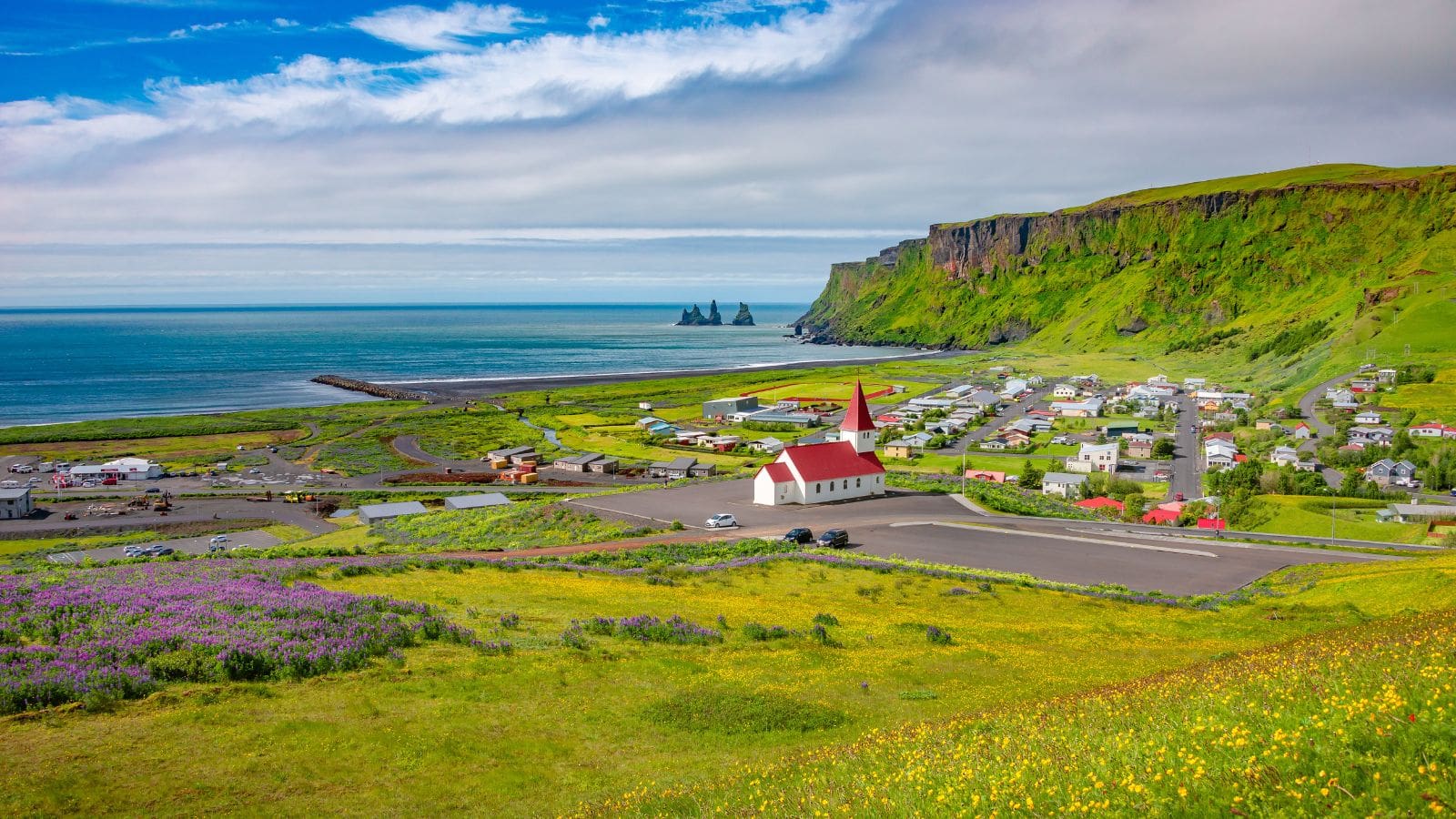
This challenging hike features some steep cliffsides and sudden drops but also gives a fantastic view of Vik i Myrdal and the famous Reynisdrangar basalt sea stacks. This hike starts at the Vik Visitor Center and winds up the side of Reynisfjall Mountain, with some steep sections. It covers about 4.3 miles of hiking and takes approximately 3 hours to complete.
Hike from the small town of Hveragerdi to a geothermally heated stream. The hike is rated moderate as it starts out rather steep, but levels out as you get closer to the river. It’s 6 miles total and takes most people about 3.5 hours to fully explore – allow more time if you really want to splash around in the thermal river. .
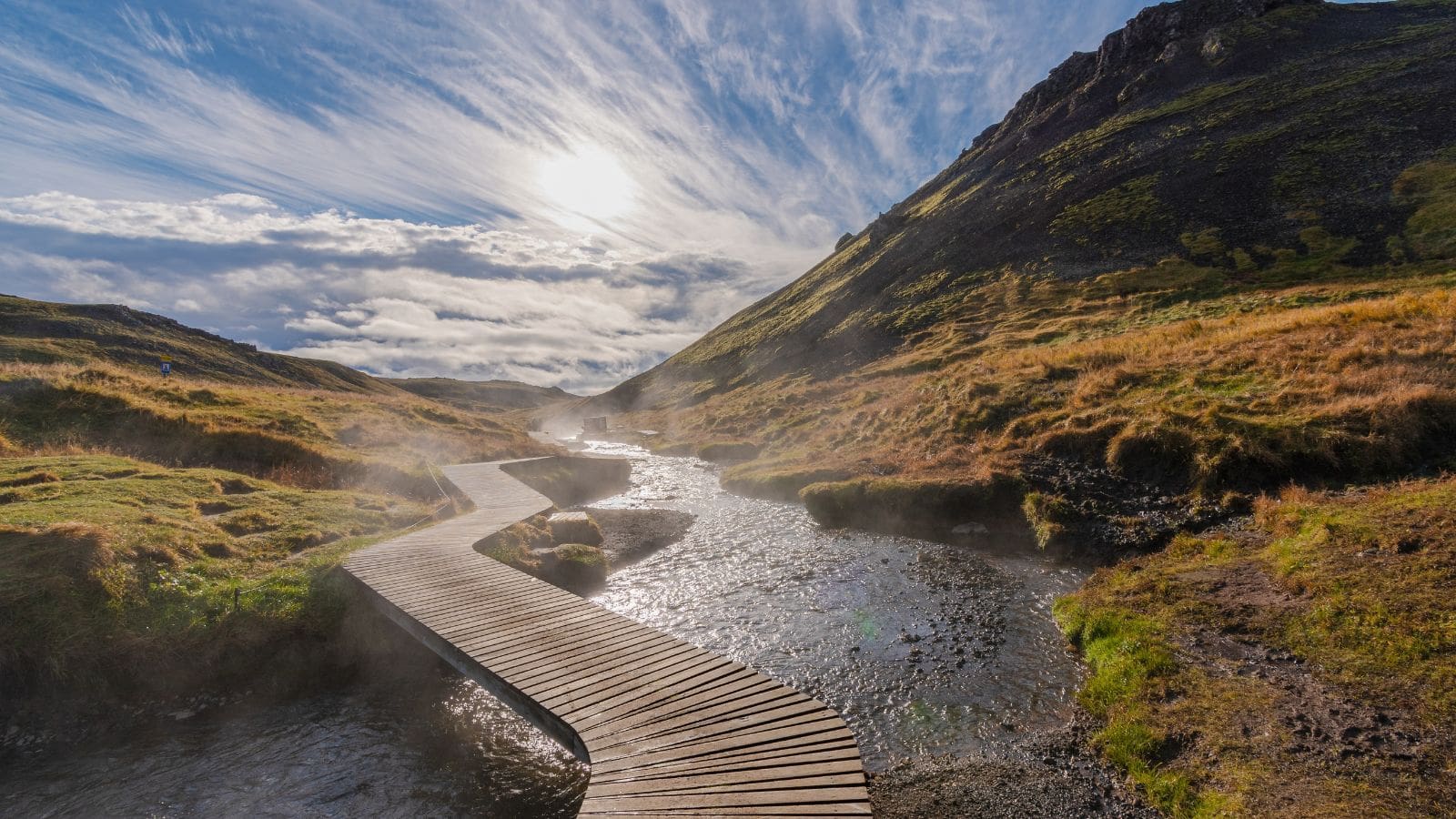
Visit the oldest geothermal public swimming pool in Iceland on this easy 1.2-mile hike through a secluded mountain valley that takes about an hour to complete. Even if you don’t take a dip in the pool, the hike is worth it on its own as it leads you through grassy, quiet mountains and feels like a hidden escape from busier areas.

Just 30 minutes outside of Reykjavik, this moderately difficult, 4-mile loop leads you through a lava field that looks like it came straight from Mars and takes about 1.5 hours to complete. The iron-rich rocks are tinted red, the remnants of an ancient eruption. The landscape hides plenty of surprises, like mossy hills fit for a troll’s home and little pools of water perfect for birdwatching.
Hikers looking for a challenge will find it here, on a 4-mile hike over a steep, rocky range. Hiking poles are recommended for this one, and it takes experienced hikers about 3.5 hours to complete the technical climb. The payoff is a fantastic view of the whole Capital Area spread out beneath the peak and views of the striated volcanic stone along the hike.

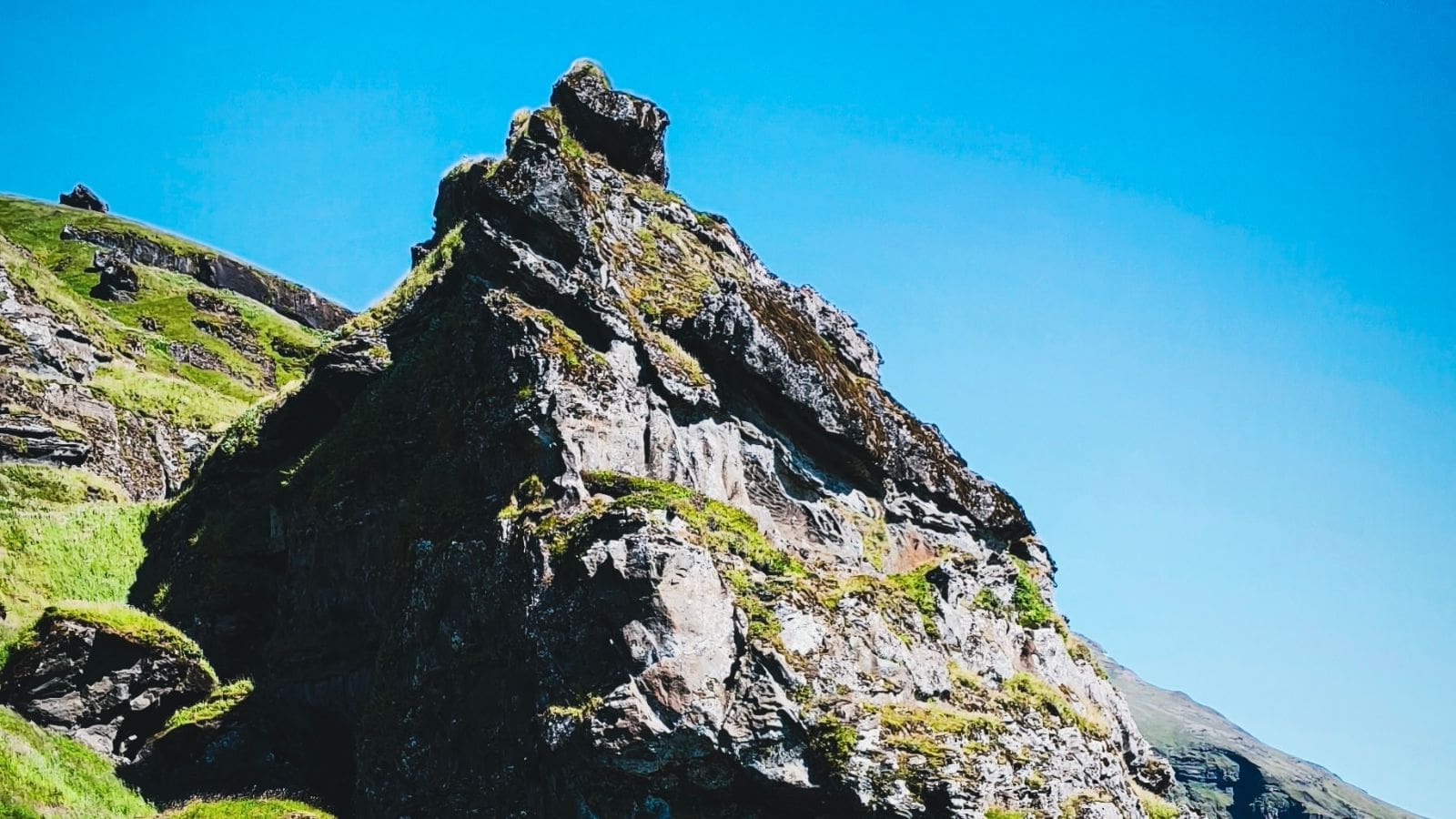
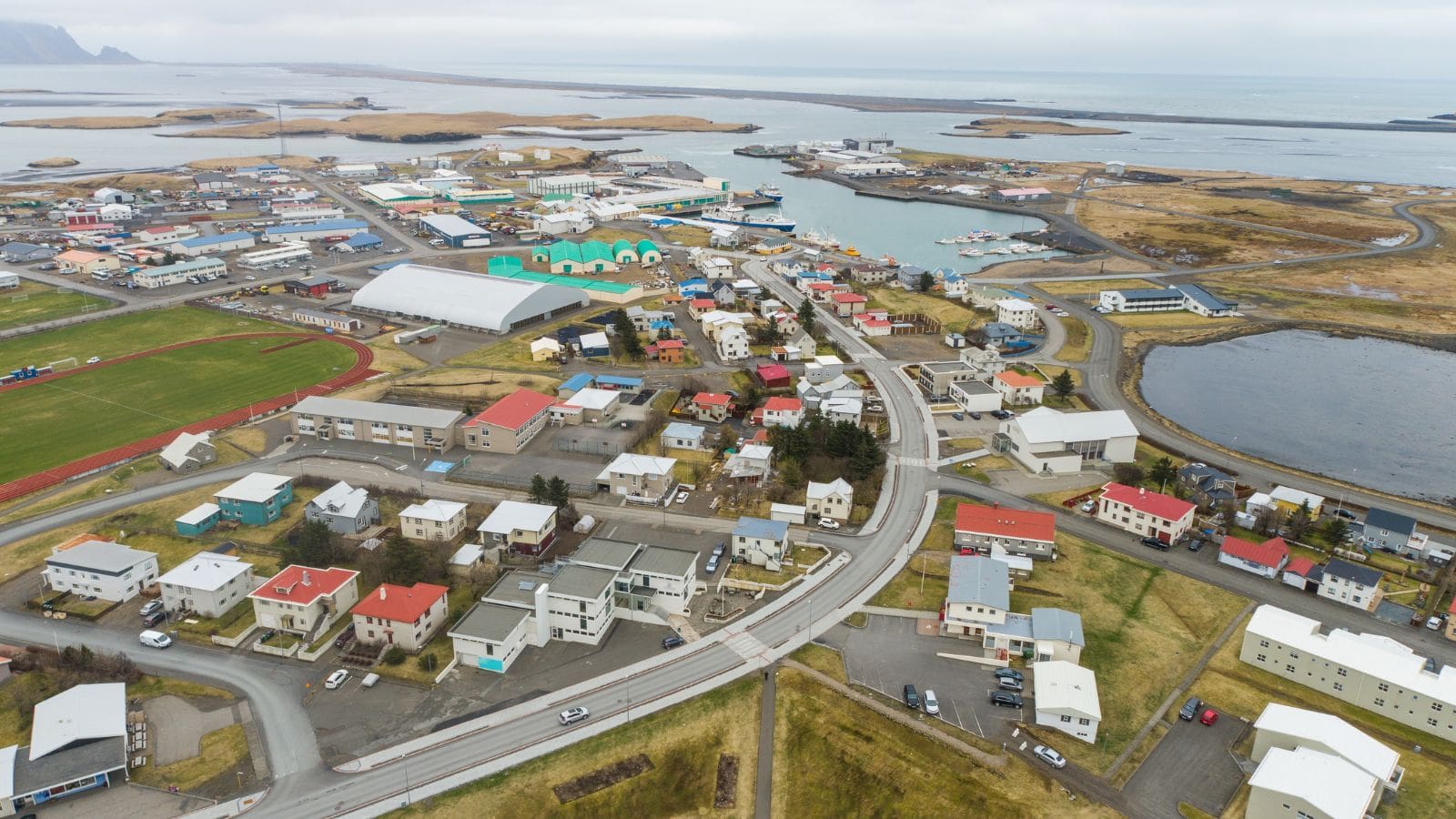
One full day is needed to enjoy the Ring Road between Reykjavik and Vik. The 116-mile distance can be driven straight in about three hours to take you straight to the basalt columns on the black sand beach; a full day gives visitors time to stop at most of the waterfalls near the highway and the striped glacier viewpoint.
On a single day trip, visitors can enjoy other side trips, like a drive down Dyrhólaey Cape to see the Sea Arch and puffins in the summer.
Adding a second day gives time for hikes along our route, like the red-tinted pseudocraters at Raudholar or the hot springs and thermal river in Hveragerdi. There are also several excellent museums along the route, including the LAVA Center, the Geothermal Exhibit, and Skaftfellingur Museum.
Extra days in Iceland give visitors time to explore even more Icelandic scenery and stories. Check out our other Iceland self-guided tours, including the Golden Circle, The Blue Lagoon, Snaefellsnes Peninsula, and even a walking tour of Reykjavik.
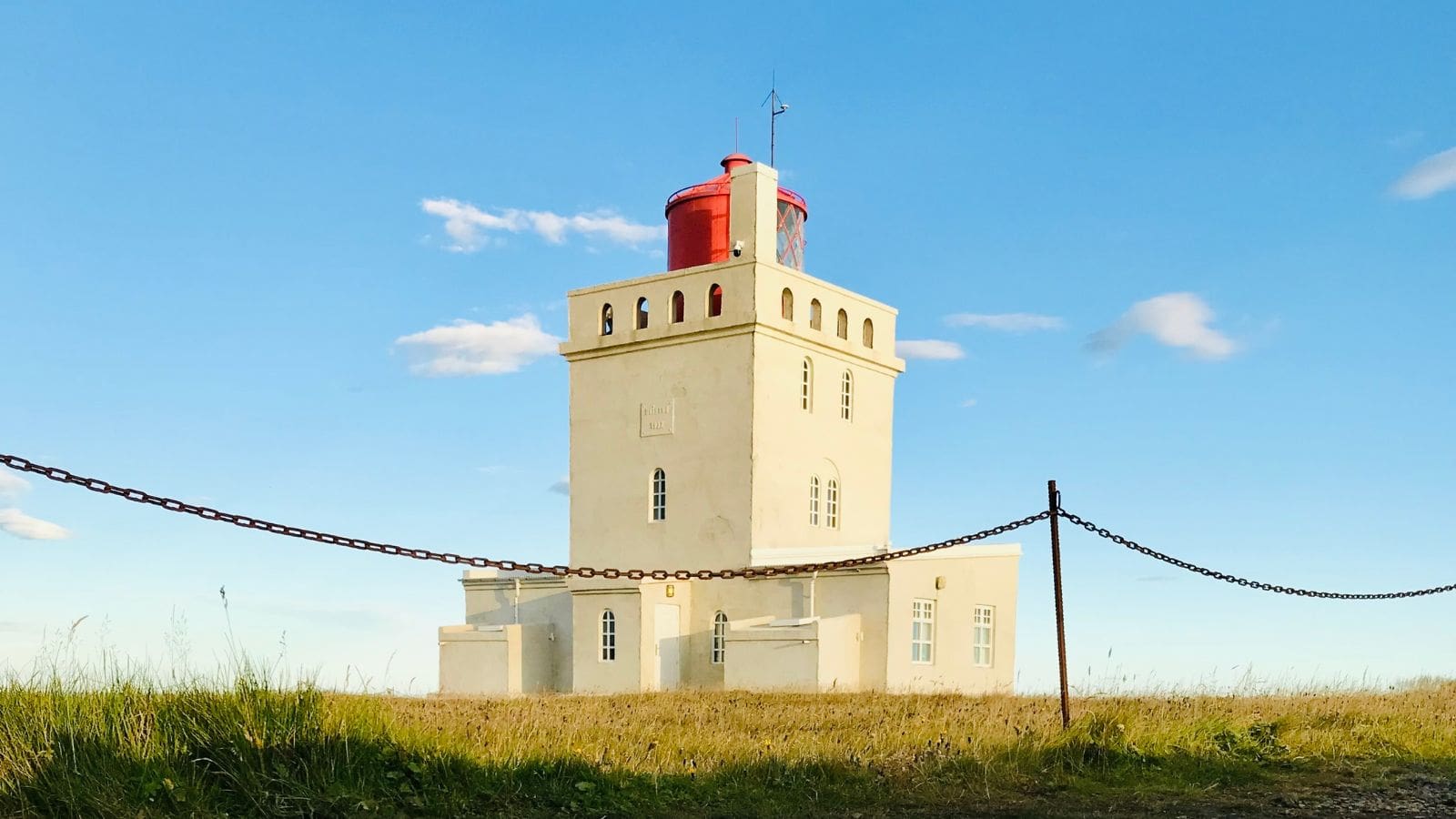
Visitors can enjoy South Iceland at their own pace with this self-guided audio tour. This flexible tour can be completed in a single day, or it can easily expand to fill two or even three days by taking more of the hikes along the route and stopping at the many waterfalls, caves, and museums that are conveniently near Ring Road. Make sure to download the app and the tour inside it before setting out on our drive.
Here’s a suggested itinerary for two full days along Iceland’s South Coast.
Start out early to get views of Raudhólar, lava fields, and the Blue Mountains. Stop at Hveragerdi Geothermal Park to see the geysers up close and grab a snack at the cafe. Cross the Thjorsa River and take an hour to explore the Caves of Hella. Then, choose a couple of waterfalls to stop by- Seljalandsfoss and Gljúfrabúi waterfalls are popular choices. Make sure to allow enough time to see the spectacular views of Reynisfjara Black Sand Beach before finishing up at Vik.
From here, you can turn around and drive straight back to Reykjavik, which takes about three hours directly, but most people choose to stay on the night in Vik and see sights that they didn’t have time for on the first day on the drive back.
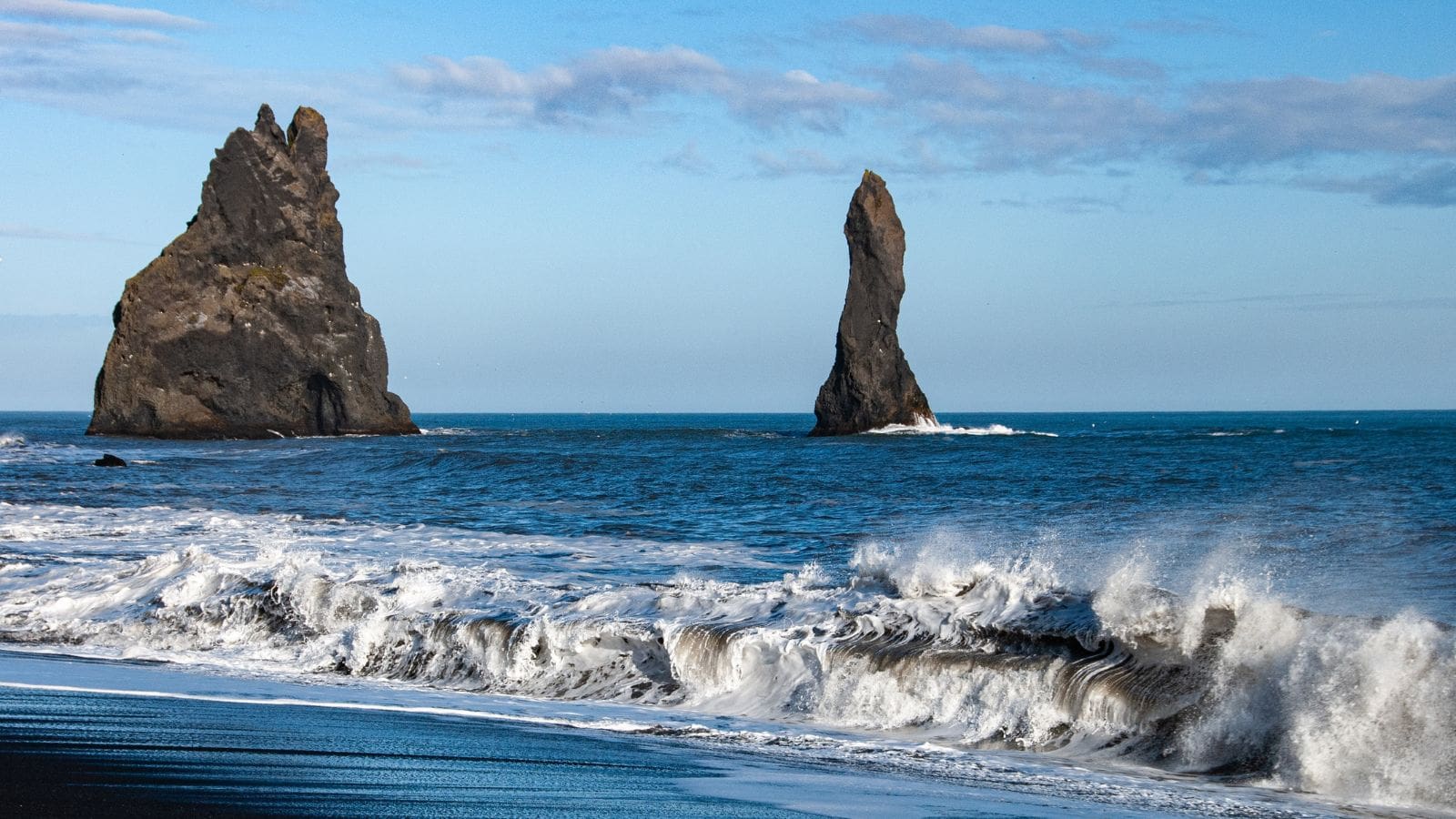
On your way back to Reykjavik, make time to drive down Dyrhólaey Cape, where puffins nest in the summer and you can see an alternate view of Reynisdrangar Sea Stacks. For unique photo ops, make a quick stop at the Bra Fence or take the thirty-minute shuttle ride out to Solheimasandur Plane Wreck. Alternatively, adding in the Sólheimajökull Glacier side trip is a great way to see a glacier outlet up close. Add in a few more cave stops, like Rutshellir Caves or Steinahellir Cave. Once back in Reykjavik, you can take one of our other Iceland driving tours to explore even more history and scenery or even squeeze in the Reykjavik walking tour to really soak in the city’s sights.
12V DC Charger: Using location services will drain your battery faster, so bring a 12V DC charger to keep your phone charged throughout the day.
Sun Protection: Bring sunscreen, as even in cold weather the UV rays can still cause damage. Sunglasses are useful in snowy areas to prevent glare.
Insect Repellant: Midges can be a problem in Iceland, especially in summertime or near the water, so bring some bug spray.
Food and Water: Start the day with a full water bottle. Pack some snacks too, for extra energy on your hikes and walks or driving sections between towns.
Binoculars, Camera, and Long-Range Lens: Be sure to pack what you need to see and capture all the majestic waterfalls, diving puffins, and icy vistas around the South Coast.
Warm, waterproof layers: It’s cold here year-round, so pack insulated layers that can easily be removed if they get wet.
Sturdy hiking shoes: You will be walking on unpaved paths. Some of the waterfall walks can get slippery. Wear appropriate, closed-toe footwear.
Swimwear, soap, and towels: If you plan to take a dip in any of Iceland’s geothermal springs or pools, bring swim gear and remember to shower with soap before entering any public swim area.