00:00

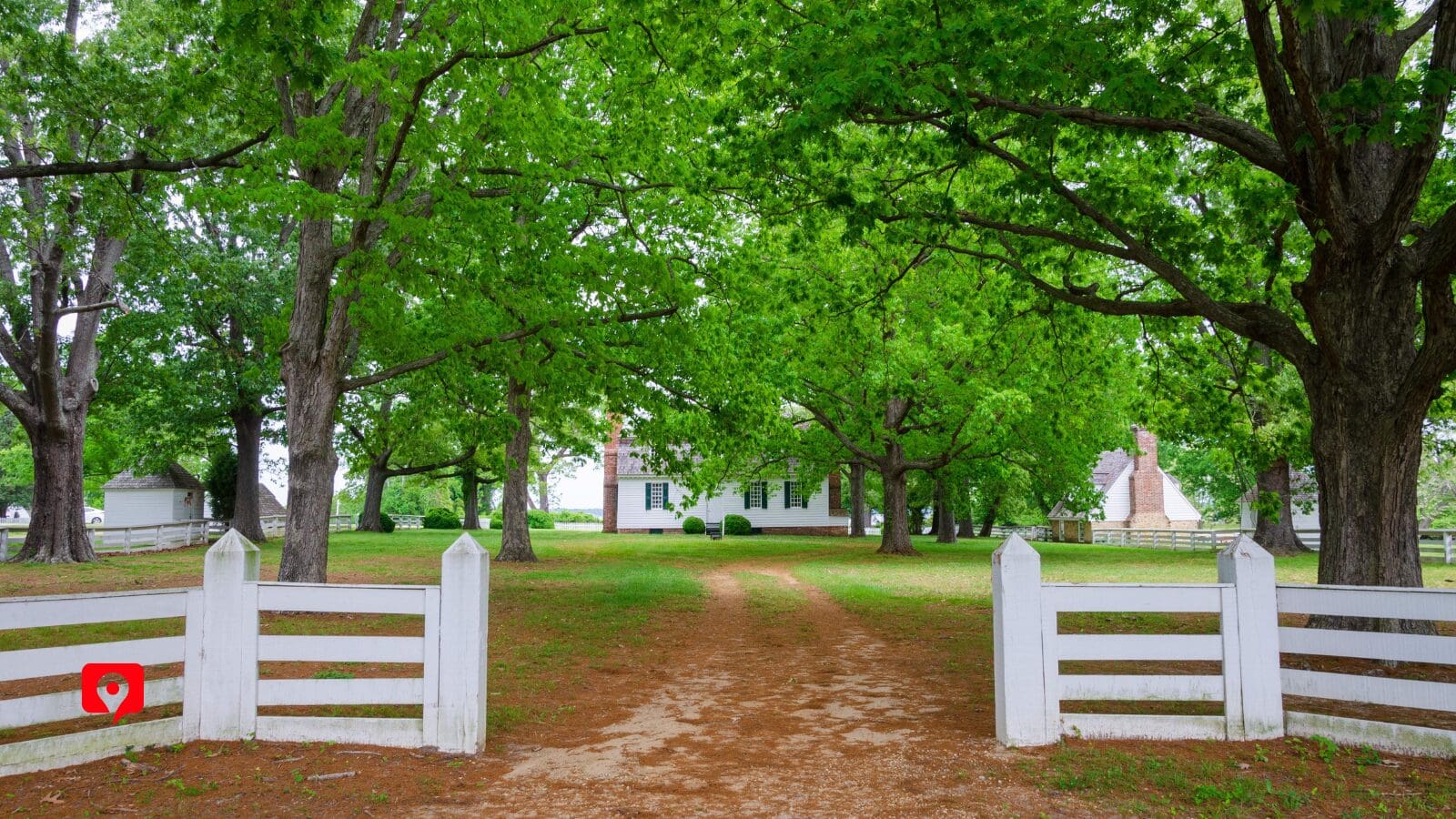
Drive the Yorktown Battlefield, the site of the 1781 Siege of Yorktown and the official British surrender that decided the American Revolution. This 10-mile driving tour shows the key landmarks where the pivotal battle was fought.
The tour leads to significant sites from the three-week siege, including the British riverfront fortifications at Redoubts 9 and 10 and the original site of George Washington’s Headquarters.
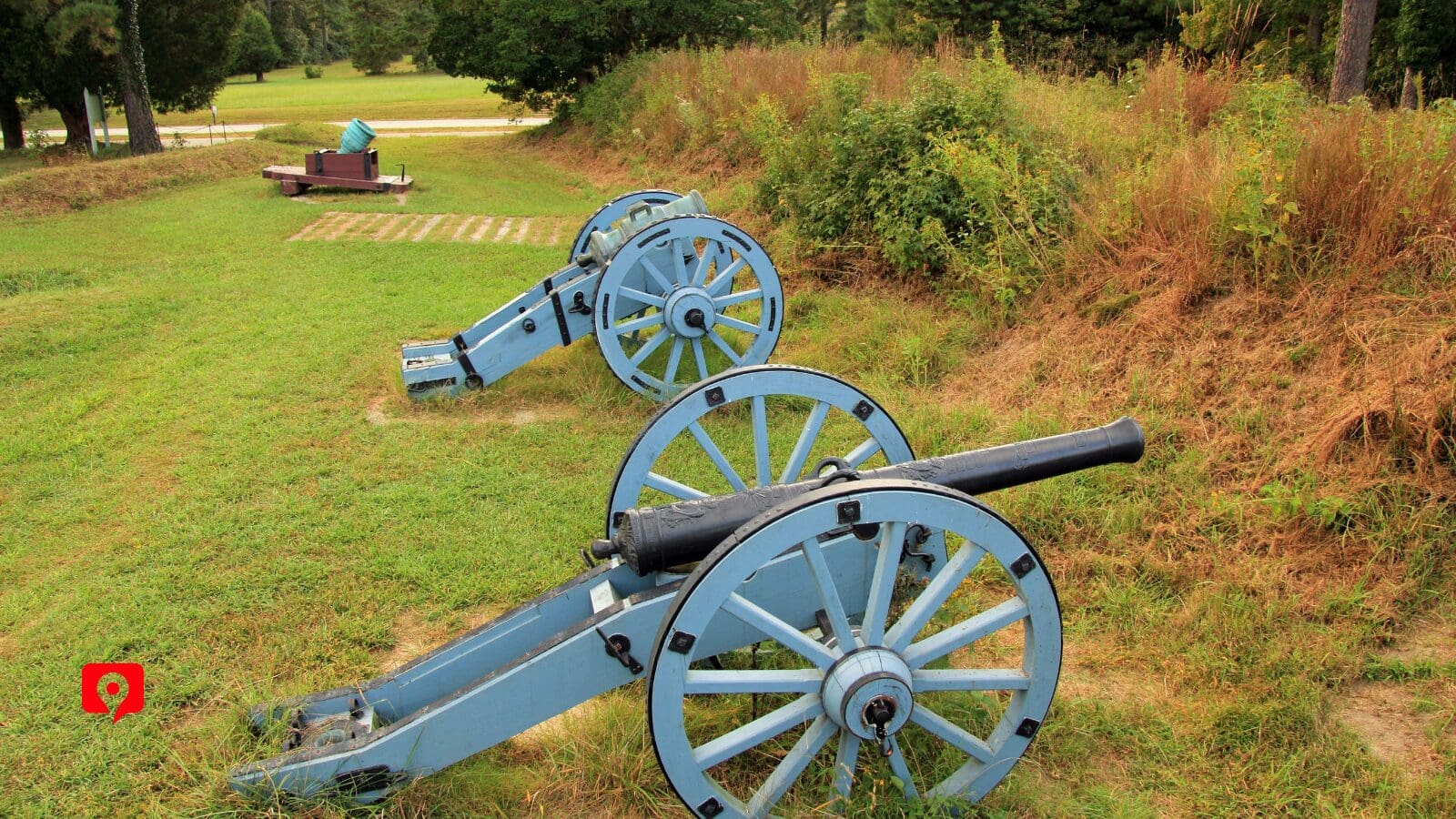
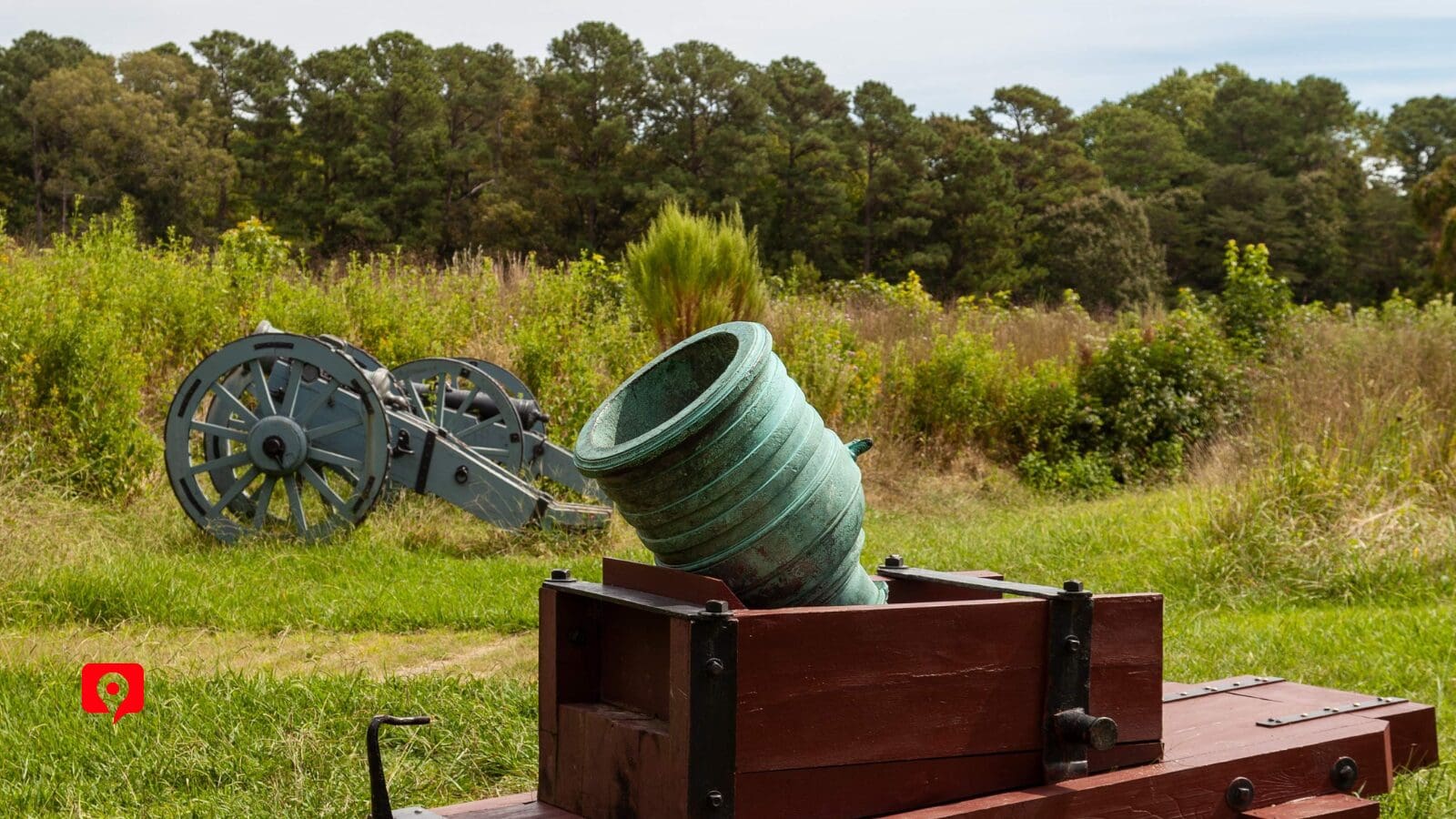
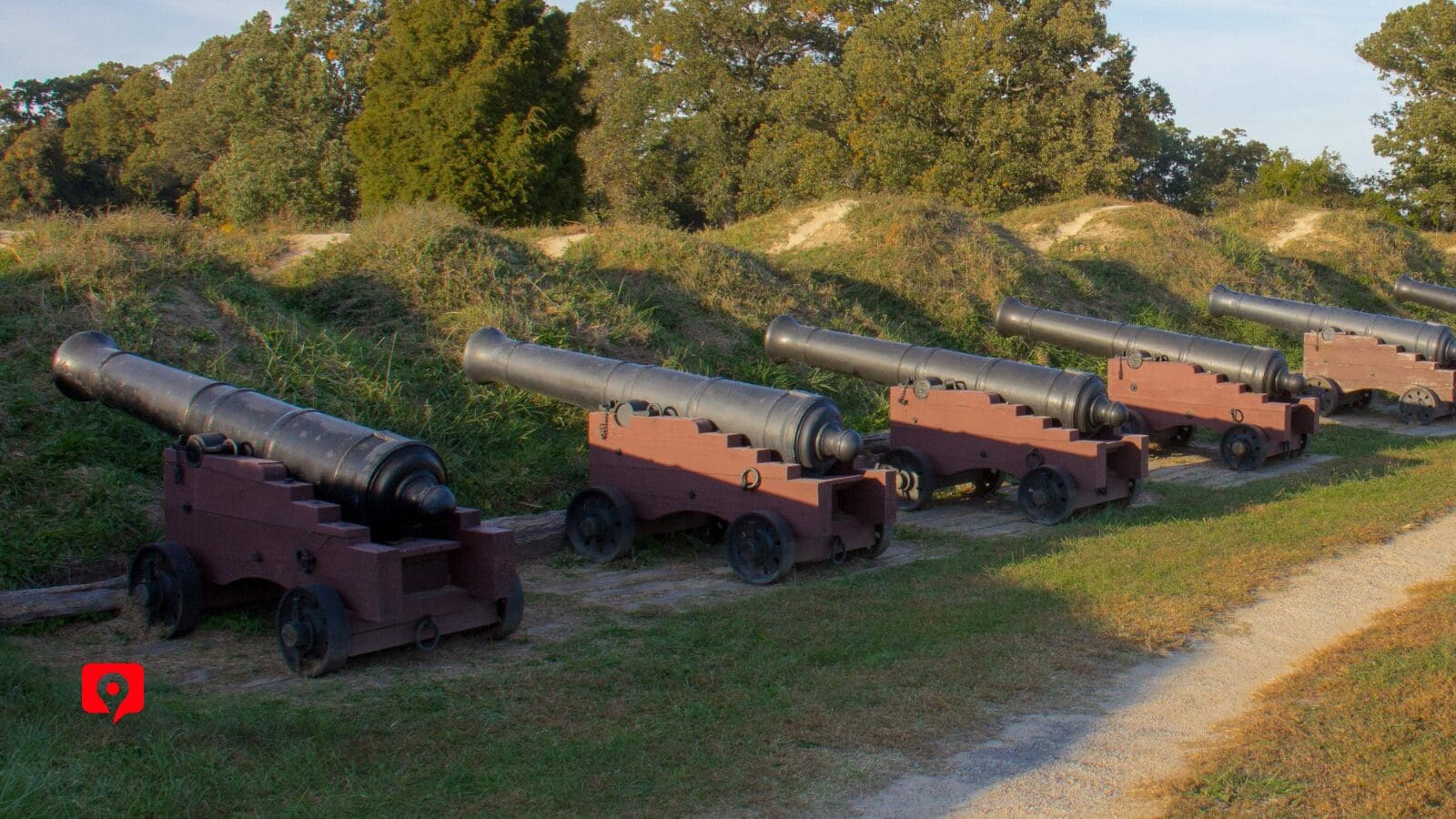
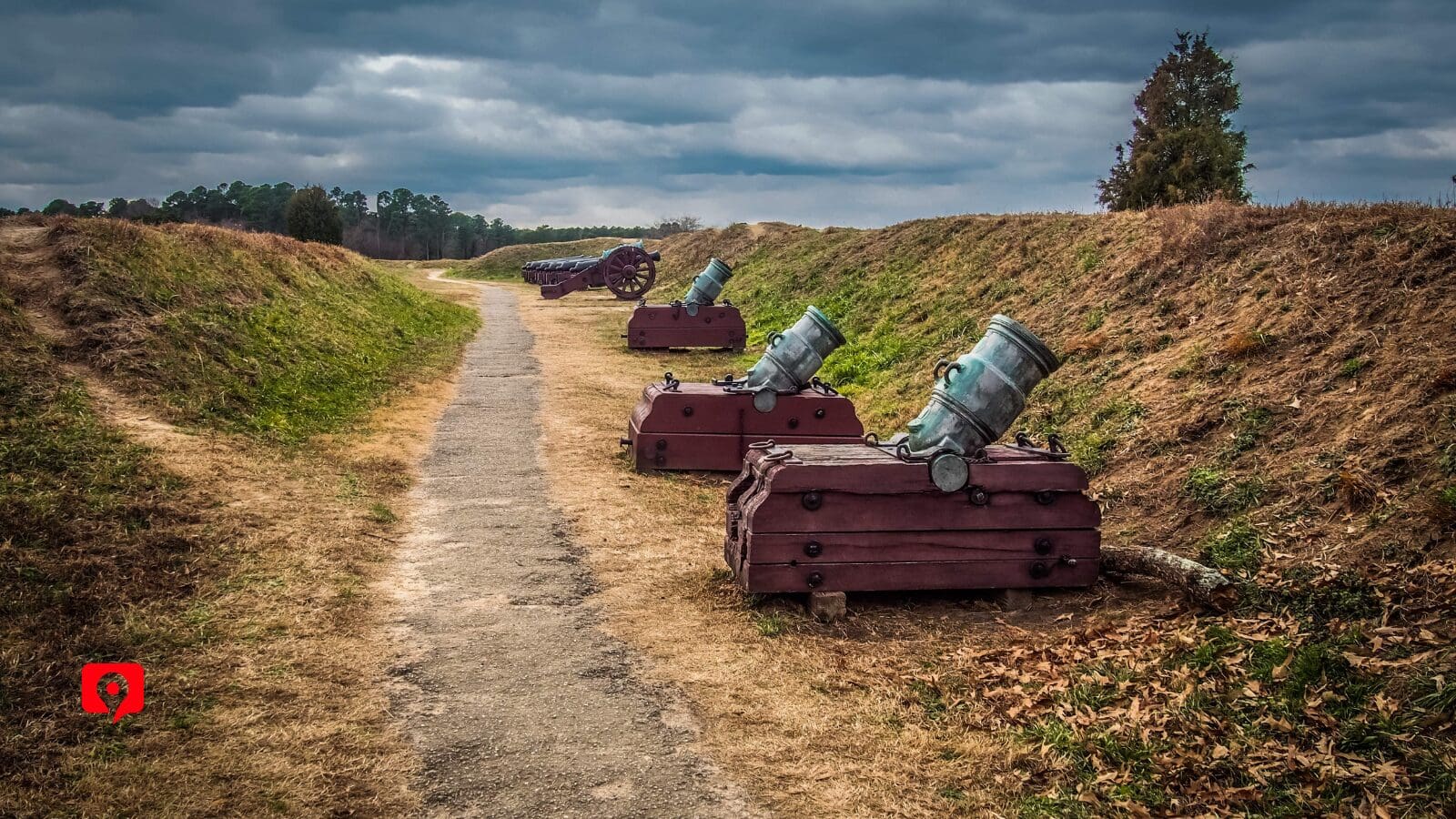
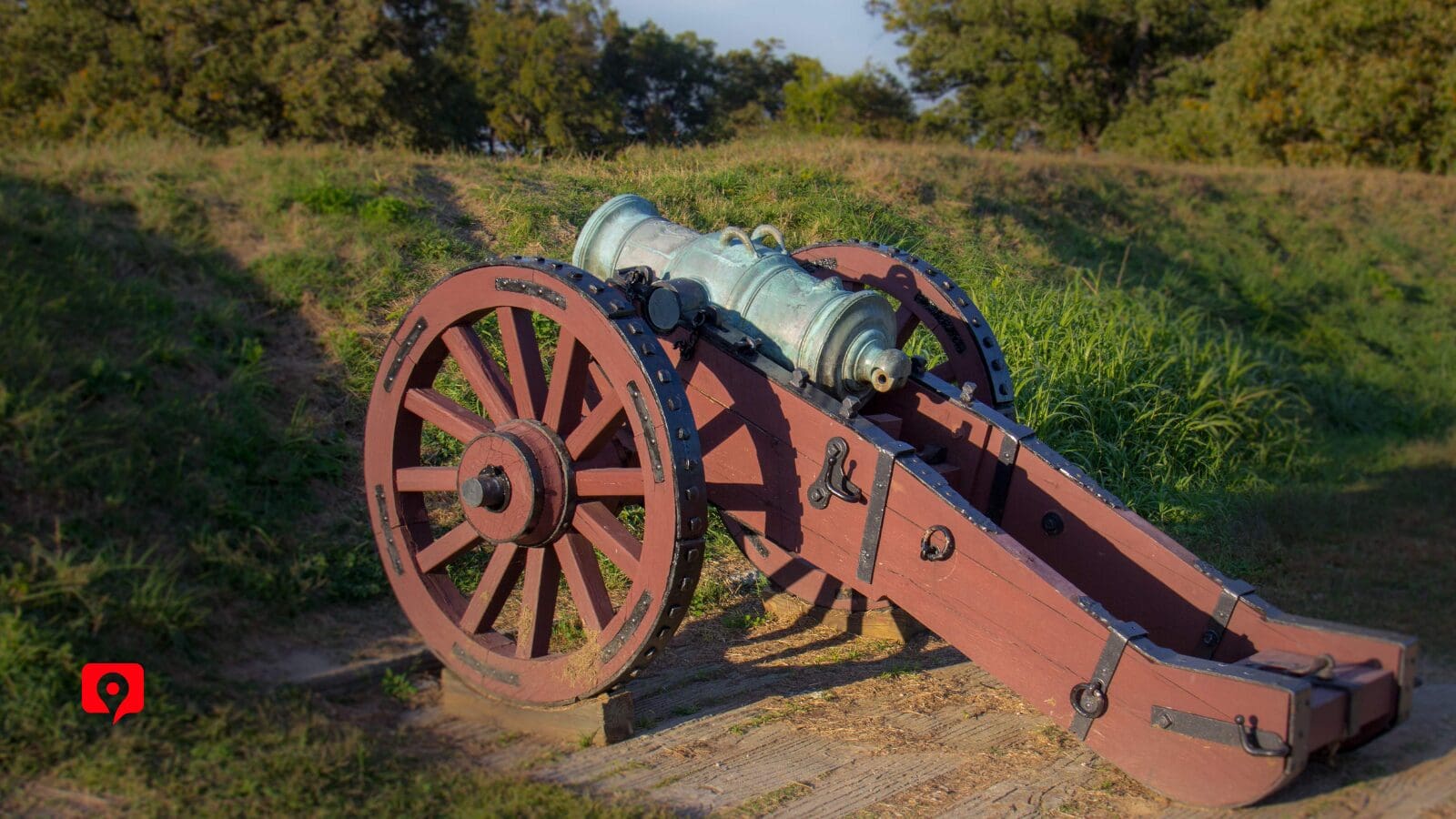
The French Artillery Park protected the largest canons, some still on display. The Grand French Battery shows the reconstructed earthworks where the allied French forces bombarded the British position.
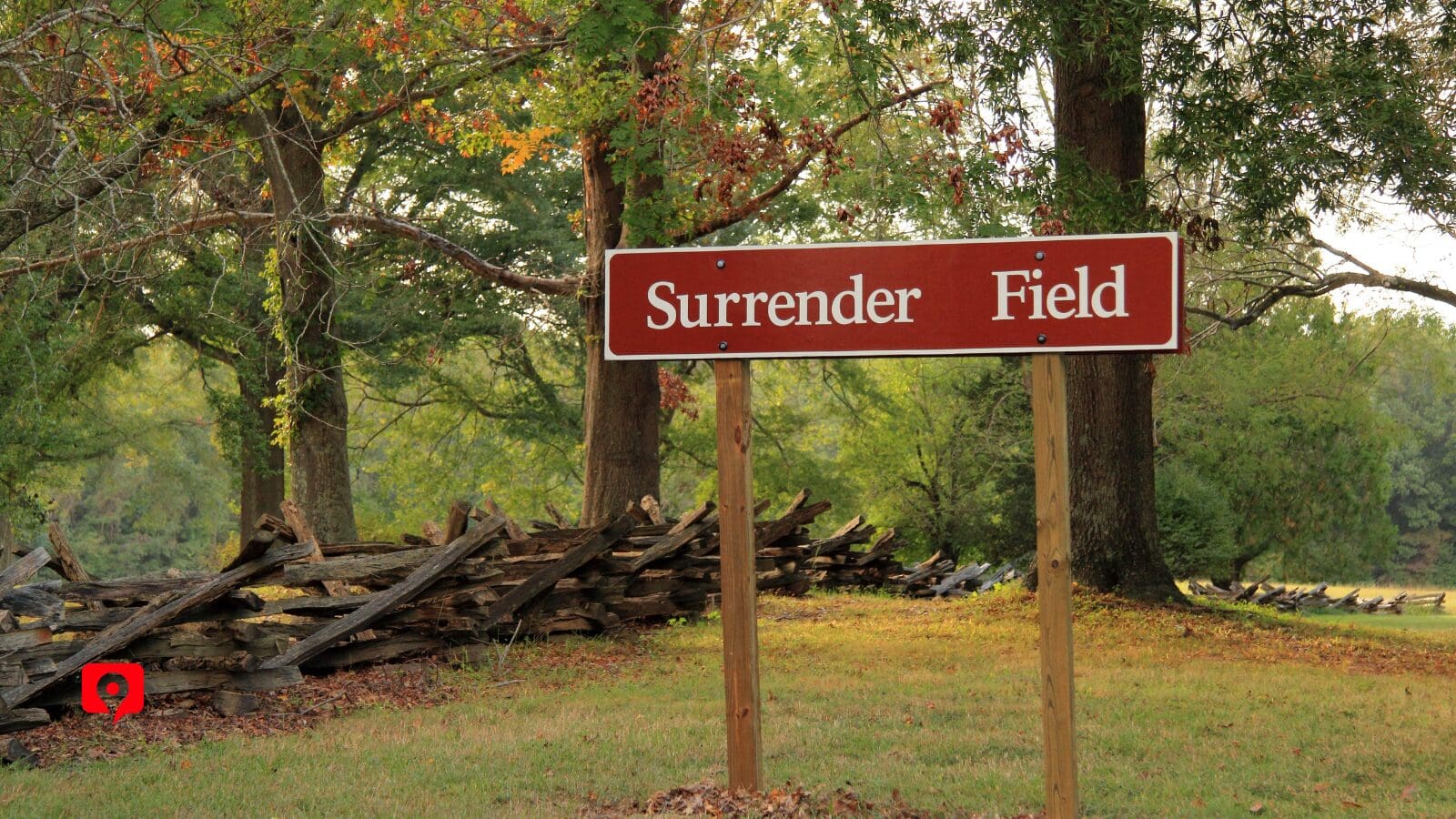
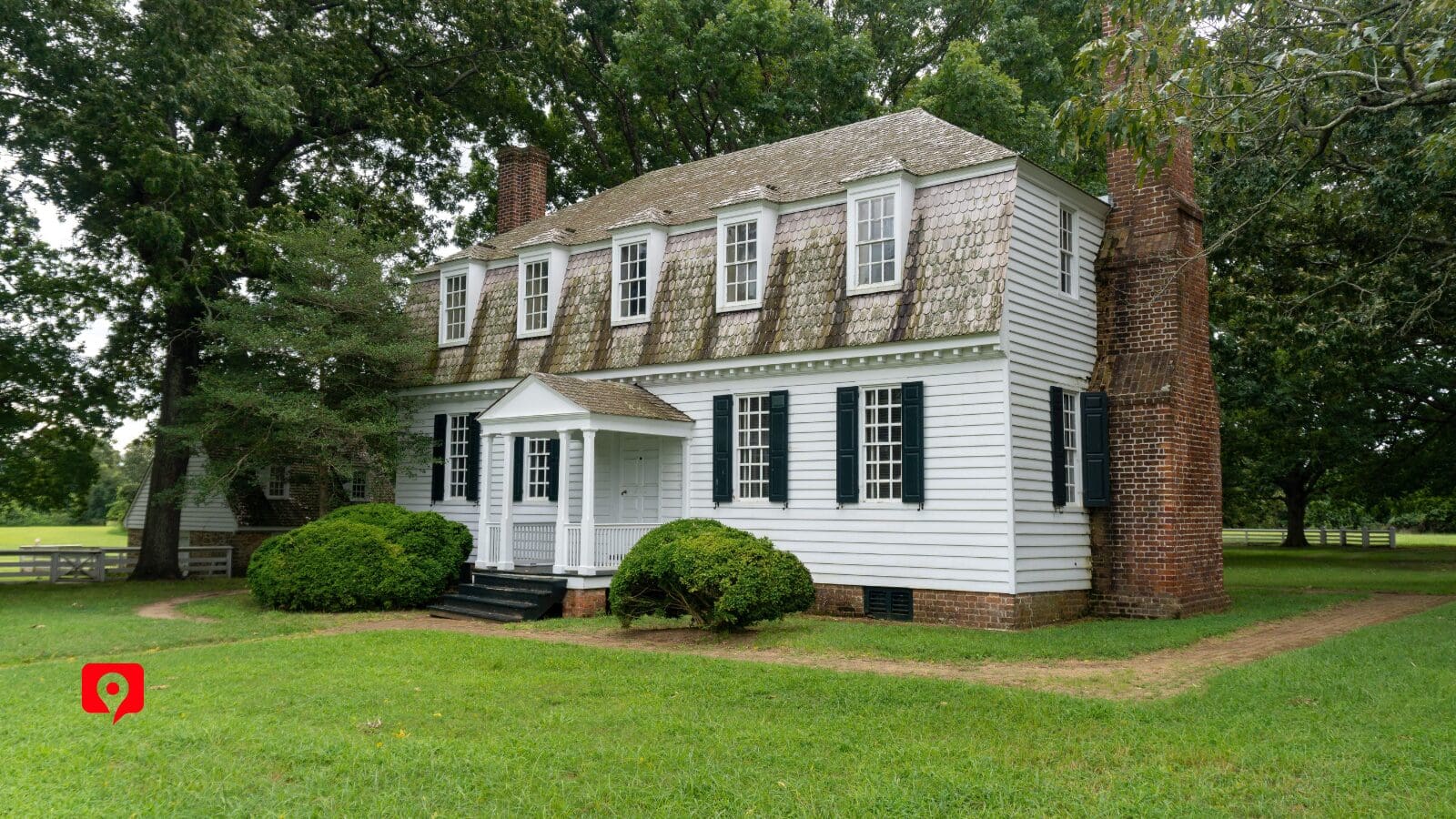
Trace the path of Generals Cornwallis and Washington at sites like Surrender Field and Moore House, where peace terms were negotiated.
Pay respects to the fallen at French Cemetery, where patriot soldiers were buried after the battle. We’ll point out the Yorktown National Cemetery, which lies along the Revolutionary battlefield and dates to the Civil War.
The driving loop of the battlefield returns to the York River, where the Visitor Center and the 210-foot-tall Yorktown Monument honor the decisive battle.
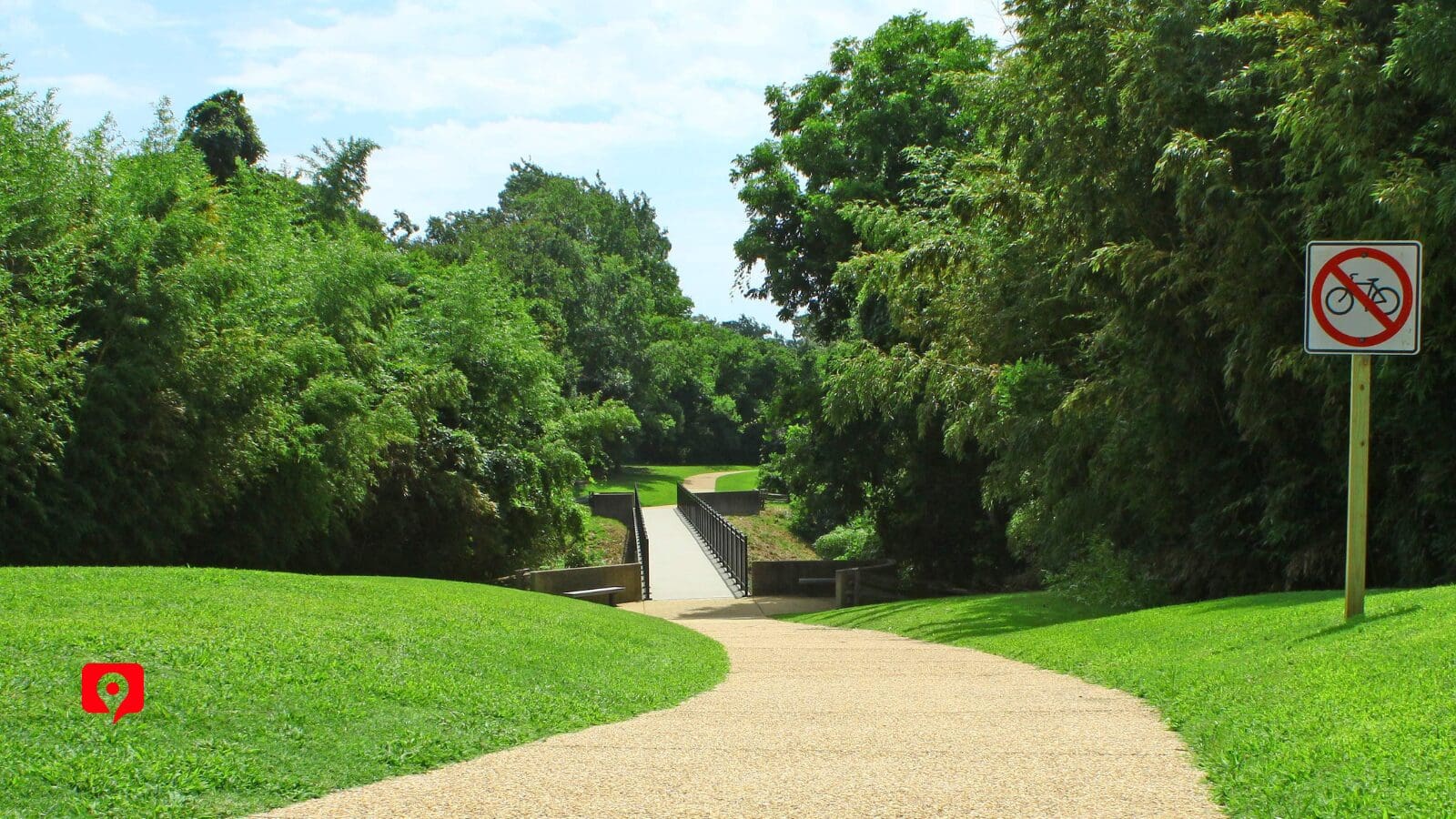

The closest airport is the Newport News/Williamsburg International Airport (PHF), only 20 minutes away from the historic battlefield. Larger airports are one hour away in Norfolk (ORF) and Richmond (RIC).

Yorktown is easy to reach from several major Virginia hubs. Approaching eastbound from the Richmond Area, take I-64 East, then take exit 242B for Yorktown. This leads to Colonial Parkway and one of the main starting points for our tour.
Approaching westbound from Virginia Beach or Norfolk, take I-64 West to 105 E, then take exit 250 B to Route 17. This leads to one of the main starting points for our tour.
By Train
Amtrak has stations at Williamsburg and Newport News. From there, rent a car to continue on the short drive to Yorktown Battlefield.
By Bus
Greyhound has a stop at Williamsburg. Rent a car in this area to continue on the short drive to Yorktown Battlefield.
While driving the public roads around the historic area is free, you need a National Parks Pass to enter the historic sites along the route. Purchase these online or at the Yorktown Visitor Center.

There are some boutique rental options directly in Yorktown, but most visitors stay in the greater historic area around Williamsburg or Newport News. Both areas are only about 15 minutes away from Yorktown Battlefield and offer a wide variety of accommodations, from affordable chain hotels to family resorts and luxury stays.
There is no camping allowed at Yorktown Battlefield.

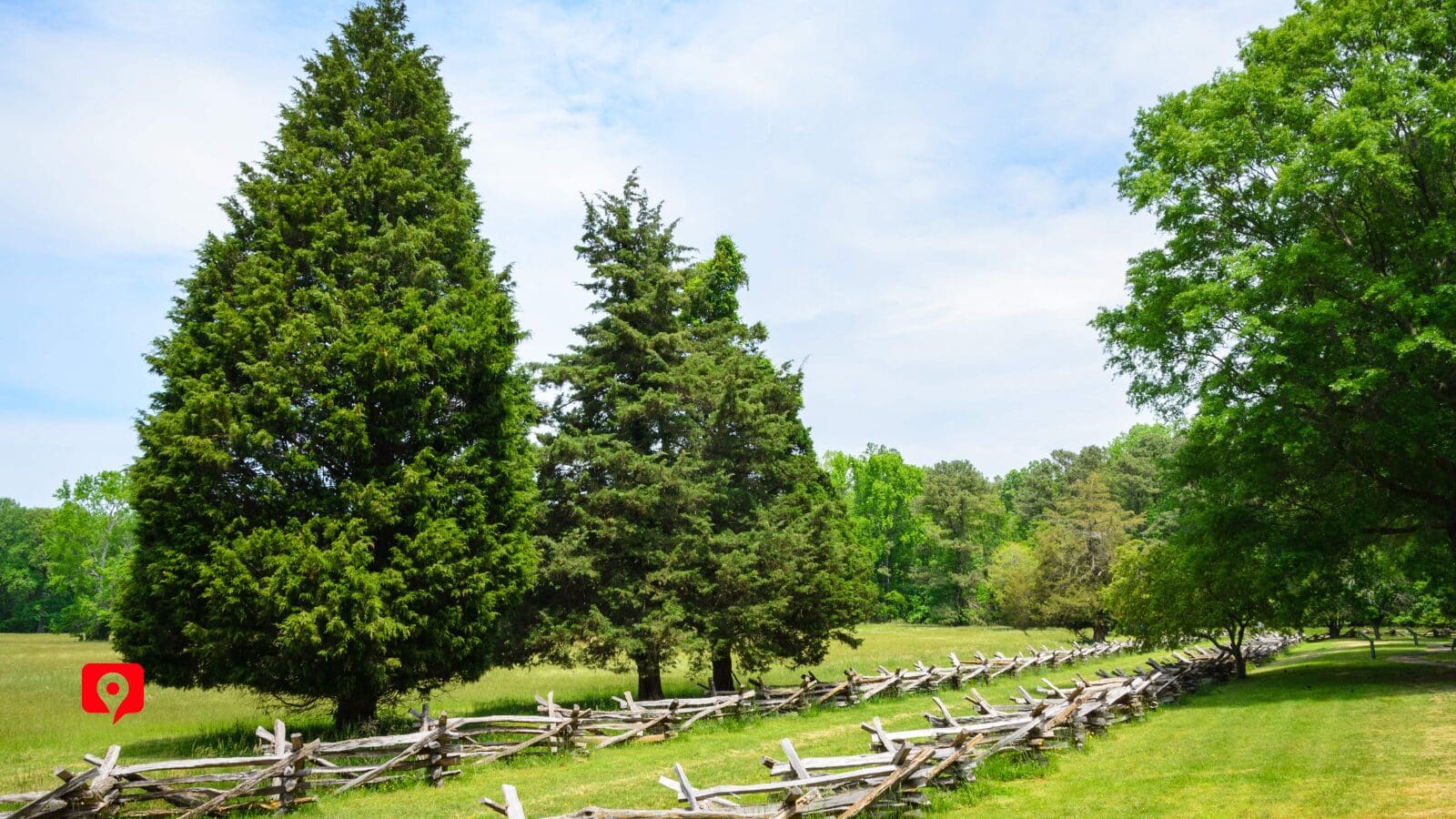
You can visit Yorktown year-round. Spring and fall are generally the most comfortable times of year to visit, when you get a break from the summer humidity, but the temperatures are still warm enough to enjoy walking around the historic stops on the battlefield. Winter brings fewer crowds; just watch out for occasional sleet and cold rain. Summer is peak travel season for the whole historic Virginia area, so be prepared for more traffic.
The battlefield is open from 9 am-5 pm, but try to get there early before the humidity spikes. If taking the tour in the afternoon, the York River and Yorktown Victory Monument are nice places to catch an evening view.
The 210-foot monument was placed along the York River in 1881 to honor the soldiers who fought in the Siege of Yorktown. After this decisive battle of the American Revolution, British General Cornwallis surrendered to the American and French coalition forces led by General Washington, officially ending the Revolutionary War and launching America on its journey as an independent nation.

This field was the location of the British Army’s formal surrender ceremony, where General Cornwallis officially surrendered to General Washington on October 19, 1781. Walk the grounds where British forces laid down arms and hear all about the siege that led to this world-changing moment.
See the reconstructed gun emplacement, where French artillery bombarded British positions during the Siege of Yorktown. Walk among the heavy cannon, trench mortars, and howitzers that populated the siege line and turned this ordinary stretch of field into a fortified earthwork full of 18th-century state-of-the-art artillery.
Explore the British side of the battle at these historic fortifications. A redoubt is a fortified earthwork used defensively, and Redoubts 9 and 10 have been preserved as the most significant areas of the British defense during the Siege of Yorktown in 1781. The storming and capture of these redoubts helped seal the fate of the British Army and led to the ultimate surrender of General Cornwallis.
See the restored historic home where representatives of Washington and Cornwallis met to negotiate the terms of surrender. In the aftermath of the Siege of Yorktown, the British and American forces settled on the terms that ended the Revolution and set the fledgling nation out on its new path as an independent country.
This 10-mile driving tour of Yorktown Battlefield can be completed in a single morning or afternoon, with time for favorite stops like Surrender Field, Grand French Battery, and Moore House. To make the trip a full day, you can stop at all the historic sites along the route, like the French Artillery Park and Redoubts 9 & 10. This will still leave plenty of time for the Visitor Center and the Yorktown Victory Monument along the river.
This trip combines well with other historic sites in the area, like Colonial Williamsburg or Historic Jamestown. Many travelers choose to see all three over a few days of driving, using Williamsburg as a convenient base.
Begin the tour from any of our recommended starting points. Take the side road to Redoubts 9 & 10 to see the reconstructed British fortifications – the commentary will tell you when to turn.
We’ll guide you onto Historic Tour Road, which provides access to most of the historic sites along our route. See the Moore House, where the British surrendered to the American and French coalition forces, then continue along Historic Tour Road as we explain exactly what led up to the fateful day.
Park at Surrender Field to retrace the steps of General Cornwallis, then take a quick stop at the spot that once housed Washington’s headquarters. See the French Cemetery, then spend some time at the French Artillery viewing some of the armaments up close. The Grand French Battery is always popular for the cannons, so make sure to stop here before seeing Yorktown National Cemetery.
Finish up by choosing some souvenirs at the Visitor Center or visiting the Yorktown Victory Monument along the river.
History buffs or military minds might need a whole day just to enjoy retracing the battle at the redoubts, the French Battery, and the artillery. To extend the trip into a full day at Yorktown Battlefield, start the morning with a stop at the Visitor Center and the Yorktown Victory Monument, then take an hour or so exploring the British redoubts. Pack a picnic lunch to enjoy along the York River before heading down Historic Tour Road, which leads you through the rest of the stops in the historic battlefield. Remember, the battlefield is open until 5, so that gives you plenty of time in the afternoon to see the battery, artillery, Surrender Field, Moore House, Yorktown Cemetery, and the location of Washington’s Headquarters.

Pack a DC Charger: Using location services will drain your battery faster, so bring a 12V DC charger to keep your phone charged throughout the day.
Sun Protection: This tour has several stops where you will be walking through historic areas with little shade. Bring sunscreen, a sun hat, and sunglasses to stay protected from sunburn during summertime visits.
Water Bottle: It’s important to stay hydrated along any walking tour, especially during the warmer summer months. Starting the day with a full water bottle will sustain you through the whole tour and the stops along historic sites
Jacket: If you’re visiting during the cooler months of November-April, bring along a warm jacket, and possibly a hat and gloves, just in case.
Insect Repellent: Ticks and mosquitoes are frequent visitors to eastern Virginia. Wear insect repellent and check your skin for bugs after visiting grassy areas.
First Aid Kit: Visitors to any remote area should bring the basics, like Ibuprofen, blister and wound care, and antiseptic. If anyone in the party has asthma or allergies, bring along any prescribed medications like inhalers or epinephrine.
Plastic Bag: All visitors are expected to pack out trash, in trash containers or take it with you when you leave.