Tag

USA

Provincetown Causeway

The Provincetown Causeway is a fun-but-rocky adventure, a breakwater of huge granite rocks that links the Provincetown shoreline to a remote beach. The walk is just over a mile each way, but the path is uneven and often slippery, so wear sturdy shoes and take your time. It’s a unique, unmissable experience and one of the best things to do on Cape Cod. Allow about two hours for a leisurely round trip, plus an extra hour if you want to visit the lighthouses on the other side. Our audio tour keeps you company along the way.

Pilgrims’ First Landing Park, along the Outer Cape, marks the spot where the Pilgrims first landed in North America, before the famous Plymouth Rock. Walk the scenic Pilgrim Spring Trail, where the forest is slowly returning to the landscape, and imagine those first steps in the New World. The park’s rock-and-sand beach is perfect for beachcombing or simply enjoying the sea breeze, a little off the beaten path. Our audio tour shares the story behind this quiet piece of history.

Pilgrim Monument

Rising 252 feet above Provincetown, the Pilgrim Monument is the tallest all-granite structure in the United States. It commemorates the Pilgrims’ first landing in November 1620, when the Mayflower anchored in Provincetown Harbor before the settlers continued on to Plymouth. Construction began in 1907, and President Theodore Roosevelt laid the cornerstone that year. Visitors can climb 116 steps and 60 short ramps to the top for sweeping views of Cape Cod Bay, the dunes, and the Atlantic. The adjoining museum explores local history, from the Pilgrims to the town’s maritime and artistic heritage. Our audio tour shares the stories behind this Cape Cod landmark.

The USS Constitution Museum sits beside “Old Ironsides,” the world’s oldest commissioned warship afloat, and tells the story of how she was built, the battles she fought, and the crew who sailed her. Interactive exhibits and artifacts show her role in the War of 1812 and explain why she’s still in service today. Hands-on displays let you experience what life aboard was like. As a stop on Boston’s Freedom Trail, it’s a great visit for history lovers and families, and our audio tour guides you through it all.

Step up to the Bunker Hill Monument, which honors one of the first major battles of the American Revolution, fought on June 17, 1775. Though named for nearby Bunker Hill, the fighting mainly took place on Breed’s Hill, where the 221-foot monument stands today. The British won, but at a heavy cost, and the battle gave us the famous line “Don’t fire until you see the whites of their eyes.” Climb all 294 steps for panoramic views of Boston, then explore the nearby museum. Our audio tour brings the story of the battle to life at every step.

Founded in 1686, King’s Chapel is Boston’s first Anglican church and home to the oldest pulpit in continuous use in America. The stone building you see today was completed in 1754, replacing the original wooden chapel. During the Revolutionary era, it was a gathering place for British loyalists like minister Henry Caner, who stood for those wary of breaking from the crown. Its bell, recast by Paul Revere in 1814, still rings out today, and Revere called it the “sweetest bell he had ever cast.”

Crowned by its famous gold dome, the Massachusetts State House has overlooked Beacon Hill and Boston Common since 1798. Designed by architect Charles Bulfinch, it still serves as the seat of state government. The building sits on land once owned by John Hancock, and the dome, originally covered in copper by Paul Revere’s company, was later gilded in gold leaf. As a stop on Boston’s Freedom Trail, it’s an easy landmark to spot and a fascinating one to learn about, and our audio tour shares the stories behind the architecture and the people who shaped it.

Established in 1660, the Granary Burying Ground is one of Boston’s most historic cemeteries and the final resting place of many figures from the American Revolution. Among those buried here are Samuel Adams, John Hancock, Paul Revere, and Robert Treat Paine, along with victims of the Boston Massacre and the parents of Benjamin Franklin. Walking among the weathered slate headstones is like turning the pages of a history book. As a stop on Boston’s Freedom Trail, it’s a quiet and moving place to reflect.

Built in 1723, the Old North Church is Boston’s oldest surviving church and one of the most important landmarks of the American Revolution. It’s best known for its role in Paul Revere’s Midnight Ride. On April 18, 1775, two lanterns were hung here to signal that British troops were advancing by sea, setting the Revolutionary War in motion. Inside, you can walk among the historic box pews, descend into the centuries-old crypt, and climb the bell tower where the signal was sent. Our audio tour guides you through each part of the story.

Built in 1713, the Old State House is one of Boston’s most important historic sites. It served as the seat of colonial government and overlooked the Boston Massacre in 1770. Inside, exhibits explore the Revolutionary War, political debates, and the city’s colonial leaders. Outside, you can stand beneath the famous balcony where the Declaration of Independence was first read in Boston, then see rare artifacts that bring the Revolution to life. As a key Freedom Trail stop, it’s a must-see for Boston history lovers.

Built in 1680, the Paul Revere House is downtown Boston’s oldest remaining structure and the former home of Paul Revere, a pivotal figure in the American Revolution. Inside, original furnishings and artifacts bring 18th-century life to light. You can walk through the very rooms where Revere lived at the time of his famous Midnight Ride in 1775. Along the Freedom Trail, the house also shows personal family items and tells the dramatic story of the events that shaped America within its walls. Our audio tour guides you through it all.

Nauset Lighthouse

Perched on a bluff in Eastham, the Nauset Lighthouse is one of Cape Cod’s most recognizable landmarks. The white tower with its red top was built in 1877 and moved back from the eroding cliff edge in 1996 to save it from the sea. It sits within Cape Cod National Seashore, surrounded by dunes, grassy paths, and wide Atlantic views. The light is also familiar from the Cape Cod potato chip bag, a fun detail for visitors who recognize it on sight.

Marconi Station

On a windswept bluff in Wellfleet on Cape Cod, the Marconi Station marks the spot where Guglielmo Marconi sent the first wireless message between the United States and England in 1903. A greeting from President Theodore Roosevelt to King Edward VII traveled across the ocean without a single cable, changing global communication forever. Most of the original station has been lost to the sea, but the site is part of Cape Cod National Seashore and still offers sweeping Atlantic views. Our audio tour shares the story of the pioneering technology and the people behind it.

Step into Faneuil Hall, the “Cradle of Liberty,” where revolutionary speeches by Samuel Adams and James Otis fueled the fight for independence. Since 1742, this landmark has been at the heart of American history, and today it buzzes with shops, restaurants, and street performers. Connected to Quincy Market, it blends the past with the energy of Boston’s bustling marketplace. Our audio tour guides you through the historic meeting halls and local vendors, bringing the story of Faneuil Hall to life at every turn.

kingman

“Kingman is the home of Route 66 in Arizona, with vintage motels, classic diners, and a relaxed small-town feel. It’s an ideal overnight stop for Mother Road fans and an easy base for a short trip from Las Vegas.”

Seligman-Snow-Cap

“Seligman is a Route 66 town straight out of Cars, with vintage diners and neon-lit motels. Its legend comes from Angel Delgadillo, the barber who became the guardian angel of the Mother Road. Near the end (or beginning) of the longest continuous stretch of original highway in the US, it’s a great place to stop for the night.”

Williams

“Williams was the last Route 66 town bypassed by the interstate, and today it’s best known as the gateway to the Grand Canyon. This is where you can board the historic Grand Canyon Railway, one of the most unique ways to visit the national park. Just an hour from the South Rim entrance, it’s also a handy base if the park’s lodges are fully booked.”

havasu falls

“Havasu Falls is a series of stunning blue-green waterfalls on the Havasupai Reservation and one of the Grand Canyon’s greatest treasures. Exit Route 66 near Peach Springs, drive 65 miles, then hike about eight miles through the desert and into a lush canyon to reach Supai, the most remote village in the Lower 48. Hiking here requires a campsite or hotel reservation, and these sell out fast, so book early at www.havasupaireservations.com.”

Holbrook

“Holbrook once proudly declared itself “too tough for women and churches,” and it even has a street called Bucket of Blood. It may not sound appealing, but the outlaws are long gone. Today, it’s a jumping-off point for Petrified Forest National Park and the fantastical Painted Desert.”

Winslow-Route

“Winslow has a blink-and-you-might-miss-it quality, and that’s part of its appeal. It’s refreshingly authentic and home to La Posada, a historic Harvey House built in 1930 and architect Mary Colter’s personal favorite. It’s the best place to stay on Route 66 for historic hotel lovers, so plan your trip to spend the night here.”

flagstaff

“Flagstaff is in the running for one of the cutest towns in Arizona, a bustling base for students, outdoor lovers, and adventurers headed to nearby destinations. At nearly 7,000 feet, it’s the highest town on Route 66 and the best place to stay for a gourmet dinner or to stock up on supplies. It also marks the halfway point of the tour.”

Sunset-Crater-National-Monument

“About 1,000 years ago, a volcano erupted roughly 20 miles northeast of Flagstaff, and Sunset Crater National Monument is what it left behind: lava flows, black cinder cones, and a blanket of ash covering 800 square miles. Explore the unique geology on the ¼-mile A’a Trail and the 1-mile Lava Flow Trail near the 1,000-foot-high crater. For more of a workout, climb Lenox Crater (1.6 miles) for views across the volcanic landscape.”

Meteor Crater

“Want to get up close with a visitor from deep space? Meteor Crater Arizona is one of the best-preserved impact craters in the United States. About 50,000 years ago, a giant meteor struck the Earth outside Winslow at 11 miles per second, leaving a crater three miles in circumference and 700 feet deep. Explore the exhibits, film, and guided tours, and learn how the Apollo astronauts trained here for their moon missions.”

Homolovi State Park

“About 700 years ago, four villages stood along the Little Colorado River just outside Winslow. This was home to the ancestors of the Hopi, before they migrated north to the mesa-top homes you can still see from the park on a clear day. A hike in Homolovi isn’t the most dramatic in Arizona, but there’s nothing quite like the silence of the desert as you walk toward ancient dwellings.”

Walnut-Canyon-National-Monument

“Nine hundred years ago, the Sinagua people carved homes into the walls of a quiet gorge just east of Flagstaff. Today, you can follow a paved one-mile loop down to their cliff dwellings and granaries. The descent is steep, and so is the climb back, so think of it as a workout with a view. Prefer something gentler? The ¾-mile Rim Trail leads to a clifftop dwelling beside the old Sinagua farmland.”

“Drive one of Route 66’s most spectacular stretches through Arizona’s Black Mountains, with 191 curves, Mojave Desert views, and wild burros roaming the old mining town of Oatman.”

West Street Historic District

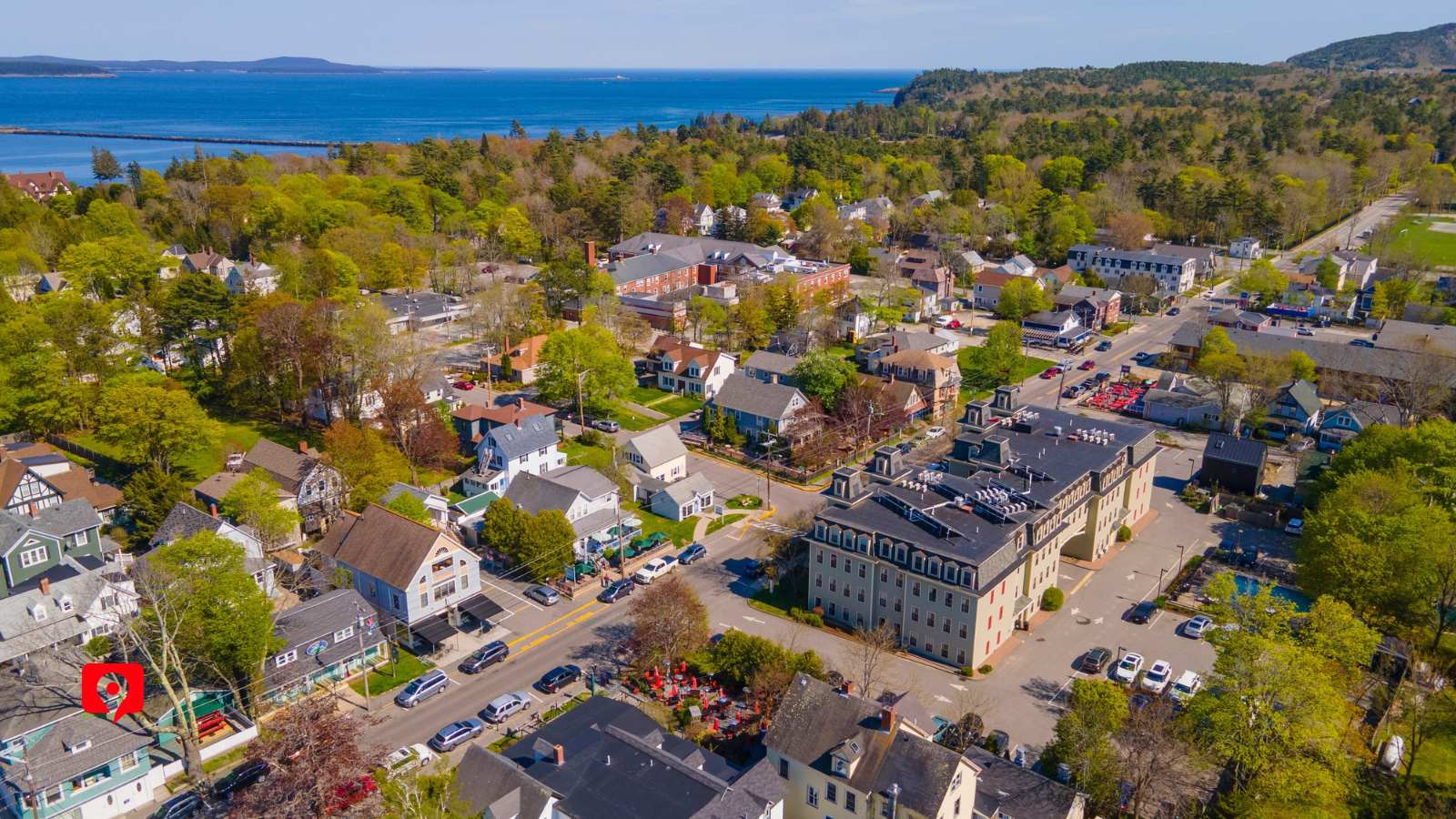
“Walk through the charming Gilded Age neighborhoods, lined with Victorian and Colonial Revival homes. Hear the tales of how America’s new-money elite put Bar Harbor on the map as a coastal getaway 150 years ago – and the dangers that nearly destroyed it.”

Village Green

“A great spot to relax and even take in some live music before choosing a restaurant along Main Street. The Village Green has a number of selfie-worthy spots, from the spot where President Taft once gave a speech to a Baroque fountain.”

Bar Island Trail

“Only visible at low tide, this gravel path across a sandbar creates a path between Bar Harbor and Bar Island for 1.5 hours on either side of low tide. Don’t worry – water taxis offer quick transport for those who lose track of time on the island.”

Abbe Museum

“Don’t miss this museum among the quaint buildings of downtown Bar Harbor! The Abbe Museum preserves the history of the Wabanaki, the original inhabitants of Mount Desert Island, and interprets the story of the complex ecosystem at Acadia National Park, too.”

Cannon Beach

Cannon Beach is an iconic Oregon Coast destination, most famous for the majestic Haystack Rock rising from the ocean. Spend your time strolling along the expansive sandy beach, marveling at the dramatic sea stacks, and discovering tide pools teeming with marine life. The town itself offers a delightful array of art galleries, charming boutiques, and exceptional dining experiences. Witness stunning sunsets over the Pacific, casting golden hues over the iconic rock formations, creating unforgettable photographic opportunities


Astoria

Immerse yourself in Astoria’s rich maritime history, where the mighty Columbia River meets the Pacific. Explore the Astoria Column for panoramic views of the city, river, and ocean, a truly breathtaking sight. Discover historic Victorian homes, delve into engaging exhibits at the Columbia River Maritime Museum, or wander along the bustling waterfront. This charming port town offers a unique blend of historical intrigue and scenic beauty, making it a captivating start to your coastal adventure


Chicago, IL May 7, 2020, Abraham Lincoln statue in front of Union soldier burial site Oak Woods Cemetery

Lincoln Woods is a peaceful gateway to the White Mountains. Stroll along riverside trails or dive deeper into the forest, this scenic spot suits every pace.

Fragment of Lower Falls trail in Golden Ears park, Vancouver, Canada.

At Lower Falls, the Swift River tumbles over smooth rock ledges into shallow, wade-friendly pools. It’s a favorite summer stop to cool off, relax, and enjoy the forested setting.

Swift River and old covered Albany Bridge at autumn in White Mountain National Forest, New Hampshire, USA. Fall in New England.

Albany Covered Bridge is a step into New Hampshire’s past. Built in 1858, this timber span over the Swift River is perfect for photos, quiet walks, and a glimpse of old New England charm.

Sabbaday Falls off the Kancamagus Highway in the White Mountain National Forest of New Hampshire, New England, USA.

Sabbaday Falls is a short walk to a three-tiered waterfall framed by mossy rock and hemlocks. With flumes and punchbowls, it’s a quiet marvel carved by time and water.

Rocky Gorge Falls along the Swift River just off the Kancamagus Highway in the White Mountains of New Hampshire. Peak fall colors add beauty to the scene.

Watch the Swift River churn through the tight, rugged cliffs of Rocky Gorge. A footbridge offers dramatic views of this narrow canyon and the raw power of water at work.

trees at white Mountains national forest in Indian summer colors , New Hampshire

The Pemigewasset Overlook opens up a sweeping view of mountains, forests, and winding river valleys. Especially stunning in fall, it’s a perfect place to pause and take it all in.

Ericson Cly Memorial and John Ford Point

Stand at John Ford Point, a legendary overlook named after the famed director who immortalized Monument Valley in classic Western films. This iconic vista, often featuring a lone rider for dramatic effect, offers sweeping views of the sprawling desert landscape. Nearby, pay respects at the Ericson Cly Memorial, honoring a Navajo Code Talker. This spot provides a powerful connection to both the cinematic history and the deep Navajo heritage of this sacred land

The Cube and theTotem Pole

Marvel at the unique geological wonders of The Cube and the nearby Totem Pole. The Cube is a striking, angular butte that stands in stark contrast to some of the more rounded formations, showcasing the diverse erosional patterns in the valley. Nearby, the slender, towering spire of the Totem Pole rises dramatically from the desert floor, a testament to the enduring power of nature. These formations are favorites among photographers and highlight the intricate natural sculptures found throughout Monument Valley.

Three Sister's Viewpoint

Behold the delicate yet imposing spires of the Three Sisters, a trio of slender sandstone pinnacles that rise elegantly from the valley floor. This iconic formation, rich in Navajo legend and spiritual significance, showcases the intricate ways erosion has sculpted the landscape. The viewpoint offers a fantastic opportunity to photograph these unique natural sculptures, which stand as a testament to the timeless beauty and geological artistry found throughout Monument Valley, often symbolizing family and resilience.

Artist’s Point

Experience the breathtaking panorama from Artist’s Point, offering one of the most expansive and inspiring views in Monument Valley. From this vantage point, you can gaze upon a stunning array of buttes and mesas stretching across the horizon, painted in vibrant hues of red and orange. It’s easy to see why this spot has inspired countless artists and photographers, providing a serene moment to absorb the immense scale and majestic beauty of this sacred landscape.

The Mittens and Merrick Buttes

Witness the most iconic formations of Monument Valley: the majestic West Mitten Butte, East Mitten Butte, and Merrick Butte. These colossal sandstone masterpieces, sculpted by millennia of wind and water, create a breathtaking panorama, especially at sunrise or sunset when their colors intensify. Learn about their geological significance and the Navajo legends associated with these silent sentinels that rise dramatically from the valley floor, defining the quintessential image of the American West.

Copper Harbor Sunset. Waves crash on a remote shore of Lake Superior at the northern portion of the Keweenaw Peninsula in Copper Harbor, Michigan.

Copper Harbor is the north shore’s hidden gem. Stroll the harbor, explore Fort Wilkins, or catch a boat to Isle Royale. It’s peaceful, remote, and full of history and rugged charm.

Copper Harbor, Michigan, USA - June 22, 2018: The summit of the scenic Brockway Mountain Drive Copper Harbor is a famous scenic drive in the Upper Peninsula of Michigan.

A short sidetrip from the Black Hills Tour is the mesmerizing rock formation, Devils Tower.

A place of intrigue and fascination even before it became the nation’s first National Monument. Native Americans celebrate what they know as “Bears Lodge” for its spiritual importance. Take a relatively easy walk around its base, or see longer views of the tower rising from the gentle rolling hills on other hiking trails.


Copper Harbor, Michigan, USA - August 24, 2013. Vintage wooden wagon on display at Fort Wilkins State Historical Park. The park features a restored 1800's US Army fort on the northern frontier.

Step back in time at Fort Wilkins Historic State Park, a well-preserved 1844 army post established to protect the burgeoning copper mining industry of the Keweenaw Peninsula. Explore the original buildings, including officers’ quarters, barracks, a hospital, and a lighthouse on Copper Harbor. Living history programs during the summer months bring the fort’s past to life, offering insights into the daily lives of soldiers and their families. The park also offers stunning views of Copper Harbor and Lake Superior, combining historical significance with natural beauty.


Cove On The Coast Of Lake Superior In Michigan. Cliff on the shores of Lake Superior in Michigan's Upper Peninsula.

Lake Superior is the ever-present backdrop to the Copper Country Trail. Watch waves crash, catch a pastel sunset, or simply breathe in the vastness of this inland sea.


The Jampot

Indulge in a unique and delicious experience at The Jampot, a monastery store run by the Poorrock Abbey monks. This quirky and beloved stop along the Keweenaw coast is famous for its homemade jams, fruitcakes, and other baked goods, all made with local ingredients and a touch of monastic tradition. Sample the delectable offerings and perhaps purchase some to take home as a tasty reminder of your Keweenaw adventure. The Jampot’s scenic location near Eagle Harbor and its reputation for quality treats make it a delightful and memorable stop on the Copper Country Trail.


Eagle River Waterfall In Michigan. Eagle River Falls is one of the largest waterfalls in the Keweenaw and is view able from the road. The falls are located in the town of Eagle River in Michigans Upper Peninsula.

Copper Harbor is the north shore’s hidden gem. Stroll the harbor, explore Fort Wilkins, or catch a boat to Isle Royale. It’s peaceful, remote, and full of history and rugged charm.


Abandoned Quincy Mine In Michigan. Railroad tracks through an abandoned building at the Quincy copper mine in Calumet, Michigan. The mine is part of Keweenaw National Historic Park in Michigan's Upper Peninsula.

Delve into the rich history of copper mining at the Quincy Mine, a National Historic Landmark that offers a fascinating glimpse into the Keweenaw’s industrial past. Take a guided tour deep into the mine shafts to experience the underground world where miners toiled to extract the valuable copper ore. Explore the surface buildings, including the iconic hoist house and learn about the innovative engineering and the challenging lives of the miners who shaped this region. The Quincy Mine provides a powerful and educational experience, bringing the story of the Copper Country to life.


1 2 3 … 7