Category

Freedom Trail

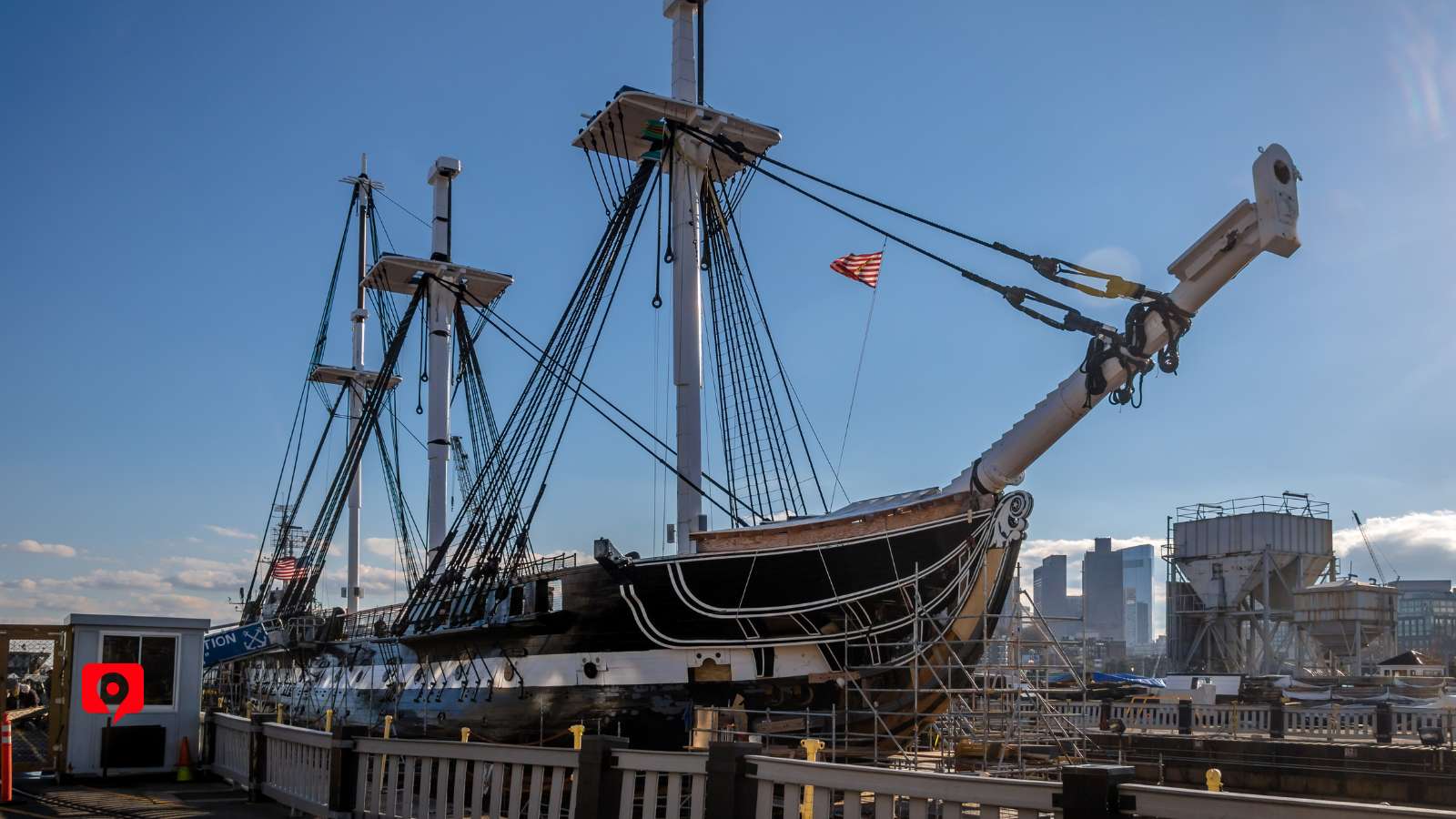
The USS Constitution Museum sits beside “Old Ironsides,” the world’s oldest commissioned warship afloat, and tells the story of how she was built, the battles she fought, and the crew who sailed her. Interactive exhibits and artifacts show her role in the War of 1812 and explain why she’s still in service today. Hands-on displays let you experience what life aboard was like. As a stop on Boston’s Freedom Trail, it’s a great visit for history lovers and families, and our audio tour guides you through it all.
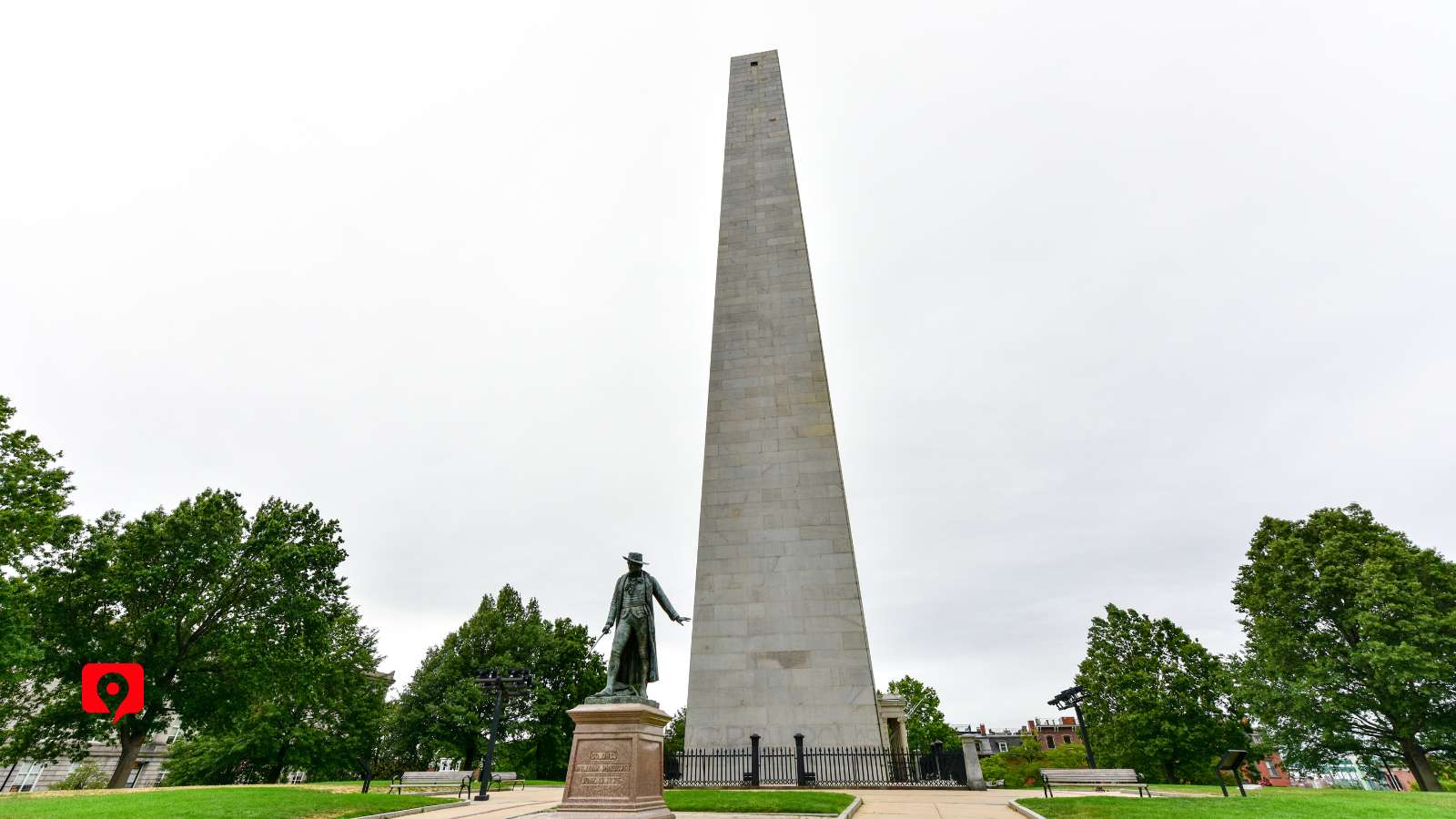
Step up to the Bunker Hill Monument, which honors one of the first major battles of the American Revolution, fought on June 17, 1775. Though named for nearby Bunker Hill, the fighting mainly took place on Breed’s Hill, where the 221-foot monument stands today. The British won, but at a heavy cost, and the battle gave us the famous line “Don’t fire until you see the whites of their eyes.” Climb all 294 steps for panoramic views of Boston, then explore the nearby museum. Our audio tour brings the story of the battle to life at every step.

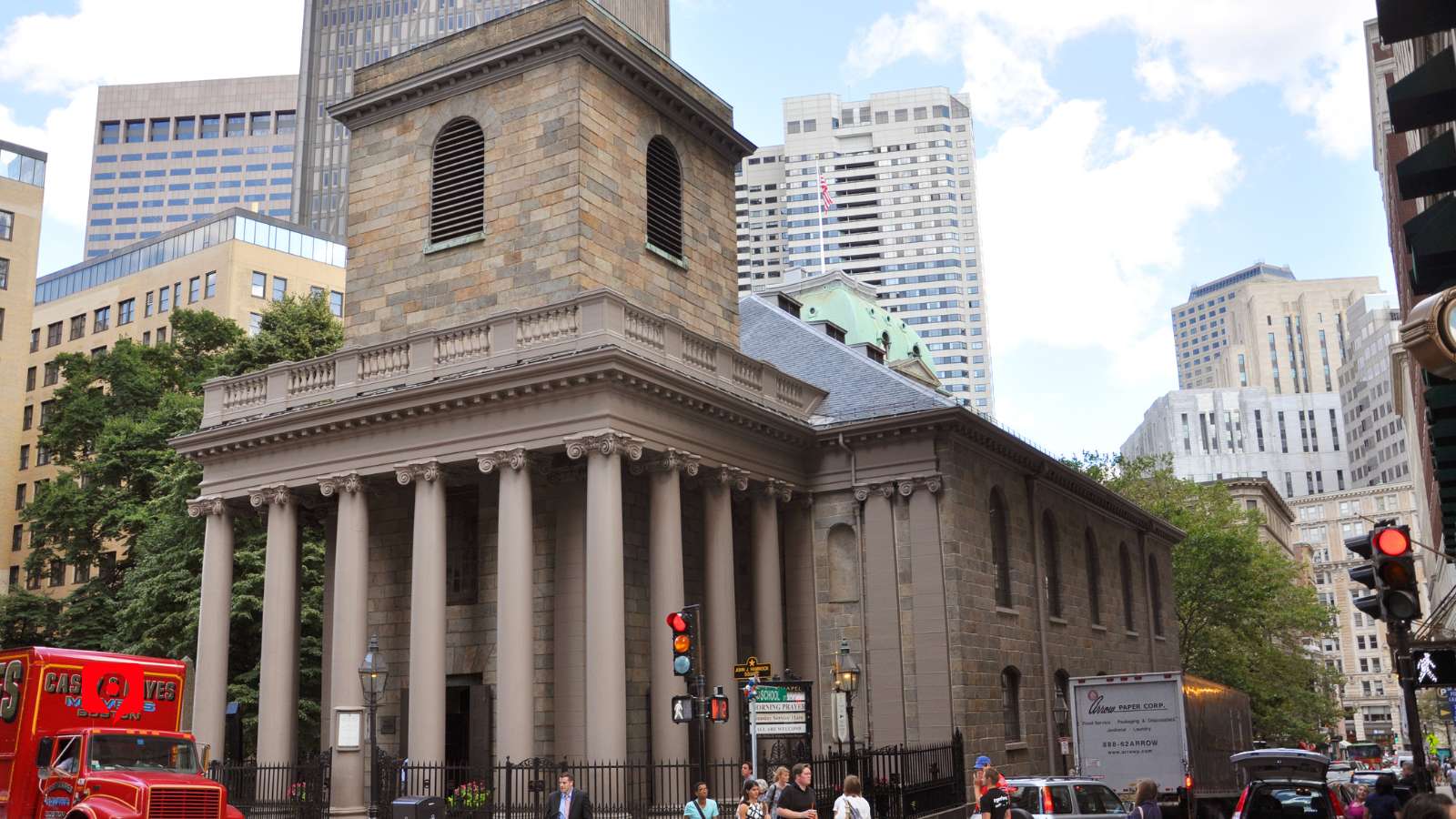
Founded in 1686, King’s Chapel is Boston’s first Anglican church and home to the oldest pulpit in continuous use in America. The stone building you see today was completed in 1754, replacing the original wooden chapel. During the Revolutionary era, it was a gathering place for British loyalists like minister Henry Caner, who stood for those wary of breaking from the crown. Its bell, recast by Paul Revere in 1814, still rings out today, and Revere called it the “sweetest bell he had ever cast.”

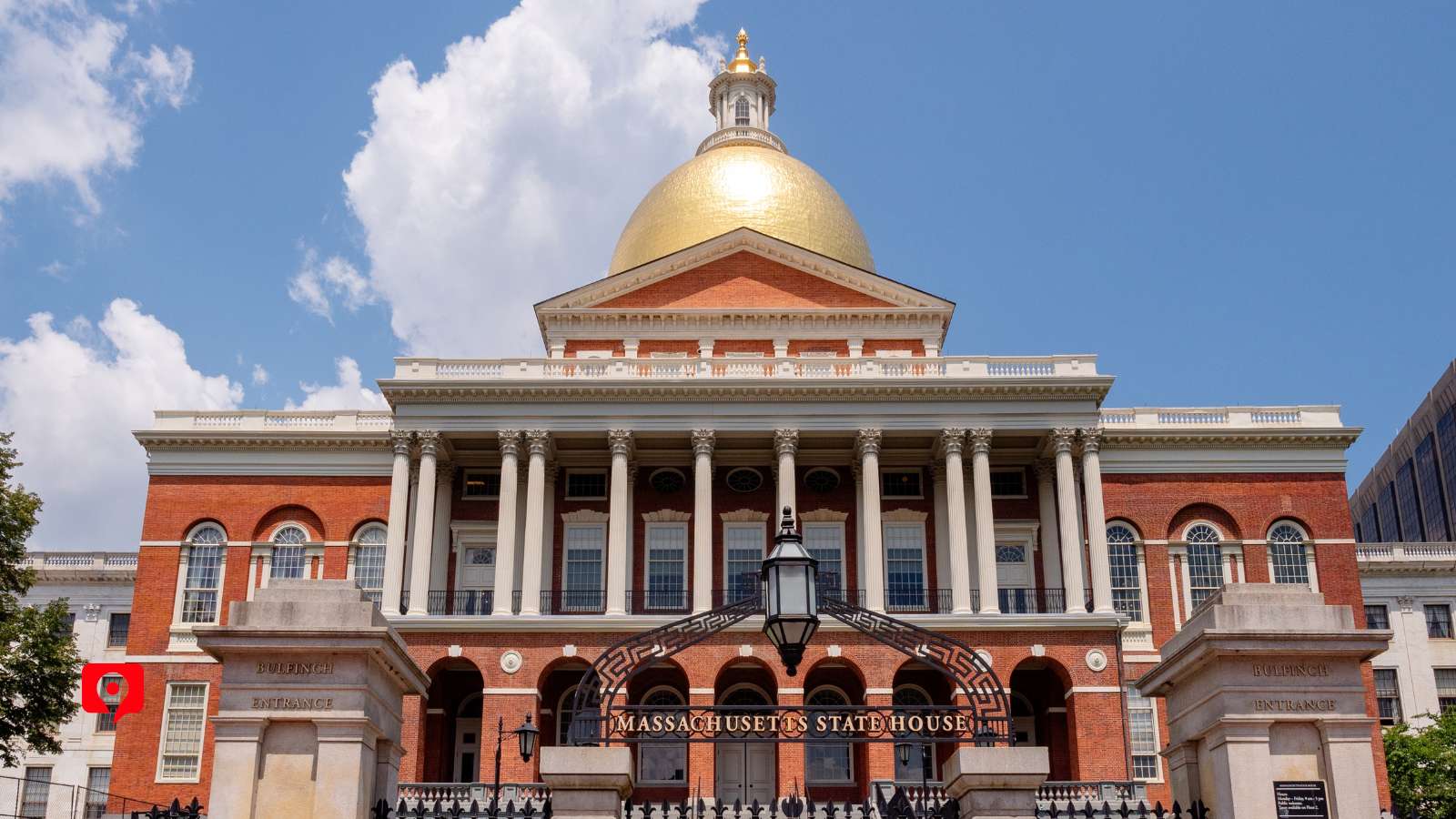
Crowned by its famous gold dome, the Massachusetts State House has overlooked Beacon Hill and Boston Common since 1798. Designed by architect Charles Bulfinch, it still serves as the seat of state government. The building sits on land once owned by John Hancock, and the dome, originally covered in copper by Paul Revere’s company, was later gilded in gold leaf. As a stop on Boston’s Freedom Trail, it’s an easy landmark to spot and a fascinating one to learn about, and our audio tour shares the stories behind the architecture and the people who shaped it.

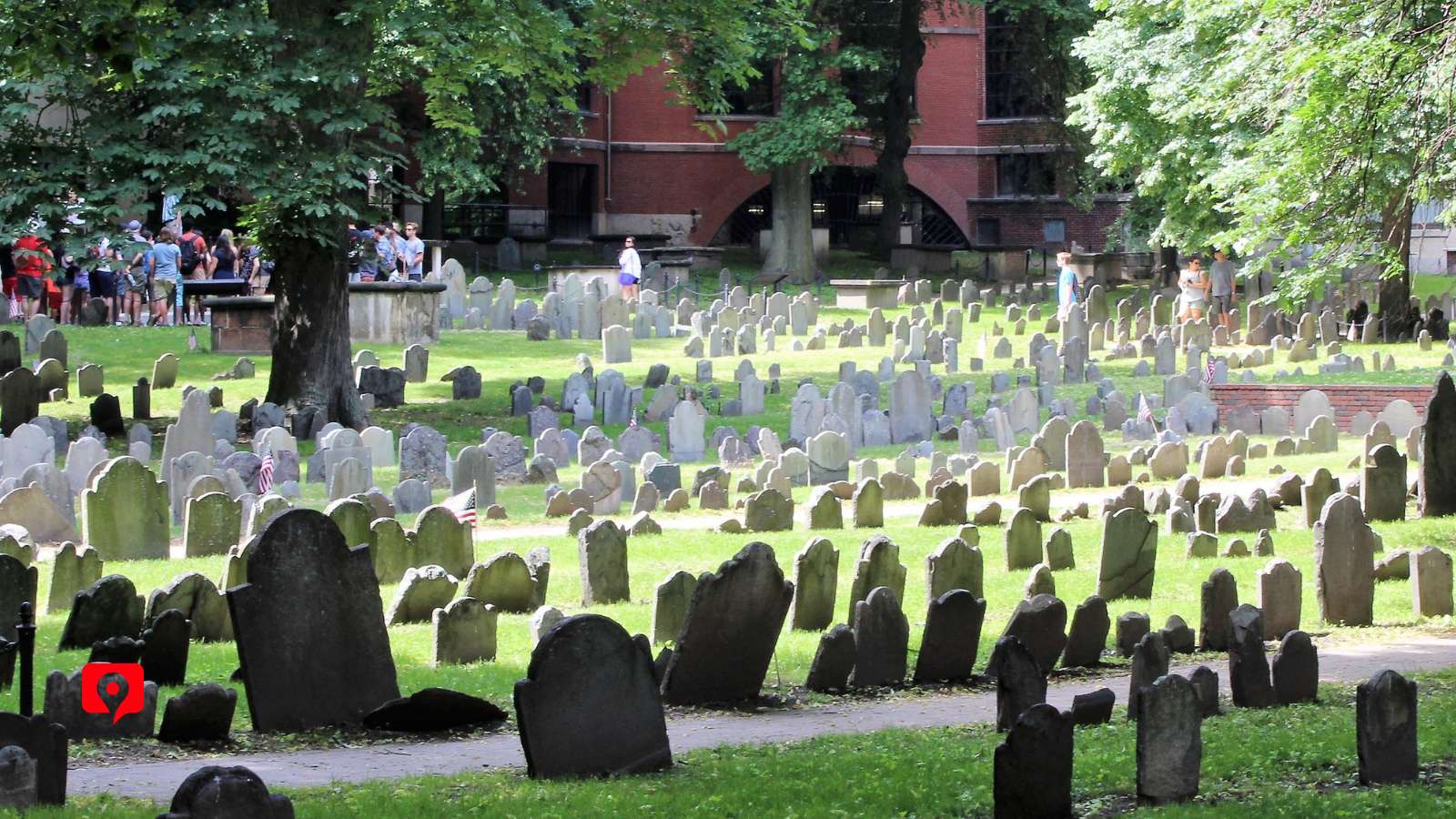
Established in 1660, the Granary Burying Ground is one of Boston’s most historic cemeteries and the final resting place of many figures from the American Revolution. Among those buried here are Samuel Adams, John Hancock, Paul Revere, and Robert Treat Paine, along with victims of the Boston Massacre and the parents of Benjamin Franklin. Walking among the weathered slate headstones is like turning the pages of a history book. As a stop on Boston’s Freedom Trail, it’s a quiet and moving place to reflect.

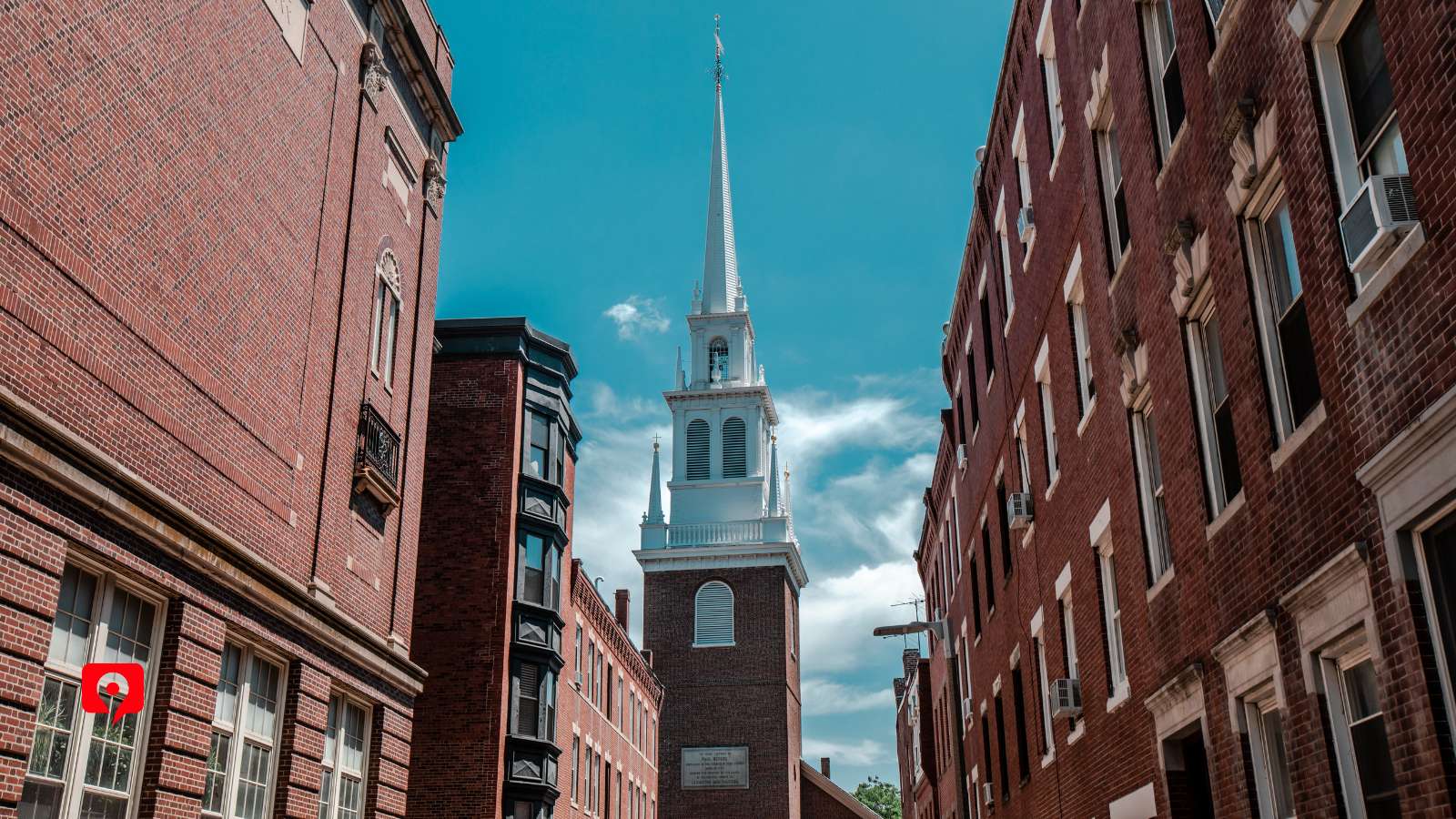
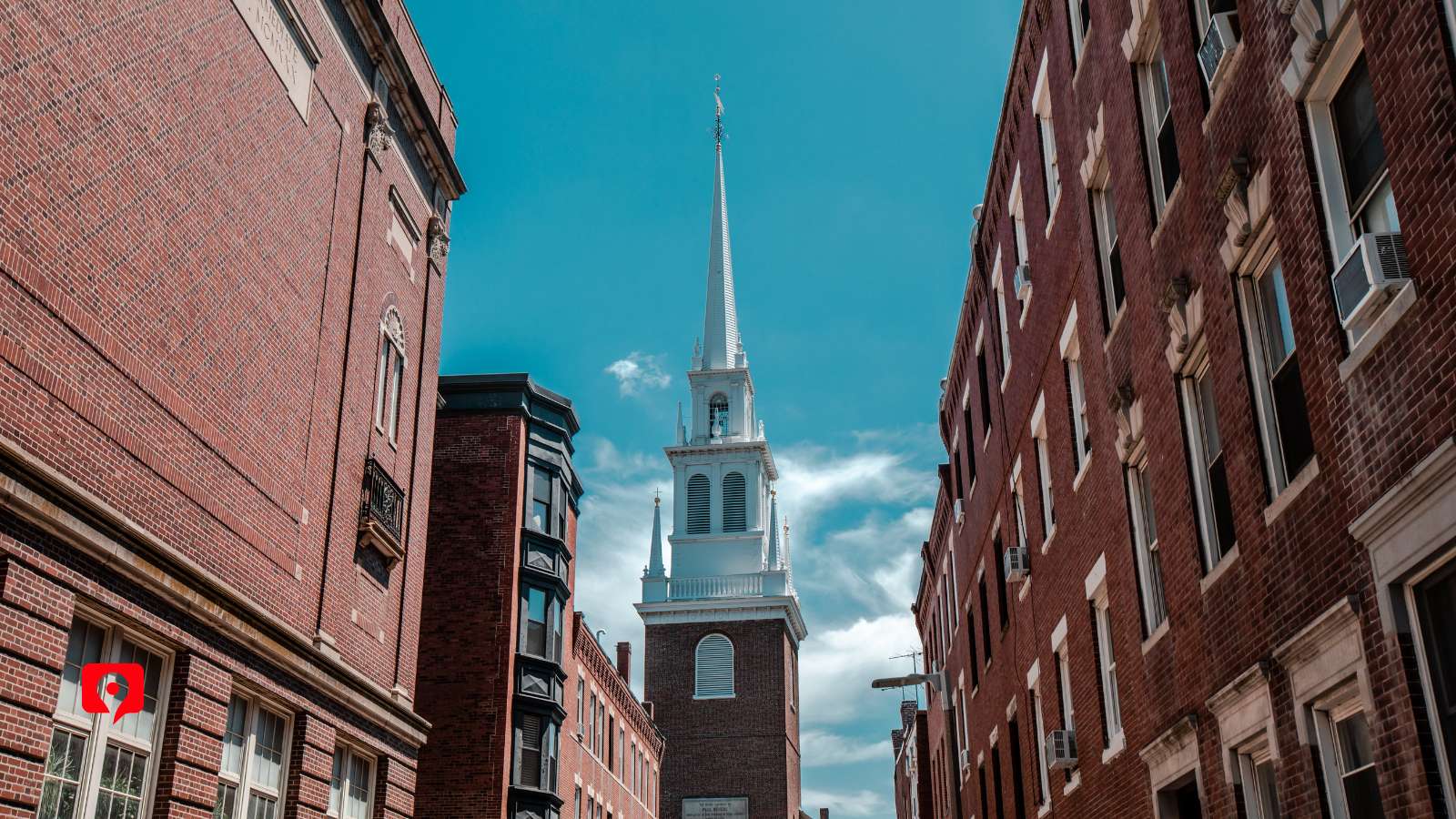
Built in 1723, the Old North Church is Boston’s oldest surviving church and one of the most important landmarks of the American Revolution. It’s best known for its role in Paul Revere’s Midnight Ride. On April 18, 1775, two lanterns were hung here to signal that British troops were advancing by sea, setting the Revolutionary War in motion. Inside, you can walk among the historic box pews, descend into the centuries-old crypt, and climb the bell tower where the signal was sent. Our audio tour guides you through each part of the story.

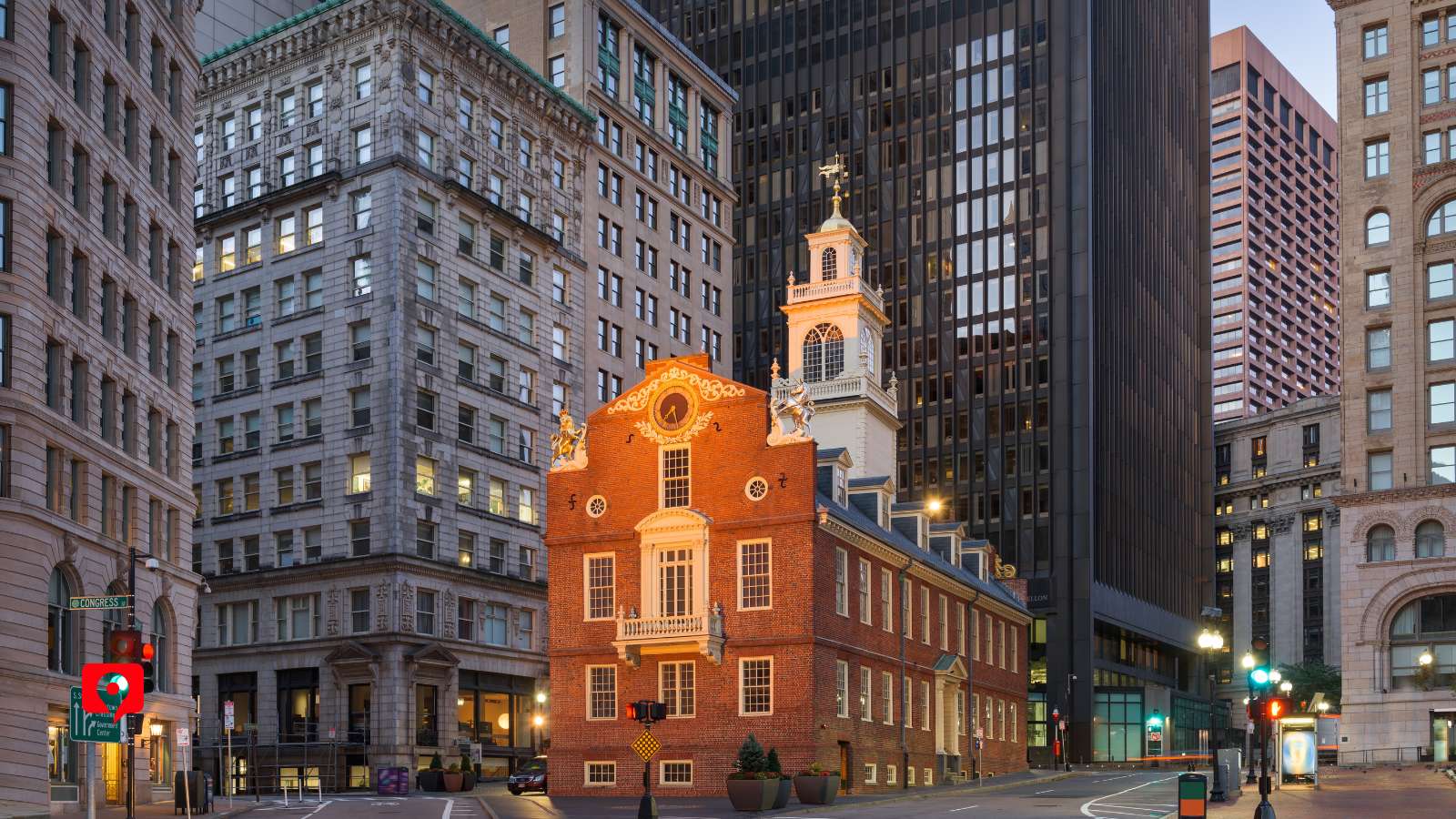
Built in 1713, the Old State House is one of Boston’s most important historic sites. It served as the seat of colonial government and overlooked the Boston Massacre in 1770. Inside, exhibits explore the Revolutionary War, political debates, and the city’s colonial leaders. Outside, you can stand beneath the famous balcony where the Declaration of Independence was first read in Boston, then see rare artifacts that bring the Revolution to life. As a key Freedom Trail stop, it’s a must-see for Boston history lovers.

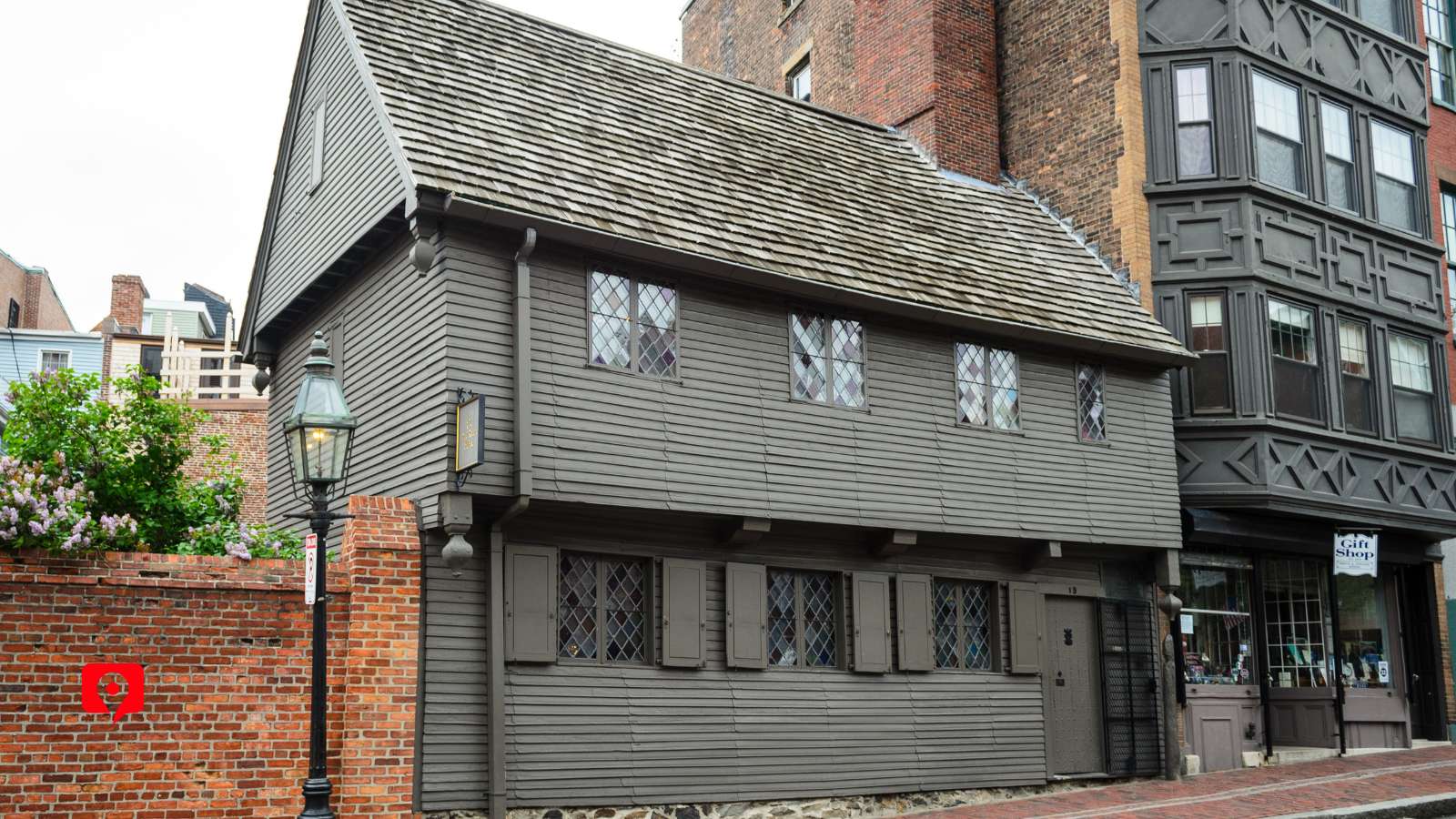
Built in 1680, the Paul Revere House is downtown Boston’s oldest remaining structure and the former home of Paul Revere, a pivotal figure in the American Revolution. Inside, original furnishings and artifacts bring 18th-century life to light. You can walk through the very rooms where Revere lived at the time of his famous Midnight Ride in 1775. Along the Freedom Trail, the house also shows personal family items and tells the dramatic story of the events that shaped America within its walls. Our audio tour guides you through it all.
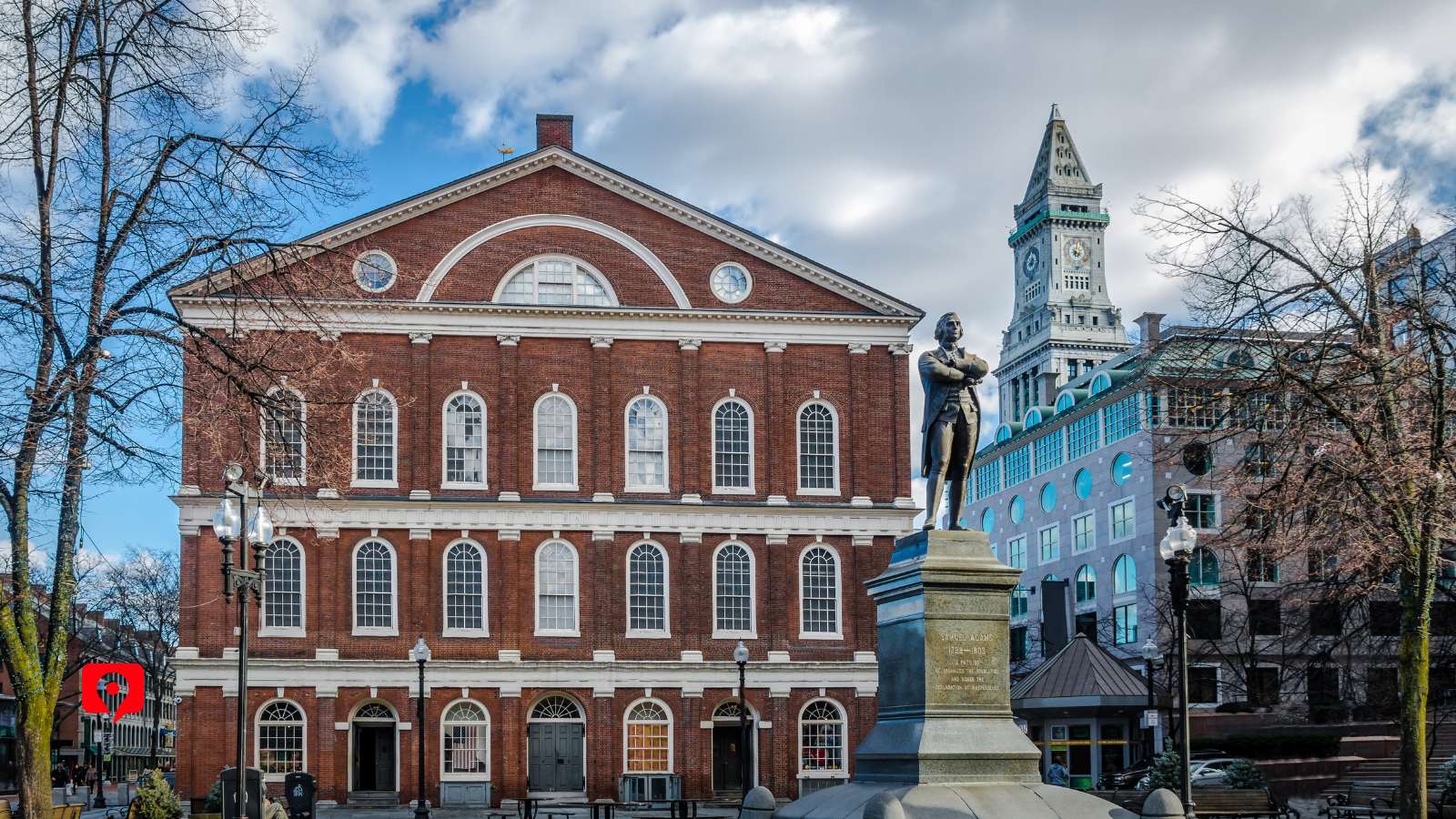
Step into Faneuil Hall, the “Cradle of Liberty,” where revolutionary speeches by Samuel Adams and James Otis fueled the fight for independence. Since 1742, this landmark has been at the heart of American history, and today it buzzes with shops, restaurants, and street performers. Connected to Quincy Market, it blends the past with the energy of Boston’s bustling marketplace. Our audio tour guides you through the historic meeting halls and local vendors, bringing the story of Faneuil Hall to life at every turn.