00:00

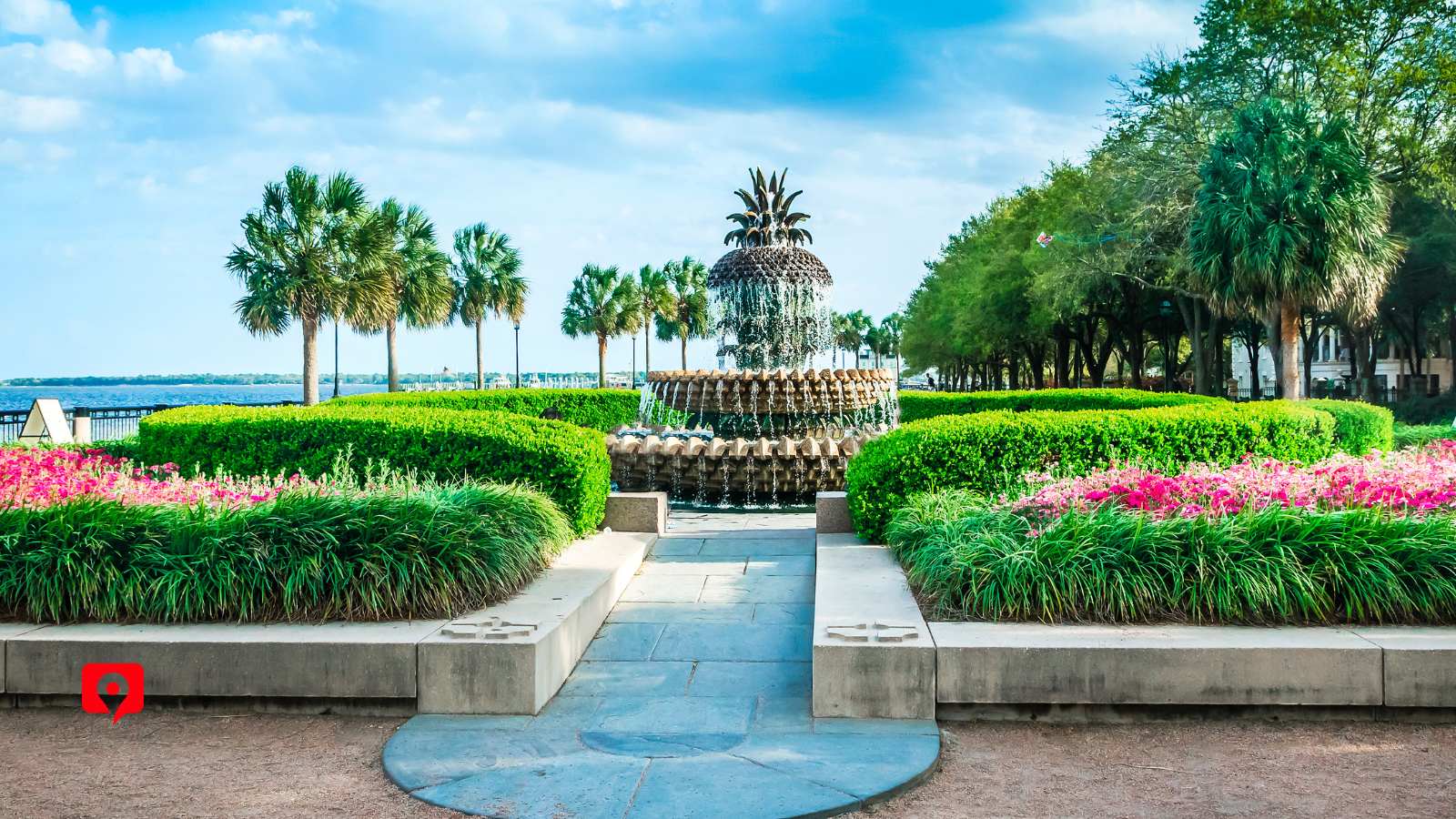
Savannah and Charleston are two of the most picturesque and historically significant cities in the American South, but the highway connecting these two cities can’t be overlooked. This scenic drive passes some seriously scenic towns in the low country and boasts plenty of history in its own right. The drive between Savannah and Charleston can be completed in just a few hours, but there are plenty of side trips to explore along the way, so it’s wise to budget at least a half a day for this journey.
This driving tour covers over 100 miles of Route 17. On the drive, you’ll listen to fascinating stories of this region, from the founding of South Carolina to the complex story of Drayton Hall and beyond.
Along the way, we’ll pass through historic towns like Sheldon and Jacksonboro and get a taste of the Old South. And we’ll see plenty of lush greenery as we drive, including a couple of iconic wildlife preserves packed with trails and sightseeing opportunities.
Charleston and Savannah are both major hubs, so getting to either one is super easy.
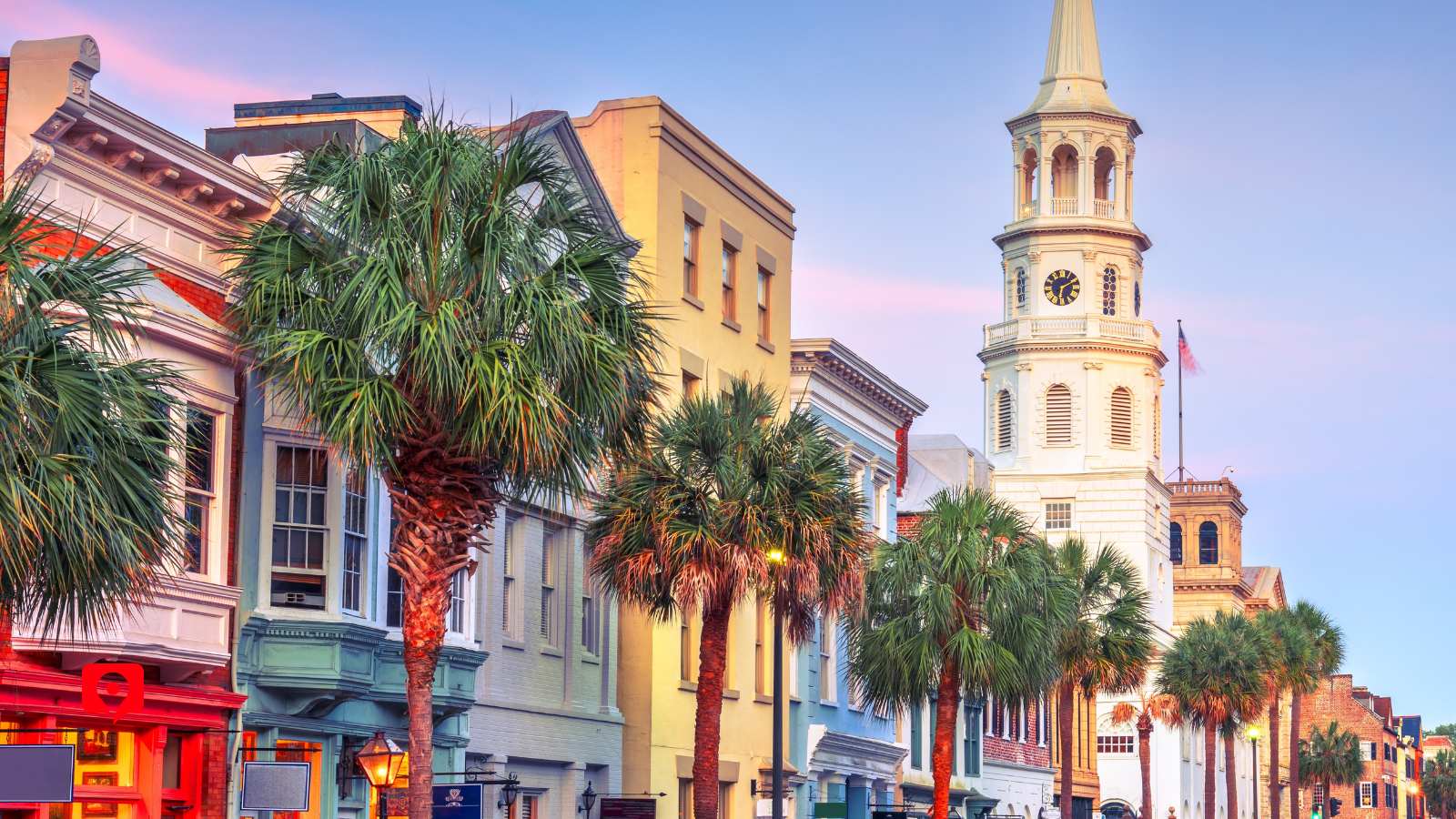

Fly into either Savannah/Hilton Head International Airport or Charleston International Airport. Each is only a short drive outside its respective city.
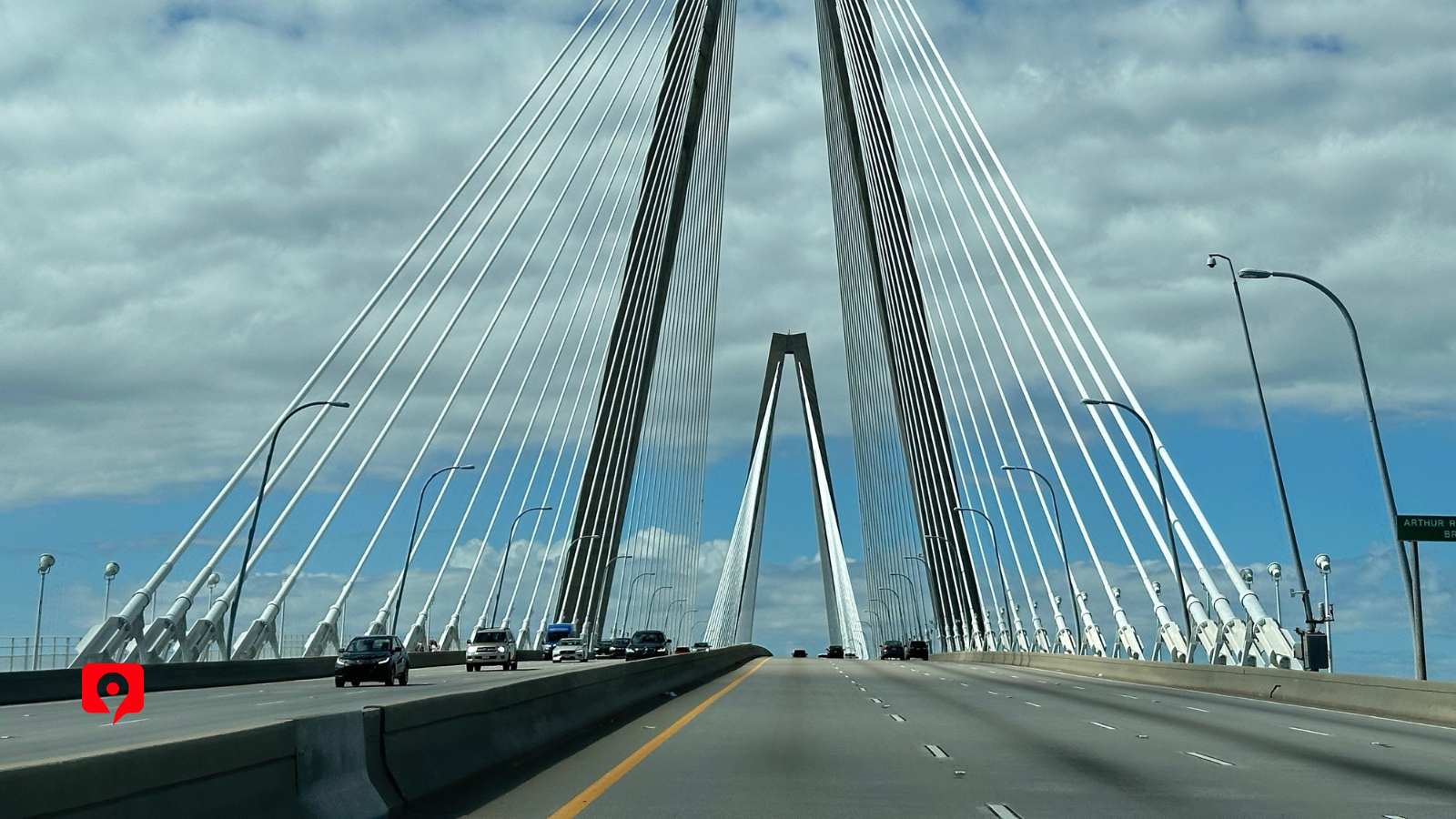
This is a road trip, so you’ll need a car! Savannah and Charleston can both be found along Route 17, a major interstate.

Some of the attractions along this route have an entrance fee, like Drayton Hall, the Caw Caw Center, and the ACE Basin Wildlife Preserve. Tickets can be purchased on-site, but you may want to book your visit to Drayton Hall in advance to ensure you get a spot.

Savannah and Charleston both feature plenty of great hotels, so you won’t be starved for choices in either case. But if you’re looking for something a little different, try The Vendue in Charleston, the city’s very own “Art Hotel.”
And if you’re staying in Savannah, why not try out the Old Harbor Inn? This historic hotel boasts incredible views of the river, and you can’t beat the location if you want to walk around exploring the city’s highlights.

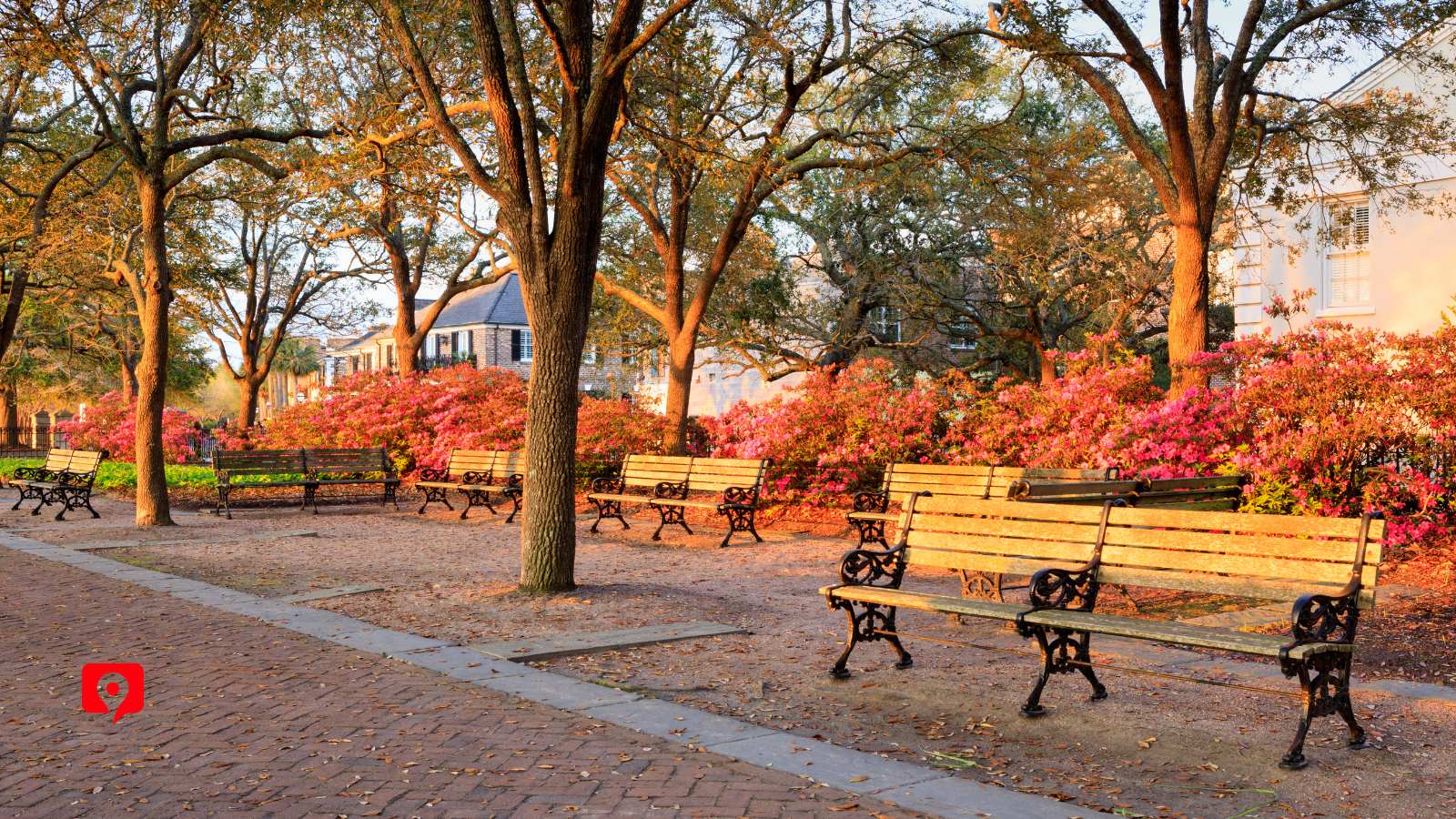
The best time to drive between Savannah and Charleston is during spring (March to May) and fall (September to November). Spring brings mild temperatures and blooming flowers. Fall offers similarly pleasant weather, with the bonus of beautiful autumn colors later in the season.
Summer (June to August) is still a good time to visit, and it’s the greenest season here, but it can be very hot and humid. While the nearby water helps regulate the temperature somewhat, it also contributes a lot to that muggy humidity. Winter (December to February) brings cold conditions and occasional light snowfall, though it’s not especially common. Some seasonal closures or limited hours may occur.
Overall, spring and fall offer the most comfortable weather and the best scenery, allowing travelers to fully enjoy the charm of this historic highway.

While the pure driving time between these two cities is about 2 hours, that doesn’t include any stops. To truly enjoy the journey, it’s best to slow down and take the time to explore. If you plan to make only quick photo stops at major highlights, budget at least half a day for this trip. This pace keeps the trip enjoyable without feeling rushed. For a deeper experience—exploring towns, visiting wildlife preserves, and soaking in the history—plan for a full day’s journey.

The ACE Basin is known for its tremendous wildlife diversity. Nearly 300 different species of birds have been spotted in the ACE Basin National Wildlife Refuge, so it’s a bit of a bird lover’s paradise. That’s because the refuge lies along the Atlantic Flyway — a major flyway for migrating birds that starts in Greenland and travels along the Atlantic Coast to the Caribbean and South American countries.

About 20 minutes off of the Old Coastal Highway stands an enormous Live Oak tree estimated to be between 400 and 500 years old. Its sprawling branches and giant trunk are a sight to see. It is one of the oldest trees in the South, and it is thought to be the oldest Live Oak east of the Mississippi River.
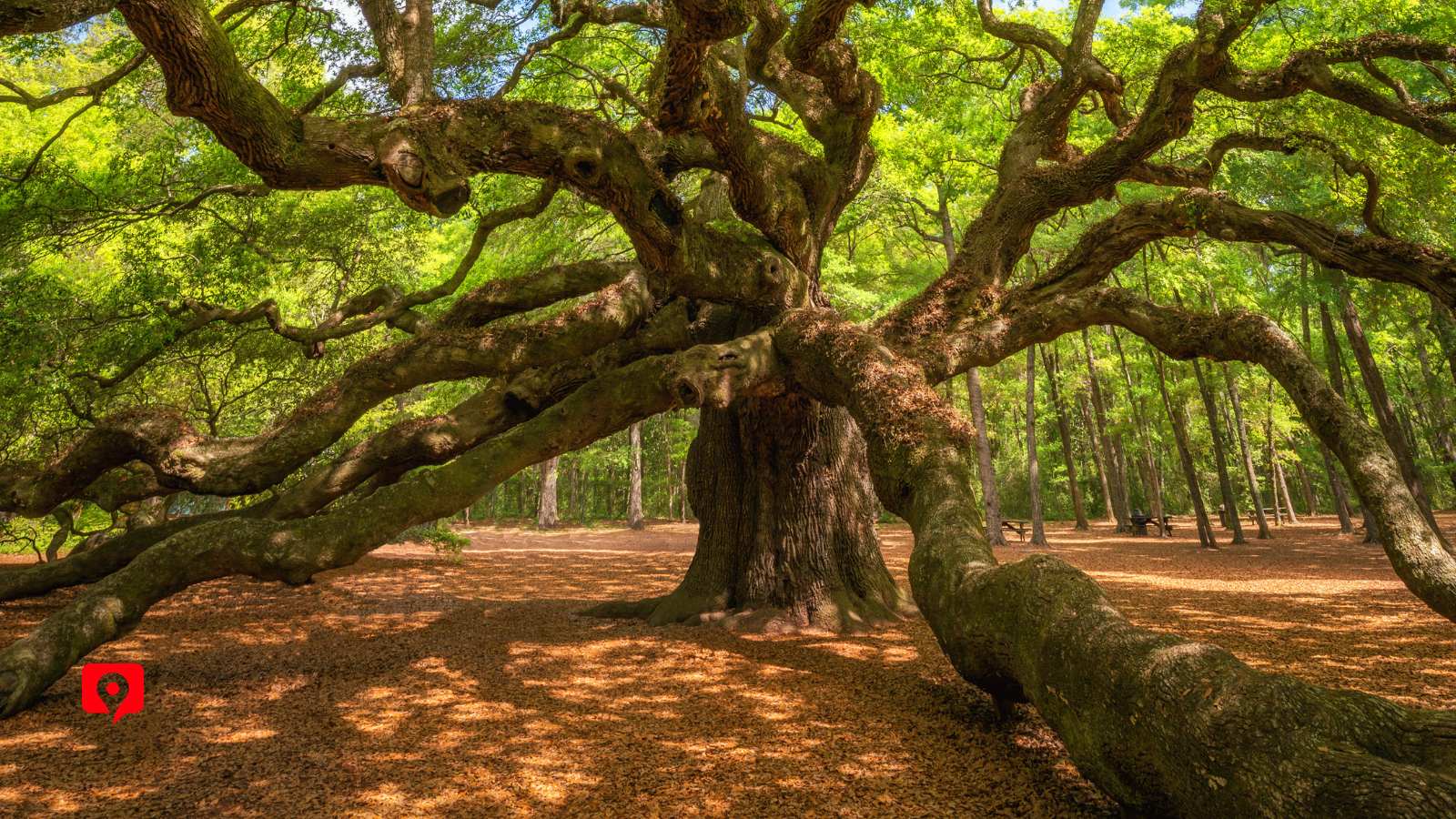
Step into the place where English settlers first established the Carolina colony in 1670. As you wander oak-lined paths and reconstructed palisades, you’ll gain an immersive glimpse into the region’s earliest beginnings. Interpretive exhibits and living-history demonstrations bring daily colonial life into focus, while The Adventure, a 17th-century trading ship replica, shows how settlers traveled and traded along the coast. Blending natural beauty with rich storytelling, Charles Towne Landing is an essential stop for understanding Charleston’s foundation.
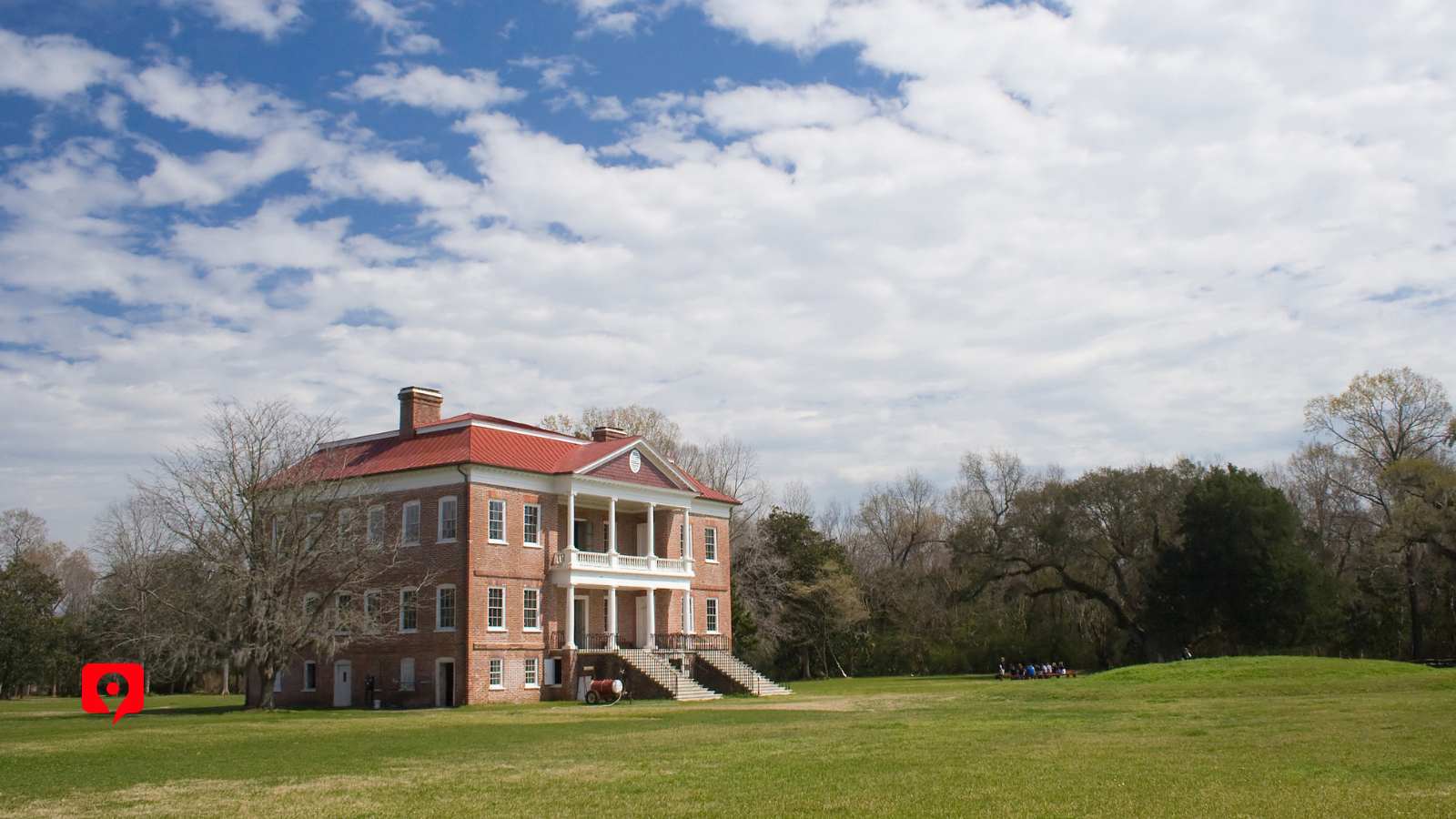
Drayton Hall stands as one of the best-preserved plantation homes in the South, offering an unaltered look at 18th-century architecture and craftsmanship. The house remains untouched by modern additions, allowing visitors to appreciate original brickwork, elegant design, and the history that unfolded here. Peaceful riverfront grounds and thoughtful interpretive displays illuminate the complex stories of the Drayton family and the enslaved people who lived and worked on the plantation. The result is a powerful and beautifully preserved window into early colonial life.
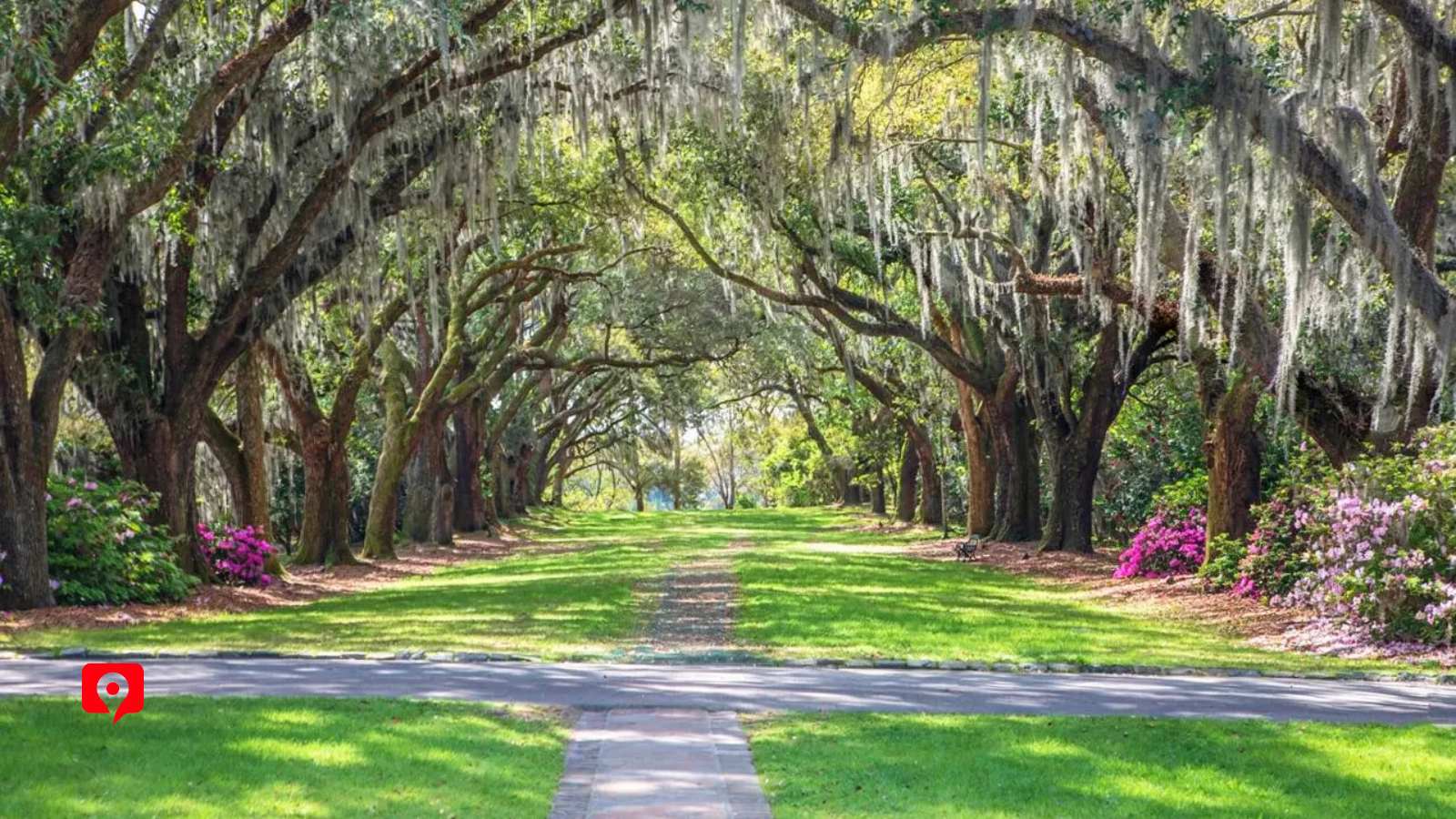
Old Sheldon Church Ruins is worth the stop for its dramatic columns, weathered brick walls, and peaceful setting beneath moss-draped oak trees. It’s the kind of place that feels both beautiful and reflective, with just enough mystery to make it unforgettable. If you enjoy history, atmosphere, or simply great photo stops, this is one you won’t want to pass by.
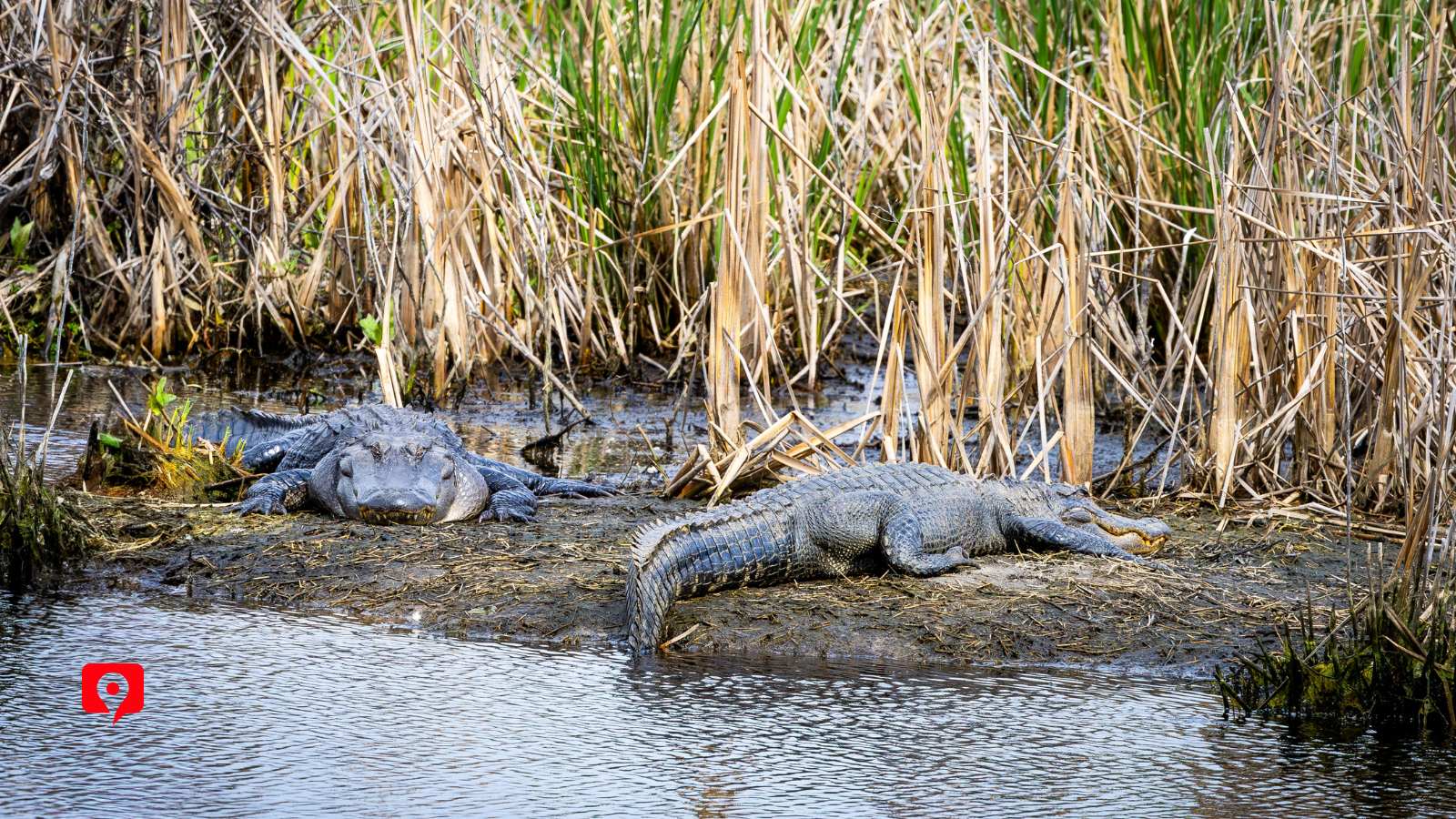
Stretching along the Savannah River, this vast refuge protects thousands of acres of freshwater marshes, bottomland forests, and wildlife-rich wetlands. It provides prime habitat for alligators, migratory birds, and a range of coastal species. Scenic pull-offs along the wildlife drive make it easy to spot herons, egrets, and basking gators, while trails wind through restored rice fields, reminders of the region’s plantation history. Sunrise and sunset reveal the refuge at its most atmospheric, offering some of the Lowcountry’s best wildlife viewing.
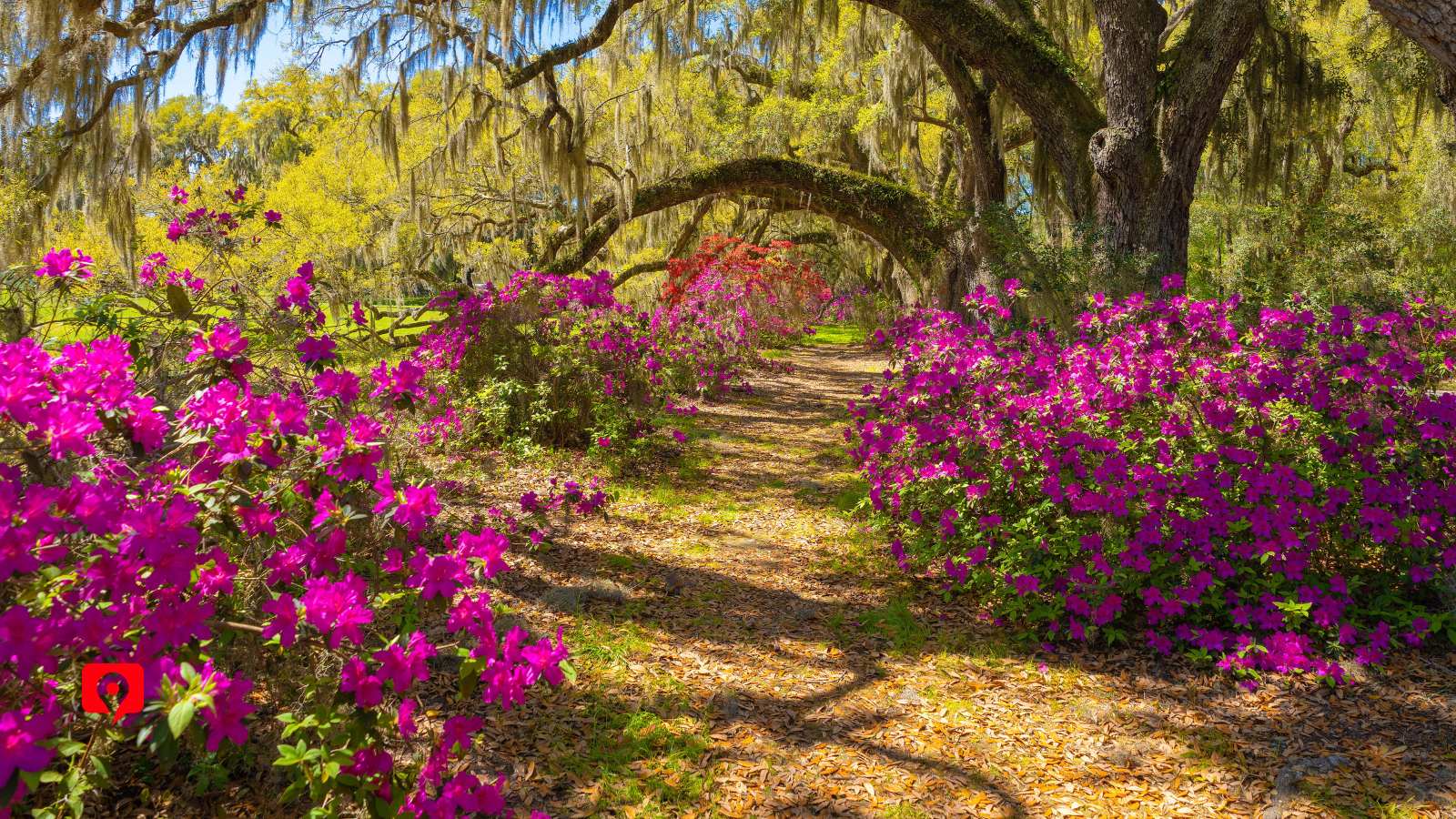
Beaufort is one of the prettiest Lowcountry towns to wander on foot. Expect palm-lined streets, porch-filled homes, and a calm waterfront that feels slower than Charleston or Savannah. It’s an ideal stop for a coffee break, a short walk, and a few photos that instantly scream “coastal South.” If you’re timing it right, sunset on the water here is a quiet win.
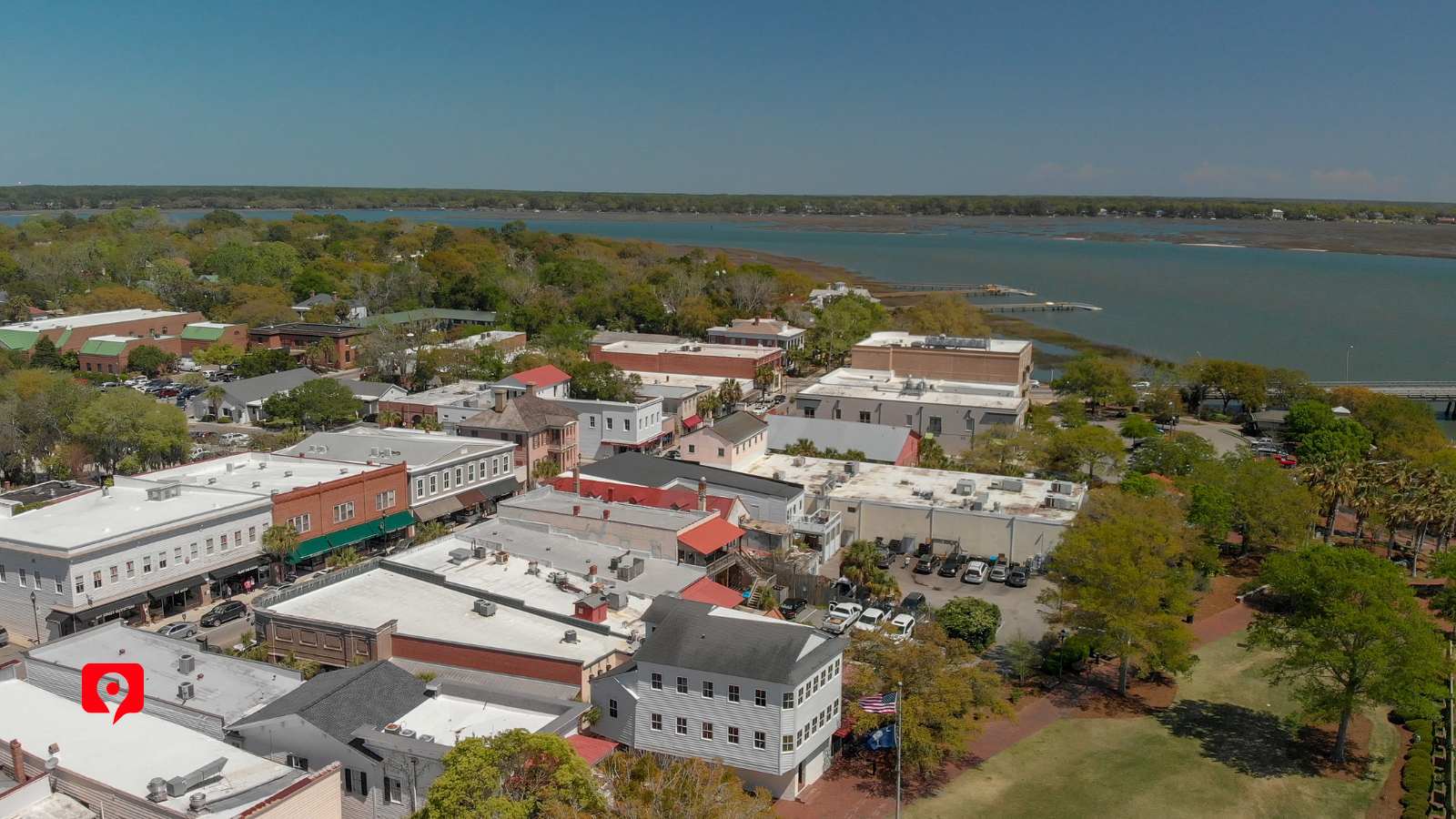
If you want the “iconic Charleston-area gardens” experience, these deliver. You’ll find huge oak trees, landscaped paths, and that classic Lowcountry look that people imagine before they even arrive. It’s a great slow-paced stop when you want to stretch your legs and take scenic photos without a long hike. Plan a little extra time here because it’s the kind of place that pulls you into wandering.
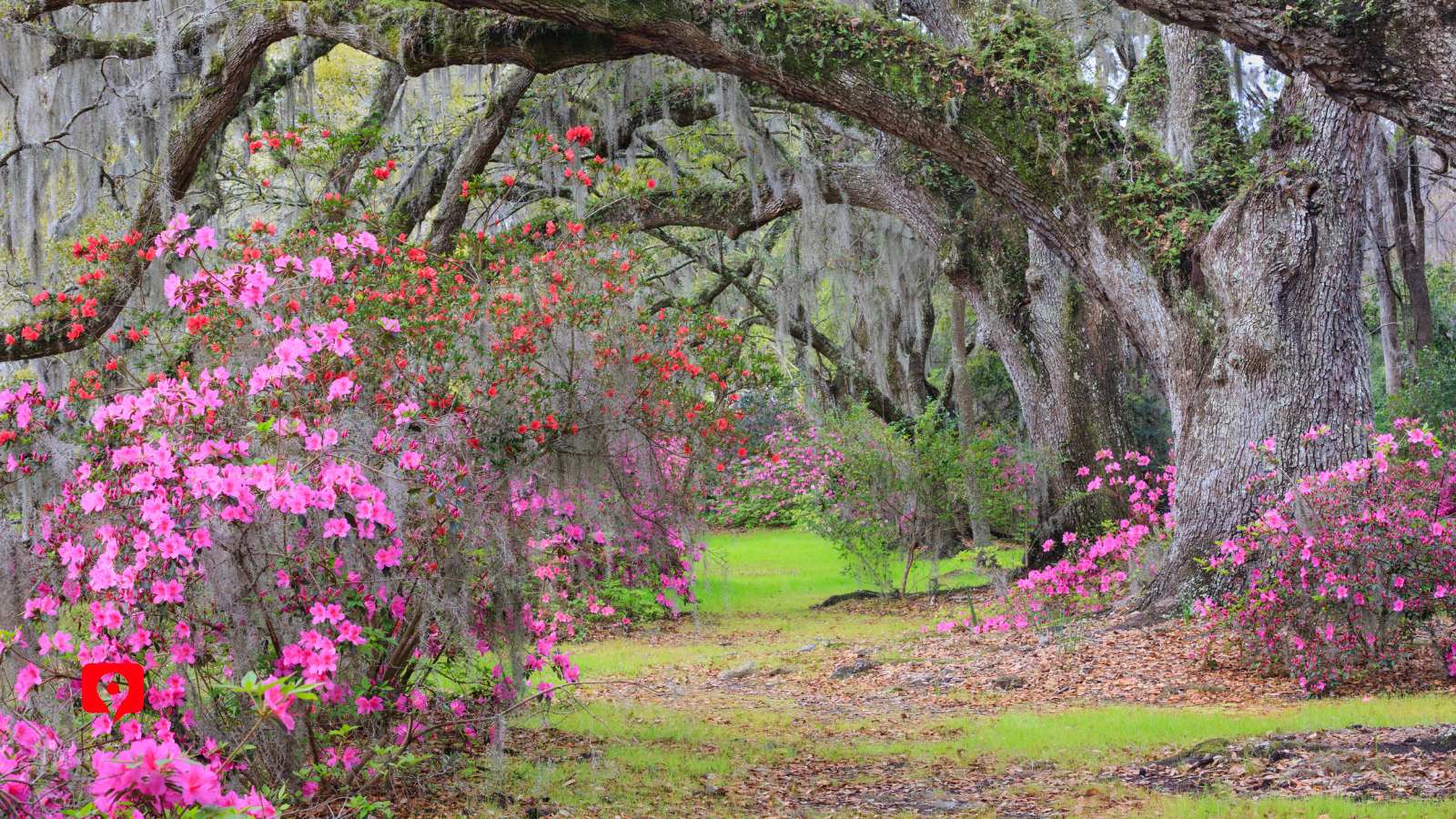
If you want something that feels rare and raw, this is it. Think salt marsh, twisted trees, and a shoreline that’s more dramatic than typical beach towns. It’s a strong choice for photographers and anyone who likes quiet, natural places with a slightly mysterious vibe. Bring water, take your time, and expect to leave with a camera roll full of textures and skies.
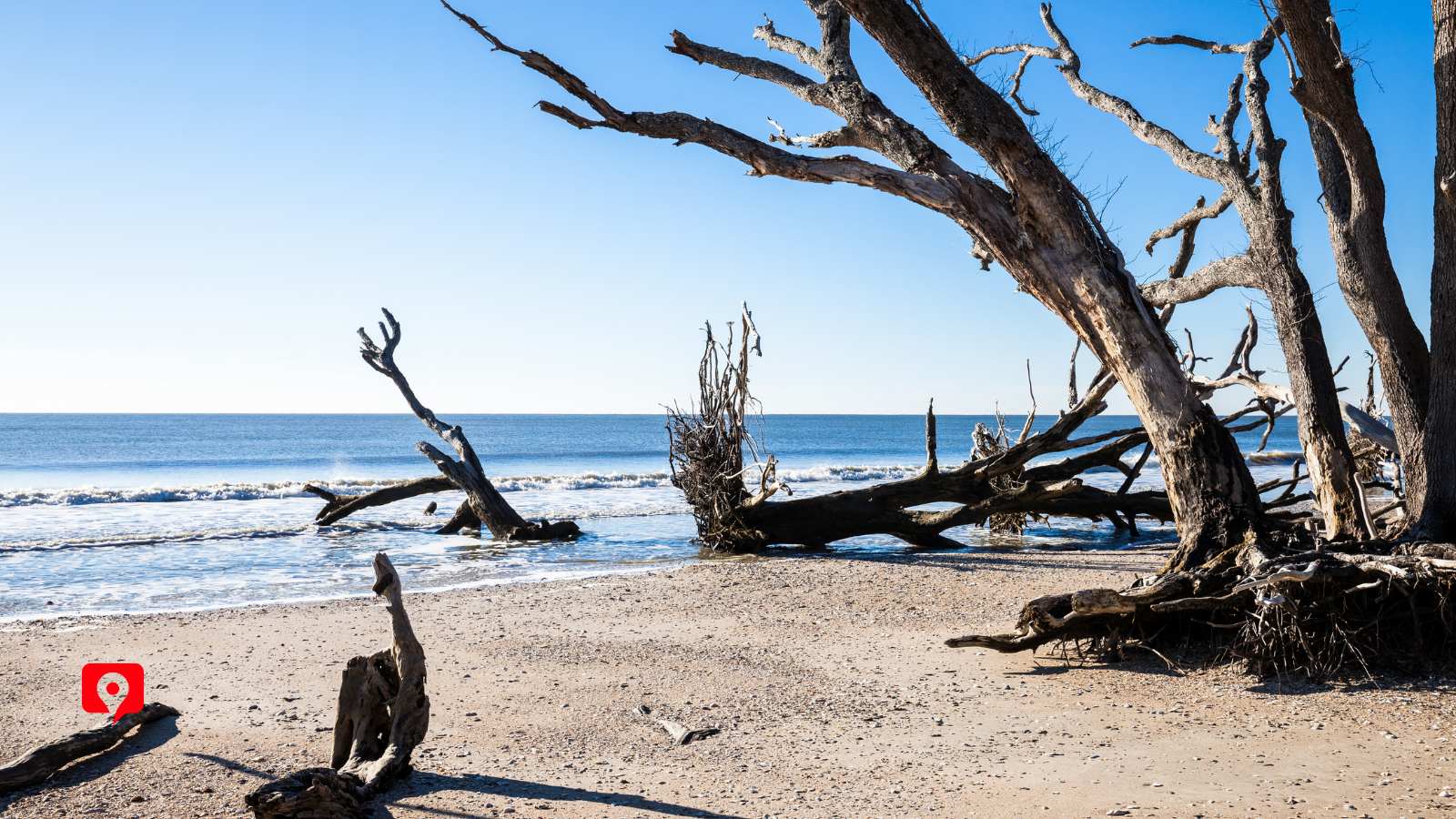
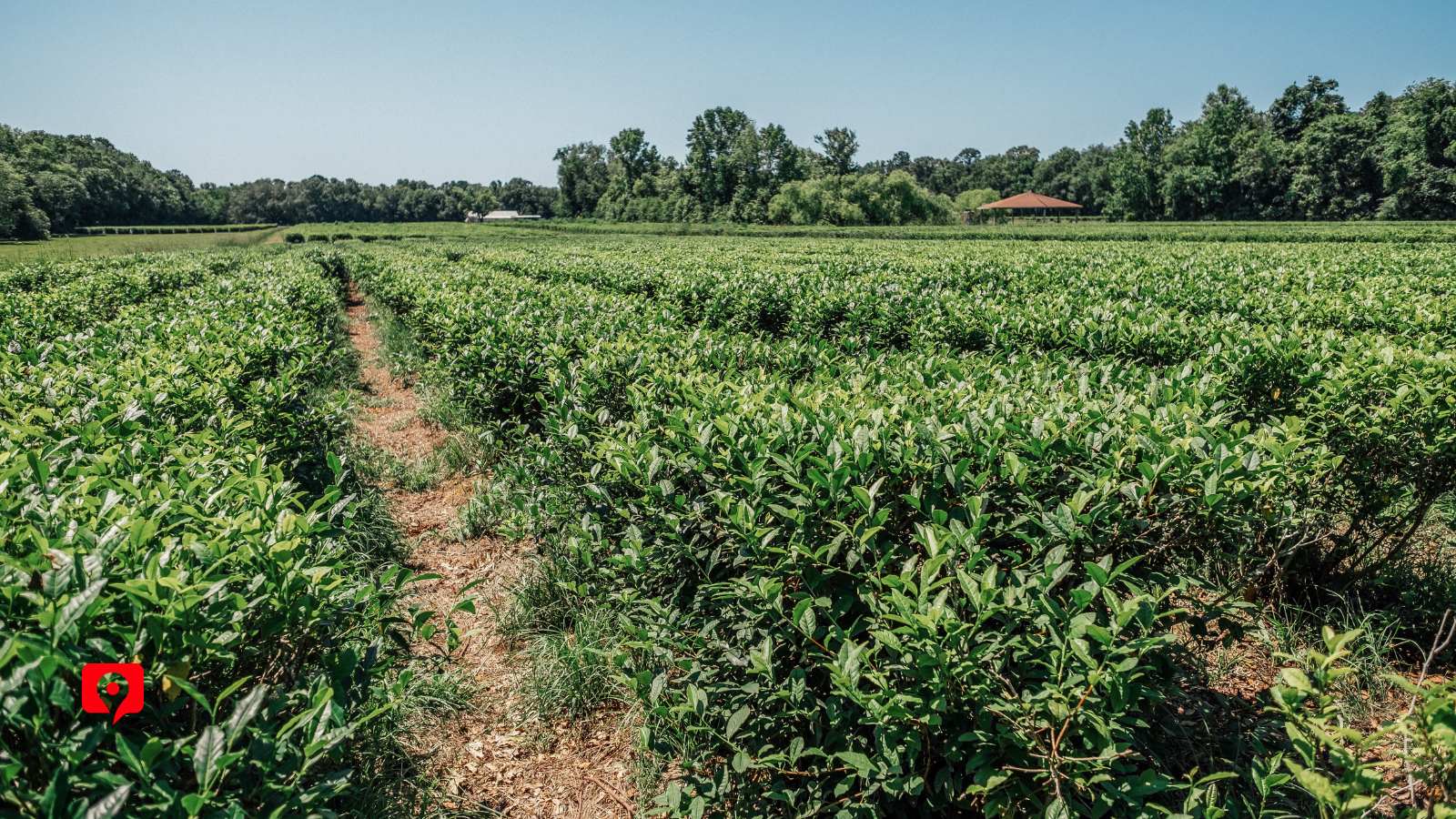
This is one of those stops that’s unexpectedly fun because it’s so different. You can tour the grounds, learn how tea is grown and processed, and then wrap it up with a tasting or a drink to-go. It’s an easy add-on that breaks up the drive with something light and memorable. Plus, it’s a solid gift-shop stop if you want a practical souvenir.
Light Layers & Breathable Clothing: The Lowcountry gets hot and humid, and weather can shift fast. Pack lightweight, breathable layers for the day and a thin layer for cooler mornings or evenings.
Rain Jacket or Poncho: Afternoon thunderstorms are common, especially in summer. A compact rain layer keeps you comfortable if you stop at overlooks, ruins, or boardwalk trails.
Comfortable Walking Shoes: Many stops involve short walks on grass, sand, uneven ground, or historic paths. Supportive shoes help at places like Angel Oak, Old Sheldon Church, and nature trails.
Sun Protection: Sunglasses, sunscreen, and a hat are key. Sun glare off marsh water can be stronger than you expect.
Bug Spray: Marshlands and trails can bring mosquitoes and gnats, especially at sunrise, sunset, and after rain. This is a must for refuges and wetland boardwalks.
Reusable Water Bottle & Snacks: Heat and humidity can sneak up on you. Keep water handy for detours and stops where services are limited.
DC Charger / Portable Battery: Navigation and audio can drain your phone battery. Keep devices charged so your map, stories, and photos stay easy all day.
Wildlife Awareness: You may spot alligators and other wildlife in refuges and wetlands. Keep a safe distance, stay on marked paths, and watch kids near the water’s edge.
Optional Gear: Bug spray, a small towel, wet wipes, a light picnic blanket, a waterproof phone pouch (nice on humid or rainy days), and binoculars for birdwatching.
First Aid & Comfort Kit: A small kit with bandages, blister care, pain reliever, and allergy meds is handy for short walks, boardwalks, and long driving days.