
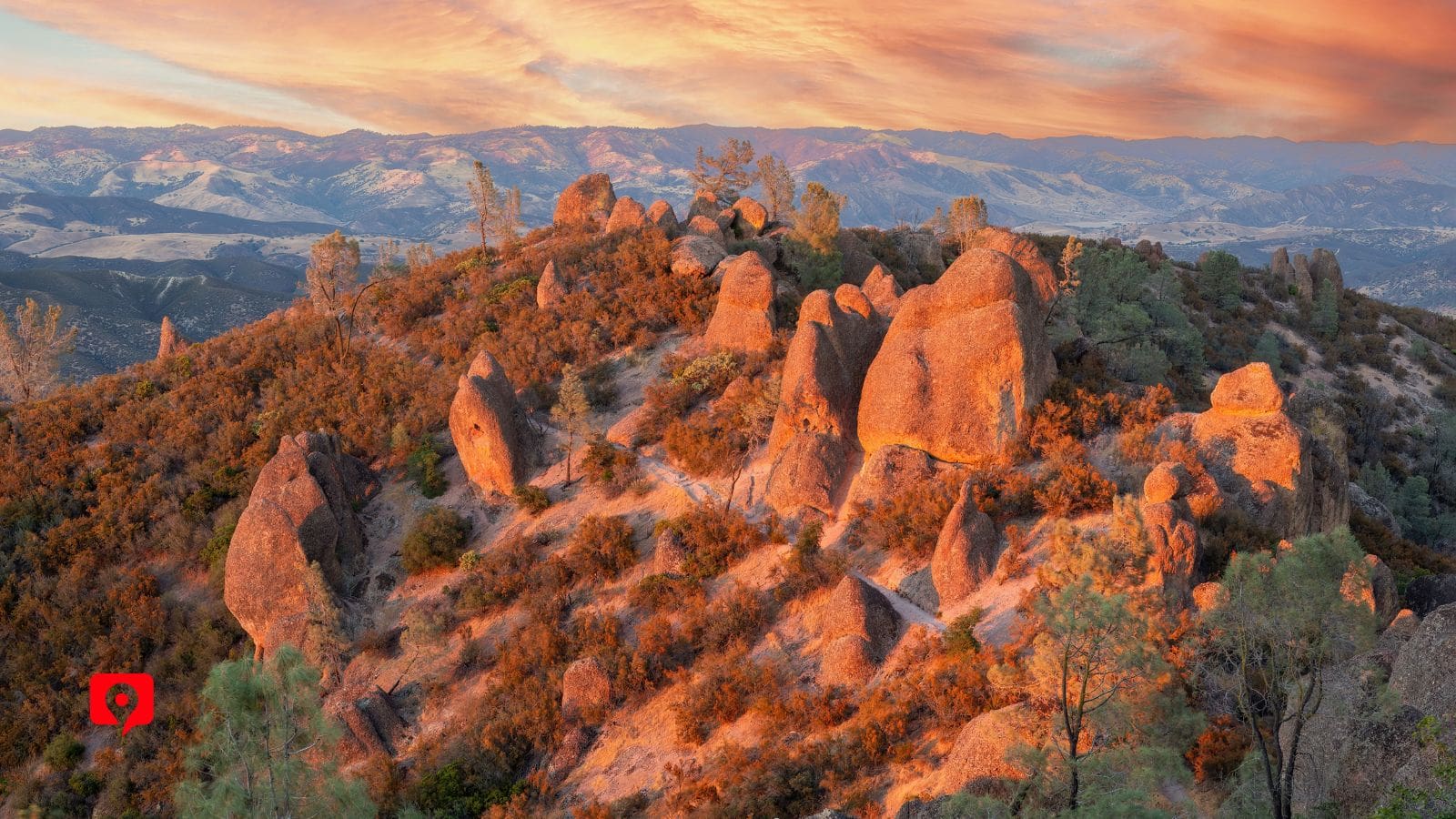
Pinnacles National Park is famous for its massive rock spires, colorful rock formations, and talus caves, all remnants of a prehistoric volcanic system disrupted by the San Andreas Fault. The Balconies Cave is a favorite stop within the park, thanks to its unique structure formed by boulders wedged in the canyon.
One of just a few spots on the planet with a true Mediterranean climate, Pinnacles experiences an annual 6-month-long drought, punctuated by sudden winter rainstorms and flash floods that can rearrange the whole canyon floor. In spite of the extremes, an amazing variety of plant and animal life thrives here. It’s one of the most ecologically diverse ecosystems in the entire state, where gigantic Condors, tiny lizards, and colonies of bats enjoy the web of life anchored by the Chalone Creek.

Travelers arriving in the area by plane can get closest to Pinnacles by flying into Monterey Regional Airport (MRY), which is about 50 miles away from the park’s West Entrance.
Jan Jose Mineta International Airport (SJC) is about 85 miles from the park but tends to offer more flight options.
San Francisco International Airport (SFO) is about 110 miles away from the park. It’s a convenient option for travelers planning to extend a larger Bay Area trip with a drive to Pinnacles.

If coming from the Bay Area, most people approach Pinnacles via US-101 South, then take CA-25 South to CA-146. This leads to the Park’s East Entrance.
Salinas is a popular starting point for Pinnacles National Park. Take US-101 South towards Soledad, then use CA-146 East and follow it for about 14 miles to the park’s West Entrance.
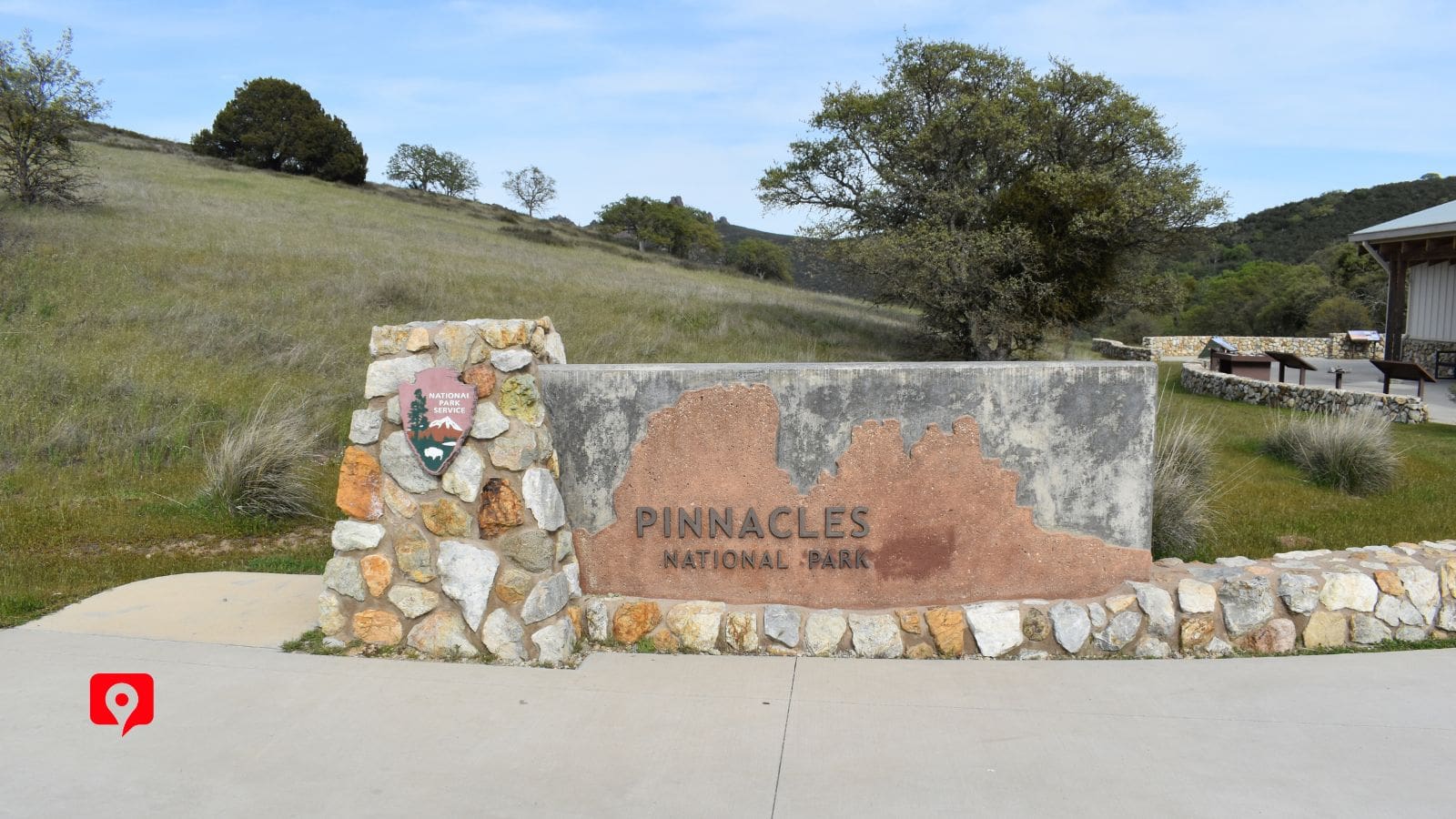
Pinnacles National Park is operated by the National Park service and charges a fee to enter. Fees are typically:

Near the Park’s East Entrance
Hollister and King City are both about 35 minutes away from Pinnacles. Salinas, Monterey, and Carmel are farther away, but are popular choices for visitors taking a longer trip around the Central Coast and Monterey Peninsula.
Near the Park’s West Entrance
Soledad is the most common base for the park’s west entrance and has a variety of hotels and rentals about a 30-minute drive away from the park’s entrance.
Camping at Pinnacles
There is one developed campsite on Pinnacles’ east side. It has spaces for RVs and tent camping, plus a limited number of tent cabins that sleep up to four people. These must be reserved ahead of time on Recreation.gov.

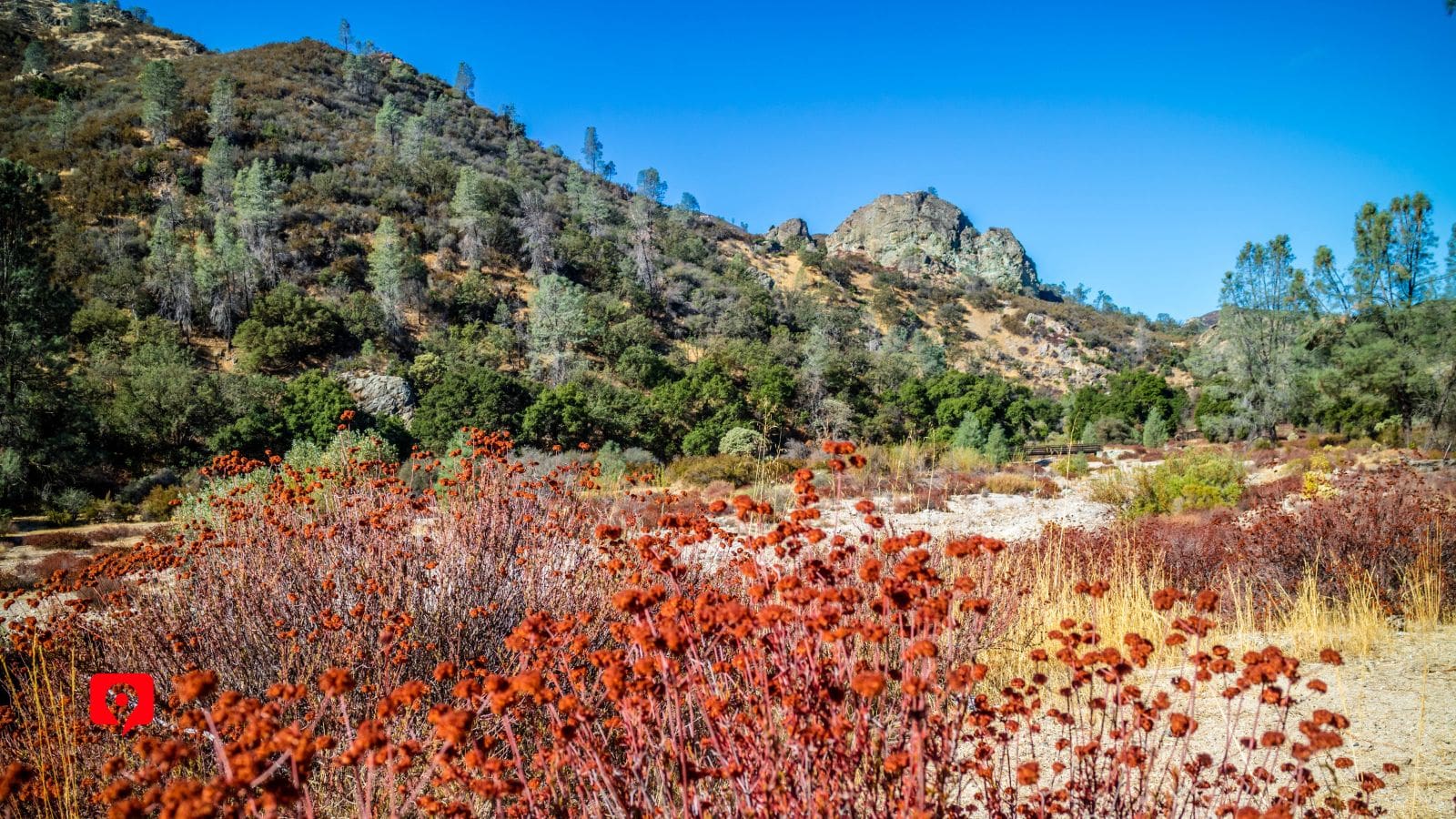
Spring, March through early May, is the best time to visit Pinnacles for full wildflower bloom in the Mediterranean climate. Temperatures are mild, usually in the 70s and low 80s, making the trails more comfortable to hike.
Summer, late May through September, brings extremely hot temperatures, often exceeding 100 degrees Fahrenheit. If planning to visit during the summer, bring lots of water and prepare for extreme heat.
Fall, October through November, has cooler temperatures, similar to spring, so it’s a good choice for hiking.
Winter, December through February, offers cooler temperatures but a higher chance of rain. Keep an eye on trail alerts, as the caves and trails can close due to high water and flooding.
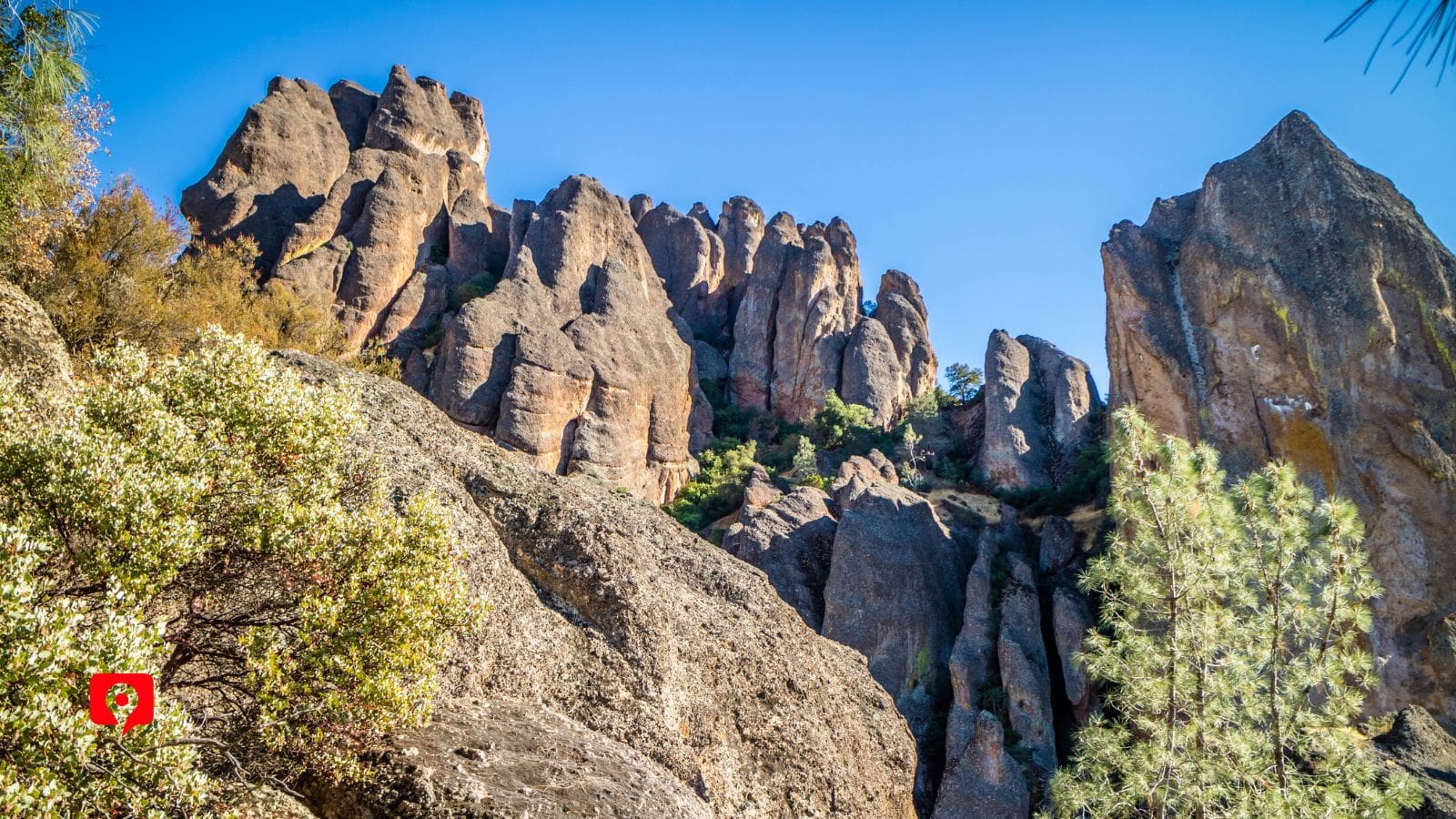
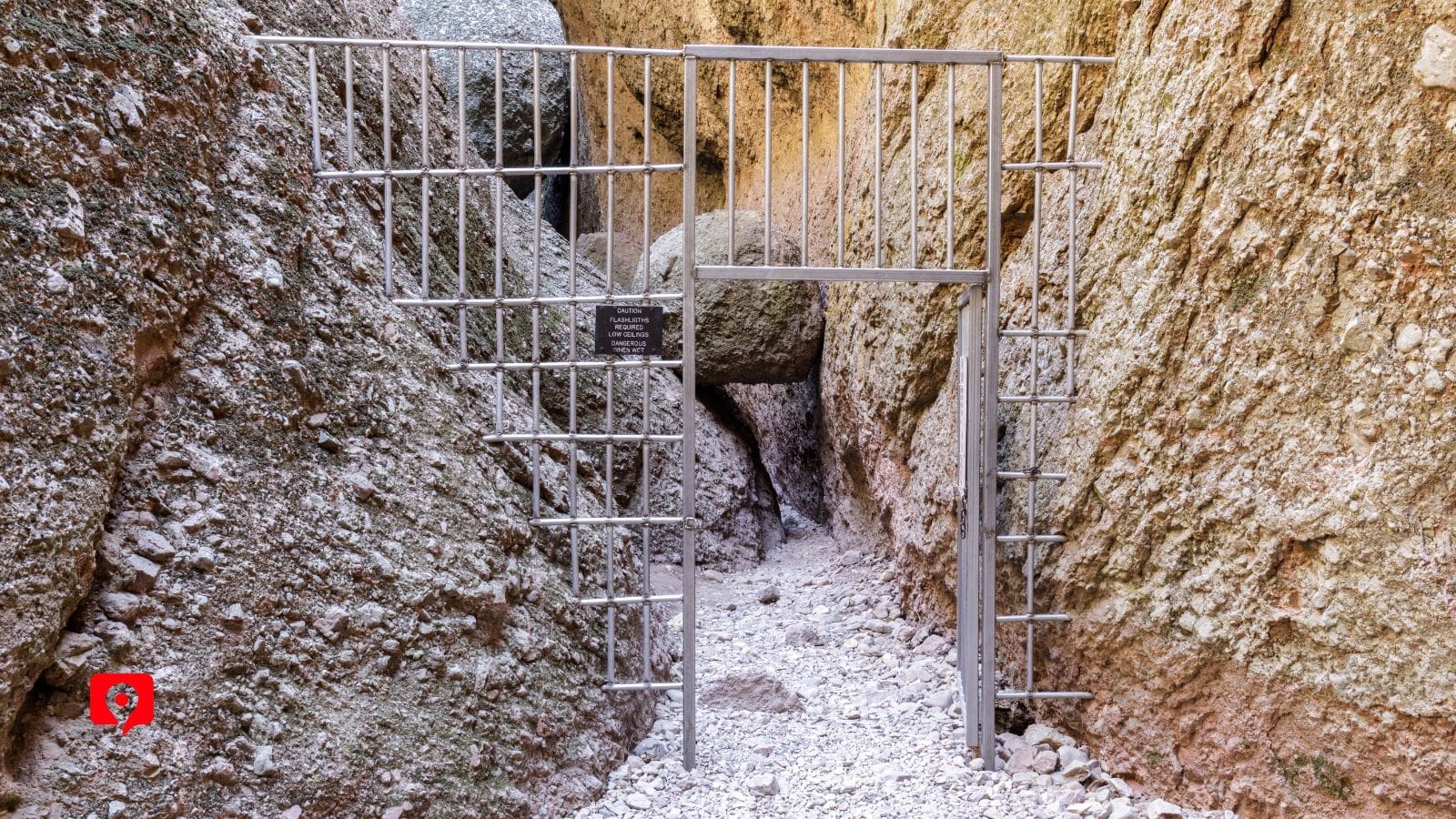
The highlight of our tour is the 0.6-mile trek through Balconies Cave. Unlike most caves, this one isn’t carved out of the earth. It was formed by prehistoric volcanic boulders tumbled into a cavern to create a talus cave. Just a few skylights let in small beams of light, so headlamps are necessary for hiking this portion of the trail.
From this spot along the Balconies Cliffs-Cave Loop, we’ll have a fantastic view of the canyon below. See the dramatic cliff face made of pocked volcanic rock looming over our trail. We’ll share the stories of how a massive geological clash created the sheared-off sides and what makes it one of the most challenging climbing routes for thrill-seekers in California.
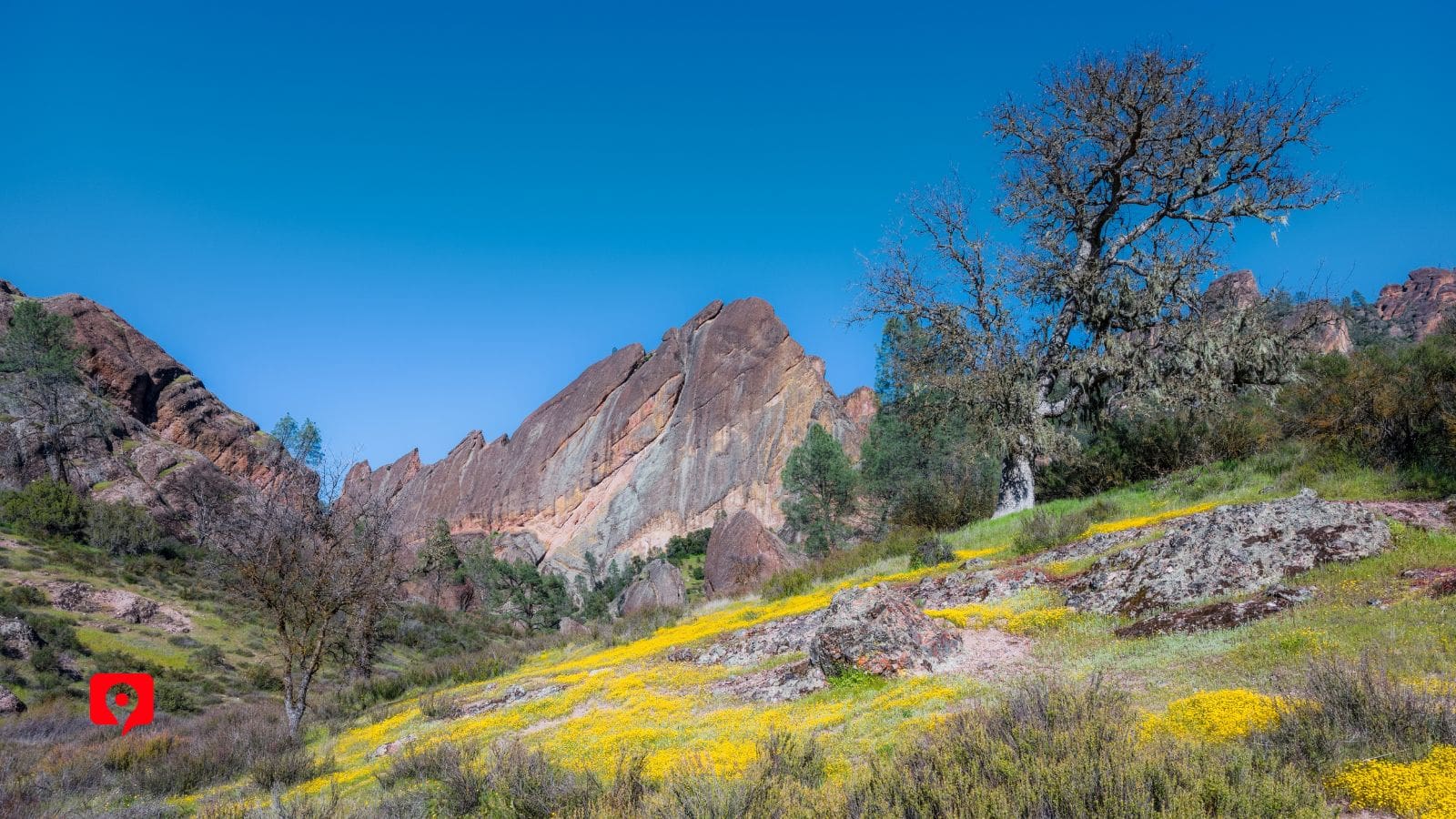
We’ll hike along the Chalone Creek, the changeable waterway that continues to sculpt the ancient rocks of Pinnacles through its seasonal floods. Bone-dry in the summer with brief flash floods in the winter, Chalone Creek gives clues to how so much life manages to survive in this environment characterized by extremes, if you just know where to look.
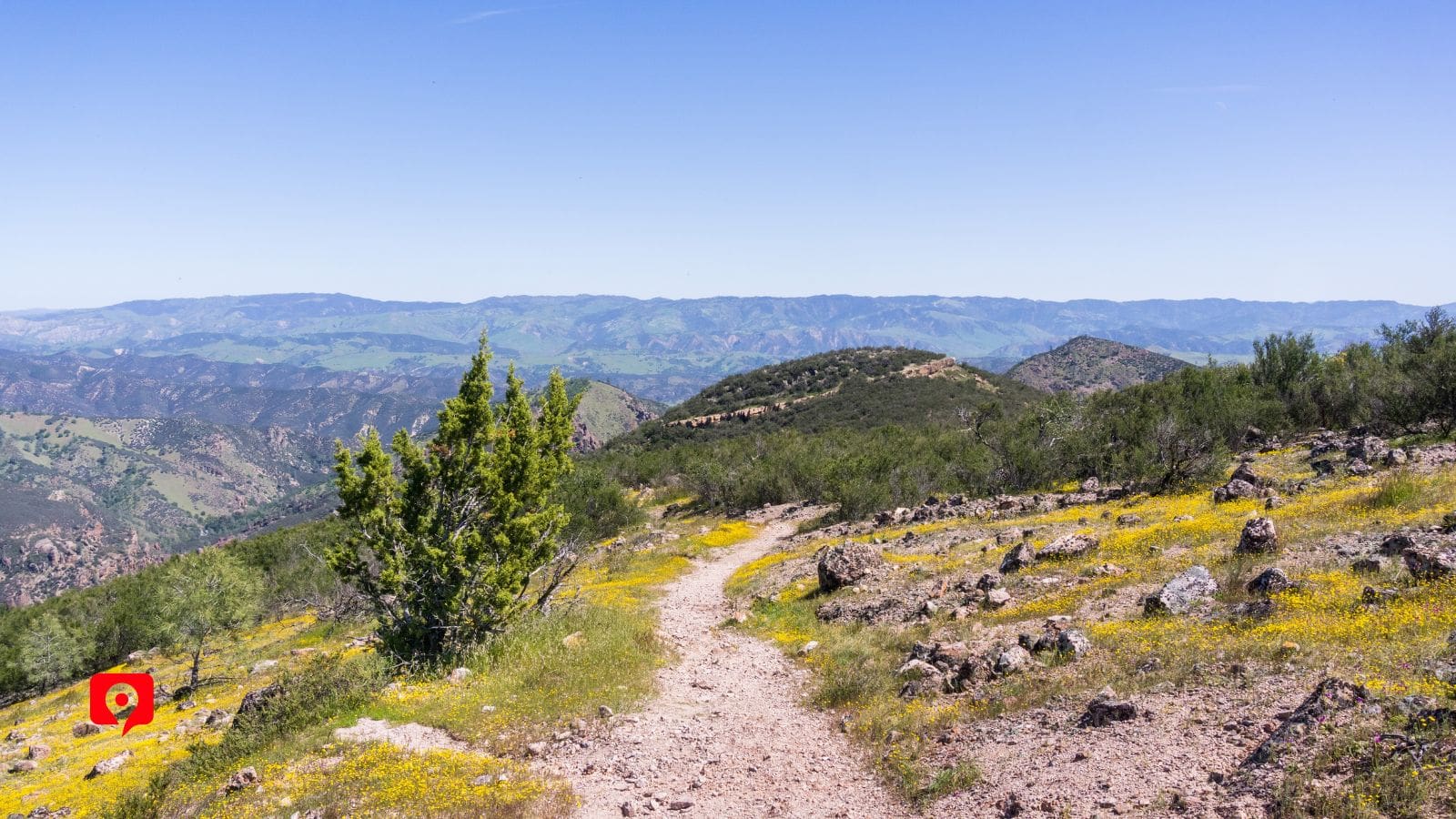
These suspended boulders have enchanted visitors for centuries. Thanks to the earthquakes that formed this landscape millions of years ago, these massive rocks were wedged into the tight caverns and now hover comfortably over the ground, often painted with fantastic colors of lichen under the glowing western sun.
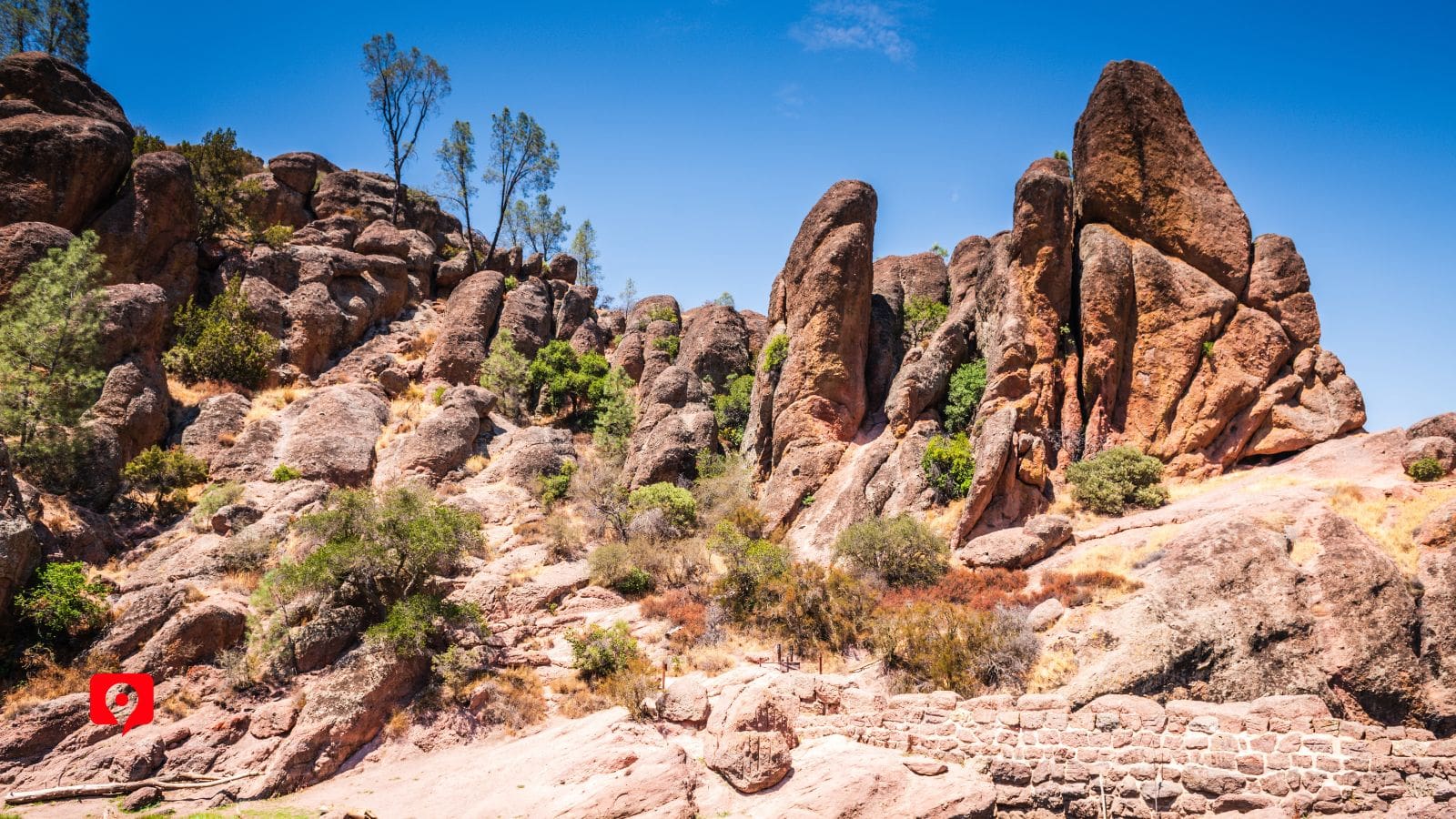
As we hike through the California scrub, we’ll hear how such diversity of life manages to survive, and even thrive in a landscape of volcanic rock, with annual 6-month droughts, and occasional downpours. Our guide leads you through millennia of adaptation and change, from the waxy leaves and hidden root systems to the traditional ecological management systems that the Indigenous peoples used to find surprising sustenance from the humble-looking plants.
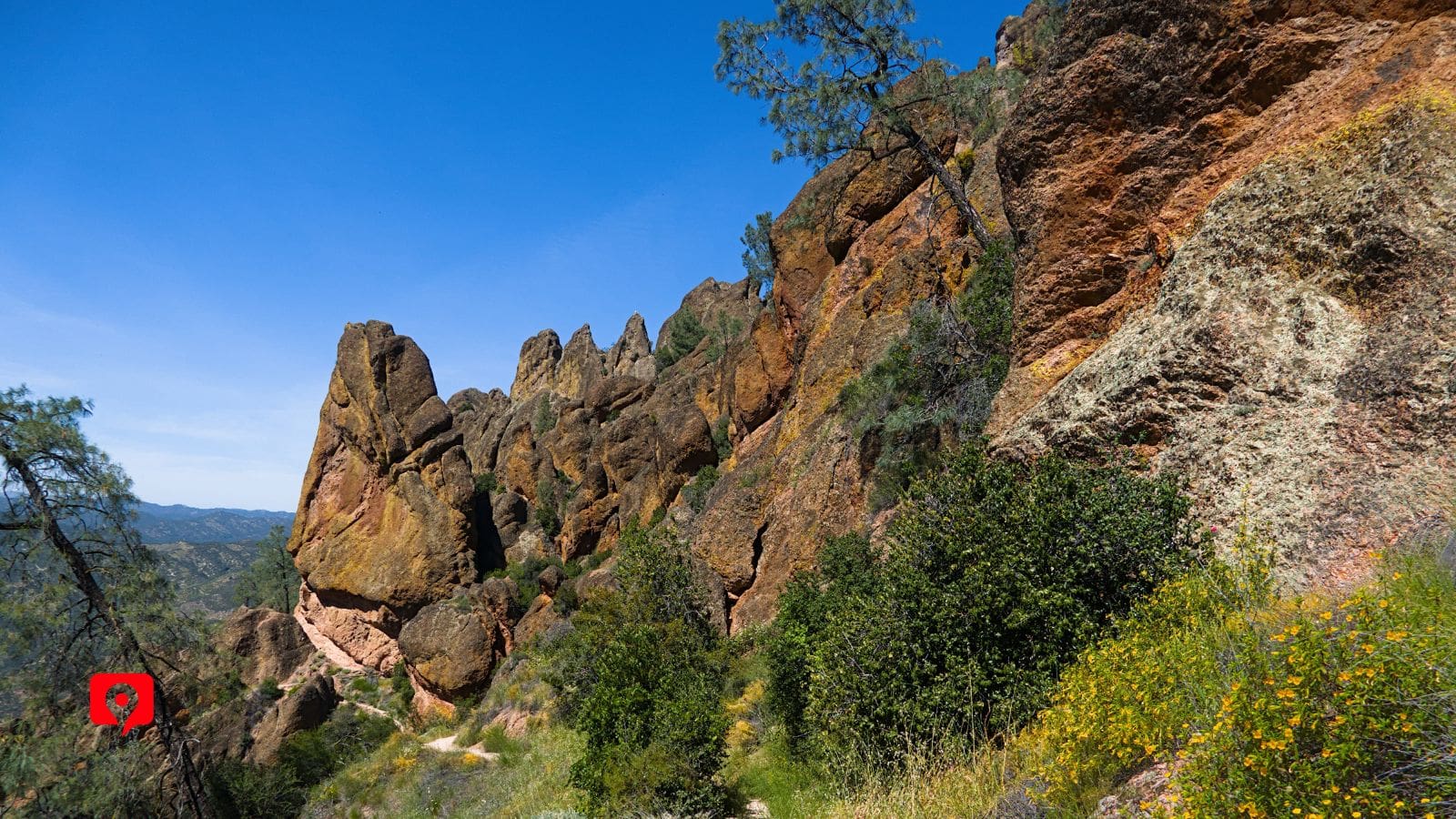
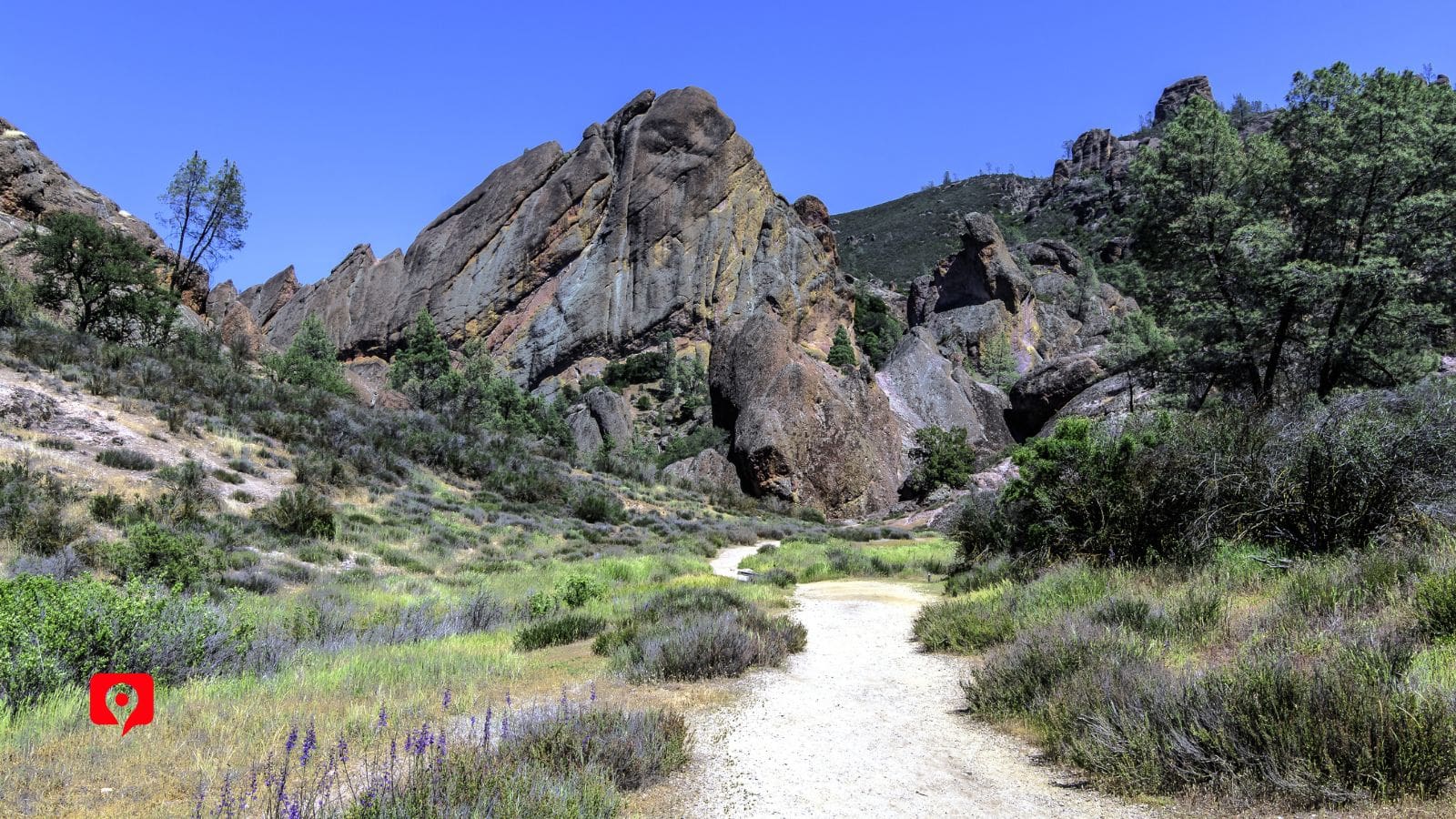
This driving-and-hiking tour leads us along the Balconies Cliffs-Cave Loop. If starting from the East Entrance, there is a short lead-in from the parking area to the Loop along Old Pinnacles Trail, making the total hiking distance about 5 miles, taking around 3.5 hours.
From the West Entrance, the parking area leads more immediately to the Cliffs-Caves Loop, so the hike is only 2.5-miles long and takes about 1.5 hours.
The tour is the same from either entrance.
This easy, 1-mile hike is a nice optional addition for those visiting through the West Entrance. This loop includes viewpoints of the canyon and takes most people about 30 minutes to complete.
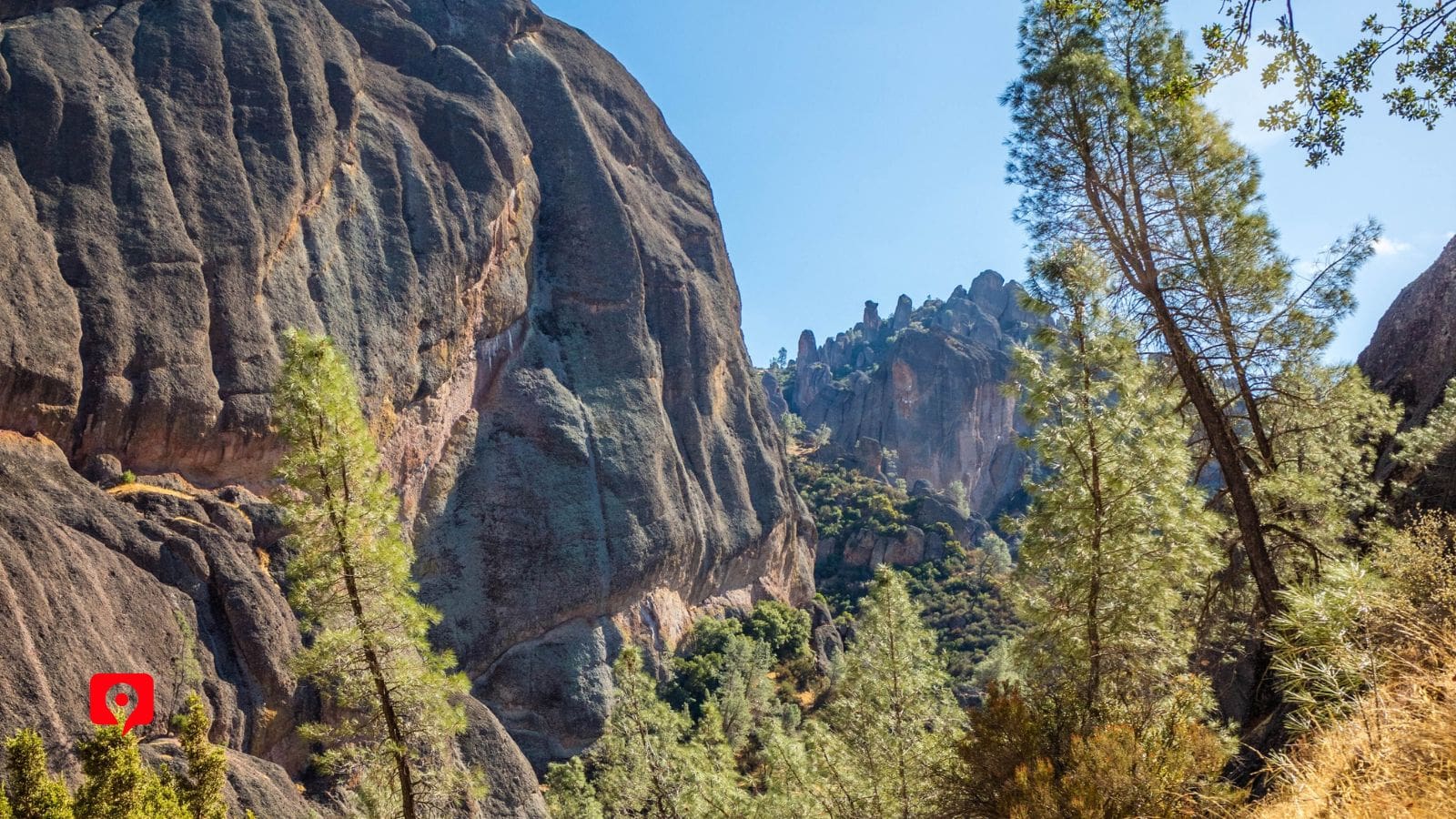
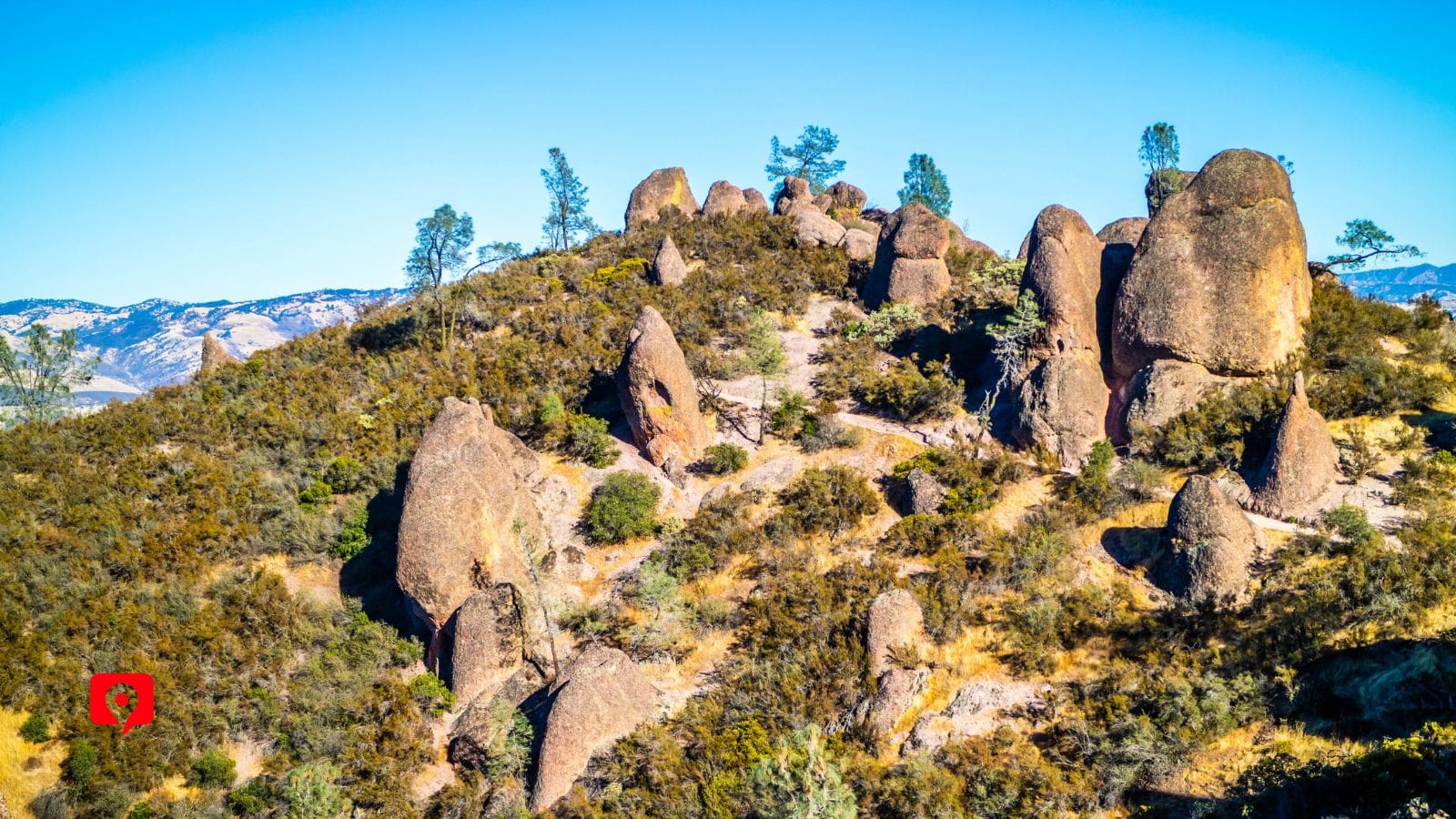
This driving-and-hiking tour through Pinnacles National Park works well as a day trip. It’s a good idea to start early to avoid the midday heat, so make sure to allow enough driving time in the morning to reach whichever park entrance you plan to use.
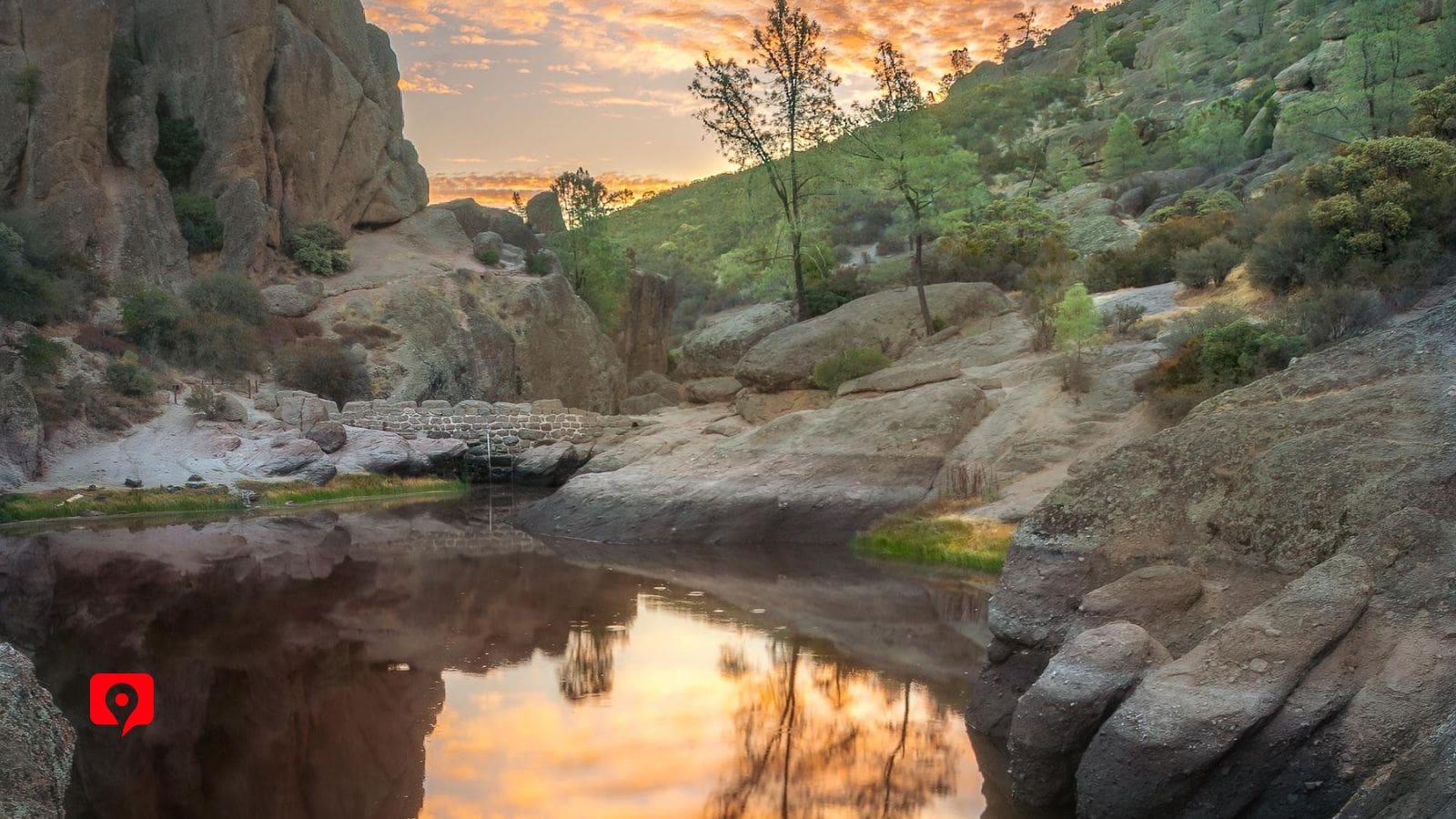
Visitors can enjoy Pinnacles National Park at their own pace with this self-guided audio tour. This flexible tour can be completed in a single morning or evening, or stretched to fill a whole day of exploration through the unique rock formations here.
Make sure to download the app and the tour inside it before setting out on our drive.
Here is a suggested itinerary for either a half-day or a full day in Pinnacles National Park:
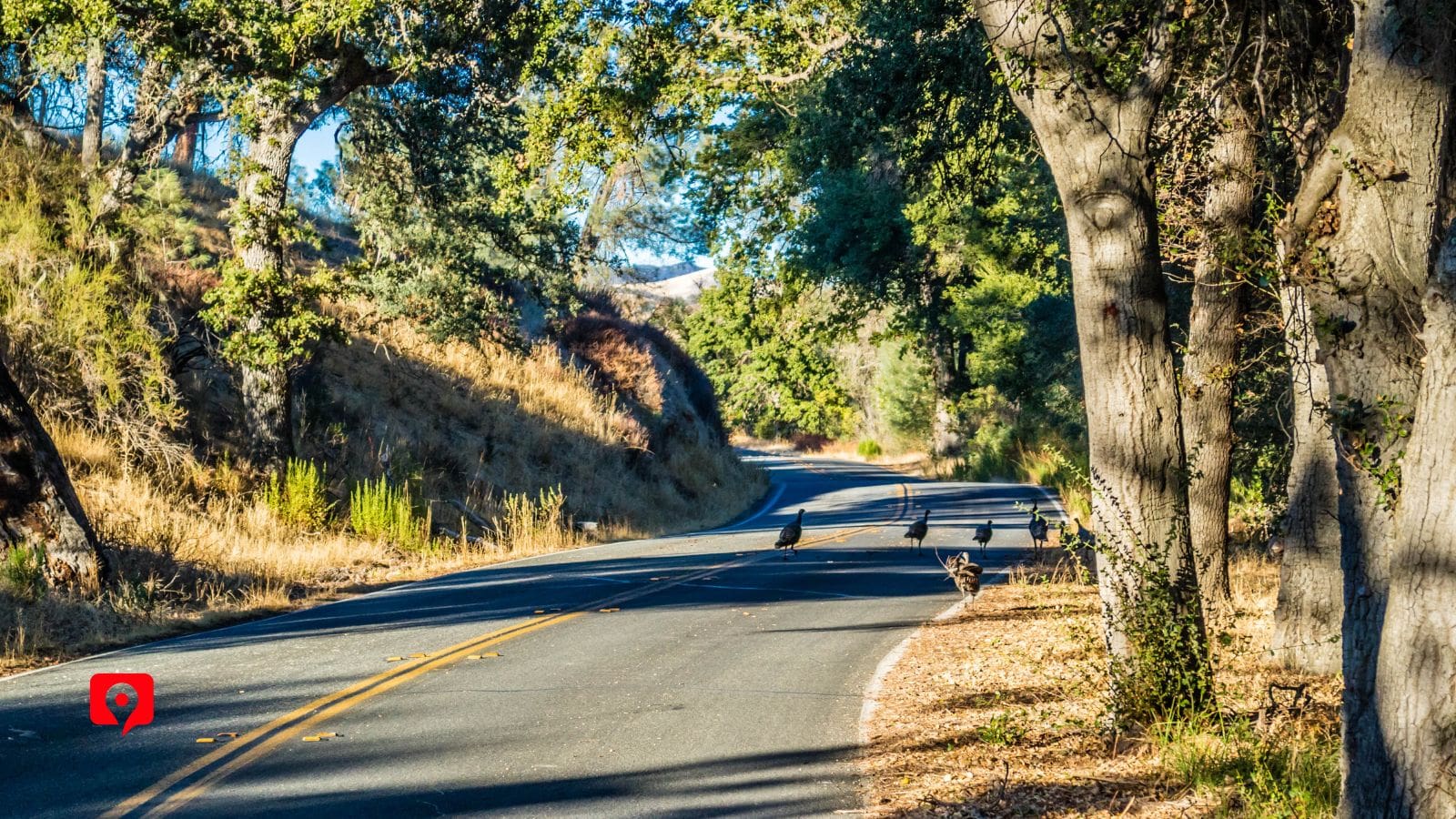
It’s a good idea to plan your trip for the morning or evening – the afternoon gets very hot, and much of the trail is in direct sunlight. If you only have half a day to enjoy the park, use the West Entrance for a shorter hike to Balconies Cave. Make sure to bring a flashlight or headlamp so you can safely hike through the cave! Once you’ve entered the park, the expert narration will guide you along the Balconies-Caves Loop Trail, which gives you a great chance to see the Chalone Creek and the complex chaparral landscape. If you see something rustling in the leaves, wait quietly for a few moments – you might spot some wild turkeys or black-tailed deer!
The loop returns you to the west entrance, where you can pick up a souvenir of your trip or maybe get one last shot of the fantastic stone spires.
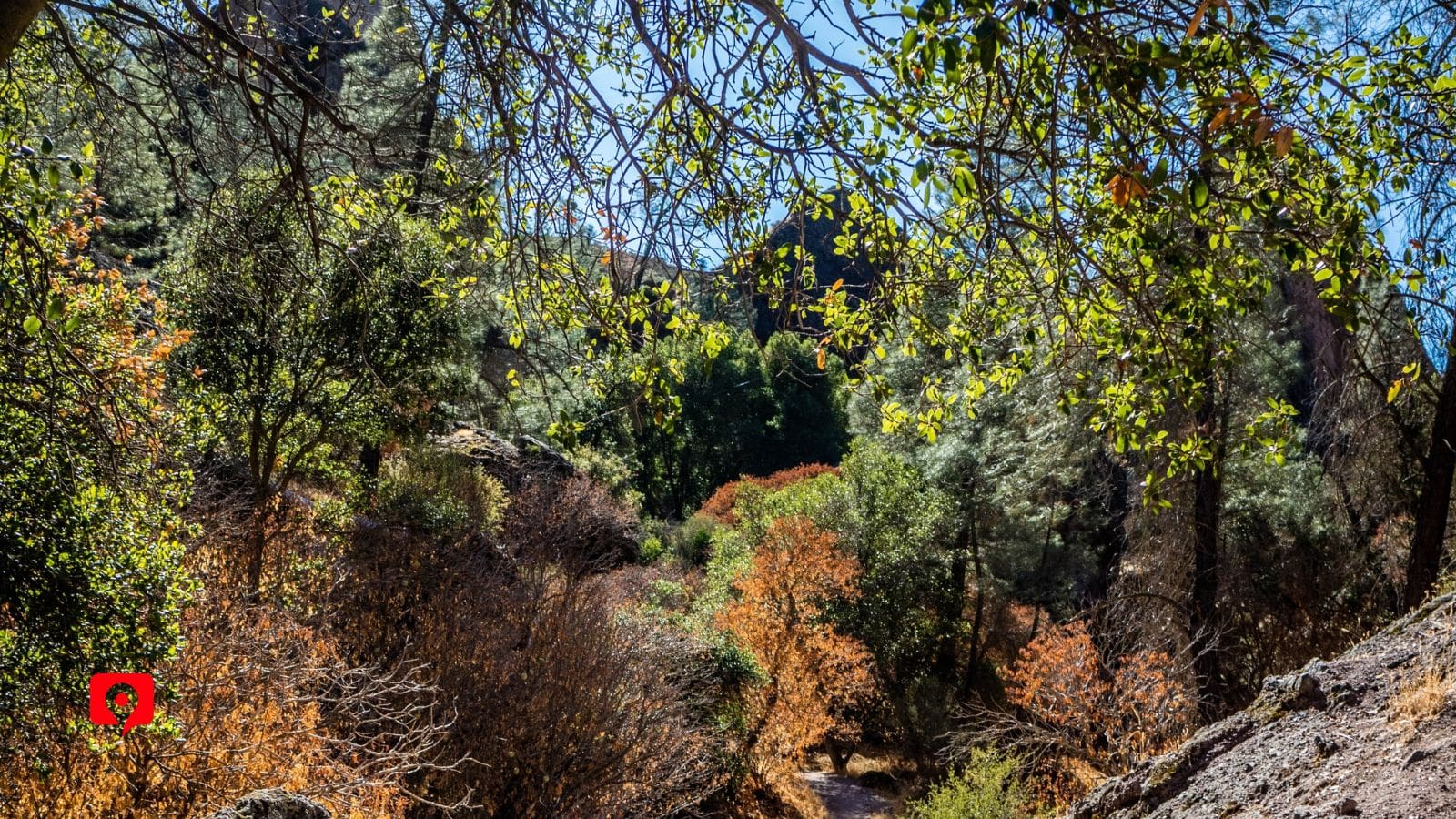
Pinnacles National Park is a great day trip, especially if you’re adding it on to more California adventures nearby. If you have more time and want to hike more of the park, use the East Entrance. This entrance includes a feeder trail to our main hiking loop, so you’ll have even more chances to see the twisting and turning passages of the rocks. We’ll see all the same sights that we would from the West Entrance, just with an extra approach along Old Pinnacles Trail to reach the Balconies Cliffs-Cave Loop. Simply follow the commentary’s direction through the trail. Make sure to bring plenty of water and take breaks if the heat gets intense. Alternatively, if you use the West Entrance and have extra time after the main hike, there is an optional short 1-mile loop called the Prewett Trail near the West Entrance. If you have your camera along, definitely consider staying in the park until Golden Hour for some fantastic shots of the glowing stone.

Headlamp: Balconies Cave is the main attraction on our hiking tour. Since this requires some rock scrambling, visitors must have a hands-free light source, ideally a headlamp, for this half-mile portion of the hike. Do not rely on a smartphone flashlight.
Trail Gear: Pack long pants and socks, as poison oak is prevalent on the trail. Bring trail necessities like a first aid kit, extra printed trail maps, and poison oak treatment options like dish soap or rubbing alcohol.
Sun Protection: Most of the trail on our hiking tour is exposed to direct sun. In the arid climate, sun protection is crucial. Pack sunscreen, a sun hat, and ideally UV-protective clothing.
Full Water Bottle: It’s important to stay hydrated on any walking tour, especially during the warmer summer months. We recommend at least one liter of water per person per hour of hiking.
Snacks: Amenities are limited at the parks’ entrances, so pack some trail-ready snacks to keep energy up during the trip. Or bring a cooler and enjoy a picnic after the hike.