00:00

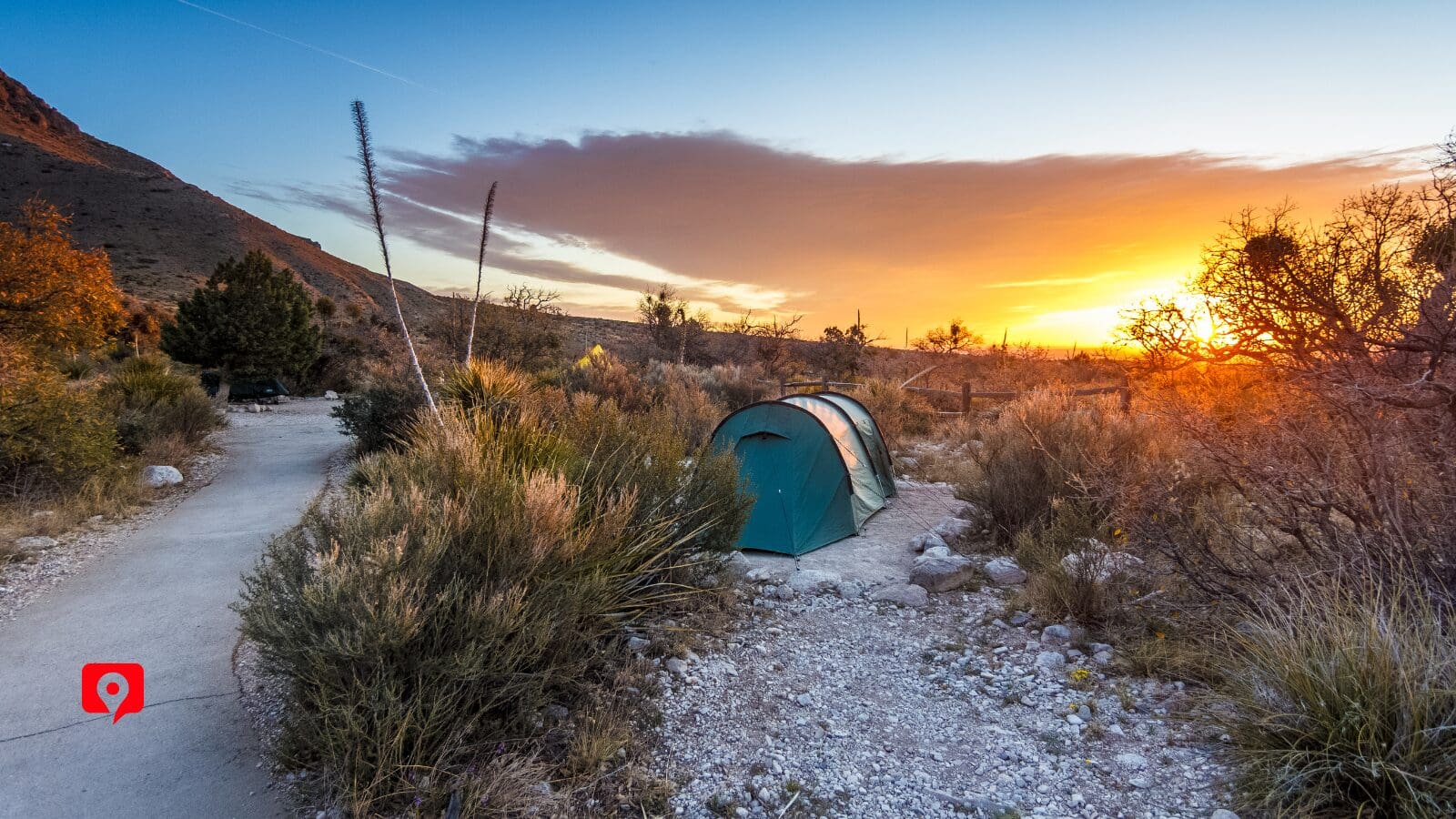
Located just a short drive from Carlsbad Caverns, Guadalupe Mountains National Park features vast desert, untouched mountains, and hidden oases.
Driving through the Guadalupe Mountains National Park allows you to explore dramatically different scenery coexisting just a few miles apart. Discover the streams nurturing verdant trees and wildflowers inside of McKittrick Canyon, then see the moon-like landscape of the salt flats and dunes that give way to the drastic peaks of El Capitan and Guadalupe Peak.
This is a day-long driving tour. Your audio tour guide will suggest shorter hikes for you to explore along the route. If you are an experienced hiker and equipped for primitive camping, you can select one of the more challenging hikes and take two days to explore the park.
Guadalupe Mountains National Park, located in west Texas, is easily accessible from nearby cities such as El Paso, Carlsbad, and Van Horn. The closest major airport is El Paso International Airport (ELP), approximately 110 miles east of the park. From El Paso, take US-62/180 east toward Pine Springs, the park’s main entrance. If you’re traveling from Carlsbad, New Mexico, head south on US-285 and then west on US-62/180 toward the park. For those coming from Van Horn, take TX-54 north directly to the park entrance at Pine Springs.


The closest major airport to Guadalupe Mountains National Park is El Paso International Airport (ELP), approximately 104-110 miles away. Most visitors fly into El Paso, which serves as the primary gateway to the park due to its broad flight options and proximity as the closest large commercial airline service. While there is a smaller airport in Carlsbad, New Mexico (about 50 miles from the park), this airport offers limited service. Some flights operate between Albuquerque and Carlsbad, but El Paso remains the preferred choice for most travelers due to its more frequent flights and convenience.

Driving offers the most flexibility for exploring Guadalupe Mountains National Park. The park is easily accessible by car from Carlsbad, New Mexico, which is about 56 miles from the park entrance. Van Horn, about 62–70 miles away, is the second nearest town with access to the park, and El Paso, about 110 miles to the west, offers the most options for car rentals and services. From either town, it’s a scenic drive via US-62/180 to the park entrance.
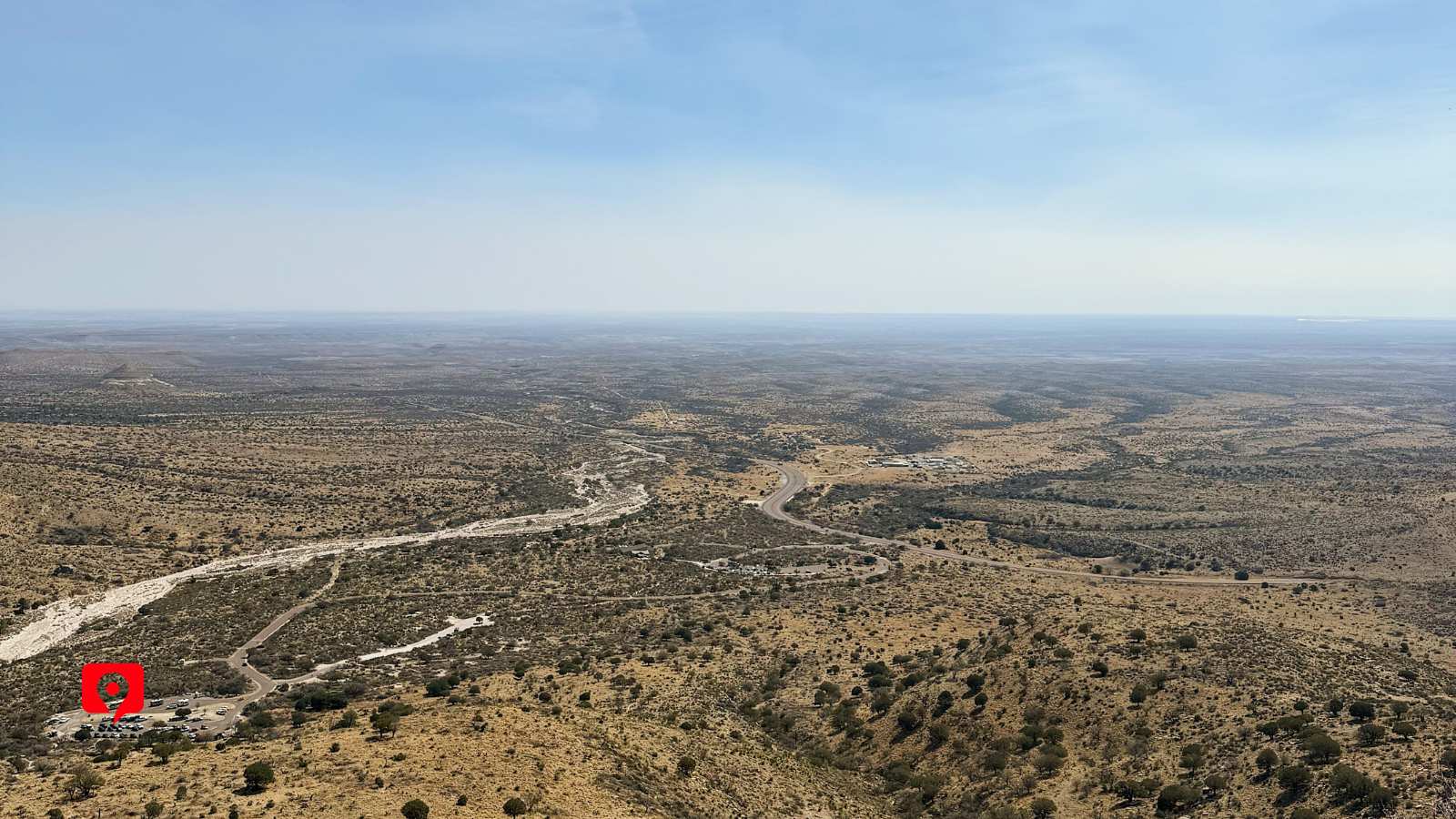
Getting Around
A car is the best way to explore Guadalupe Mountains National Park and experience its stunning landscapes, trails, and viewpoints at your own pace. The park is accessible via scenic routes like US-62/180, which offers breathtaking views of desert vistas and rugged mountain terrain as you approach the park. Once inside the park, hiking trails and viewpoints are easily accessible by foot, allowing you to enjoy the unique flora and fauna along the way.

Driving through Guadalupe Mountain National Park is free, but if you want to stop and explore the vistas, trails, and other attractions (highly recommended, of course), you will need to pay an entrance fee per person.

Guadalupe Mountains National Park offers a range of accommodations to suit all types of travelers. The closest town to the park, Whites City, has basic lodging options, including motels and small inns, perfect for those seeking easy access to the park’s entrance. Van Horn, about 40 miles away, offers a wider selection of accommodations, from budget-friendly motels to comfortable chain hotels, providing a convenient base for exploring the park.
For a more immersive experience, you can stay in nearby Carlsbad, New Mexico, which offers a variety of hotels and vacation rentals, and is just a short drive away from the park.
For current availability, rates, and more options, check local area listings. If you’re looking for a more unique stay, there are also cozy bed-and-breakfasts and charming lodges in the surrounding areas.


The best time to visit Guadalupe is from late fall to early spring, typically between October and April, when the weather is cool and comfortable. During this period, daytime temperatures are mild, making it ideal for hiking and exploring the desert landscape without the intense heat of summer. The crisp air and clear skies also enhance the vibrant colors of the rock formations and desert flora.
While the summer months (May to September) bring fewer crowds, the extreme heat can make hiking challenging, so early morning or late evening visits are recommended. For the most enjoyable experience, consider visiting during the cooler months to fully appreciate the park’s unique beauty and tranquility.
Visiting Guadalupe Mountain National Park is at least a full-day excursion, in part because it’s quite far away from nearby towns like Carlsbad. If you’re in a real hurry, you can cruise through the park in half a day, but you’ll want more time to explore the scenic overlooks and maybe hike a trail or two. Getting to the park, exploring, and continuing on to your next destination will take the whole day.
For those who want to spend more time hiking, like those who intend to hike to the top of Guadalupe Peak, you may even want to plan for two days in the park. In general, though, one day is sufficient for most visitors.
Guadalupe Mountains National Park is a stunning destination, but some spots, like Pine Springs and McKittrick Canyon, can get busy, especially during peak times. For a more peaceful experience, try visiting these areas early in the morning or later in the afternoon when the crowds are thinner and the temperatures are cooler.
Weekdays tend to be quieter than weekends, and avoiding major holidays can help you find more parking and unobstructed views. If you’re planning to hike popular trails like Guadalupe Peak or Devil’s Hall, consider starting early to beat the heat and crowds.
Don’t overlook the lesser-known stops or shorter trails along the way. They often offer breathtaking views and a more serene experience of the park’s rugged beauty. With a bit of timing, you can experience the full tranquility of Guadalupe Mountains National Park, even during busier months.
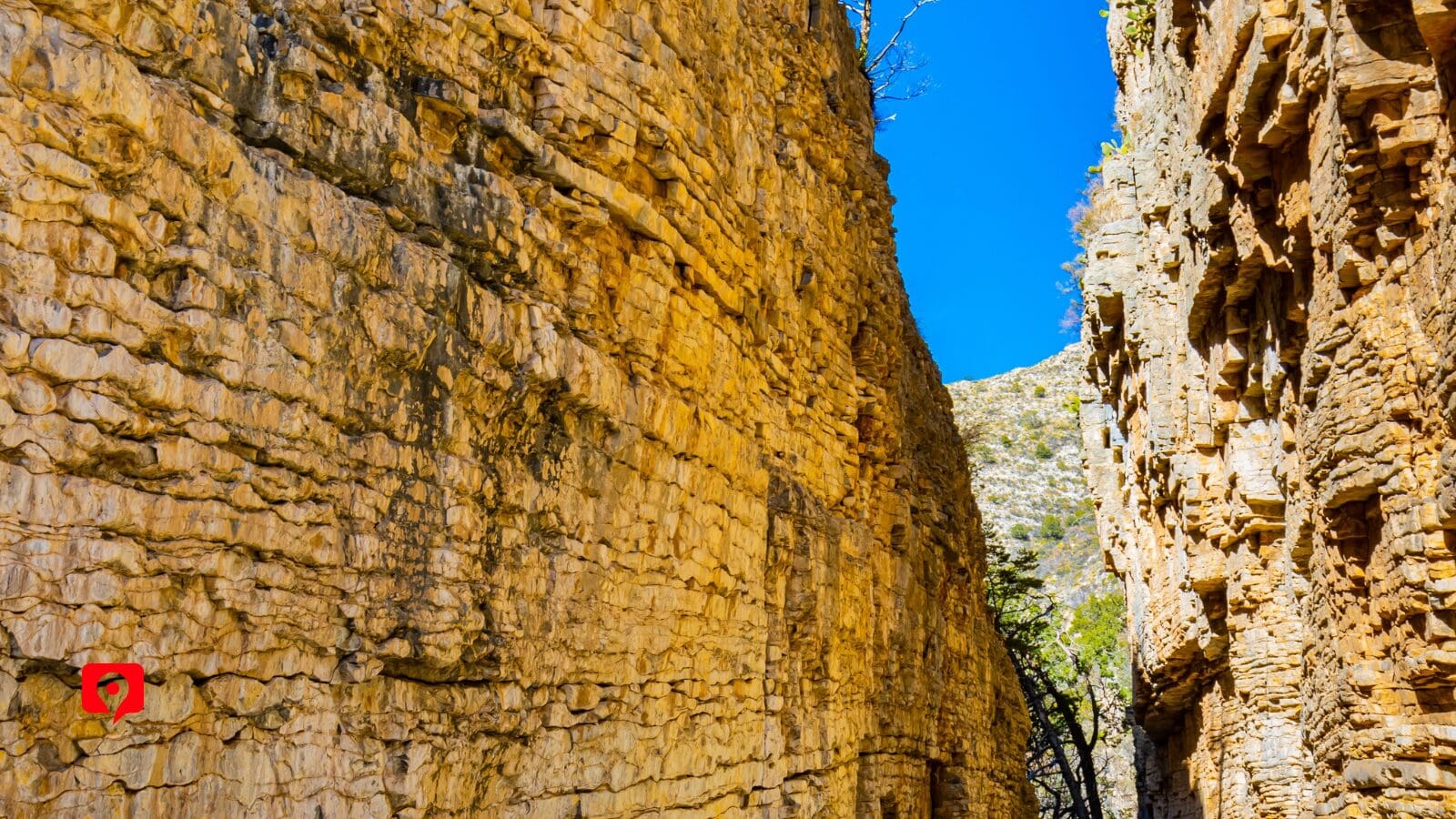
The Guadalupe Peak Trail is a challenging 8.4-mile hike, gaining about 3,000 feet in elevation. The trail offers diverse landscapes, from desert to pine forests, and culminates in stunning panoramic views from the highest point in Texas. This iconic trail is a must-do for avid hikers seeking adventure and stunning vistas. Just be sure to wear sturdy boots, bring plenty of water, and start early to avoid the heat.
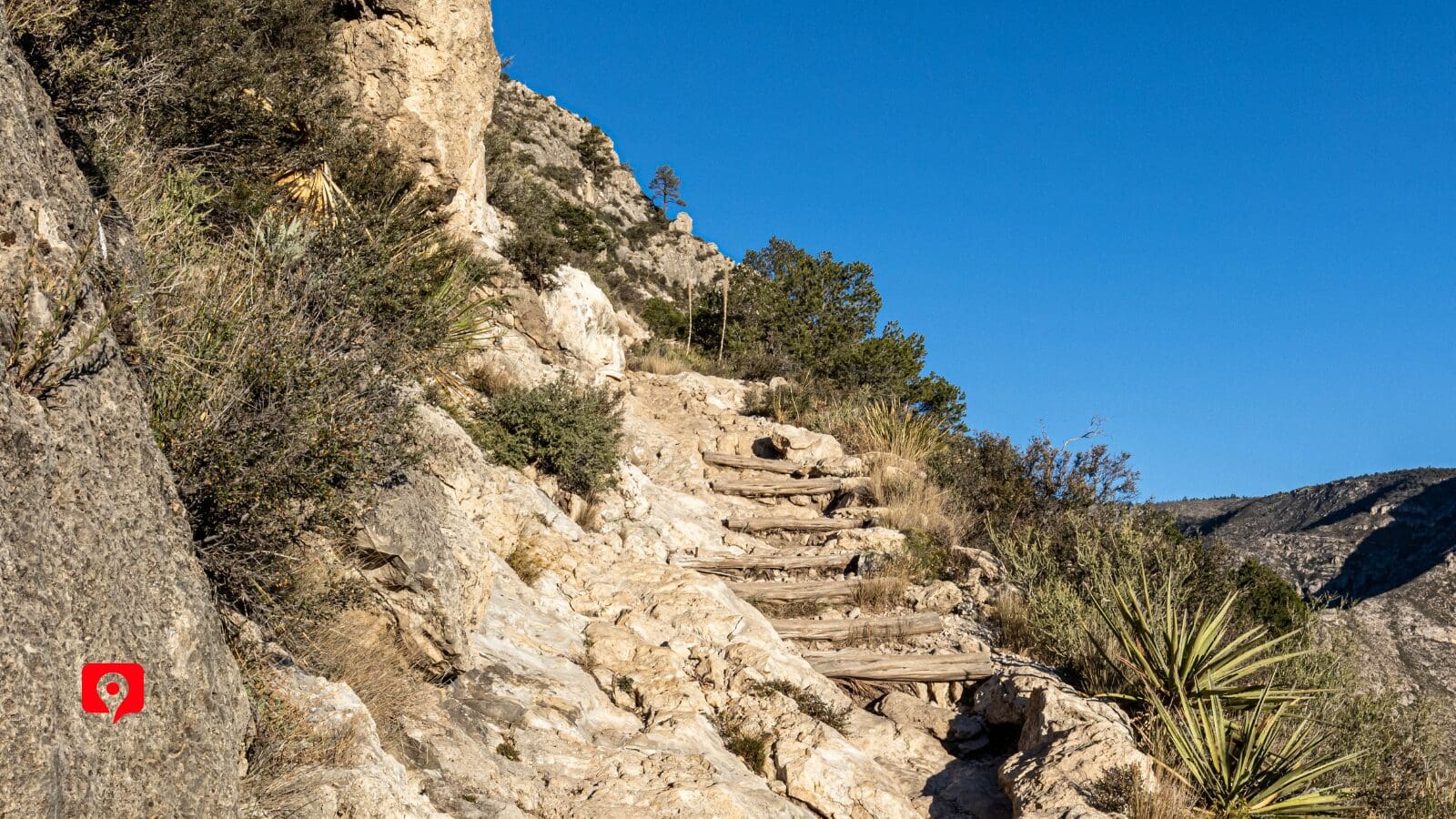
Manzanita Spring is a hidden desert oasis, offering a rare glimpse of water in the arid landscape. Located near the Pine Springs area, this spring provides a vital water source for wildlife and serves as a peaceful spot to relax and observe the natural beauty of the park. Surrounded by the rugged terrain of Guadalupe Mountains, it’s a serene stop to appreciate the delicate desert ecosystem.
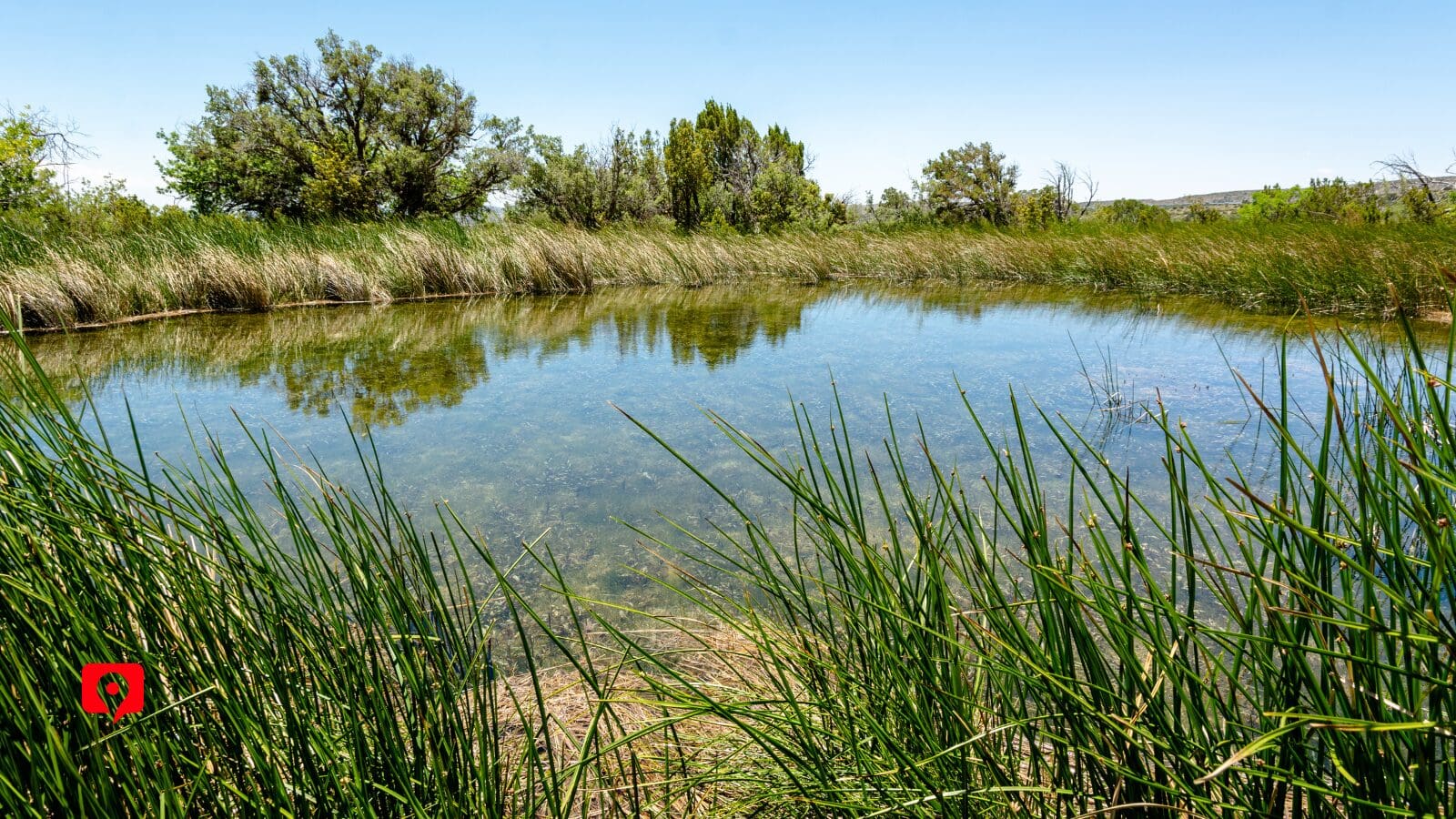
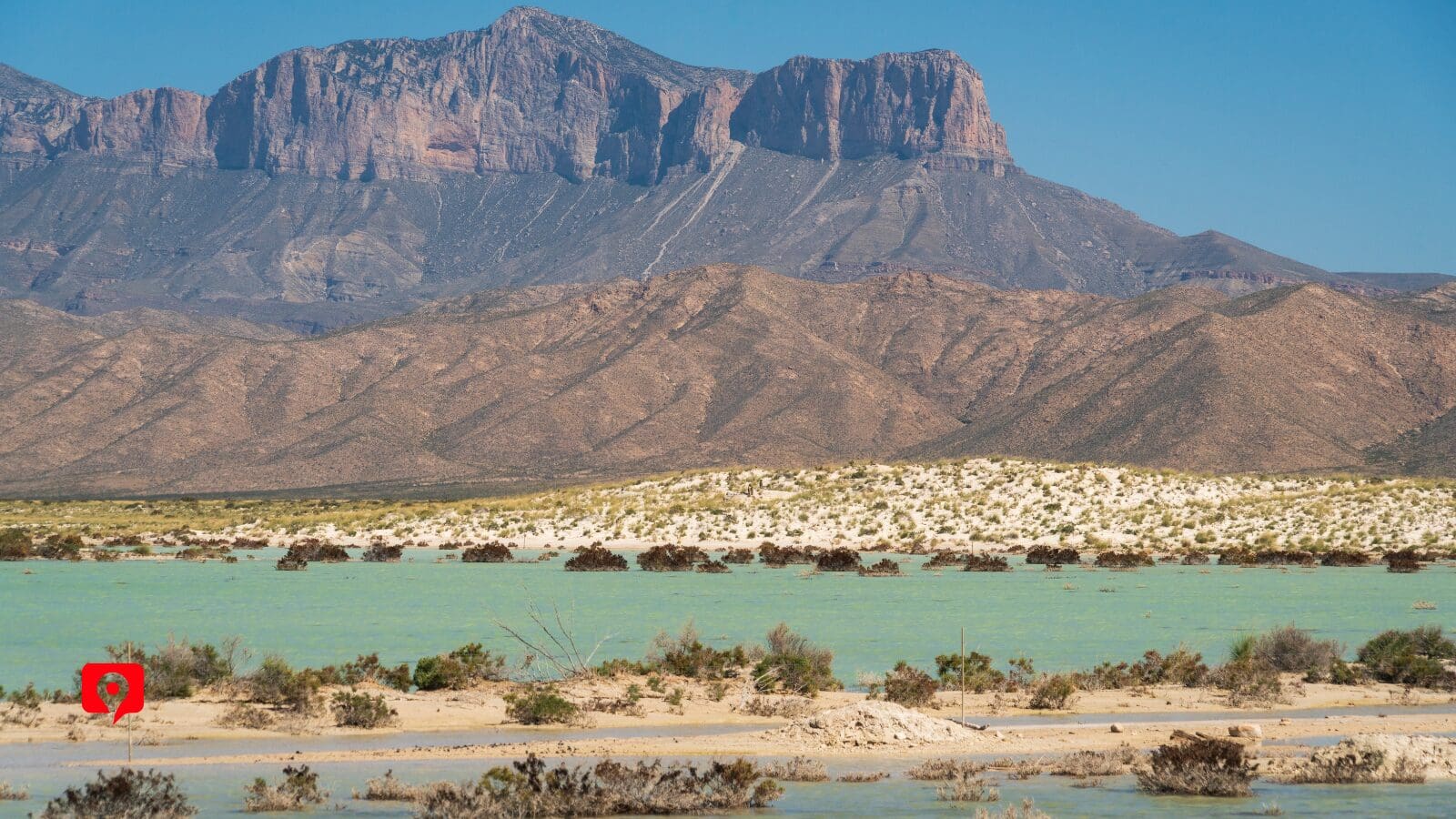
The Salt Flats are a striking landscape of stark white desert. These vast, dry flats are remnants of ancient seas and offer visitors a surreal, quiet experience. It’s a photographer’s dream, with stunning views and an opportunity to witness the strange beauty of salt deposits that have been shaped into unique patterns over time by wind and rain.
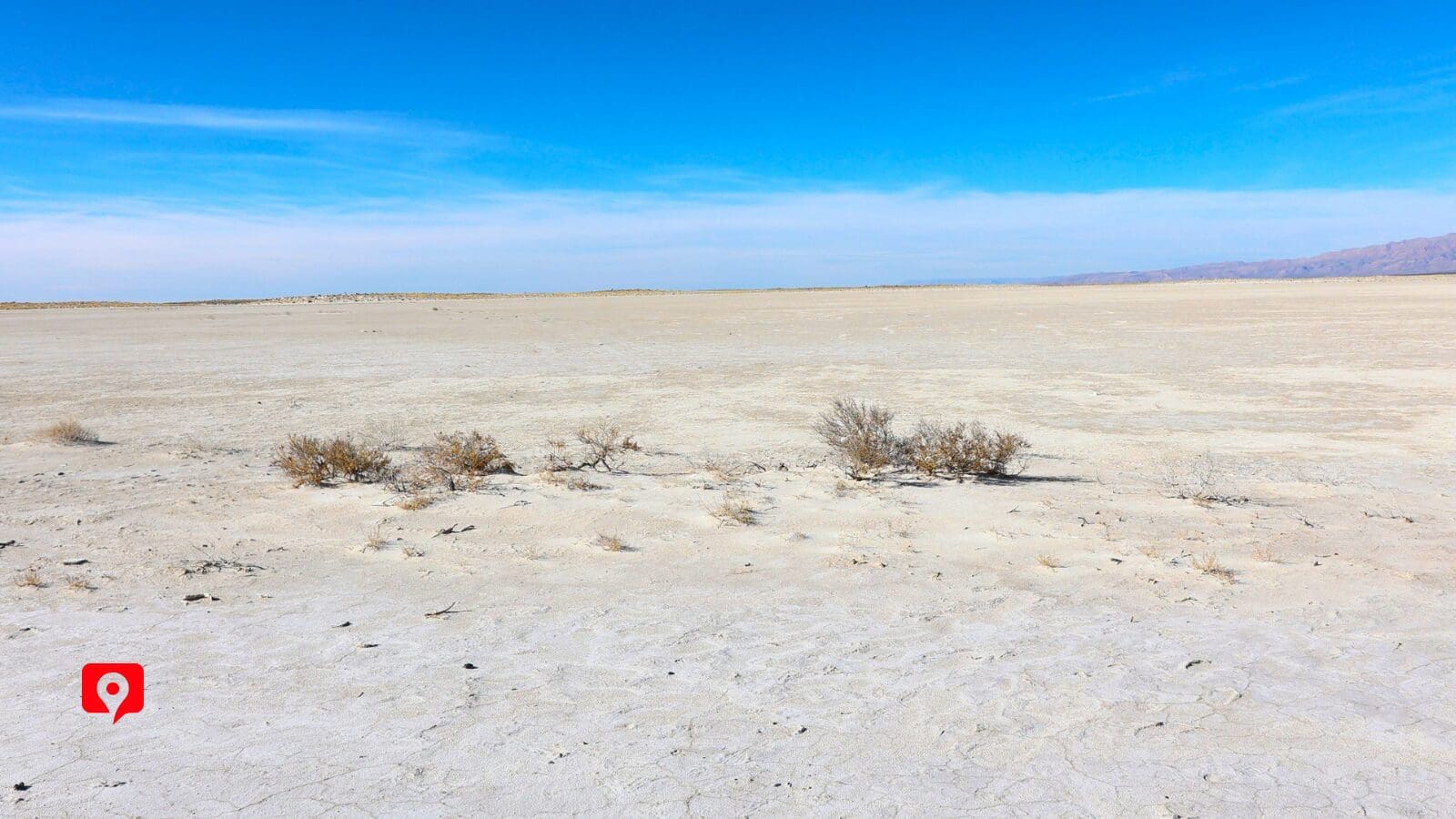
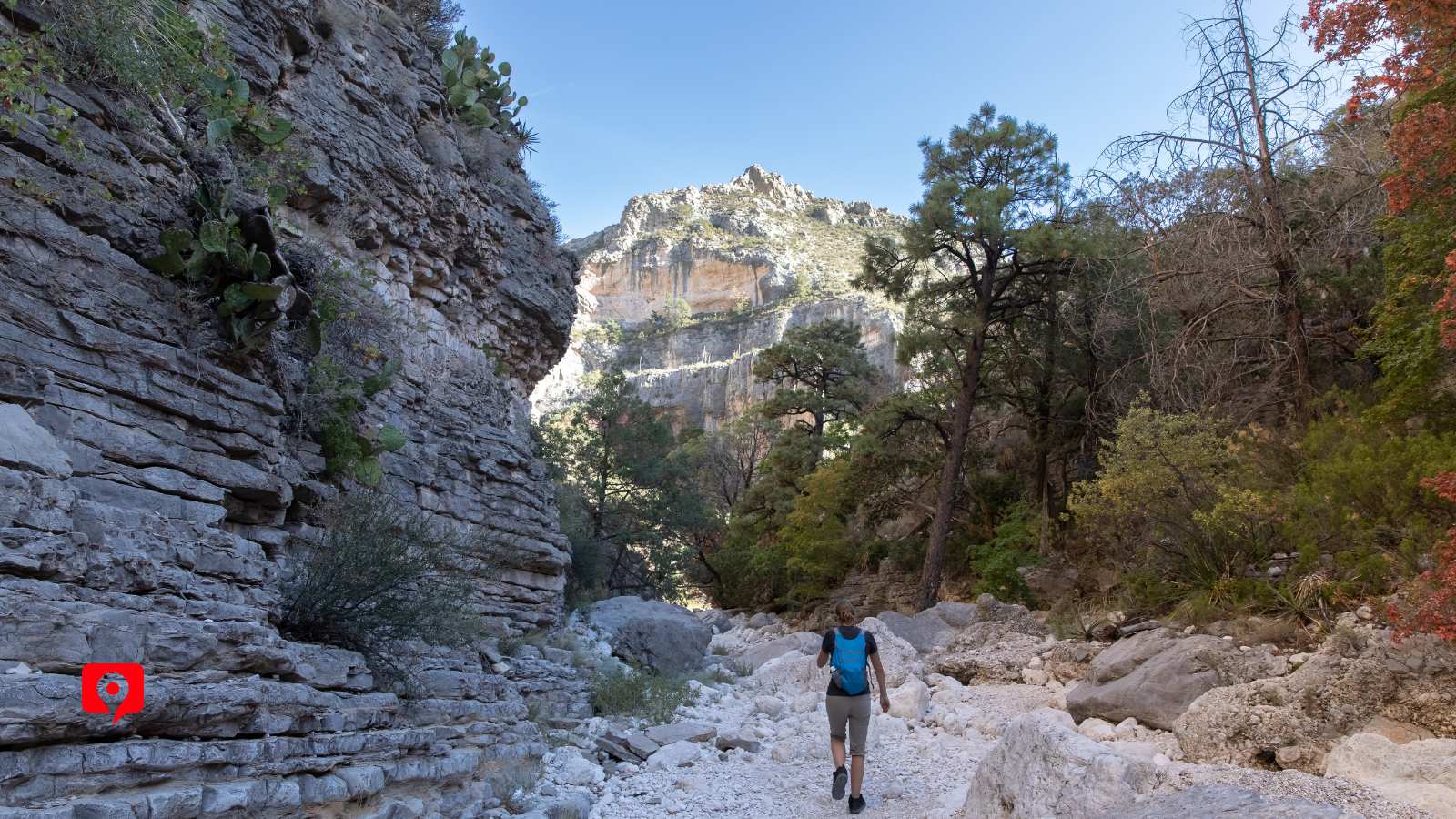
This canyon is like a hidden world inside the arid Chihuahua Desert. The steep canyon walls shelter a surprising variety of plants, animals, and waterways. If you’re traveling here in October or November, get ready for a spectacular show of fall colors as the plants’ deciduous leaves turn red and orange.
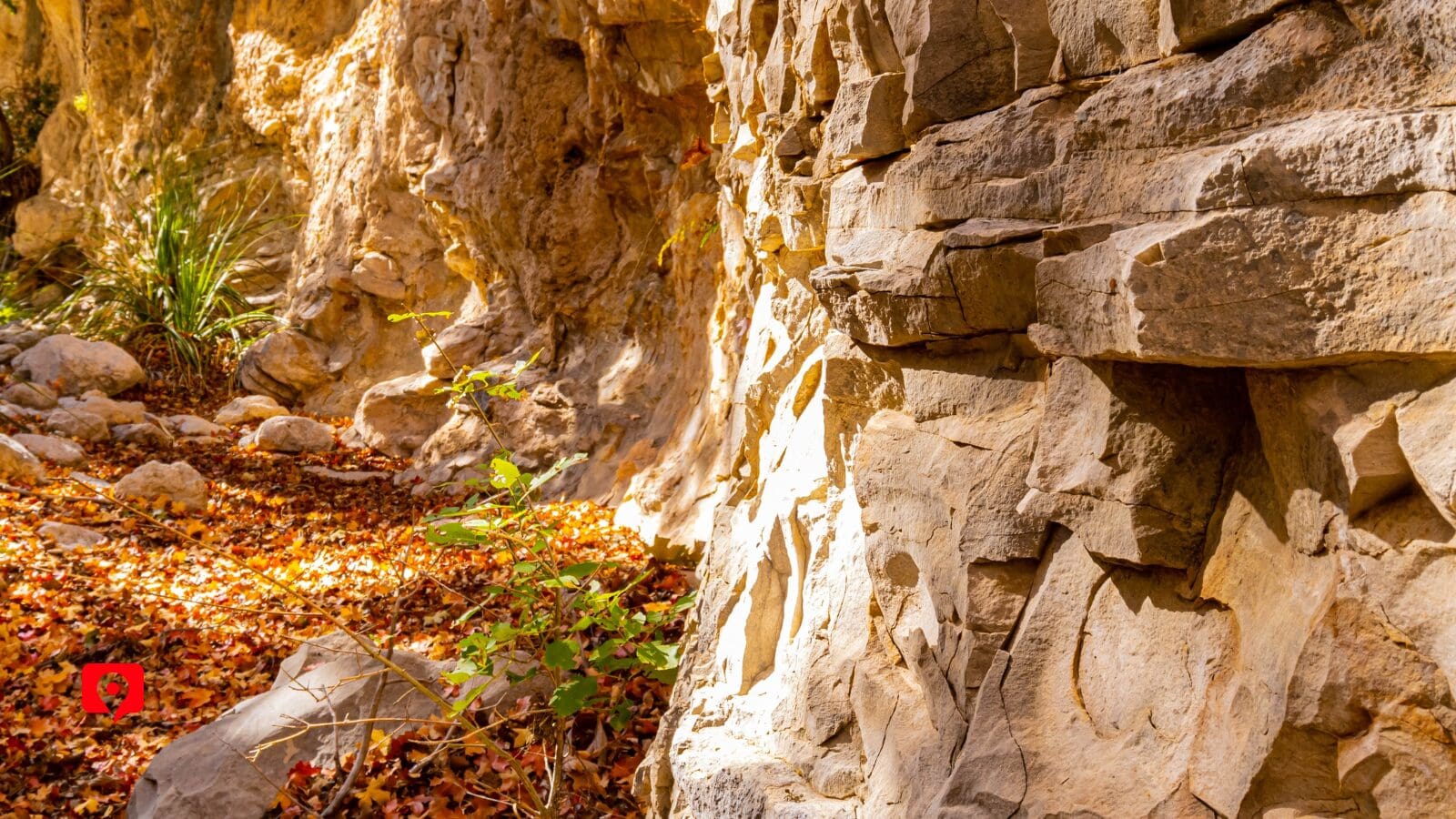

The Manzanita Spring Trail is a 0.5-mile out-and-back trail near Frijole Ranch that leads to a peaceful desert oasis. The spring is a vital water source for wildlife and offers excellent birdwatching opportunities. This easy trail provides a chance to relax and enjoy the natural beauty of the Guadalupe Mountains. The trail continues past the spring as the Smith Spring Trail, offering more exploration of the area’s rugged terrain.
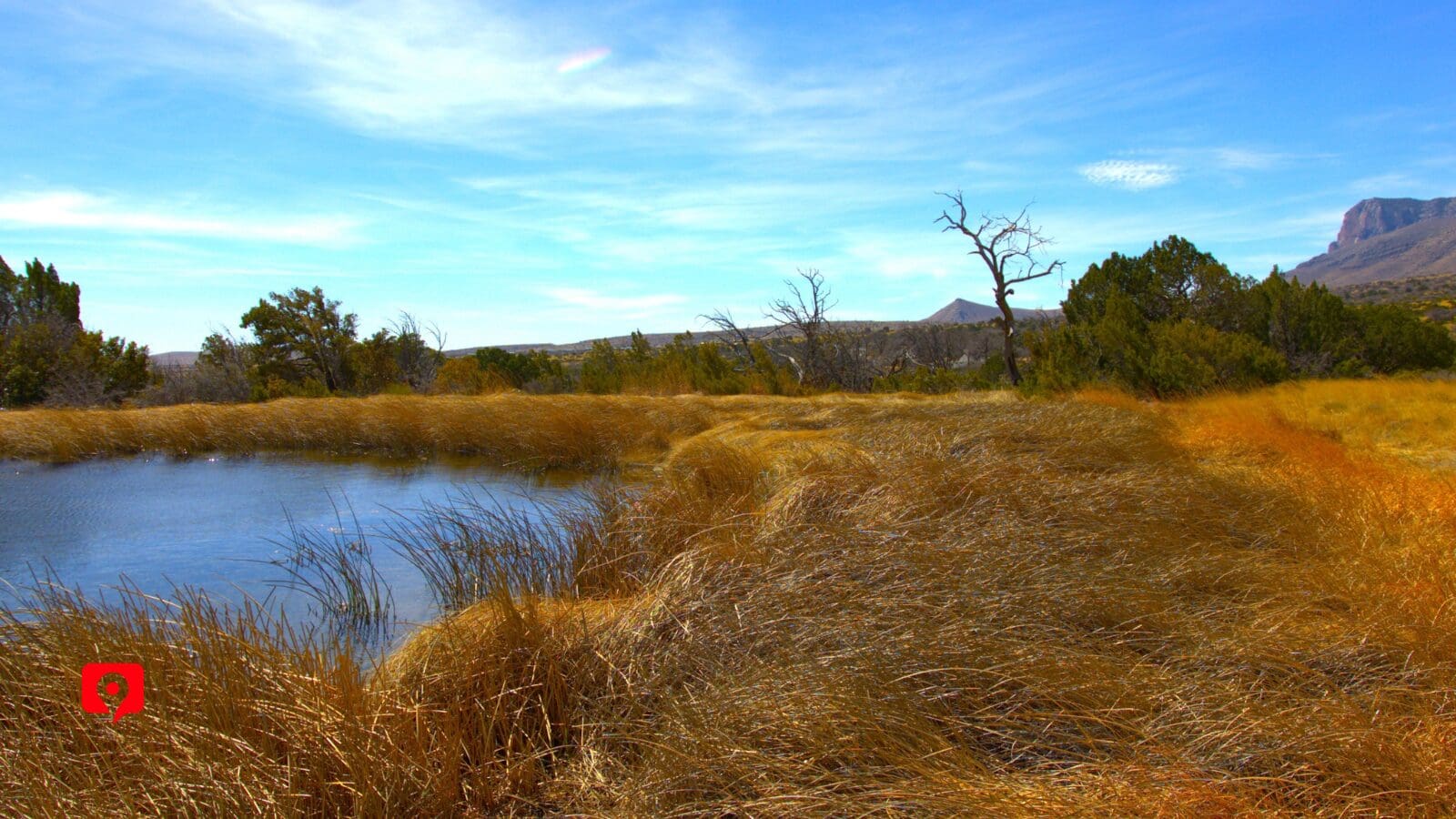
The McKittrick Canyon Trail is a stunning hike, famous for its fall foliage and scenic desert landscape. The full trail is over 21 miles out-and-back, but you can opt for the 4.8-mile out-and-back hike to the historic Pratt Cabin. As you hike, you’ll encounter vibrant desert flora, streams, and cliffs. For a longer adventure, continue to The Notch or The Grotto, but Pratt Cabin remains the main highlight. Be sure to return before evening as the canyon gate closes.

The Smith Spring Trail Loop is a scenic 2.3-mile round-trip trail that takes you from Frijole Ranch to the shaded oasis of Smith Spring. The paved section leads to Manzanita Spring, then ascends to the lush, heavily vegetated spring. Along the way, enjoy stunning views of the surrounding mountains, foothills, and desert landscape. This easy-to-moderate trail is perfect for a relaxing hike, taking about 1-2 hours to complete.
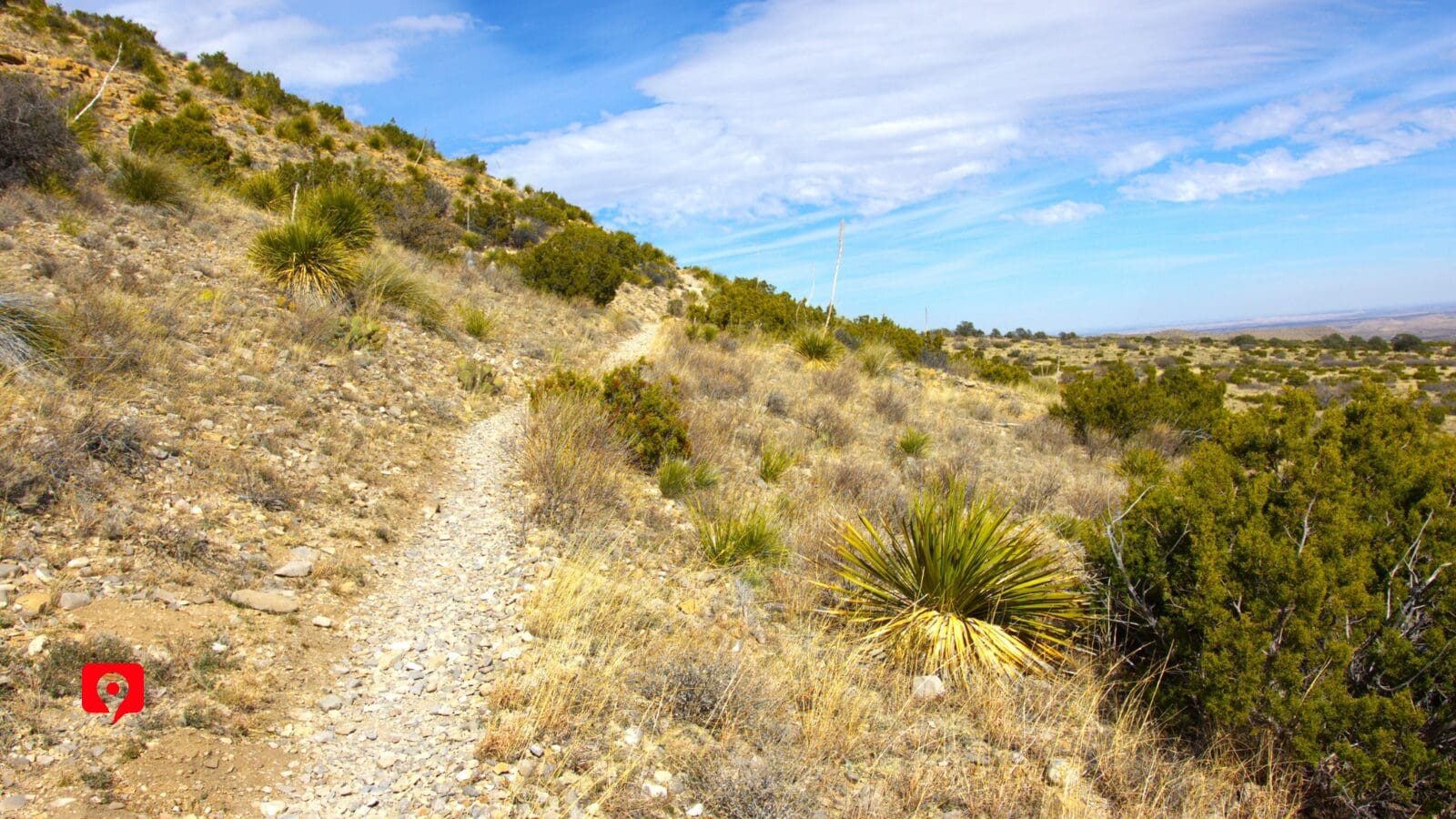
Starting from the Pine Springs Trailhead, the 4.2-mile round-trip Devil’s Hall Trail takes hikers through a rocky wash, leading to an impressive natural rock staircase. As you scramble over boulders, you’ll reach a “hallway” formed by towering canyon walls. This moderate-to-strenuous hike offers breathtaking views of the park’s geologic formations, steep cliffs, tall trees, and distant mountaintops, providing a unique and rewarding experience for adventurous hikers.


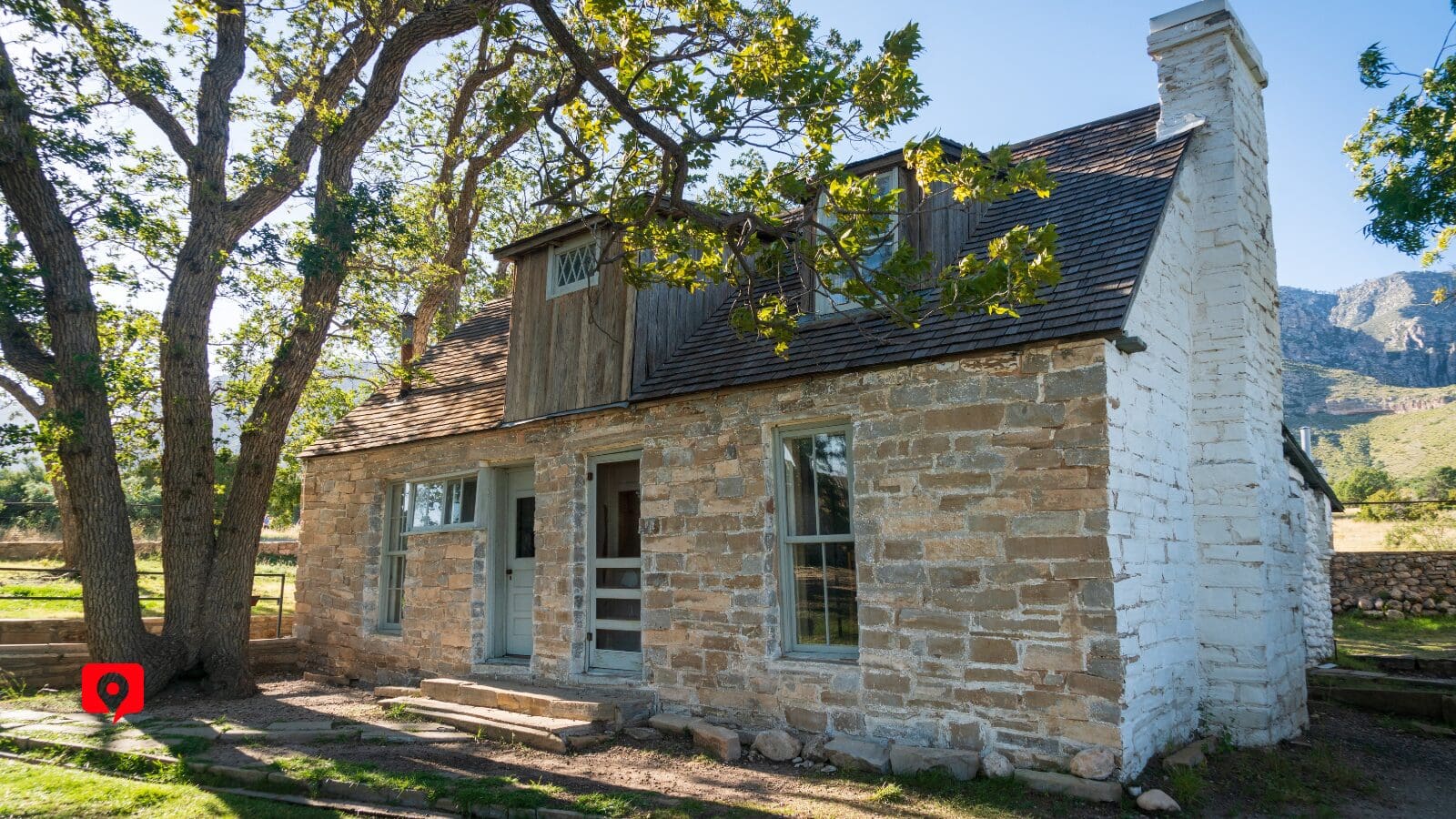
Step back in time at the Frijole Ranch Museum, where you’ll explore the rich history of early farming and ranching in the Guadalupe Mountains. Established in the late 1800s, this historic site features original buildings, including the ranch house, now a museum. Discover the stories of the Rader brothers, the Smith family orchard, and the region’s Native American history. Surrounded by stunning desert landscapes, it’s a peaceful stop to soak in the beauty of the area. The museum is open seasonally, depending on volunteer availability.
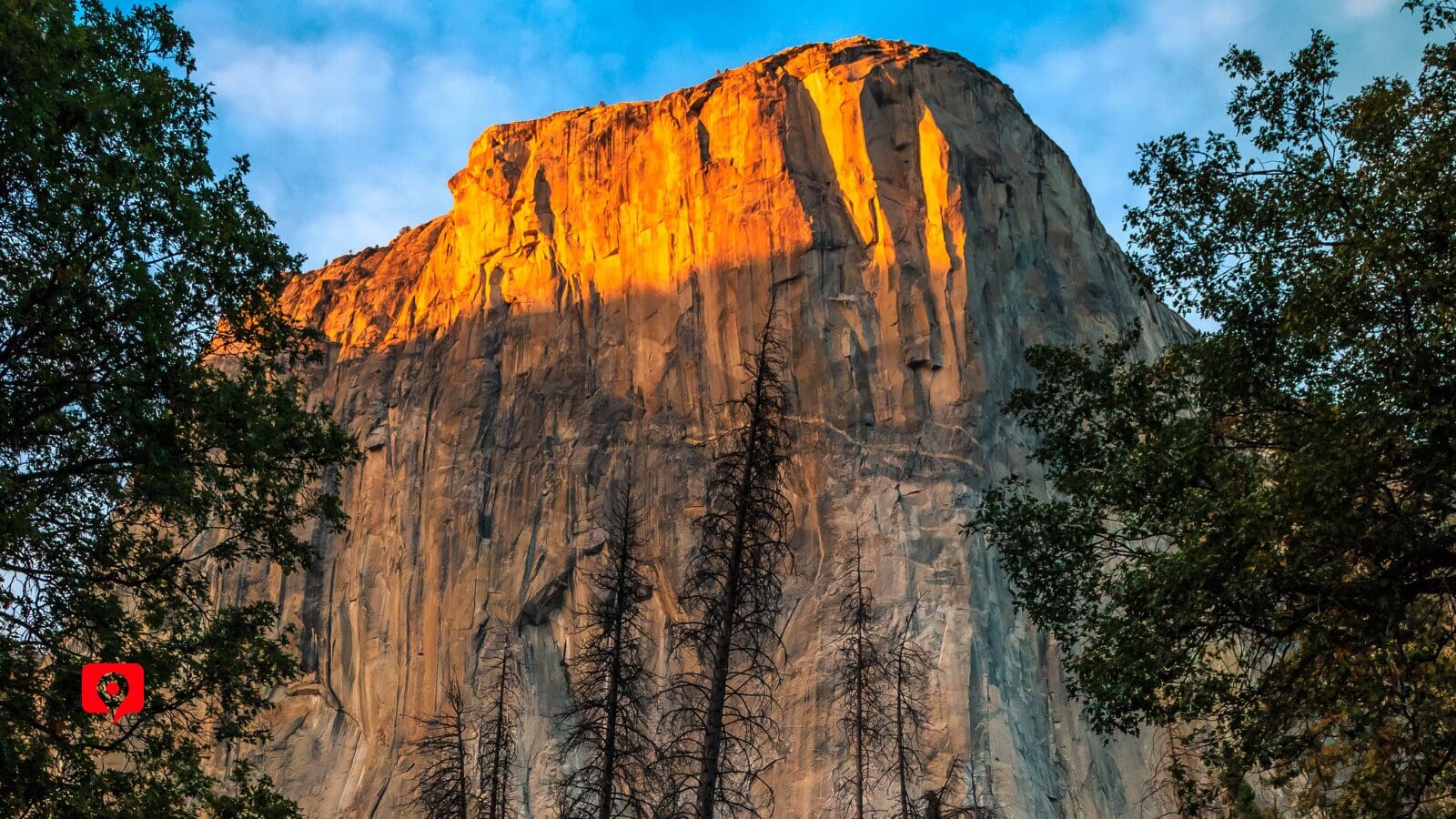
El Capitan is one of the most famous peaks in Guadalupe Mountains National Park. The jagged edges of El Capitan come from the limestone composition of the cliff, which can easily sheer away thanks to its softer texture. The cliff looks something like a massive ocean steamer rising above the desert floor, giving spectacular views, especially at sunrise and sunset.
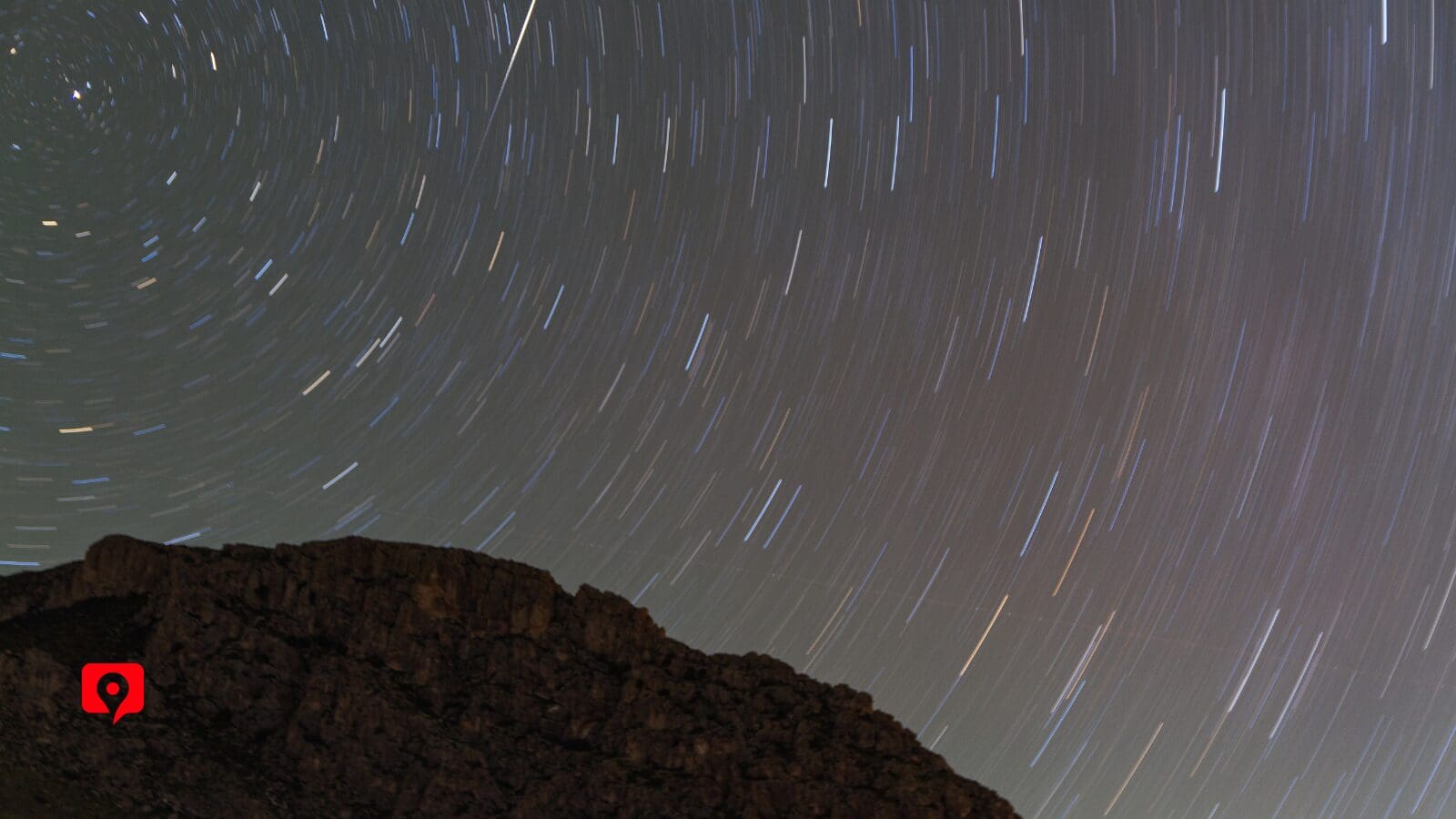
Guadalupe Mountains National Park is renowned for its stunning night skies, offering some of the best stargazing in Texas. The park’s remote location provides minimal light pollution, allowing for clear views of the Milky Way, constellations, and planets. For the best experience, head to Pine Springs or Dog Canyon after sunset, especially on moonless nights. Late spring to early fall is the ideal time to catch the most vibrant sky displays.

Warm Clothing & Layers: Weather in the park can be unpredictable, especially at higher elevations. Bring layers, a windproof jacket, and warm clothing for cooler evenings and mornings.
Sun Protection: Pack sunglasses, sunscreen, and a hat to protect yourself from the sun in the desert.
Binoculars & Camera: Great for capturing the stunning mountain views and wildlife.
Gas Up: Fuel stations are limited. Fill up in Van Horn, El Paso, or Whites City before heading into the park.
Navigation Tools: Download offline maps or have a paper map handy, as cell service can be spotty in remote areas of the park.
Wildlife Protection & First Aid: Bring bear spray if hiking in remote areas, and pack a basic first aid kit for cuts and scrapes.
Reusable Water Bottle & Snacks: Carry plenty of water and snacks for hikes, as services are limited inside the park.
DC Charger / Portable Battery: Keep your devices charged, as GPS and tour apps drain batteries quickly.
Footwear for Hiking: Sturdy, comfortable shoes or boots for hiking on rocky or uneven terrain.
Emergency Shelter: Shelter is one of the most important elements during an emergency survival situation. It can protect you from severe weather conditions and exposure to the elements.
Emergency Preparedness: Carry a charged phone, flashlight, and a basic toolkit. Know local emergency numbers.