00:00

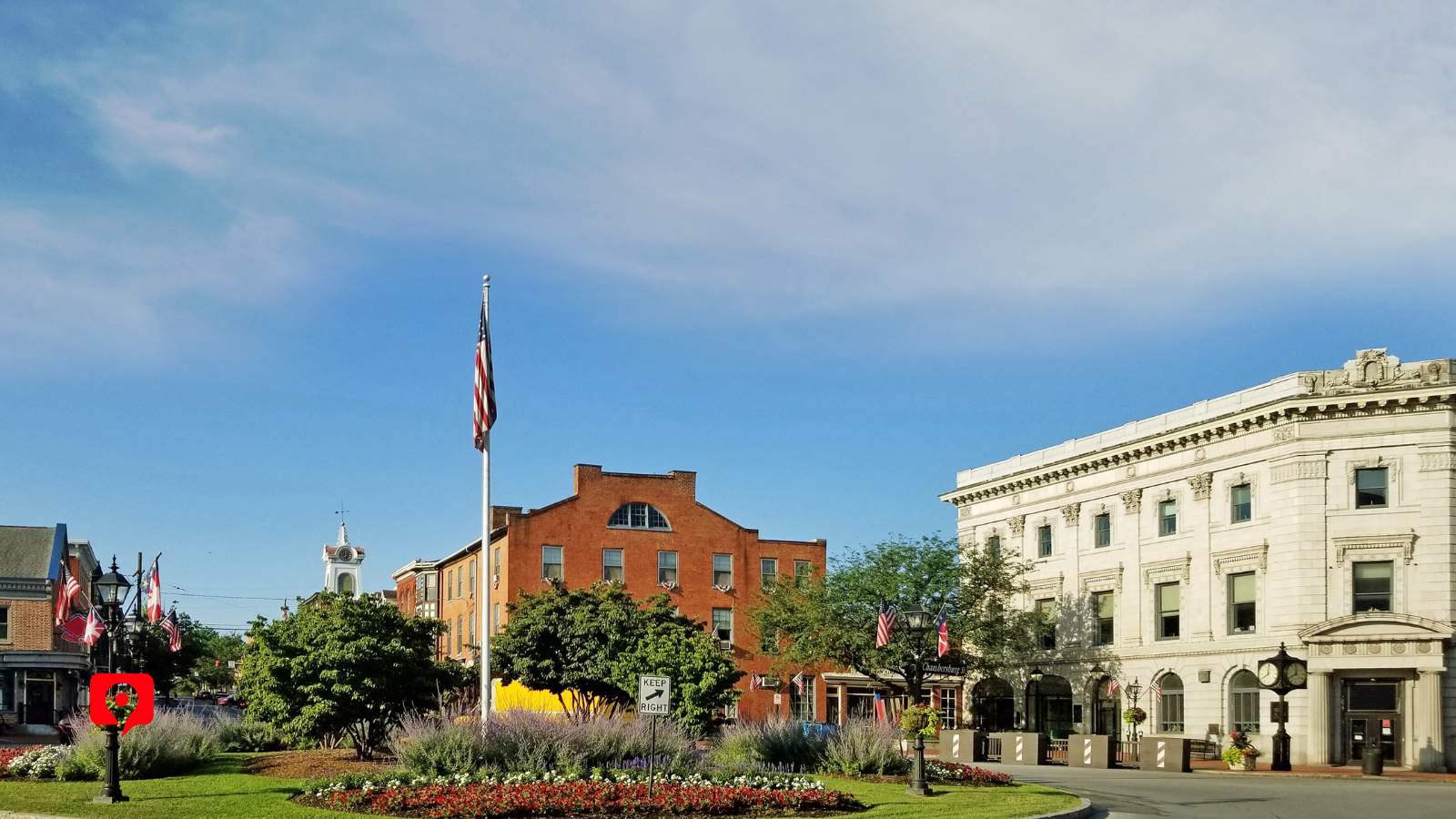
On July 1, 1863, Union troops led by Major General George Meade and Confederate troops led by General Robert E. Lee clashed northwest of the small town of Gettysburg, Pennsylvania. This expanded into a three-day conflict that became the deadliest single battle of the Civil War, and in American history up to that point. Over 50,000 men would lie dead, injured, captured, or missing by the end.
Union forces struggled to halt General Lee’s invasion of the North and were pushed into the streets on the first day of fighting as they retreated to Seminary Ridge. Some of the homes in the town were commandeered as sharpshooter positions, and many others were ransacked. The following two days of the battle left further scars on the town. Since downtown Gettysburg lay at a nexus of roads surrounding the countryside, the battlefield effectively surrounded the town. Stray bullets hit buildings, and most large public spaces were converted into field hospitals for the wounded.

By Train
Get off at the Harrisburg Amtrak station, then take the local RabbitTransit bus directly to downtown Gettysburg.
By Bus
Pennsylvania’s local transit connects downtown Gettysburg to local points including the Harrisburg Amtrak station and the Harrisburg International Airport.

The closest major airport is the Harrisburg International Airport (MDT), about an hour’s drive away from Gettysburg. Rent a car at the airport and continue onto Gettysburg via US 15-South and US 30-West.
You can also fly into Baltimore-Washington International Airport (BWI), which is about an hour and a half’s drive away from Gettysburg.
Similarly, Ronald Reagan Washington Airport (DCA) is about two hours away by car.
We recommend arriving by car or renting one to explore the larger Gettysburg battlefield area, which covers almost 18 square miles. Gettysburg is easy to reach along major highways. Use US Route 15 to reach Gettysburg from points north or south, including Harrisburg, PA and Frederick, MD.
Use US Route 30 to connect to points east or west
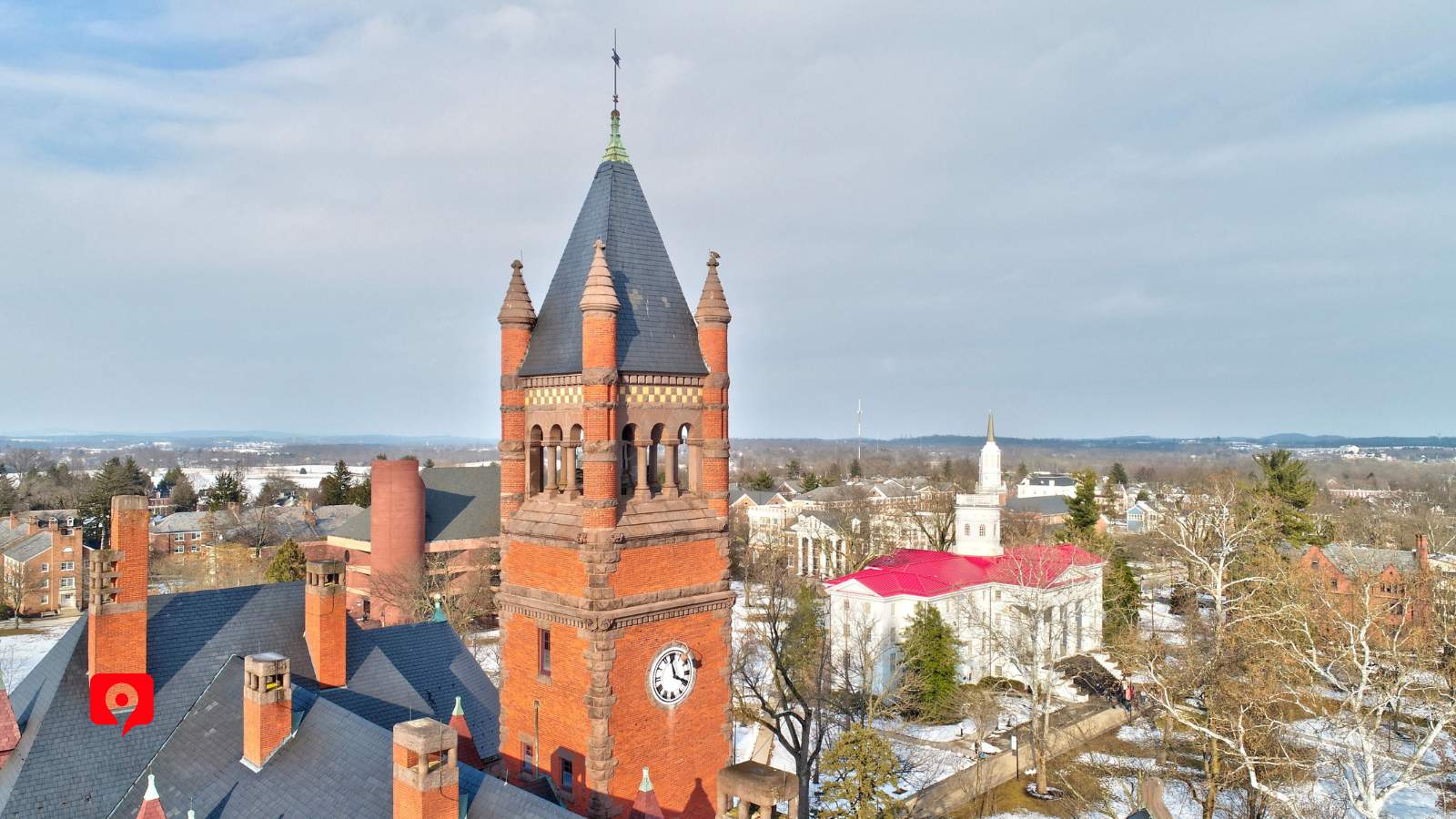
There is no entry fee to walk along the public streets of downtown Gettysburg.Several museums along the route charge entrance fees, including the Gettysburg Heritage Center, the Shriver House Museum, the Children of Gettysburg 1863, and the Jenny Wade House.

Staying directly in Gettysburg gives you the greatest flexibility. There are a wide variety of options around the town that provide convenient access to both the National Military Park and the downtown walking route.
The area around the park has plenty of campsites and RV parks to choose from if you want to be close to the historic sites but have the flexibility of camping. Keep in mind that there is no camping allowed in the military park itself.

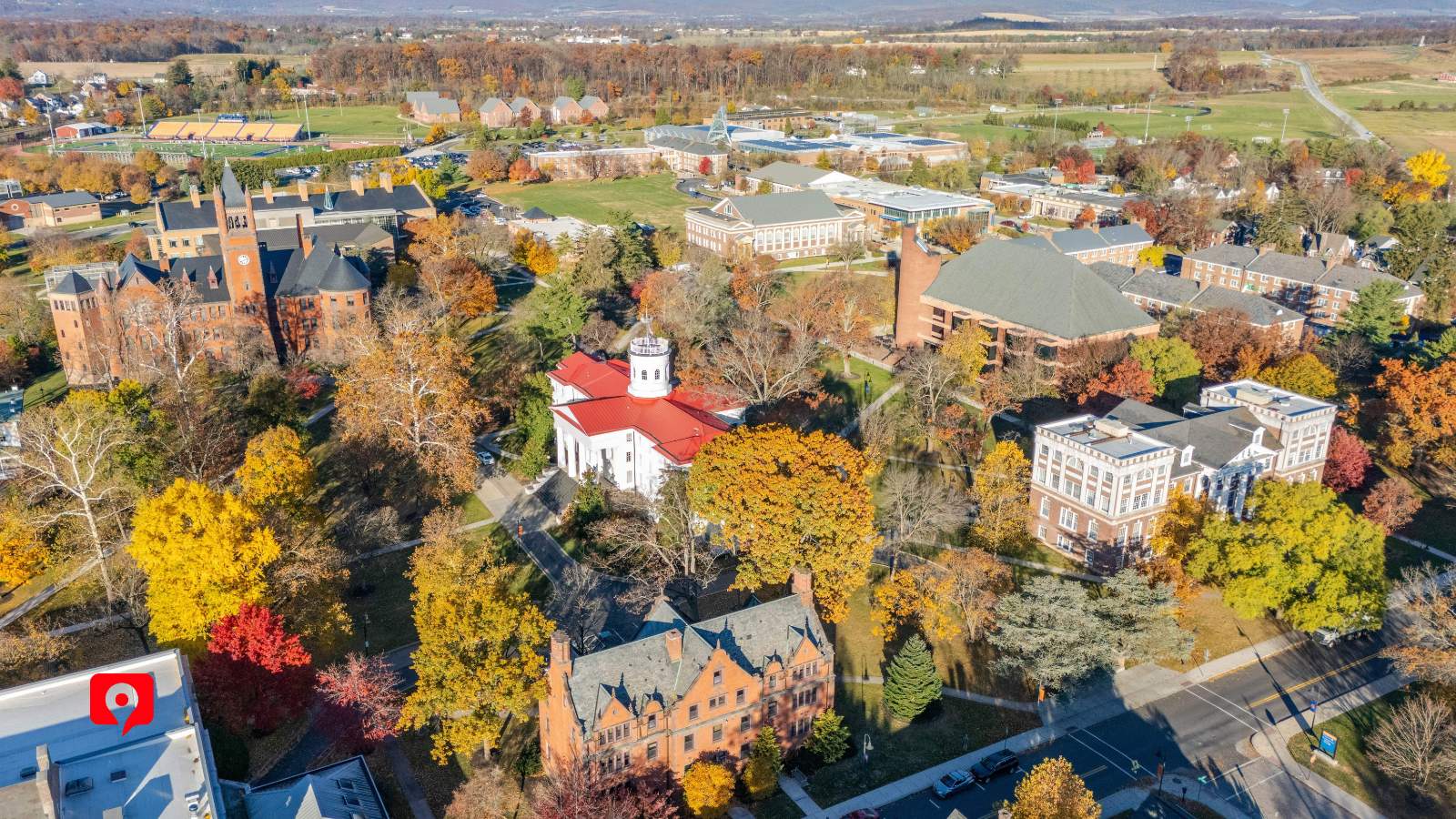
Spring and fall offer mild weather and fewer crowds, making them the best time to explore downtown Gettysburg and the surrounding battlefield sites.
Summer is peak travel season, and the area can get extremely busy around the anniversary of the battle during the first week of July. The weather tends to be hot and humid in eastern Pennsylvania during the summer.
Winter brings a quieter, contemplative feeling to the town and battlefield, but some local amenities and museums may be closed, so check ahead.
For a calmer experience, weekdays tend to be preferable to weekends.
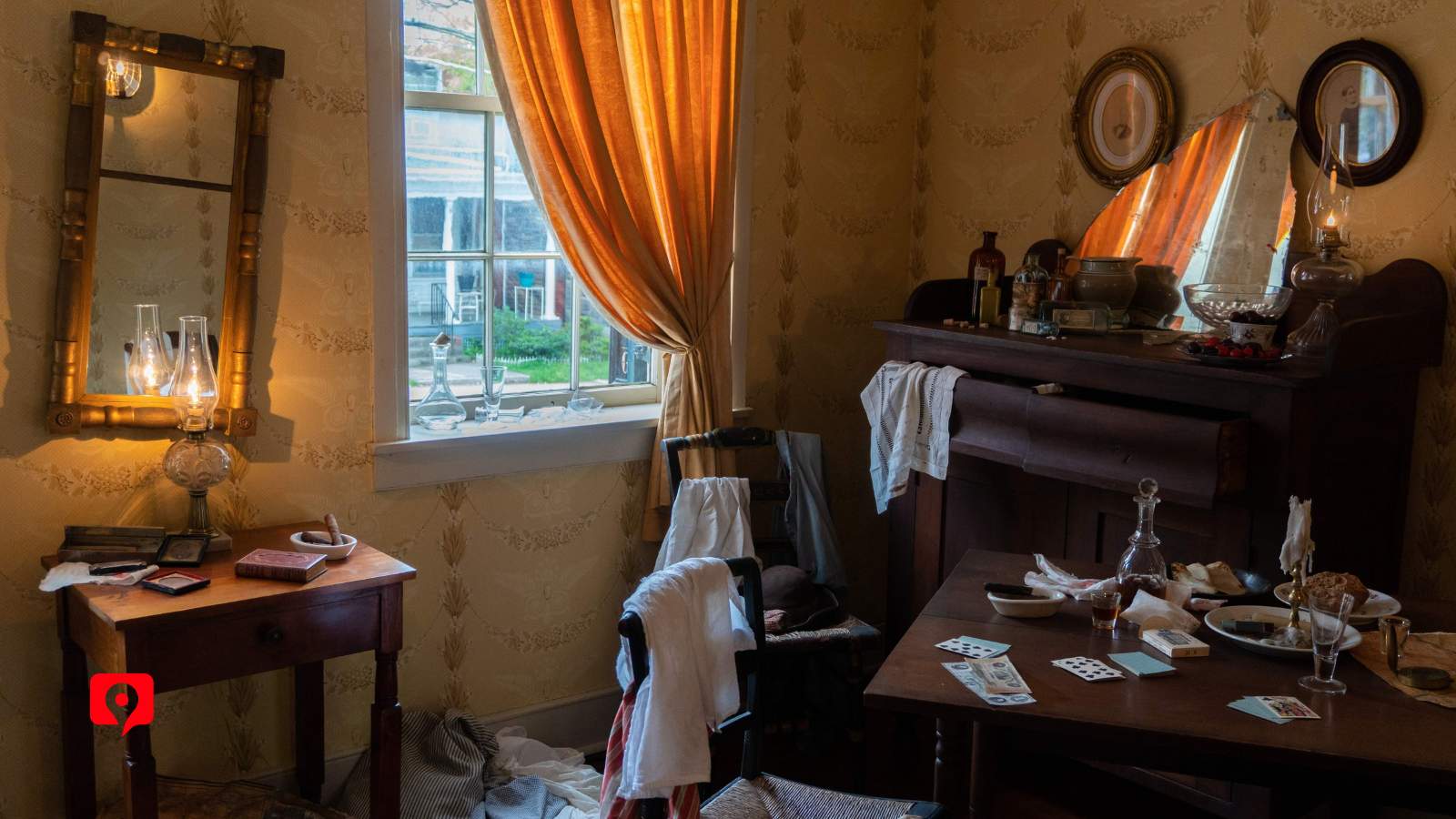
This home was occupied by Confederate forces during the Battle of Gettysburg, and the attic was even used as a sharpshooter position. Today, the historic home has been restored to how it may have looked when Hettie Shriver returned to it in the aftermath of the fighting. Visitors can walk through the house to appreciate what life in this small town looked like before and after the crucial Battle of Gettysburg.
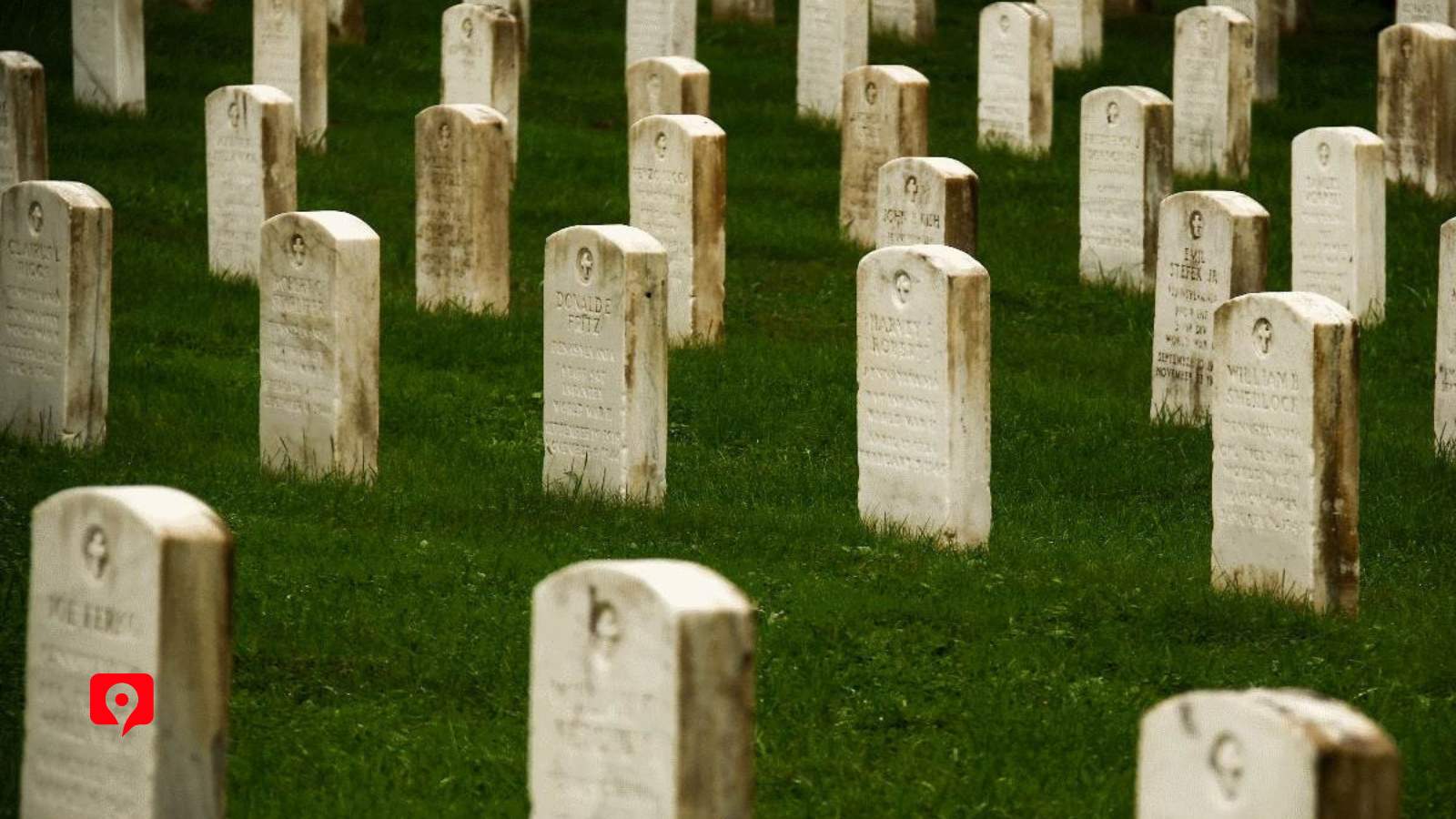
One entrance to the 17-acre cemetery lies along downtown Gettysburg. Here, over 3,500 Union soldiers who fell during the battle were laid to rest. In total, 6,000 American soldiers are buried here. Pay respects to the fallen and listen to Lincoln’s immortal words, “four score and seven years ago….”
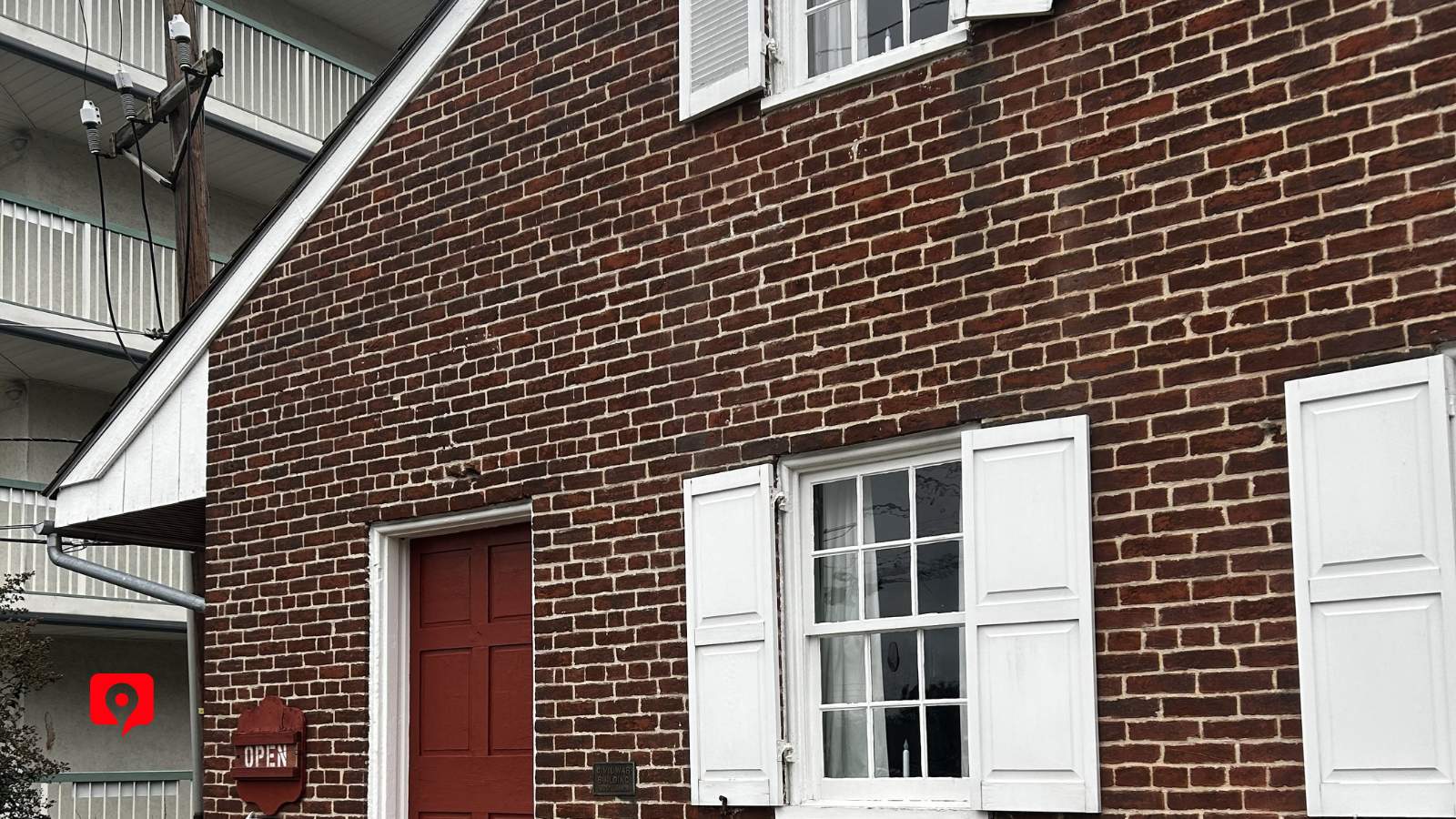
This restored historic home lets visitors see where 20-year-old Jennie Wade was baking bread when she was killed by a stray Confederate bullet during the battle. The bullet hole remains preserved on the outside of the home, marking the only civilian fatality of the battle. Inside, the home is now a museum that shows everyday life cut short by war.
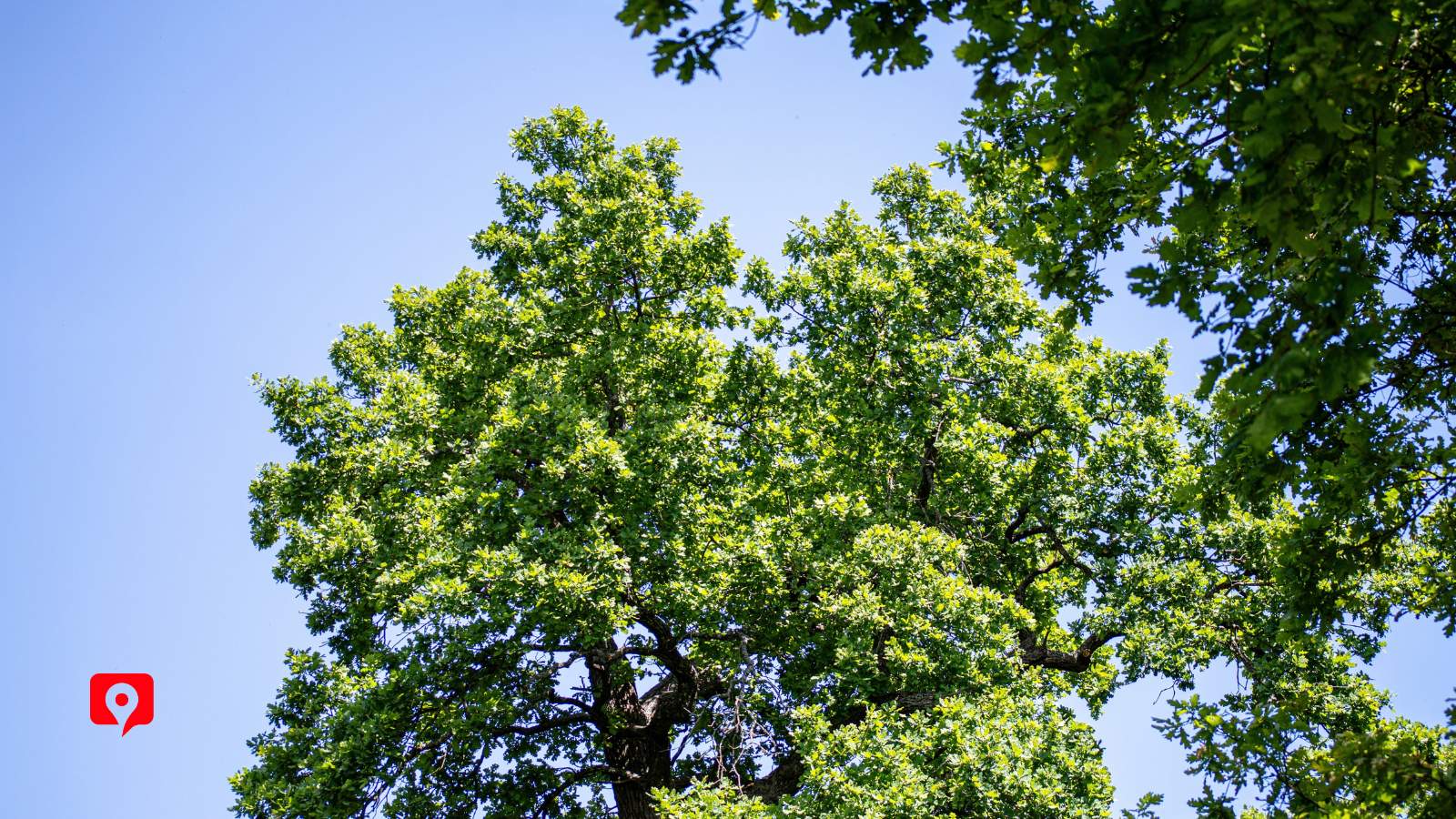
Along the street lined with historic homes, this sycamore has stood long enough to have witnessed the battle. This tree was growing in this small but prosperous neighborhood when Abraham Lincoln rode by it on his way to deliver the Gettysburg Address at the nearby cemetery, forever marking the Battle of Gettysburg as the ultimate symbol of sacrifice in American memory.
First opened in the 1850s, the train station has been restored to how it would have looked when President Lincoln arrived to dedicate the cemetery in November 1863. During the Battle of Gettysburg, the train station was used as a makeshift field hospital for hundreds of wounded soldiers. Many of the severely injured were transported from this very station to Philadelphia or New York to receive treatment.
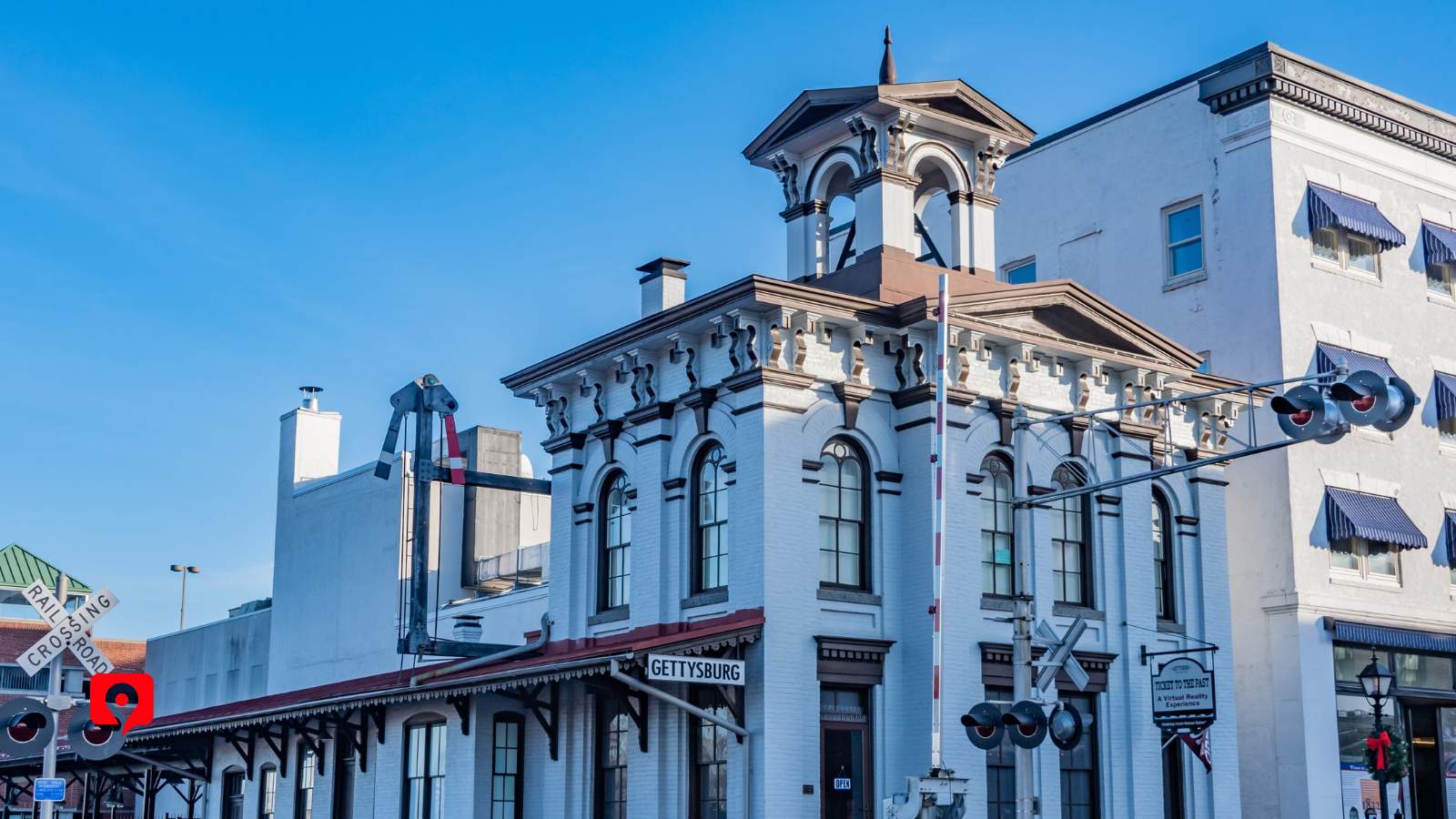
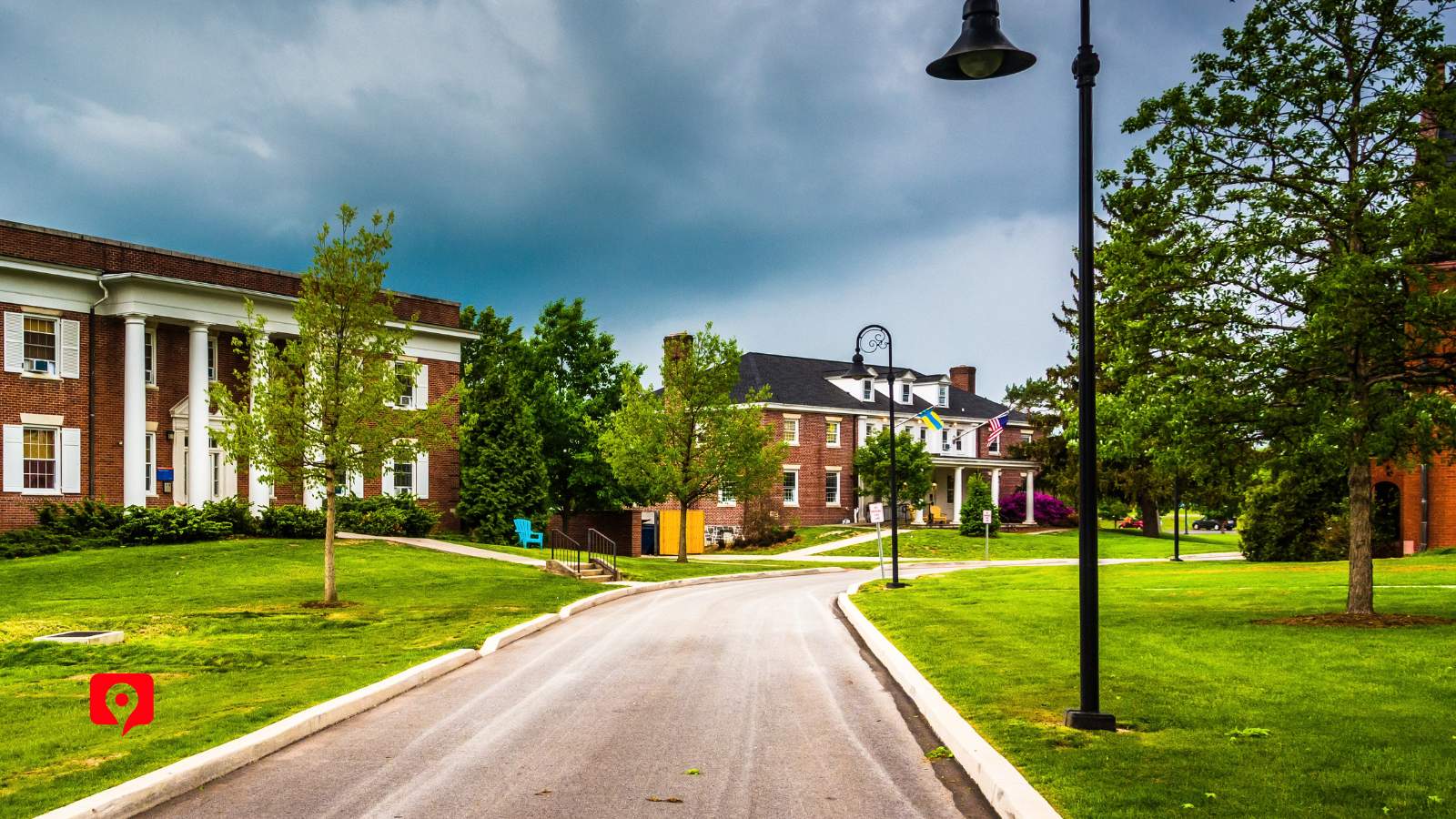

This one-mile walking tour of downtown Gettysburg can be completed in a single morning or afternoon, with time to stop in at a few of the restored homes or museums along the route.
If combining the walking tour with our driving tour of the surrounding battlefield highlights – which we recommend – allow a full day to explore the key sites of the three-day battle and linger longer at spots that catch your interest.
The walking tour is one-way and ends by the train station. There are many restaurants to choose from in this part of town, so its a good spot for a break before walking back to your car at the Gettysburg Heritage Center.

This one-mile walking tour of downtown Gettysburg works well alongside our driving tour of the Military Park. Start at the Gettysburg Heritage Center for both tours, or prioritize the spots you want to see first. If you can get an early start, see the outdoor sites early to avoid crowds and midday heat. Then, return to the Heritage Center to explore how the battle unfolded in these streets.
If you only have half a day to take the downtown walking tour, that works too.
Here’s a suggested itinerary for a full day in Gettysburg:
Full-Day Itinerary
Begin at the Gettysburg Heritage Center and spend the morning exploring key sites around the battlefield, including Cemetery Hill, the Eternal Light Peace Memorial, and Little Round Top. Grab lunch at one of the many diners, pubs, or restaurants in the town, then stop in at the Heritage Center to explore the displays.
This gives you the entire afternoon to enjoy the downtown Gettysburg tour. Keep in mind that most museums along our route close at 5, so plan to prioritize the ones that matter the most to you. In general, families won’t want to miss spending an hour or so at the Children of Gettysburg Museum, which has lots of hands-on exhibits. For almost everyone, I recommend spending about an hour at the Shriver House Museum and listening to the included audio of Lincoln reading the Gettysburg Address while stopping in at the Cemetery – it’s a truly moving experience. Since the Gettysburg Train Station offers free admission, we should definitely spend half an hour or so exploring there. Who doesn’t love trains? That ends our walking tour, but there are plenty of good restaurants nearby, so take a break and grab a bite to eat.
Half-Day Itinerary
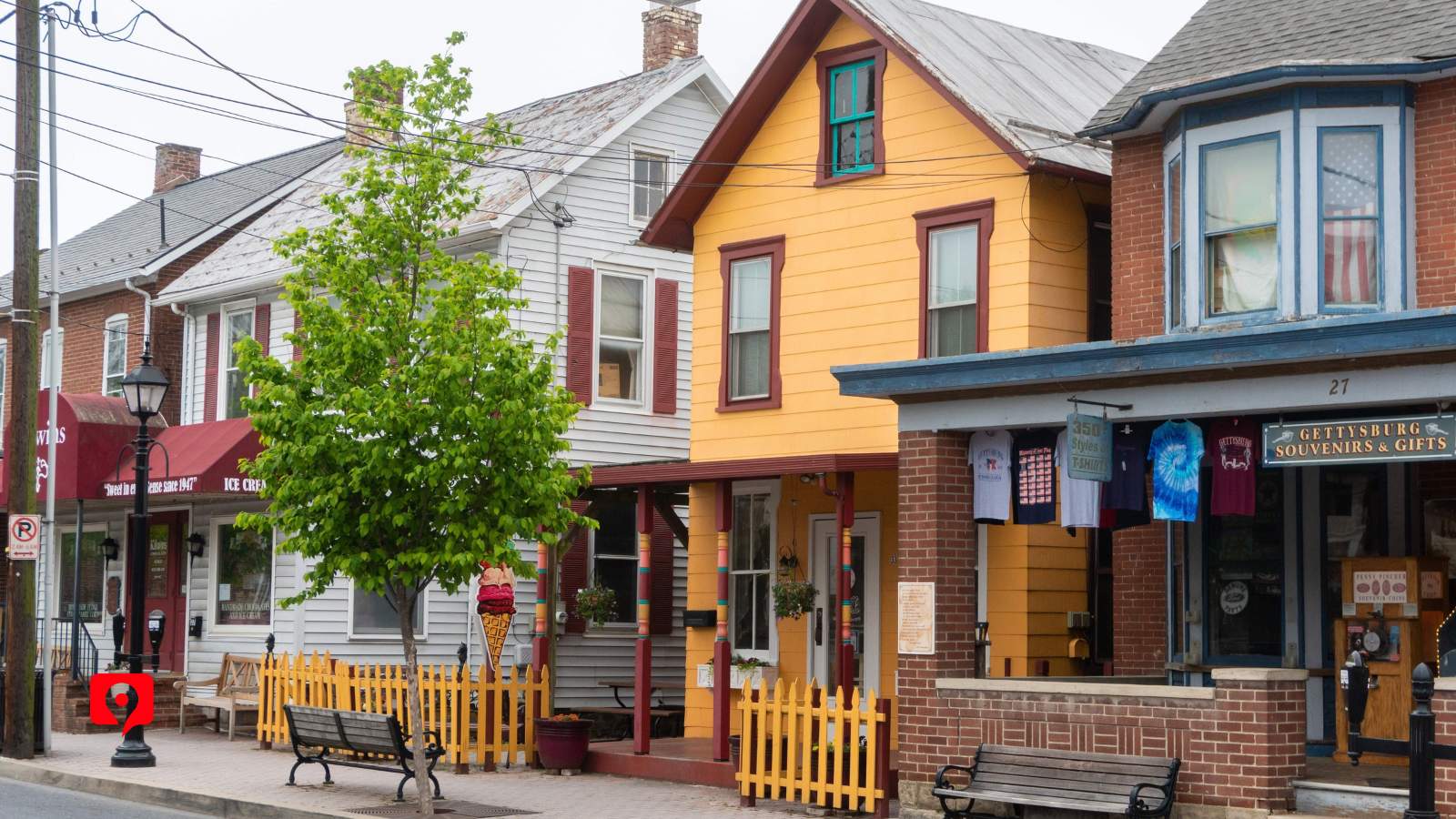
The downtown walking tour of Gettysburg provides an excellent way to see another side of the tide-turning battle. Begin our walking tour near the Gettysburg National Cemetery. We’ll direct you where to look for the famous bullet hole at the Jennie Wade House, then you can spend an hour or so at the Gettysburg Children’s Museum if you have kids along. Hear the story of the Witness Tree as you head to the Shriver House Museum, which is worth exploring if you have the time to see the recreated 1863 home. The Gettysburg Museum of History tends to be a favorite for history buffs, who like to spend an hour or so looking at all the buttons, bullet casings, and other artifacts from the battle. See the Adams County Courthouse and several other historic sites before finishing up near the Gettysburg Train Station, which is free to enter.

Charger or extra battery pack: This tour doesn’t require a cell signal or Wi-Fi, but it does use a GPS signal, which can drain a phone’s battery a little more quickly than usual. Bring a charger or battery pack along with you just in case.
Comfortable Walking Shoes: Pack shoes that can handle a full day of sightseeing without creating blisters. Closed-toed tennis shoes or boots are appropriate in the fall and winter, when there is occasional snow and ice. Walking sandals are a good pick for the warmer spring and summer.
Daypack: A small backpack is handy for carrying essentials like water, snacks, your phone, and a light jacket, keeping your hands free while exploring.
Jacket: If visiting during the cooler months, be prepared for weather changes with a light layer.
Full Water Bottle: It’s important to stay hydrated along any walking tour, especially during the warmer summer months. Starting the day with a full water bottle will sustain walkers along the downtown route.
Sun Protection: This tour covers about a mile of in-town walking, but the sun can be intense in the summer. Bring sunscreen, a sun hat, and sunglasses to stay protected from sunburn during summertime visits.
Cash or Card: Useful for café stops, small purchases, or admission fees at nearby attractions.