00:00

Colonial Williamsburg is one of the most immersive historical destinations in the U.S., preserving and recreating life in an 18th-century colonial town. Once the political center of Virginia, Williamsburg played a crucial role leading up to the American Revolution.
The Historic Area spans hundreds of acres and includes faithfully restored buildings, reconstructed homes, and original structures. Visitors can walk along Duke of Gloucester Street and listen to the commentary on the roles that sites like the Capitol Building, Raleigh Tavern, the Courthouse, and the Public Goal played in the Revolution.
This walking tour begins at the Colonial Williamsburg Visitor Center.
Walking through the Historic Area is free. Entering historic buildings or seeing shows requires a separate Colonial Williamsburg Pass purchased from the Visitor Center.
Reaching Colonial Williamsburg is convenient by rail, road, or air. Visitors can take Amtrak trains to the Williamsburg Transportation Center (the local Amtrak station), which is within walking distance or a short taxi or bus ride from the historic district. If you are driving, the easiest route is to take Interstate 64 and follow signs to the Colonial Williamsburg Visitor Center, where you can park before exploring the historic area.

If flying in, there are three airports to choose from. Newport News Airport (PHF) is the closest – only 30 minutes away – but also the smallest. It mainly offers connecting flights through Charlotte, but does have some direct flights to locations in Florida.

If flying in, there are three airports to choose from. Newport News Airport (PHF) is the closest – only 30 minutes away – but also the smallest. It mainly offers connecting flights through Charlotte, but does have some direct flights to locations in Florida.
Norfolk International Airport (ORF) and Richmond International Airport (RIC) are larger options, each about a one-hour drive away from Williamsburg.
If flying in, visitors will want to rent a car at the airport to continue the rest of the way to Williamsburg.

Amtrak’s Williamsburg Station is within walking distance of Colonial Williamsburg! Visitors can take the train directly to Williamsburg and then catch a rideshare or taxi to hotels.
There is no cost to walk along the public streets of Nashville’s downtown along our tour route. There are a few metered street parking and paid lots if you need to park a car before beginning your walk. The Country Music Hall of Fame is the most popular attraction along our route, and it charges admission. The two museums on our route, Johnny Cash Museum and the National Museum of African American History, charge admission. If you would like to see a show at the Ryman Auditorium or the Symphony Center while you’re here, you will need a ticket to the specific show. Walking through the Music City Center or the Walk of Fame Park is free.

Historic Stays
For true history buffs or visitors looking for a special experience, accommodations can be booked directly in the Historic Area. Keep in mind that these tend to be pricier and book up quickly.
Williamsburg
The main accommodations area in Williamsburg lies just east of the Historic Area. Look along Richmond Rd. and York Rd. for a wide variety of options at every price point and with a wide variety of additional amenities, only a short drive from the Visitor Center.
William & Mary Campus and Adjoining Area
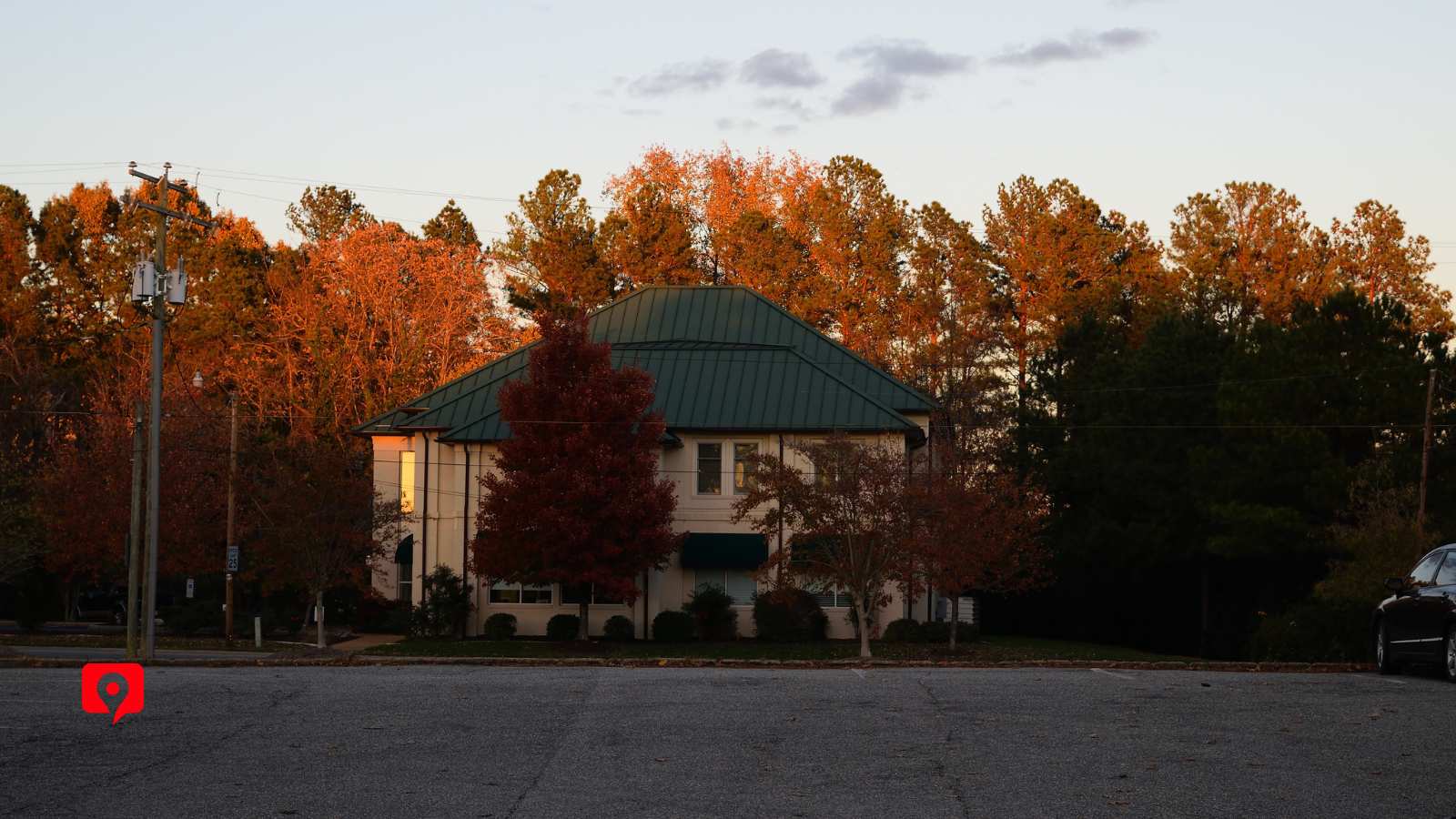
The campus of William & Mary adjoins the Historic Area to the west, and there are additional accommodation options around the campus, often within easy walking distance of the Historic Area and the restaurants and shopping that cater to the student population. These will book more quickly near college move-in and commencement dates.

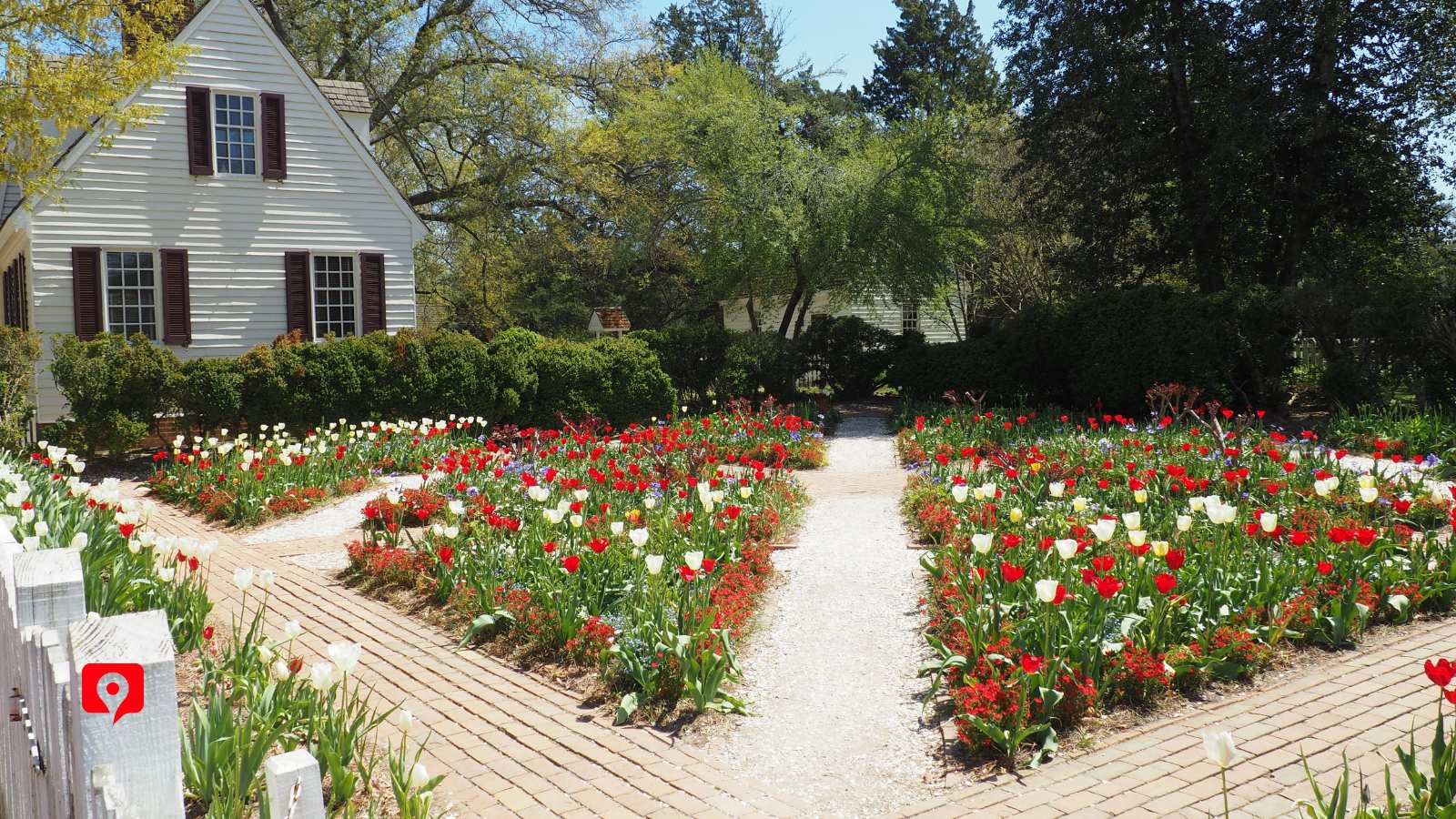
As public streets, the historic area of Colonial Williamsburg is open 365 days a year. Spring and fall are usually the best times to visit and avoid the high heat and humidity of full summer. Fall brings beautiful foliage and cooler air. Visiting in November and December offers a great opportunity to see holiday decorations festoon the historic buildings and even take in a holiday concert in the historic area or at the College of William and Mary. Winter temperatures can drop below freezing or hover in the mid-40s; still comfortable enough for a peaceful stroll through the streets.
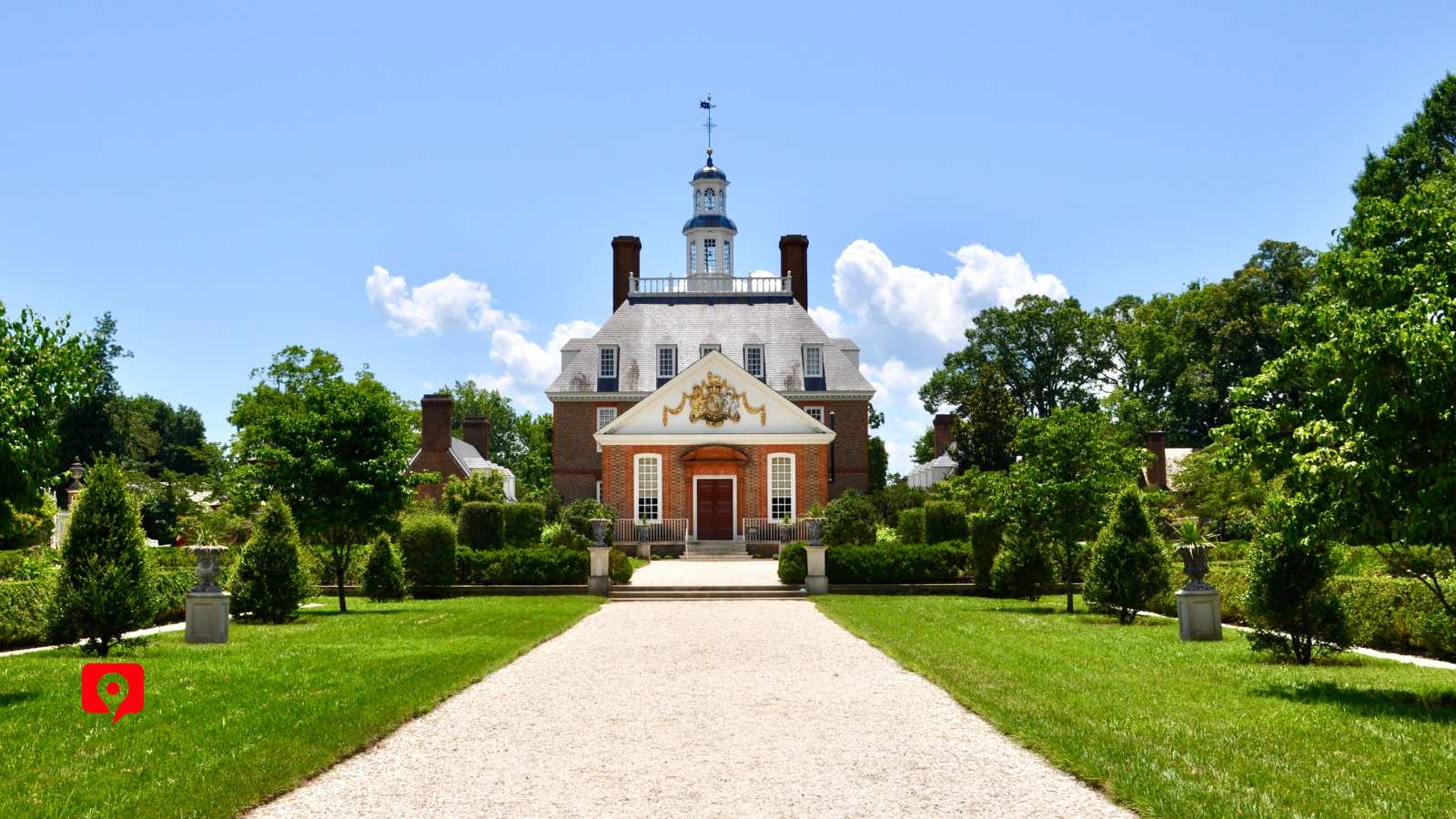
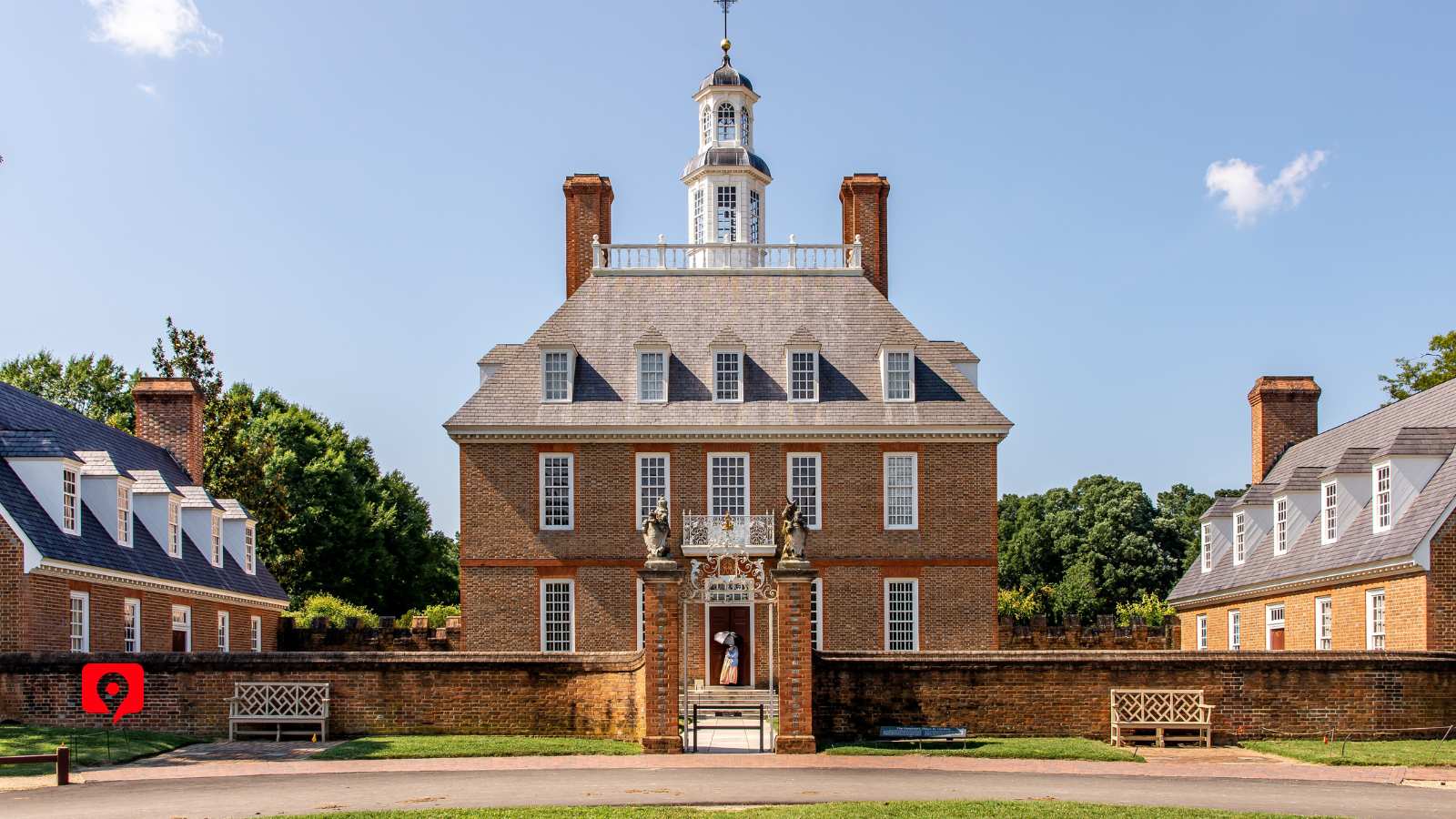
The official residence of the King’s representative to Virginia stands majestically at the end of the Green, with its manicured gardens and stately brick bearing witness to the stability of British authority – until the governor had to go into hiding on a nearby ship in 1775. Most people can’t resist taking plenty of pictures at the massive brick facade and gold emblems.
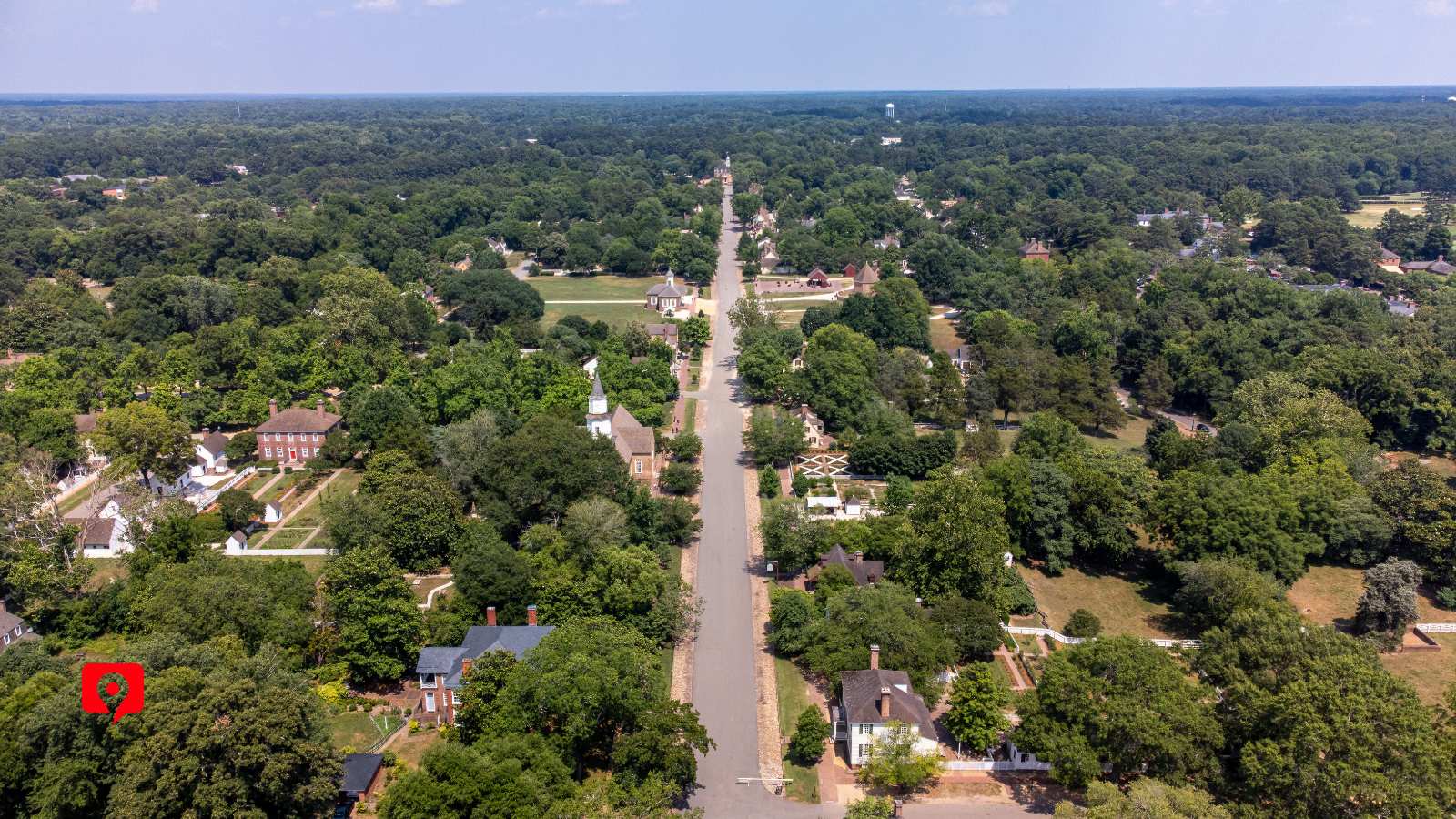
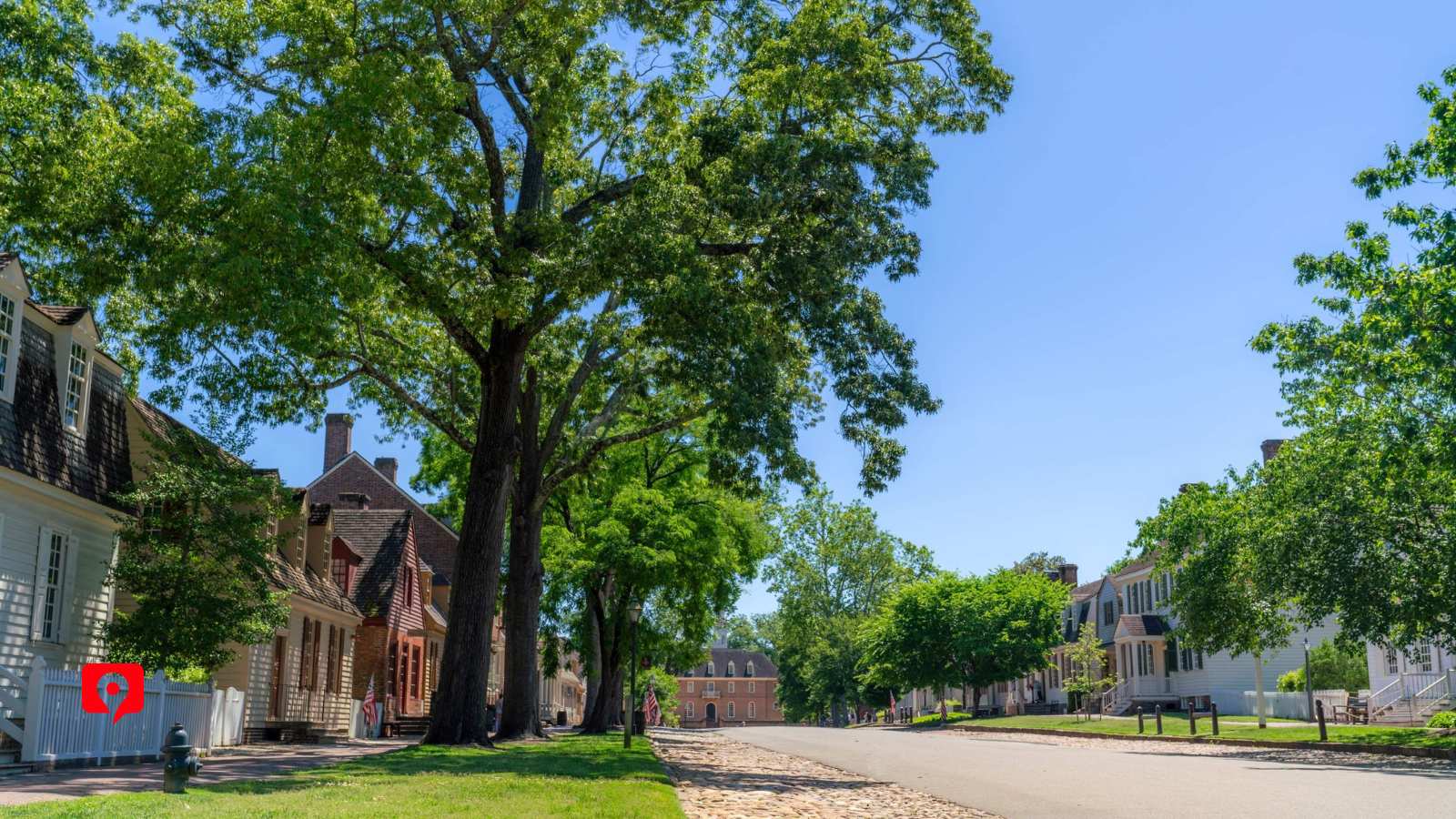
This was the main artery of colonial life in Williamsburg, and visitors to the Historic Area can capture the sense of daily life as we pass the tradesmen shops, small mercantiles, government buildings, and historic homes along the iconic brick streets. Walking along the street gives visitors a view of the Capitol Building and the College of William and Mary on either end – the perfect colonial bookends.
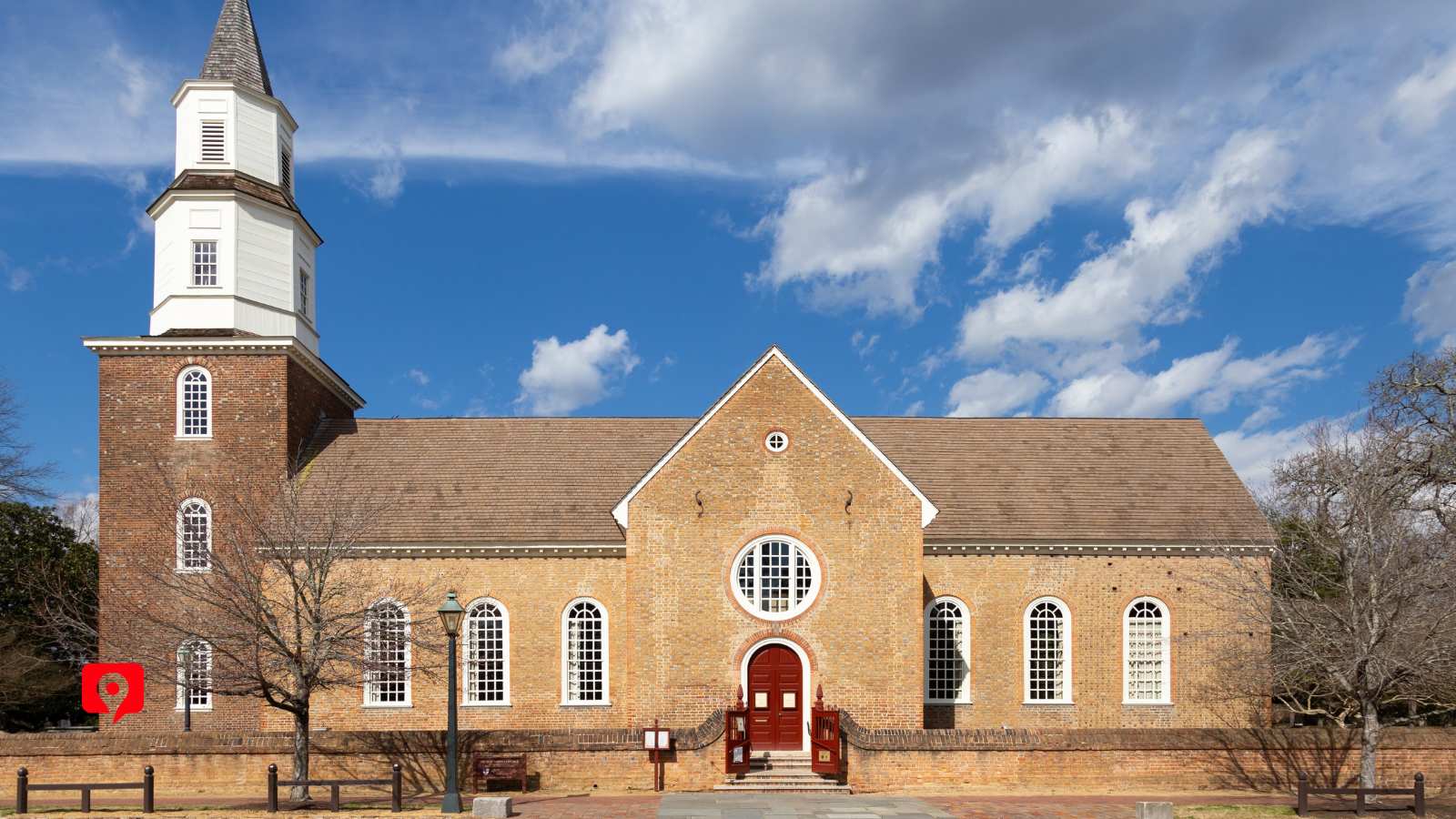
Visit the hallowed site that has stood since 1715. The charming brick church stands as a witness to the tumultuous Colonial and Revolutionary periods and served parishioners through the centuries and down to the present day as a functioning congregation. Visitors can stop in to pay their respects, see the distinctive box pews, or experience a worsphip service on Sundays.
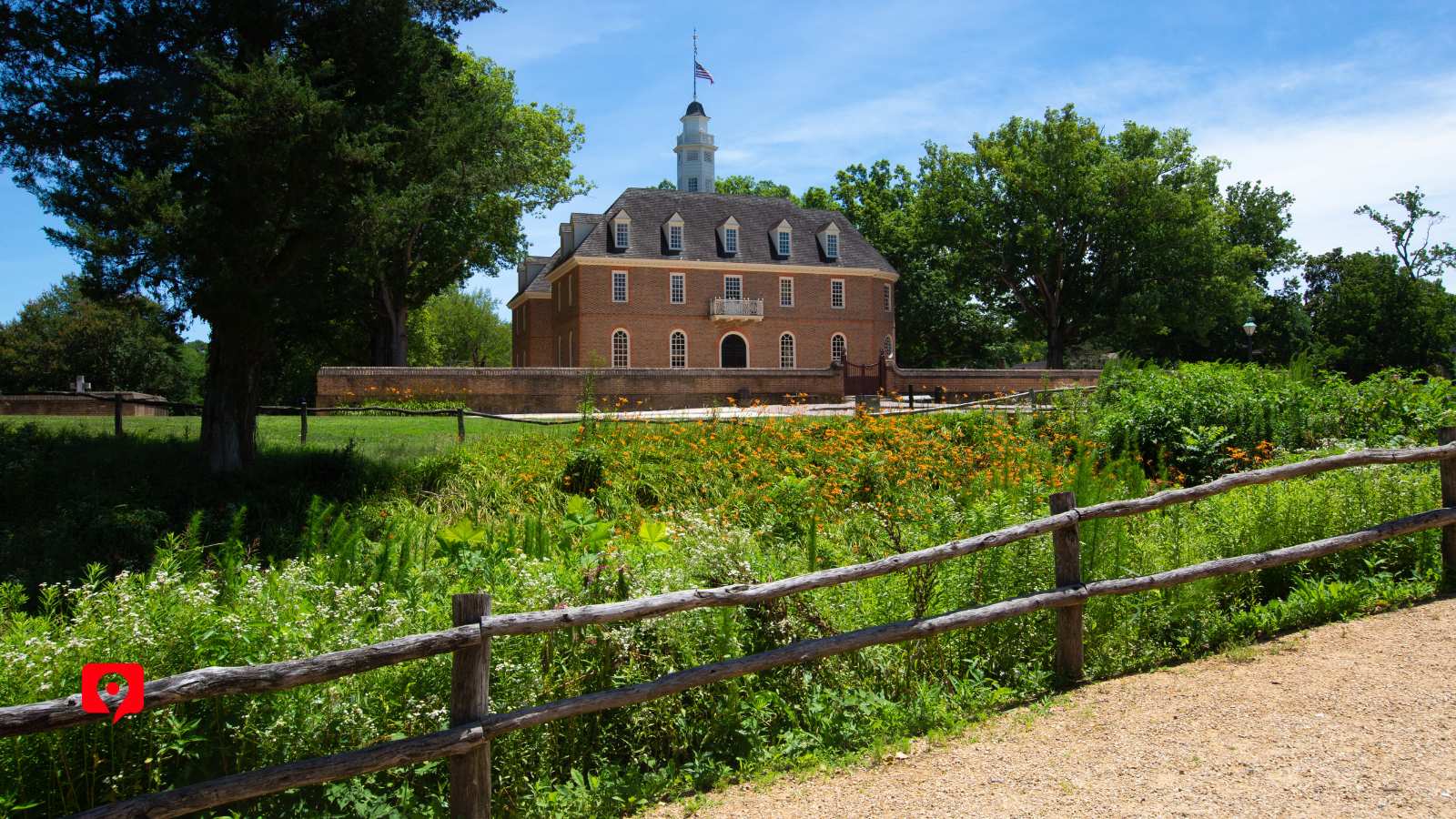
See the reconstructed, stately brick building along Duke of Gloucester Street where debates were held and the colony of Virginia took a major step towards independence – before the Declaration of Independence was even signed. We’ll point out all the stories of notable assemblies held here.
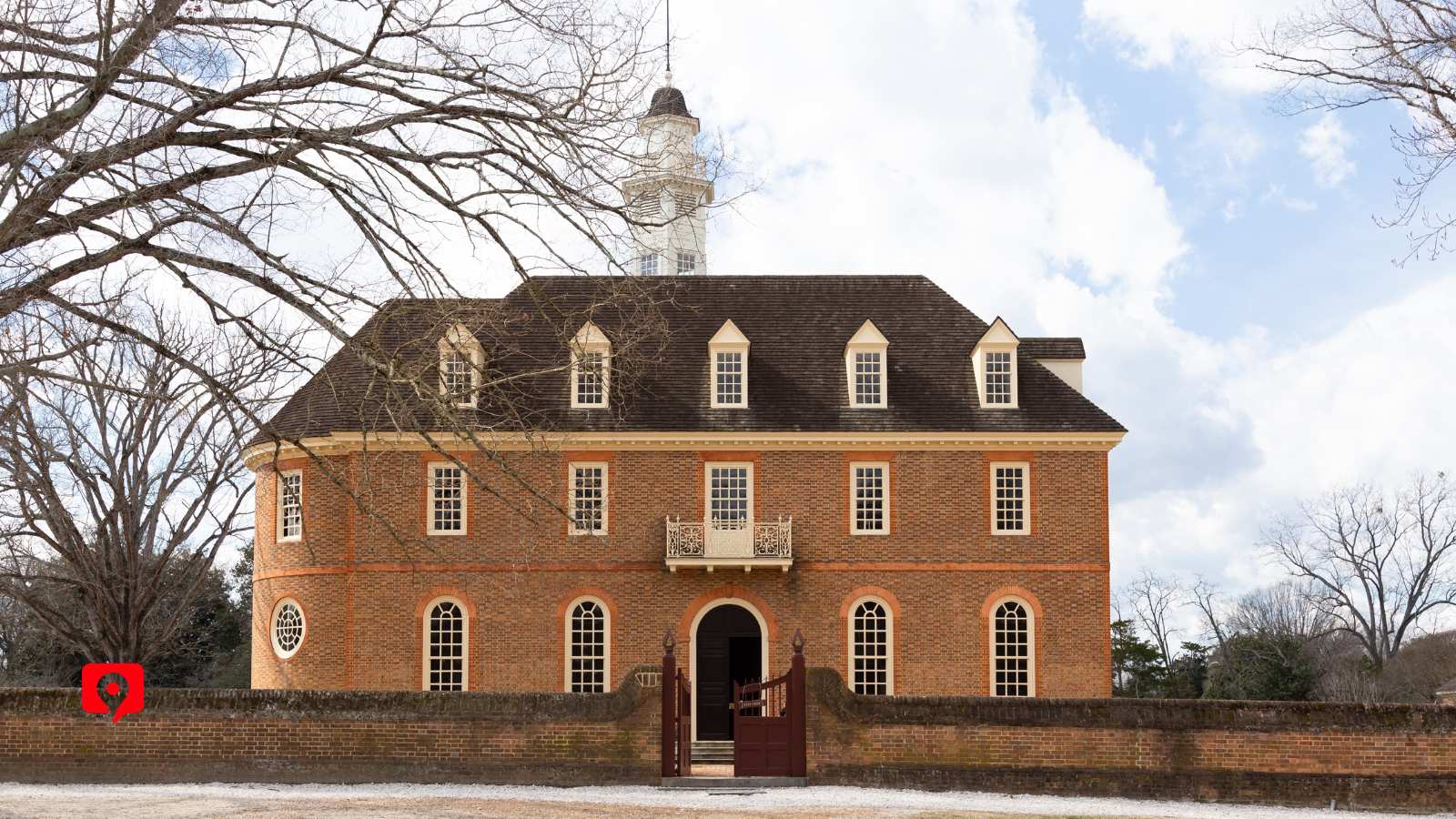
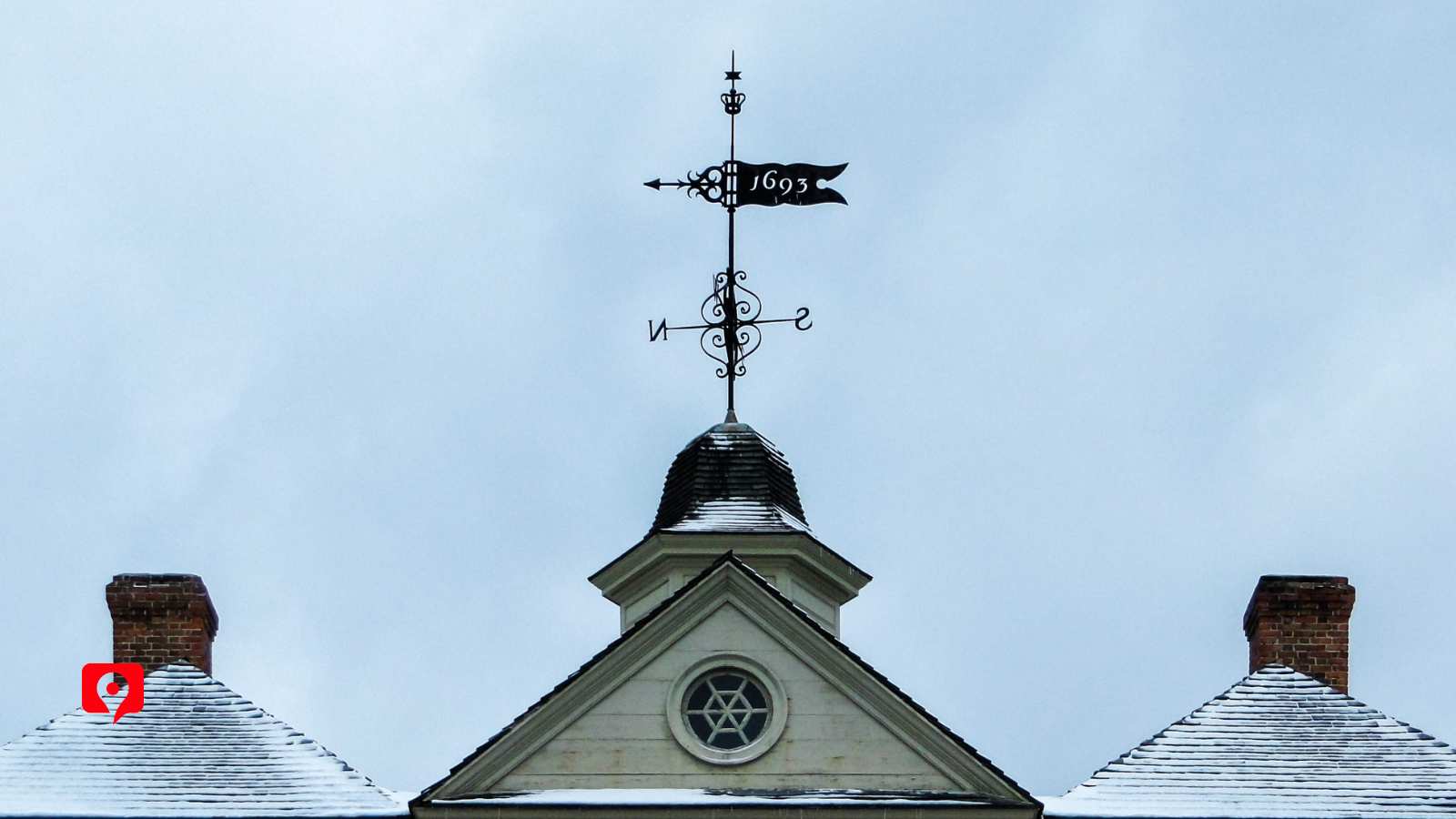
See the oldest college structure in the United States still standing – it even once housed the colony’s government. Originally built in 1695, this building has nurtured minds for centuries – and is still called “the soul of the college” by those who learn and teach here. The College of William and Mary blends the historic area seamlessly into the modern town, showing Williamsburg’s unbroken thread in the story of Virginia.
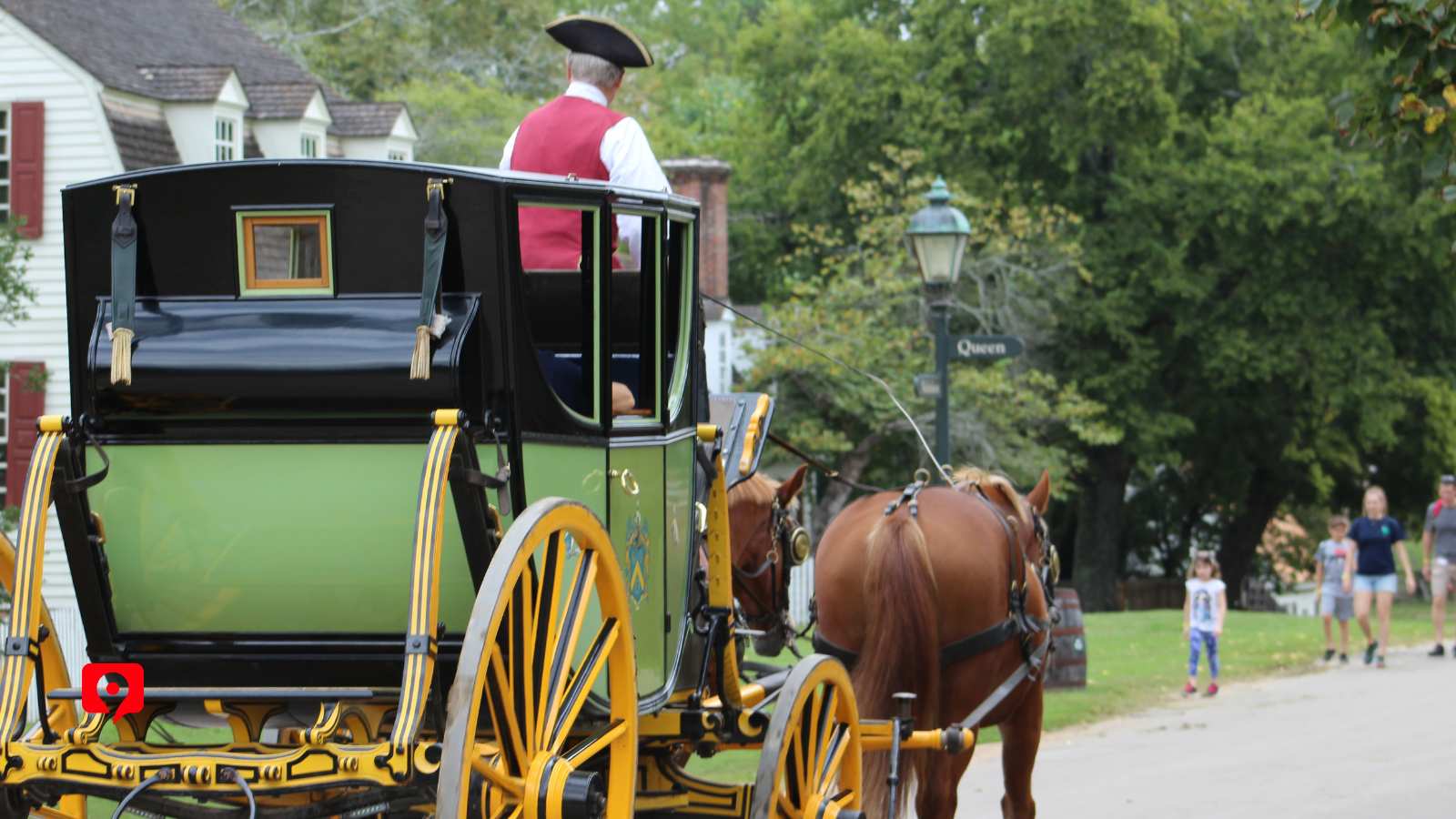
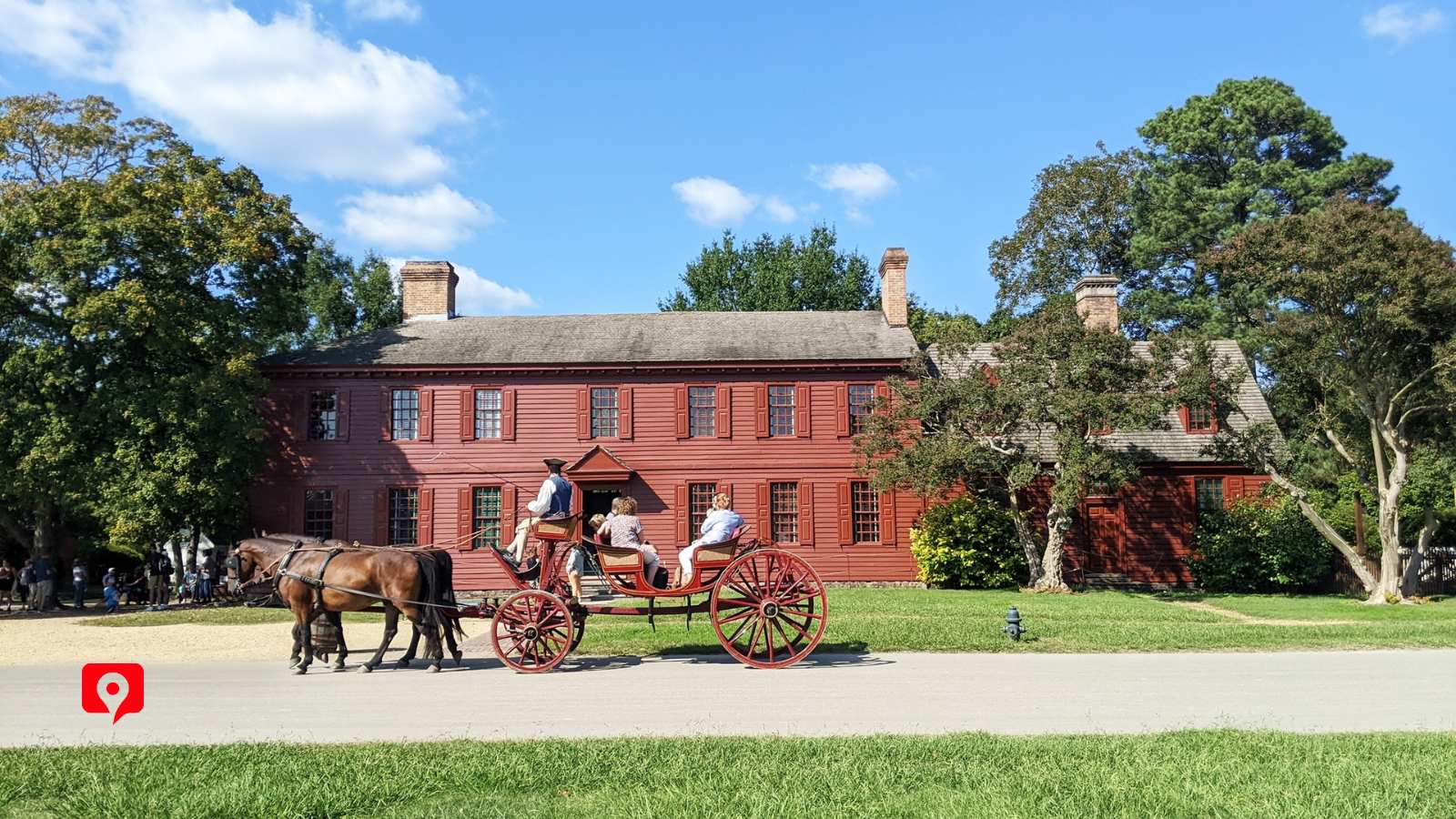
This walking tour of Colonial Williamsburg can be completed in a single morning or afternoon, with time for can’t-miss stops like Duke of Gloucester Street, the Capitol Building, the Public Gaol, the Courthouse, Bruton Parish Church, and the College of William and Mary.
Visitors who purchase a Colonial Williamsburg pass in addition to this audio tour should plan on at least one full day to explore.
This tour can be completed in one morning or afternoon, or spread out over a day or two.
A suggested itinerary for someone staying in or near Williamsburg might look something like this:
Guests purchasing the official Colonial Williamsburg admission may want one or two full days to combine the walking tour with the ticketed entry inside the historic buildings.
Use the Half-Day schedule above to plan out your day and simply add in an additional 30 minutes at each historic building that interests you the most. If you only have one day, our recommendations are the Governor’s Palace, Public Gaol, and Capitol Building, to fully bring our narrated stories to life.

Water Bottle: We’ll be strolling through the outdoor Historic Area, so bring a filled water bottle to stay hydrated while we explore. There are limited opportunities to refill water bottles, but plenty of dining options to purchase a snack or cool drink.
Sun Protection: Especially during the summer, the sun can get warm in Virginia. Pack the essential sun protection, including a hat, sunglasses, and powerful sunblock.
Comfortable Shoes: This route covers brick streets and paved sidewalks for about 3 miles. Wear shoes that are comfortable for a day of walking.
Charger: This tour doesn’t require a cell signal or Wi-Fi, but it does use a GPS signal, which can drain a phone’s battery a little more quickly than usual. Bring a charger or battery pack along with you just in case.
Rain Jacket & Umbrella: Virginia weather is changeable, so bring gear for sudden rainstorms or drizzle.