00:00

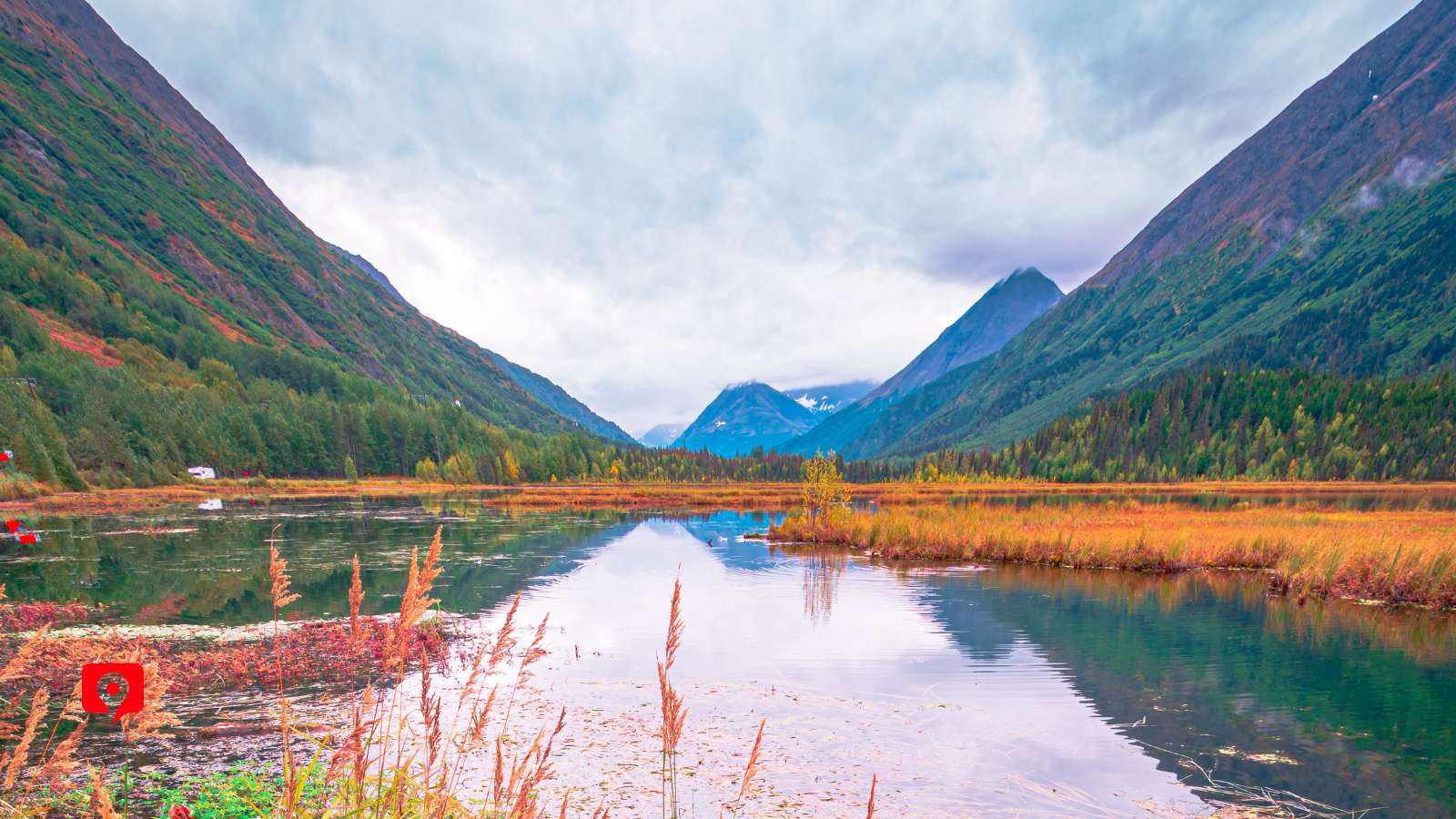
Few drives in Alaska match the Kenai Peninsula journey along the Seward and Sterling Highways. Expect classic Alaska scenery at every turn, from Turnagain Arm’s dramatic coastline to glacier-carved valleys, turquoise lakes colored by glacial silt, and mountain views that feel endless. You’ll roll through Girdwood, a lively resort town, and into Portage Valley, where ice, waterfalls, and rugged peaks signal that the wild side of Alaska is close.
The landscape also carries layers of history. This route crosses Dena’ina homeland and places shaped by Russian settlement, gold rush ambition, and the homesteaders who built communities across the peninsula. Each stop has a distinct character, from Cooper Landing on the Kenai River to Soldotna’s salmon country, Kasilof’s quieter wilderness, Ninilchik’s deep Russian heritage, and Anchor Point’s windswept coast. At the far end awaits Homer, known for halibut fishing, wildlife tours, sea kayaking, local art, and wide-open views across Kachemak Bay.
If you’re craving an Alaska adventure rich with wildlife, culture, and iconic Kenai Peninsula scenery, this road trip offers the perfect blend. Take your time and let Alaska work its magic.
The tour follows the Seward and Sterling Highways, the scenic backbone of the Kenai Peninsula. Whether you start in Anchorage or Homer, you’ll be driving one of Alaska’s most celebrated routes, with mountains, glaciers, and coastline unfolding mile after mile.
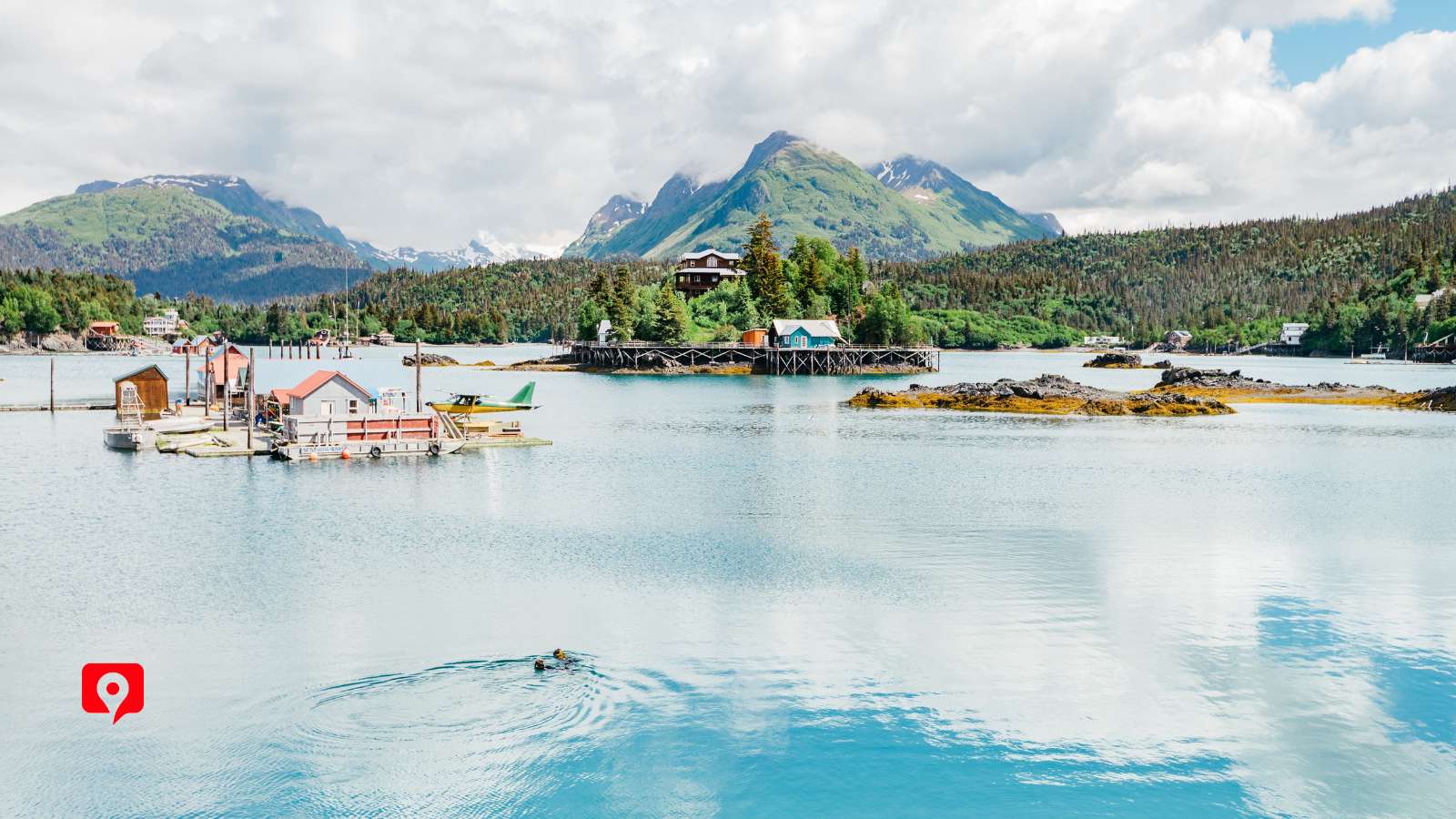

Most visitors fly into Ted Stevens Anchorage International Airport (ANC), Alaska’s largest passenger airport and a common gateway for Kenai Peninsula trips. From Anchorage, the drive to Homer via the Seward and Sterling Highways is typically around 4.5–5 hours without long stops, and can take longer if you pause for viewpoints or wildlife.
If you’d rather start from the southern end, Homer Airport (HOM) has regional air service that can connect via Anchorage depending on season and schedules. If you’re considering flying into Homer, it’s best to check current timetables when you book.
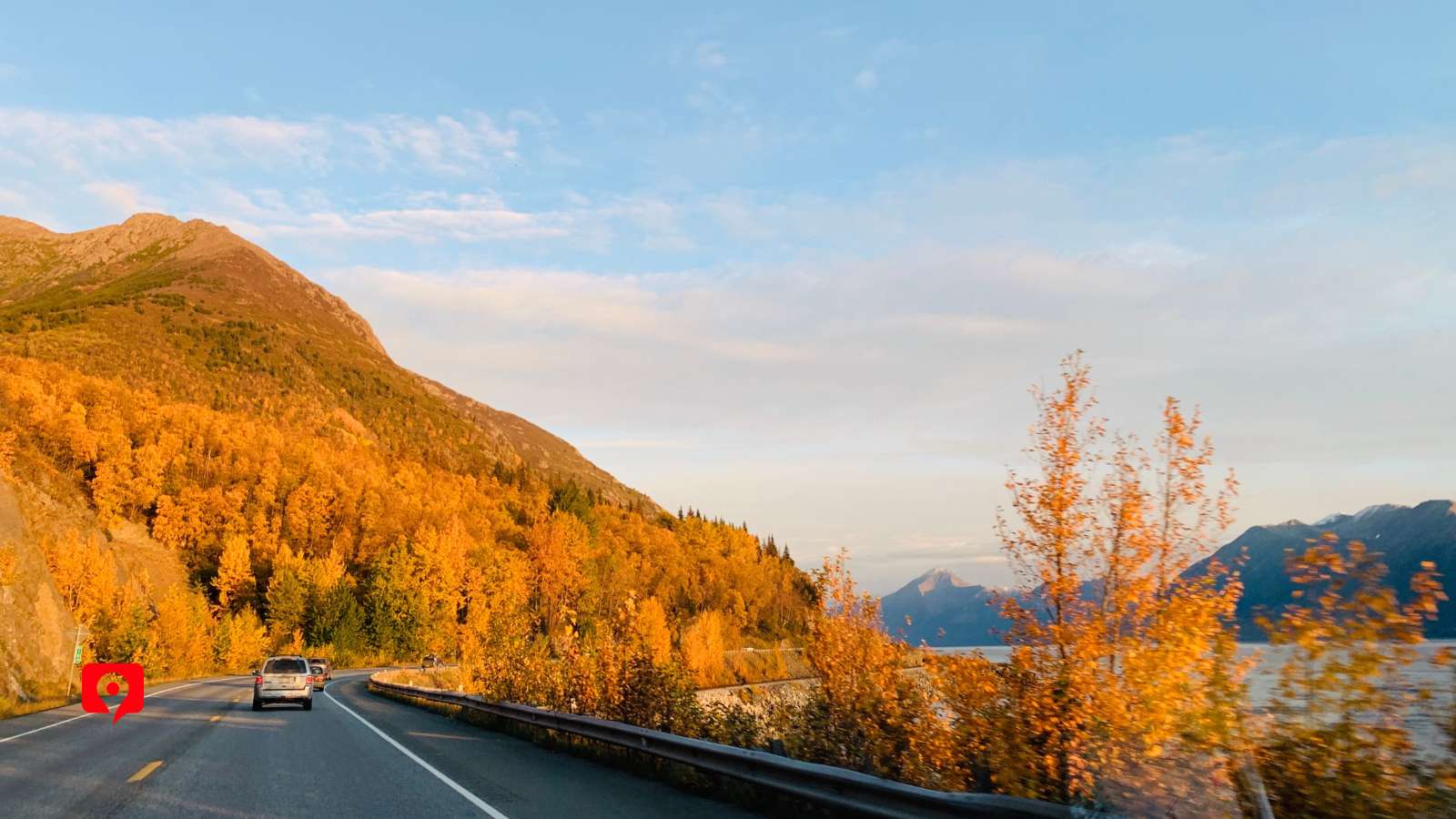
Driving is the easiest and most flexible way to travel between Anchorage and Homer. The route is about 225 miles along the Seward and Sterling Highways, and it’s scenic in either direction. Having your own vehicle lets you pull over for viewpoints, wildlife, short walks, and side trips across the Kenai Peninsula. Rental cars are widely available in Anchorage, while options in Homer can be more limited, especially in peak summer, so it’s smart to reserve ahead. If you’d rather not drive, scheduled bus and shuttle services operate between major towns on the route.
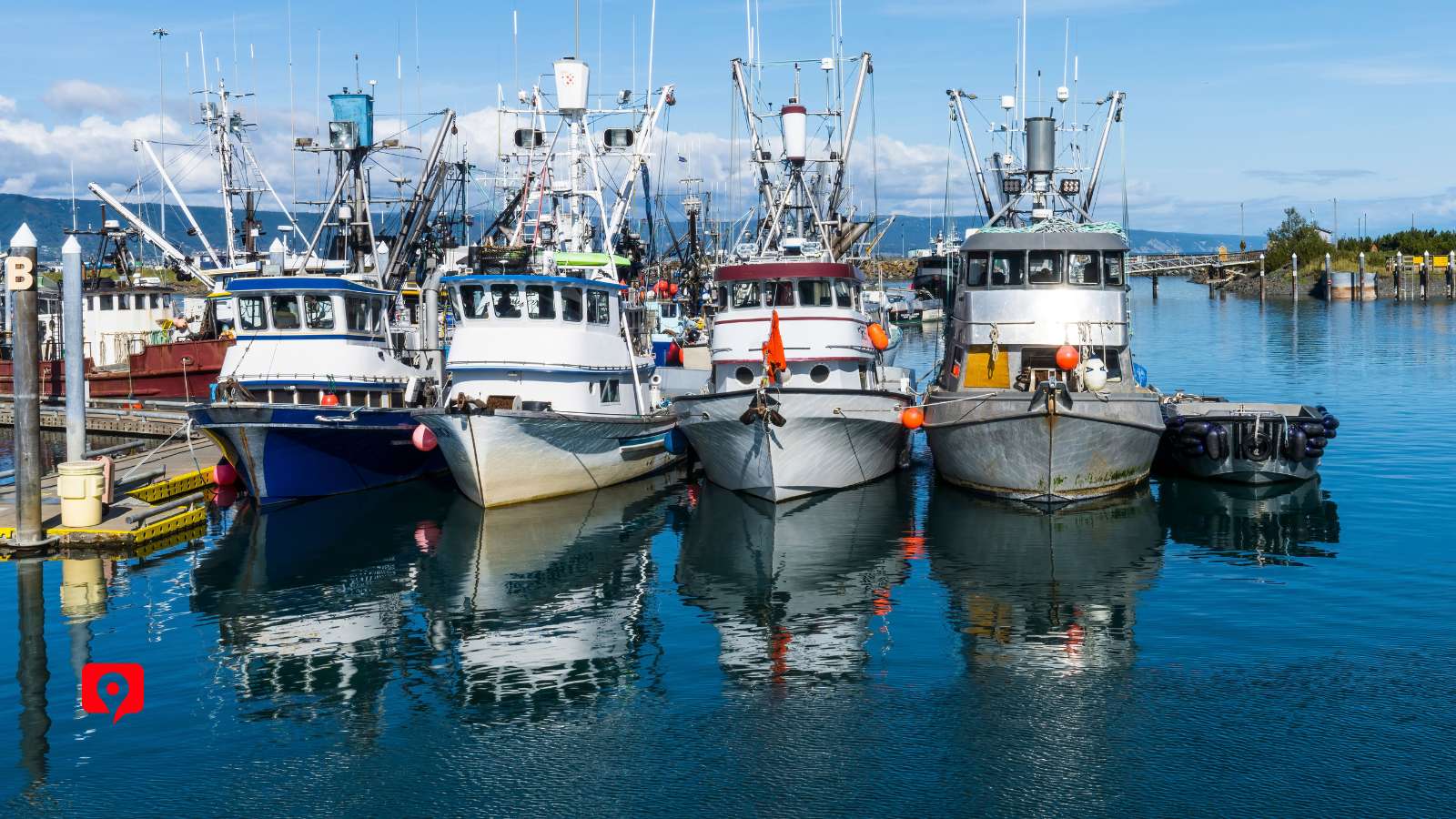
If you’re arriving from coastal communities such as Kodiak, the Alaska Marine Highway System can connect you to Homer depending on the current sailing schedule. For Seldovia and other communities across Kachemak Bay, passenger ferries and local water taxis provide crossings to Homer. Because routes and frequencies can be seasonal, always confirm current schedules and reservations before you plan your trip.
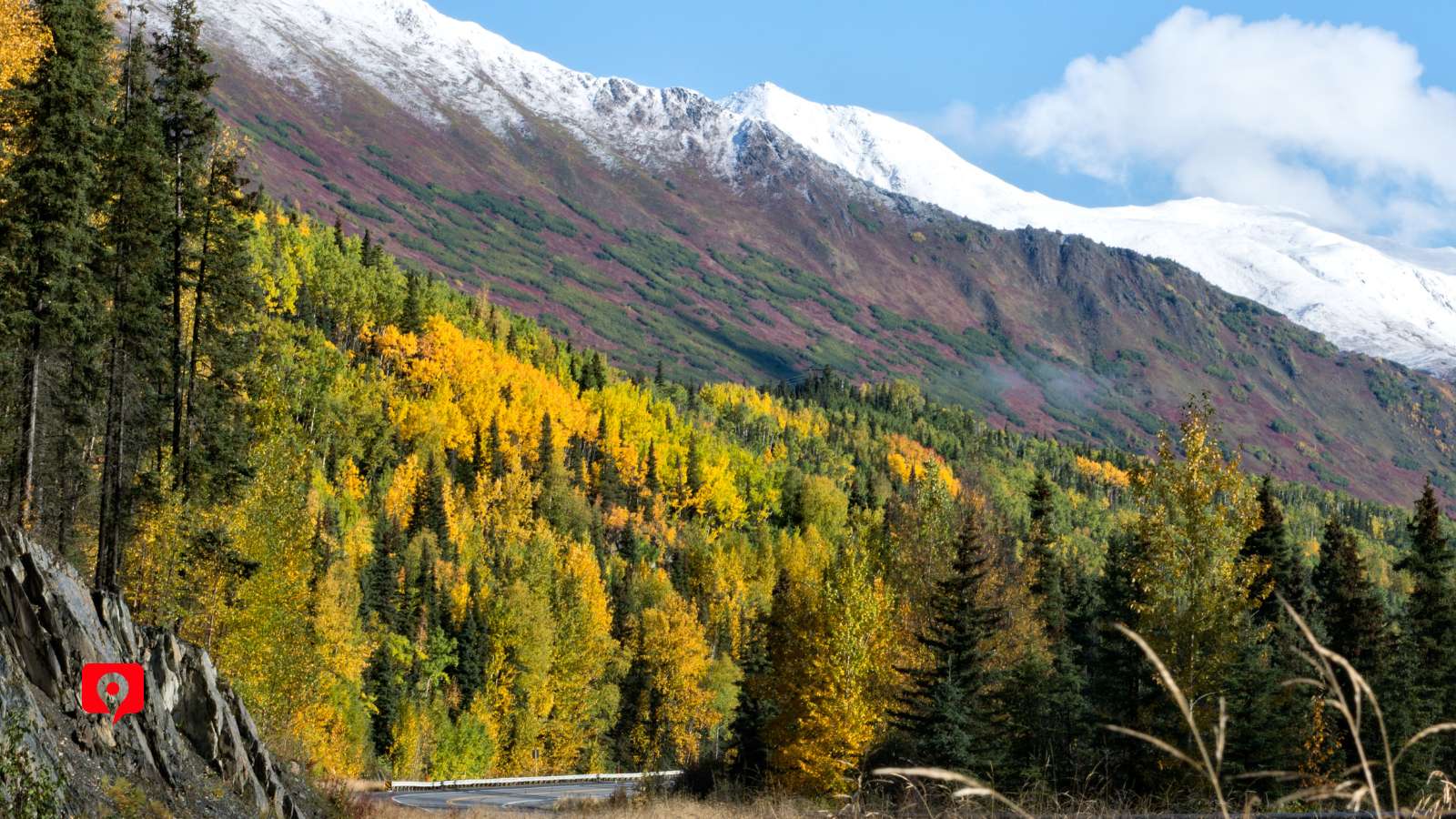
Getting Around
Driving is the most practical way to explore the Kenai Peninsula, as trailheads and scenic stops are widely scattered along the highway. Public transit is limited. However, once you arrive in Homer, the town becomes easy to navigate on foot or by bike, particularly around the Spit and harbor.
There’s no toll to drive the Seward and Sterling Highways, and most viewpoints, pullouts, wildlife-watching spots, and natural stops along the Kenai Peninsula are completely free. Pull-overs at scenic viewpoints like Beluga Point, Bird Point, or Turnagain Pass are free, but keep in mind that parking at Alaska state recreation sites may carry a day-use fee per vehicle. If you plan to visit often, an Alaska State Parks annual pass is available.
Some attractions along the way charge modest fees. Visit the Alaska Wildlife Conservation Center or the Alyeska Aerial Tram in Girdwood to learn about pricing and availability. A few stops, such as certain boat launches, campgrounds, and state recreation areas (e.g., Anchor River, Deep Creek, Ninilchik, Kasilof, Clam Gulch), may charge modest fees for parking or facility use. See the Alaska State Parks for the latest information.
No advance permits are required for the highway or most trails, but always check the Alaska Department of Parks and Outdoor Recreation for seasonal updates.
You’ll find a wide range of places to stay across the Kenai Peninsula, regardless of where you begin your trip or how you choose to explore this route. Larger towns like Anchorage, Soldotna, Kenai, and Homer offer the biggest selection, from full-service hotels and boutique inns to cozy cabins, lakeside lodges, and vacation rentals. These are great bases if you want easy access to restaurants, groceries, and local tours.
If you prefer something quieter and closer to the scenery, smaller communities along the route such as Girdwood, Cooper Landing, Kasilof, Ninilchik, and Anchor Point have charming B&Bs, riverfront or beachfront cabins, and campgrounds tucked into the wilderness. These stays are a strong fit for travelers planning fishing trips, wildlife tours, or kayaking, or anyone who wants to wake up to mountain or ocean views.
Wherever you stay, booking early is wise in peak summer. For current availability and options, check Alaska.org, local tourism sites, or major booking apps.

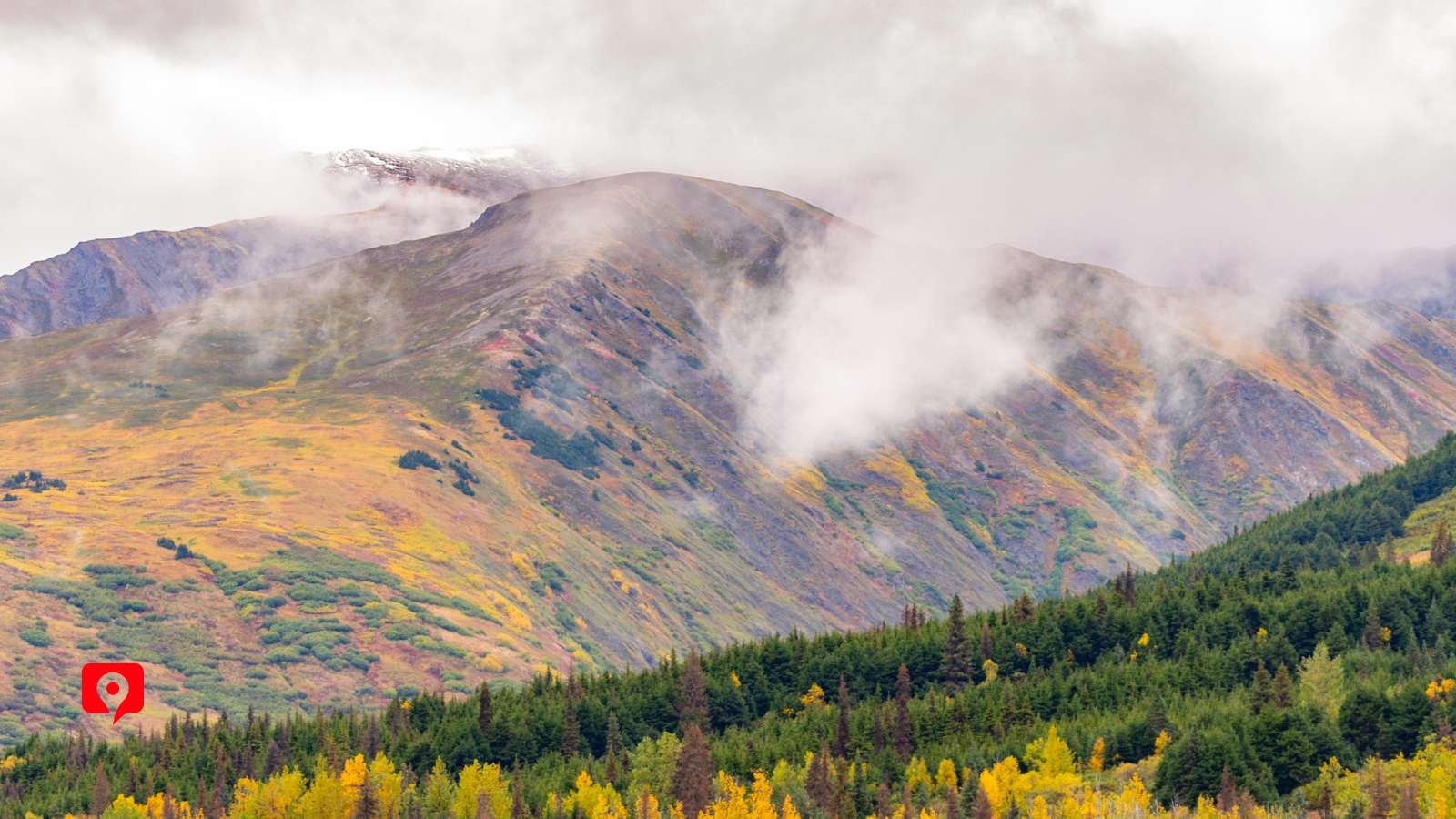
The Kenai Peninsula delivers a memorable experience in every season, and the best time to explore the Seward and Sterling Highways depends on what you’re hoping to see and do. In general, Alaska’s easiest travel window is late spring through early fall, when daylight is long and visitor services are most available.
Summer (June to August) is prime time for the full menu of experiences, with the longest days and the most tours and facilities operating. May is a quieter shoulder season with cooler weather and spring wildlife activity, but some seasonal businesses and excursions may still be ramping up.
Fall (September into early October) can bring fewer crowds and fall color, but days get shorter and conditions are more changeable. Winter (typically late October through April) is a different kind of trip, with snowy scenery and ski season in Girdwood, but more seasonal closures and conditions-dependent plans.
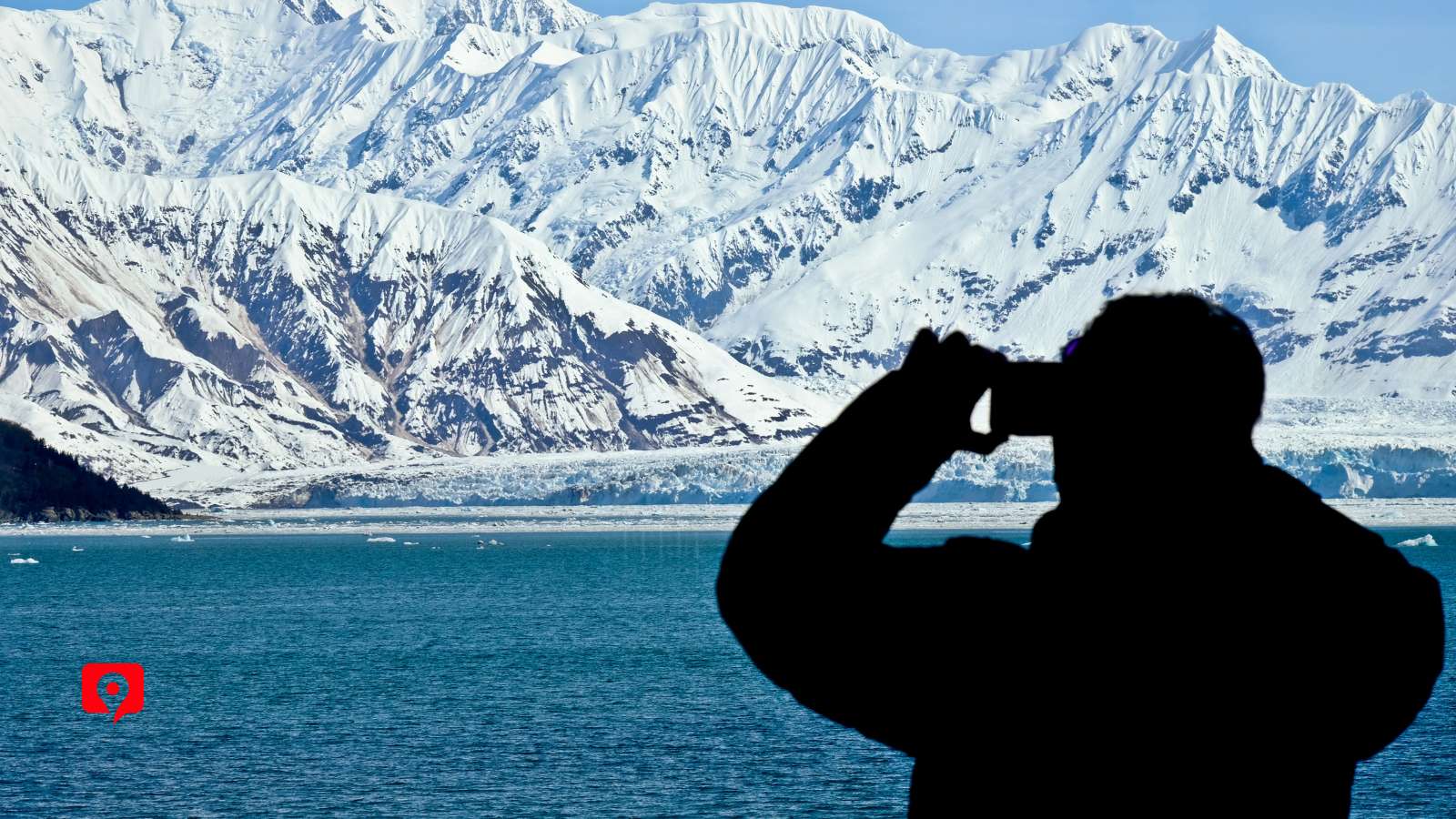
You can experience the Kenai Peninsula along the Seward and Sterling Highways in a single long day, but giving yourself 2–4 days creates a much richer trip. The route is packed with wildlife stops, trailheads, scenic viewpoints, cultural sites, river access points, and charming towns. The more time you allow, the more you’ll enjoy it.
If you only have one day, you can drive between Anchorage and Homer (or vice versa) with a handful of quick scenic stops. With two days, you can slow down in places like Portage Valley, Cooper Landing, Soldotna, and Kasilof, and fit in short hikes, viewpoints, or wildlife stops along the way.
With three days or more, you can settle in and explore deeper. Spend time fishing the Kenai, walking boardwalks in Soldotna, exploring Ninilchik’s Russian heritage, detouring up Skilak Lake Road, or booking a bear-viewing or halibut-fishing trip in Homer. However long you choose, this drive gets better when you give yourself room to stop often.
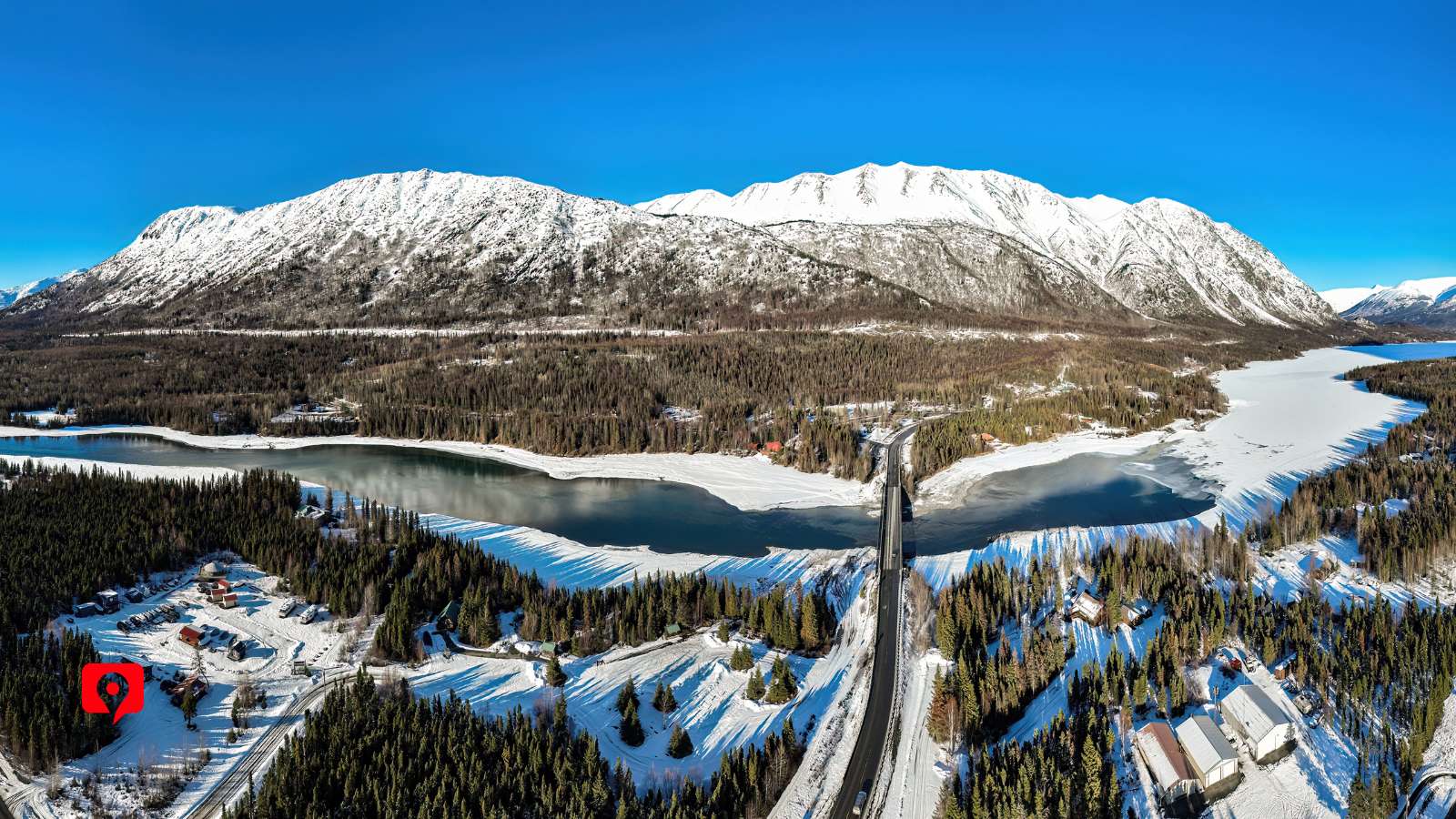
The Kenai Peninsula is one of Alaska’s most popular road-trip regions, but you can still find breathing room with a few simple strategies. Start early or stay out later. Dawn and dusk are often the best times for wildlife viewing, and many popular pullouts, boardwalks, and fishing areas feel noticeably quieter outside the midday rush.
If your schedule is flexible, visit during the shoulder seasons in May or September. You can still get dramatic scenery and plenty to do, often with fewer crowds than peak summer, though some seasonal tours and services may operate on reduced schedules.
Even in mid-summer, it helps to spread out. Short detours like Portage Valley, Tern Lake, Skilak Lake Road, and smaller recreation areas can feel calmer than the busiest town centers. When stopping in hubs like Cooper Landing, Soldotna, or Homer, planning for earlier arrival times and building in buffer time can make parking and short stops much easier.
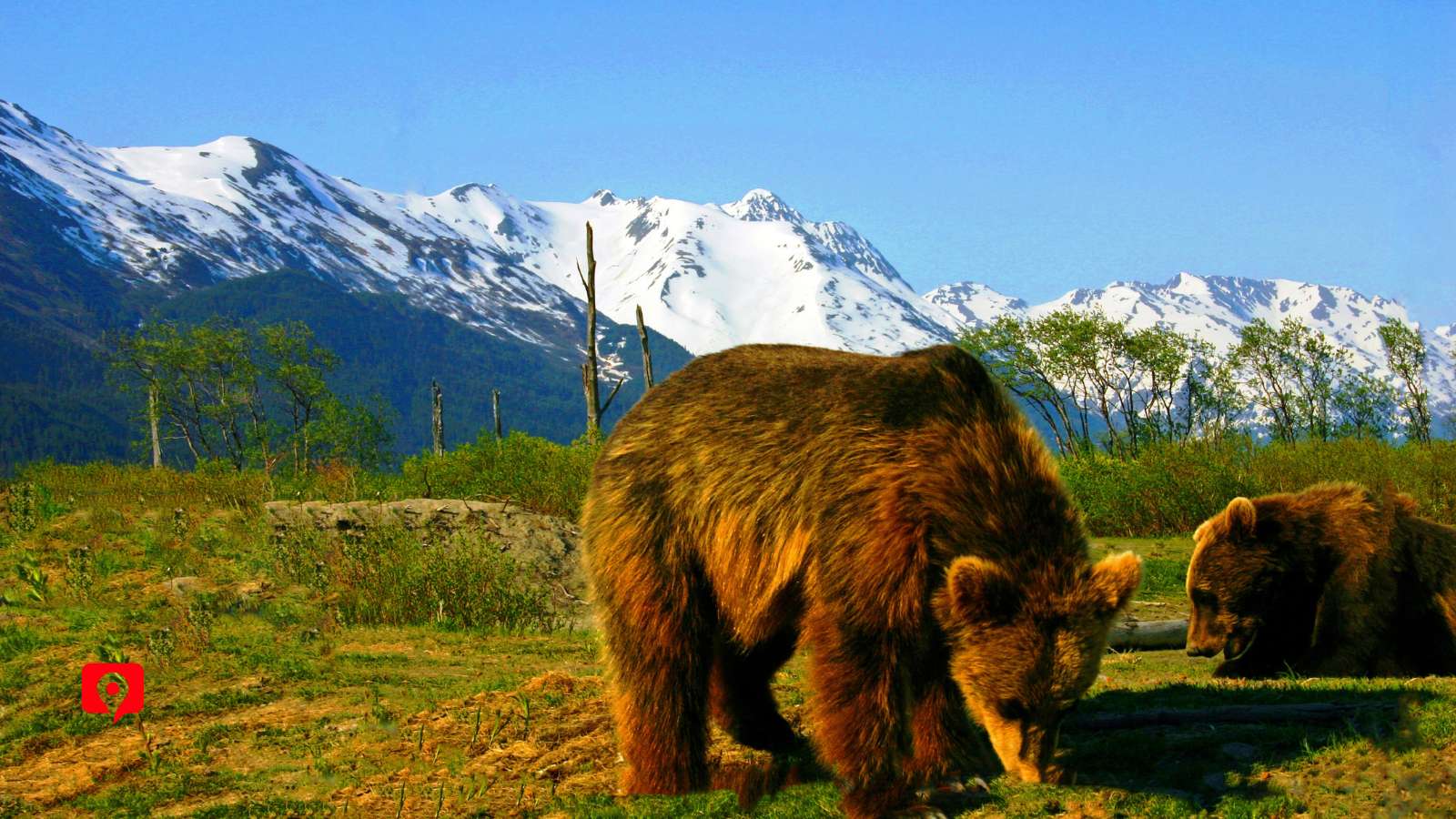
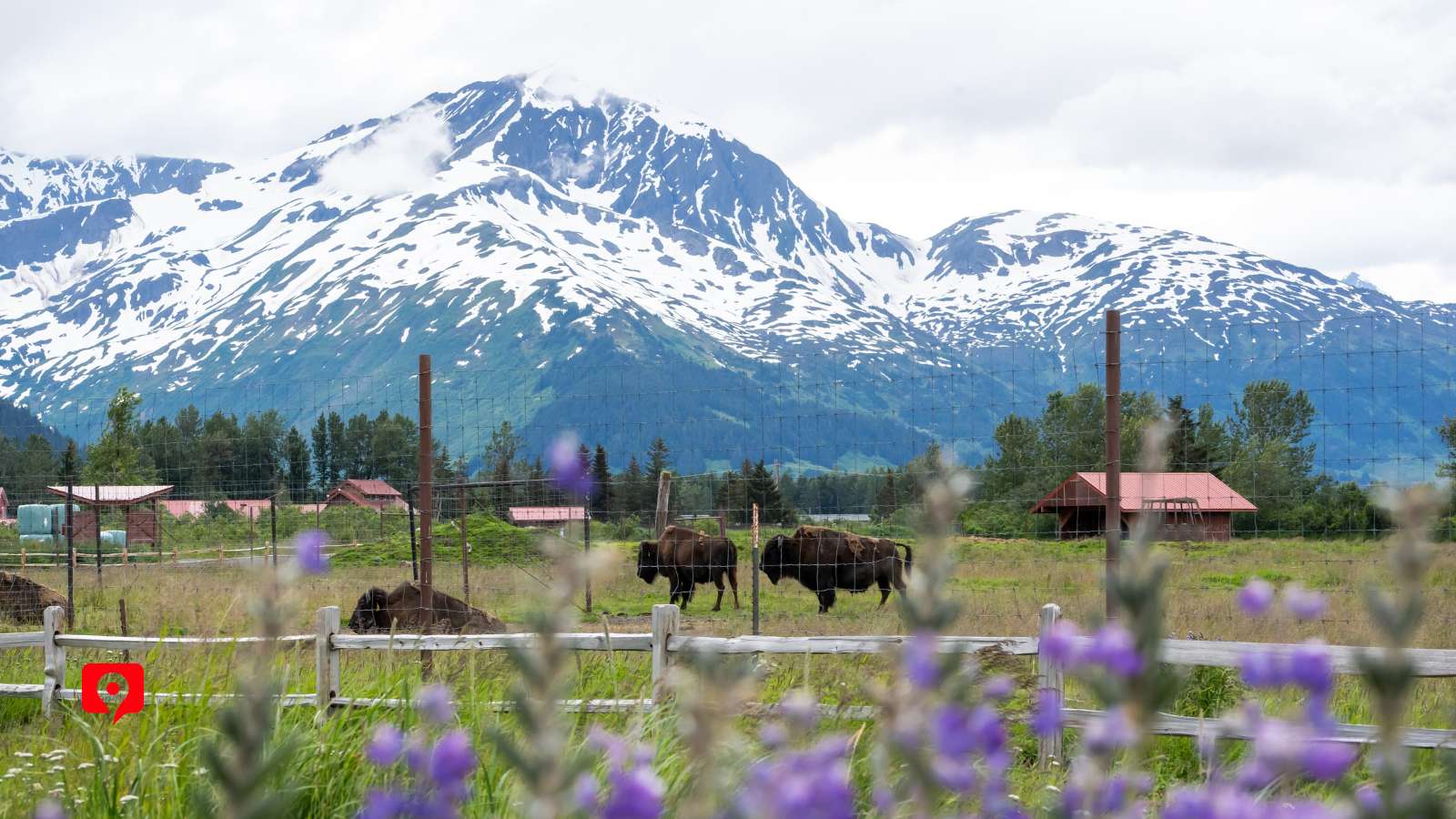
The Alaska Wildlife Conservation Center is a fantastic stop for anyone who loves Alaska’s iconic animals. The center cares for injured or orphaned wildlife and also supports essential research and education. Visitors can see grizzly and black bears, wolves, reindeer, moose, wood bison, musk oxen, great horned owls, bald eagles, and even the whiskered lynx, the only wild cat native to Alaska. You can explore year-round at your own pace, join naturalist-led tours, or book special close-up encounters.
Beluga Point is one of Alaska’s signature wildlife overlooks, where steep Chugach mountains drop directly into the silty waters of Turnagain Arm. In midsummer, beluga whales sometimes surface as they follow salmon runs through the powerful tides, appearing as quick flashes of white or a misty blow. It’s also a great place to spot Dall sheep on the cliffs above, making it one of the few stops where you can see both marine and mountain wildlife from one viewpoint.
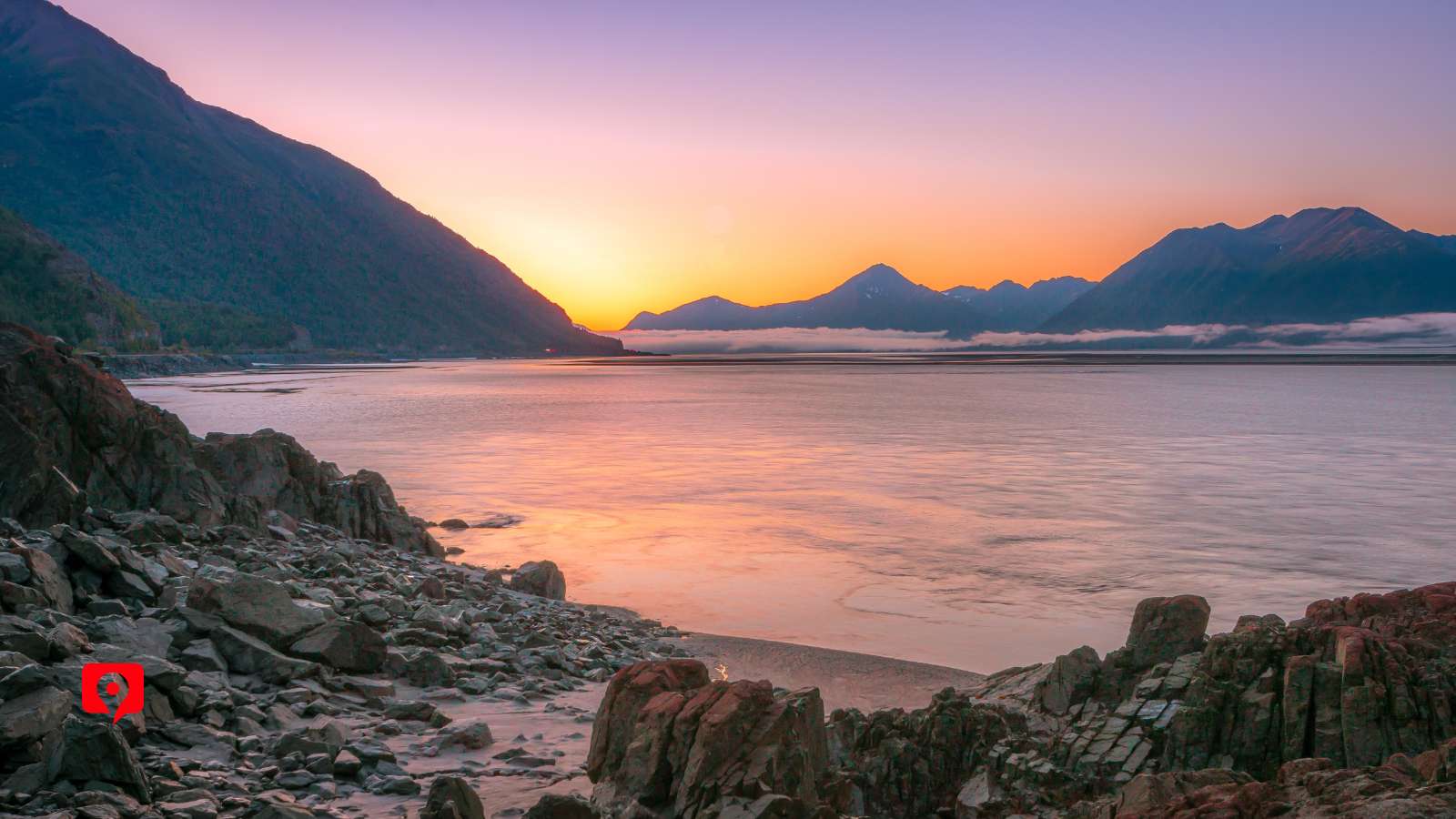
Bird Point offers sweeping vistas of Turnagain Arm framed by rugged mountains and glacial valleys. Sculptures, interpretive signs, and mounted viewing scopes help visitors learn about belugas, tides, and the region’s dramatic geology. The rocky shoreline reveals deep grooves carved by ancient glaciers, while trail access connects to the Bird to Gird Pathway. It’s a compact stop packed with scenery, education, and a true sense of Alaska’s coastal wilderness.
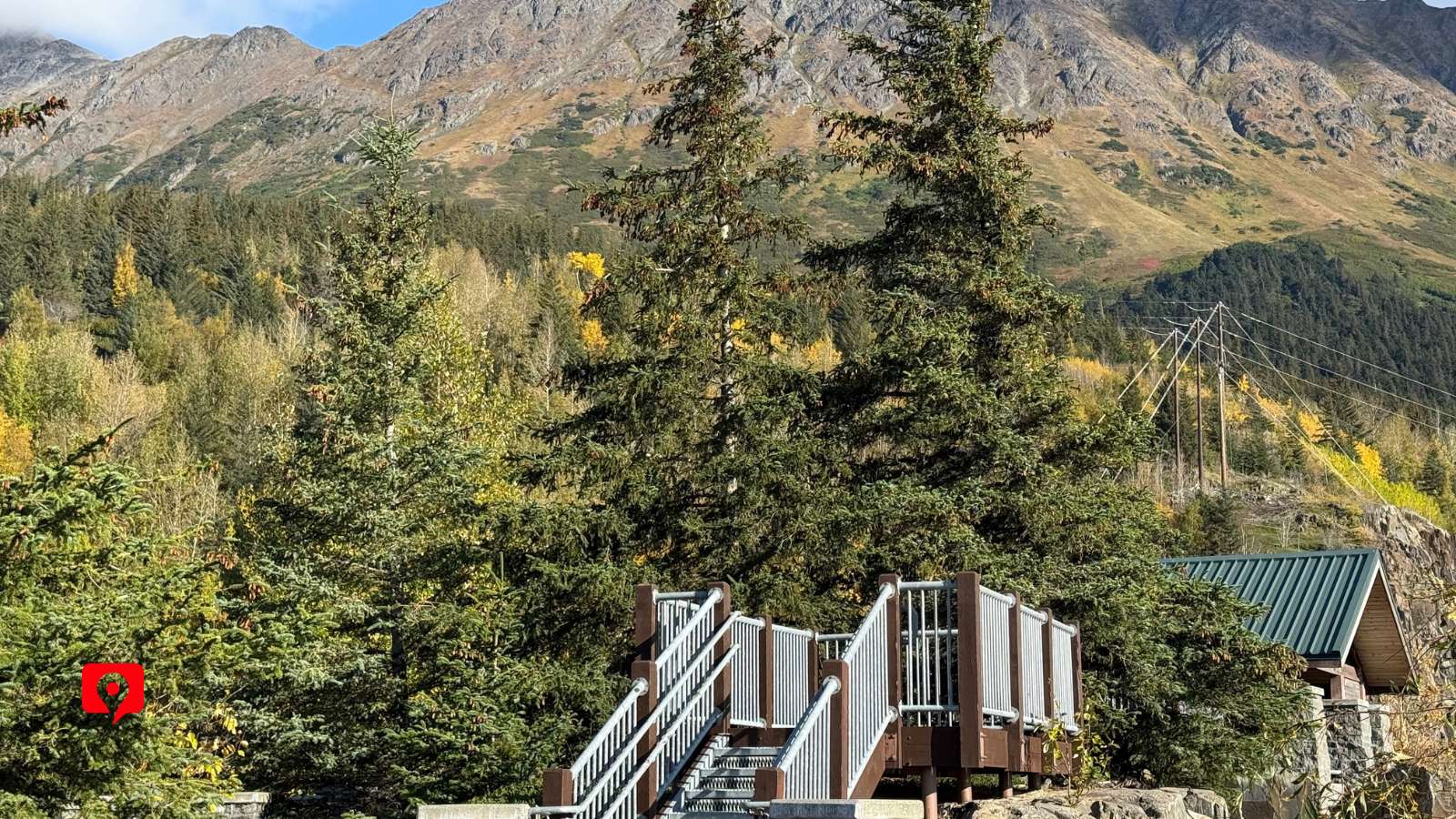
Cooper Landing sits at the headwaters of the Kenai River and is famous for salmon fishing, rafting, and bright turquoise water. Anglers come from around the world for its sockeye, coho, and trout, while rafting trips run through stunning canyons and fast-moving glacial currents. Elevated viewpoints around the boat launches offer chances to spot Dall sheep and mountain goats on the surrounding cliffs. The town also features a small museum with historic cabins and stories from early settlers.
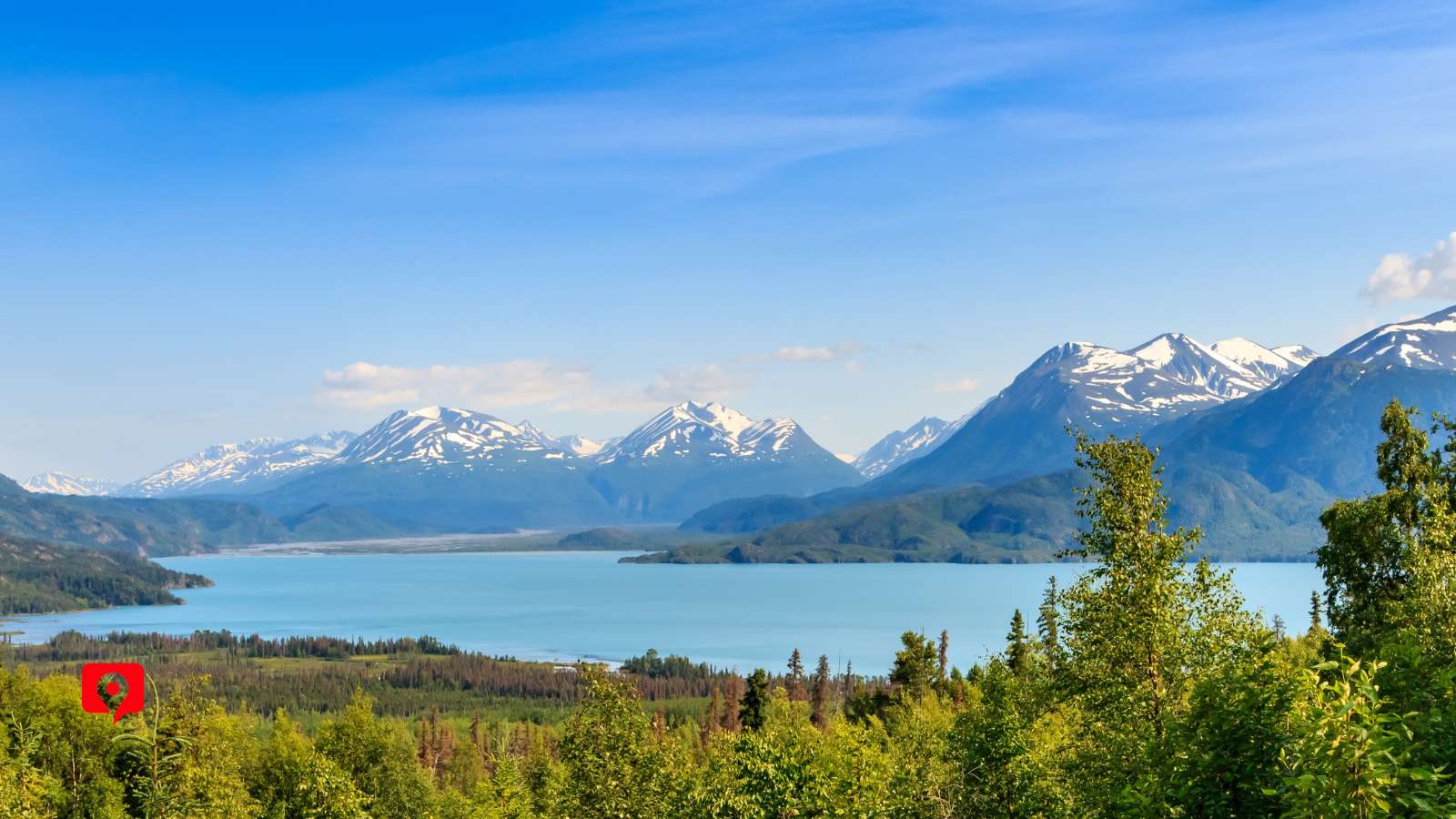
Girdwood is a vibrant mountain town surrounded by forested slopes, glacier-fed valleys, and Chugach peaks. It’s home to Alaska’s largest ski resort, Alyeska, and a hub for year-round adventure, from glacier treks and dogsledding to summer berry picking and waterfall hikes. The Alyeska Aerial Tram offers effortless access to high alpine views, while trails like Crow Pass provide classic glacier scenery. Once a gold mining settlement, Girdwood now blends outdoor recreation with a lively local community.
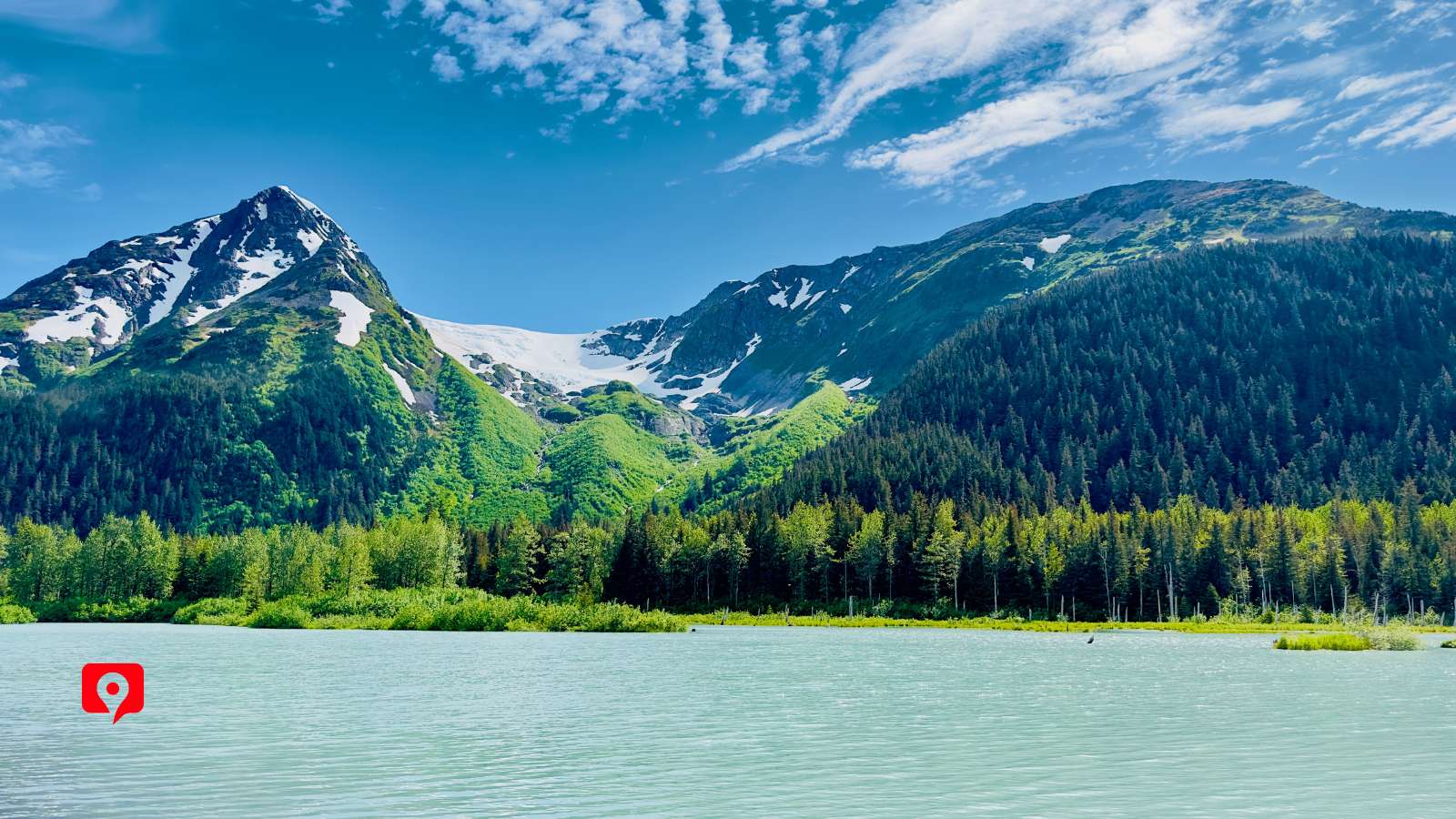
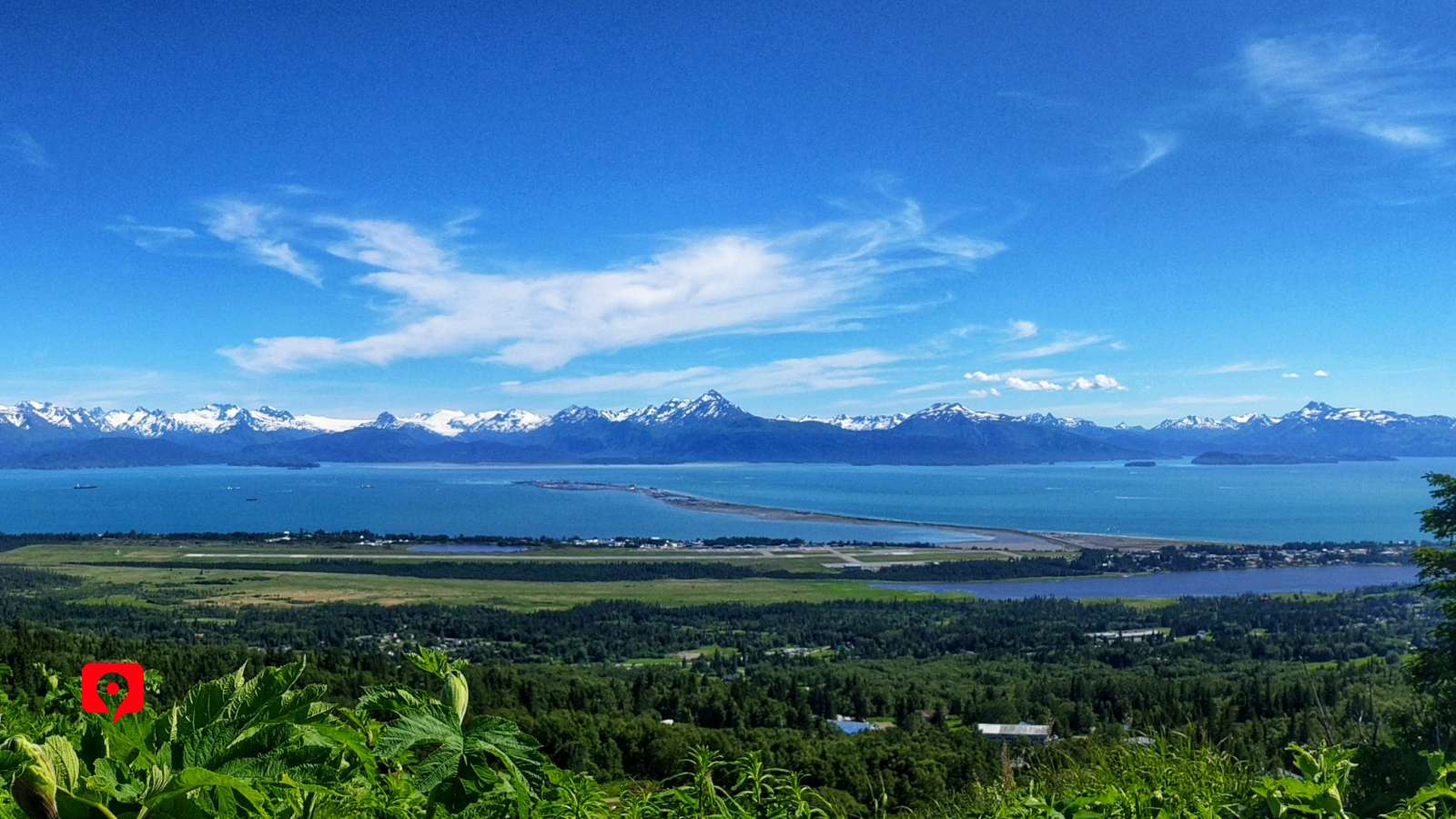
Baycrest Overlook is one of Homer’s signature viewpoints, perched high above town with an unobstructed panorama of the Homer Spit, Kachemak Bay, and the snow-streaked Kenai Mountains. From here, the boats in the harbor look tiny against the broad sweep of water and sky, and shifting clouds and light constantly reshape the view. On clear days, you may even spot whales or sea otters out in the bay, especially if you bring binoculars.
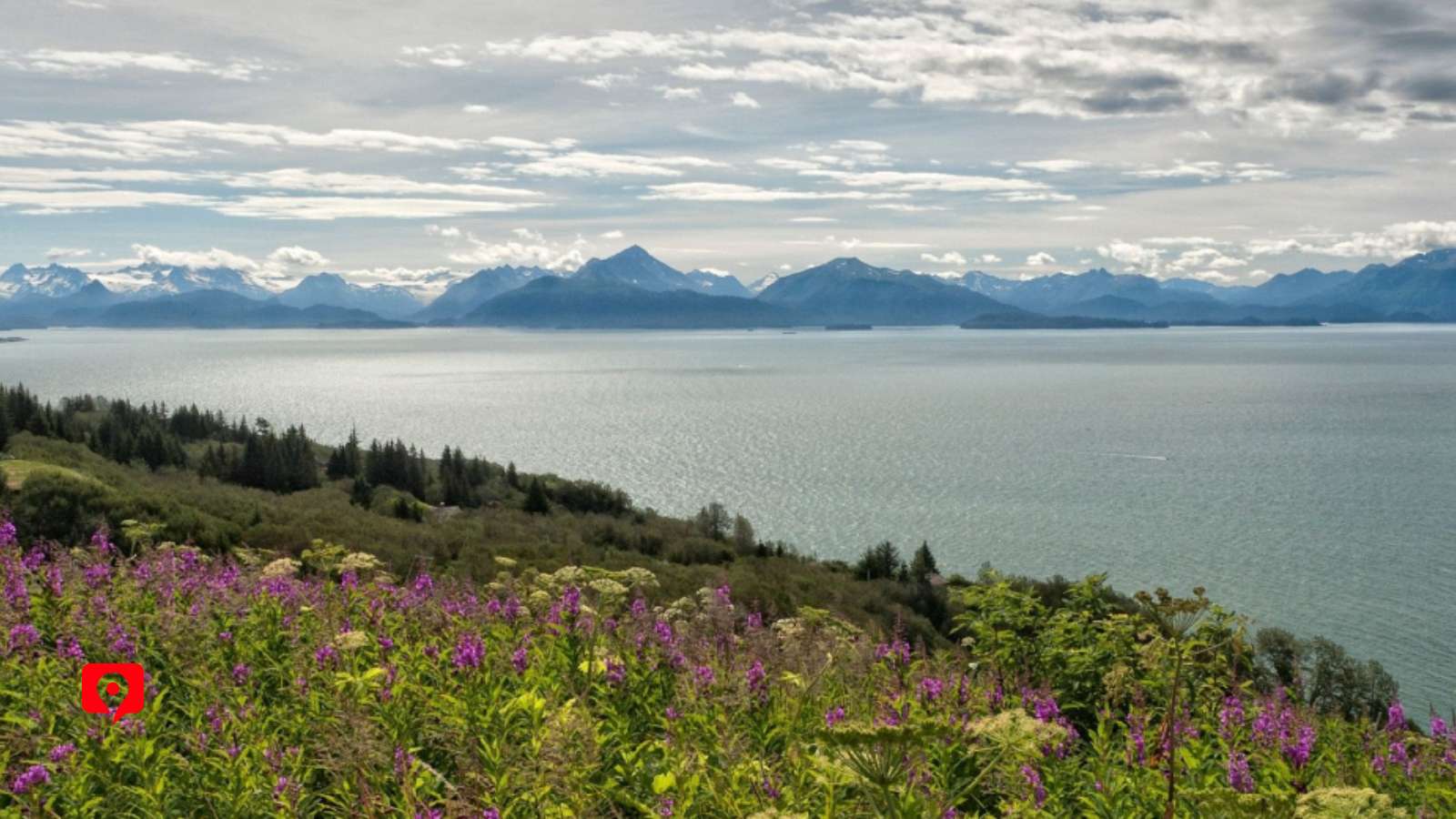
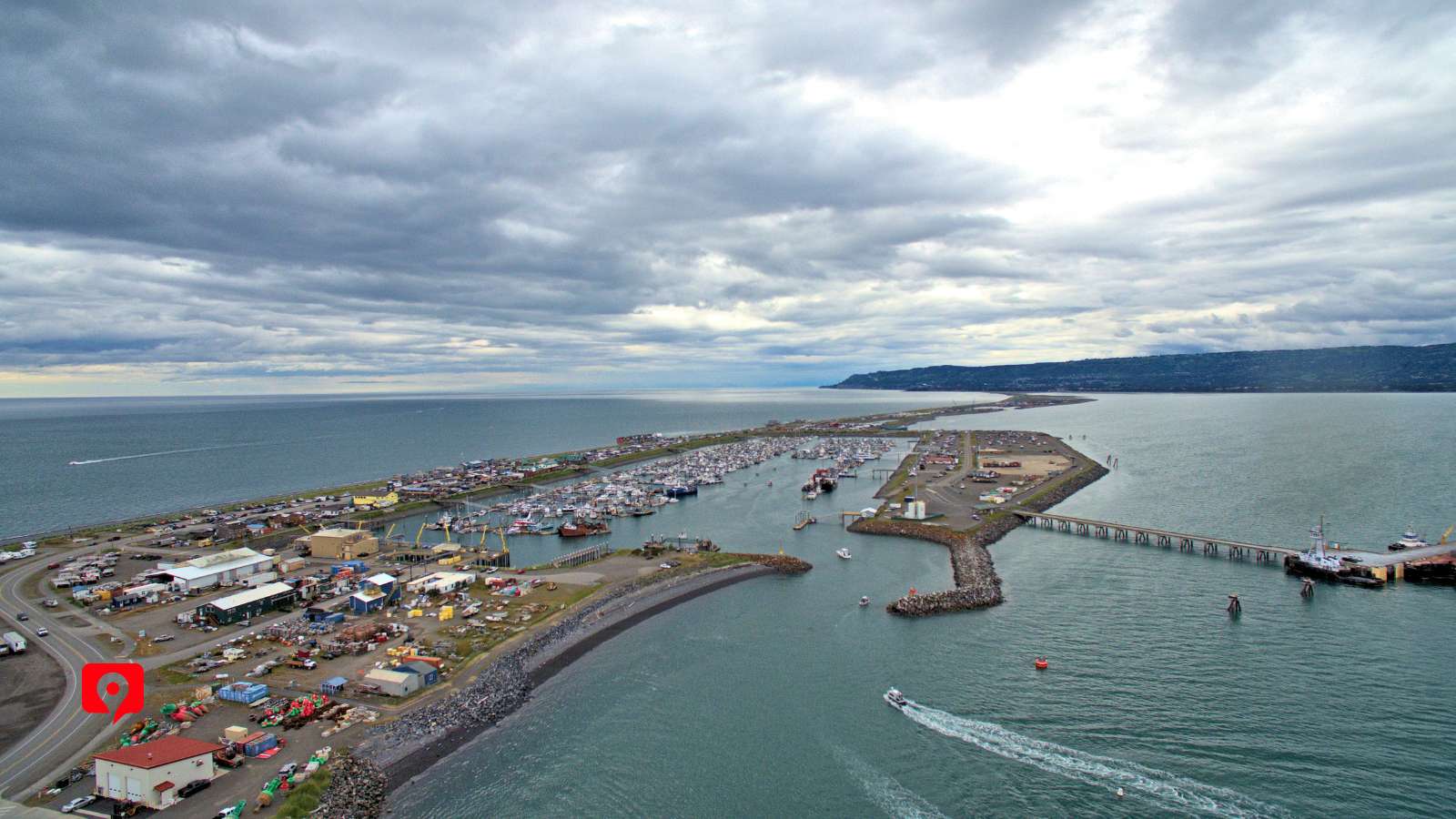
Homer Spit is a narrow, 4.5 mile gravel bar extending into Kachemak Bay, shaped by glaciers, storms, and the dramatic 1964 earthquake. Today it’s a lively destination with cafes, art studios, beaches, charter boats, and a busy harbor. Outfitters along the Spit offer bear viewing flights, fishing trips, sea kayaking, and water taxis to nearby coves and trails. Wildlife is everywhere, from bald eagles on pilings to sea lions, otters, and jellyfish drifting in the clear bay water.
The Kenai River is famed for its vivid turquoise color and world-class fishing, with nearly 40 fish species thriving in its glacial waters. Anglers come for everything from Dolly Varden and rainbow trout to four species of salmon, including the legendary king salmon. The river also offers thrilling whitewater rafting through narrow canyons and rolling Class III rapids. Its combination of beauty, recreation, and wildlife makes it one of Alaska’s premier waterways.
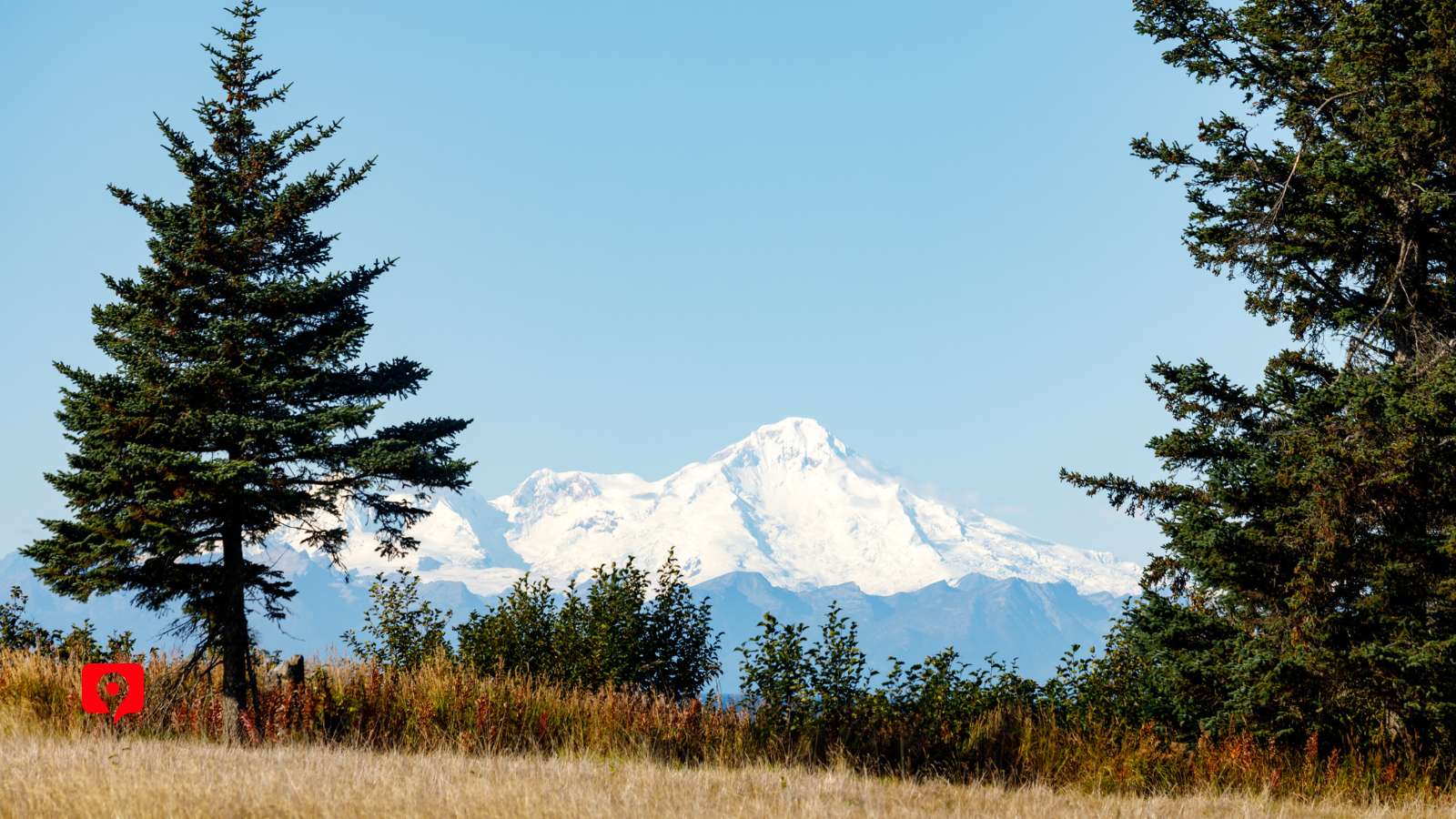
Mount Iliamna rises dramatically across Cook Inlet as part of Lake Clark National Park and Preserve. Its classic cone shape, ten major glaciers, and frequent steaming vents make it one of Alaska’s most striking volcanoes. Though it has not had a major eruption since 1867, it remains active, with occasional puffs of ash recorded over the years. The viewpoint showcases a mountain long recognized by Dena’ina communities and later named in Russian and Spanish explorations.
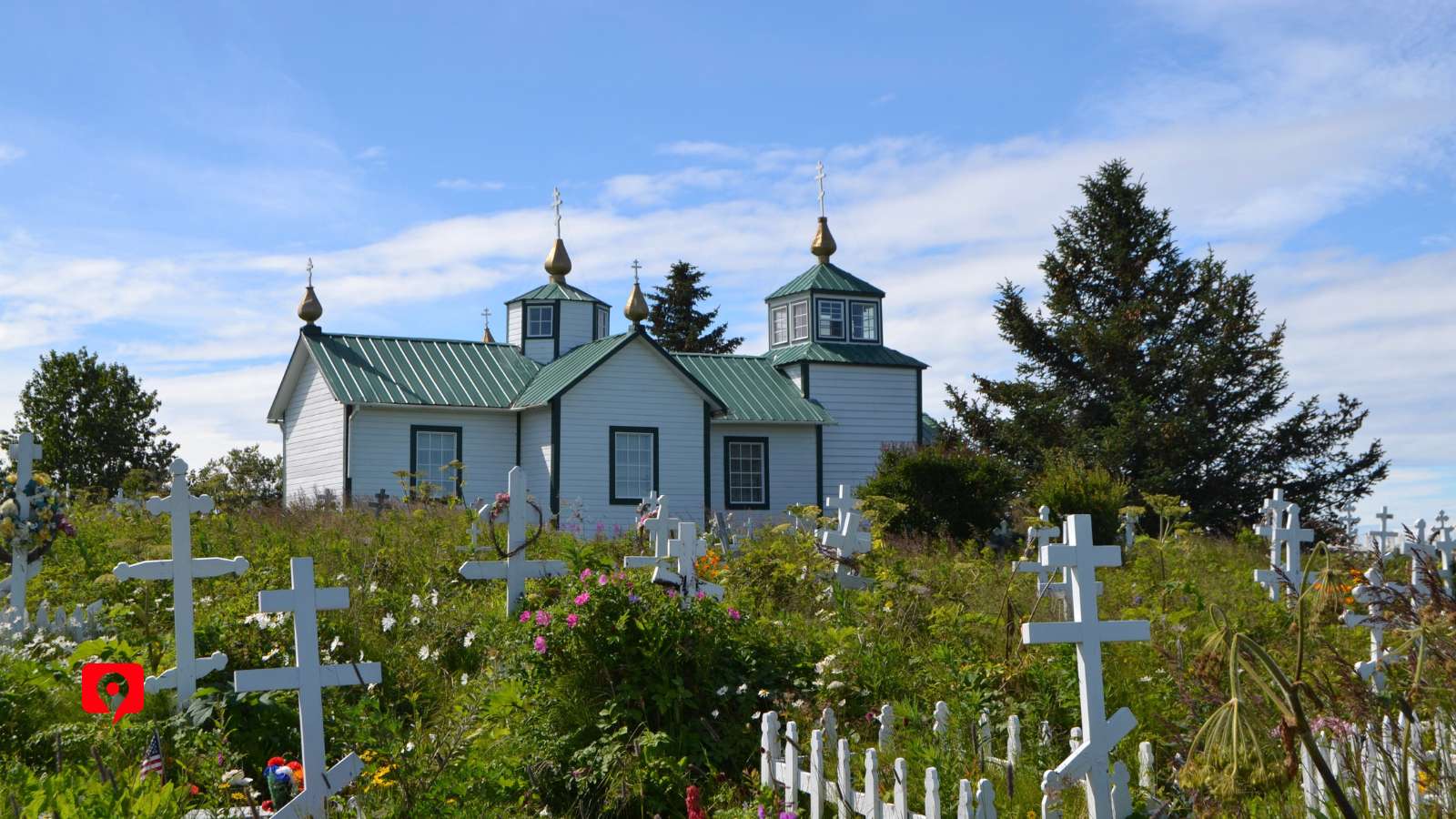
Ninilchik is a coastal village with sweeping views of Cook Inlet and a long tradition of salmon fishing. Small boat harbors buzz with activity during summer fishing seasons, and nearby recreation sites offer beaches, picnic areas, and wildlife viewing. Offshore, visitors often spot bald eagles, whales, and otters. The 1901 Holy Transfiguration Russian Orthodox Church, perched on a bluff with its distinctive golden domes, is one of the most photographed landmarks on the Kenai Peninsula.
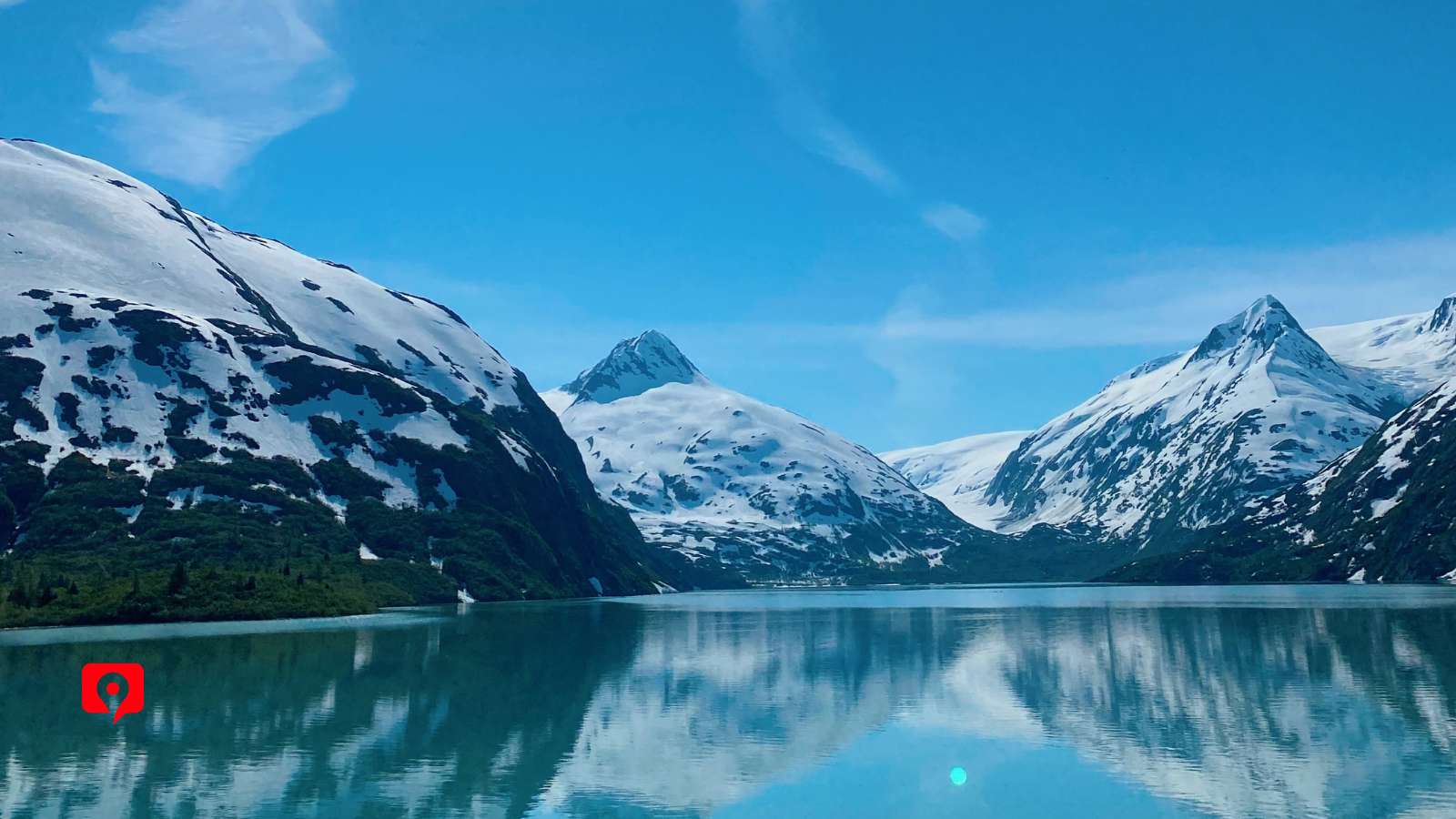
Portage Valley is a classic U-shaped glacial valley lined with hanging glaciers, waterfalls, and steep, forested mountains. Portage Glacier once filled this entire valley, and its retreat has left behind Portage Lake, a popular spot for boat tours that glide toward the glittering blue face of the ice. Short walks, interpretive displays, and scenic viewpoints reveal the valley’s shifting glacial history. It’s an easy detour that offers some of the best introductory glacier scenery on the route.
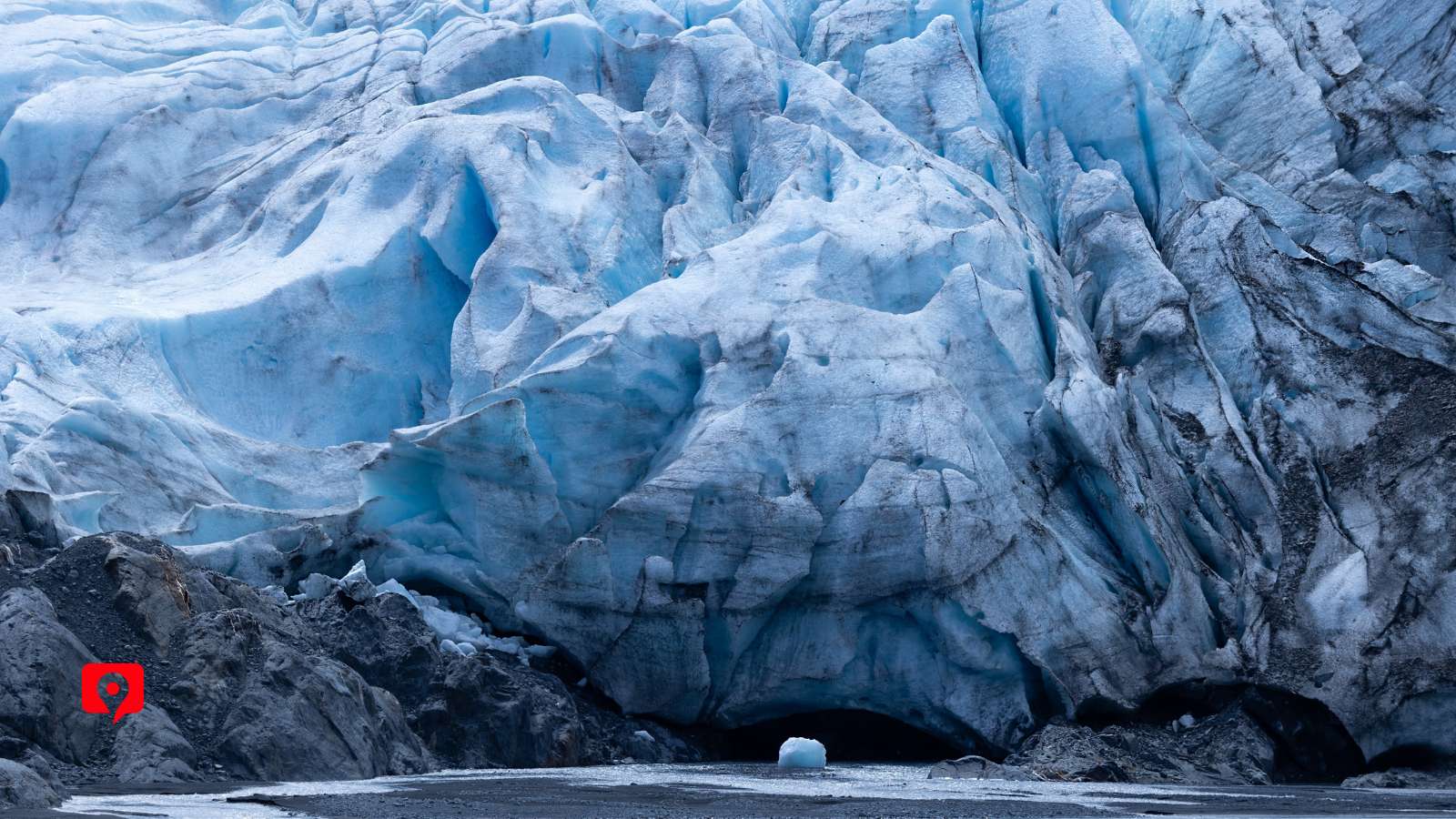
Potter Marsh is a popular stop in the Alaska Coastal Wildlife Refuge, especially for birders. It’s home to a wide variety of wildlife, including bald eagles, northern harriers, and trumpeter swans. Moose, muskrats, and beavers also thrive in these wetlands. A half-mile, accessible wooden boardwalk winds out over the marsh, offering close-up views of the water, grasses, and surrounding mountains. Interestingly, the marsh is man-made: early 1900s railroad construction altered the creek’s flow, flooding the area and creating this unexpectedly rich habitat for birds and animals.
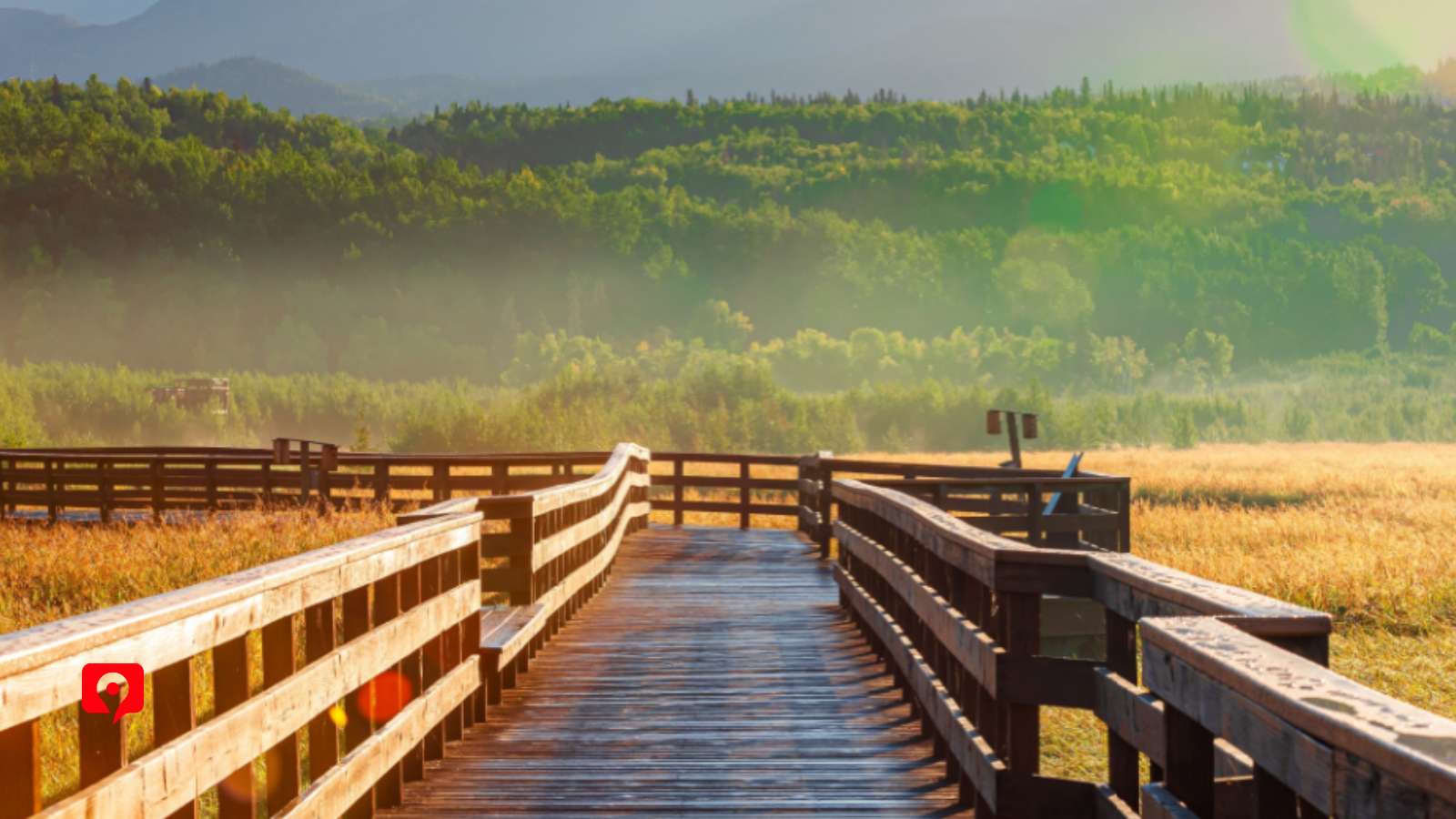
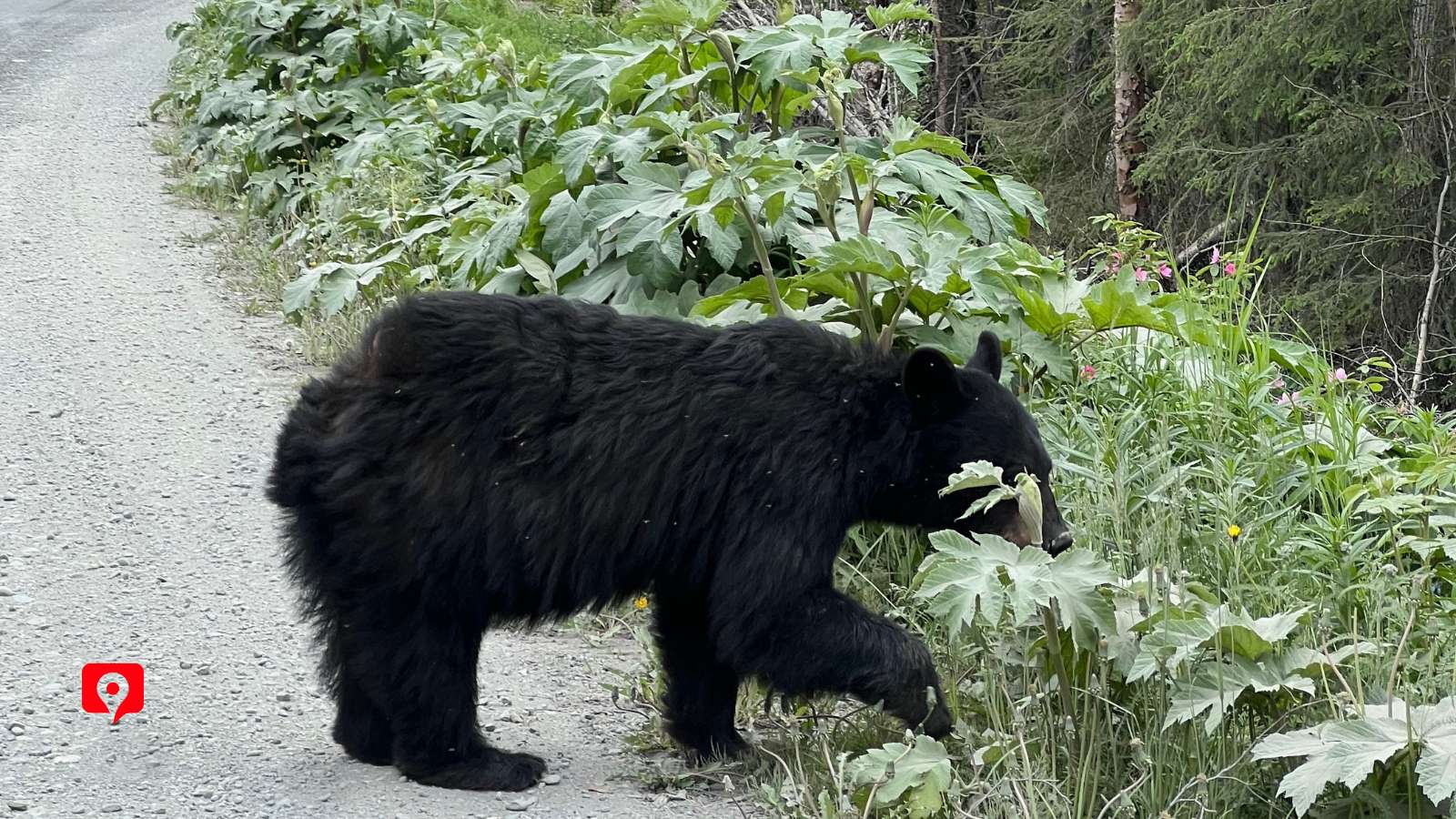
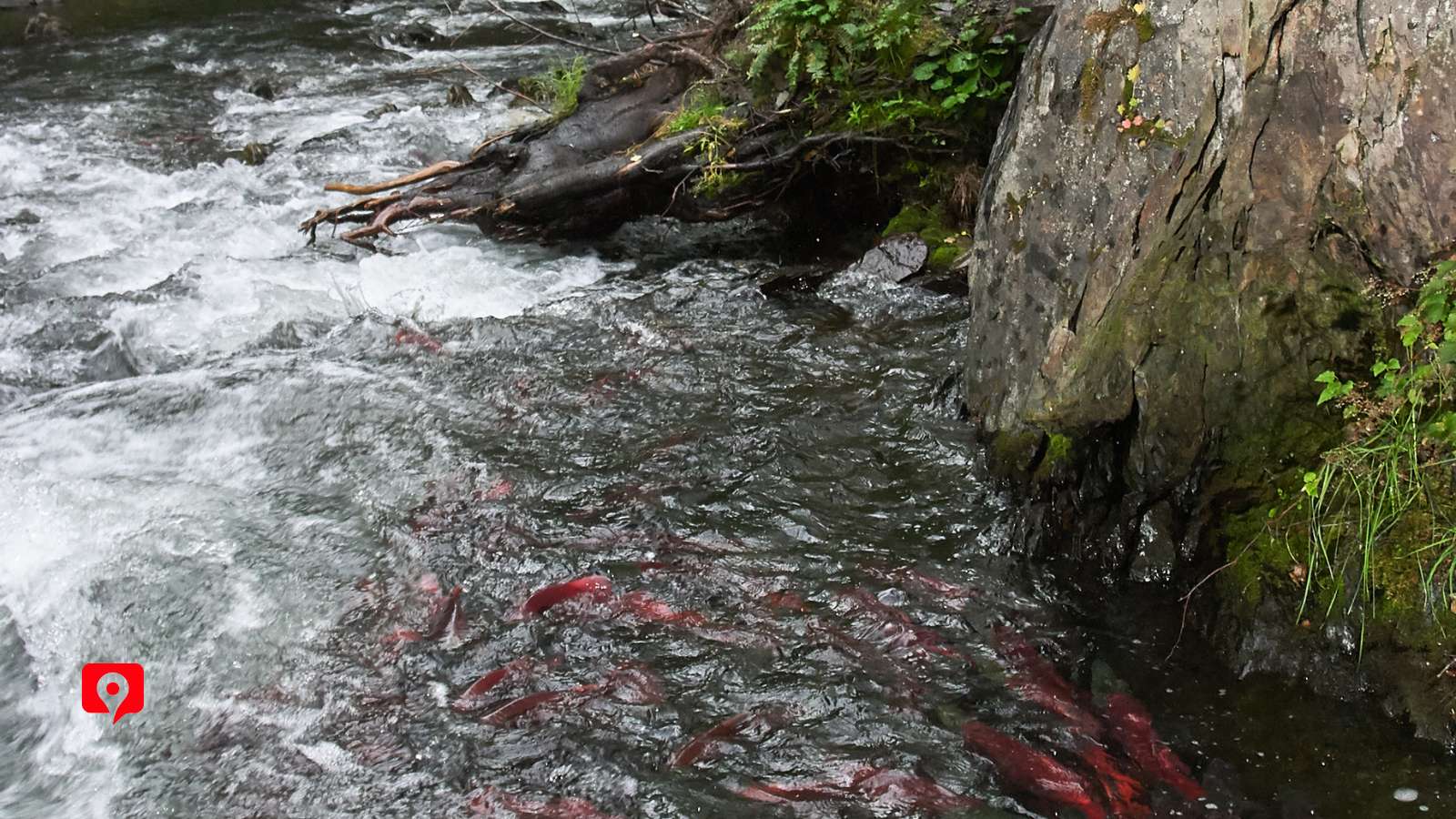
Russian River Falls is one of the best places on the Kenai Peninsula to watch salmon leaping upstream. During peak runs in late June and late July, thousands of sockeye splash and surge up the tiered waterfall, easily viewed from two platforms overlooking the river. The mostly flat, two-mile trail is accessible, scenic, and enjoyable even outside peak season. Bears are frequently seen fishing here as well, adding excitement for wildlife enthusiasts.
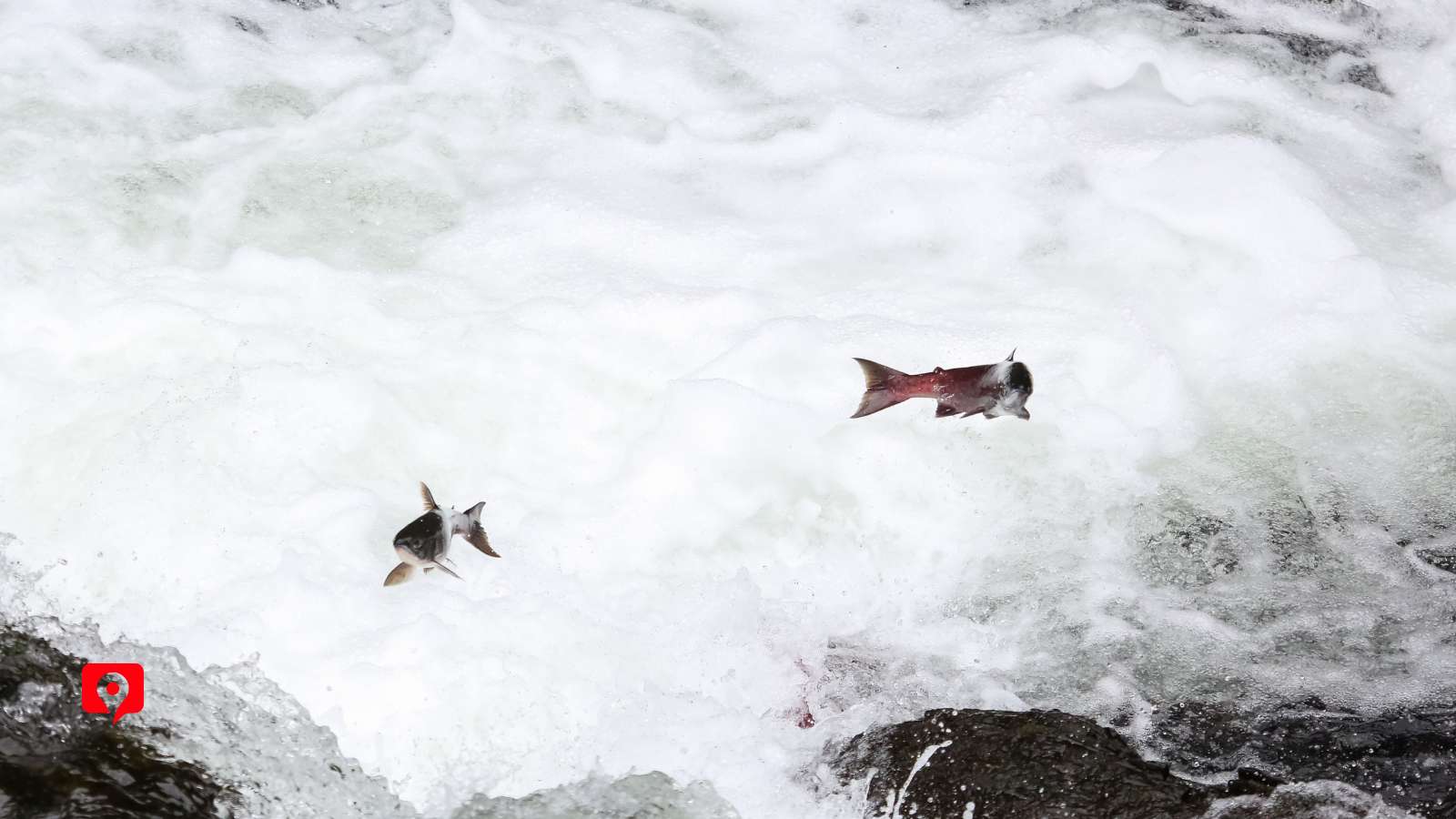
Sterling serves as the gateway to the Kenai National Wildlife Refuge and is a favorite destination for anglers during the summer salmon season. The area is also famous for two wilderness canoe systems: the longer Swanson River Canoe Route, which connects dozens of lakes through quiet waterways, and the shorter Swan Lake Canoe Route, which winds through muskeg wetlands. These peat-rich landscapes support mosses, berries, and wildflowers, offering vibrant fall colors and a peaceful contrast to the busy highway.
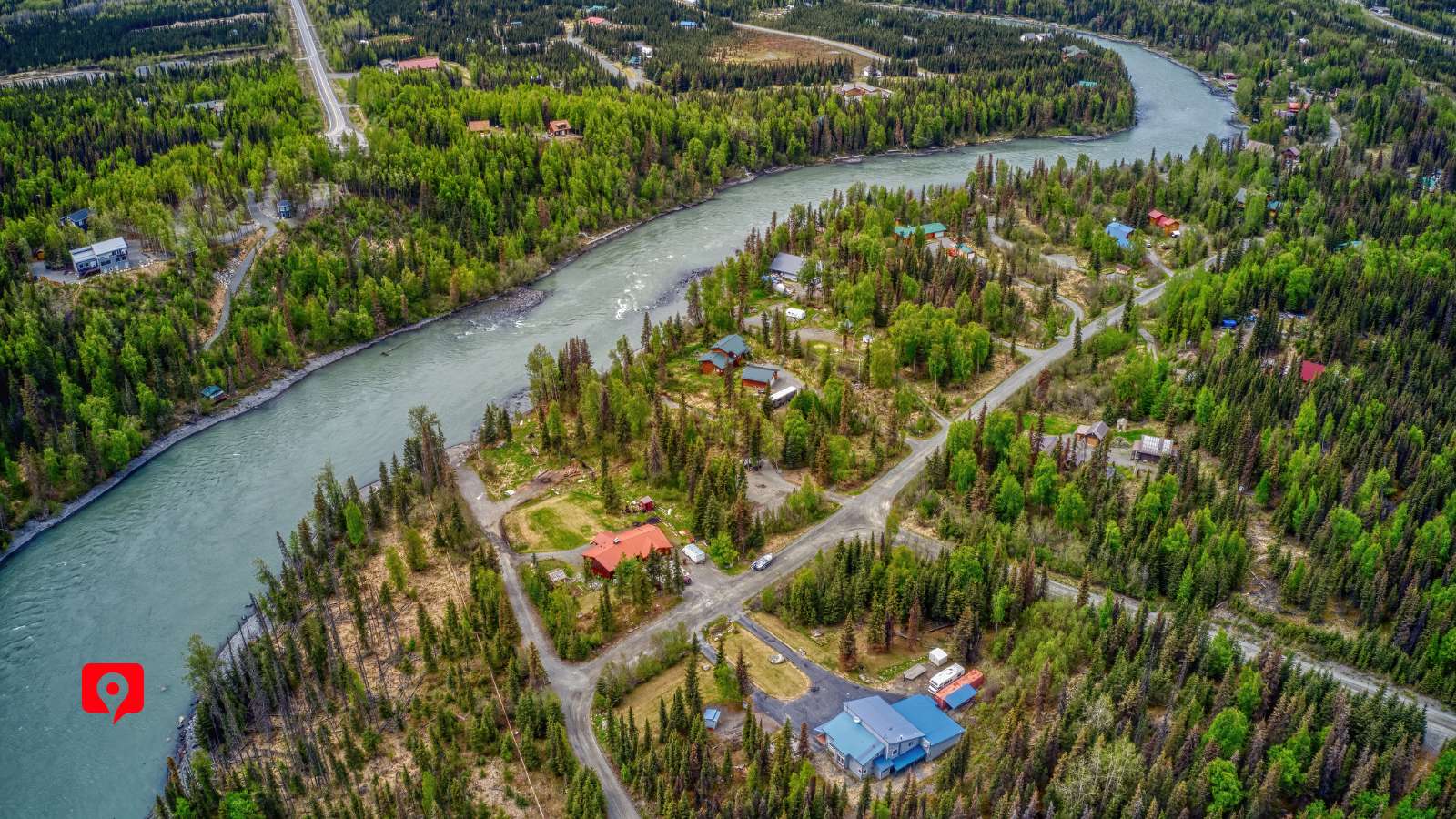
Soldotna is a bustling hub along the Kenai River, famous for its easy river access and strong salmon runs. Boardwalks at spots like Centennial Park and Soldotna Creek Park offer safe places to cast a line or watch anglers in action. The Visitor Center displays the record-breaking king salmon caught in 1985, while the Homestead Museum preserves historic cabins and pioneer life. In summer, outdoor concerts and weekend markets bring extra charm to this riverside town.
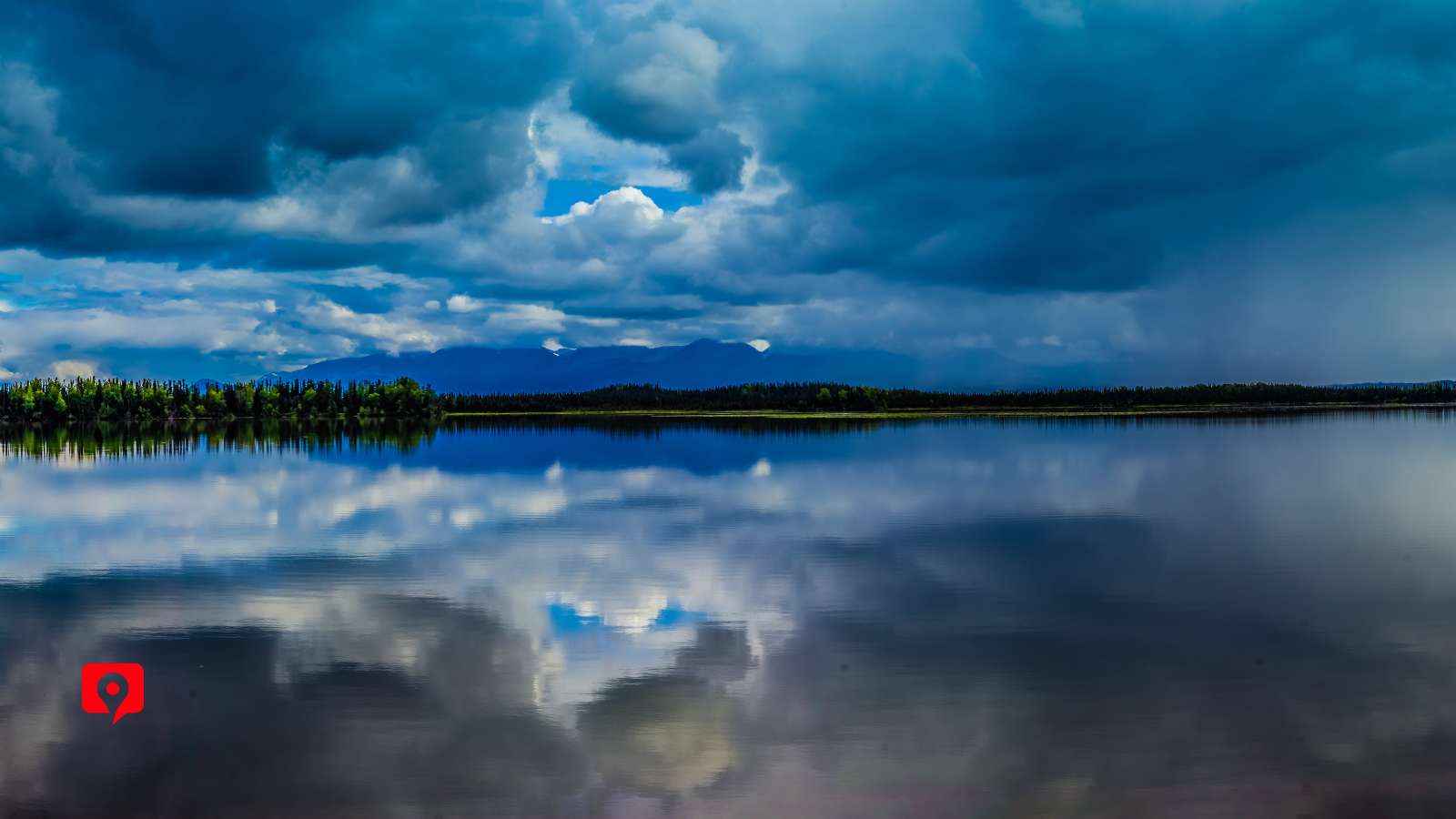
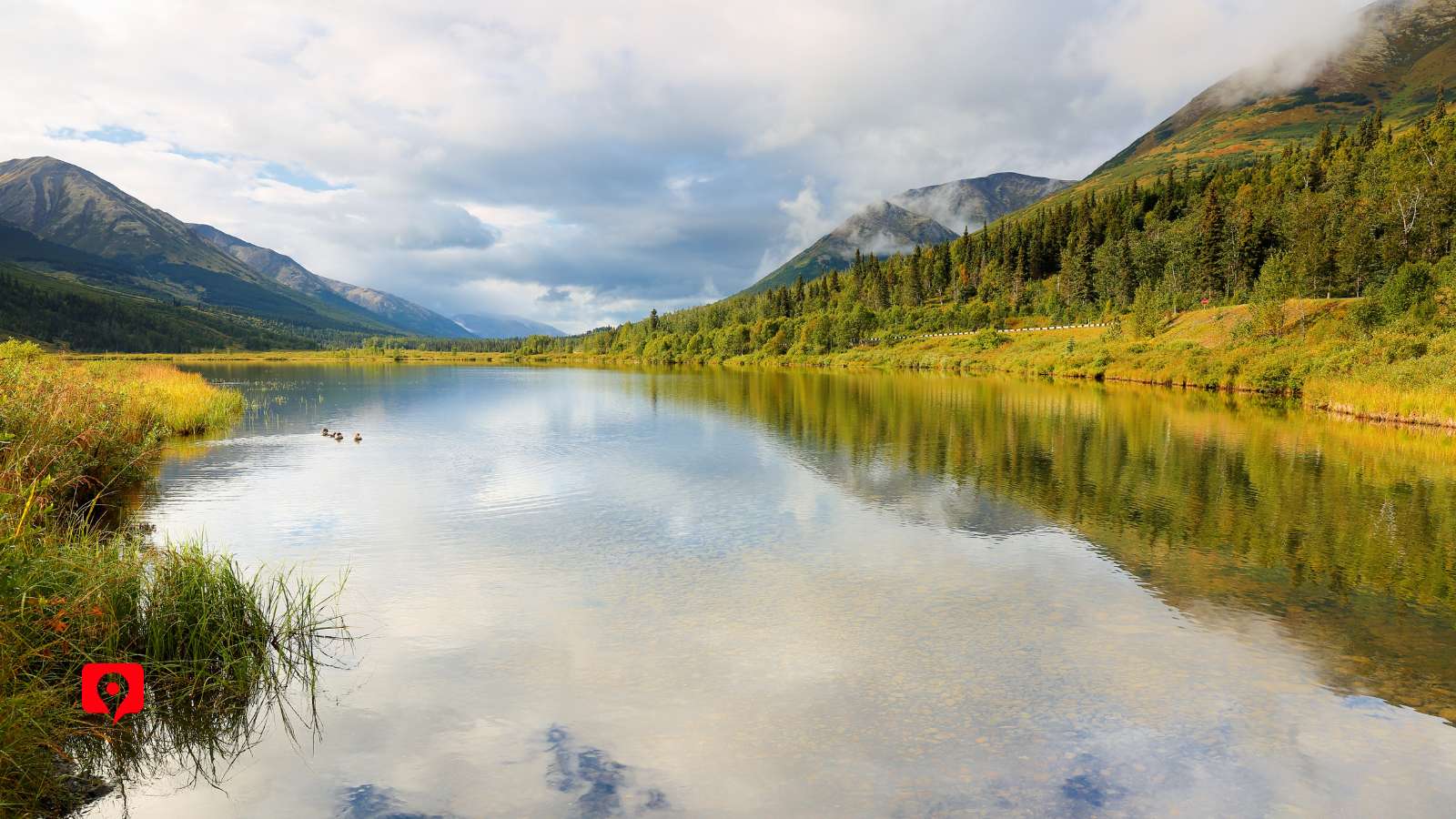
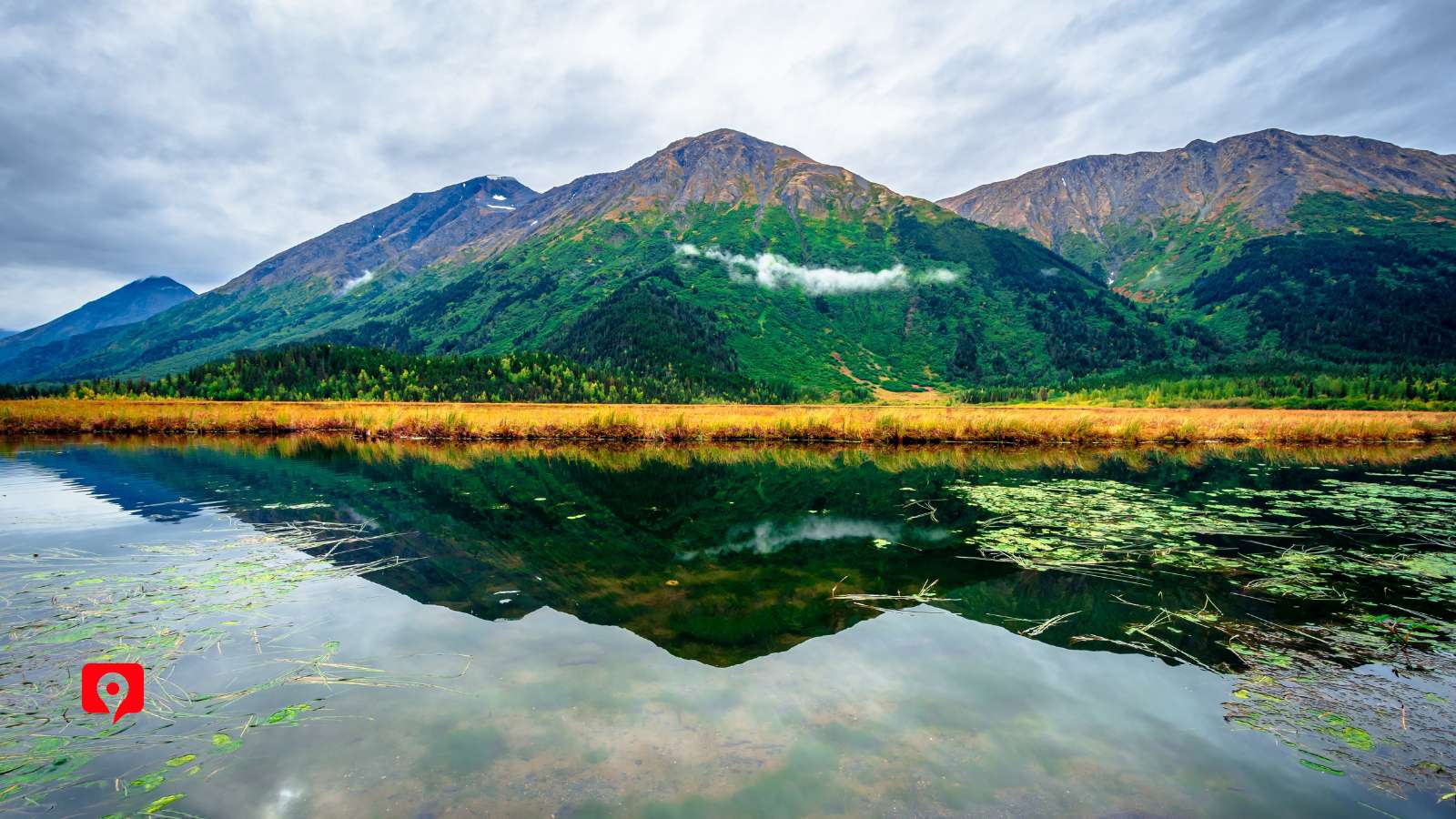
Tern Lake is a scenic junction where mountains, wetlands, and reflective waters create an excellent spot for viewing wildlife. The shallow lake attracts trumpeter swans, Arctic terns, gulls, and other migratory birds throughout spring and summer. Moose, black bears, and mountain goats often appear on the surrounding slopes, while the accessible viewing platform offers clear views of spawning salmon.
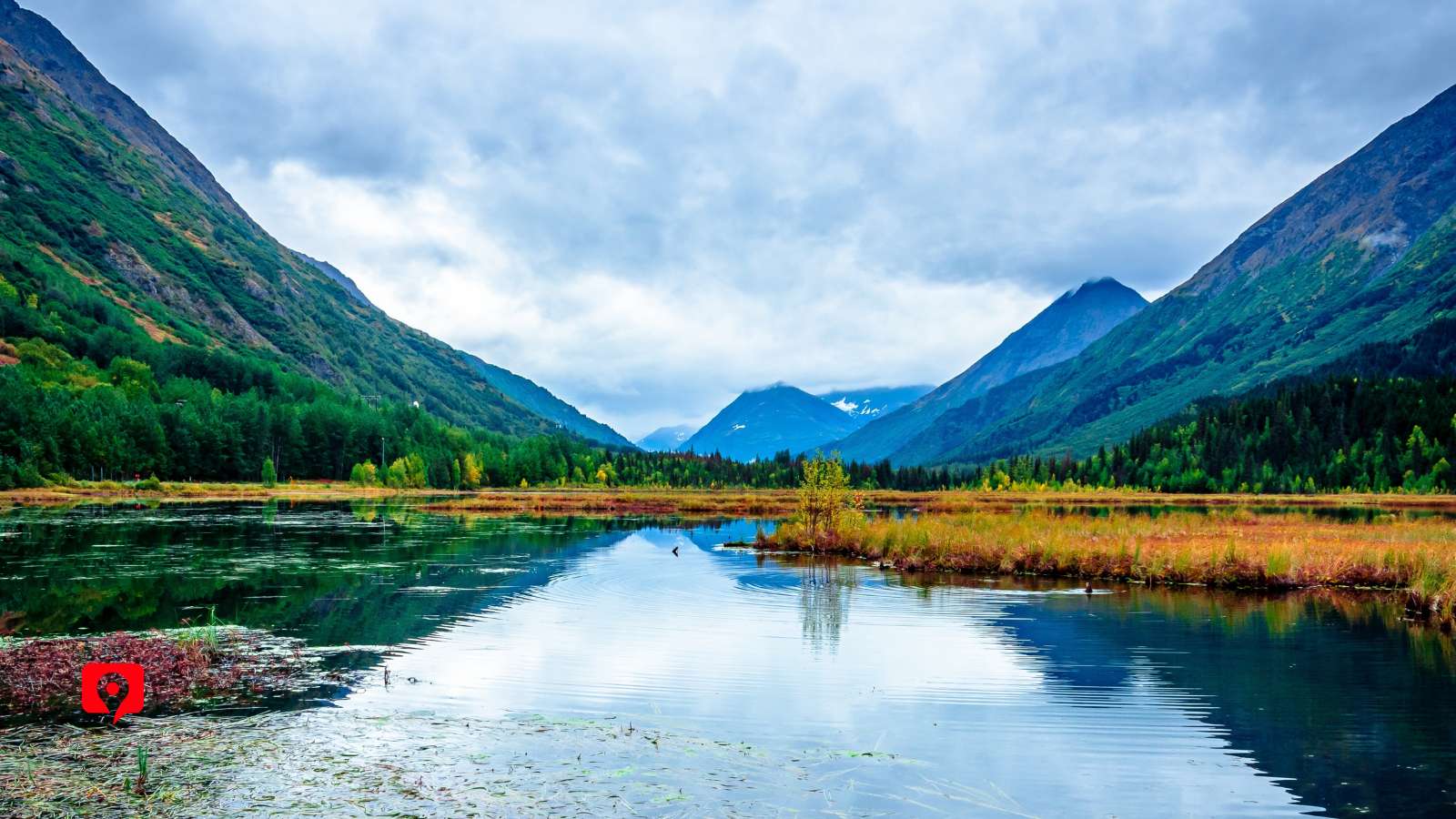
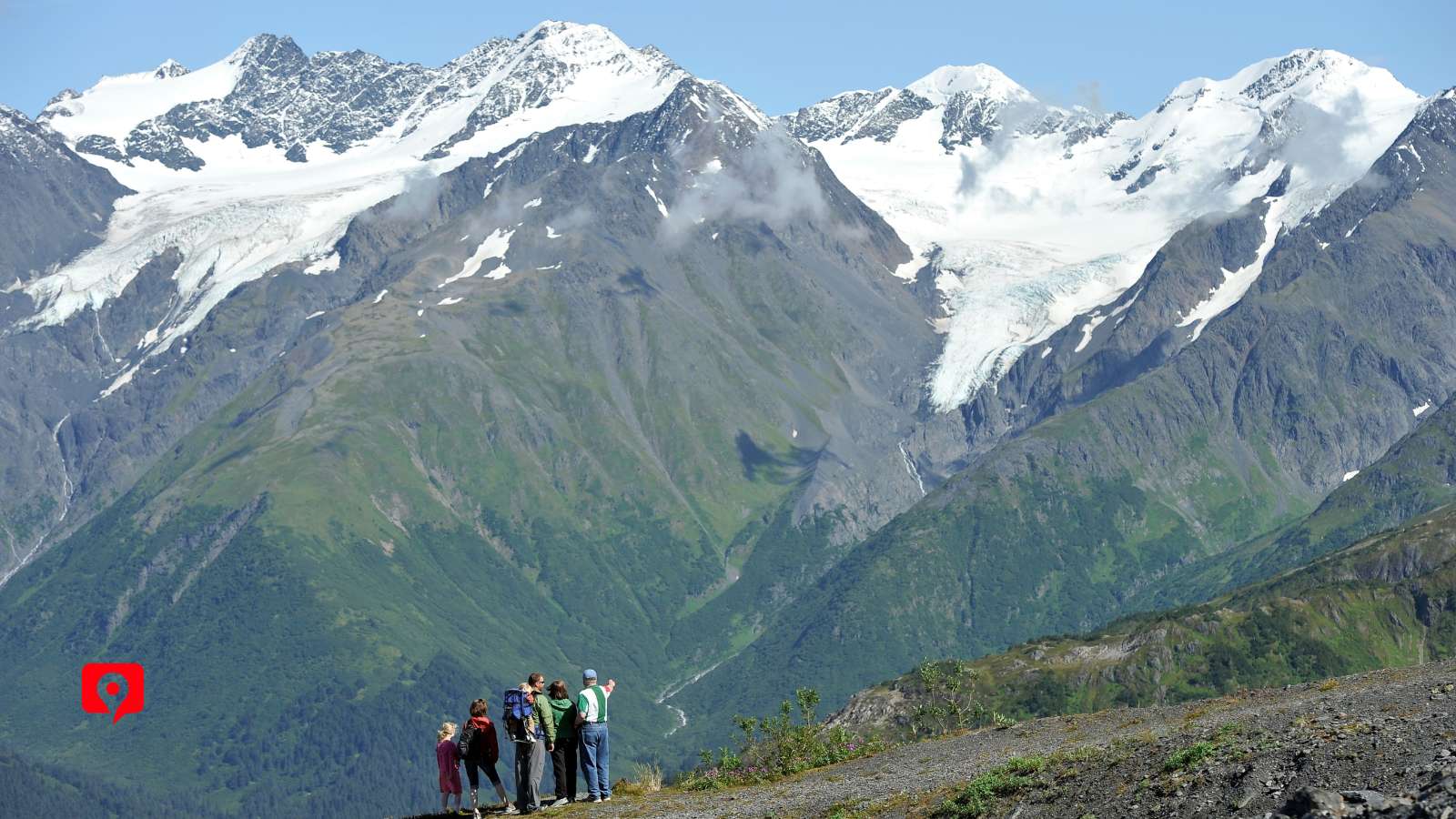
Crow Pass Trail is a standout Girdwood hike that follows part of the historic Iditarod Trail. Many day hikers tackle the first few miles for big rewards like waterfalls, wildflowers, and dramatic mountain scenery, with views that hint at the longer route beyond. A memorable highlight is the Raven Glacier area, where you can often get close-up views of ice and alpine terrain, but avoid stepping onto glacier ice unless you’re properly equipped and experienced. From the Alyeska area, you can also spot multiple “hanging” glaciers across the valley.
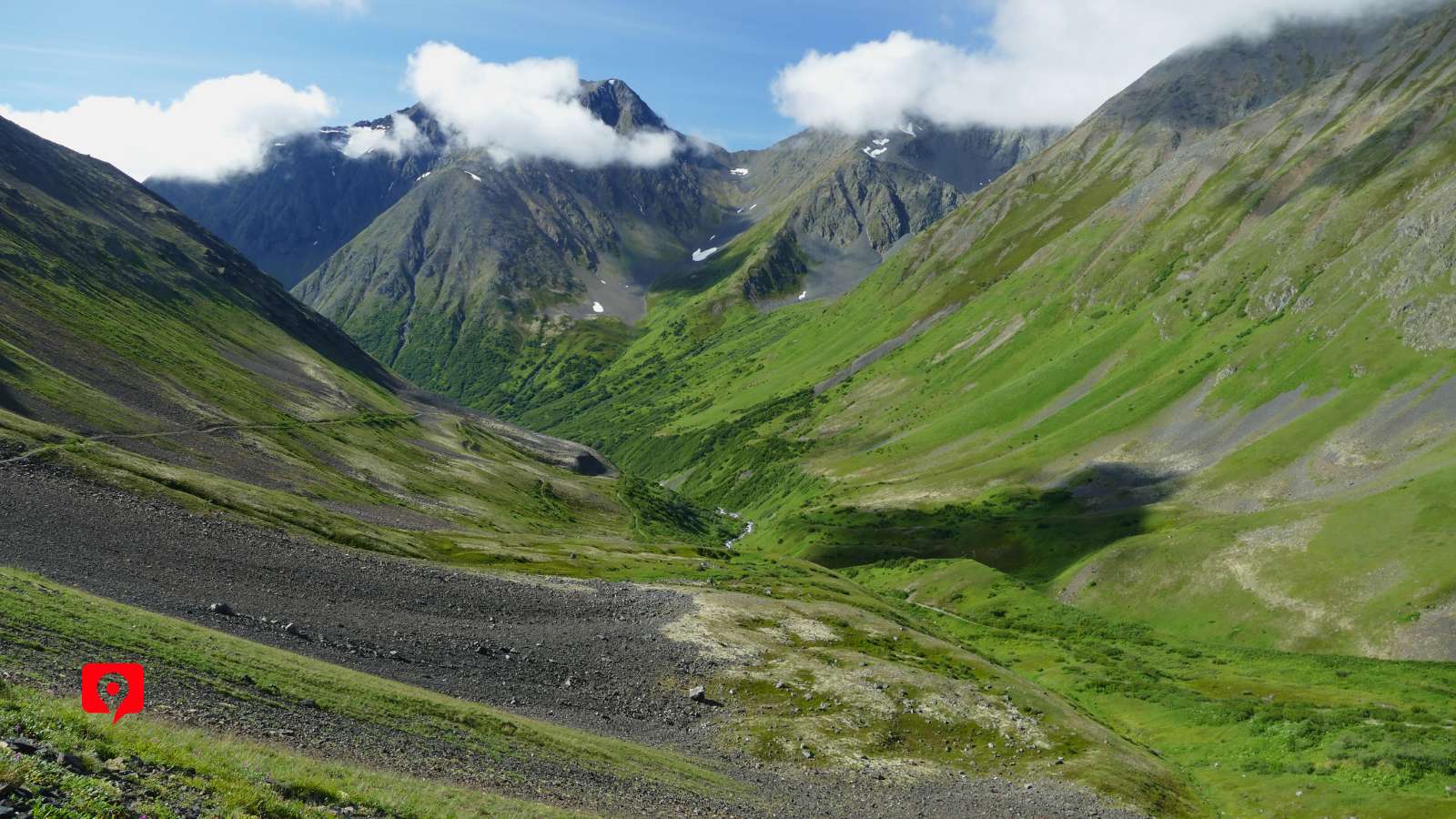
Crow Pass Trail is a standout Girdwood hike, following part of the historic Iditarod Trail. In just a few miles, it delivers glacier views, waterfalls, wildflowers, and summer berries. One highlight is the Raven Glacier, whose terminal end sits close to the developed trail and is often safe for dayhikers to explore. The area’s glacier scenery is spectacular, with seven visible from the resort above. It’s a beautiful, rewarding outing for anyone who loves mountain landscapes.
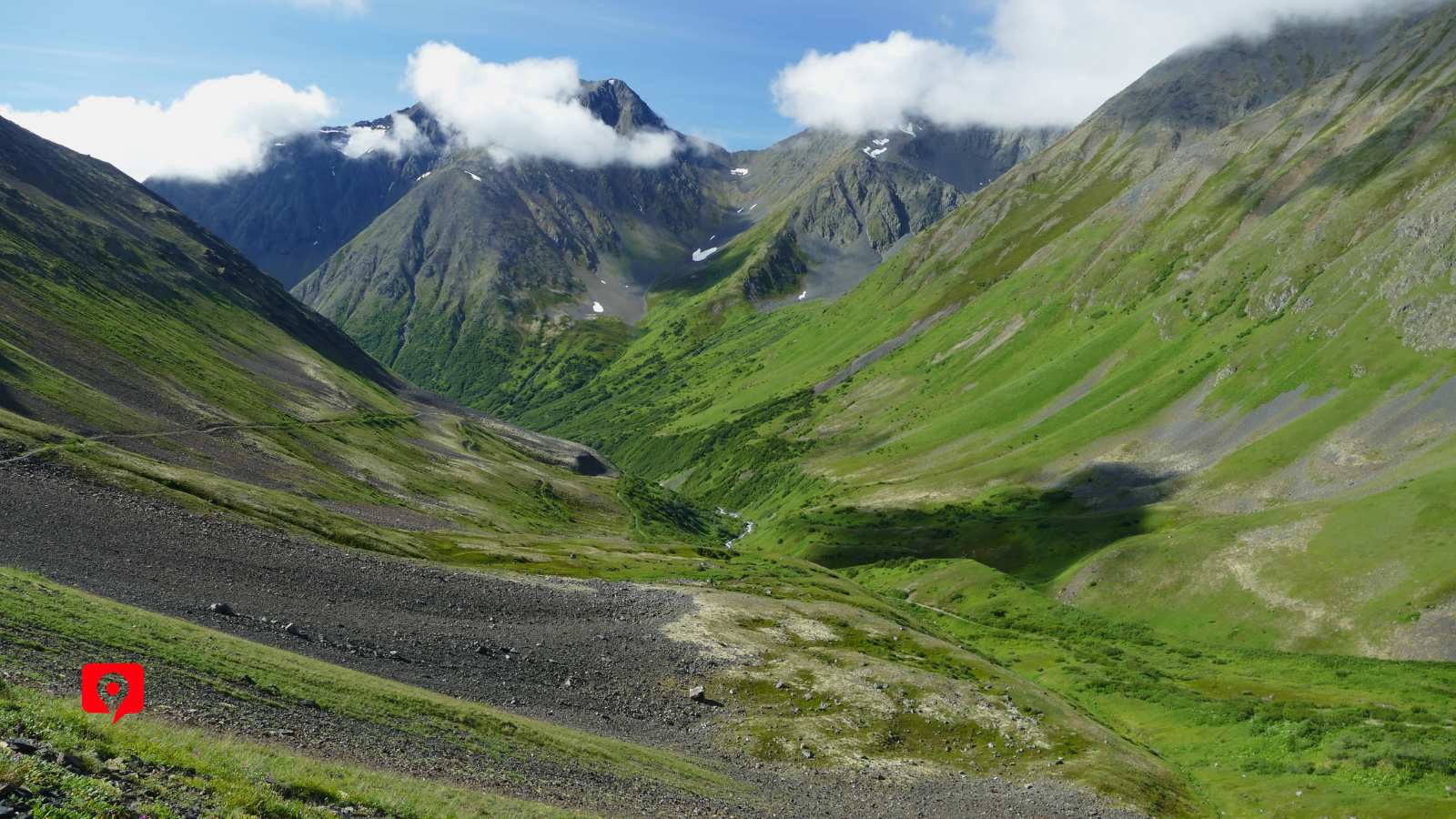
Lower Winner Creek Trail is one of Girdwood’s best easy outings, winding through lush temperate rainforest on a wide, well-developed path. The lower route is often described as a 3-mile hike or bike ride starting just behind the Alyeska Tram building. Plan about 2 to 2.5 hours for a relaxed out-and-back to the main highlights. You’ll pass boardwalk sections, mossy forest, and glacier-fed creeks, then reach the Winner Creek Gorge bridge, where the water roars through a narrow rock slope.
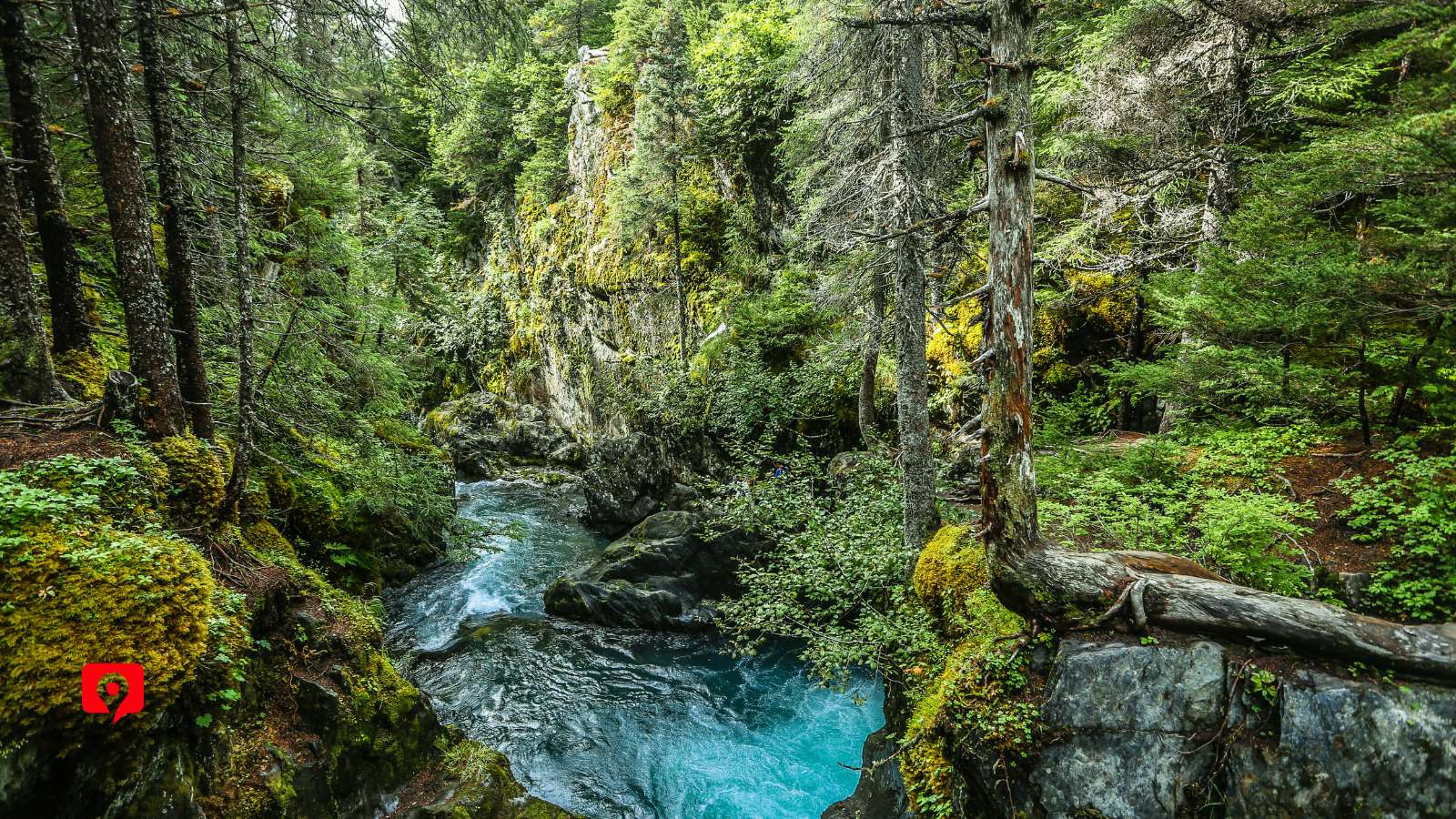
The Byron Glacier Trail offers a gentle, 3 mile round trip hike to a beautiful glacier tucked in the valley west of Portage Glacier. The route begins along Byron Creek before reaching slightly more rugged terrain, often with lingering snowfields and the possibility of ice caves, though those are unsafe to enter. Plan about an hour and a half for the walk. By the end, you’re rewarded with an excellent view of Byron Glacier, making it a great on foot adventure.
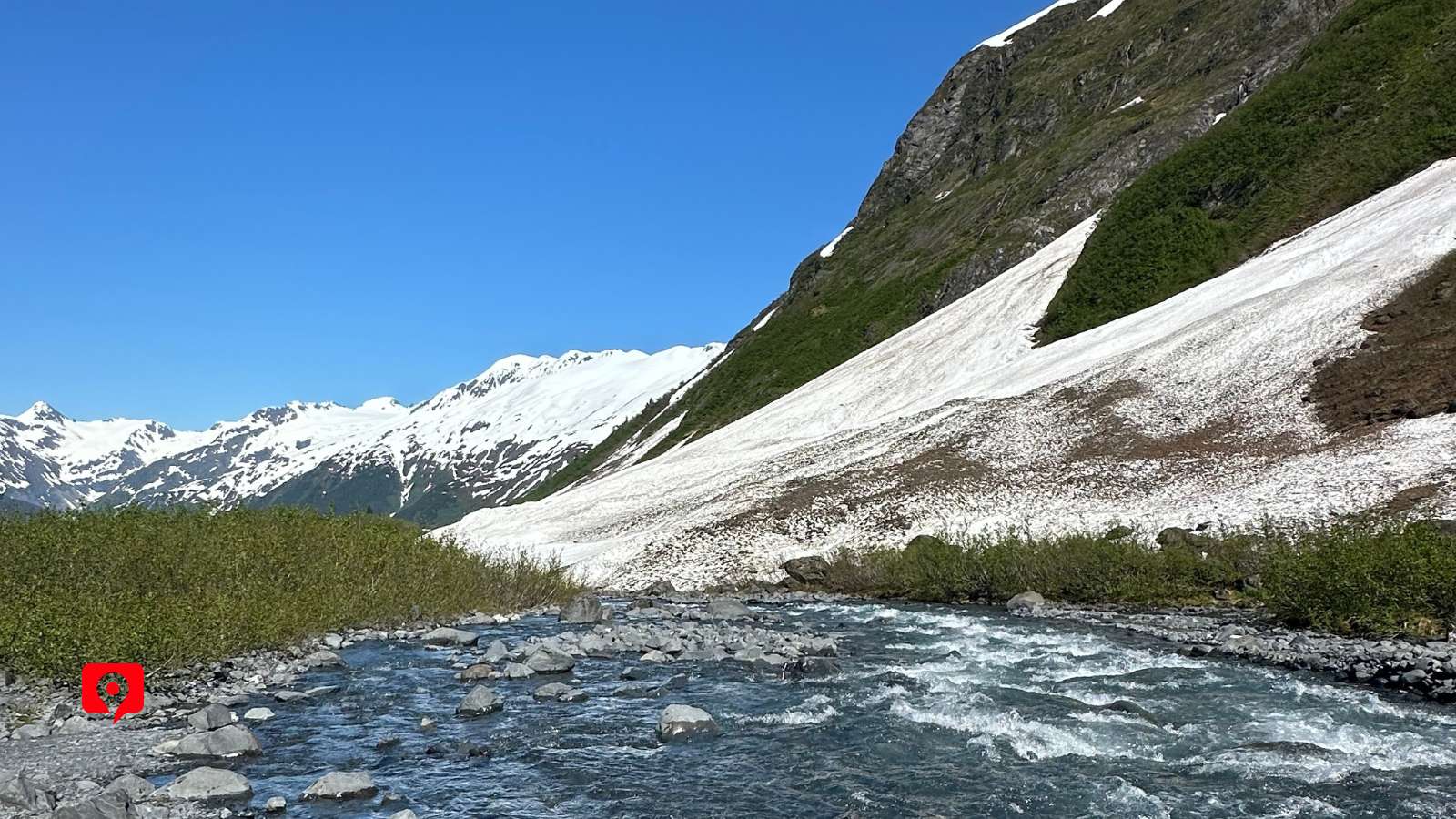
The Russian River Falls Trail is a flat, easy two-mile walk to the falls through the woods, leading to two viewing decks overlooking one of Alaska’s most thrilling natural events. In late June and late July, thousands of sockeye salmon leap up the stairstep waterfall on their way upstream, and bears often follow the fish. Even outside peak runs, the trail is scenic and wheelchair accessible, making it a rewarding and memorable outing for wildlife lovers.
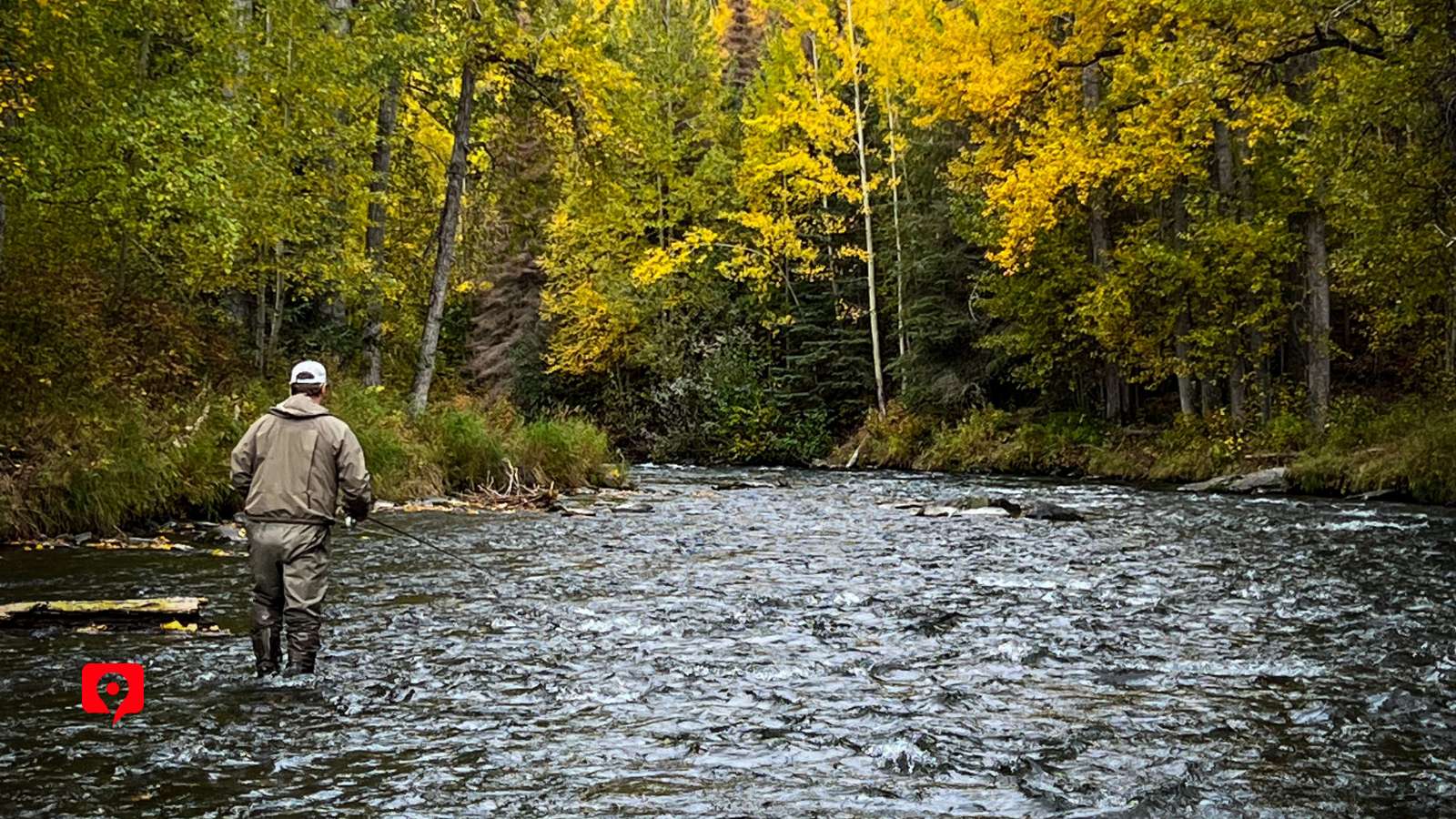
The Skyline Trail is a short but seriously steep challenge, climbing roughly 2,600 feet over about 4.4 miles round trip. It rewards every step with bigger and bigger views, which is why it’s a favorite for hikers who want a tough workout with a huge payoff. From the top, you’ll get sweeping scenery that easily ranks among the most memorable viewpoints along the route.
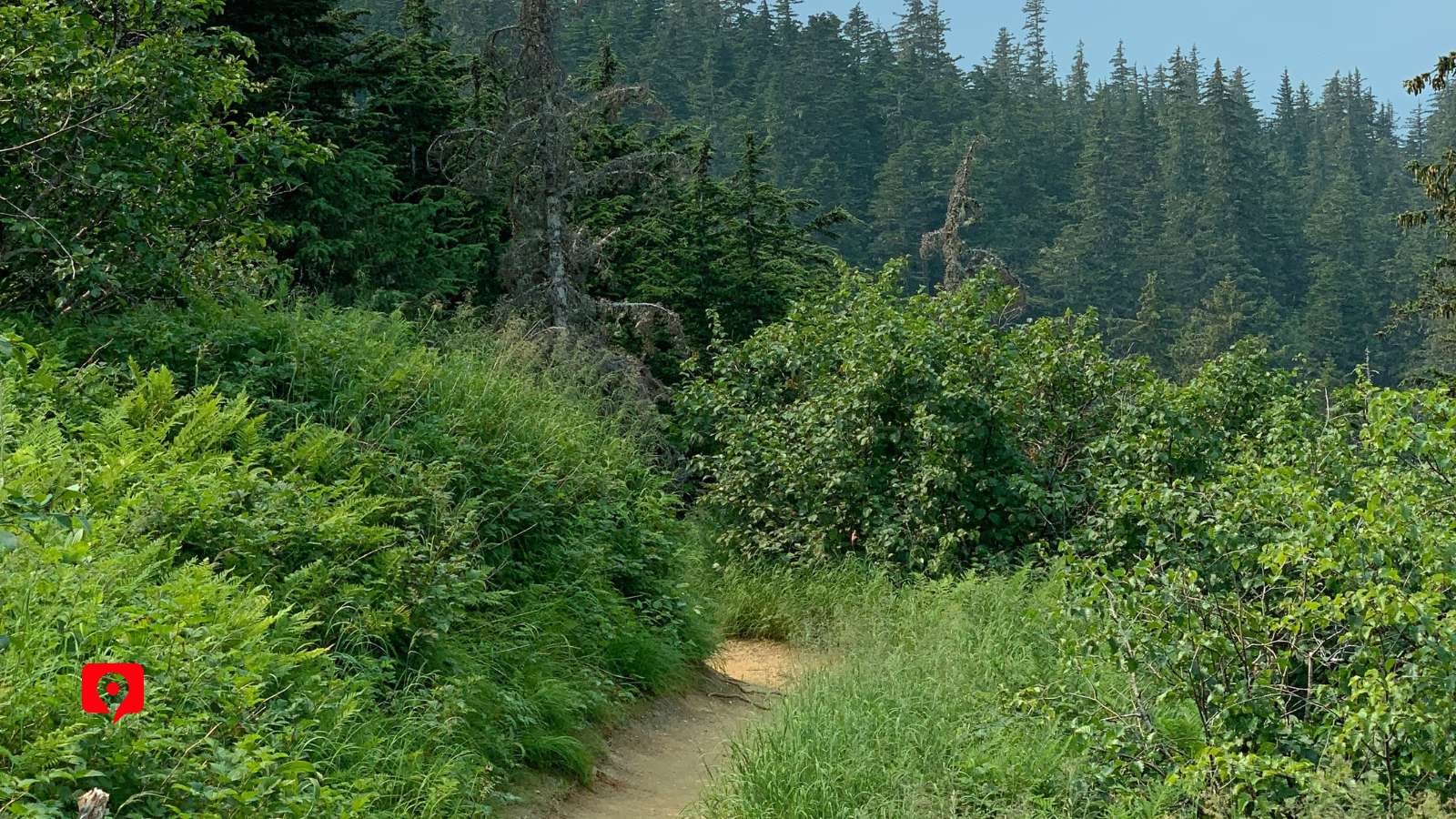
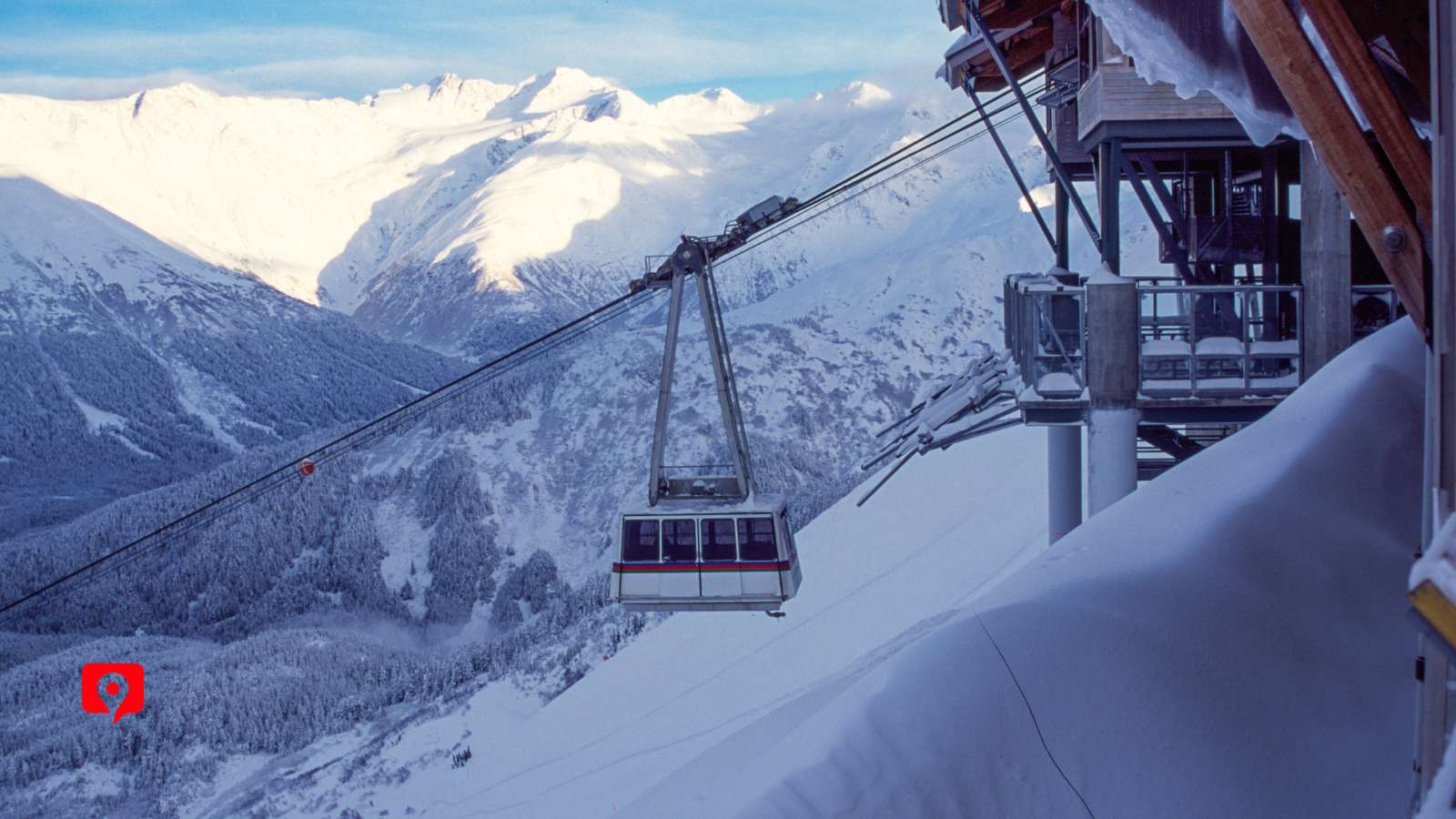
In Girdwood, the Alyeska Aerial Tram gives you glacier views with very little effort. A smooth ride carries you about 2,300 feet up the mountainside, opening up views of hanging glaciers, Chugach peaks, and broad valleys. From the top, you can often see seven different glaciers on a clear day. It is a great choice for hikers, skiers, or anyone who loves a classic Alaska panorama, and it is one of the most scenic viewpoints along the route.
Skilak Lake Road is one of the Kenai Peninsula’s best backcountry drives, winding through prime wildlife habitat south of the highway. This 18-mile gravel loop brings chances to spot wolves, bears, lynx, loons, and even great horned owls. Early mornings offer the best viewing before the road gets busy. With rugged terrain and remote stretches, it’s ideal for travelers with all-wheel drive and good clearance. If you want a quieter, wilder Alaska moment, this route delivers.
Few sights in Alaska rival salmons fighting their way upstream. At Russian River Falls, thousands of sockeye leap the waterfall in late June and again in late July, creating an unforgettable burst of color and movement. Bears often appear as well, drawn in by the same fish. Downstream, the Kenai River hosts world famous runs of king, coho, pink, and sockeye salmon, attracting anglers from around the globe. Fishing along its banks shows just how electric salmon season can be.
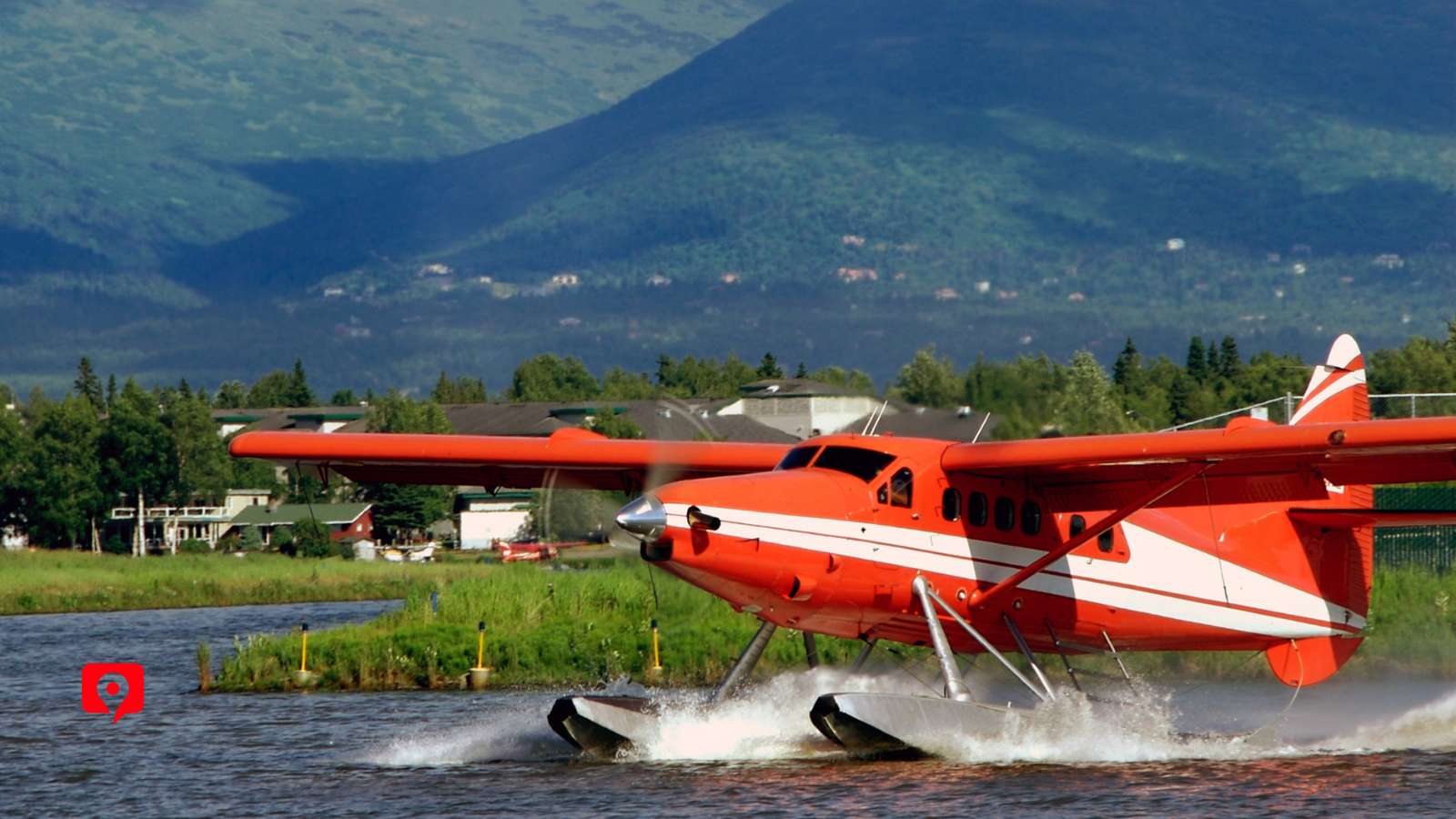
Across the Kenai Peninsula, flightseeing offers a breathtaking perspective on Alaska’s volcanoes, glaciers, and rugged wilderness. Small planes and helicopters provide sweeping views of Cook Inlet, the Aleutian Range, and massive peaks like Iliamna and Redoubt, both active volcanoes known for steaming fumaroles and glacier-covered slopes. It is an unforgettable way to grasp the true scale of these mountains and the wild landscapes around them, especially remote areas that are difficult to reach by road.
Once you reach Homer, you’re in one of Alaska’s best hubs for ocean adventures. From the Spit, you can head out on guided kayaking tours across Kachemak Bay, paddling near cliffs, coves, and wildlife-rich shorelines. Sea otters, seals, and bald eagles are frequent companions on the water. Water taxis can drop you in remote corners of the bay, offering access to peaceful beaches, quiet coves, and some of the most beautiful coastal scenery in the region.
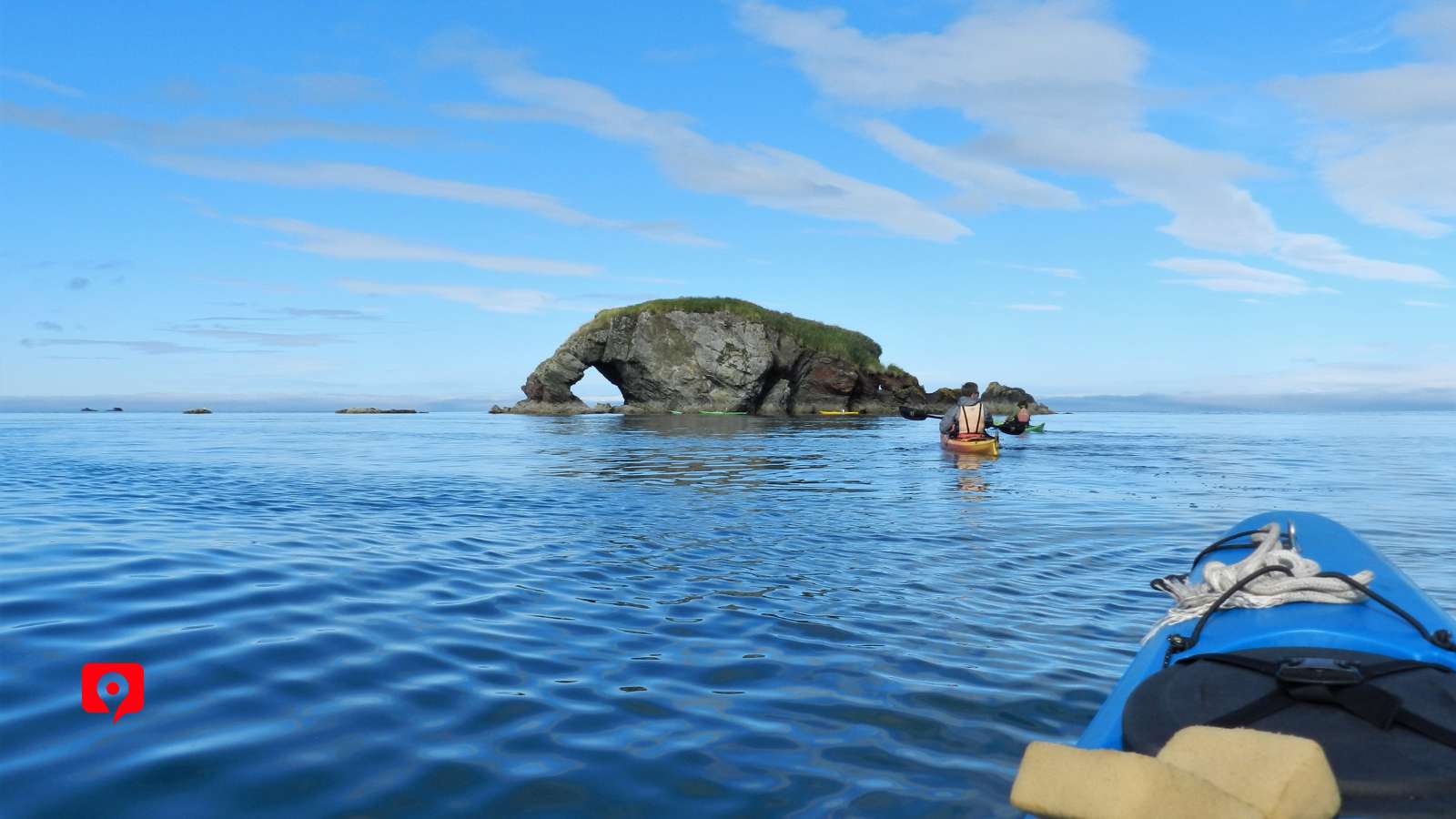
Once you reach Homer, you are in one of Alaska’s best hubs for ocean adventures. From the Spit, you can join guided kayaking trips across Kachemak Bay and paddle past cliffs, coves, and wildlife rich shorelines. Sea otters, seals, and bald eagles are often spotted along the way. Water taxis can also take you to quieter corners of the bay, where you can explore peaceful beaches, hidden coves, and some of the most beautiful coastal scenery in the region.

Warm Clothing & Layers: Alaska’s weather changes fast, even in summer. Bring light layers for the day and warm layers like fleece or wool for mornings, evenings, and flightseeing. Hats, gloves, and scarves are handy for glacier hikes or breezy fjord excursions.
Rain Jacket: A waterproof jacket or poncho is essential. Showers can pop up unexpectedly along the Seward Highway or near Kenai Fjords.
Good Hiking Shoes: Trails like Bird Creek Trail and Crow Pass Trail can be steep, muddy, or rocky. Waterproof hiking boots or sturdy trail shoes are recommended. Comfortable shoes work for town stops or shorter walks.
Sun Protection: Sunglasses, sunscreen, chapstick, and a hat help protect against glare from snow, water, and icefields.
Reusable Water Bottle & Snacks: Bring plenty of water and light snacks for hikes and long stretches of highway, since services can thin out between towns.
Binoculars & Camera: Perfect for spotting beluga whales, puffins, or moose. A camera is a must for capturing glaciers, fjords, and wildlife.
DC Charger / Portable Battery: Navigation and tour apps use a lot of battery. Keep devices charged for maps, photos, and media.
Wildlife Protection & First Aid: Carry bear spray if hiking in remote areas, and know how to use it. A small first aid kit is essential for minor scrapes, blisters, or emergencies on trails.
Optional Gear: Trekking poles for steep trails, insect repellent for forests, waterproof cases for phones or cameras, and a swimsuit if you want to try Herring Cove Beach or kayaking.