00:00

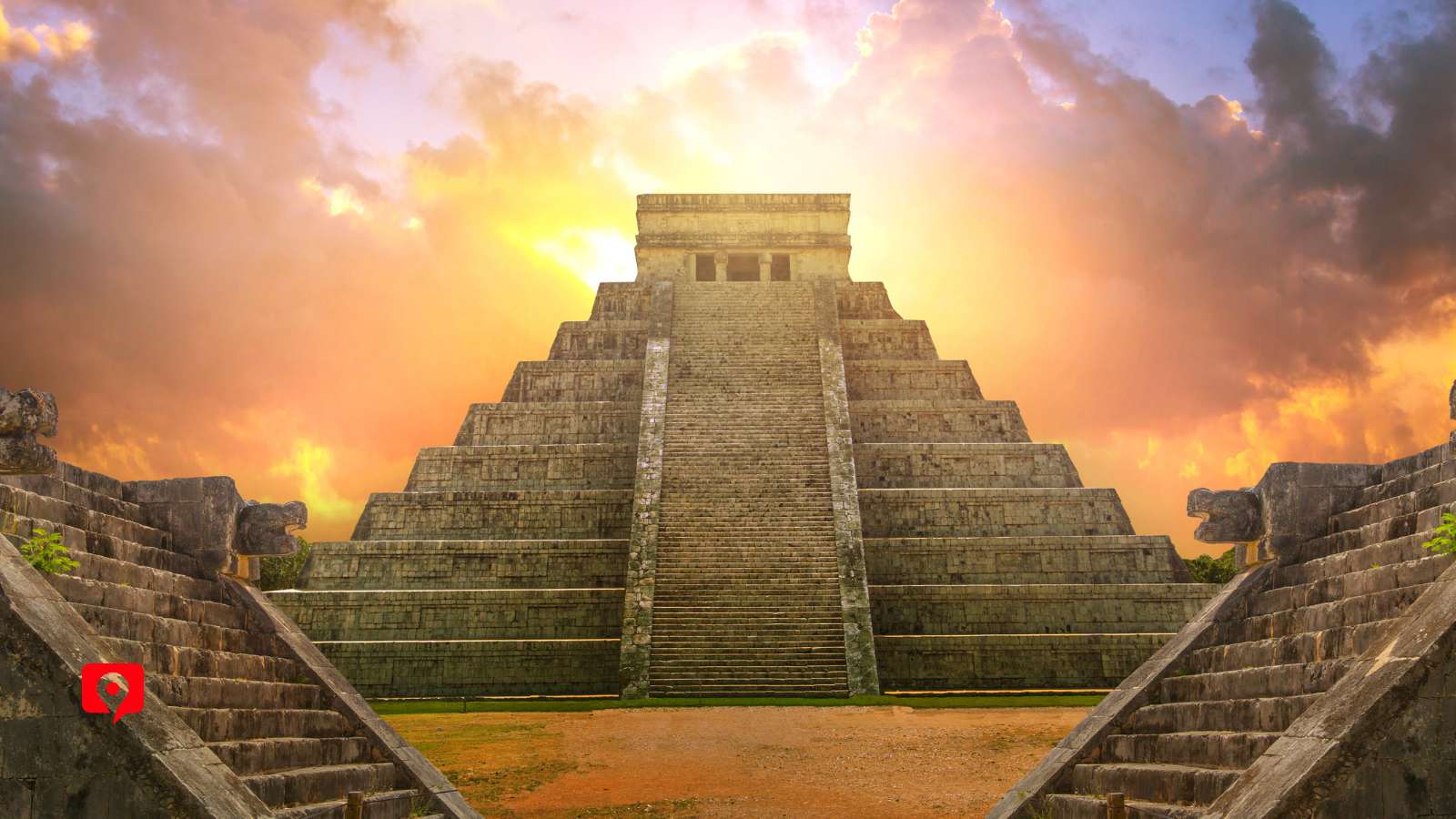
Step into the world of the ancient Maya on this walking tour of Chichén Itzá, where pyramids, sacred wells, and ornate temples reveal a civilization that blended science, power, and spirituality. As we make our way through the site, you’ll stand before El Castillo—the Temple of Kukulcán—and learn how its precise design reflects the Maya calendar, even creating the famous serpent-shaped shadow during the equinox.
We’ll step into the Great Ball Court, the largest in Mesoamerica, and hear how the Maya fused athletic competition, ceremony, and myth in the dramatic game of Pok-a-Tok. At the Sacred Cenote, you’ll discover why this deep natural well became a place of offerings, rituals, and connection to the Maya underworld.
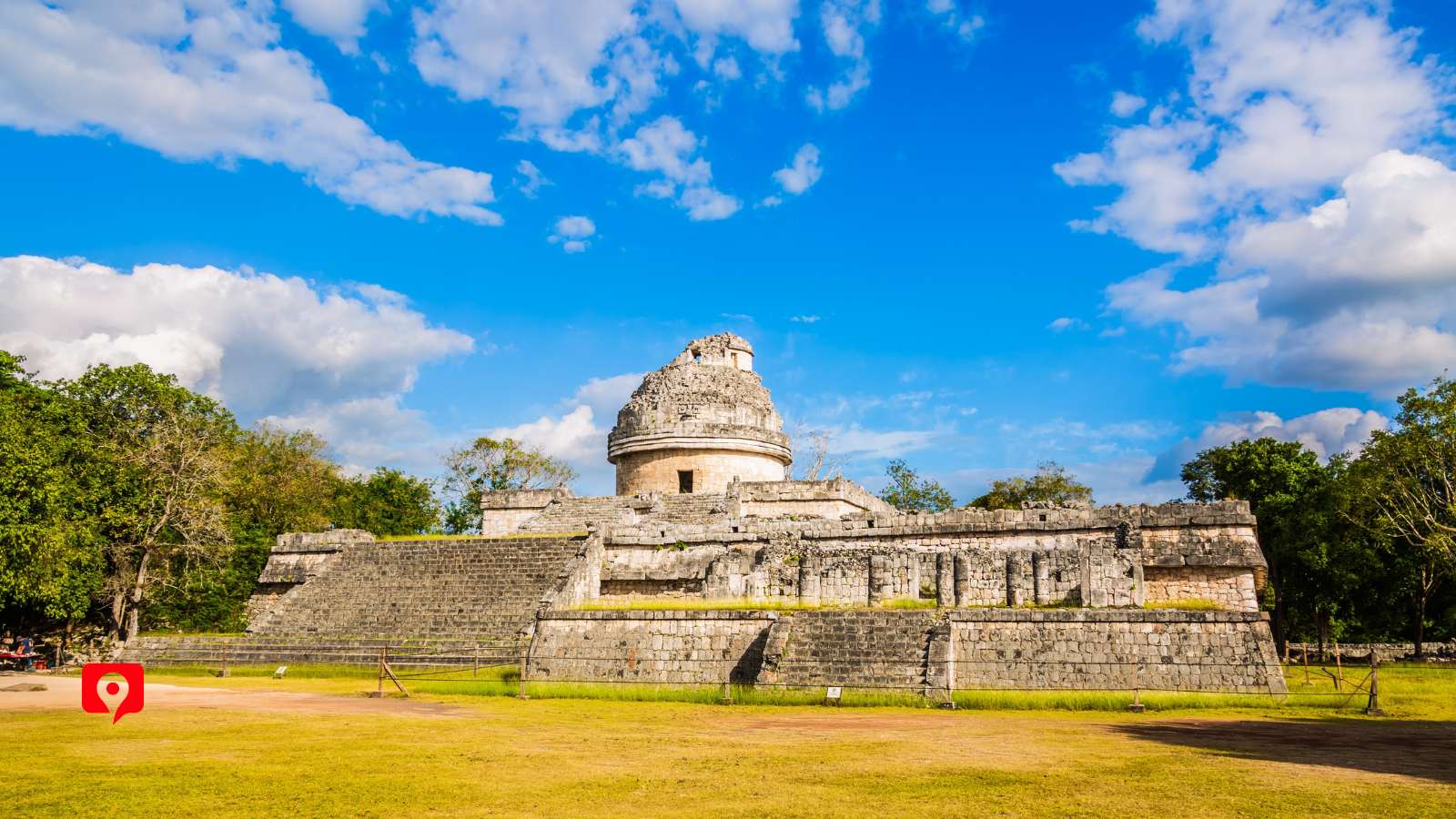
You’ll also explore the Nunnery complex and La Iglesia, where expressive Chaac masks and intricate friezes have survived for centuries. Finally, we’ll visit El Caracol, the city’s distinctive observatory, where Maya priests tracked the skies and followed the movements of Venus.
By the time we finish, Chichén Itzá won’t just feel like a collection of ruins—it will feel like a living story of astronomy, power, faith, and the people who never disappeared.
Reaching Chichén Itzá is simple, whether you’re arriving by car, tour bus, or public transportation. The site is well-signposted and easy to access, with a short walk from the parking or drop-off areas to the main entrance. Once you arrive, you’ll be ready to begin your self-guided walking tour.

The closest major airport is Cancún International Airport (CUN), about a 2 hour to 2 hour 15-minute drive from Chichén Itzá. From the airport, you can rent a car, book a shuttle, or take a tour that includes round-trip transportation. The route travels along well-maintained highways through the Yucatán Peninsula.

Driving is one of the easiest ways to reach Chichén Itzá, with the fast toll road Highway 180D leading directly to the site. Parking is available near the entrance. Taxis are also a convenient option from nearby towns like Valladolid or Pisté—just keep in mind that fares vary by distance, so it’s best to confirm the price before departing.
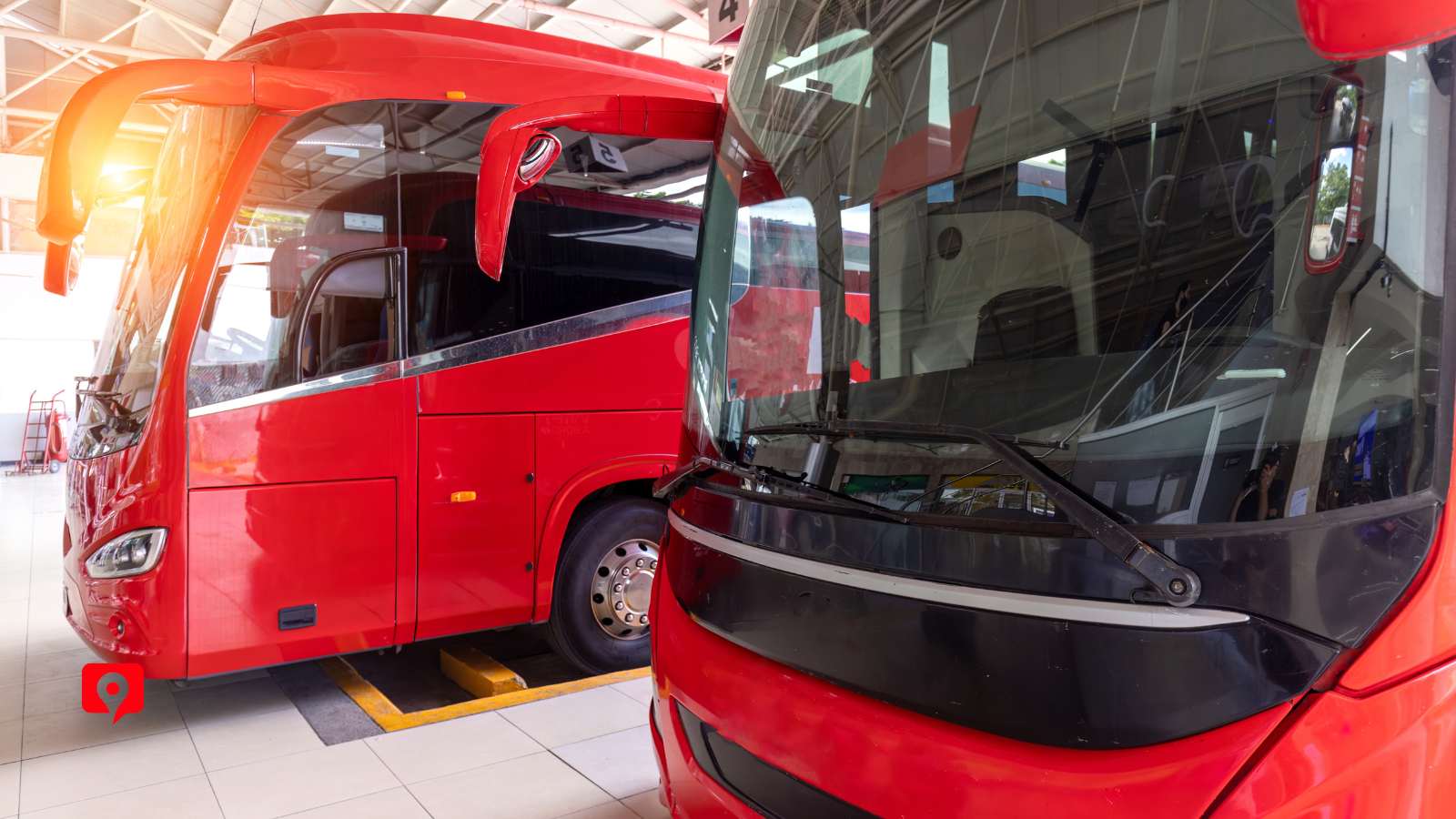
ADO buses and several private shuttle companies operate daily routes from Cancún, Mérida, Valladolid, and other nearby towns. Most drop passengers close to the site entrance, making it easy to begin your tour without needing additional transport.
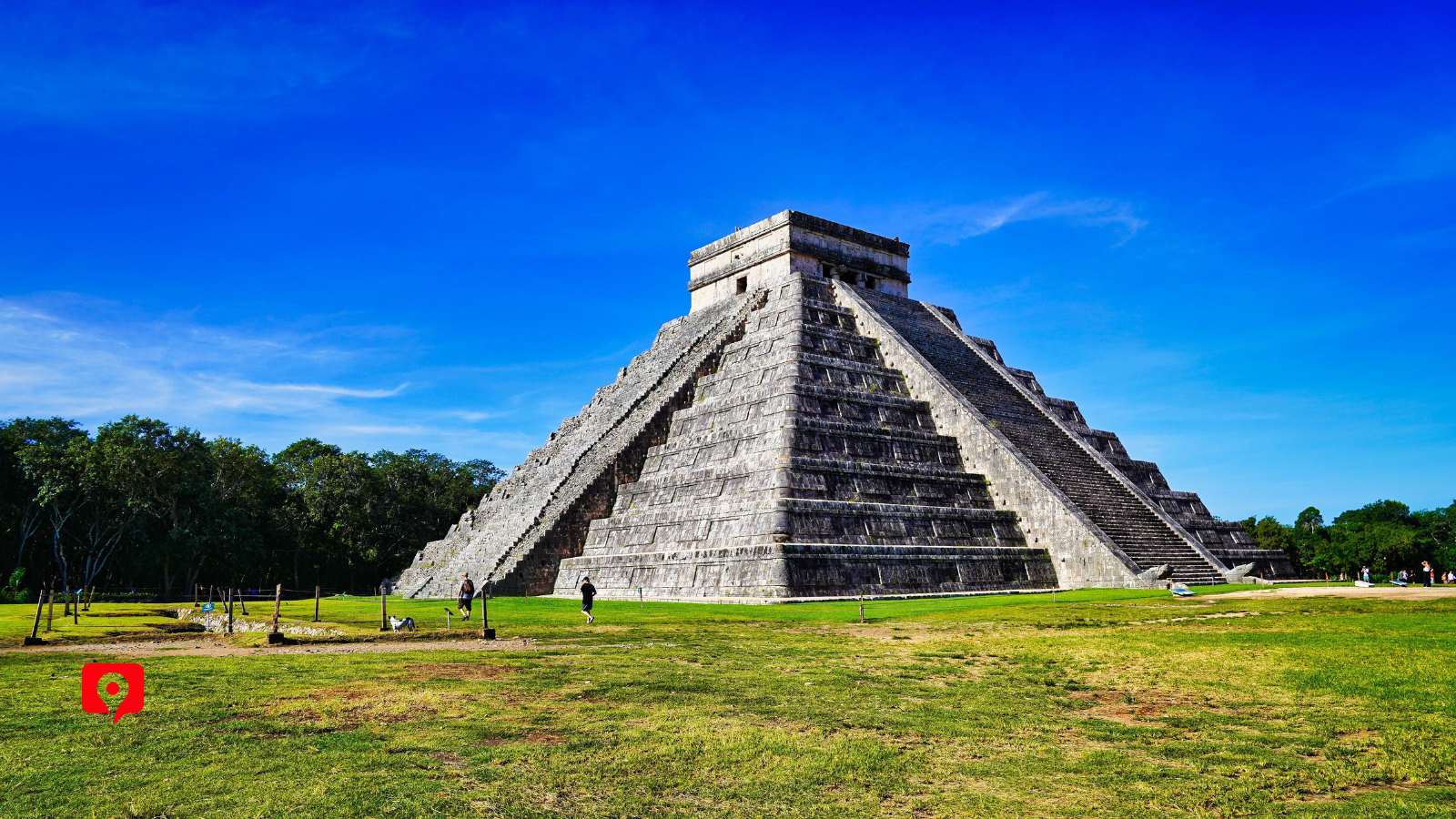
Entrance Fees
Visiting Chichén Itzá requires an admission ticket, which for foreign visitors costs approximately MXN 671 (about USD $35–37), while Mexican citizens with valid ID pay around MXN 298 (about USD $16–17). Children ages 3–12 receive reduced pricing, generally around MXN 100 (about USD $5–6). These fees include access to the full archaeological zone, from El Castillo to the Great Ball Court, and tickets can be purchased at the entrance using pesos or major credit cards. Keep in mind that the only public bathrooms are located outside the ticket area, so it’s best to use them before starting your walking tour.
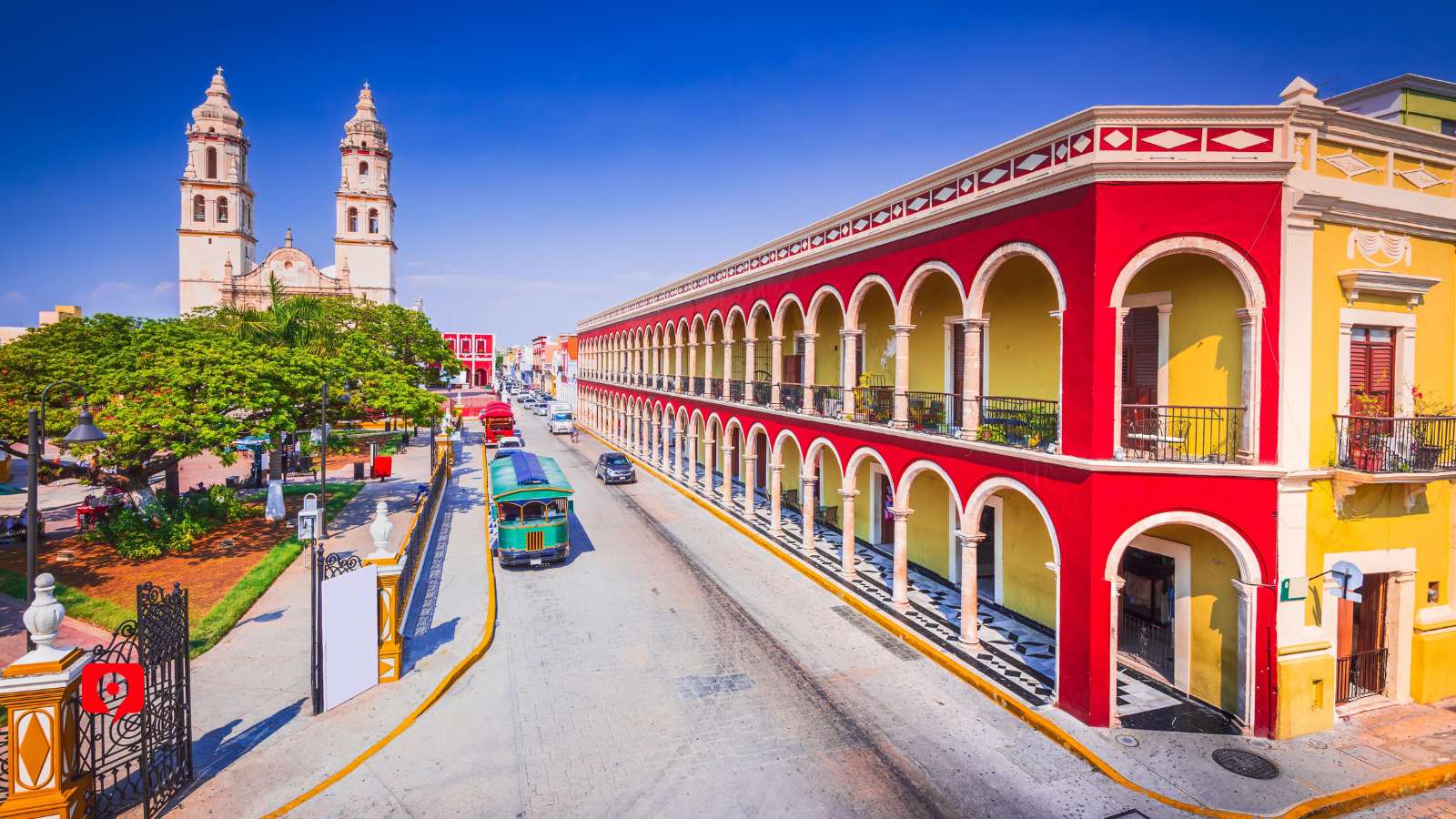
Planning a visit to Chichén Itzá gives you plenty of flexibility when it comes to accommodations. If your priority is staying close to the ruins, a handful of hotels sit just a few minutes from the entrance. These properties offer calm, leafy surroundings, pool areas to cool off in, and on-site restaurants—perfect if you want an early start at the archaeological site or a quiet place to unwind afterward.
For travelers who enjoy a bit more atmosphere, the nearby colonial town of Valladolid is an excellent base. About 40 minutes from the ruins, it offers a wide mix of boutique hotels, restored historic homes, and comfortable mid-range stays. You’ll also have easy access to cenotes, local markets, and a charming town square.
If you’re watching your budget, there are plenty of affordable hostels, small hotels, and guesthouses in Valladolid and Pisté. These options provide simple comforts and great value, giving you an easy jumping-off point for exploring Chichén Itzá and the surrounding Yucatán region.

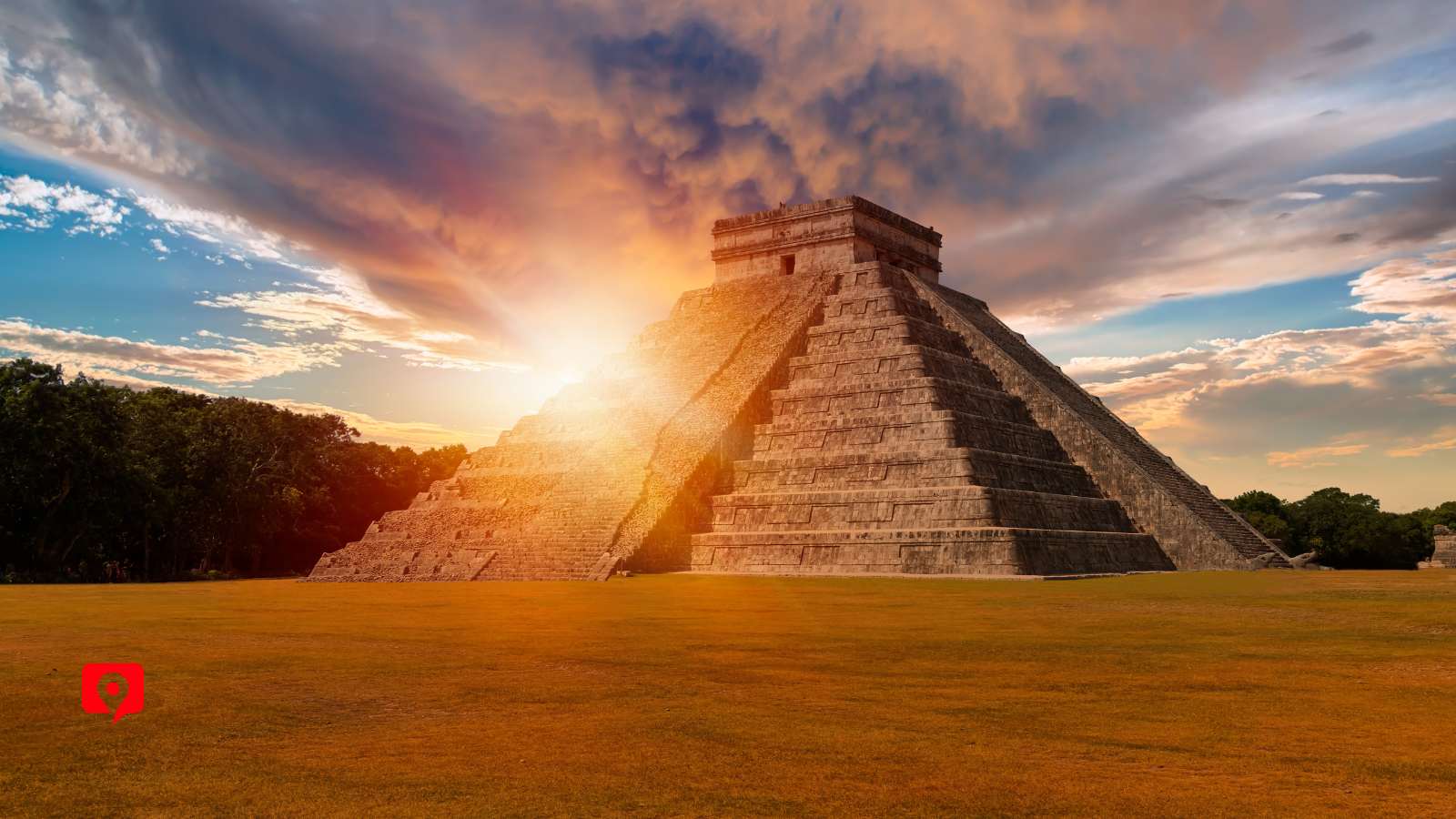
Chichén Itzá is open year-round, and each season brings its own atmosphere. The most comfortable time to visit is during the dry season, from December to April, when days are sunny and humidity is lower—ideal for a long walking tour around the ruins. This is also the busiest time of year, so expect larger crowds and more tour buses.
From May to November, temperatures climb and afternoon showers become more common, but the site remains fully accessible, and the surrounding vegetation turns greener and more vibrant. Visitor numbers also tend to be lower, making the experience feel more open and relaxed.
No matter the season, early morning is the best time to arrive. You’ll beat the heat, avoid the biggest groups, and enjoy clearer views of iconic structures like El Castillo. Late afternoons are another great option, with softer light and thinner crowds. Whenever you choose to go, Chichén Itzá’s monumental architecture and rich history make every visit unforgettable.
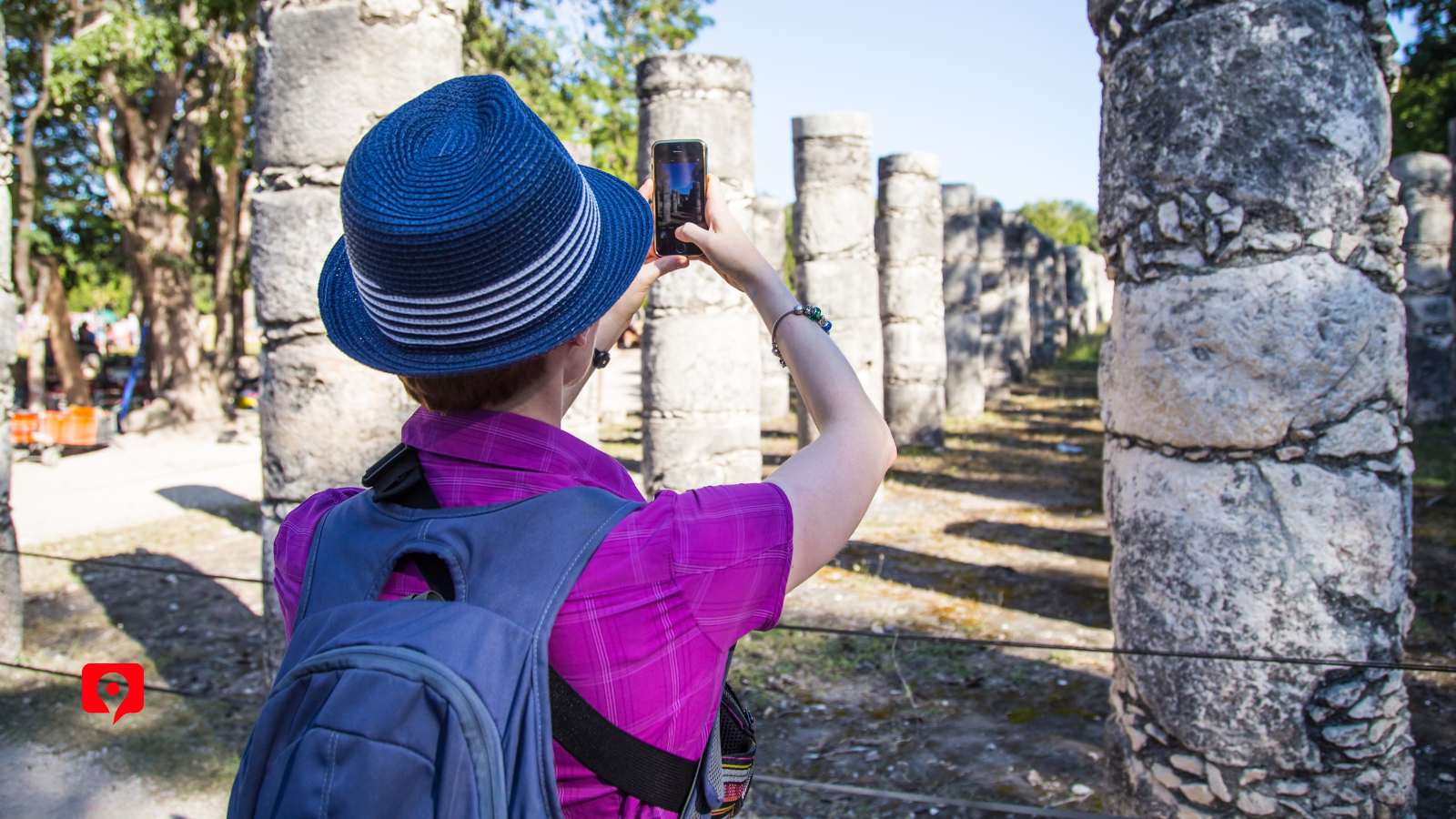
To experience Chichén Itzá at a comfortable pace, plan to spend 2 to 3 hours inside the archaeological zone. This gives you enough time to walk the main paths, explore major highlights like El Castillo, the Great Ball Court, the Temple of the Warriors, and El Caracol, and also wander through quieter areas such as the Ossuary, the Nunnery complex, and the Red House Plaza.
Arriving early in the morning or visiting in the late afternoon helps you avoid the strongest heat and the large tour groups that often arrive mid-day. If you enjoy reading plaques, taking photos, or learning about the site’s history in depth, consider adding another 30 minutes to your schedule.
Keep in mind that lines at the entrance, especially during peak season, may add a bit of time to your visit. With the right planning, you’ll have plenty of opportunity to appreciate Chichén Itzá’s architecture, astronomy, and cultural significance without feeling rushed.
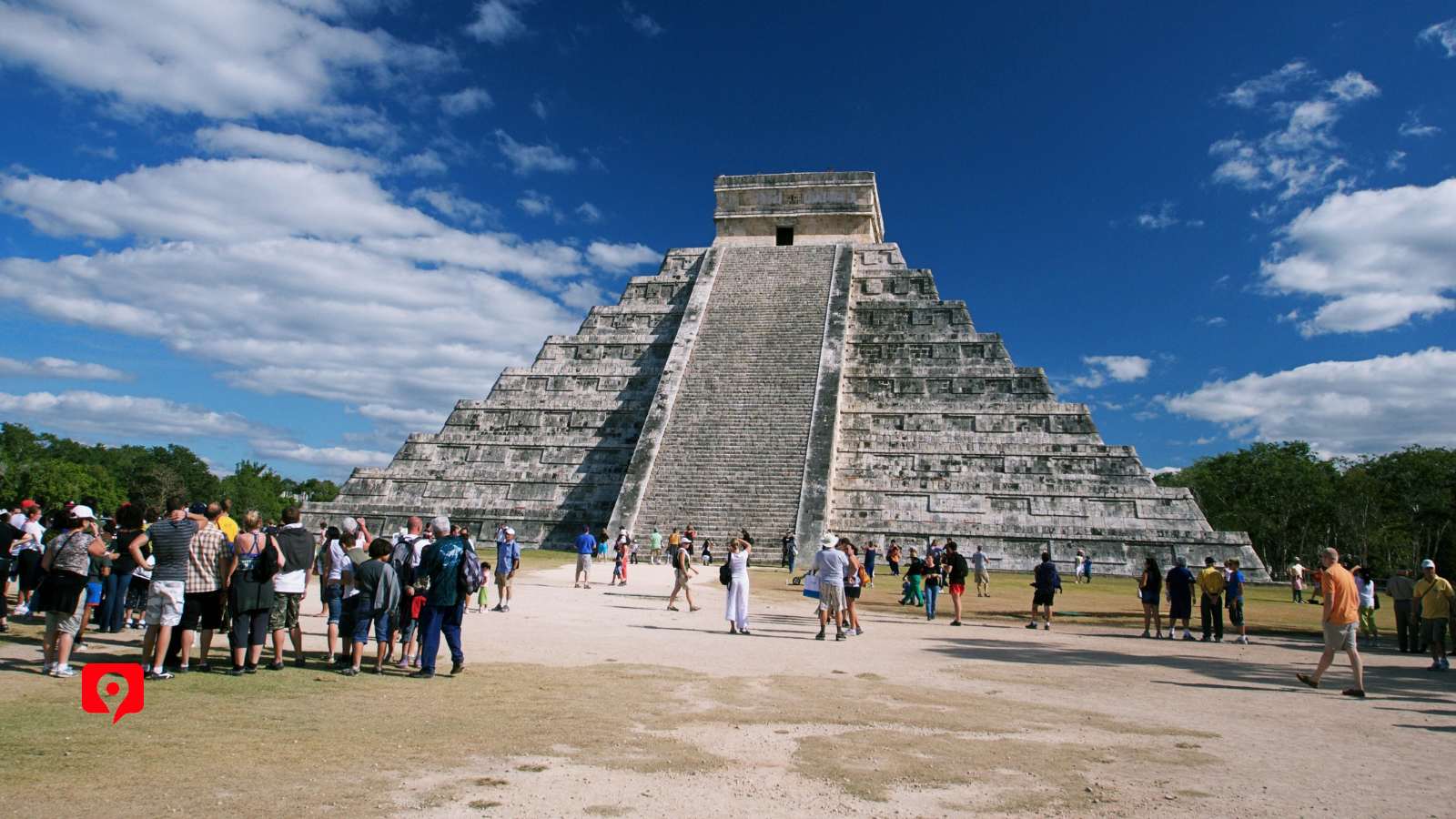
Chichén Itzá is one of the most visited archaeological sites in Mexico, but with a little planning, you can enjoy a much quieter experience. The best strategy is to arrive right when the site opens. Early mornings offer cooler temperatures, fewer tour buses, and clearer photo opportunities around iconic spots like El Castillo and the Great Ball Court. Late afternoons are also calmer, with softer sunlight and many large groups already gone.
Weekdays are typically less crowded than weekends, and visiting outside peak season—especially avoiding December to April—can make your tour feel far more relaxed. It’s also worth checking Mexican holidays and school breaks, as these periods bring heavier local attendance.
Once inside, don’t rush. Exploring side paths, smaller plazas, and lesser-visited structures like the Ossuary or the House of Deer can give you a peaceful break from the busy Grand Plaza. With the right timing and route, you can experience Chichén Itzá’s incredible history without the hustle of big crowds.
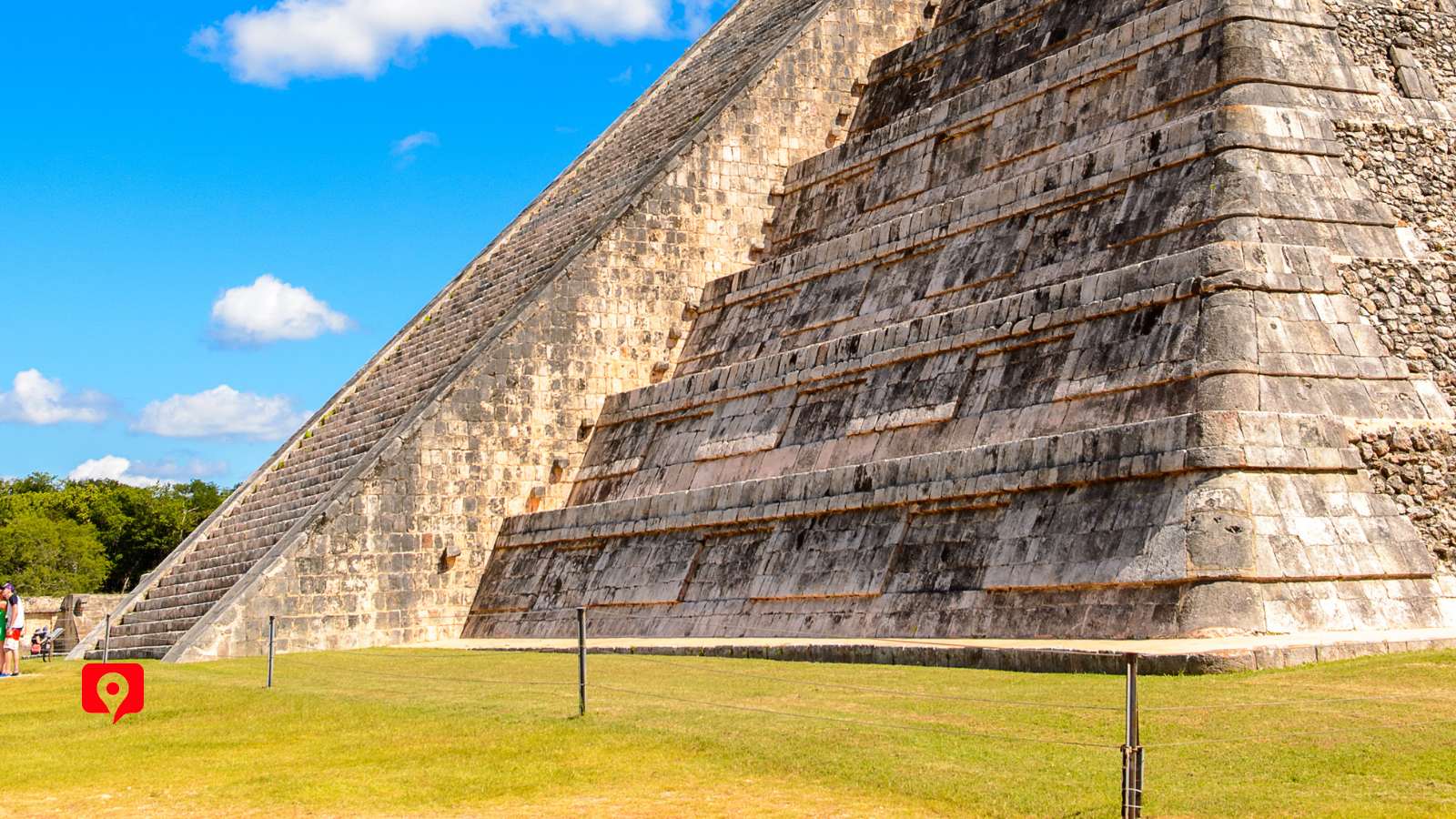
El Castillo
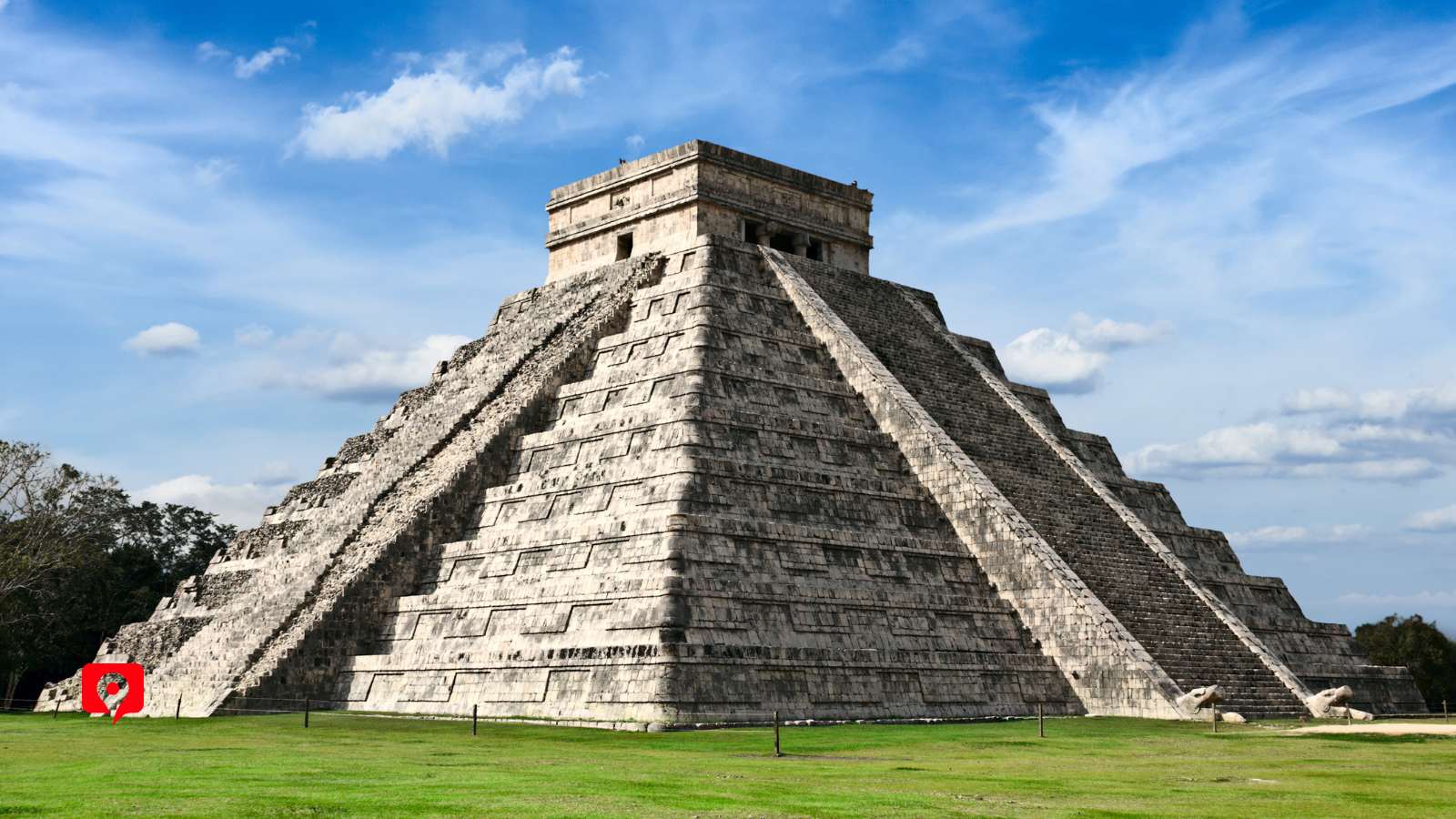
El Castillo is the defining symbol of Chichén Itzá, built in honor of the feathered serpent god Kukulkán. Its precise design reflects the Maya calendar, with 91 steps on each side plus the top platform equaling 365 days. During the equinox, seven triangles of light create the illusion of a serpent descending the staircase. Inside, archaeologists found an older pyramid with a red-painted jaguar throne, revealing generations of rebuilding tied to Maya ritual cycles.
The Great Ball Court
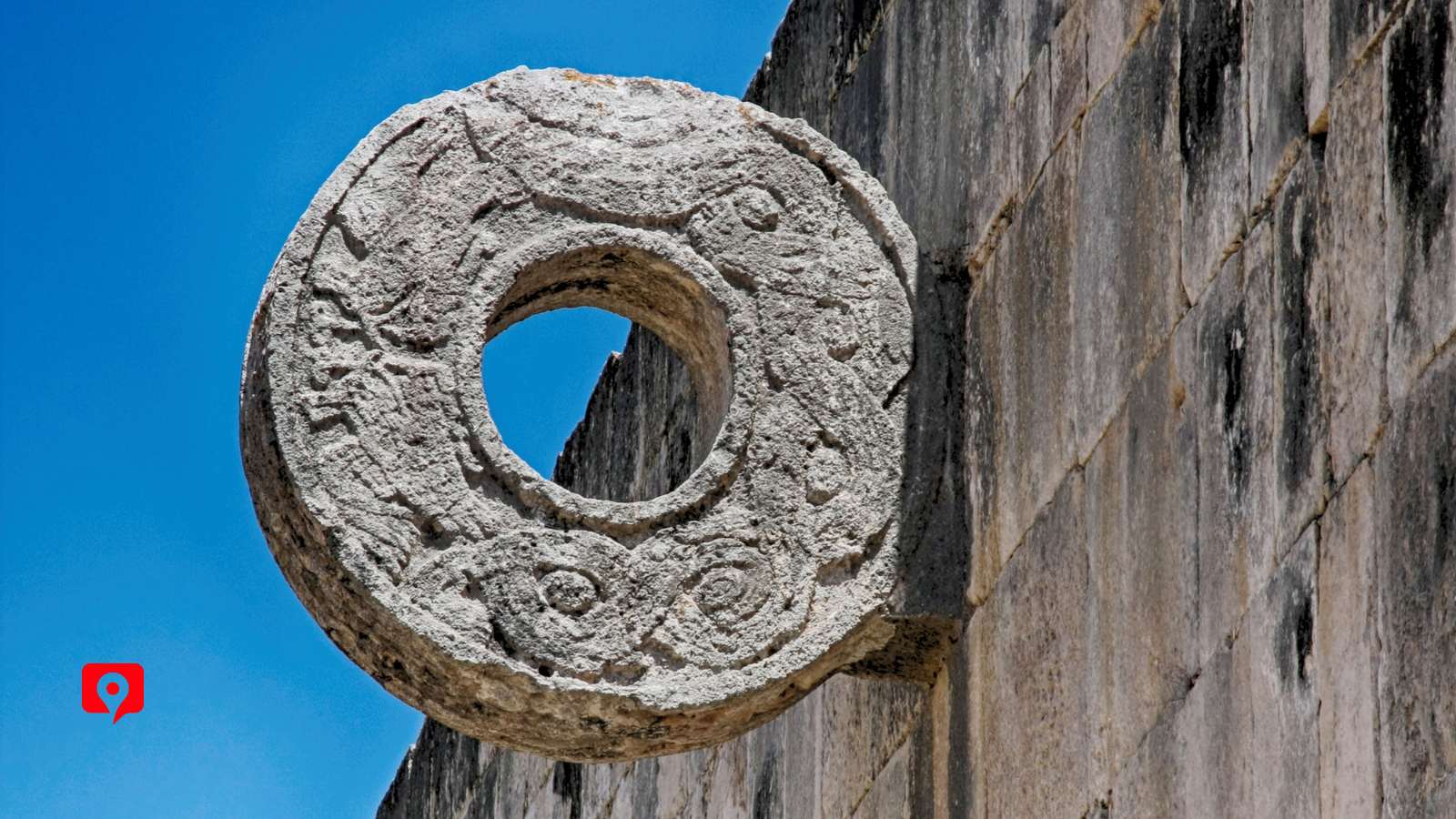
The Great Ball Court is the largest and best-preserved in Mesoamerica. Here, the Maya played Pok-a-Tok, a spiritual game symbolizing the struggle between light and darkness. Players used only elbows, knees, and hips to send a heavy rubber ball through stone hoops high on the walls. The court’s acoustics are extraordinary—soft sounds travel remarkable distances. Bas-reliefs depict the game, including the famous beheaded player with plants growing from his neck, reflecting Maya beliefs in sacrifice and rebirth.
The Sacred Cenote
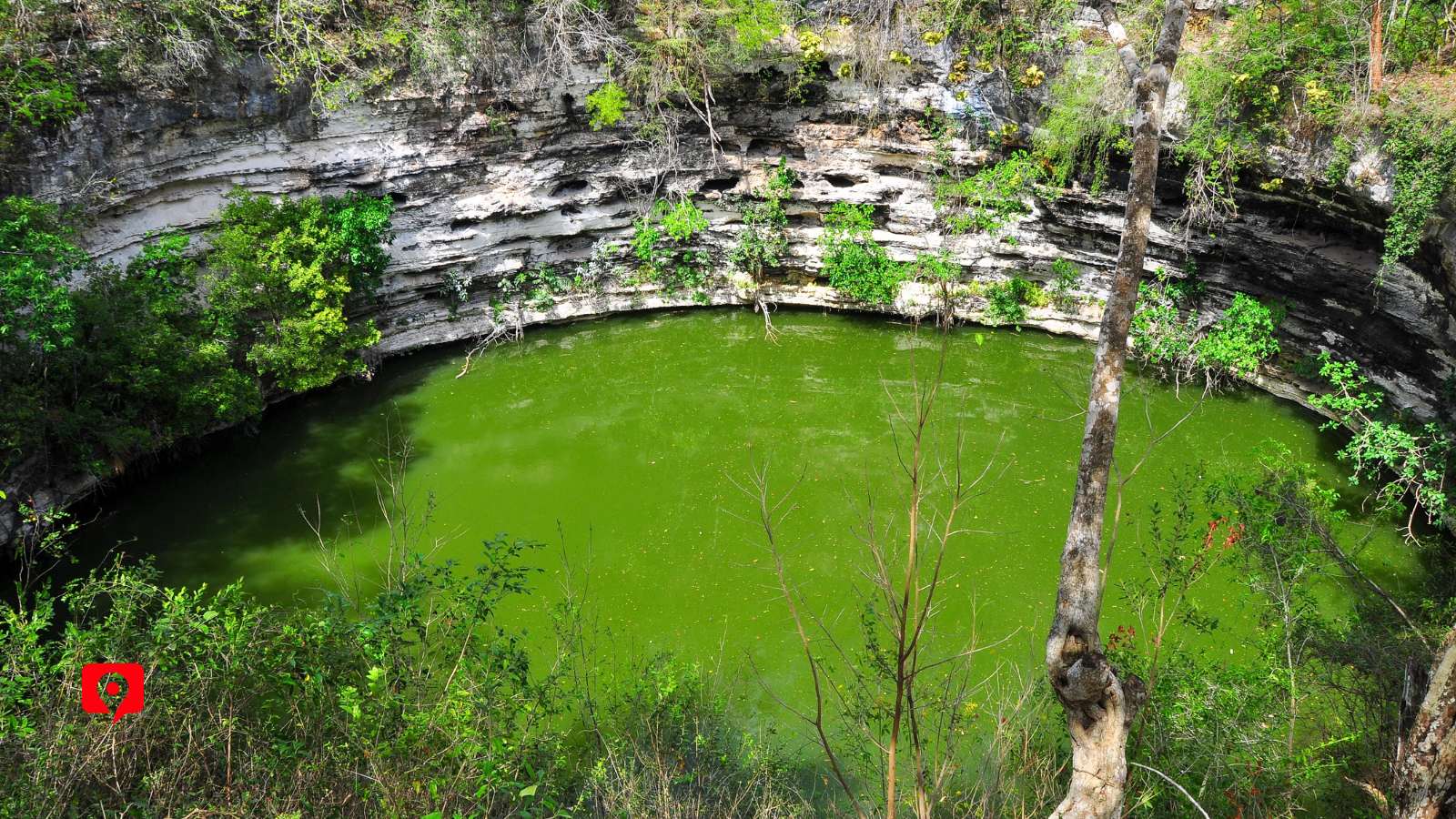
The Sacred Cenote was one of Chichén Itzá’s most important ritual sites, believed to connect the earthly world with the afterlife and home to the rain god Chaac. Excavations revealed offerings of gold, jade, shell, obsidian, and human remains, including men, women, and children. Because some items came from distant regions, archaeologists believe this was a major pilgrimage destination. To the Maya, sacrifices here ensured rain, life, and the favor of powerful gods.
Temple of the Warriors & Thousand Columns
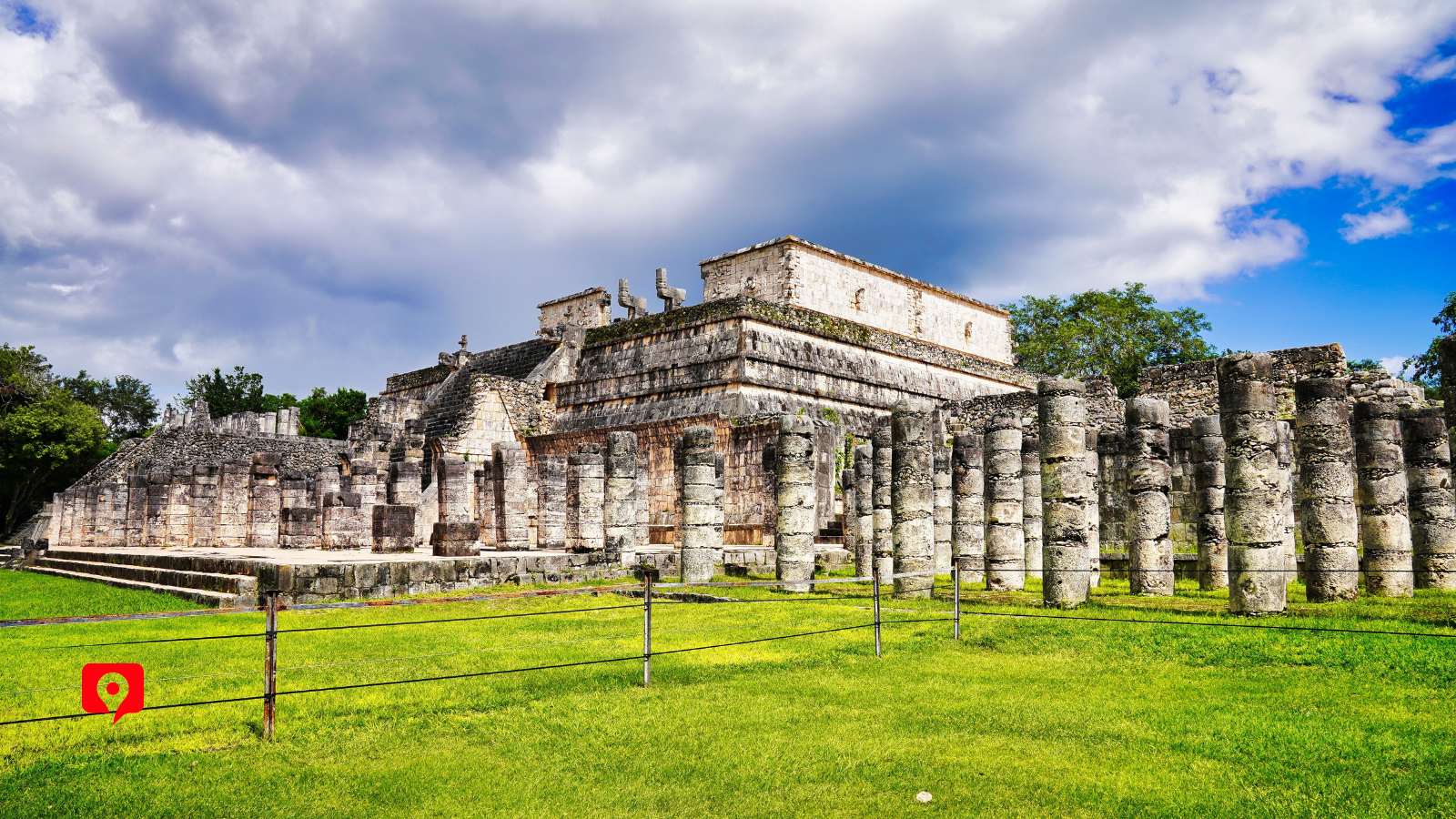
The Temple of the Warriors rises in tiers like a great stone platform, decorated with carvings of Toltec warriors and figures of Chaac and Kukulkán. A Chacmool statue—thought to be a messenger to the gods—sits at the top of the stairway. Nearby, the Hall of the Thousand Columns reveals a vast assembly area whose pillars once supported a massive thatched roof. Traces of paint, masks, and motifs show how vibrant this complex once appeared.
El Caracol (The Observatory)
El Caracol stands out with its round tower rising above a broad stone platform. From here, Maya priests tracked the sky, using narrow slits in the walls that allowed sunlight to shine through on exact days of the year. The tower also offered clear views above the dense Yucatán vegetation. Much of its design aligns with the movements of Venus—the Maya’s most important planet—guiding rituals, seasonal cycles, and even the timing of raids and warfare.
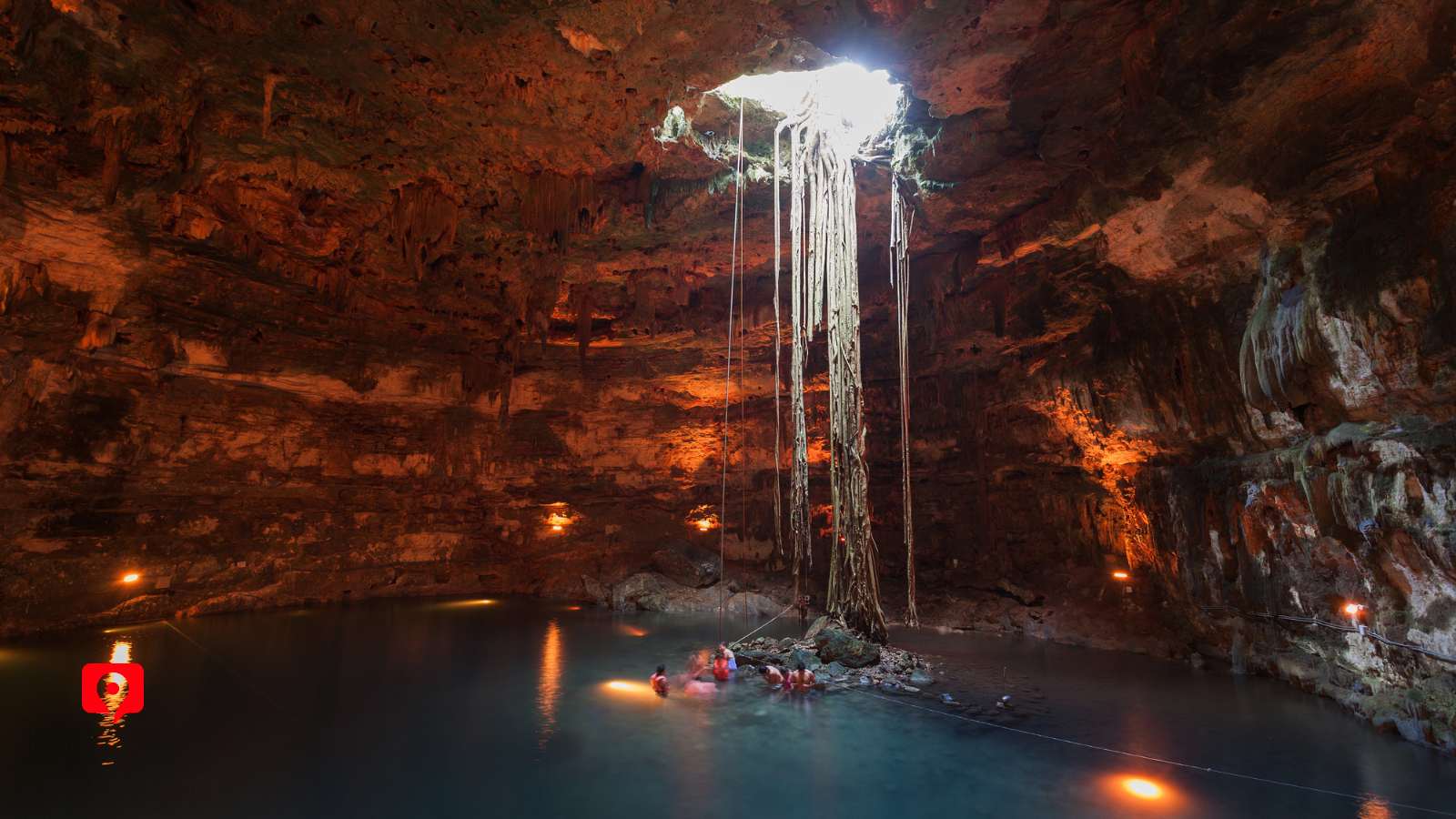
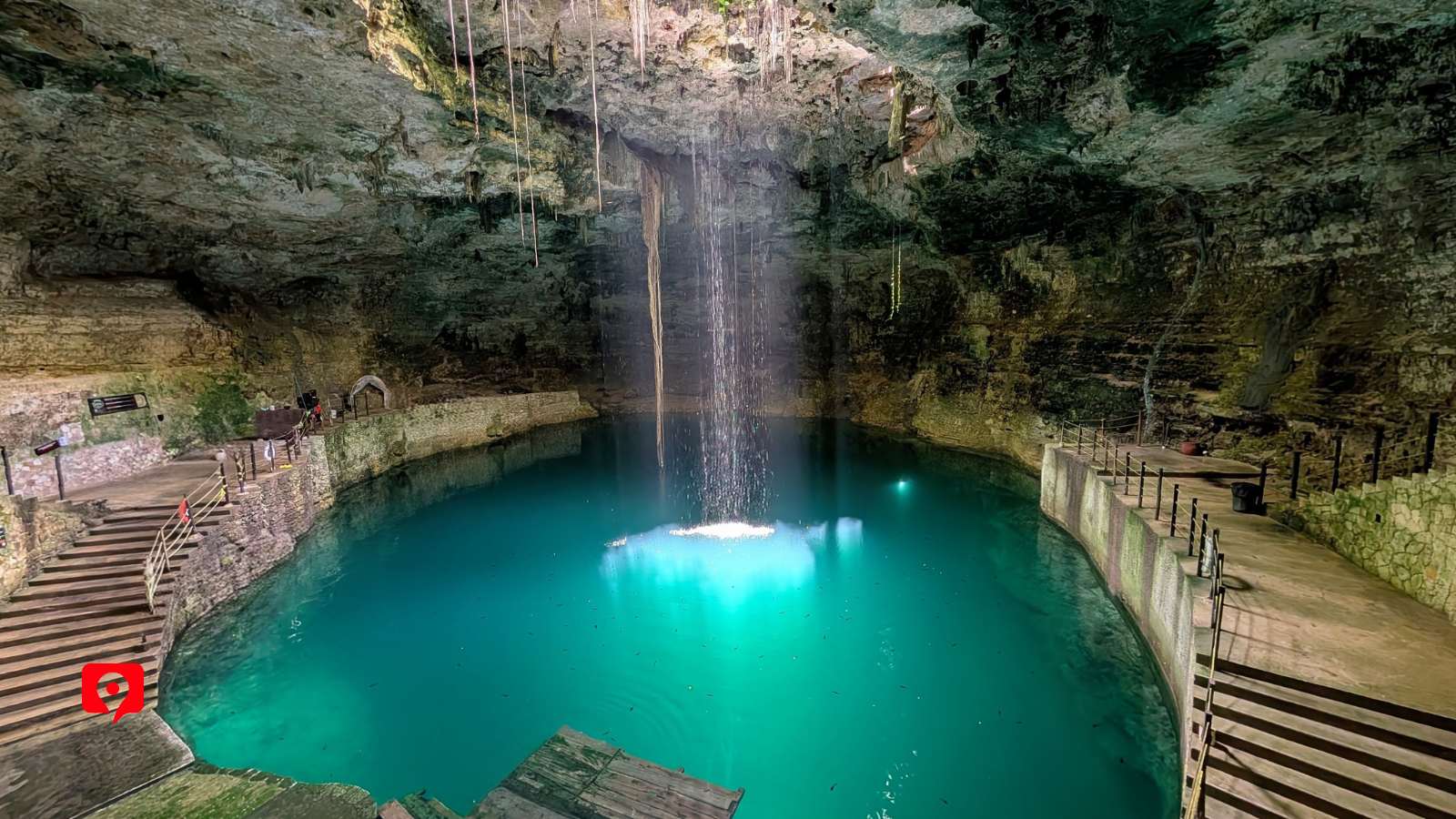
After exploring the ruins, cool off in one of the gorgeous cenotes surrounding Chichén Itzá. Cenotes like Ik Kil, Tsukán Santuario de Vida, and Cenote Sagrado Azul offer refreshing turquoise water, hanging vines, and dramatic limestone walls. Whether you prefer open-air pools or cave-like chambers with stalactites, swimming or simply relaxing by the water is one of the most memorable ways to experience the natural beauty of the Yucatán.
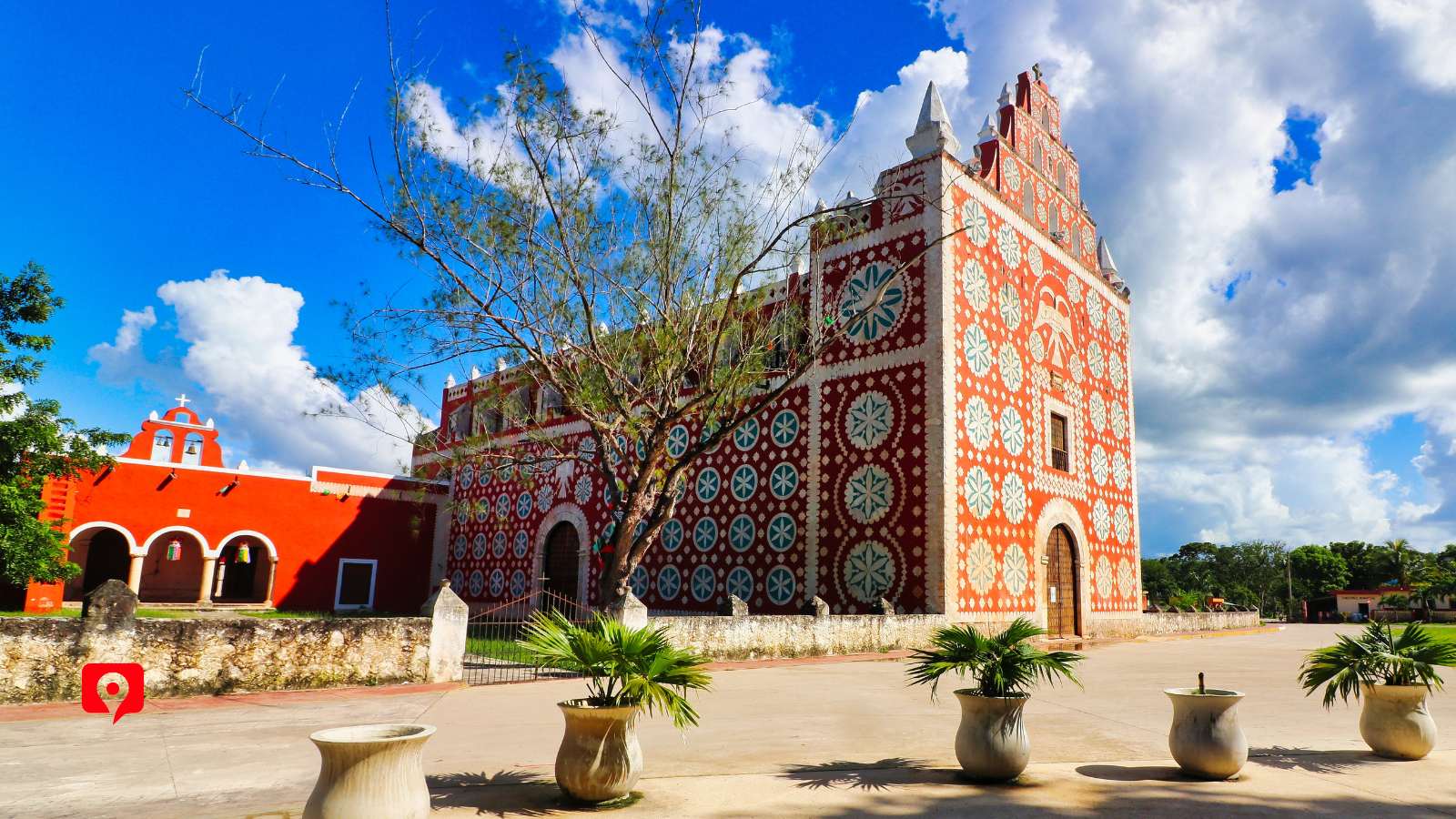
Just 40 minutes from Chichén Itzá, Valladolid is a charming colonial town filled with pastel buildings, tree-lined plazas, and historic churches. Wander the main square, visit the San Servacio Church, or explore local markets selling Maya crafts and textiles. The town also offers easy access to several cenotes, making it a great place to enjoy culture, history, and relaxation all in one afternoon.
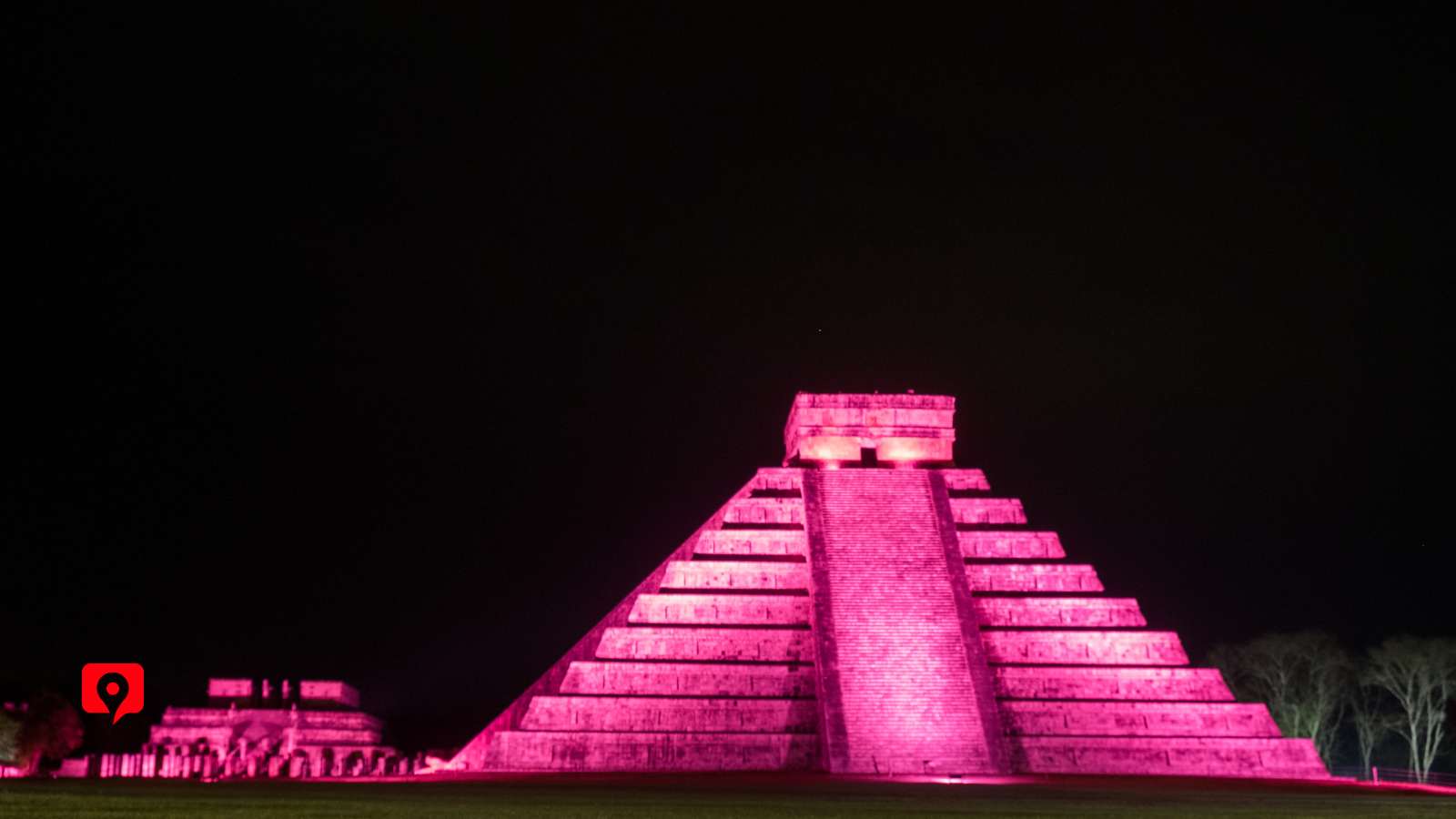
Chichén Itzá offers an evening Sound and Light Show, where El Castillo is illuminated with vibrant colors and storytelling projections that bring Maya history to life. Watching the pyramid glow under the night sky adds a magical perspective to the site. Since the show is weather-dependent and requires separate tickets, it’s worth checking availability in advance for an unforgettable nighttime experience.
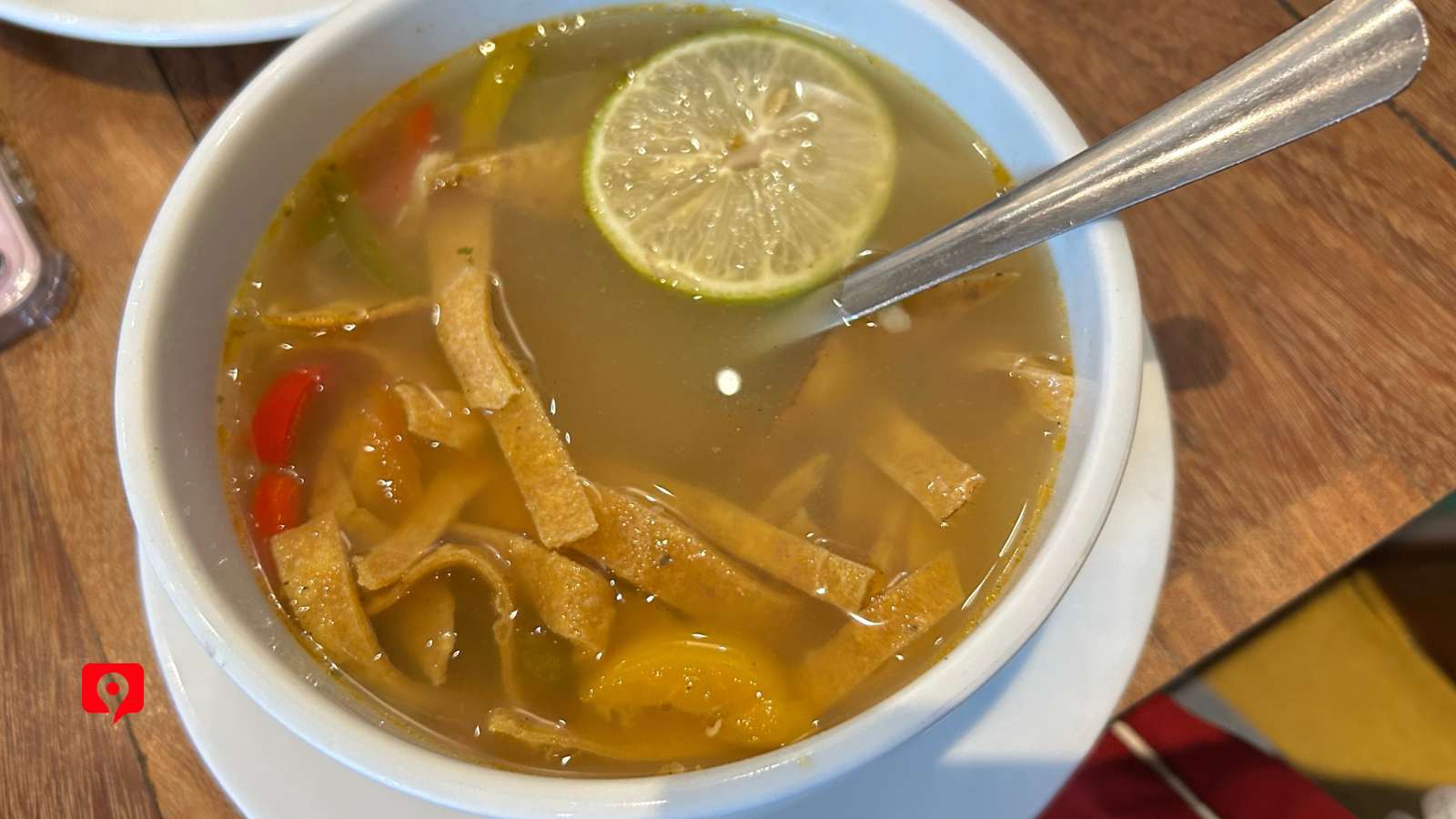
Indulge in the flavors of the Yucatán at nearby restaurants and haciendas. Dishes like cochinita pibil, sopa de lima, handmade tortillas, and chaya drinks showcase traditional Maya ingredients and cooking methods. Many restaurants near Chichén Itzá also feature garden settings or historic ambiance, making your meal a relaxing break after touring the ruins. Tasting local cuisine is a delicious way to connect with the region’s culture.

Light, Breathable Clothing: Chichén Itzá can be hot and humid, especially midday. Wear lightweight, breathable clothing to stay comfortable as you walk the large archaeological grounds.
Supportive Footwear: Expect uneven stone paths, gravel walkways, and long stretches of open plazas. Comfortable walking shoes or sturdy sandals are essential.
Sun Protection: Shade is limited throughout the site. Bring sunglasses, a wide-brimmed hat, and high-SPF sunscreen to protect yourself from strong Yucatán sun.
Reusable Water Bottle & Snacks: Hydration is key. Carry plenty of water and a few snacks, especially if you plan to visit the Sacred Cenote or explore the surrounding complexes.
Daypack: A small backpack is perfect for essentials—water, snacks, phone, camera, tickets, and a map or offline tour app.
Camera or Smartphone: Capture iconic views of El Castillo, the Great Ball Court, and surrounding jungle scenery.
Cash & Card: Bring pesos for parking, local snacks, or souvenirs. Credit cards are accepted at the ticket booth but cash is useful elsewhere.
Optional Extras: A cooling towel or handheld fan for the heat, a light rain poncho for sudden showers, electrolyte packets for hydration, and hand sanitizer since restrooms are only outside the entrance.
Travel Documents & Health Essentials: Carry your passport (if needed), travel insurance information, any required visas, and personal medications for peace of mind.