00:00

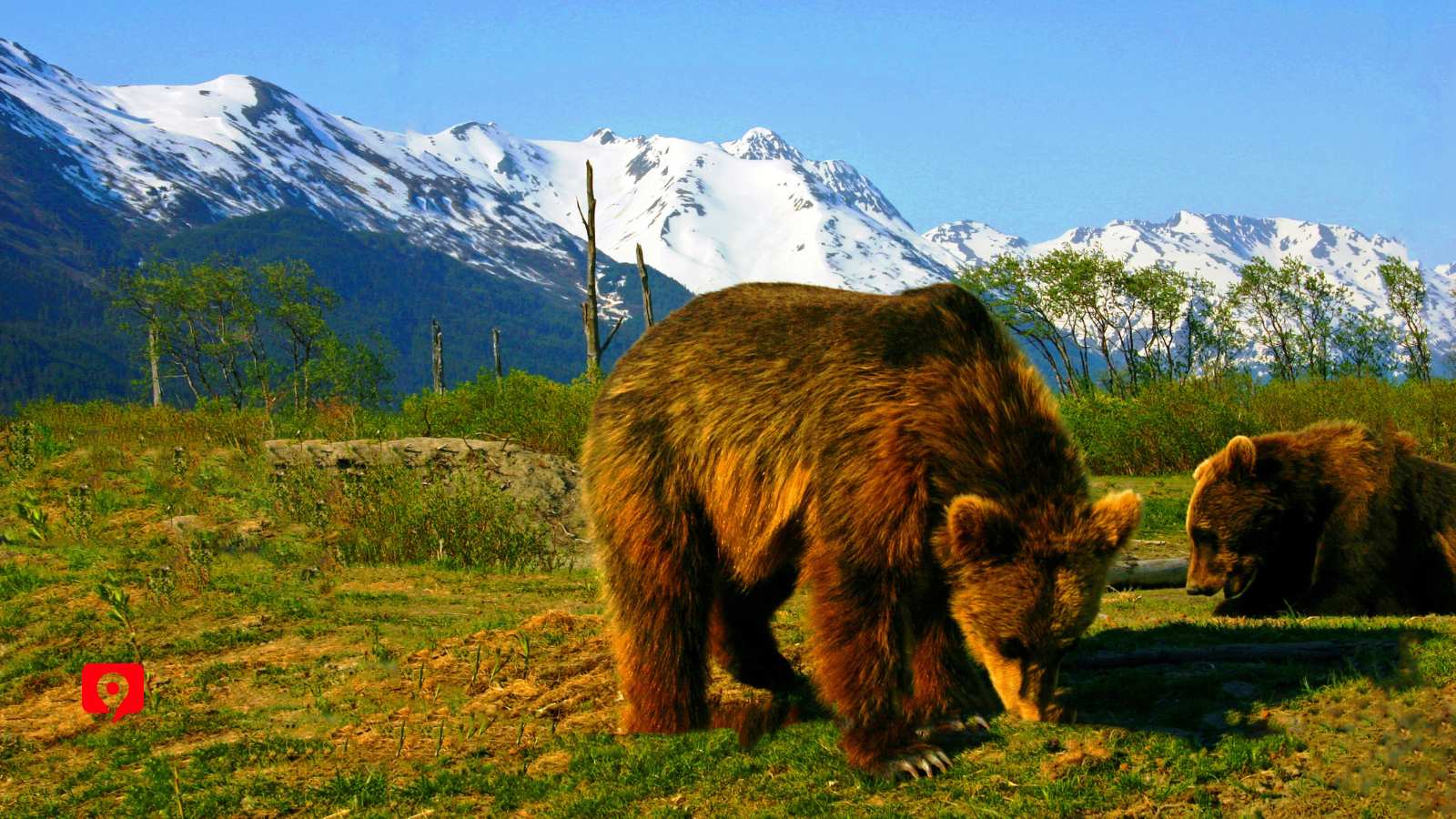
Drive one of Alaska’s most breathtaking routes, where glaciers tumble toward the sea and wildlife roam free. The Seward Highway winds between rugged mountains and the shimmering waters of Turnagain Arm, offering unforgettable views around every curve. Keep an eye out for beluga whales surfacing in the tide, Dall sheep perched high on rocky cliffs, and bald eagles soaring overhead. Every stretch of this highway feels like a postcard brought to life.
Take your time as you travel; there’s plenty to explore along the way. Wander through the glacier carved beauty of Portage Valley, where blue ice and alpine scenery steal the show. Stop at the Alaska Wildlife Conservation Center to meet rescued bears, moose, and bison in a natural mountain setting.
Whether you begin your journey in Anchorage or Seward, this drive captures the essence of Alaska’s wild heart. From snow dusted peaks to coastal fjords, the road leads you through landscapes shaped by ice, sea, and time, culminating in the awe inspiring beauty of Kenai Fjords National Park, where the mountains truly meet the sea.
The Seward Highway links Anchorage and Seward, stretching about 125 miles through Alaska’s most dramatic landscapes—where glaciers meet the sea and mountains rise straight from the water. Whether you begin in Anchorage, the bustling gateway city, or Seward, a picturesque port town, this scenic route is unforgettable.

Ted Stevens Anchorage International Airport (ANC) is Alaska’s main airport and the most common entry point for visitors. From Anchorage, it’s about a 2.5-hour drive to Seward along the Seward Highway. Seward Airport (SWD) serves small aircraft and charter flights, but most travelers fly into Anchorage before continuing by road, shuttle, or train.
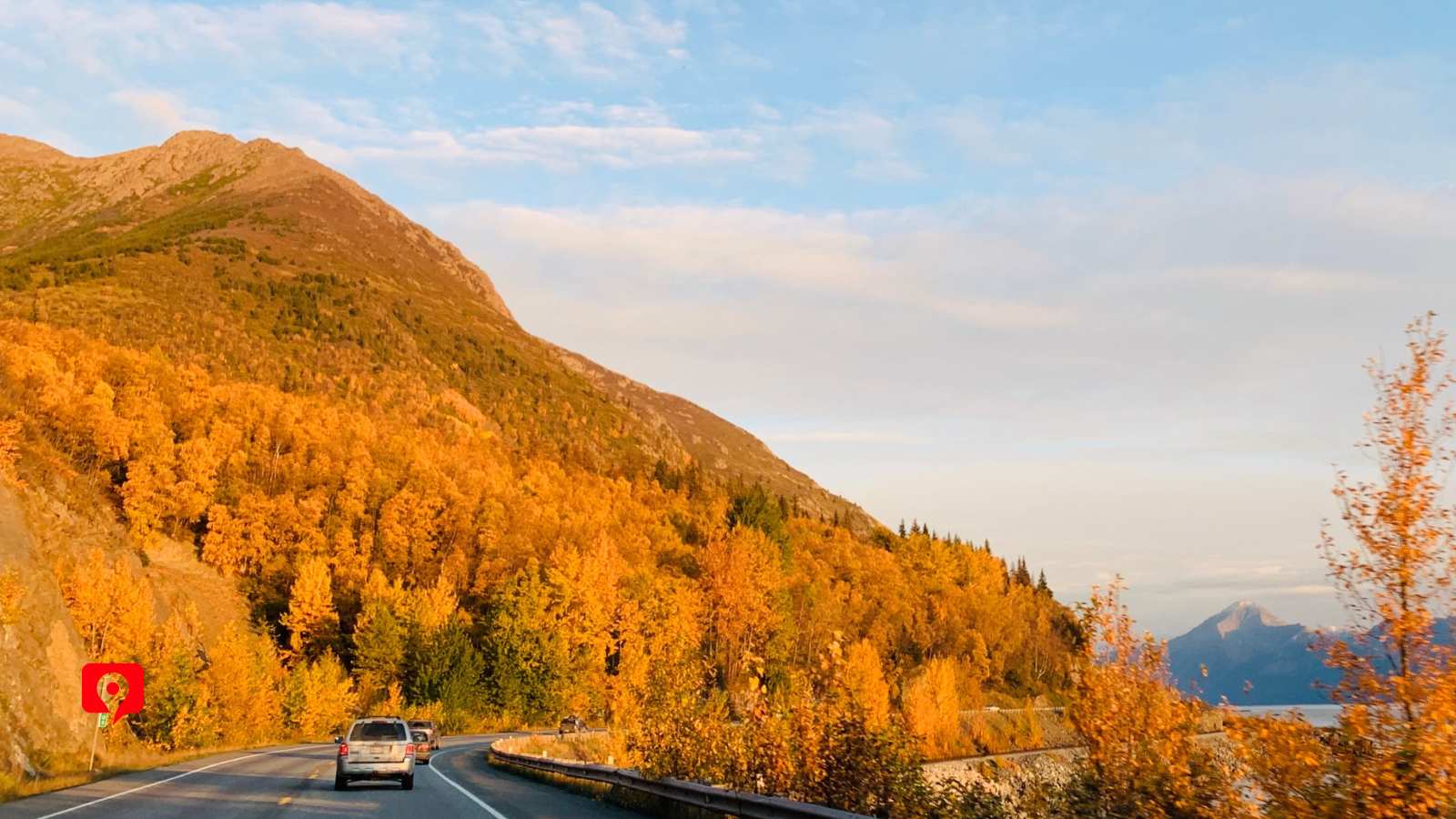
Driving offers the most flexibility for exploring at your own pace. Car rentals are available in both Anchorage and Seward, and several shuttle companies operate daily between the two towns during the summer.
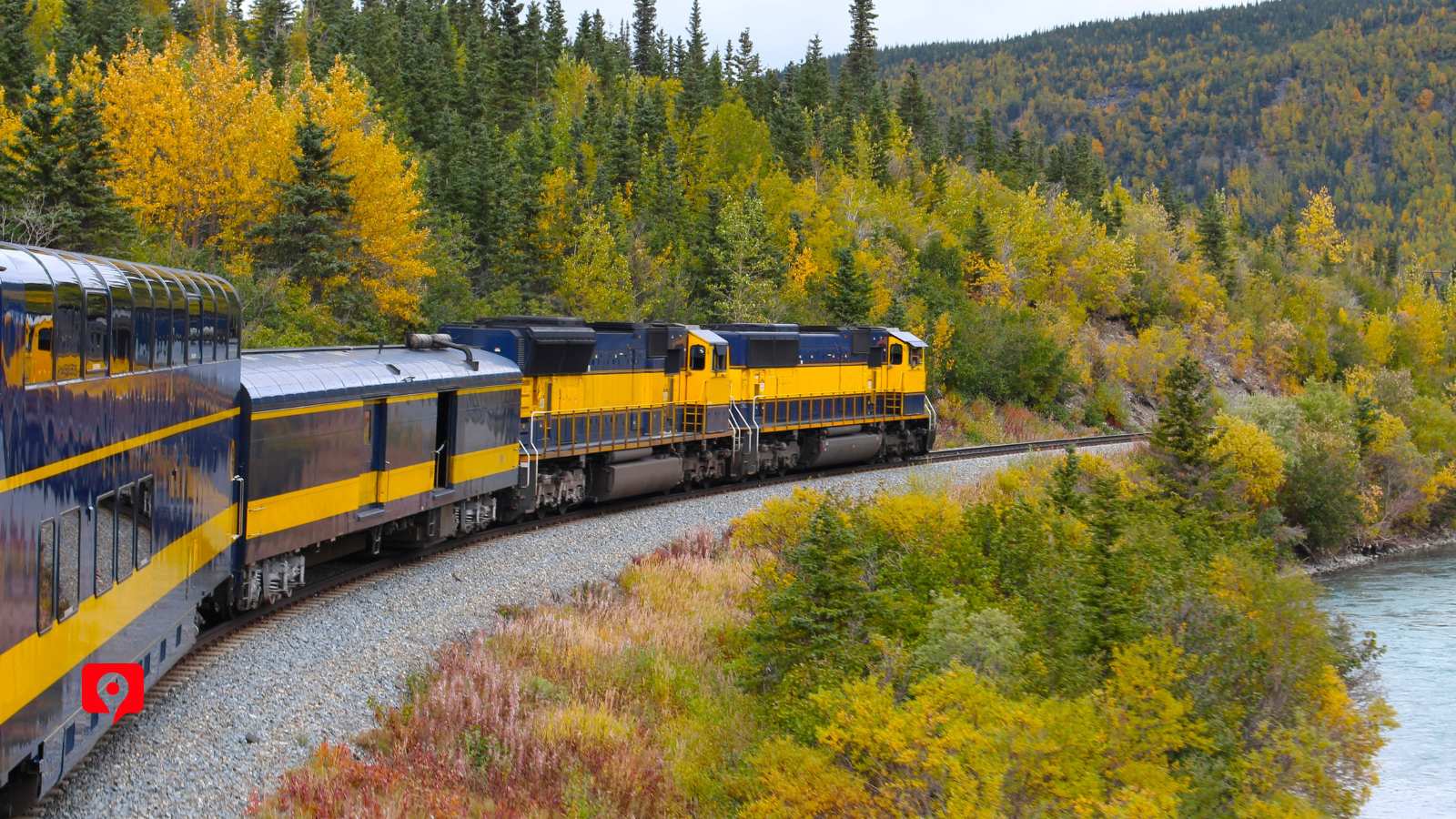
The Alaska Railroad’s Coastal Classic provides a spectacular ride between Anchorage and Seward from mid-May through mid-September. The train winds through glacier valleys, over rushing rivers, and along the scenic Turnagain Arm—an experience in itself.
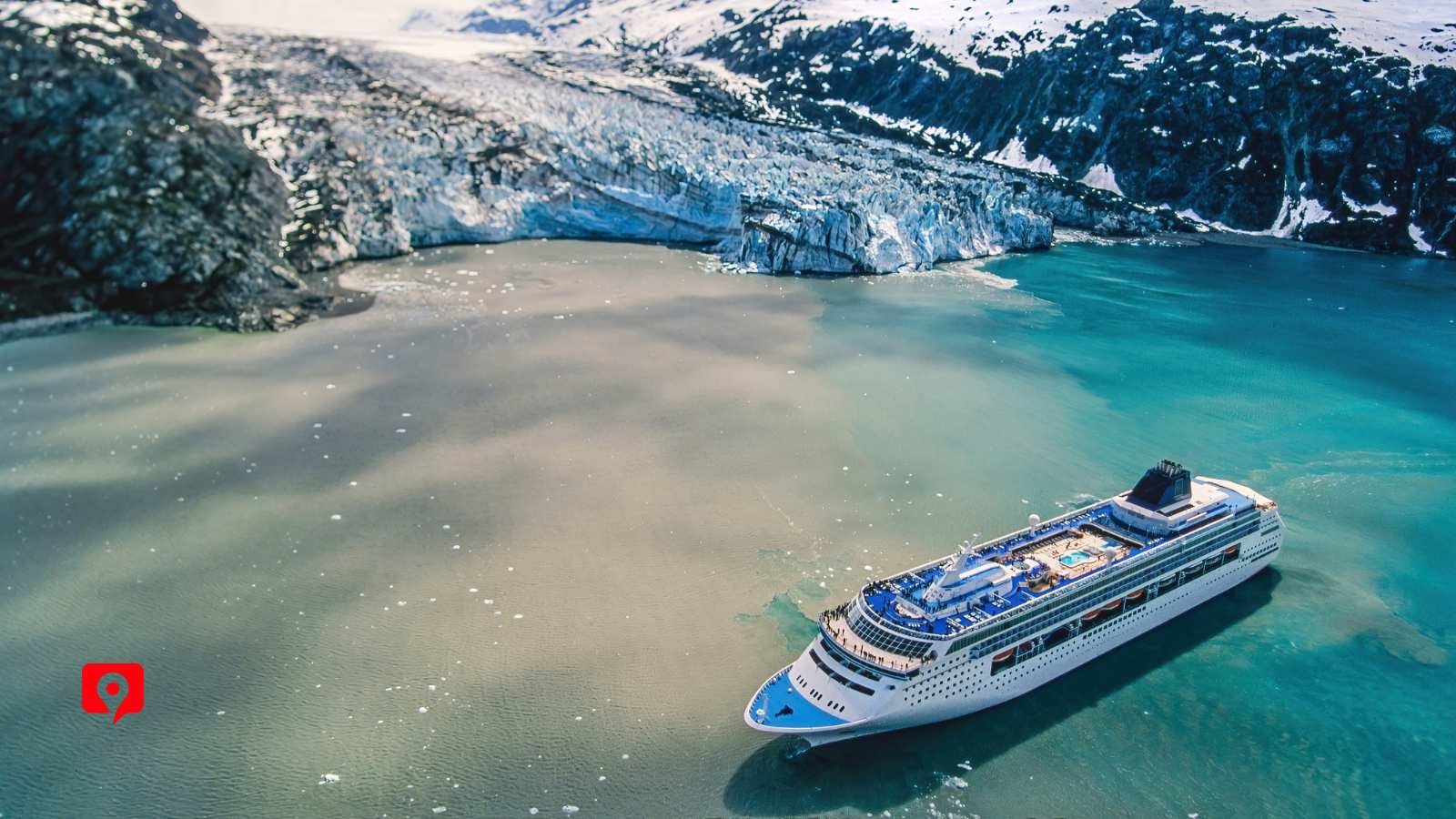
Seward is a popular port of call for many Alaska cruise itineraries, connecting visitors to ports along the Inside Passage. Small-ship cruises and local water taxis also operate in Resurrection Bay, offering access to Kenai Fjords National Park.
Getting Around
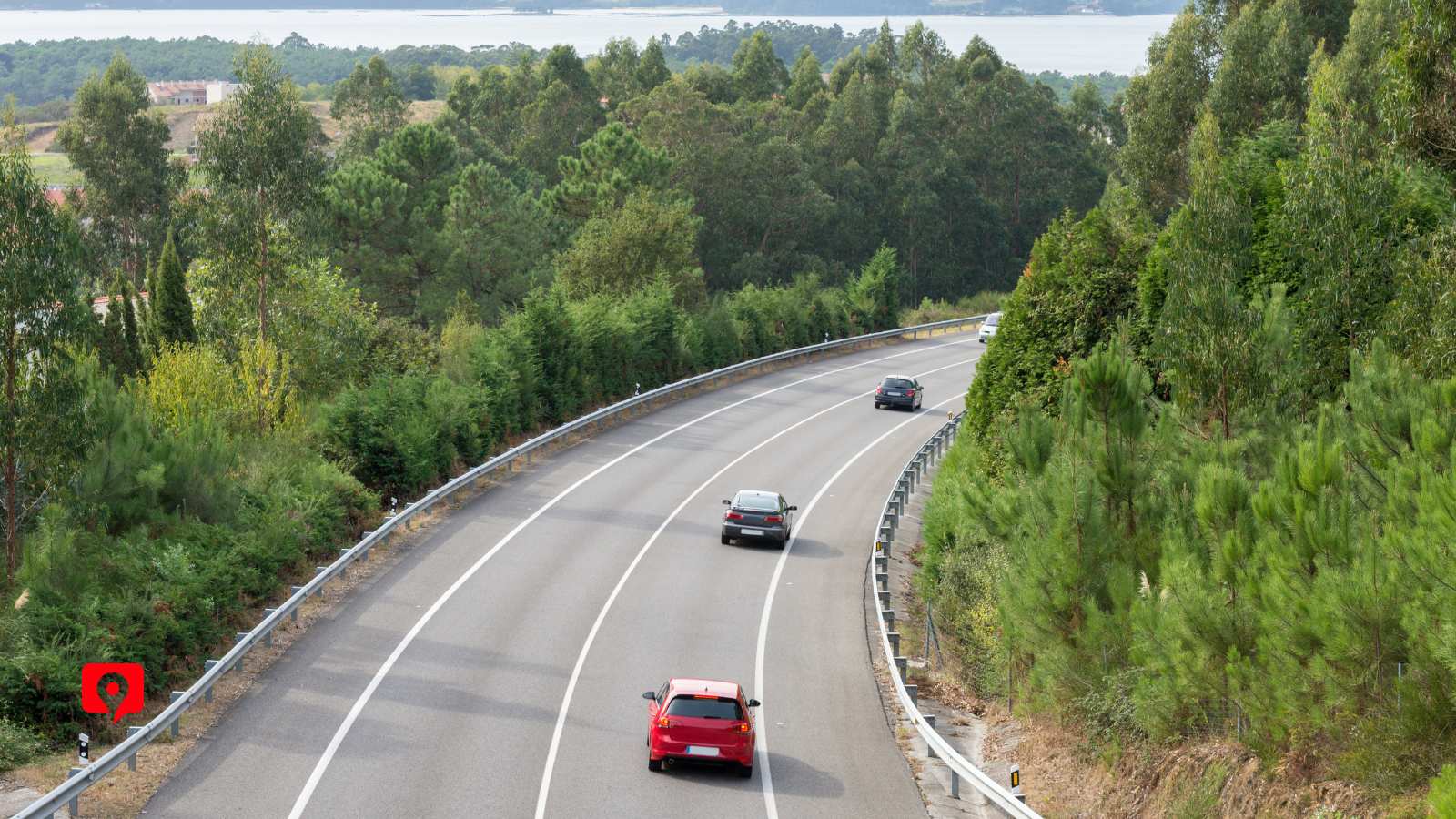
A car is the best way to experience the full beauty of the Seward Highway and explore nearby trails, lakes, and viewpoints. Once in Seward, many attractions—like the harbor, the Alaska SeaLife Center, and downtown shops—are easily walkable or bikeable. Sightseeing and wildlife cruises are also a great way to experience the coastline and fjords from the water.
There’s no fee to drive the Seward Highway itself, and most stops along the route are free to explore. Pulling over at scenic viewpoints like Beluga Point, Bird Point, or Turnagain Pass is free, but keep in mind that parking at Alaska state recreation sites may carry a day-use fee per vehicle. If you plan to visit often, an Alaska State Parks annual pass is available.
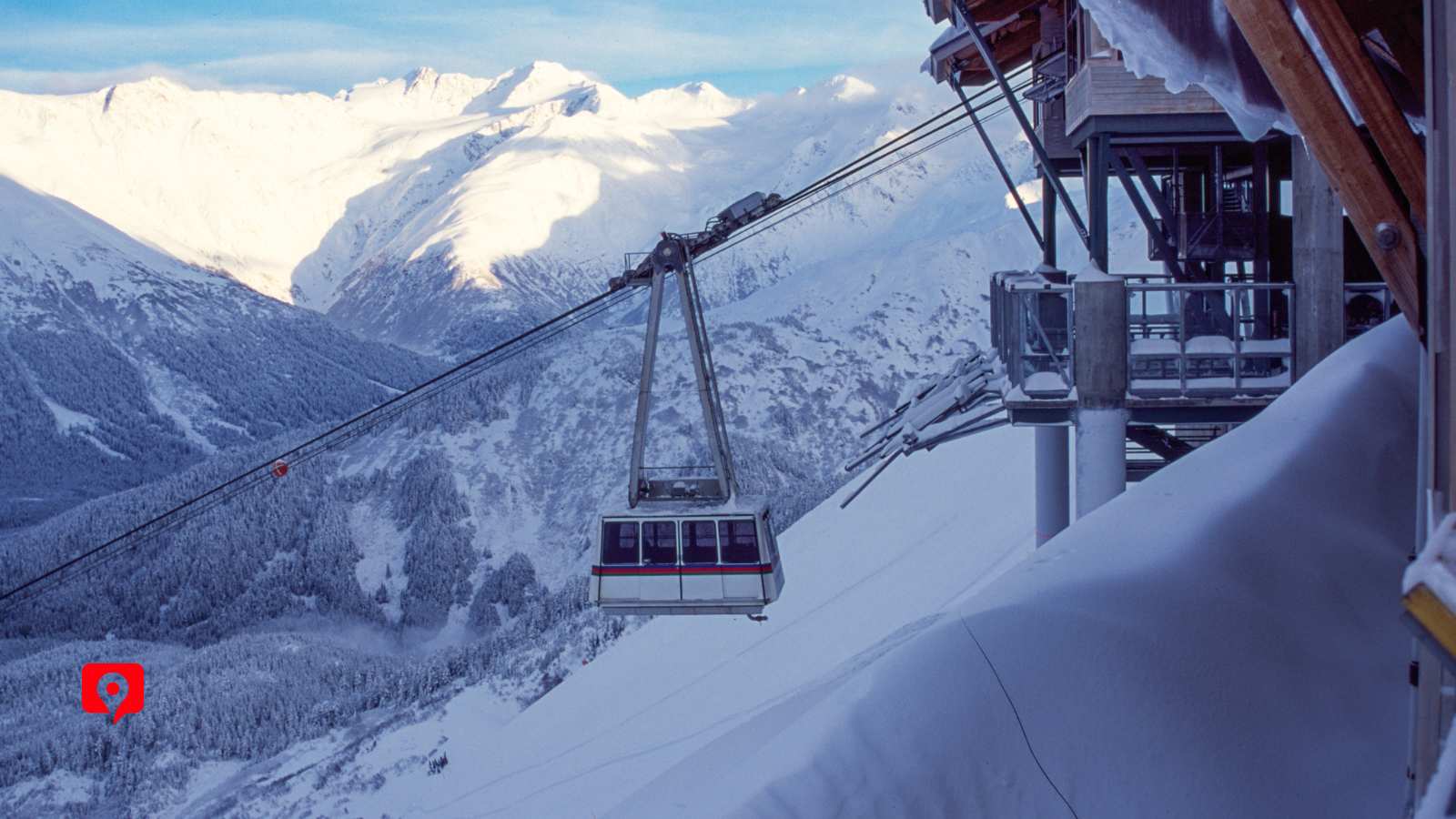
Some attractions along the way charge modest fees. Visit the Alaska Wildlife Conservation Center or the Alyeska Aerial Tram in Girdwood to learn about pricing and availability. Kenai Fjords National Park does not charge for entry, parking at Exit Glacier, or hiking the trails, though guided glacier hikes and boat tours require advance reservations and may carry fees, especially in summer. See the National Park Service fees page for the latest information.
No advance permits are required for the highway or most trails, but always check the Alaska Department of Parks and Outdoor Recreation or National Park Service websites for seasonal updates.
Along the Anchorage to Seward route, you’ll find a variety of lodging options to suit every traveler’s style and schedule. Anchorage offers a range of accommodations, from full-service hotels and boutique lodges to cozy bed-and-breakfasts, making it a convenient base for exploring the city before heading south. Staying in Anchorage also gives you easy access to rental cars, groceries, and last-minute gear.
Further along the highway, Girdwood is a great stop for those who want to be closer to the mountains. This small resort town is home to the Alyeska Resort, offering ski-in/ski-out lodging, spa services, and fine dining. It’s also a perfect place to unwind after a long day of driving or sightseeing.
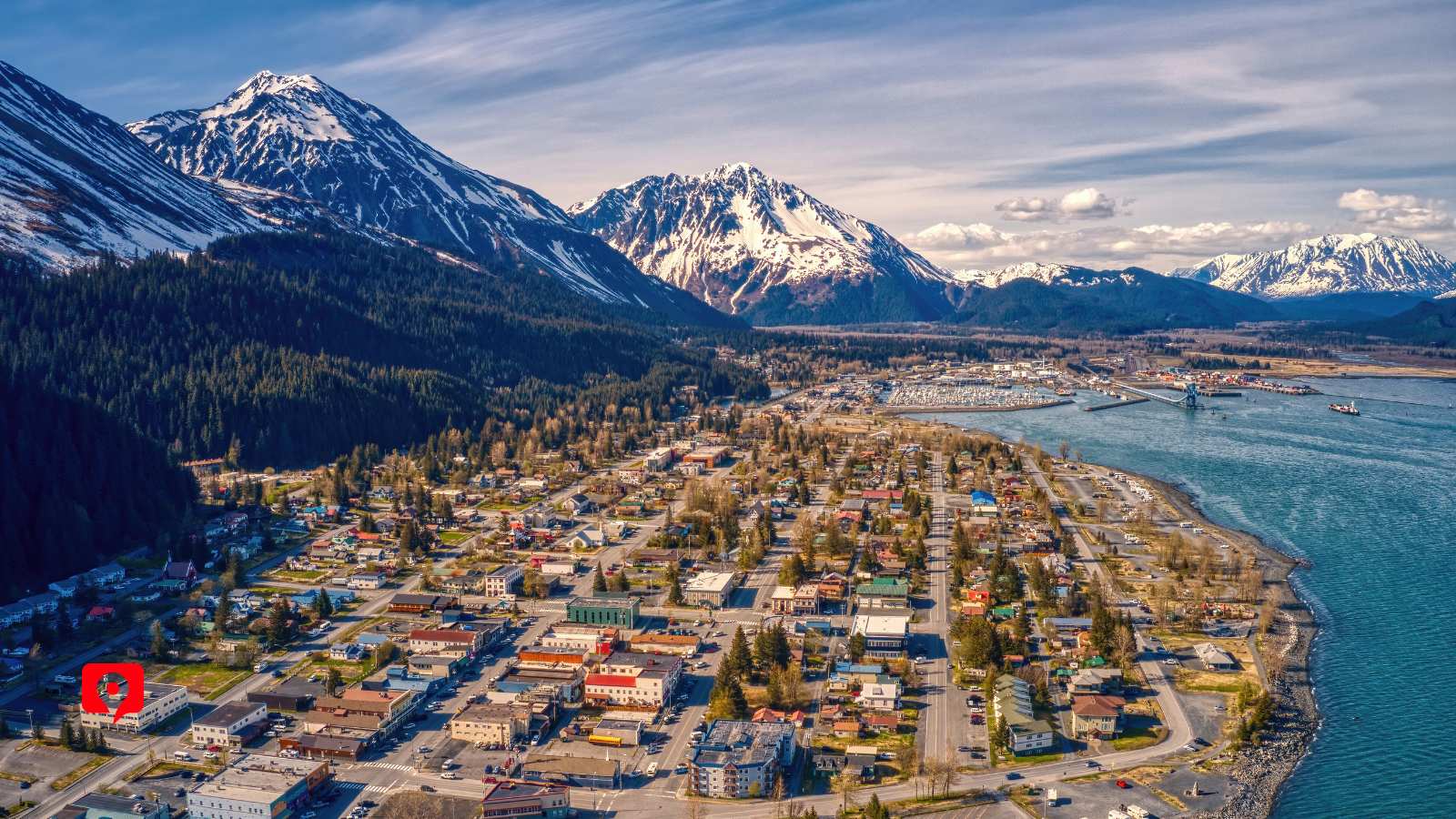
In Seward, you’ll find charming inns, waterfront lodges, and vacation rentals that put you close to the harbor and the trailheads of Kenai Fjords National Park. Staying here is ideal if you plan to take a day trip into the park, go kayaking, or join a wildlife or glacier cruise.

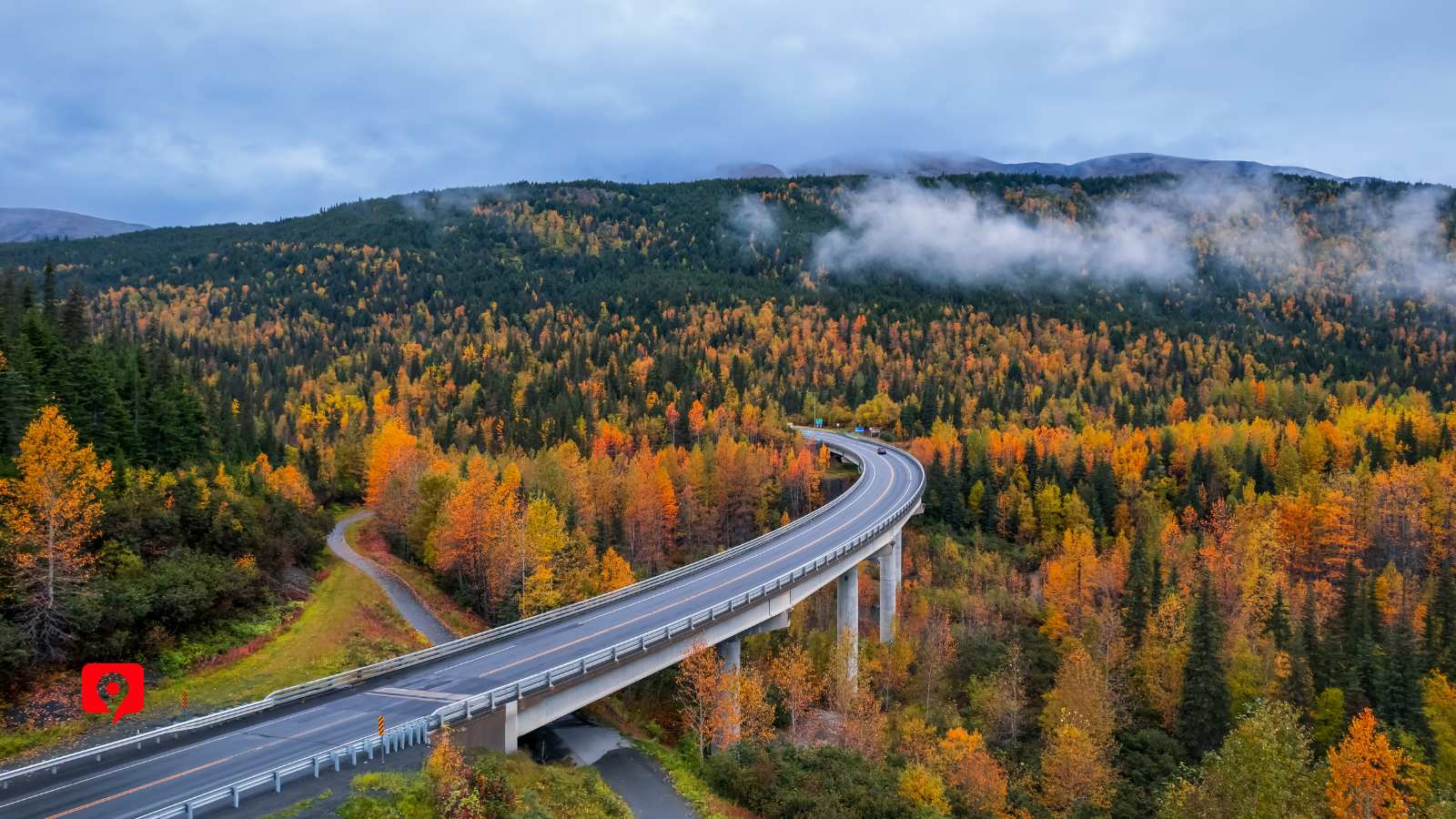
The best time to drive the Seward Highway and explore Kenai Fjords National Park is from late spring to early fall (May–September), when the weather is milder, the days are longer, and the scenery is at its most spectacular.
Spring (May–June): Snow is melting, rivers and waterfalls are full, and wildlife becomes more active. This is a quieter time on the highway and at popular stops like the Alaska Wildlife Conservation Center, Beluga Point, and Exit Glacier, perfect for photography and peaceful hikes.
Summer (July–August): The warmest and sunniest months bring long daylight hours and excellent conditions for glacier cruises, kayaking, and wildlife viewing. Expect increased visitor numbers at scenic viewpoints and park areas, so plan accordingly.
Fall (September–October): Cooler temperatures and thinning crowds make for a more relaxed experience along the highway and in Seward. Autumn colors appear in the forests and tundra, offering dramatic scenery for photographers and hikers.
Winter: The off-season is quieter, but snow and icy conditions can make parts of the highway challenging. Many tours, attractions, and services may be limited or closed during this period.
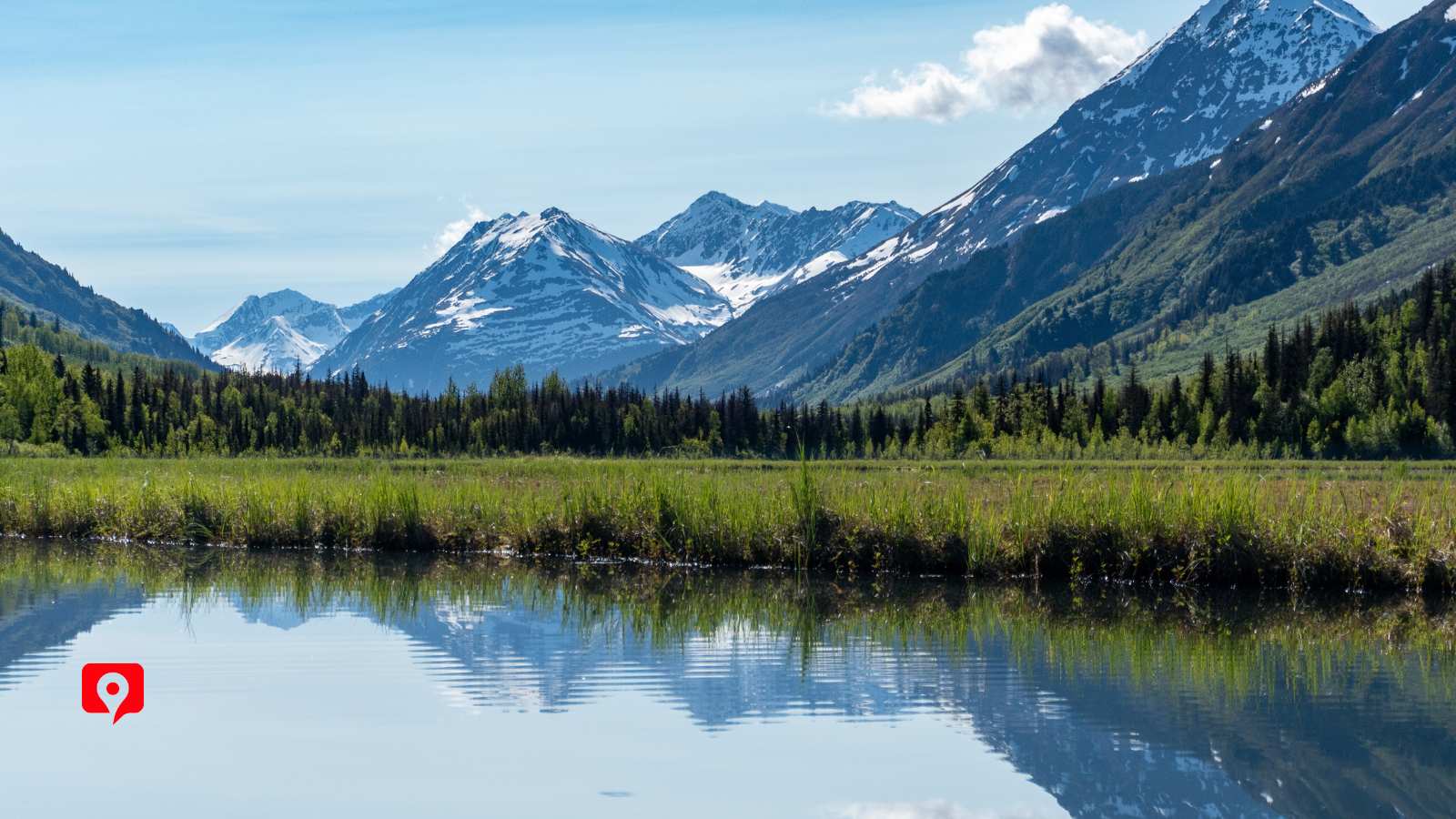
A full day is the minimum if you want to enjoy the highlights along the Seward Highway, from the wildlife and scenic viewpoints to the glaciers and Kenai Fjords National Park. The drive itself takes about 4 to 5 hours one way without stops, but there’s so much to see along the way that you’ll want to plan for plenty of extra time.
For a more relaxed experience, consider spending two days. This allows you to take short hikes, visit the Alaska Wildlife Conservation Center, explore Portage Valley, and spend a few hours in Seward itself. If you want to experience Exit Glacier, boat tours into Kenai Fjords, or other outdoor adventures, add another half or full day.
If you’re starting in Anchorage, you can break up the drive with scenic stops like Beluga Point, Turnagain Pass, and Bird Point. Coming from Seward, take your time to enjoy the coastlines, mountains, and viewpoints along the highway. Regardless of your route, the key is not to rush—the journey is just as spectacular as the destinations.
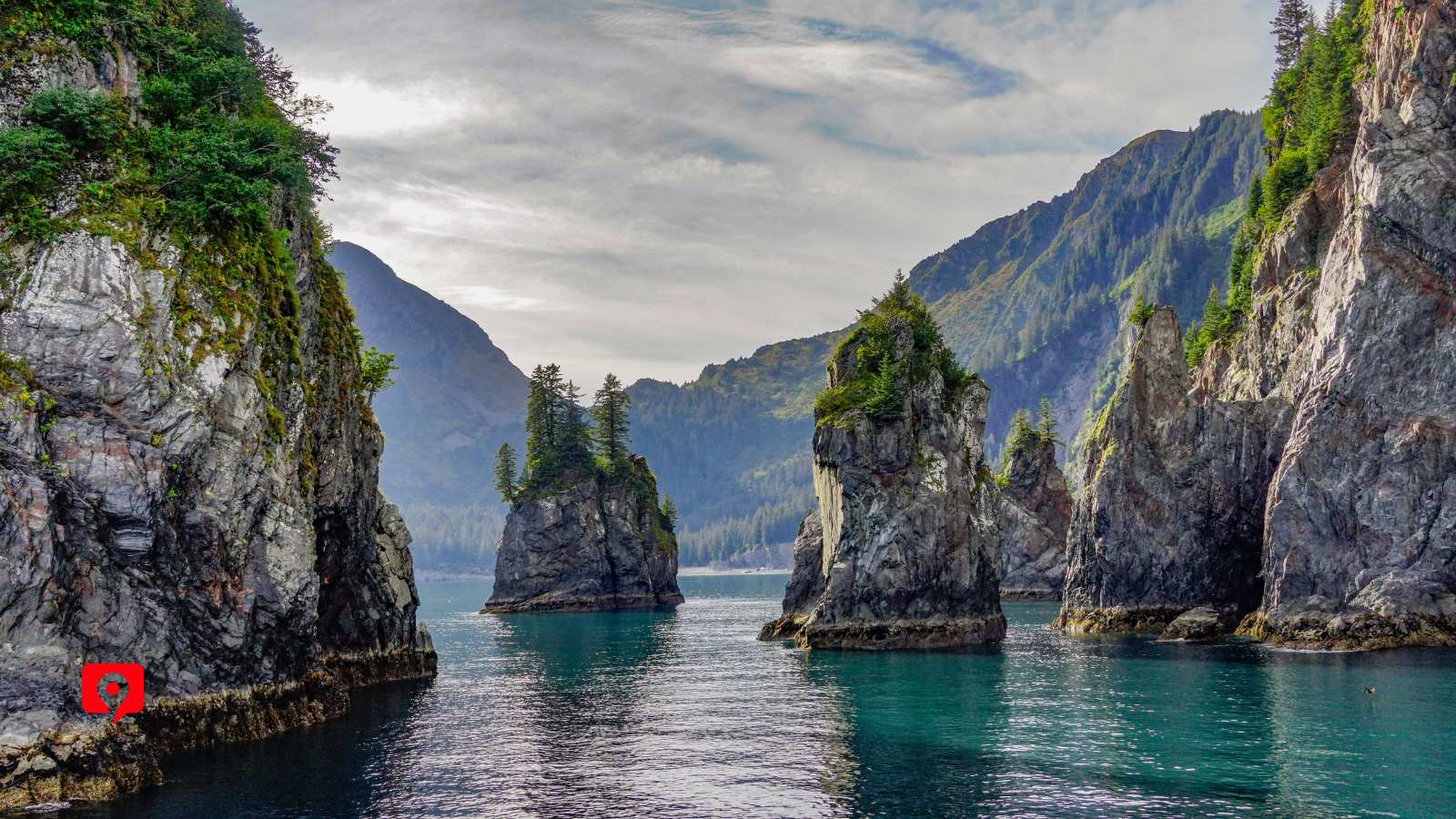
The Seward Highway is undeniably one of Alaska’s most stunning drives, but some spots can get pretty busy—especially in the summer months. Beluga Point, Turnagain Pass, and the Alaska Wildlife Conservation Center tend to attract the most visitors during peak hours. For a more peaceful experience, try hitting these places early in the morning or later in the afternoon, when wildlife is often more active and the viewpoints feel a little more serene.
Weekdays are usually quieter than weekends, and avoiding major holidays can make a big difference if you want open parking and unobstructed views. If Kenai Fjords National Park is on your list, consider booking boat tours or ranger-led activities in advance, or explore Exit Glacier during off-peak hours.
Don’t rush past the smaller pullouts or lesser-known stops along the highway—they often offer gorgeous, crowd-free views and a chance to truly soak in Alaska’s untamed beauty. With a little patience and timing, even a busy highway can feel like your own private adventure.
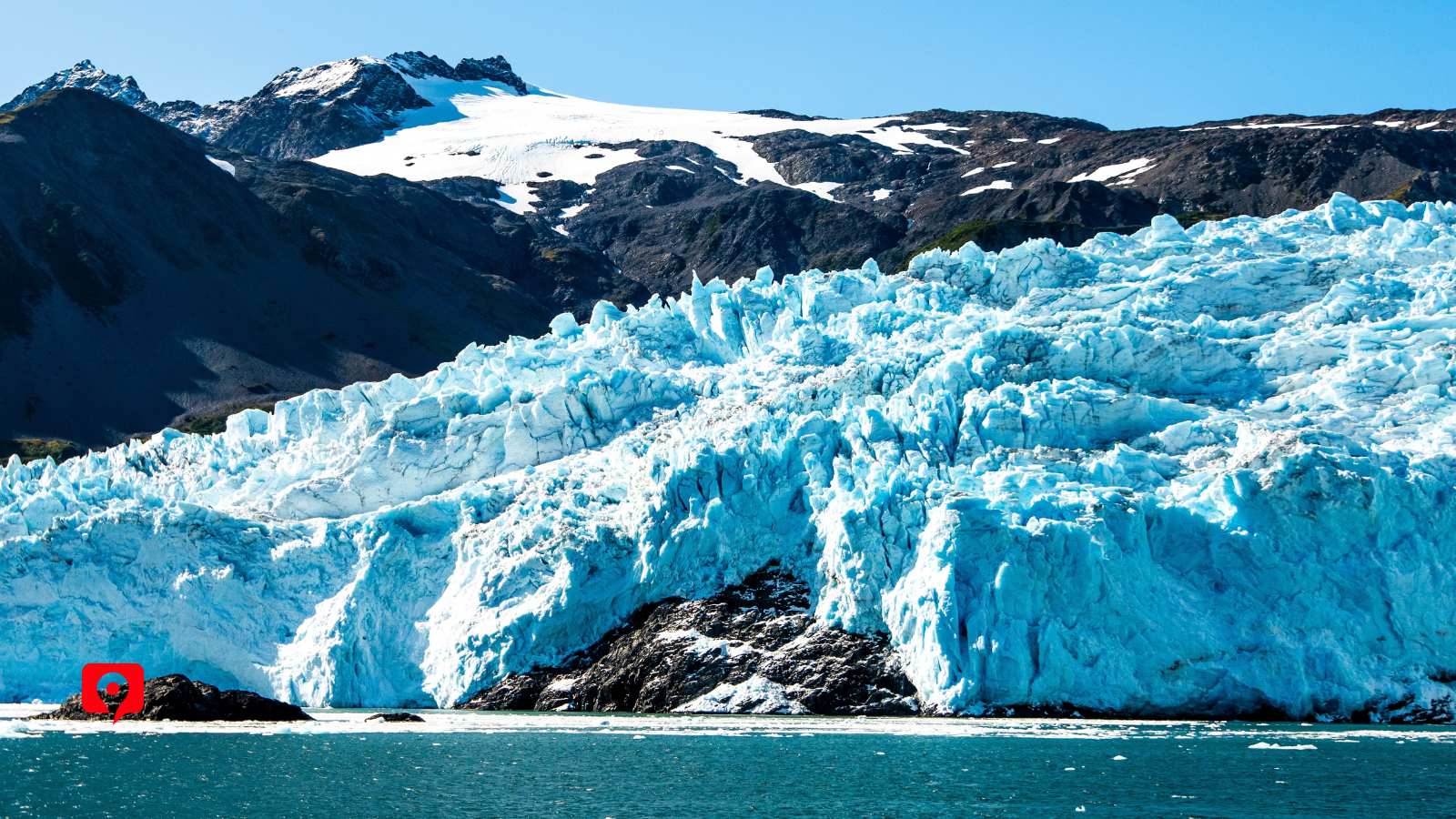
Beluga Point is one of the area’s best wildlife-watching spots, named for the beluga whales often seen here in mid-July through August. These small, white whales follow the salmon runs, using echolocation to navigate the churning waters and find fish. They’re also the only whales that can bend their necks—one of their most unique traits. Though this population is endangered, summer visitors still have a good chance of spotting a flash of white or a quick blowhole spray.
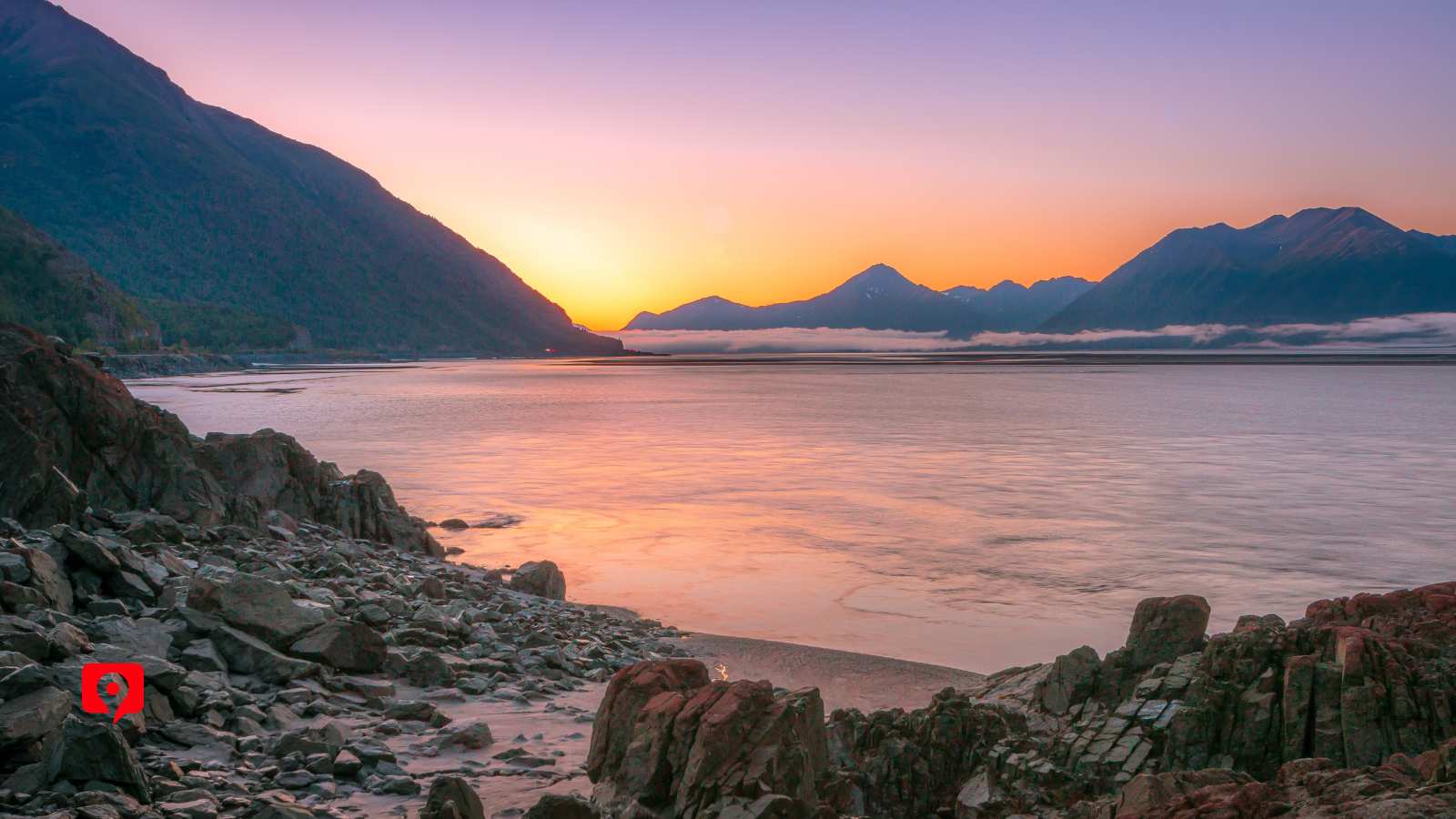
Bird Point is a worthwhile stop. The viewpoint features beluga whale sculptures, wildlife watching telescopes, and access to the Bird to Gird bike trail. It’s also a surprising treat for geology fans. The rocks here hold clear striations, grooves and channels carved by the glaciers of the last ice age, providing an up close look at the forces that shaped this coastline. It’s a compact stop with plenty to notice.
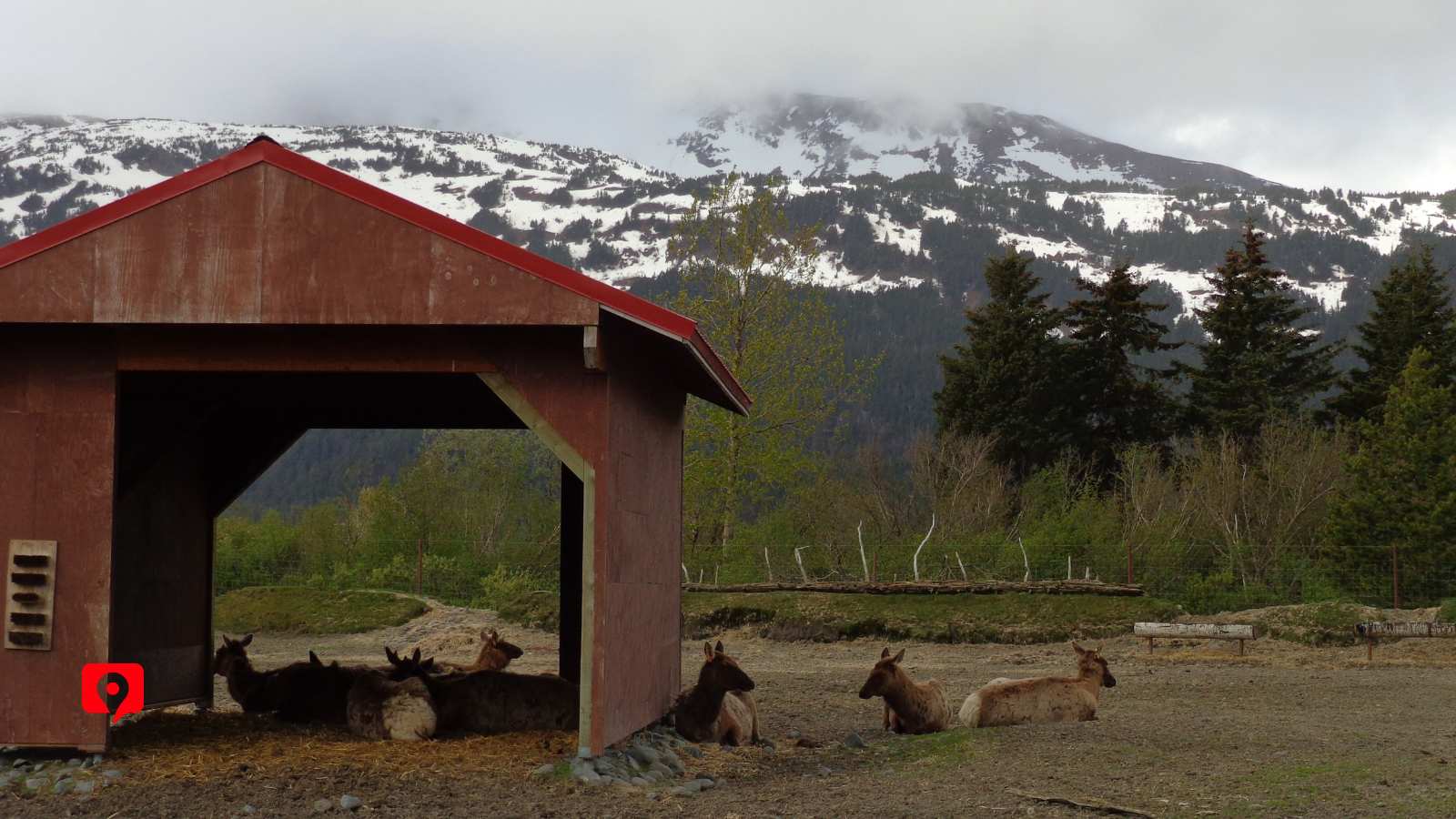
This sanctuary is home to Alaska’s rescued wildlife, including bears, moose, bison, and musk oxen. It’s an intimate way to see animals you might never encounter in the wild. Rangers often share stories about each animal’s journey, making your visit both educational and entertaining. Boardwalks and viewing areas bring you safely close, and it’s a fun stop for families or solo travelers alike. Whether admiring a moose munching leaves or a bear stretching in the sun, it’s pure Alaskan magic.
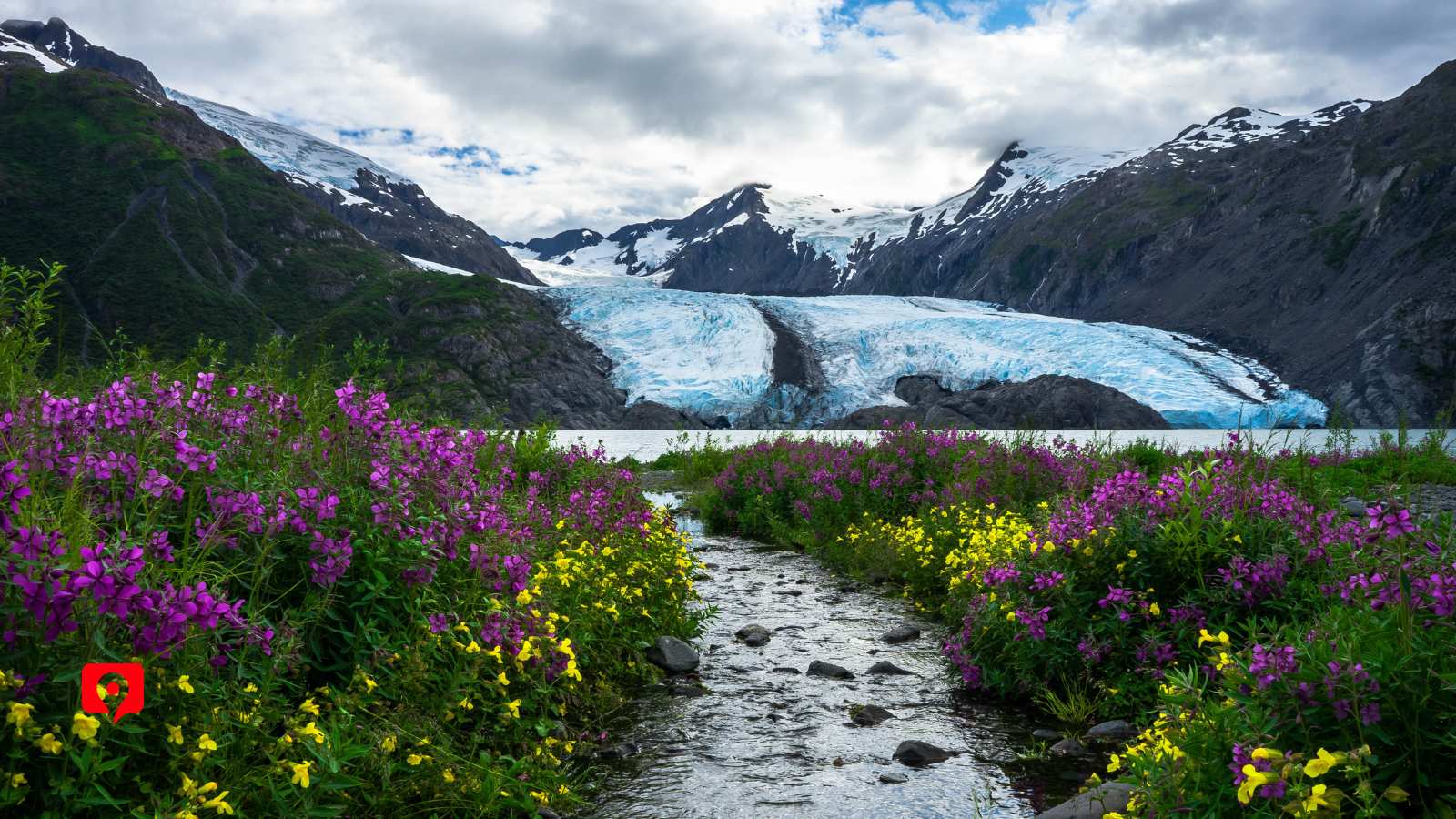
This glacier-carved valley offers sweeping views of mountains, forests, and icy waters. Drive slowly along the winding road to catch glimpses of the Portage Glacier from afar, framed by evergreen forests. Hiking trails lead into the valley for those wanting to explore further on foot. Birdwatchers and photographers will especially love the quiet spots along the river, where reflections of the towering peaks shimmer in the water. The scenery here perfectly sets the stage for the glaciers ahead.
As you follow the Resurrection River, notice how it fans into braided channels, a signature of glacial landscapes. Crossing or walking alongside the river offers views of icy waters rushing past boulders and gravel bars. Adventurous hikers can explore the Resurrection River Trail, where thick forests and streams await. The mix of spruce, alder, and willow along the path tells a story of a landscape shaped by glaciers, wildlife, and time. Even a short stop here is rewarded with dramatic natural beauty.
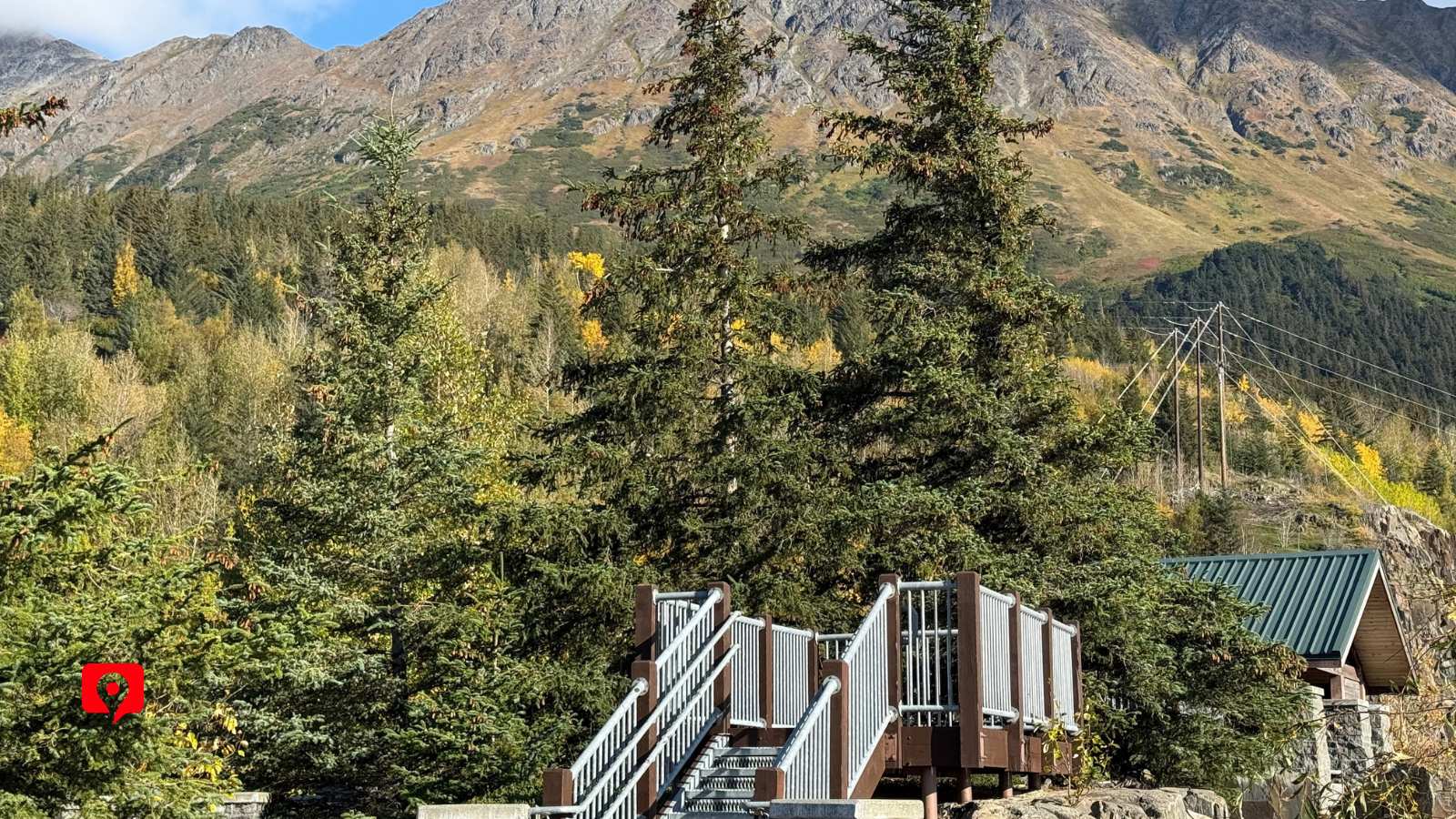
The tram whisks visitors up Mount Alyeska, revealing sweeping views of the Chugach Mountains, Turnagain Arm, and distant glaciers. At the summit, walking trails and observation decks let you absorb the grandeur of Alaska without hours of climbing. Skiers in winter and hikers in summer alike enjoy this aerial shortcut to pristine alpine scenery. Even if you skip a ride, the Girdwood area offers charming shops, restaurants, and trails. It’s an easy way to experience Alaska’s high-country beauty.

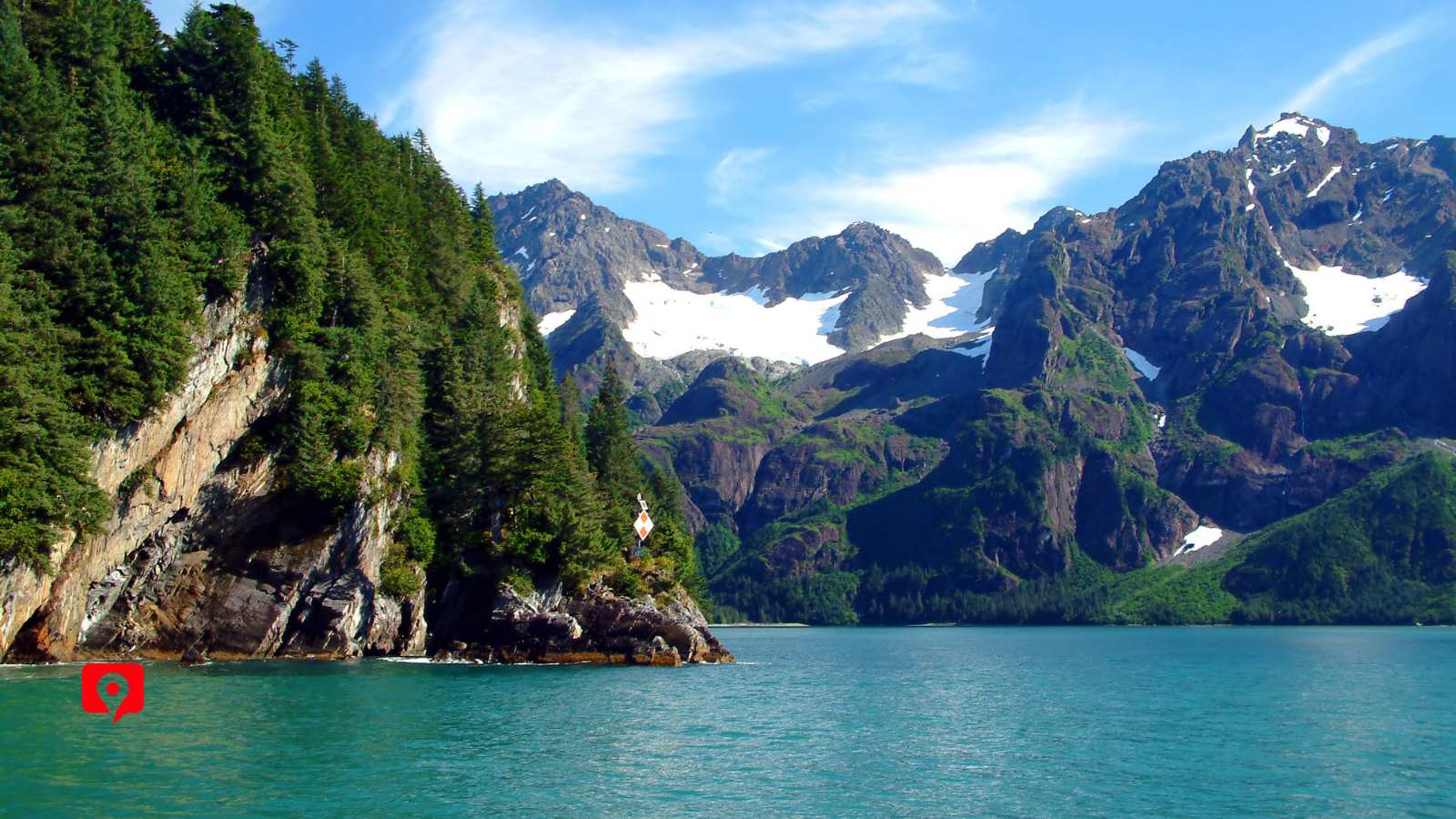
Kenai Fjords National Park is where Alaska’s mountains meet the sea, featuring dramatic fjords, glaciers, and rich wildlife. Humpback whales, sea otters, and puffins are common sights in its nutrient-rich waters. Trails like the Harding Icefield Trail and shorter glacier overlooks showcase waterfalls, icefields, and coastal forests. Whether on a day trip or a longer adventure, the park offers a remarkable glimpse into Alaska’s wild contrasts, from glacial ice to temperate rainforest.
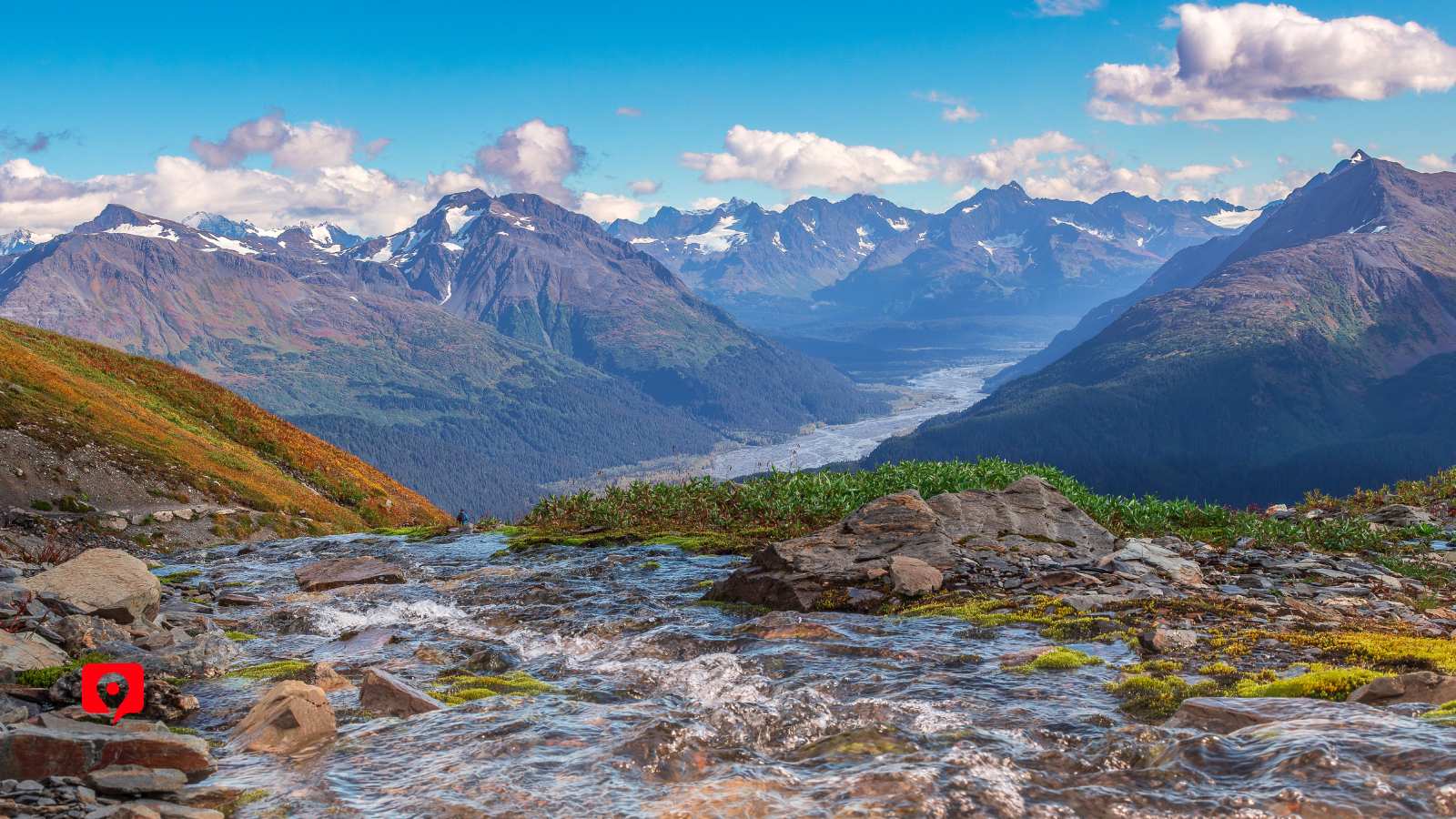
Seward is a charming harbor town with a rich maritime history and plenty to explore. Stroll along the waterfront, enjoy local eateries, or visit the Alaska SeaLife Centre, where rescued marine mammals, puffins, octopus, and other sea life showcase the region’s underwater diversity. Adventure seekers can join whale-watching tours, fishing charters, or hike nearby trails. Whether you’re heading to Anchorage or beginning your journey here, Seward offers a mix of relaxation, exploration, and the stunning natural beauty of southern Alaska.
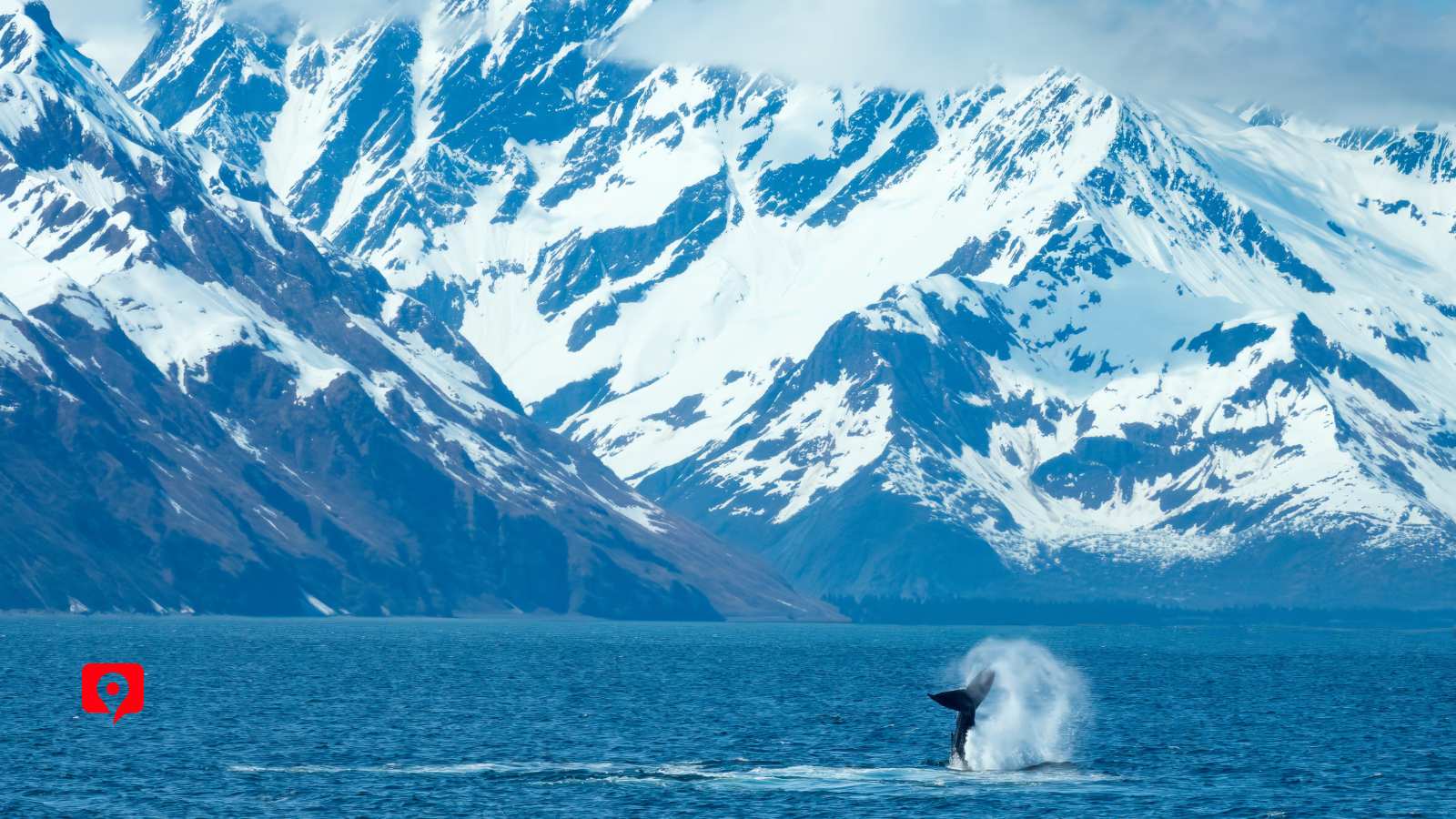
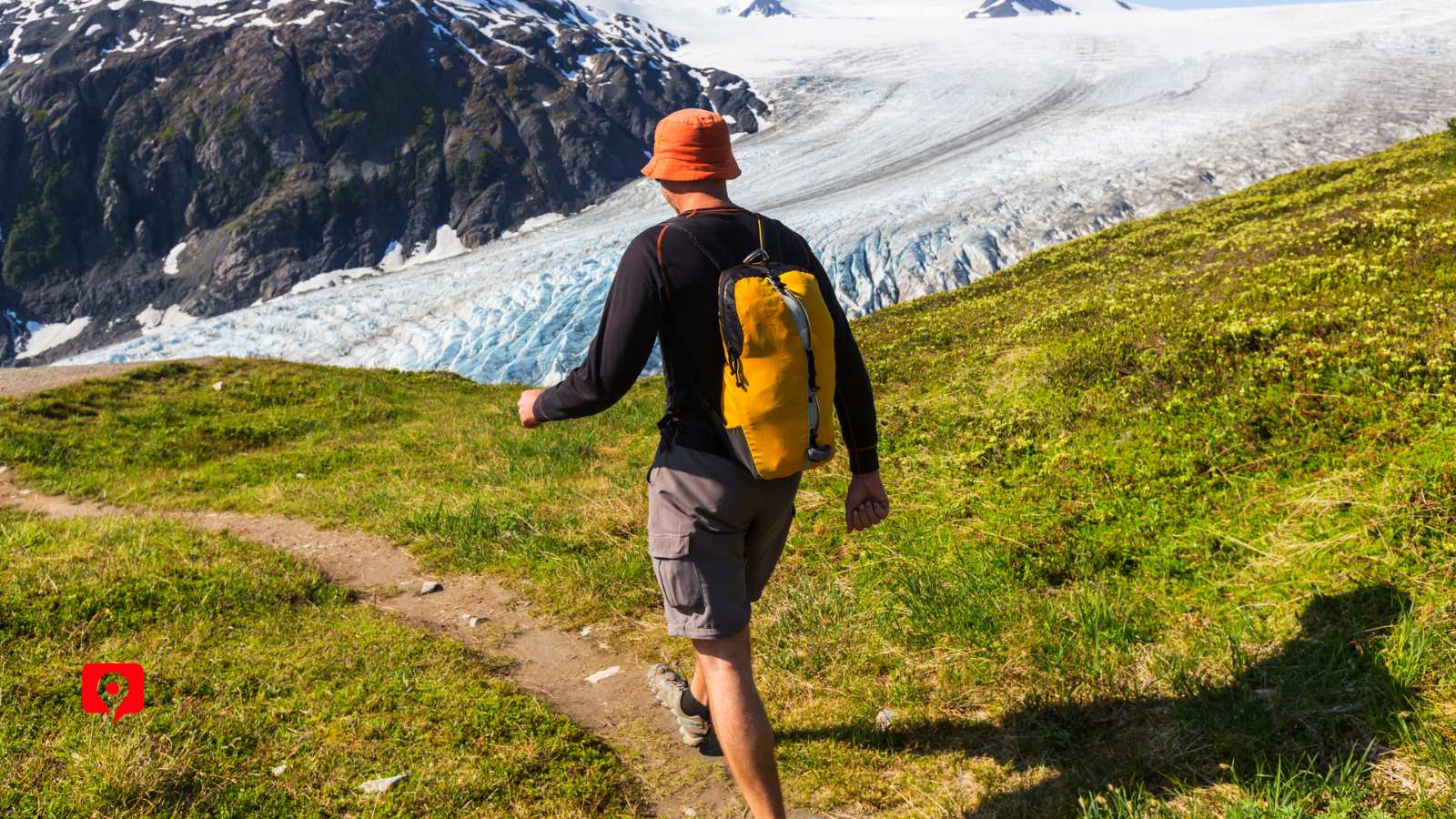
Bird Creek Trail is a great option for an easy, rewarding hike in the Bird Area, a local favorite for outdoor adventures. This 3.5 mile round trip trail is mostly flat and leads to the beautiful Bird Creek Falls, making it a perfect hour and a half outing. The surrounding area is also known for salmon fishing in summer; just remember that grizzlies enjoy the same buffet, while the nearby Bird to Gird Trail offers scenic walking or biking along Turnagain Arm.
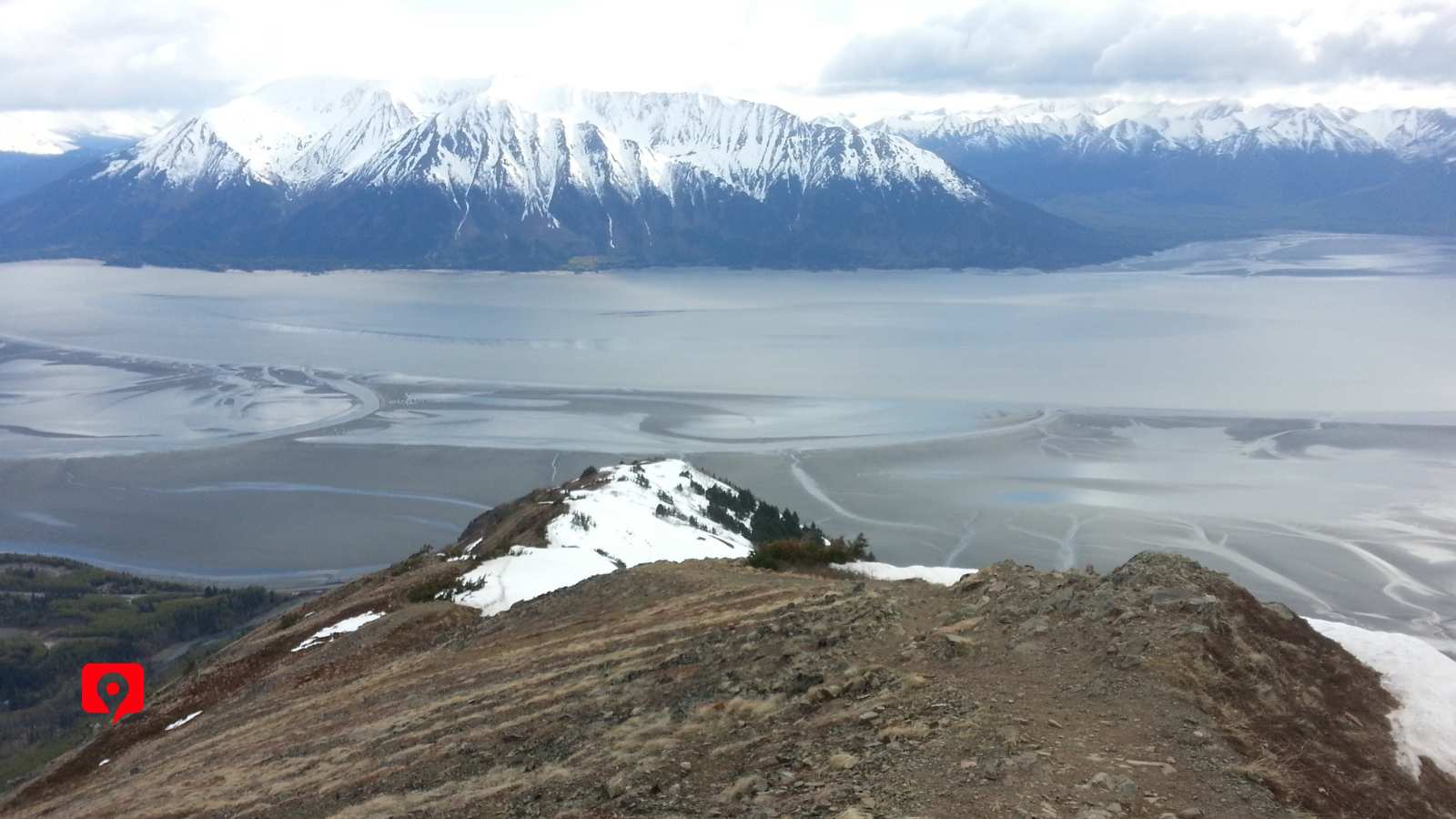
Crow Pass Trail is a standout Girdwood hike, following part of the historic Iditarod Trail. In just a few miles, it delivers glacier views, waterfalls, wildflowers, and summer berries. One highlight is the Raven Glacier, whose terminal end sits close to the developed trail and is often safe for dayhikers to explore. The area’s glacier scenery is spectacular, with seven visible from the resort above. It’s a beautiful, rewarding outing for anyone who loves mountain landscapes.
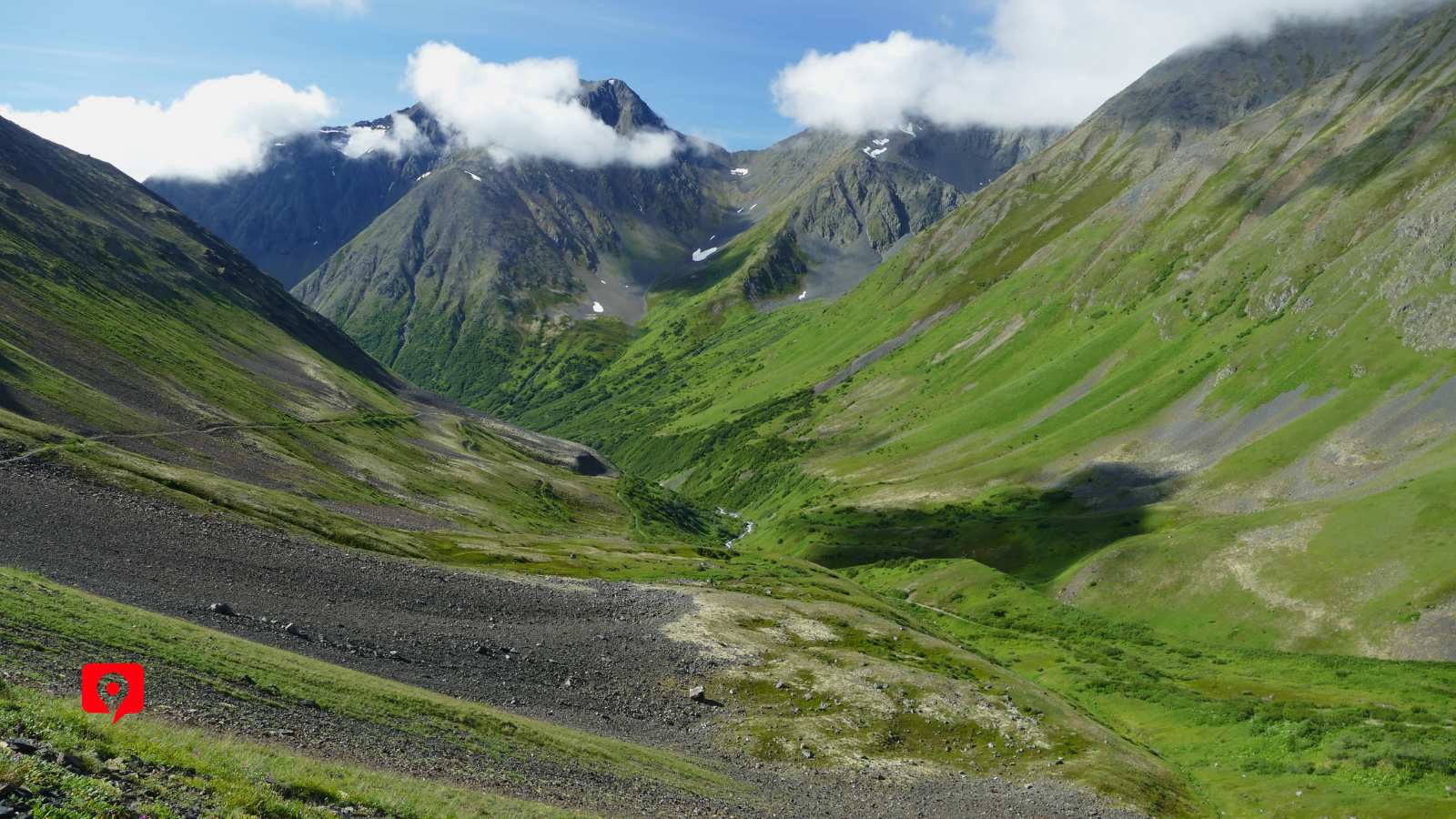
For those seeking a rugged adventure, the Resurrection River Trail immerses hikers in true Alaskan wilderness. The first 4.5 miles are fairly gentle, winding through spruce and hemlock forests, but beyond that, mud, fallen trees, stream crossings, and thick vegetation challenge even experienced hikers. Most visitors explore just a short section before reaching Exit Glacier, enjoying a taste of backcountry Alaska without overextending. For those who tackle more, the trail connects to distant systems, rewarding the prepared with unparalleled scenery.
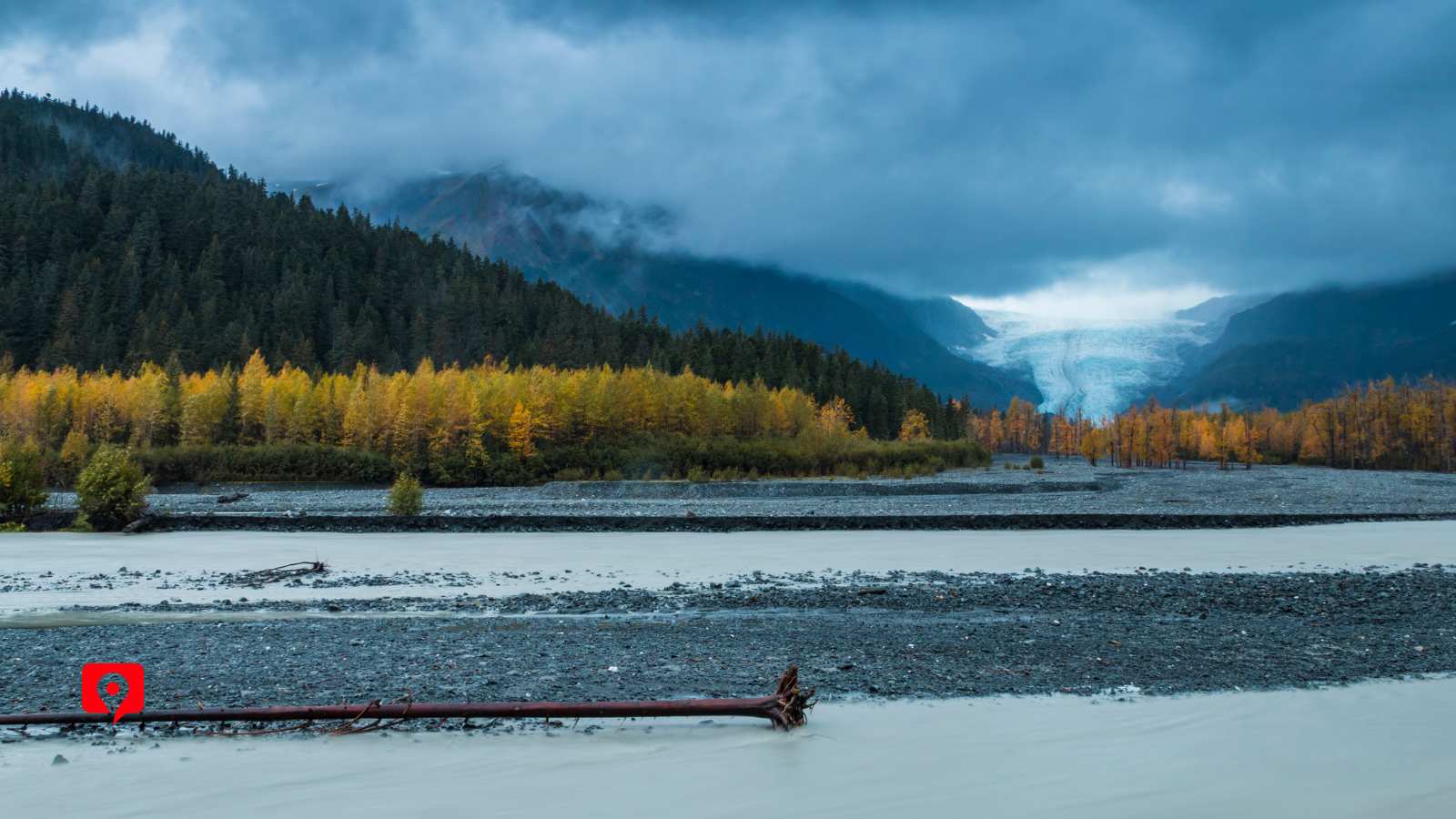
Ideal for families or those looking for a gentle stroll, the Glacier View Loop Trail is a one-mile, flat, fully accessible path. It offers distant views of Exit Glacier and allows visitors to experience the park’s icy grandeur without strenuous effort. For a slightly longer hike, continue on the Glacier Overlook Trail to gain closer perspectives of the glacier. Both trails are perfect for photography, leisurely exploration, and connecting with the glacial landscape.
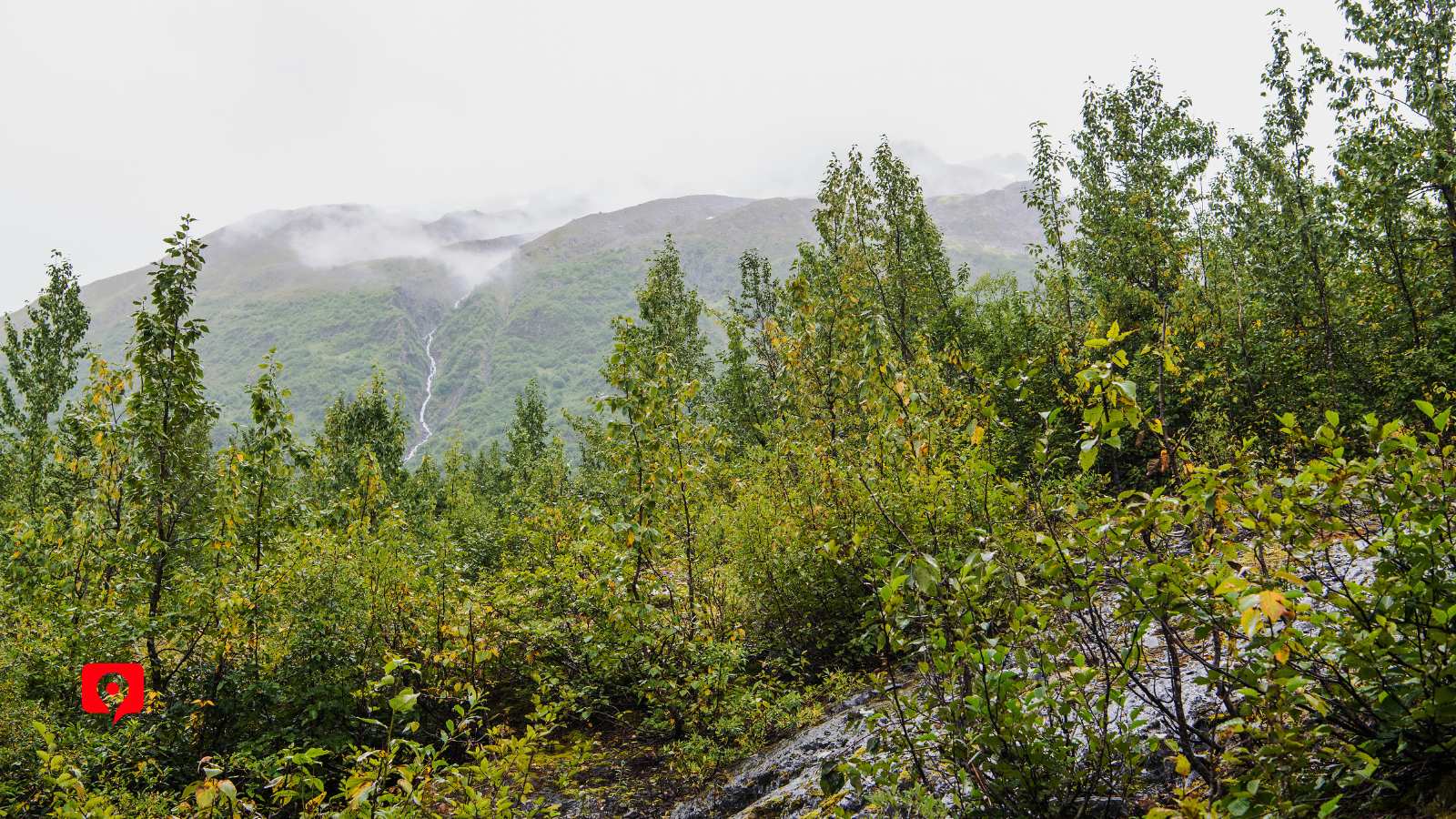
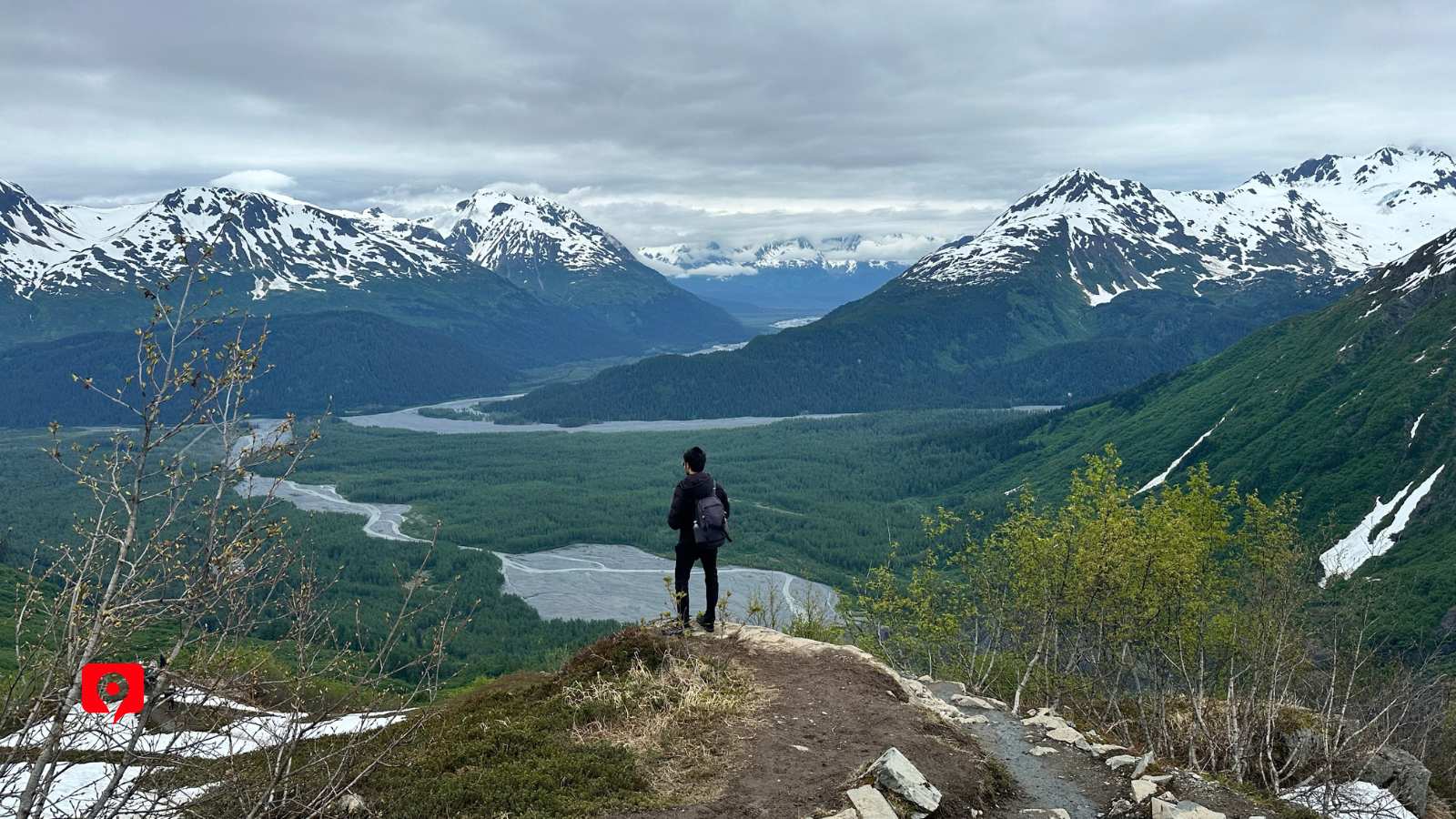
The Harding Icefield Trail is a challenging yet rewarding hike for experienced adventurers. Spanning eight miles round trip and climbing roughly 1,000 feet per mile, it offers sweeping views of the massive Harding Icefield, home to dozens of glaciers including Exit Glacier. Many hikers opt to stop at Marmot Meadows, just over a mile in, for incredible vistas without committing to the full trek. Ensure you bring proper gear, food, and water, as this is a full-day wilderness experience.
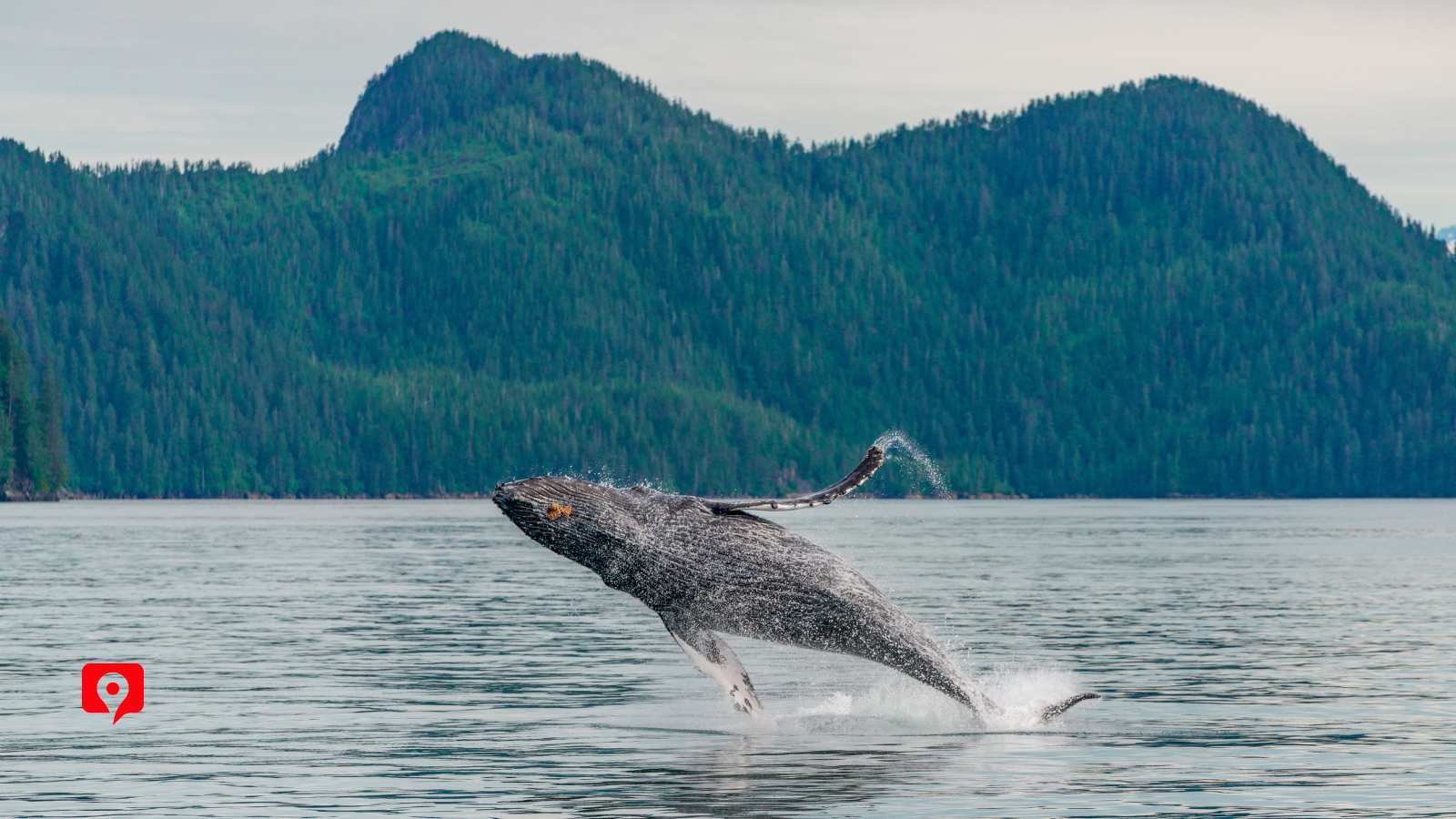
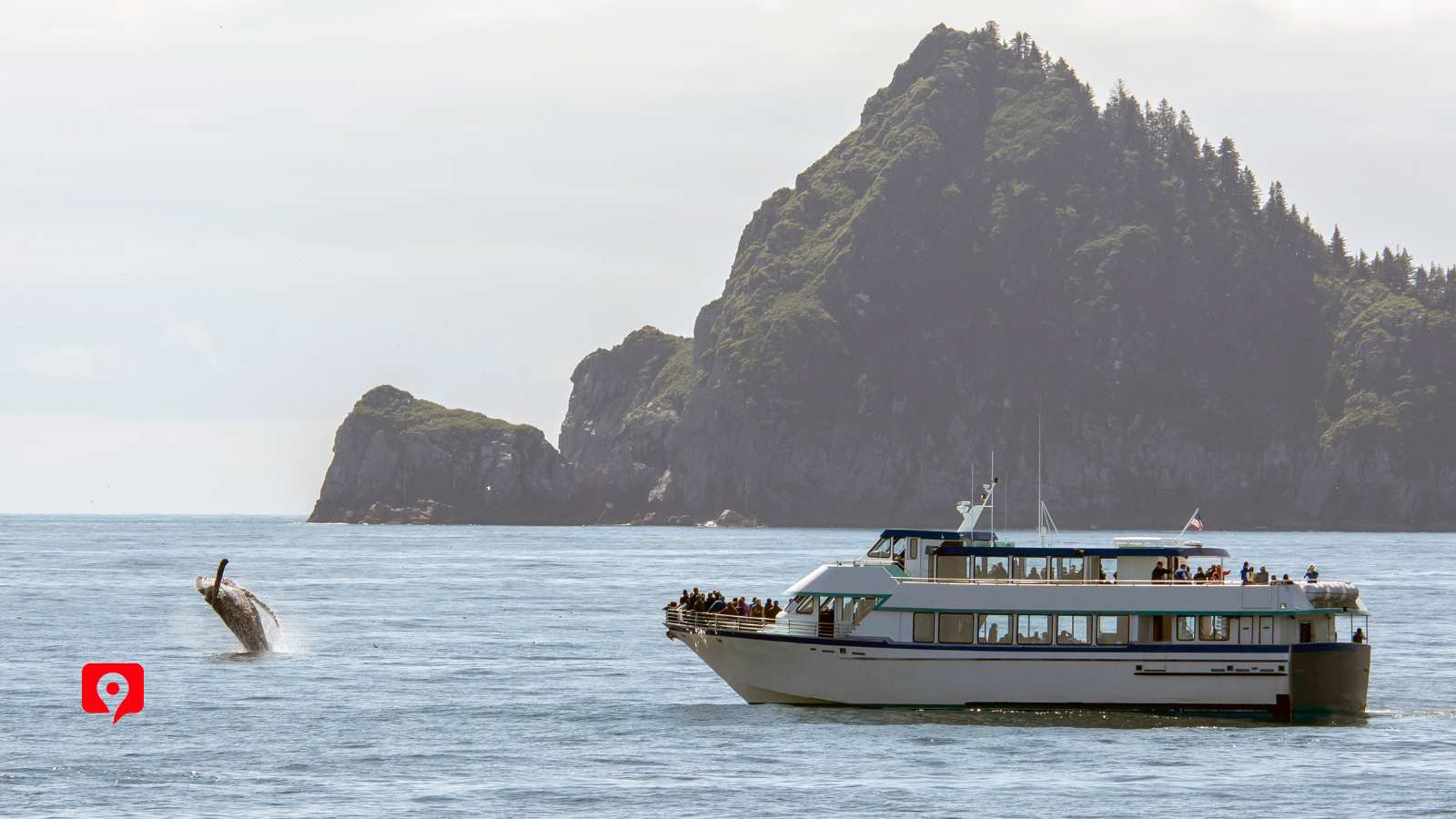
Sail out from Seward for an unforgettable encounter with humpback whales, orcas, and seals in the pristine waters of Resurrection Bay and Kenai Fjords. Eco-friendly tours minimize disturbance while offering close-up views of marine life, including puffins, sea otters, and seabirds. Cruises range from a few hours to full-day adventures, some combining glacier views and wildlife spotting. Whether it’s your first or hundredth Alaskan whale sighting, witnessing these gentle giants in their natural habitat is breathtaking.
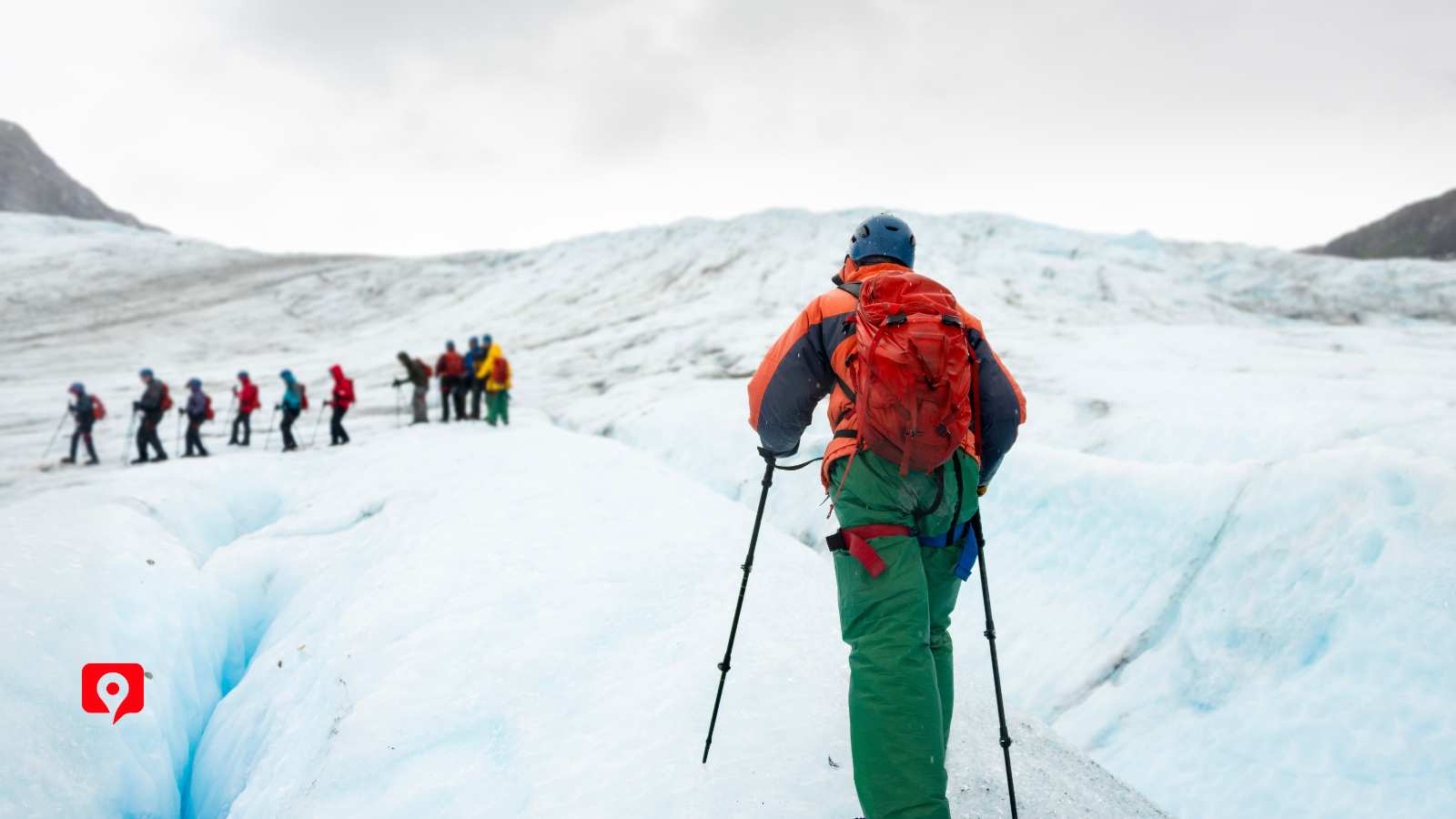
Explore the accessible Glacier View Loop or venture farther on the Harding Icefield Trail. Short trails give families and casual hikers panoramic glacier views, while longer routes challenge experienced adventurers with steep climbs and breathtaking vistas. Stand at Marmot Meadows or higher along the trail to witness Exit Glacier’s icy river feeding into surrounding valleys. Along the way, marvel at glacially carved landscapes, alpine flora, and cascading streams—a true immersive Alaska wilderness experience.
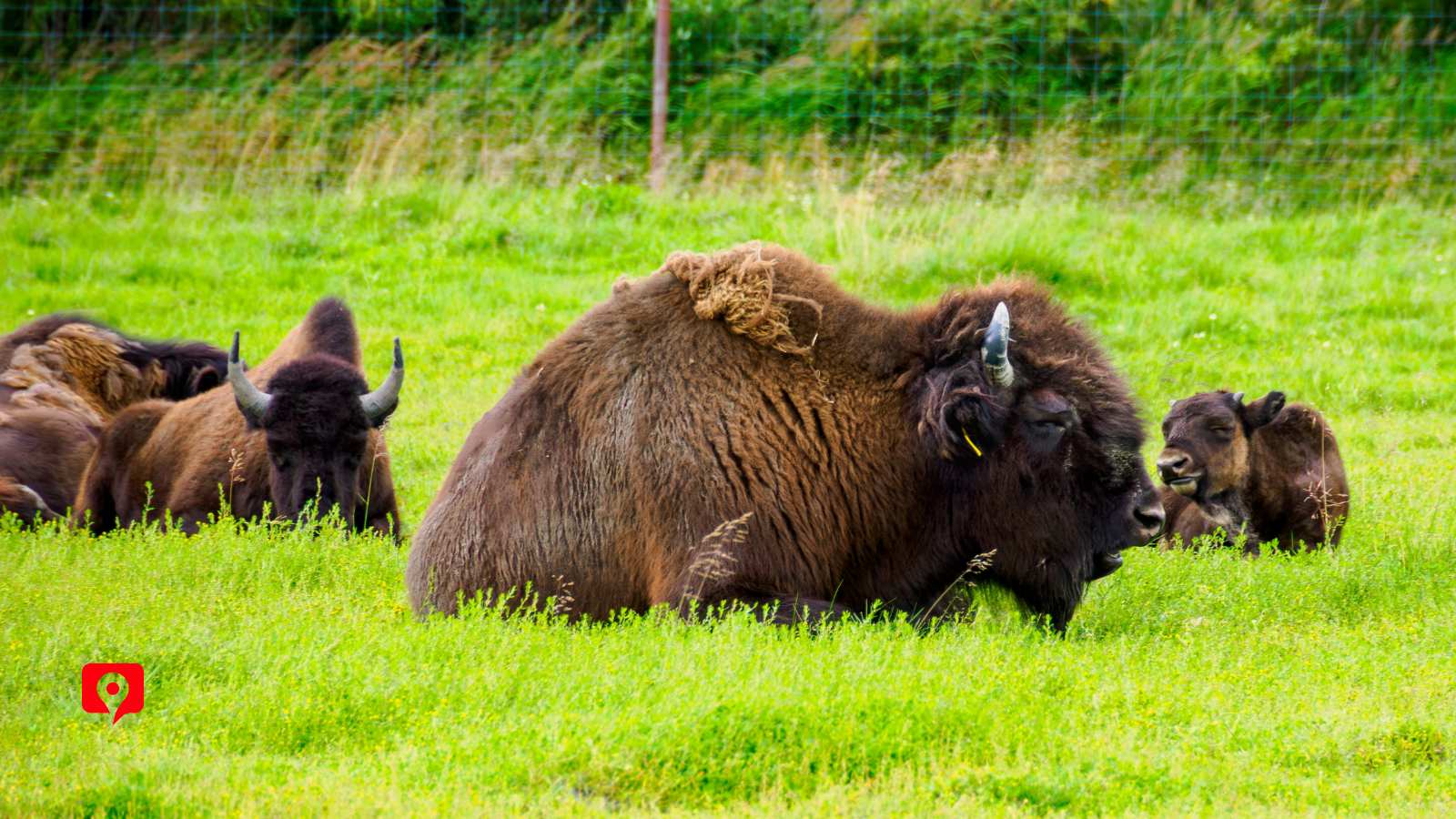
Meet bears, moose, bison, and other rescued wildlife in spacious, natural enclosures. The center offers an educational, hands-on experience perfect for families or photography enthusiasts. Rangers provide insights on conservation, animal care, and Alaskan ecosystems. Visiting supports local wildlife rehabilitation efforts while giving a safe, intimate encounter with creatures native to the region. The center’s accessible trails and viewpoints allow for memorable close-ups without disturbing the animals, making it a highlight stop along the Seward Highway.
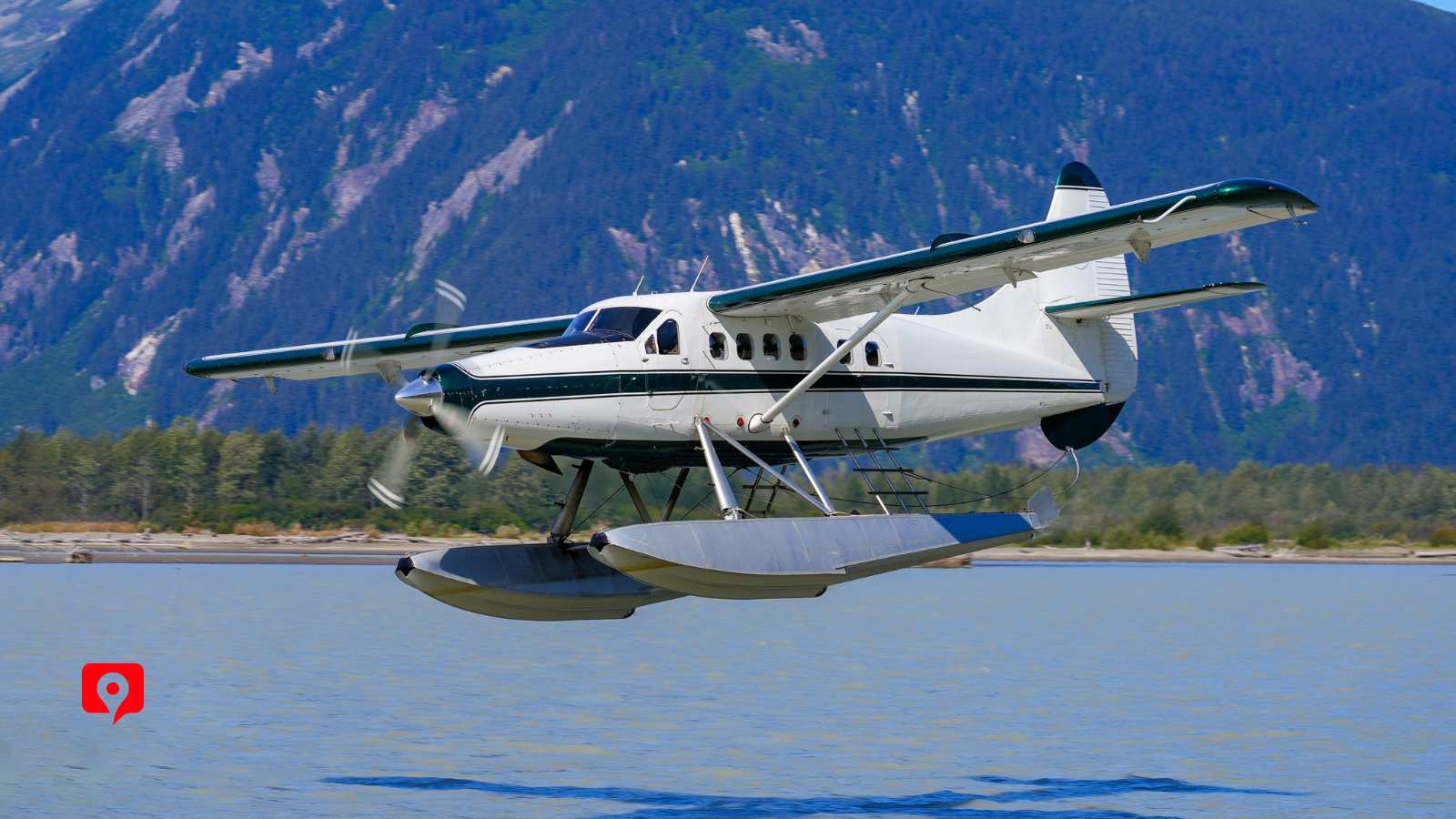
Take to the skies for sweeping views of glaciers, fjords, and snow-capped peaks. Helicopter, floatplane, or small-plane tours often include glacier landings, allowing you to step onto ancient ice for a once-in-a-lifetime adventure. Beyond the Harding Icefield, flightseeing reveals hidden glaciers, rugged peaks, and remote wildlife hotspots inaccessible by road. Guides share fascinating facts about Alaska’s geology, glacial history, and wildlife, making these tours both exhilarating and educational. It’s a perspective impossible to get from trails or highways.
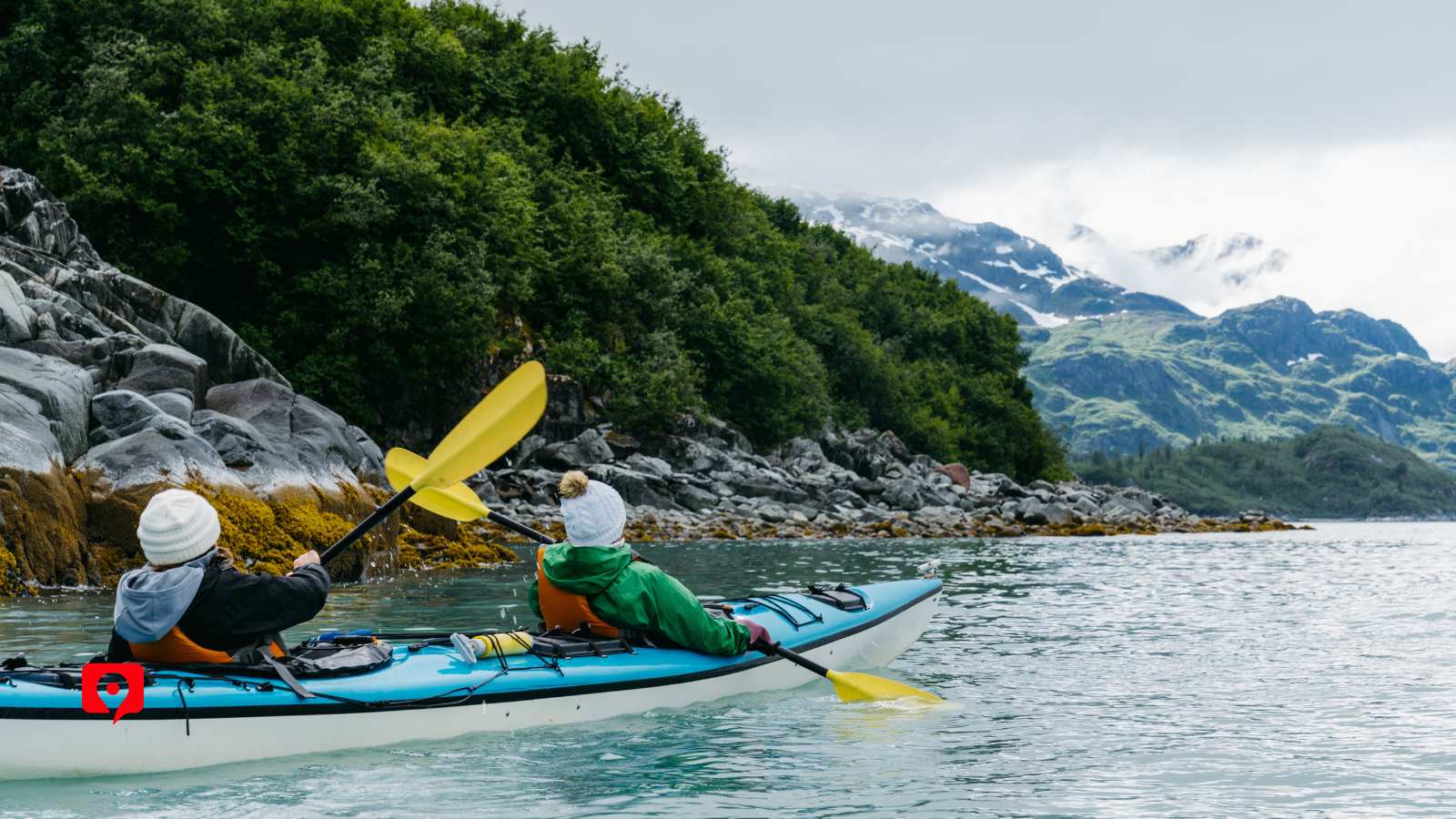
Paddle through sheltered coves, glacier-fed bays, and fjords, immersing yourself in Alaska’s pristine waters. Guided tours teach paddling techniques while pointing out wildlife like harbor seals, sea otters, and puffins. Kayaking allows quiet exploration of icebergs, tidal pools, and dramatic cliffs. Whether you’re a beginner or experienced paddler, this intimate experience connects you with Kenai Fjords’ coastal ecosystems, offering both adventure and serenity. Sunset paddles add an extra layer of magic as wildlife and light transform the landscape.
No visit is complete without sampling Seward’s fresh seafood and connecting with its local culture. Dine on Alaskan salmon, halibut, or king crab at harborfront restaurants, or explore local shops, art galleries, and the Seward Community Library. Seasonal festivals, harbor markets, and the historic downtown provide a glimpse into Alaskan life. Pair a seafood feast with a stroll along the waterfront to watch boats, sea lions, or seabirds—a delicious and immersive way to experience the town after exploring glaciers and wildlife.


Warm Clothing & Layers: Weather can change quickly along Turnagain Arm, expect sudden winds, fog patches, and icy spots early or late in the season. Bring layers, a rain jacket, sturdy walking shoes, and a camera ready for glacier and wildlife shots.
Rain Jacket: A waterproof jacket or poncho is essential—showers can pop up unexpectedly along the Seward Highway or in Kenai Fjords National Park.
Sun Protection: Sunglasses, sunscreen, chapstick, and a hat help protect against glare from snow, water, and icefields.
Binoculars & Camera: Perfect for spotting beluga whales, puffins, or moose. A camera is a must for capturing glaciers, fjords, and wildlife.
Gas Up: Gas stations can be spread out along the route. Top off in Anchorage, Girdwood, or Seward before you begin, and don’t rely on every small roadside stop offering fuel or 24-hour service.
Driving & Transportation Tips: Rental cars are limited and expensive in summer, so reserve early. A midsize SUV is helpful for gravel pullouts and variable road conditions.
Wildlife Protection & First Aid: Carry bear spray if hiking in remote areas, and know how to use it. A small first aid kit is essential for minor scrapes, blisters, or emergencies on trails.
Reusable Water Bottle & Snacks: Bring plenty of water and light snacks for hikes and fjord excursions. Services are limited on trails.
DC Charger / Portable Battery: GPS, tour apps, and cameras drain batteries fast. Bring a DC charger or portable battery pack.
Optional Gear: Trekking poles for steep trails, insect repellent for forests, waterproof cases for phones/cameras, and a swimsuit if you want to try Herring Cove Beach or kayaking.
Mosquito Season: Mosquitoes peak in summer, especially in Portage Valley and other forested or wet areas. Pack insect repellent, and consider long sleeves or a head net if you’ll be hiking or spending time outdoors.
Emergency Preparedness: Carry a charged phone, flashlight, basic toolkit, and first aid kit, and know local emergency numbers.