00:00

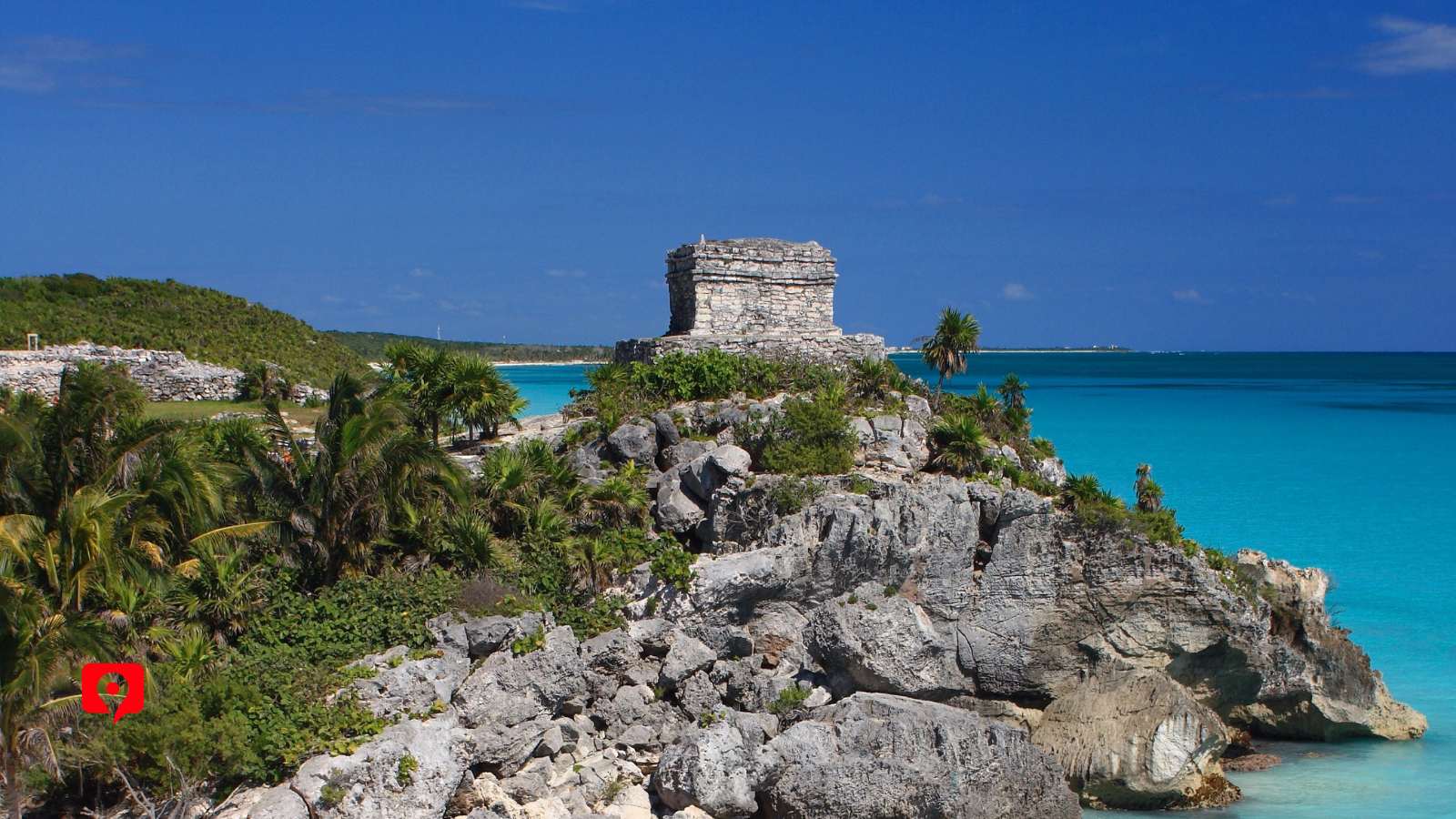
Explore the Tulum on this clifftop walking tour, where stone walls, temples, and sea views come together to tell the story of one of the last great Maya cities. As you follow the main paths through the walled compound, you’ll see how architecture reflected class and power – from elite residences and the Palace of the Great Lord to narrow gateways that controlled who could enter the sacred inner zone.
You’ll learn why a single freshwater cenote may have been the reason Tulum was built here at all, and visit the Cenote House, cleverly engineered with angled walls to withstand hurricane winds. We’ll talk about how the Maya read the sky and the sea – from the Temple of the Wind and coastal beacons like El Castillo, to the sacred calendars that tracked civil life, ritual time, and long cosmic cycles far beyond 2012.
Along the way, we’ll touch on everyday life and belief: iguanas that symbolized the very framework of the Earth, murals of gods and the Descending God, and the intense ballgame Pok-a-Tok, where sport, sacrifice, and myth collided. By the time you reach the ocean viewpoints and final temples, you’ll have a clear picture of Tulum not just as a pile of ruins, but as a living Maya city shaped by water, trade, astronomy, and faith.
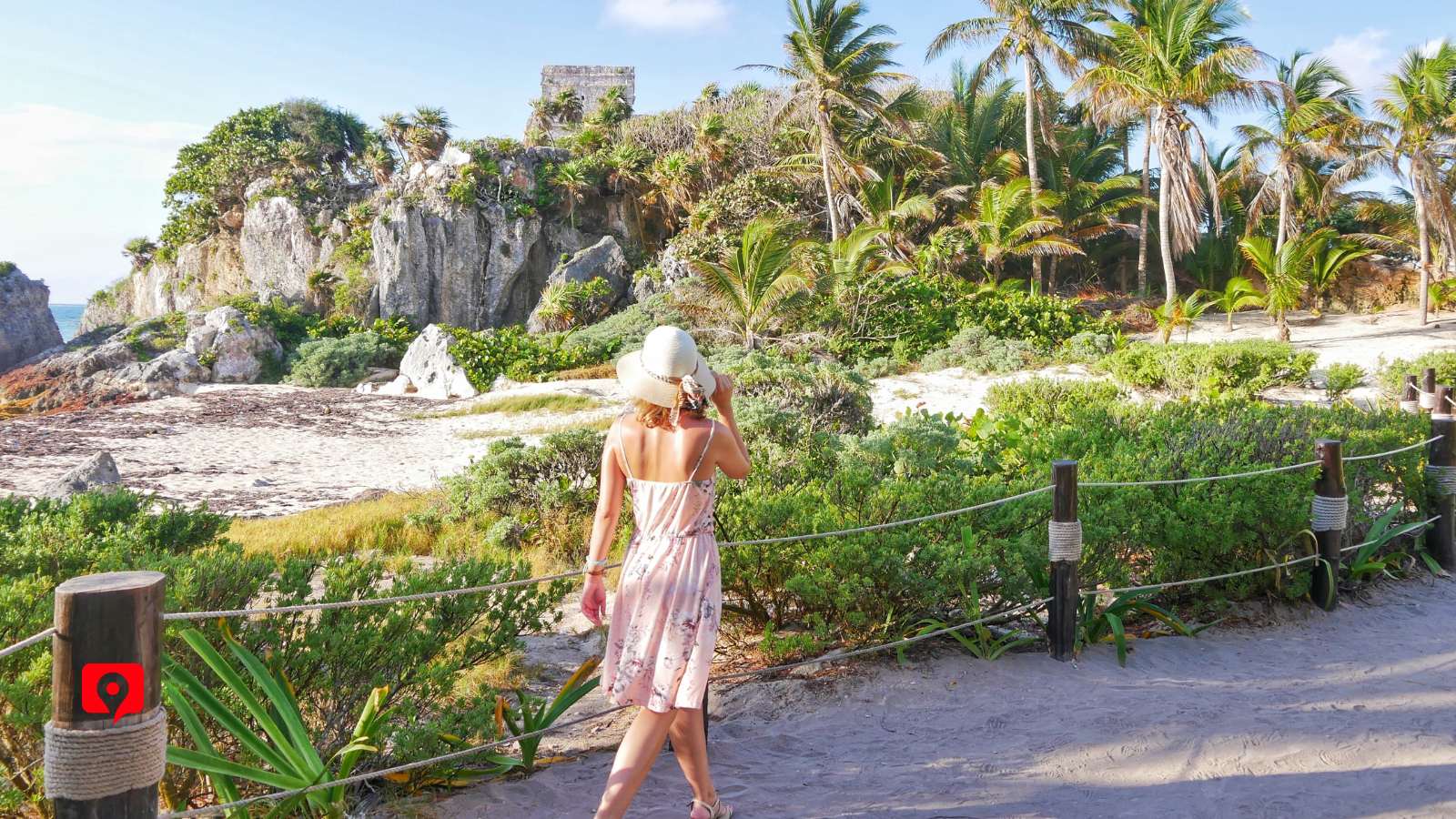
Visiting the Tulum is easy, whether you’re arriving by car, bus, or a combination of transportation options. The site is well-signposted and accessible, with clear pathways leading to the entrance. Getting ready for your self-guided walking tour is straightforward once you reach the main parking or bus drop-off area.

The closest airport is Cancún International Airport (CUN), about a 1 hour 45-minute drive from Tulum. From there, you can rent a car or take a shuttle directly to the ruins. The drive follows Highway 307, passing scenic coastal areas and small towns along the Riviera Maya.
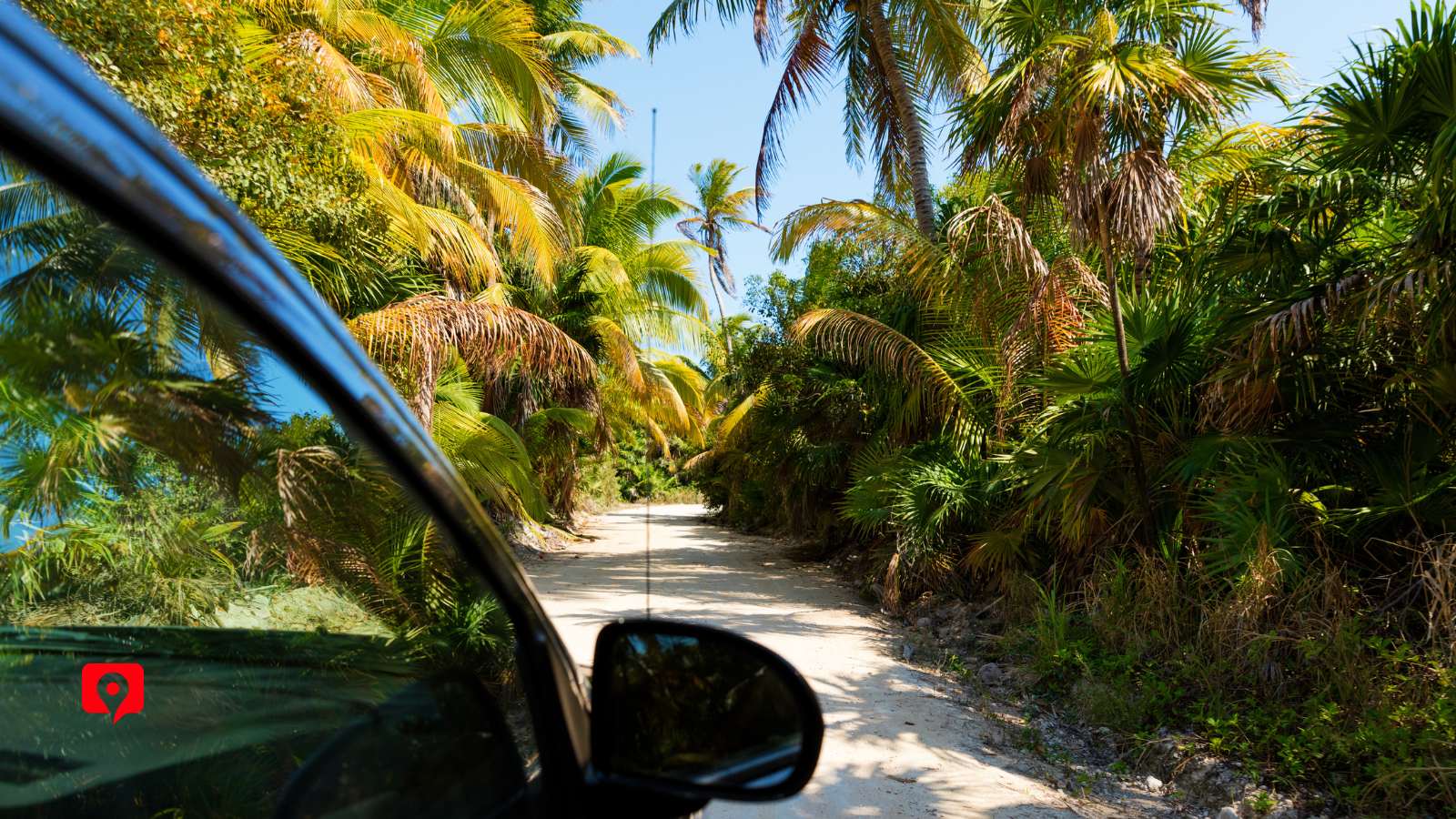
Driving gives you the flexibility to explore the Tulum area at your own pace, with Highway 307 providing direct access to the site. Public parking is available near the entrance, though spaces can fill quickly during peak tourist seasons. From the parking lot, it’s about a 10–15 minute walk to the entrance, and a shuttle service is available from the lot to the ticket gates for a small additional fee.

Several local bus companies and shared shuttles connect Tulum town, Playa del Carmen, and Cancún to the ruins. Most drop passengers within walking distance of the entrance, so it’s easy to start your visit without needing extra transport. Buses and colectivos run frequently and are a reliable budget option.
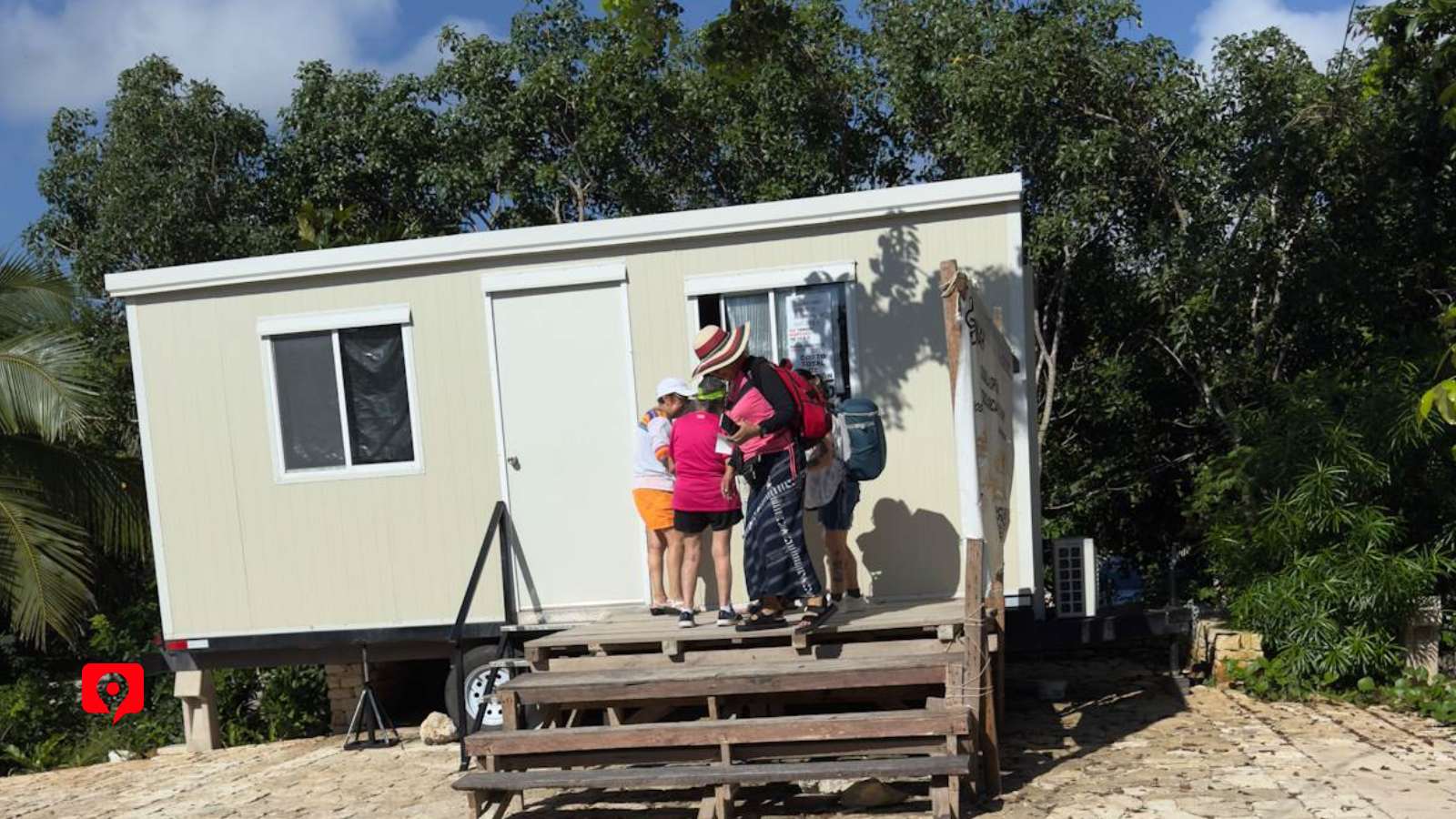
Visiting the Tulum requires a ticket, which must be purchased at the official entrance. Additional fees may apply if you bring a video camera (note: this usually does not include smartphones). There is only one public bathroom, located outside the walls near the ticket booth, so it’s best to use it before starting your tour. Once inside, you can follow the paved paths to explore the ancient Mayan structures, carvings, and ocean views, experiencing the city’s history and culture while wandering through the ruins.
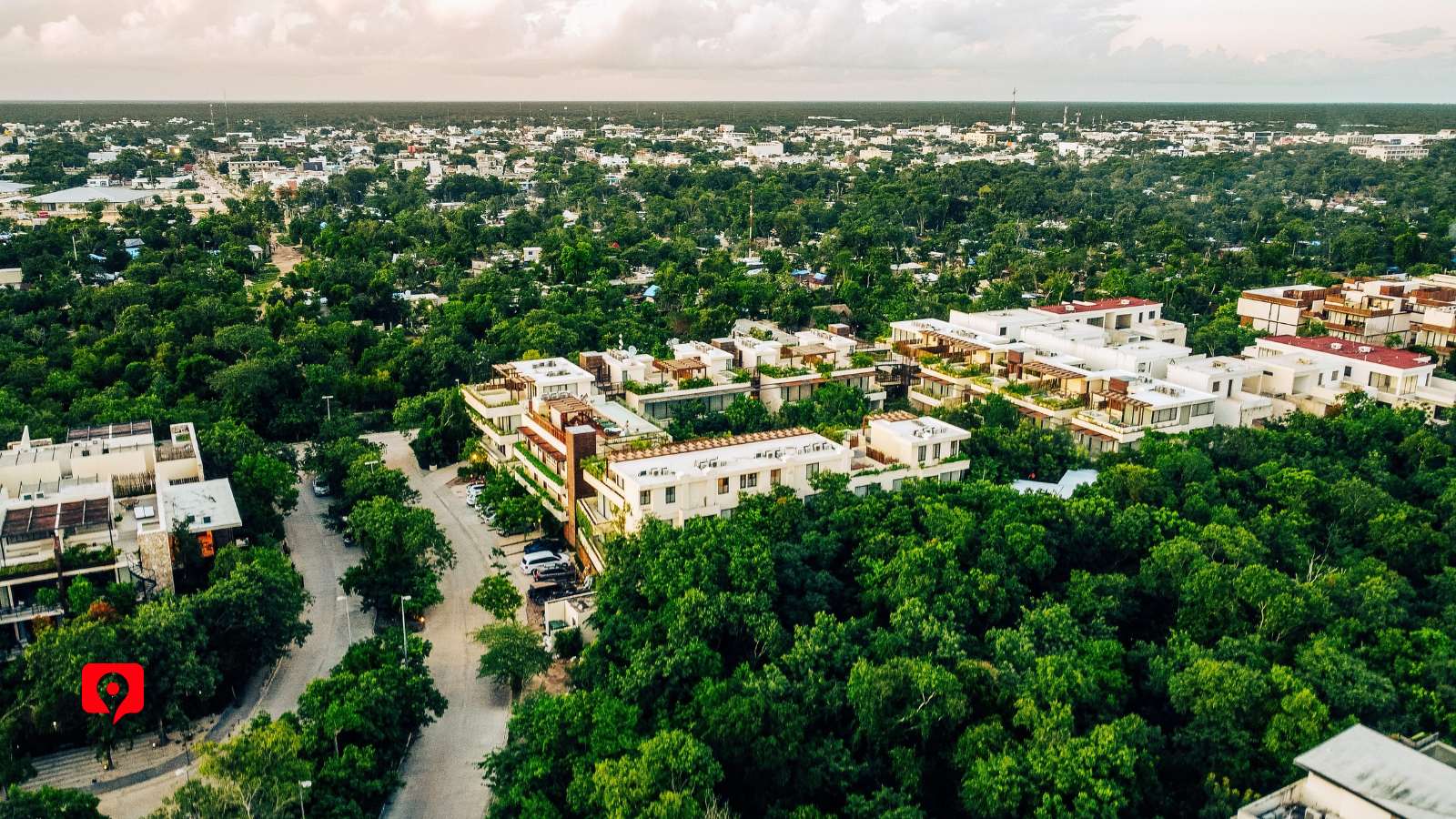
Whether you’re visiting Tulum to explore the ancient ruins, relax on the Caribbean coast, or enjoy the vibrant Riviera Maya, the area offers accommodations to suit every type of traveler. Luxury resorts along the shoreline provide upscale amenities, breathtaking ocean views, and easy access to the Tulum, allowing guests to combine history with a relaxing seaside experience. Boutique hotels in Tulum town offer stylish, personalized stays, with unique décor, attentive service, and convenient proximity to restaurants, shops, and local attractions, perfect for travelers who want comfort, character, and easy access to the ruins.
For budget-conscious travelers, Tulum has a variety of affordable hotels, hostels, and guesthouses within a short drive or bike ride from the archaeological site. These options provide essential comforts, convenience, and value, making it easy to explore the Mayan city, visit nearby cenotes, or enjoy the beaches while keeping lodging costs manageable. With so many options, every traveler can find the perfect base for a memorable Tulum adventure.
The Tulum can be explored year-round, though each season offers a slightly different experience. Winter and spring (December to May) bring dry, sunny weather, making it ideal for walking the ruins and enjoying the Caribbean coastline, though this is also peak tourist season, so expect larger crowds.
Summer and autumn (June to November) are warmer and more humid, with occasional rain showers, but the site is still accessible and lush vegetation makes for beautiful scenery.
Early mornings are often the best time to visit to avoid the midday heat and larger tour groups, while late afternoons offer stunning views of the ruins against the setting sun. No matter when you go, Tulum’s combination of ancient Mayan architecture, ocean vistas, and tropical surroundings ensures a memorable and immersive experience for all visitors.
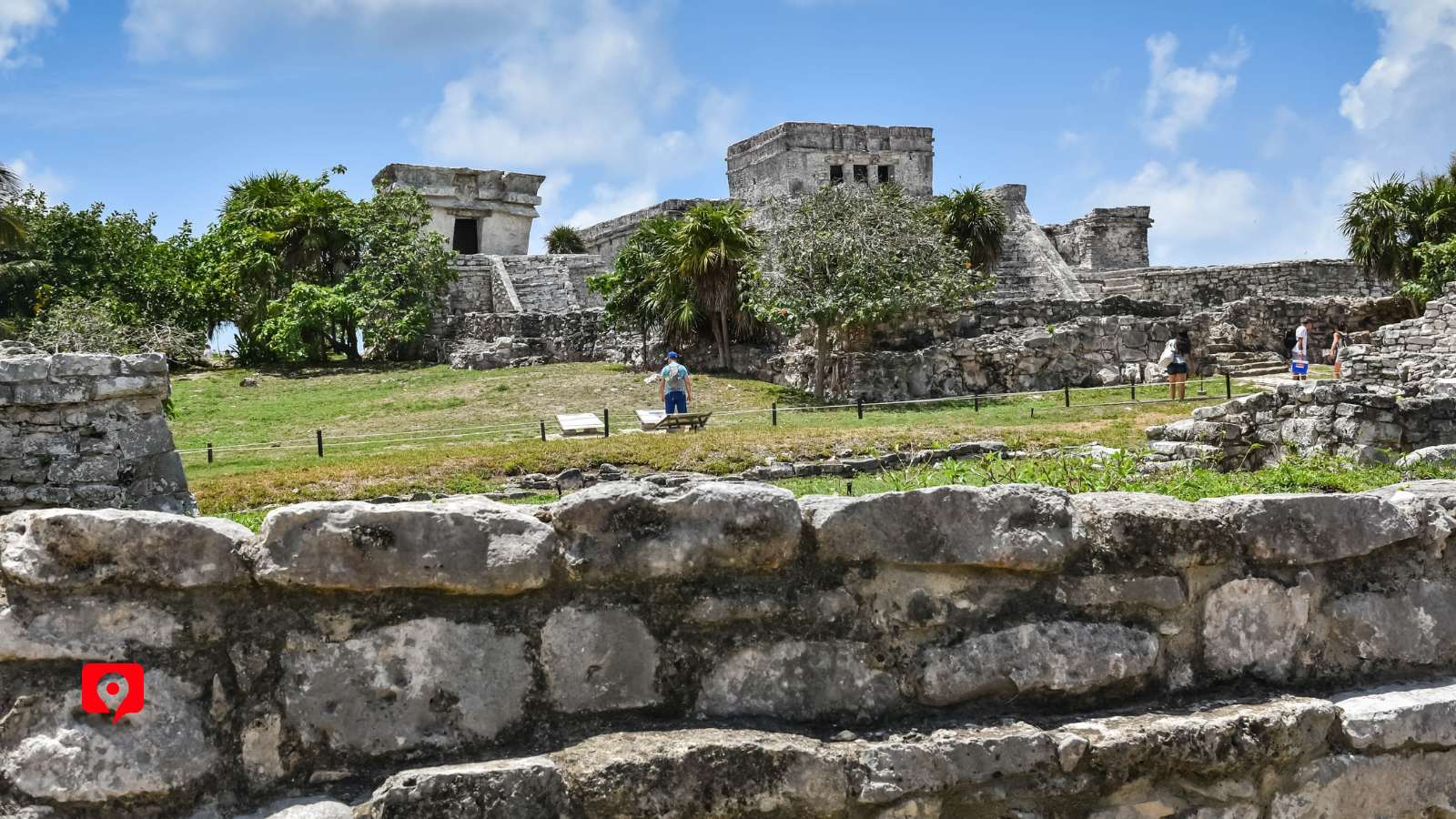
To fully explore the Tulum, plan for at least 1.5 to 2 hours. This allows time to walk the main paths, visit key structures like El Castillo, the Temple of the Wind, and the Temple of the Descending God, and pause at the cenote and lookout points for photos or quiet reflection.
Visiting early in the morning or later in the afternoon not only helps avoid the heat but also allows you to experience the ruins with fewer crowds. If you want to take your time reading inscriptions, admiring carvings, or exploring side paths, consider adding an extra 30 minutes.
Checking local conditions, such as ticketing lines or seasonal visitor patterns, ensures a smoother experience. By budgeting sufficient time, you can immerse yourself in Tulum’s Mayan history, ocean vistas, and unique architecture, making your visit both educational and memorable.
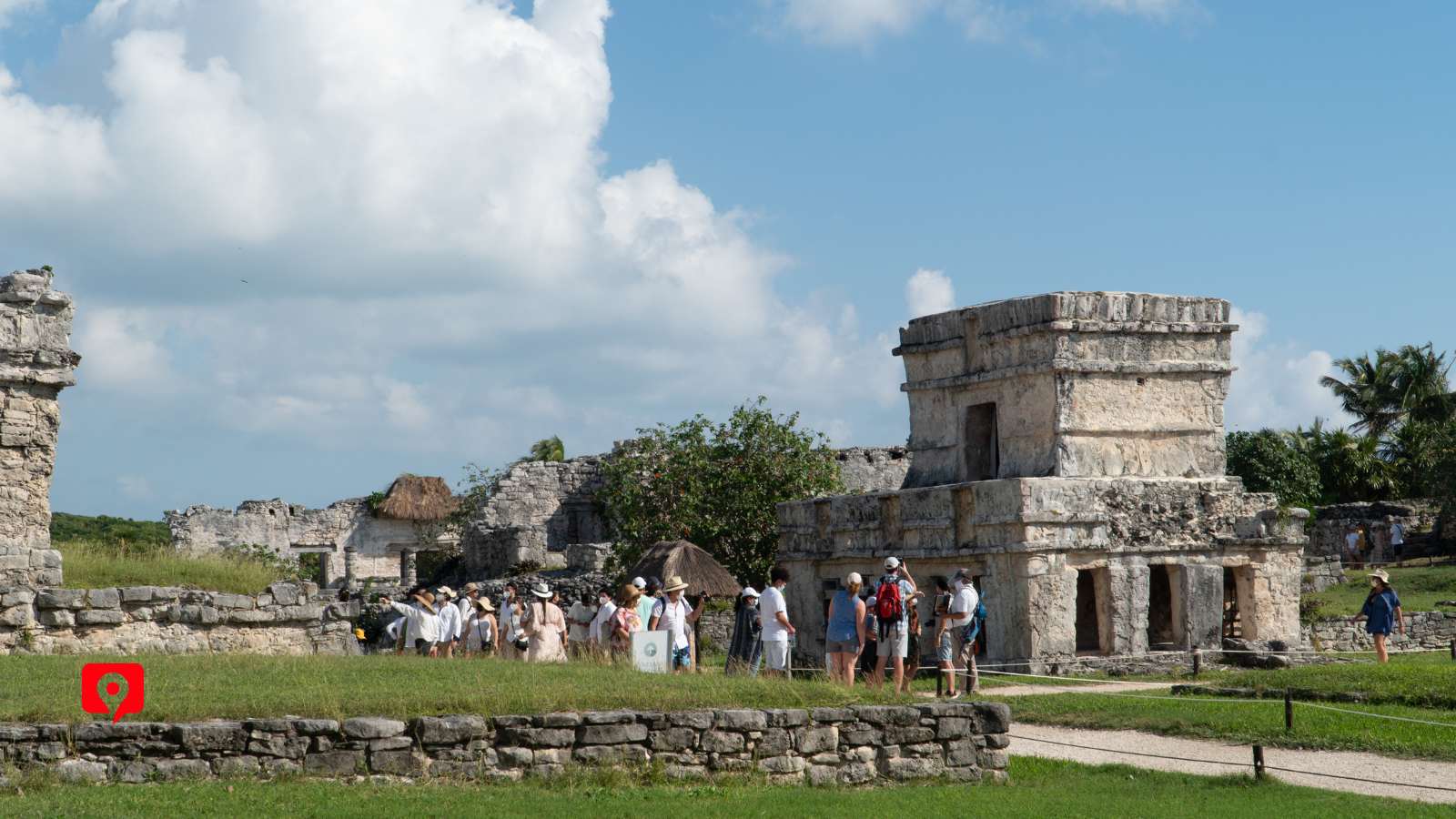
Visit early in the morning to minimize crowds, and try to avoid Sundays when Mexican citizens can enter for free, making it the busiest day of the week; consider combining your trip with nearby beaches or cenotes for a fuller experience.
The ruins can get busy during Mexican holidays and school vacations, so checking local calendars before your visit can help you avoid the largest crowds. Walking along the main paths early gives you a chance to appreciate the Mayan architecture, carvings, and ocean views without large groups around.
For an even calmer experience, take your time exploring secondary paths, cenote areas, and lesser-known structures. With careful planning, you can immerse yourself fully in Tulum’s ancient history while avoiding the busiest moments at this iconic archaeological site.
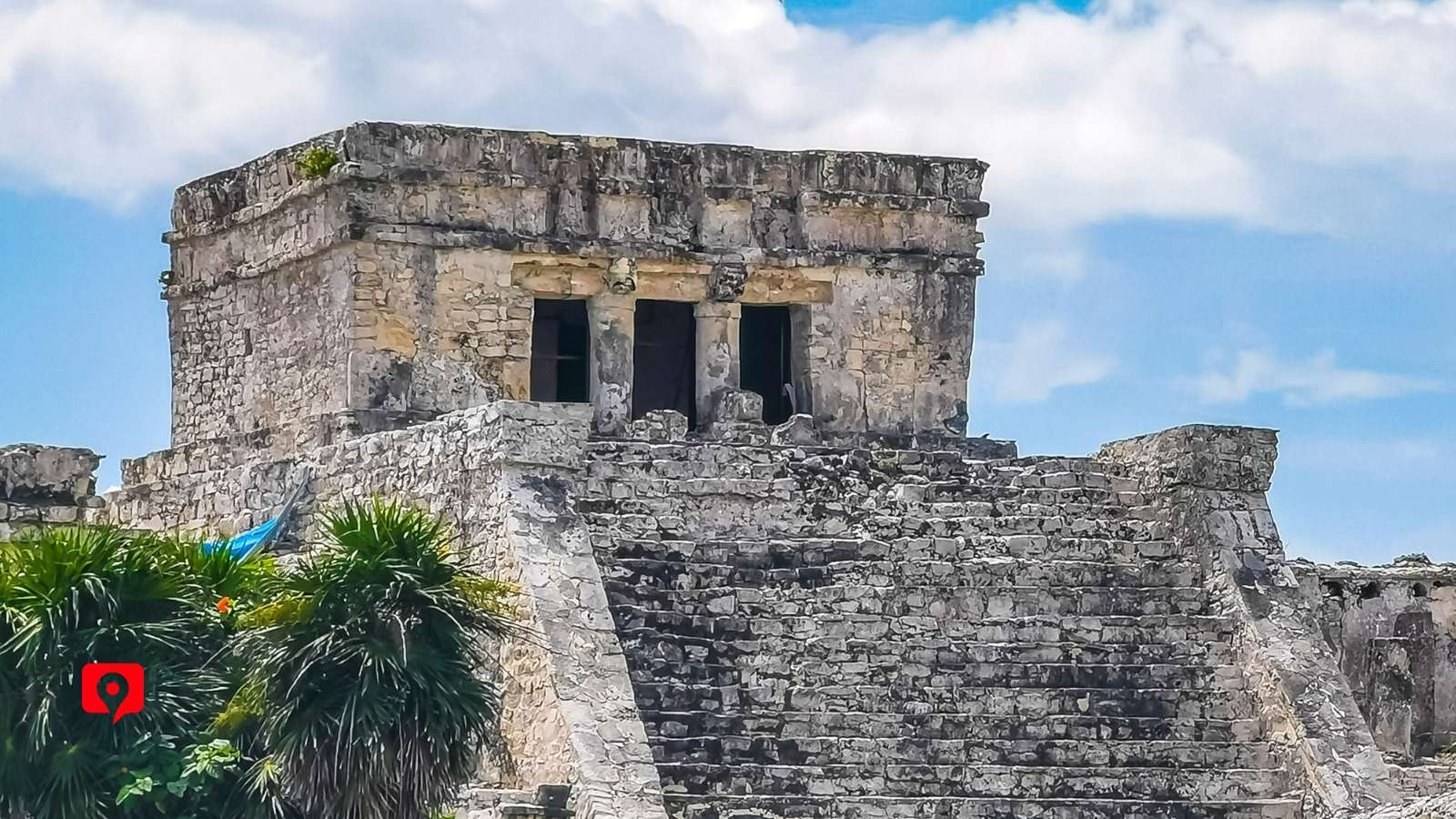
Hidden among dense foliage, the Watchtower is part of Tulum’s outer walls. From this elevated position, it provided a lookout for approaching threats from both land and sea. The surrounding area was geologically young, formed from limestone, which the Maya used to build cisterns called Chultunes and harvest freshwater. Though visitors can’t enter the tower, it remains a key feature of Tulum’s defensive structures and offers insight into the city’s careful planning.
The Temple of the Descending God is named for a winged figure depicted with legs up, head down, holding an object. This deity appears throughout Tulum and represents Venus. The temple’s single room contains frescoes showing the Descending God, harvests, social order, and other deities. Its northern position marks the boundary of the sacred compound, and its facades feature niche figurines. The temple demonstrates the Maya’s rich artistic and religious traditions.
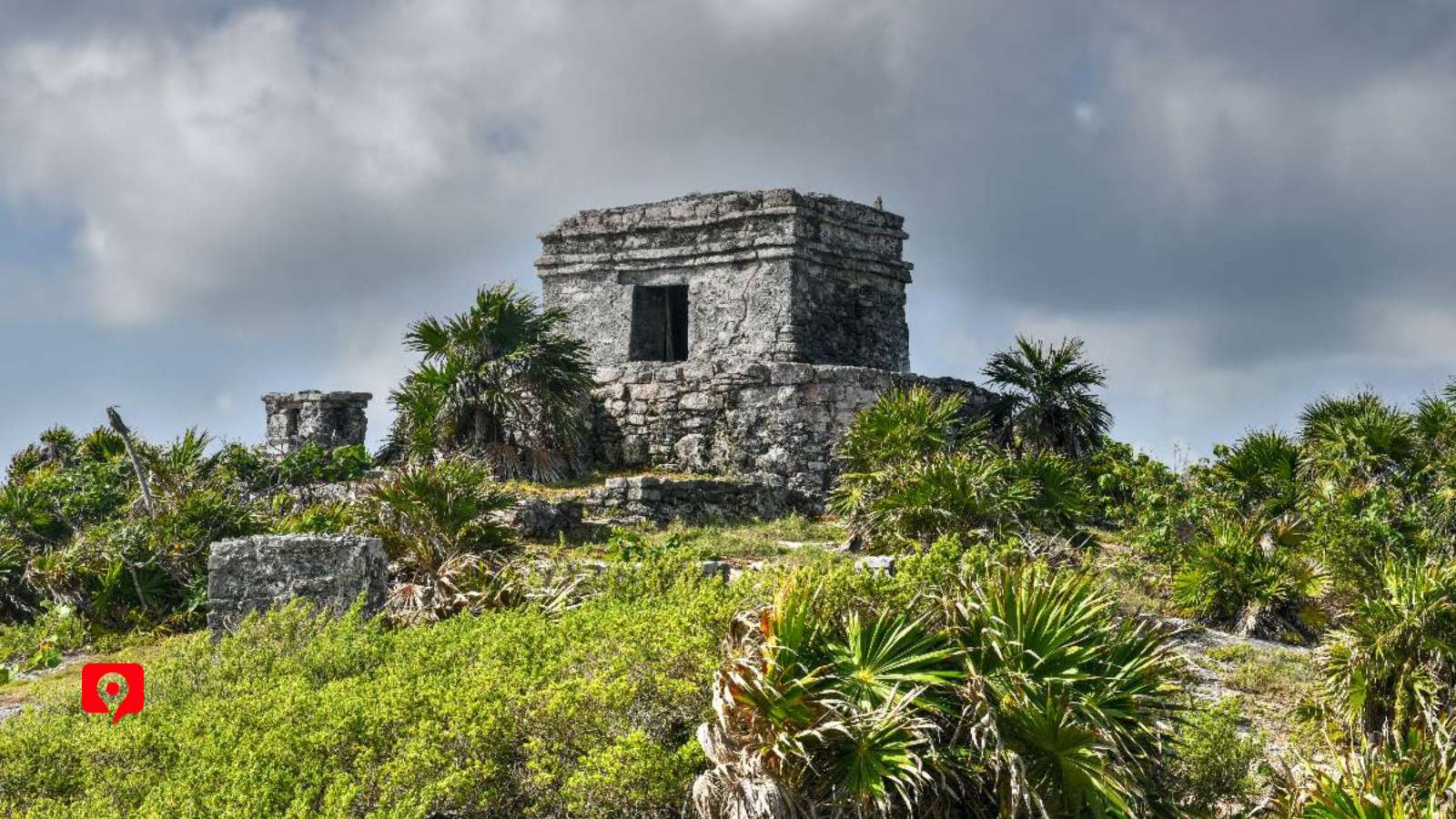
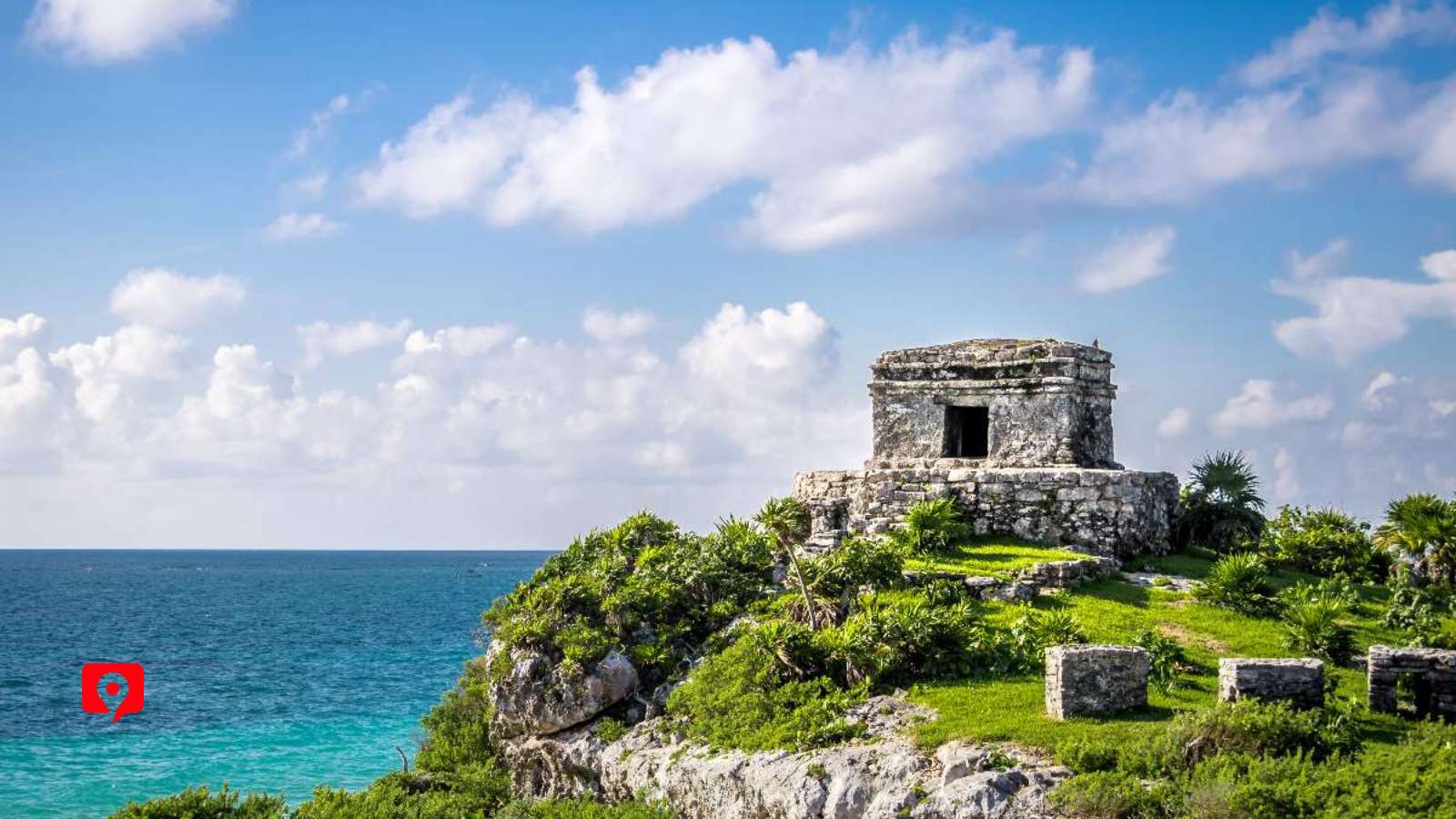
Perched on a cliff, the Temple of the Wind has a single doorway facing north and overlooks nearby shrines. Its round base was associated with Kukulkán, the god of wind. The temple features a pattern of holes in its walls which, according to the script, interact with strong Caribbean winds. Visitors cannot enter, but viewing it from the path highlights the Maya’s architectural skill and their thoughtful integration of structures with the environment.
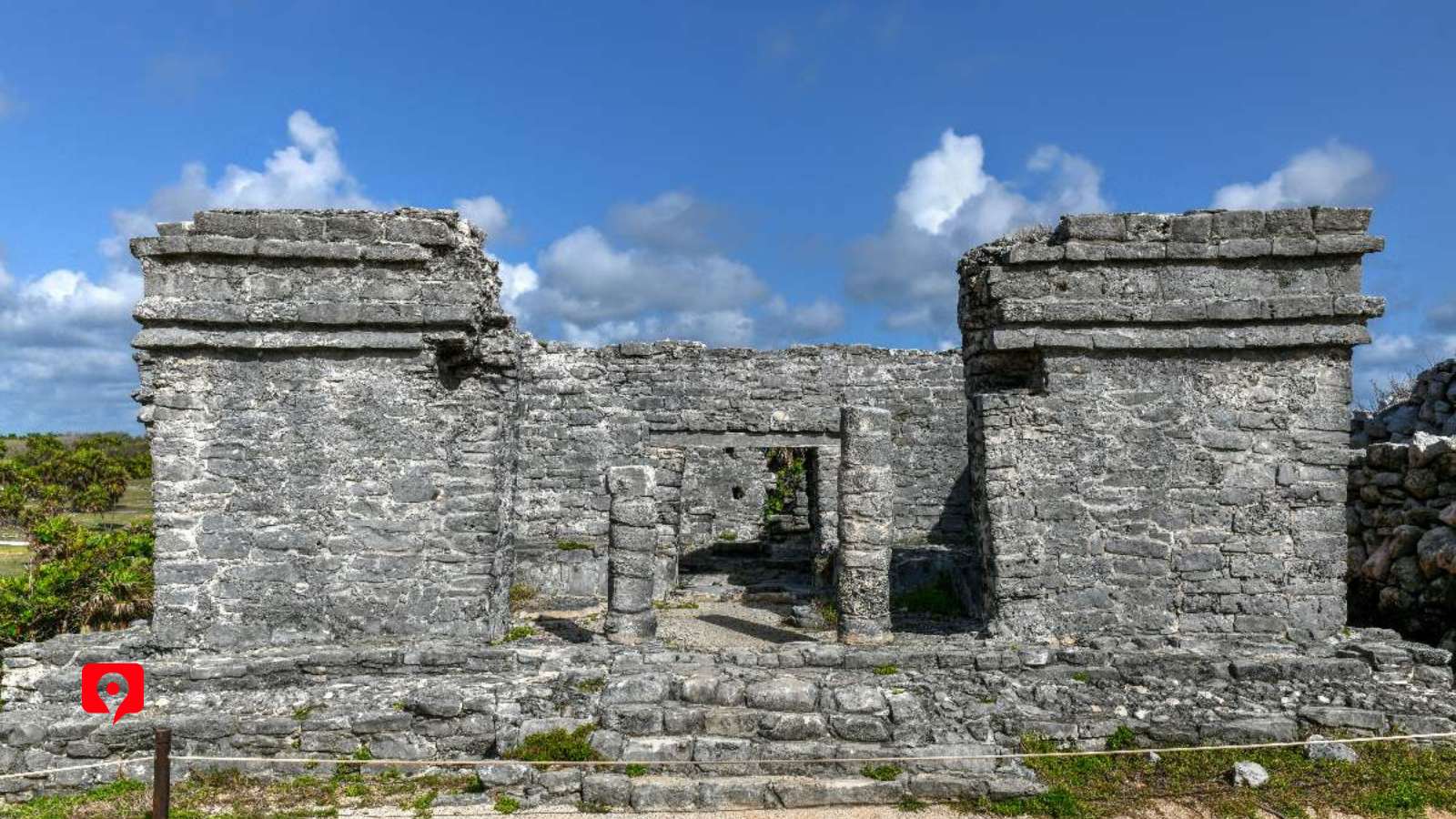
The House of the Cenote sits above a freshwater cenote, an essential water source for Tulum. It has two rooms and a shrine, with walls angled to withstand strong winds. Many scholars suggest the wall shapes may reflect the Milky Way. Inside, the ruling class lived in palace-like structures, and narrow entrances controlled access. Visitors can walk down to view the cenote below and then return to continue the main path, experiencing the importance of water in Maya life.
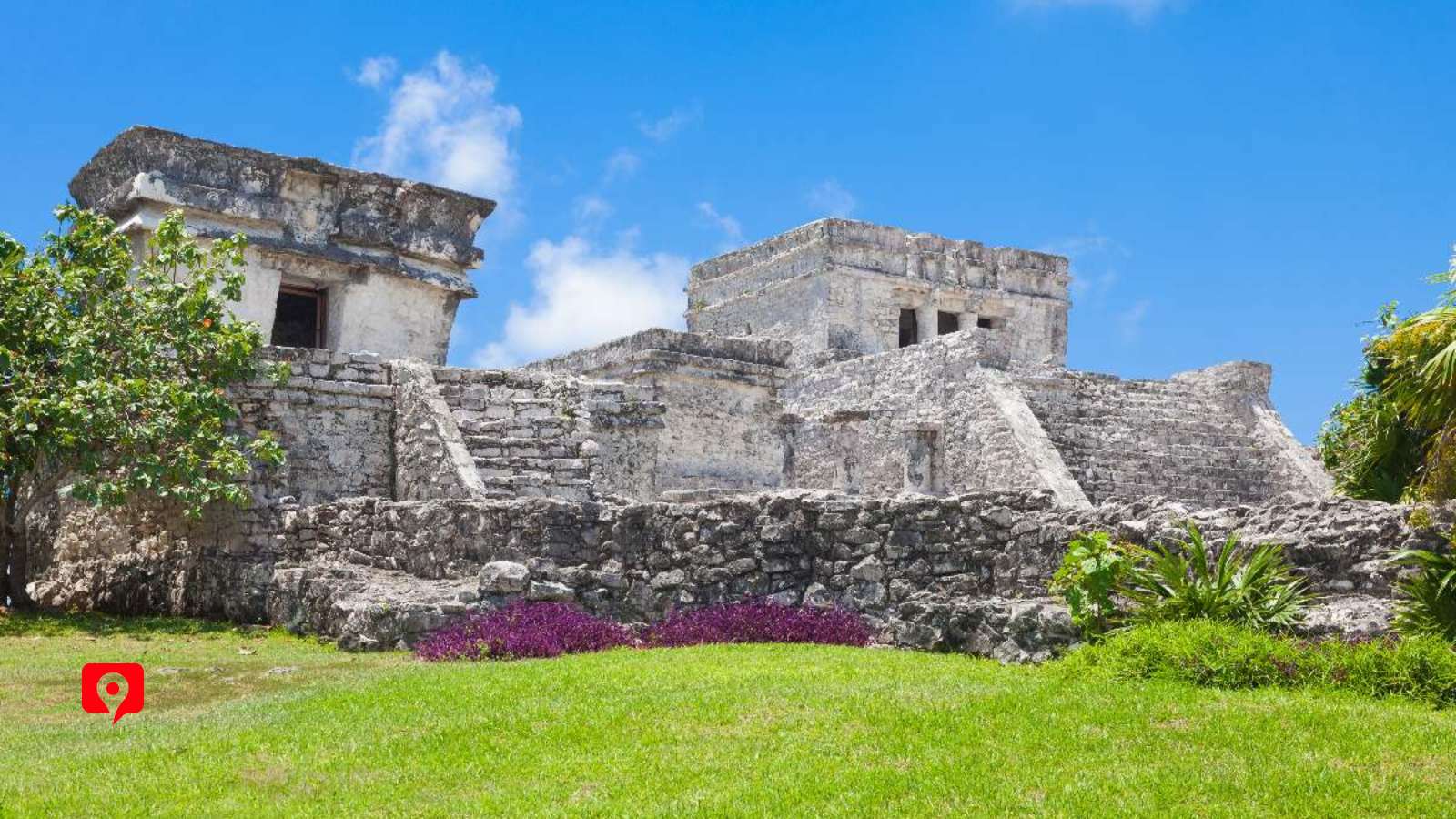
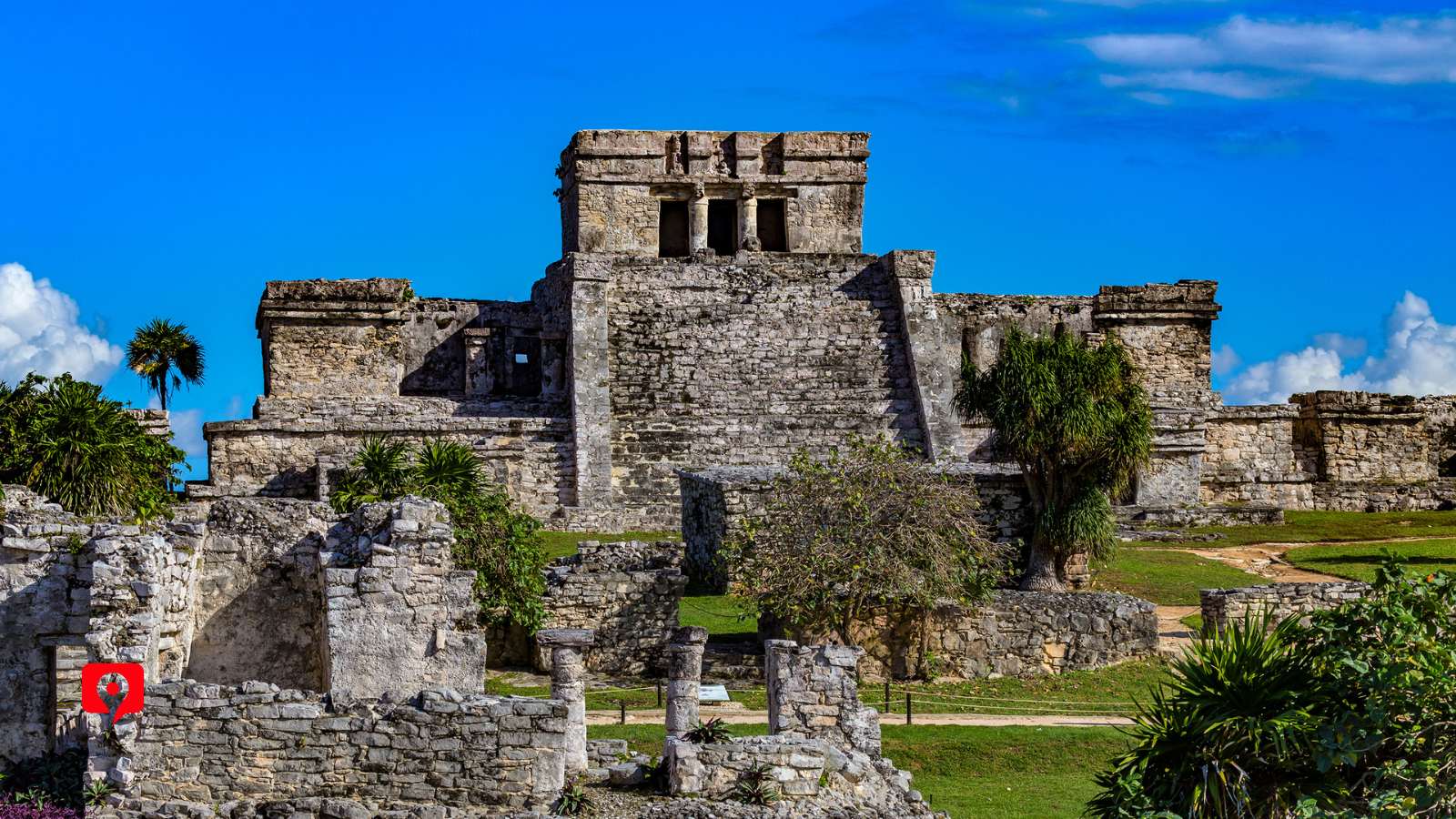
El Castillo is an iconic structure with a buttress at the back that extends toward the cliff, offering a striking view. Though weathered by time and the elements, the stucco panels at the back of El Castillo still present an imposing sight, even in their diminished state. The structure’s enduring presence serves as a reminder of its former grandeur. Whether you admire it from a distance or get up close, El Castillo provides a quiet, historical moment to reflect on the site’s ancient significance.
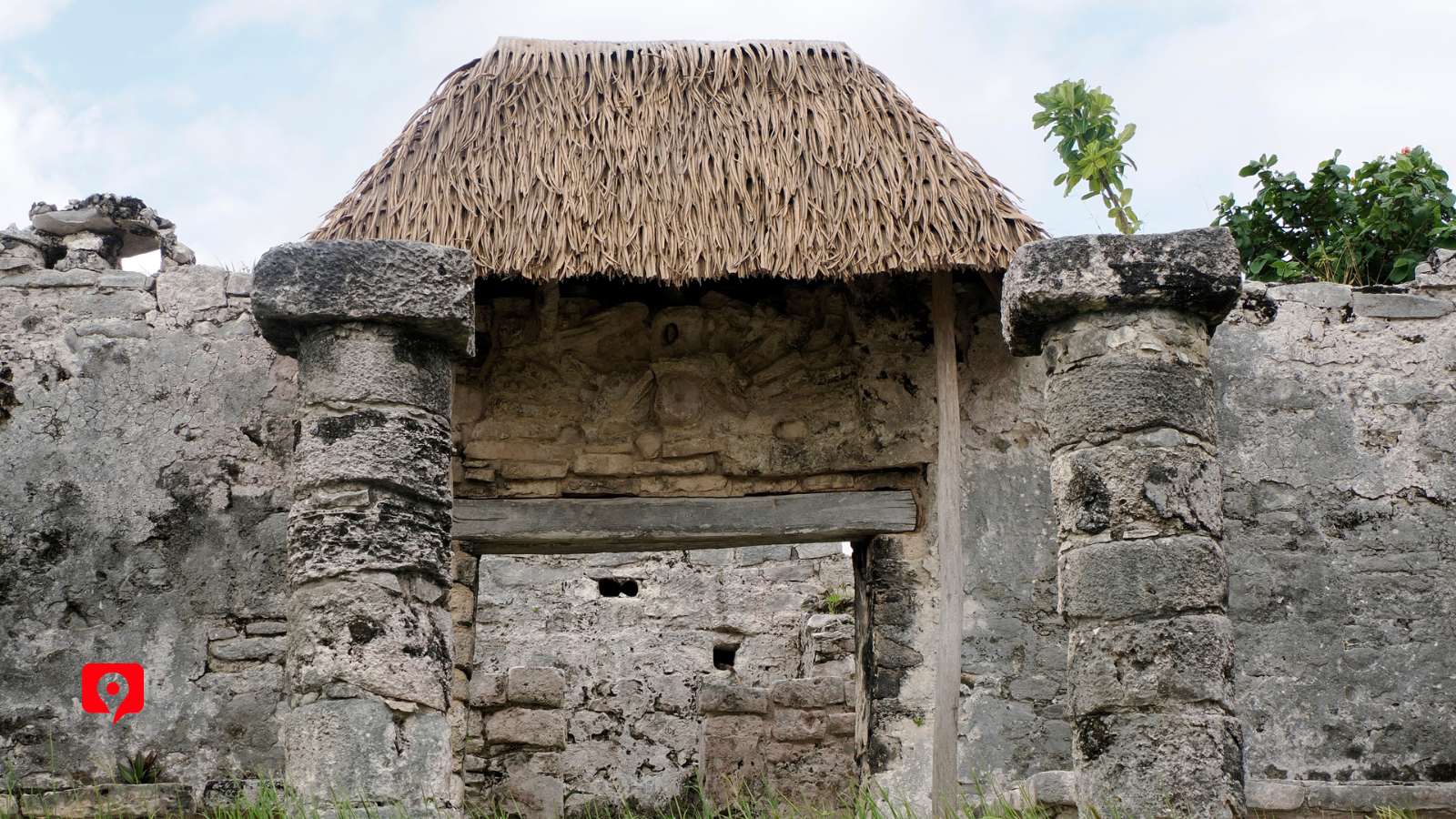
The Temple of the Frescoes is one of Tulum’s most significant buildings. Perched above a fresh cenote, it was built in phases, with the original small structure now serving as the innermost room. Known for its detailed murals and carvings, the temple prominently features the Descending God, a symbol of Venus and war. The facade also includes grim masks of Itzamna, the Mayan god of creation. The upper level is believed to have been used as an observatory, highlighting the Maya’s advanced understanding of the cosmos.
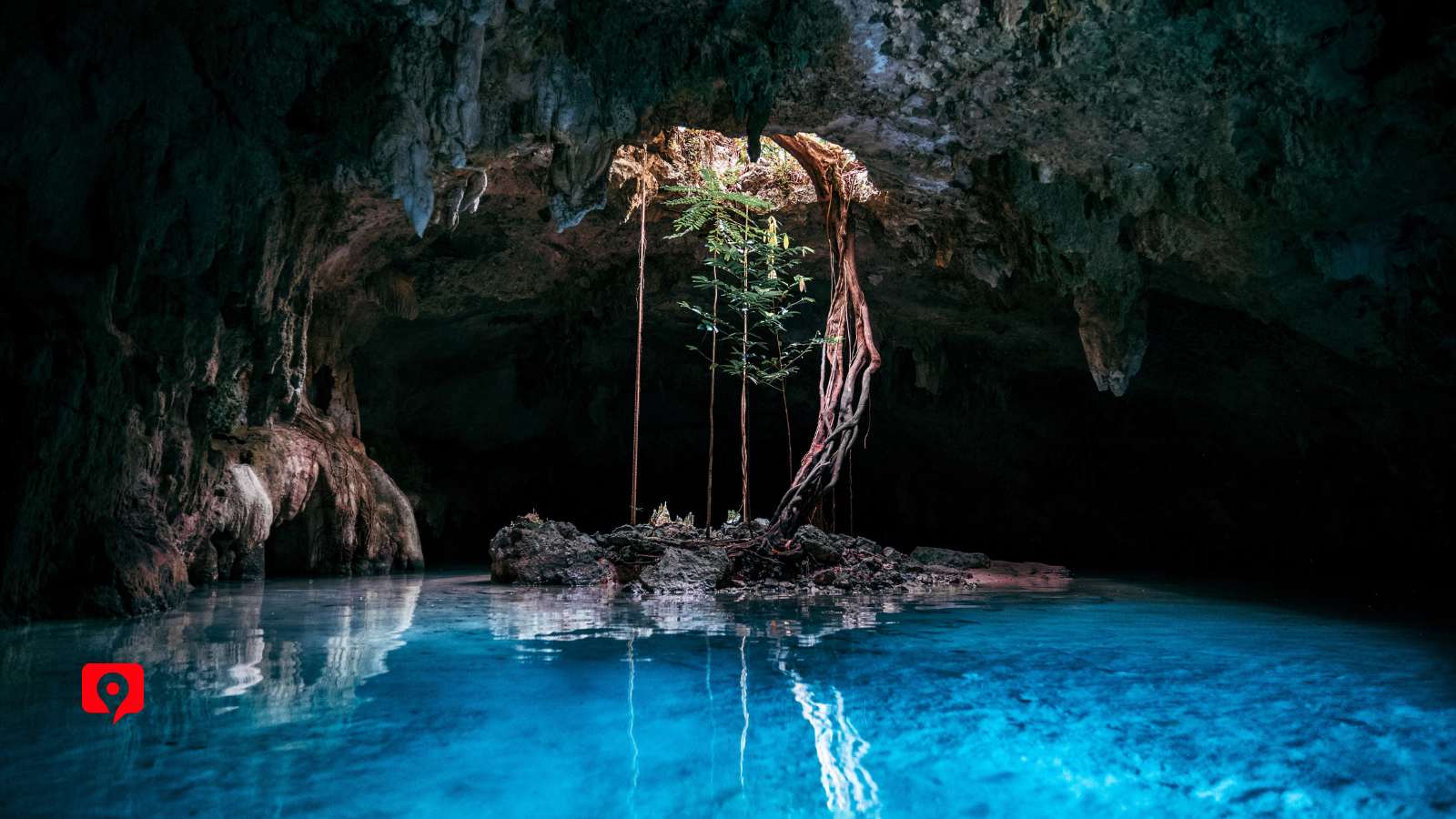
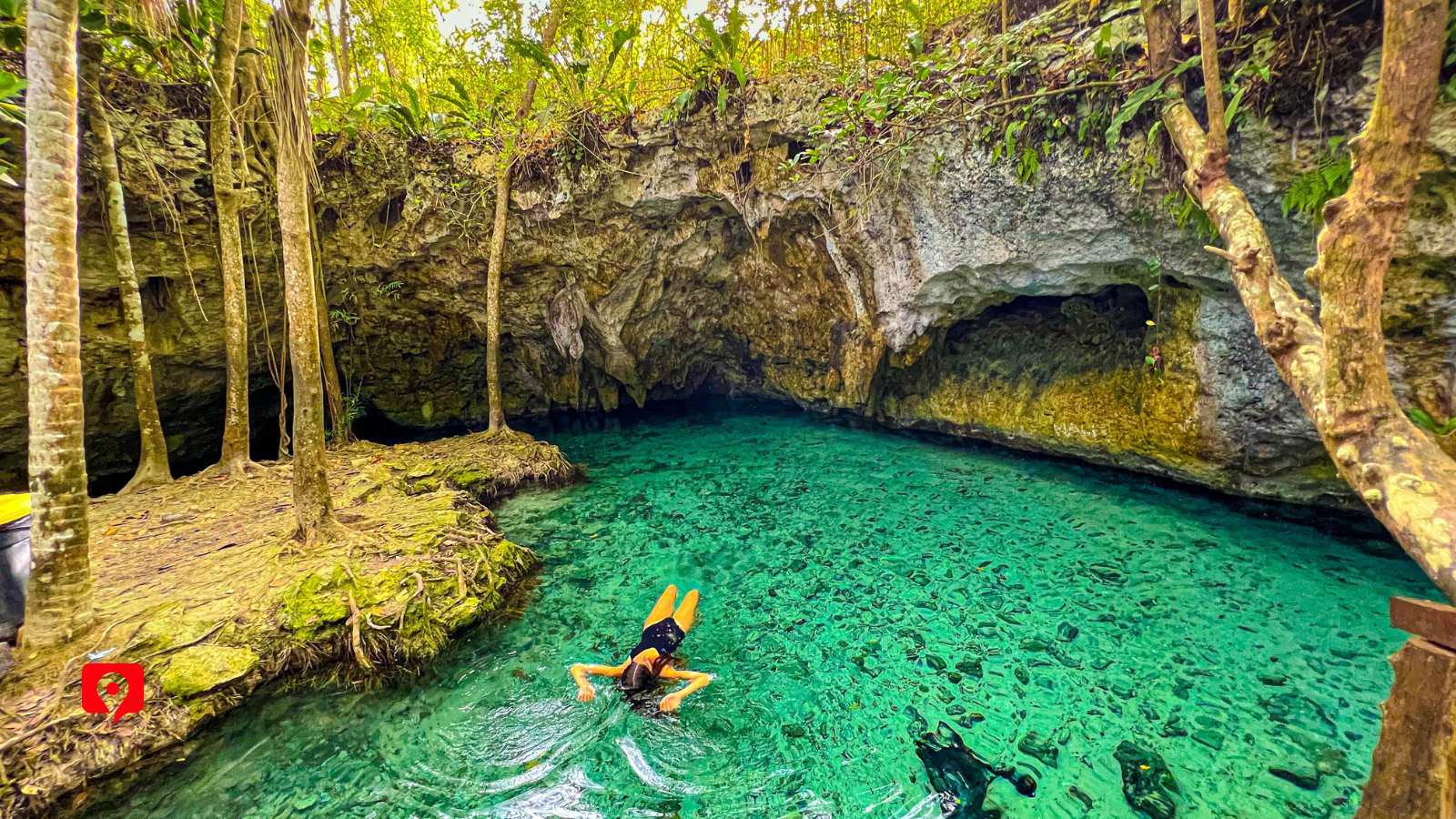
Tulum is famous for its cenotes—natural freshwater sinkholes formed from limestone. Visiting these beautiful pools offers a refreshing and unique experience. Some cenotes are open-air, while others are hidden caves with crystal-clear water. Swimming, snorkeling, or simply marveling at the formations allows visitors to connect with nature and the region’s geological history. Many cenotes near Tulum are family-friendly and provide safe spots to relax while enjoying the serene environment.
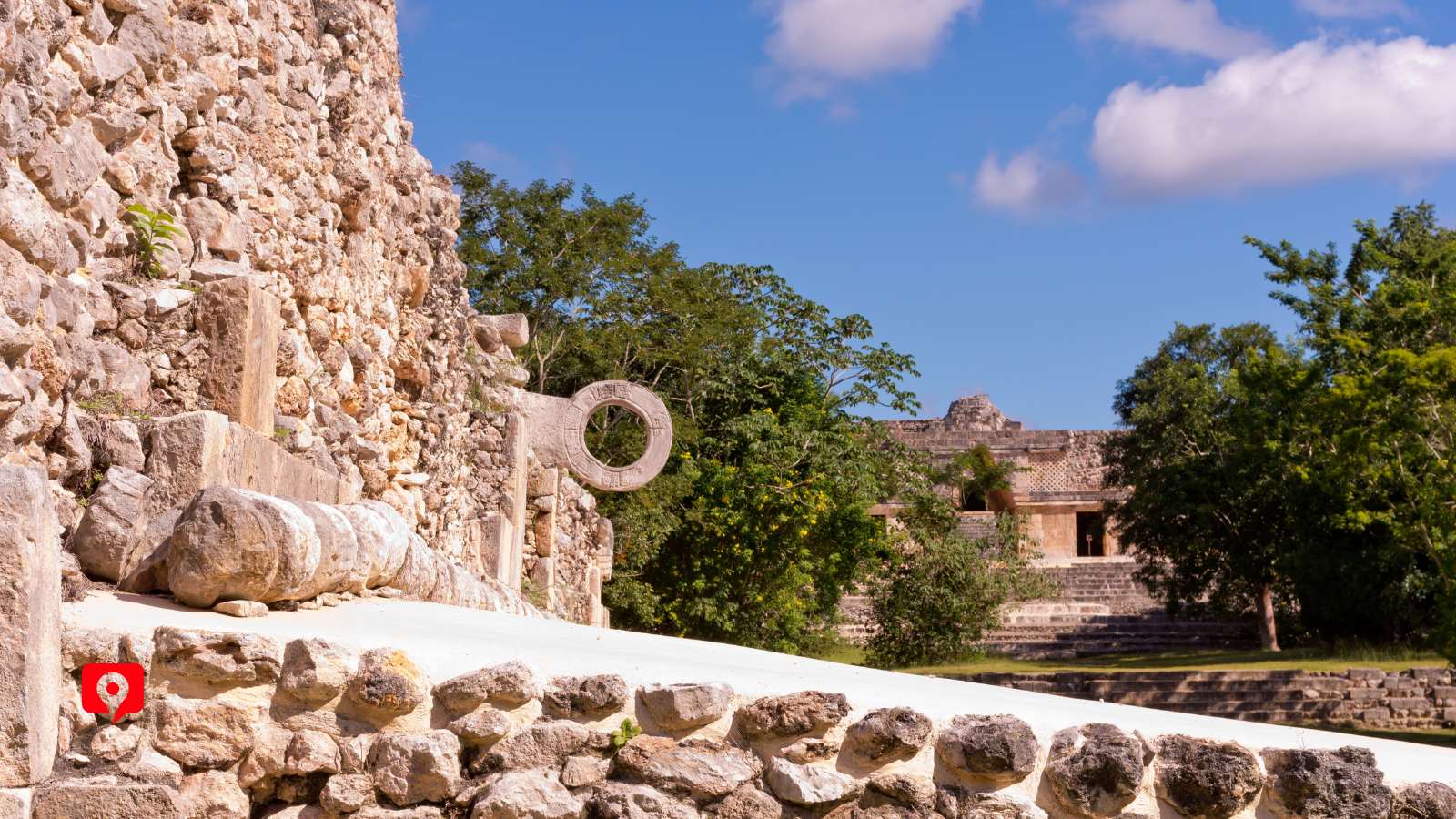
Discover the ancient Mayan Ballgame Court and learn about Pok-a-Tok, a game of ritual and social significance. Walking around the court, you can visualize players competing under strict rules, symbolizing life, death, and divine favor. This experience brings to life the cultural and spiritual importance of sport in Maya society. Visitors gain a unique perspective on Tulum’s ceremonial life, seeing how games were both entertainment and a sacred tradition.
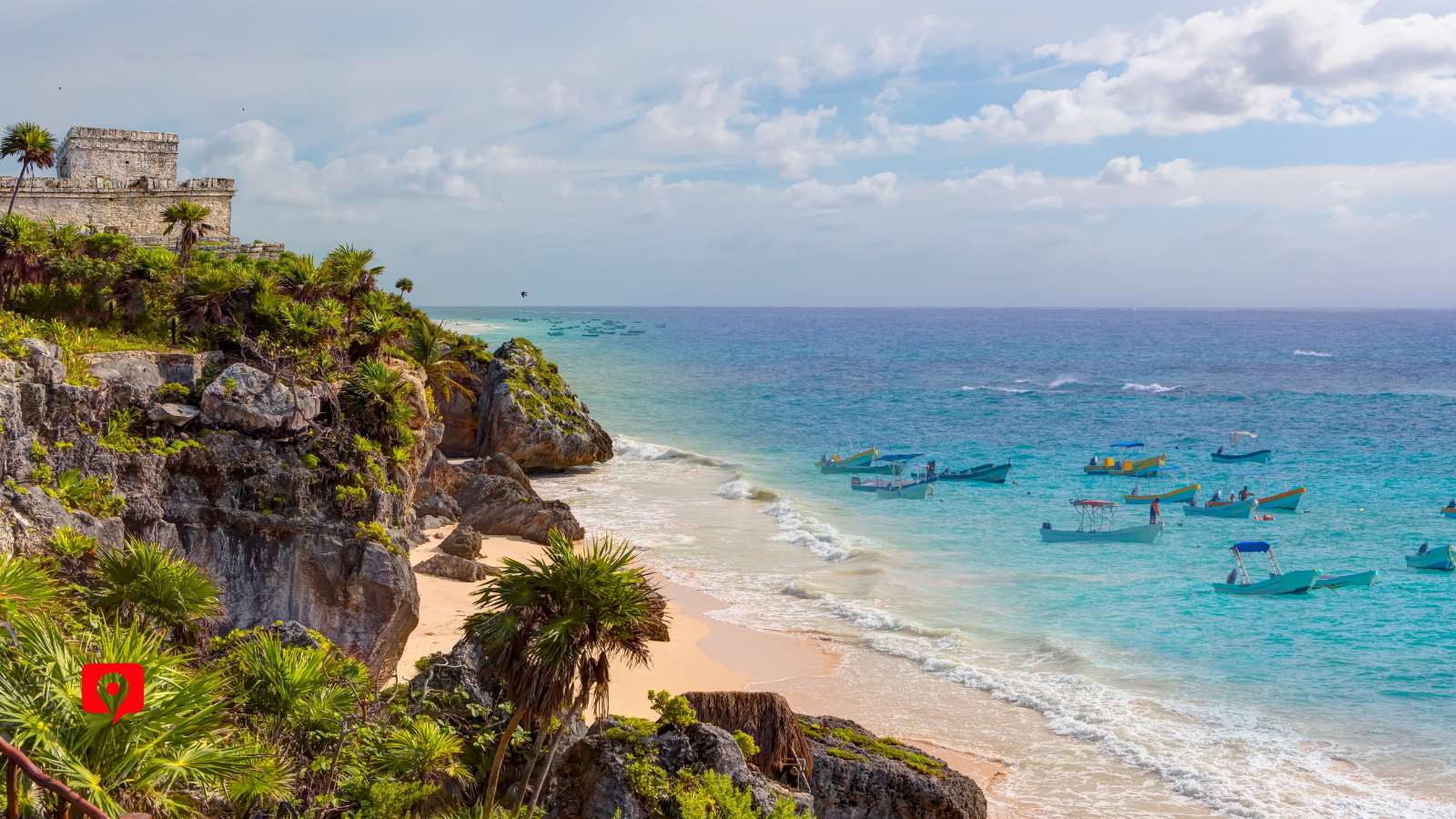
The Tulum sit on cliffs overlooking the Caribbean Sea, providing access to pristine sandy beaches. After touring the ancient city, take time to unwind, swim in turquoise waters, or simply lounge while enjoying the tropical sun. The soft sand, gentle waves, and coastal vistas make this a perfect spot to relax and appreciate the natural beauty surrounding the ruins, giving travelers a chance to balance history with leisure.
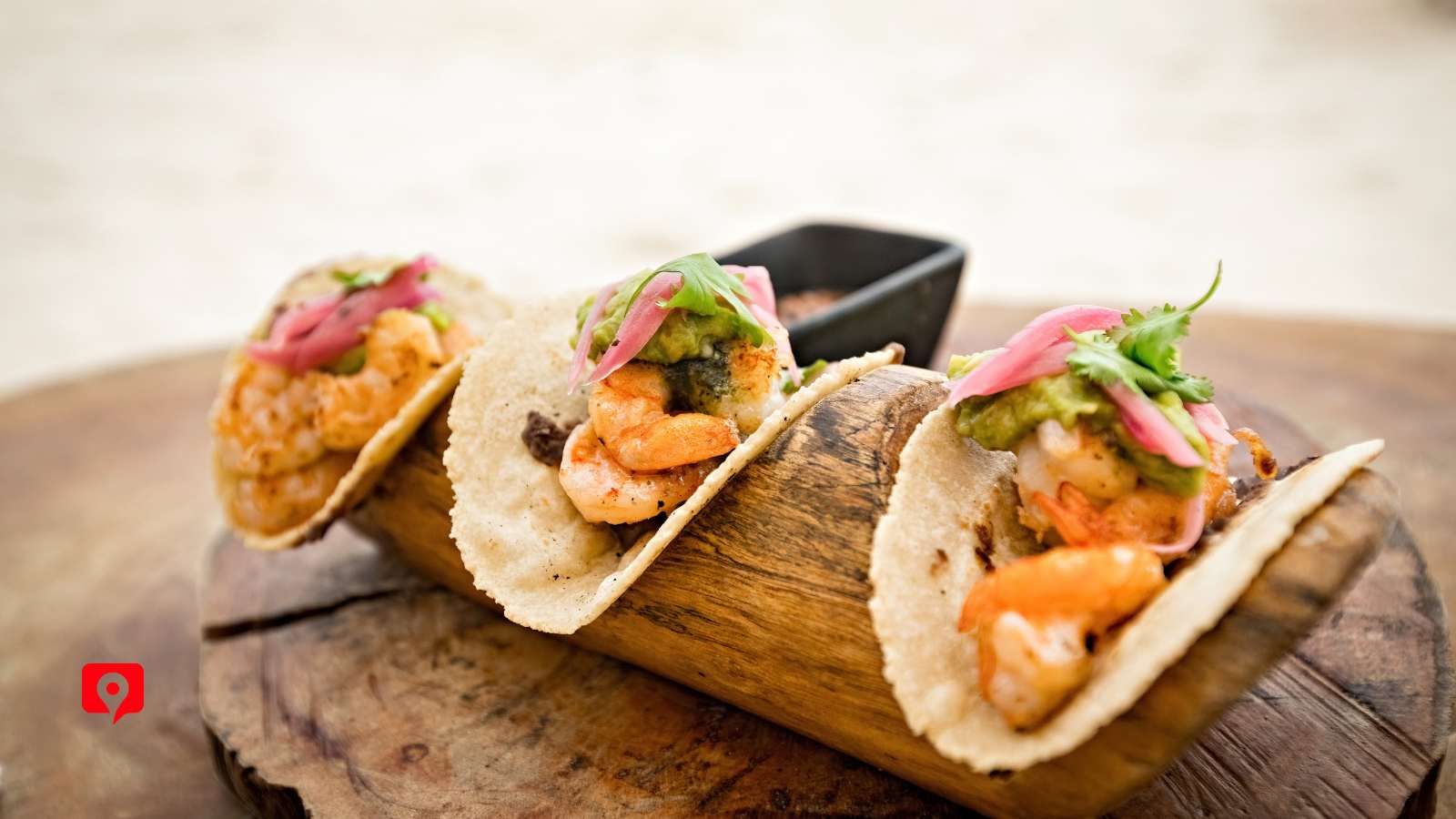
Experience the flavors of Tulum with its local culinary offerings near the ruins and town. Sample traditional Maya dishes like cochinita pibil, fresh ceviche, and handmade tortillas at nearby eateries and street stalls. These dishes showcase regional ingredients and centuries-old cooking techniques. Pair your meal with a refreshing agua fresca or locally crafted mezcal. Tasting authentic Tulum cuisine provides a delicious cultural insight, connecting visitors to the city’s culinary heritage.

Light, Breathable Clothing: Tulum is tropical and sunny year-round. Pack lightweight, breathable clothing and a light cover-up for shaded areas or cooler breezes.
Supportive Footwear: The ruins feature uneven stone paths and sandy areas. Comfortable walking shoes or sturdy sandals are essential for exploring safely.
Sun Protection: Sunglasses, a wide-brimmed hat, and high-SPF sunscreen are crucial under the Caribbean sun.
Reusable Water Bottle & Snacks: Stay hydrated and energized—especially for travelers walking longer distances under the sun.
Daypack: Carry essentials such as water, snacks, your passport, phone, camera, and a map or offline tour app for smooth navigation.
Camera or Smartphone: Capture panoramic views, ancient structures, and the surrounding jungle for memories and social sharing.
Cash & Card: Bring cash for parking, entrance fees, snacks, souvenirs, or transportation, and carry smaller denominations to make payments easier.
Optional Items for Travelers: Light bug spray for jungle areas, a small towel, swimwear for nearby beaches, and a portable charger for your electronics.
Travel Documents & Health Essentials: International visitors should have passports, travel insurance, any required visas, and personal medications for convenience and safety.
Rain Protection: A lightweight rain jacket or compact poncho (especially during the wet season)