1-866-477-1791
1-866-477-1791

Category

Grand Canyon South

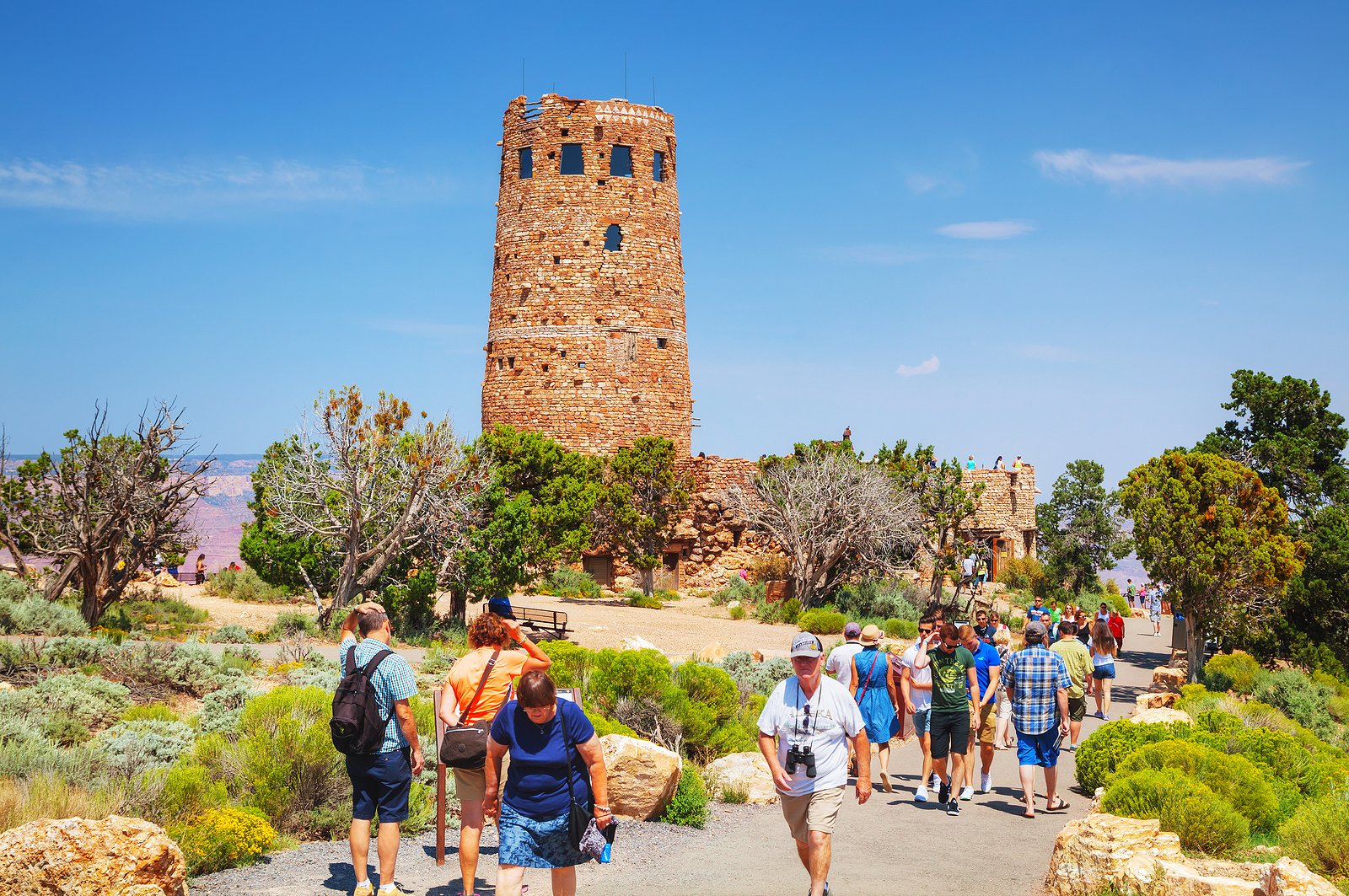
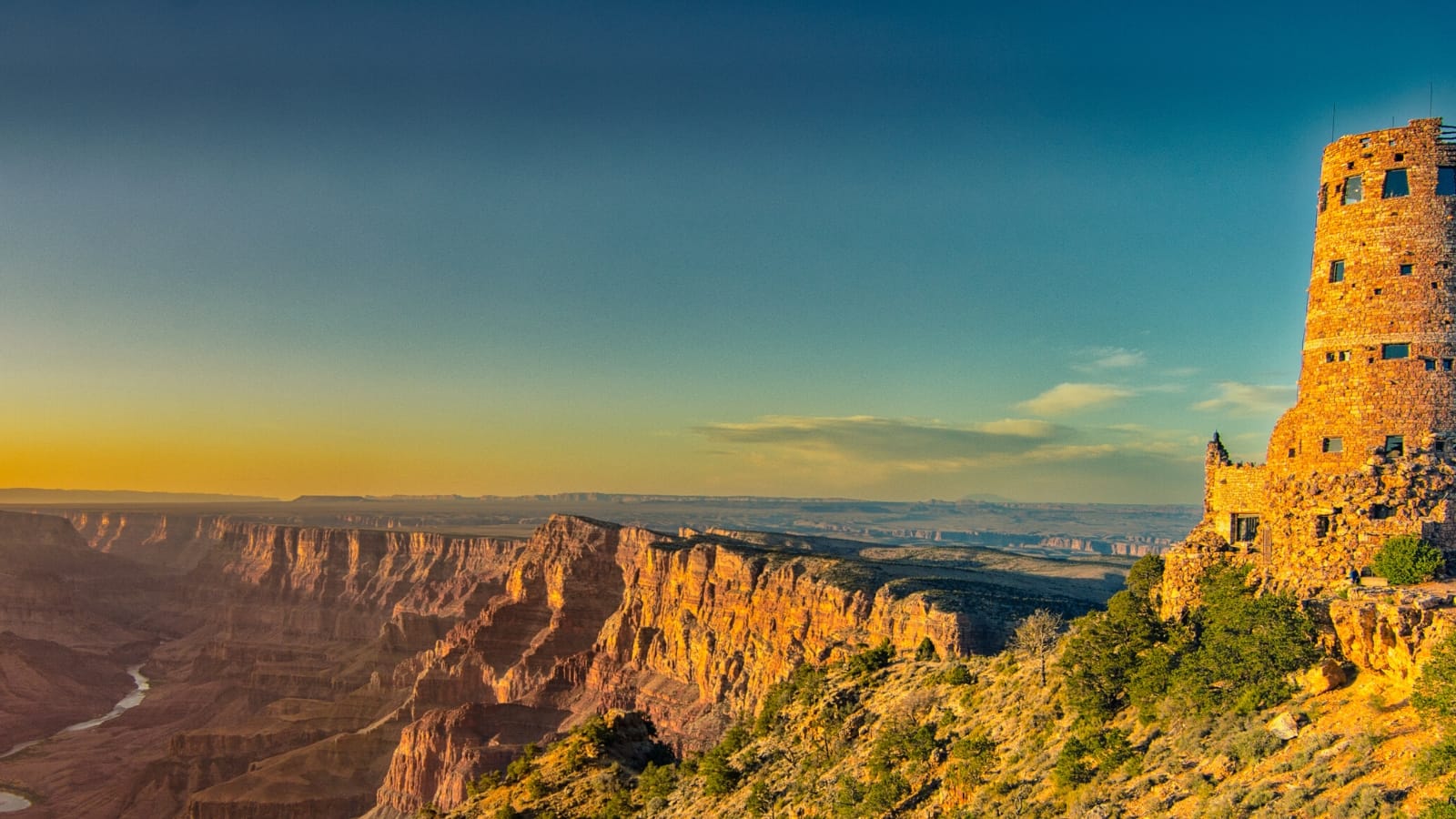
Desert View Watchtower is a 70-foot stone tower balanced on the edge of the South Rim of the Grand Canyon, and the highlight of the 25-mile Desert View Drive on the Grand Canyon South Rim Tour.

The tower is an architectural masterpiece by Mary Colter in the Ancestral Puebloan style, and offers impressive 100 mile views up and down the canyon on clear days.
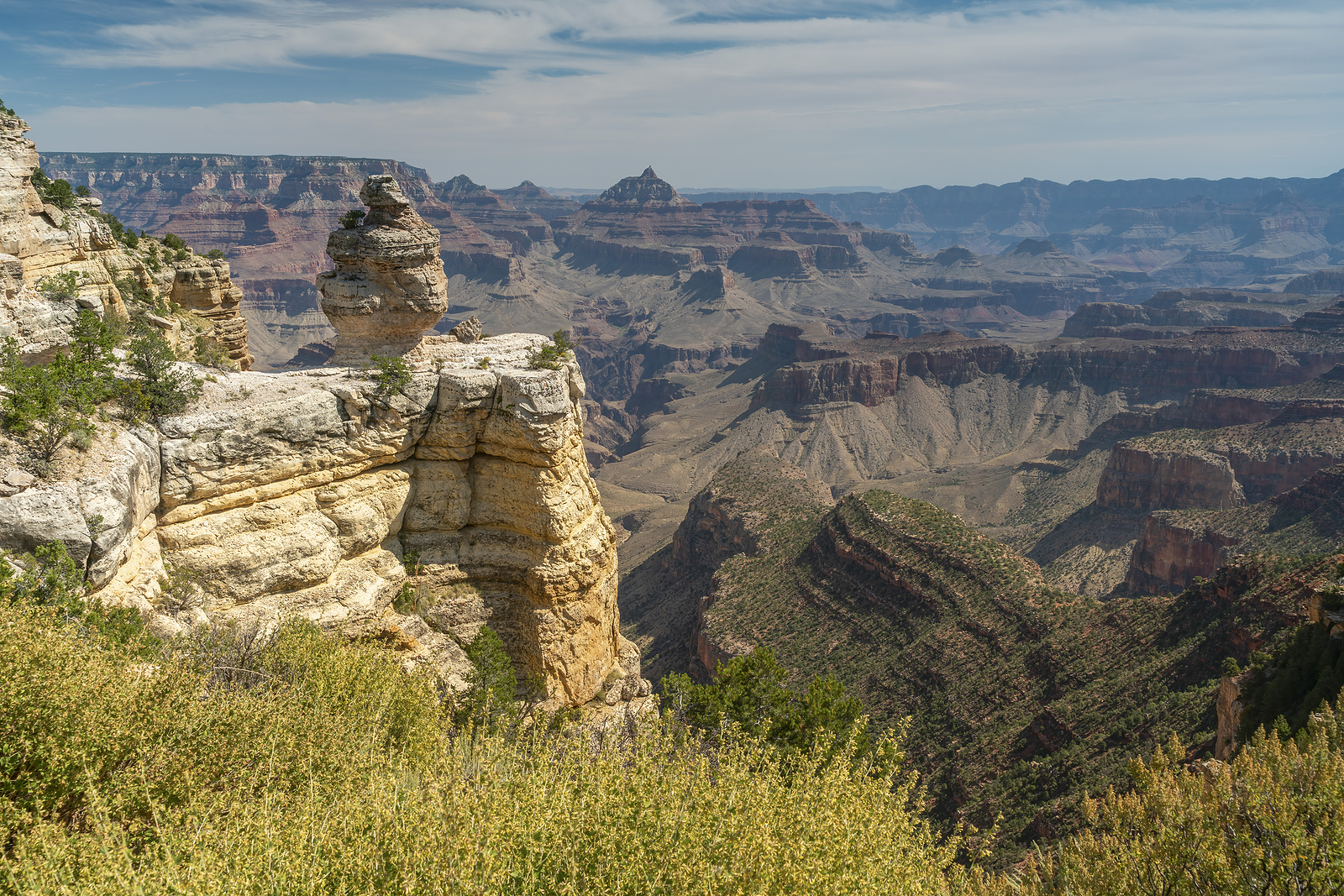
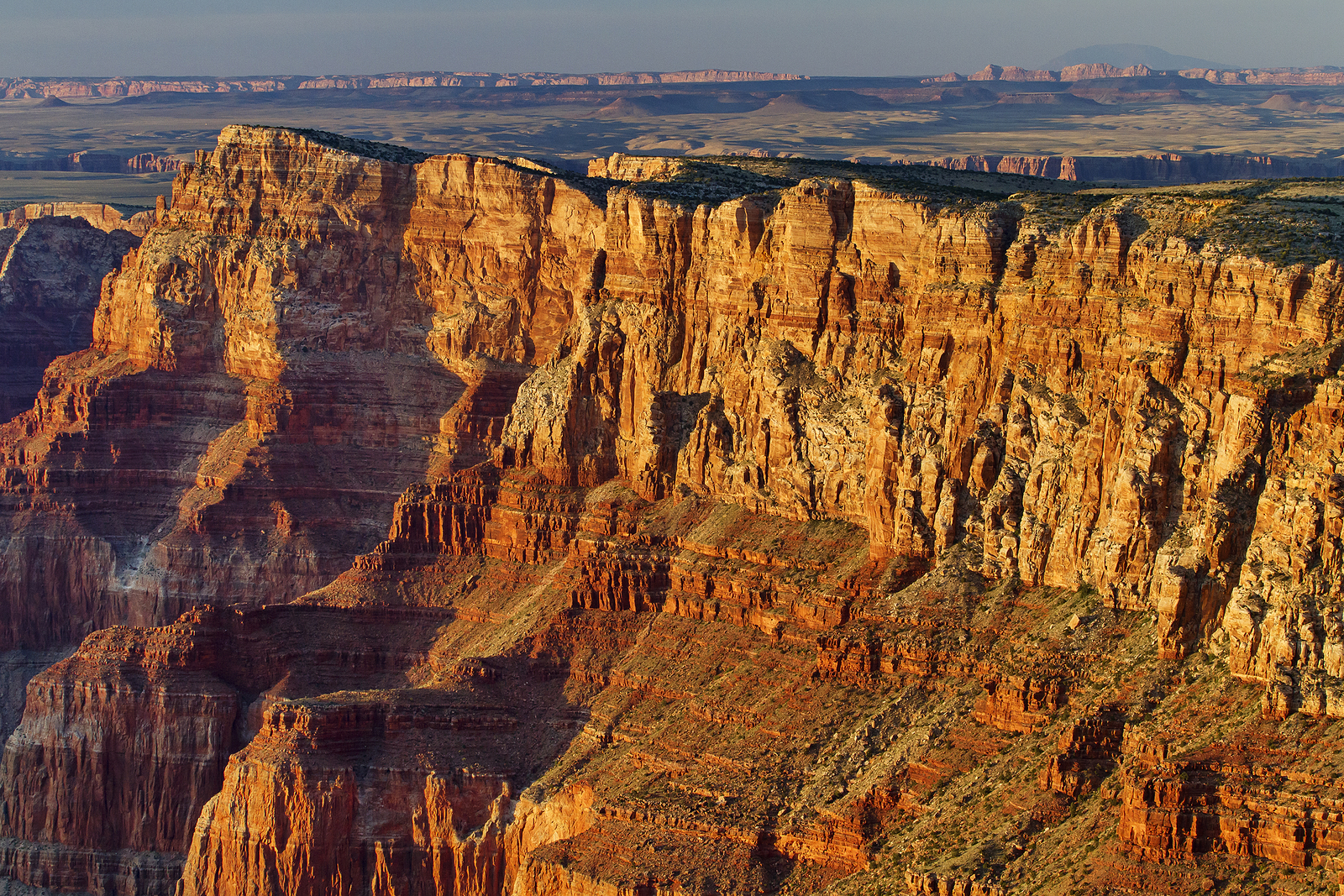
 

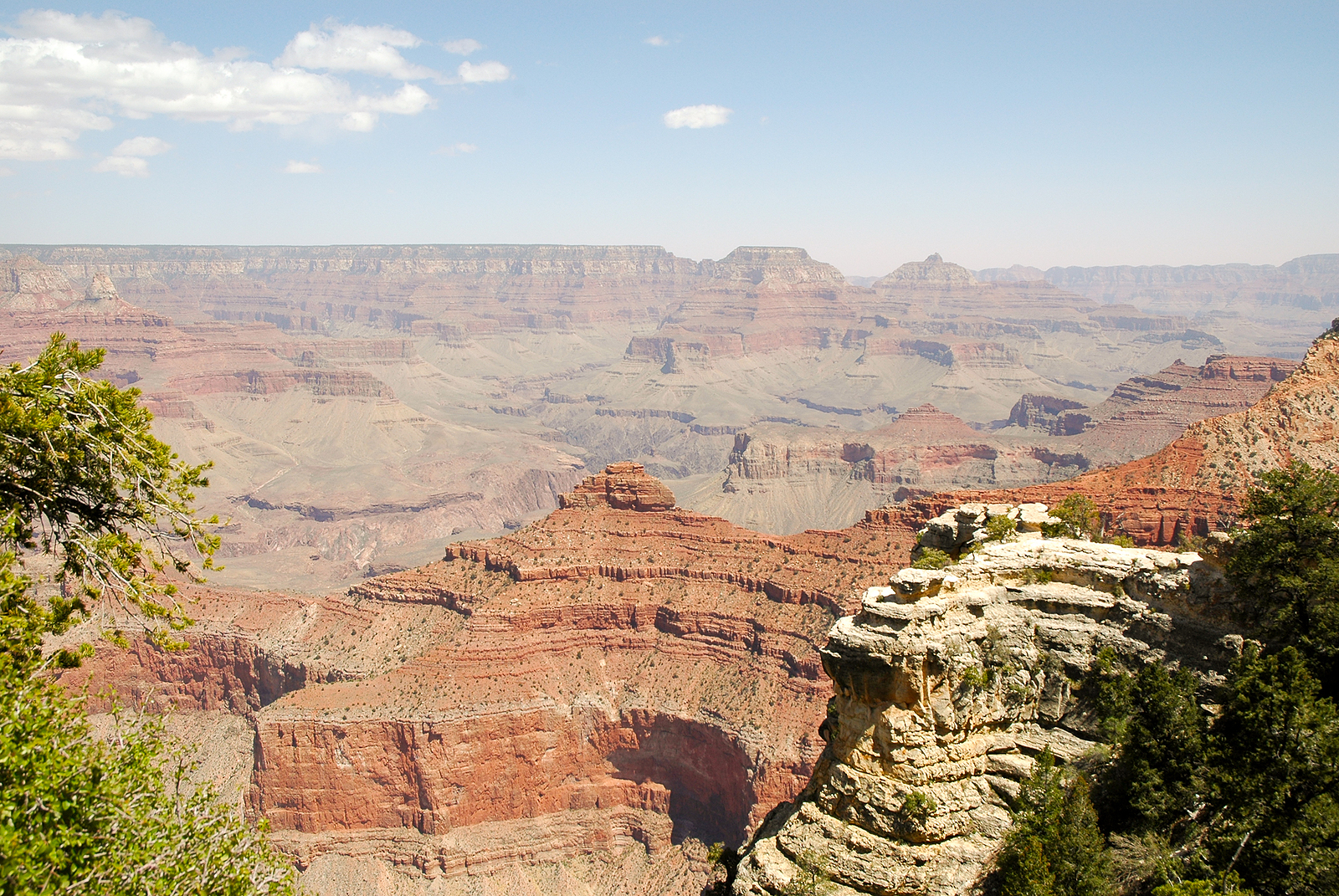
Lipan Point is one of the not-to-be-missed stops along Desert View Drive, with some of the widest and most expansive canyon views on the Grand Canyon South Rim Tour.

It also has one of the longest perspectives of the Colorado River, and if you look way down you might be able to see its powerful whitewater rapids. It’s also an ideal spot to enjoy sunrise, sunset, and the night sky.

Hopi Point is a popular sunrise and sunset spot on the Grand Canyon South Rim Tour.

It juts out further into the canyon than any of the other viewpoints and offers a huge panoramic view from east to west. Located along Hermit Road, you can either take the park’s free shuttle bus, bike or hike here along the Rim Trail.

Rock Formation Known As Duck On A Rock At The Grand Canyon Natio

Look out for Duck Rock, a fun natural formation that looks just like a duck’s head. It’s a great photo stop and a reminder of how erosion can shape the landscape in surprising ways. Keep your camera ready for this quirky canyon landmark.


Desert View Drive

Desert View Drive is a scenic 25-mile route along the South Rim with some of the best viewpoints in the park. Highlights include Lipan Point and Navajo Point, where you can see the Colorado River winding far below. This drive is packed with places to stop, take photos, and soak in the canyon’s vast beauty.

Grandview Point overlook

Grandview Point lives up to its name with expansive, sweeping views of the canyon and the Colorado River far below. It’s one of the most dramatic overlooks on the South Rim, and nearby ruins from the old Grandview Hotel add a touch of pioneer history.

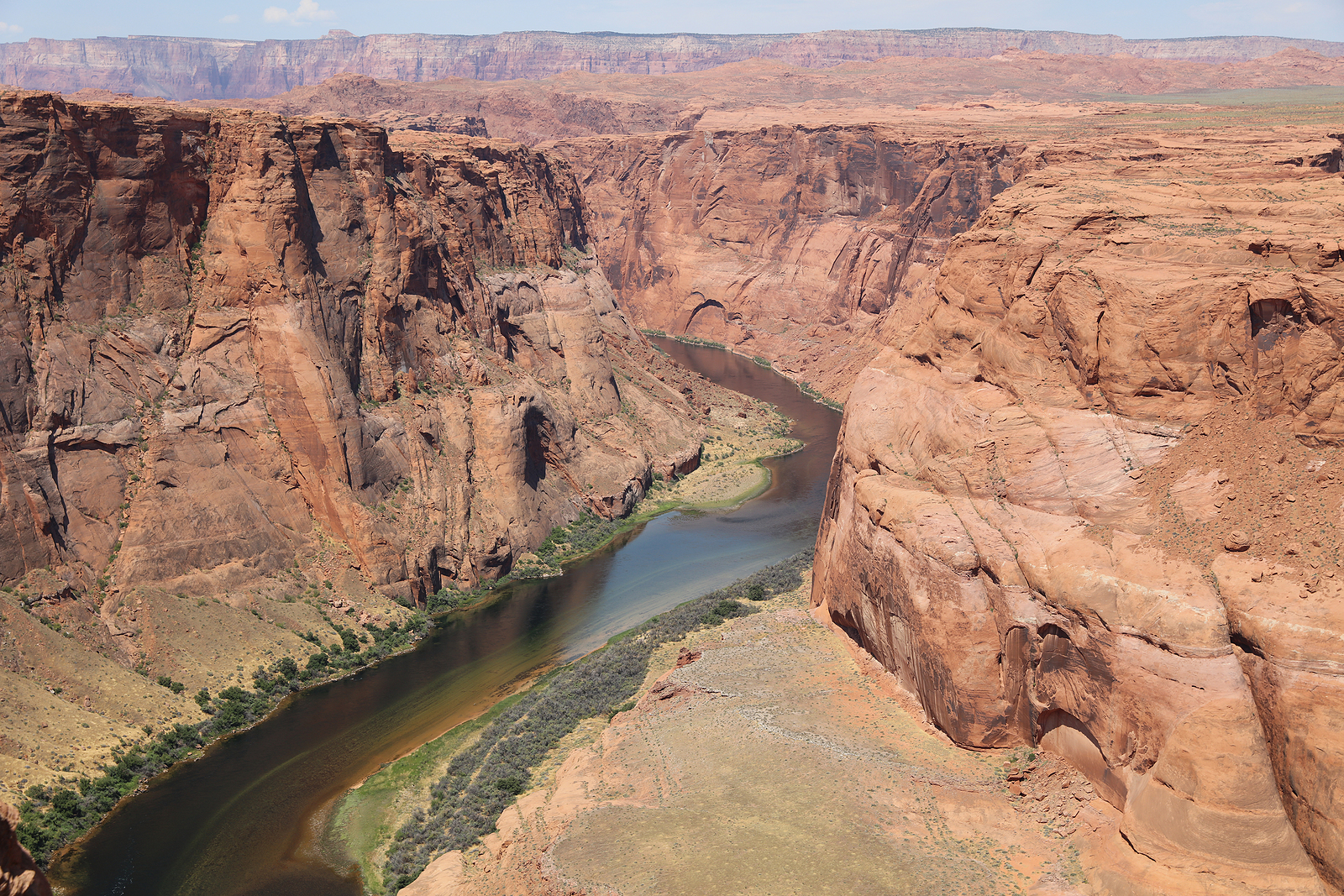
Little Colorado River Gorge in Arizona. USA

Just outside the park, the Little Colorado River Gorge offers a different but equally dramatic view. The deep, colorful cliffs and powerful river make this a fascinating stop. This area is also sacred to the Navajo and Hopi tribes, adding cultural depth to the landscape.

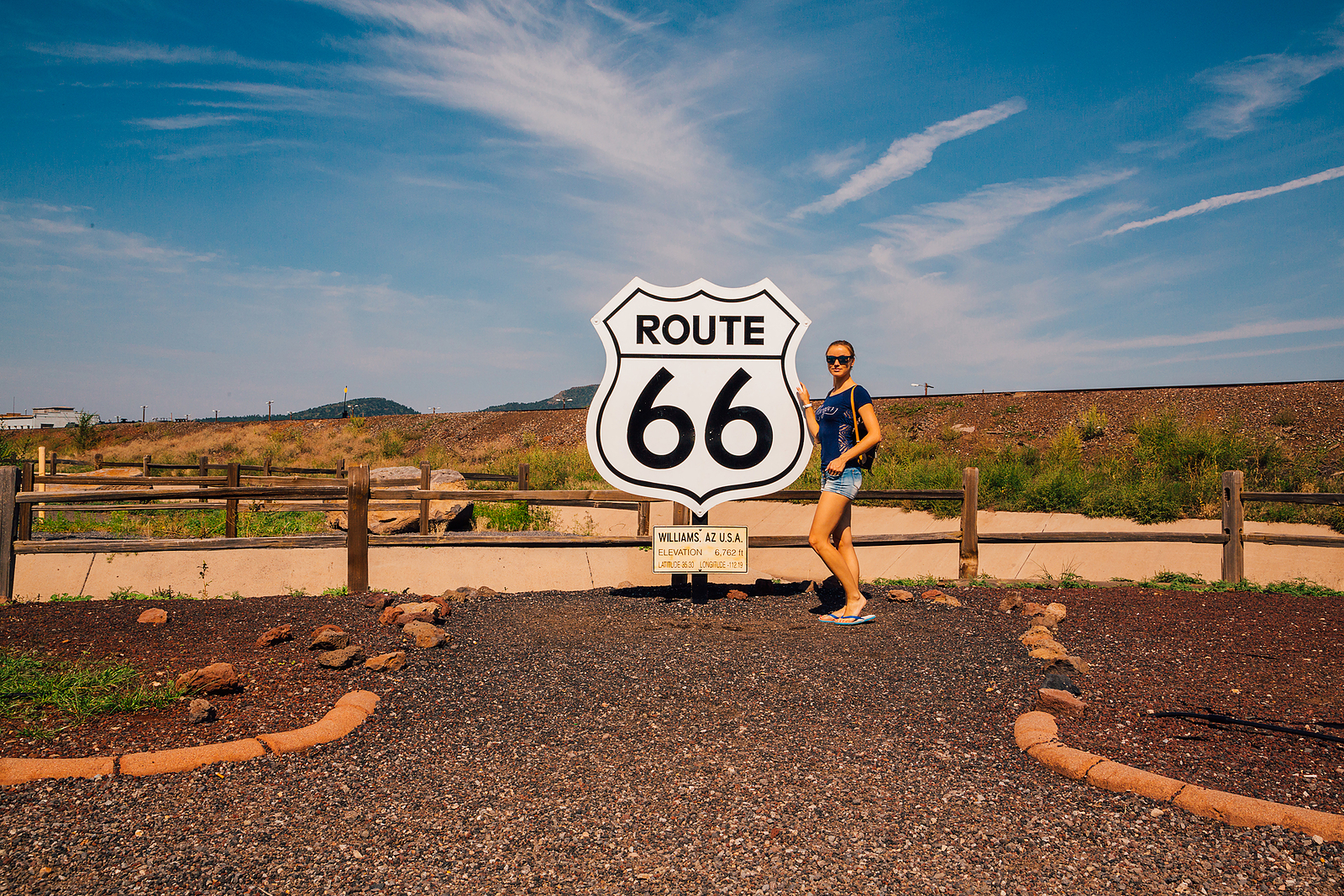
Young Girl Standing By The Route 66 Sign In The Town Of Williams

Stop in the historic town of Williams, Arizona, known as the “Gateway to the Grand Canyon.” Stroll along classic Route 66, check out vintage signs, grab a bite at a diner, and enjoy the throwback vibe. It’s a fun taste of Americana before or after your canyon visit.

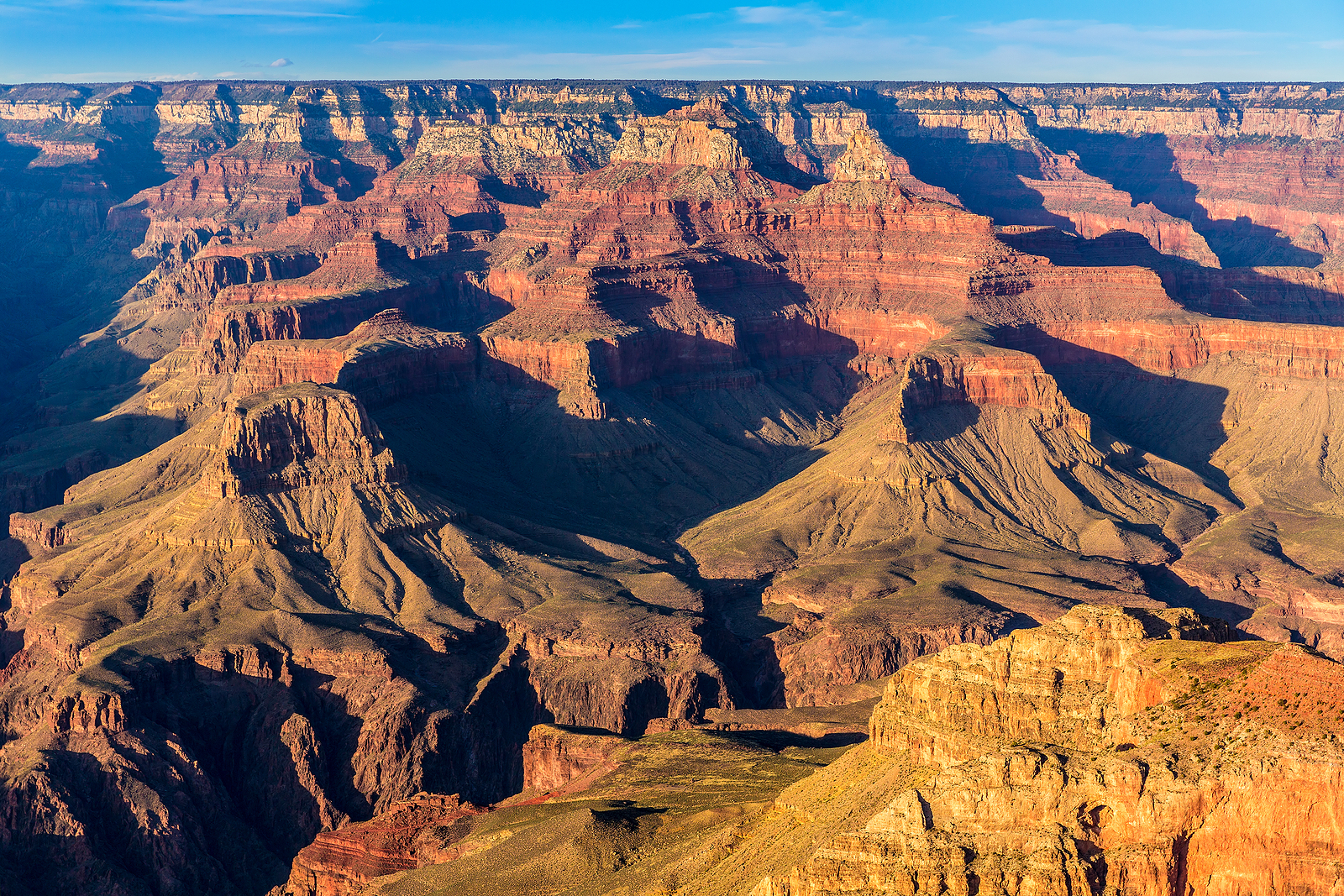
Arizona sunset Grand Canyon National Park Yavapai Point USA

Yavapai Point is home to the Yavapai Geology Museum, where you’ll get amazing canyon views and learn how the canyon was formed. Exhibits explain the rock layers and erosion that carved this landscape, and the museum’s windows offer perfect views to match the story.

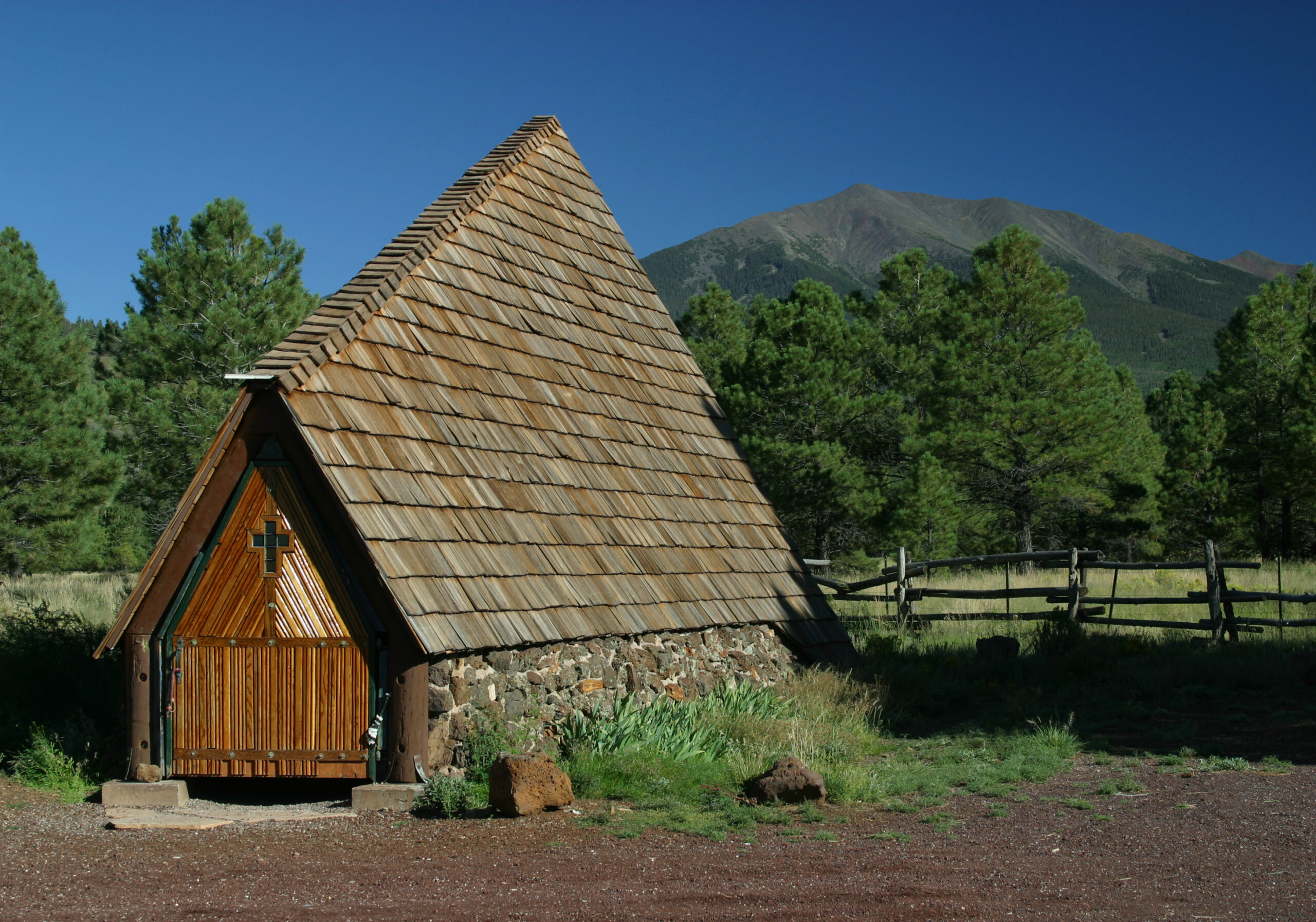
Chapel,Near,Grand,Canyon,-,Clear,Blue,Sky

Begin your journey with a quiet moment at the Chapel of the Holy Dove, a small stone chapel near the canyon’s edge. Surrounded by nature, it’s a peaceful space for reflection and a unique place to connect with the landscape’s deeper meaning.


San Francisco downtown at night aerial shot

As you head toward the canyon, you’ll see the San Francisco Peaks rising in the distance. These volcanic mountains are sacred to many Native American tribes and stand out with their snow-capped summits. They offer a striking contrast to the desert landscape below.

Grand Canyon Village

Grand Canyon Village is the main hub of the South Rim, with historic lodges, visitor centers, and some of the most iconic views. Visit El Tovar Hotel, stop by Mather Point, and explore exhibits at the Yavapai Geology Museum. It’s where history and scenery meet.

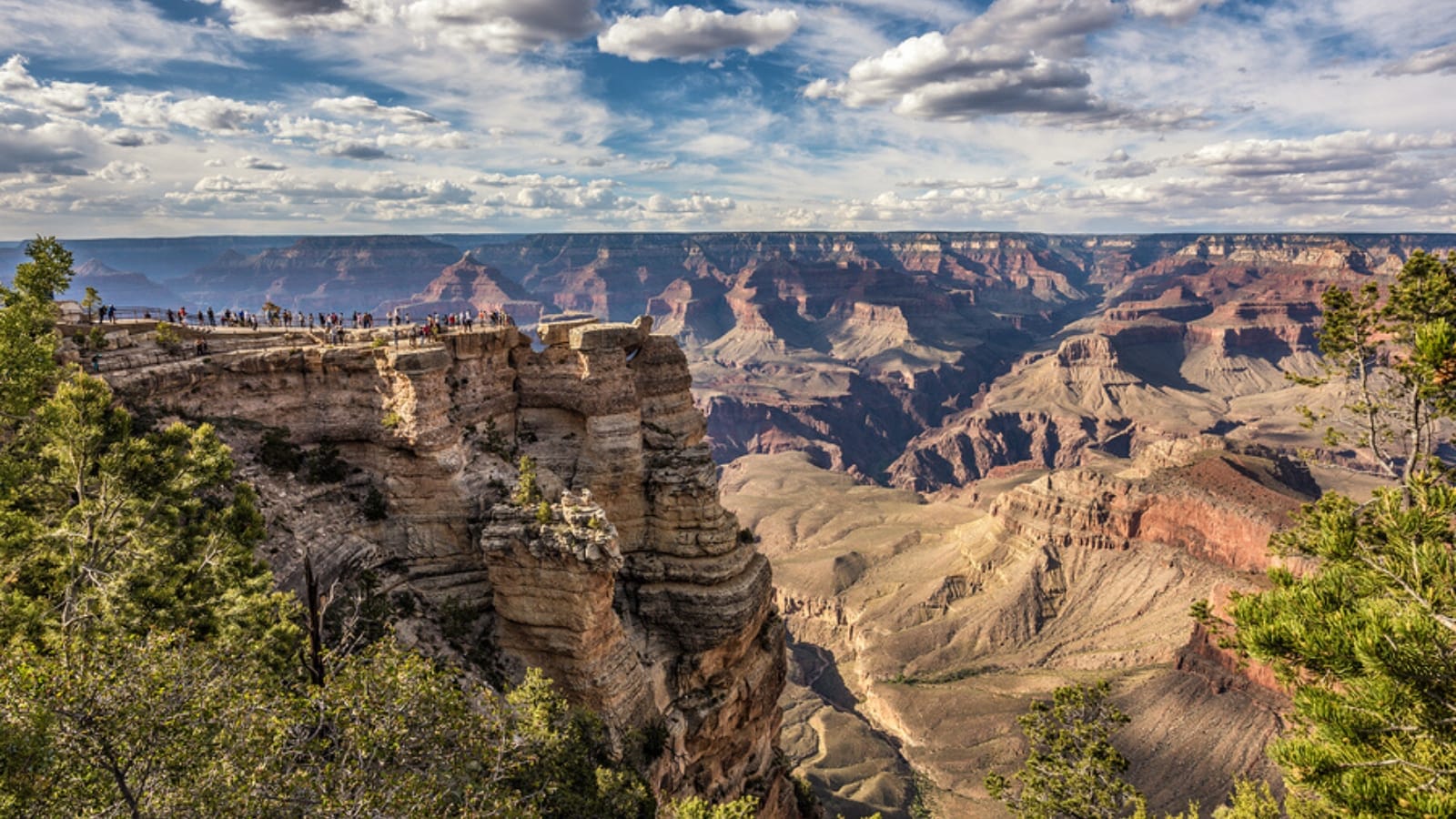
For many visitors, Mather Point is the very first view they will have of the massiveness of the Grand Canyon on the Grand Canyon South Rim Tour.

Thanks to its proximity to Grand Canyon Village and its gorgeous vantage point, Mather Point is one of the most popular spots to watch the sunset on the South Rim. Mather Point’s convenient location also makes it the busiest, so arrive early to secure a prime spot.


GyPSy Guide Audio Driving Tour App Grand Canyon South

GyPSy Guide Audio Driving Tour App Grand Canyon South


When we enter the park, we are going immediately have the chance to visit one of the most spectacular locations in the entire national park.  It’s not just about the view, but the place from where we get to take in those spectacular views.

This place is the Desert View Watchtower.  The story about it is also all about the architect, designer and builder who envisioned it and then oversaw its construction. Her name was Mary Jane Elizabeth Colter. Yes, Mary Colter is a woman of course! 

This was a highly unusual situation a century ago, and well let’s just make the call that in her day, Mary Colter was the most pioneering female in the male dominated field of architecture, certainly in the US. Female architects were so unaccepted and unproven when she set out in her career, that a male architect had to sign off on her designs and drawings.  Whoaahh.  Hey, I’m just the messenger here.

To help understand her character she was described as a chain-smoker and that she was a perfectionist.

Mary Colter was responsible for the design and construction of 5 other important buildings at the canyon, and they are all listed as historic landmarks.

In the village itself we will find Hopi House, her first Grand Canyon project from 1905, The Lookout Studio from 1914, and the Bright Angel Lodge which was completed in 1935.

If we take the shuttle to Hermits Rest west of the village, that’s one of hers. And the famous Phantom Ranch cabins at the bottom of the canyon was transformed from canvas tents to something suitable for the new rich breed of tourists who were coming by train.

The common theme in all of her buildings was the desire to blend into the surroundings and to draw from the Native Americans who originally inhabited the area.

By not making her buildings take your eyes away from the scenery, she made them even more special. And yet they were incredibly interesting and appealing designs.

This core concept became the philosophy of many of the National Park’s architecture throughout the country.