00:00

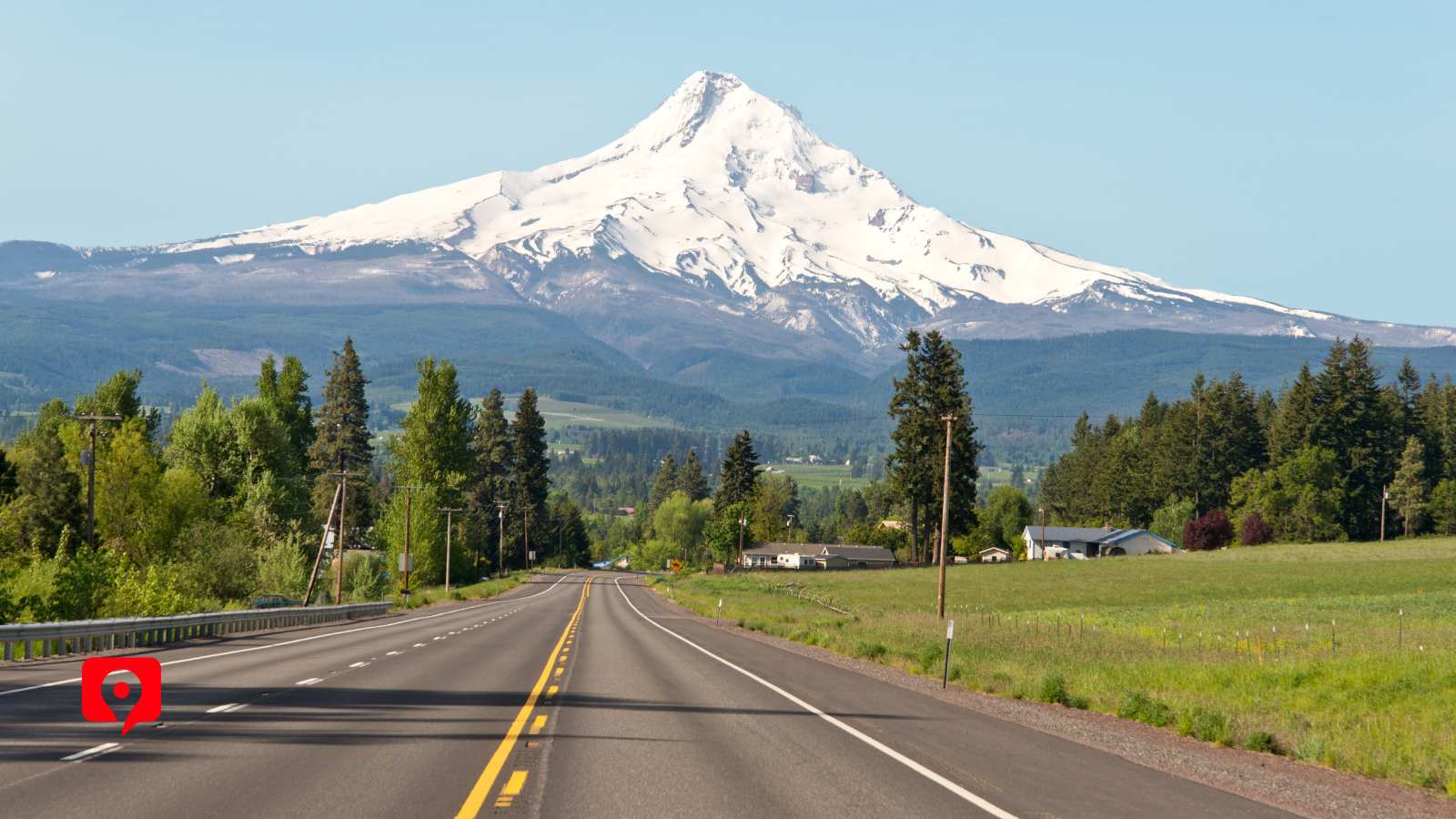
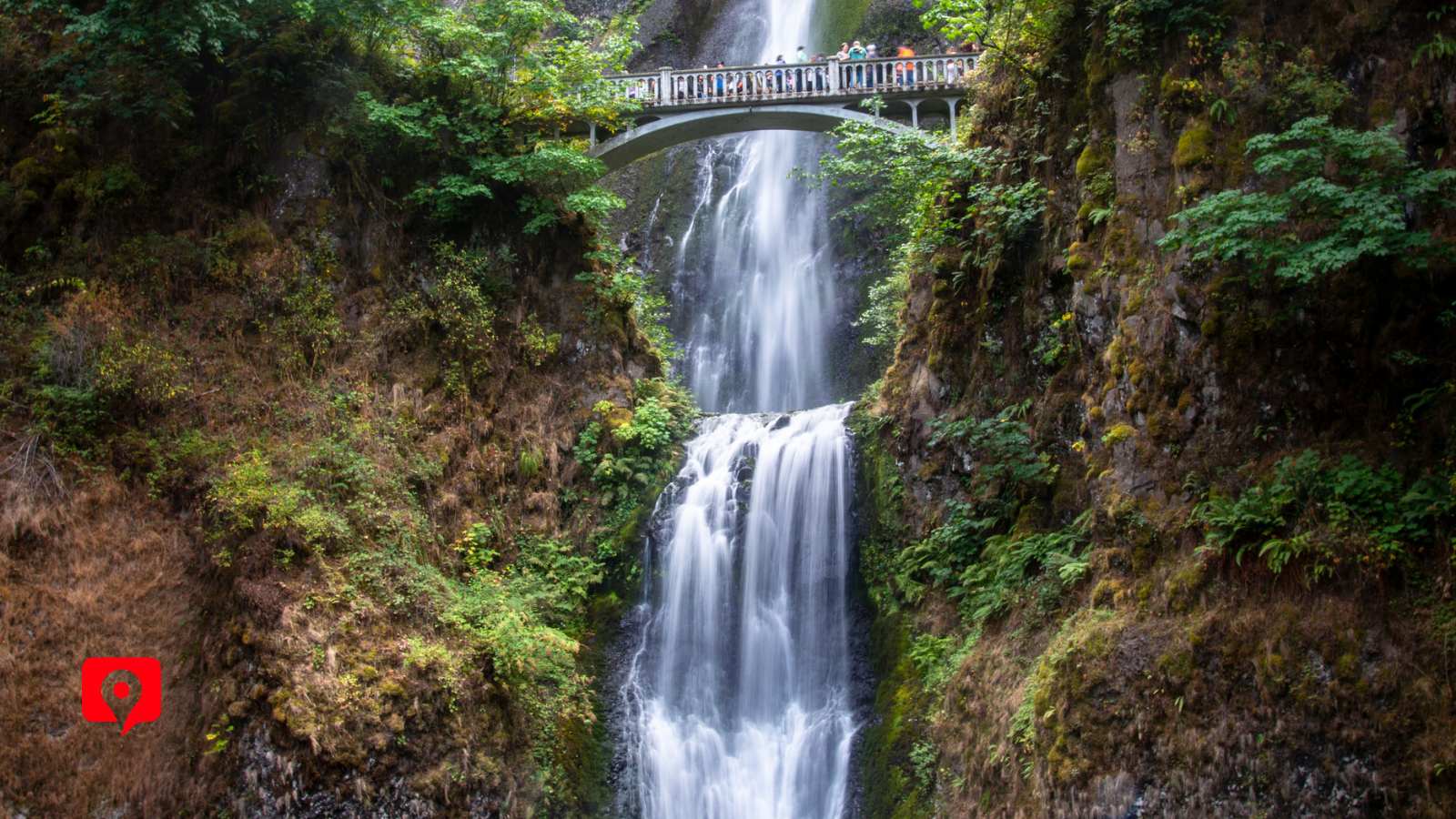
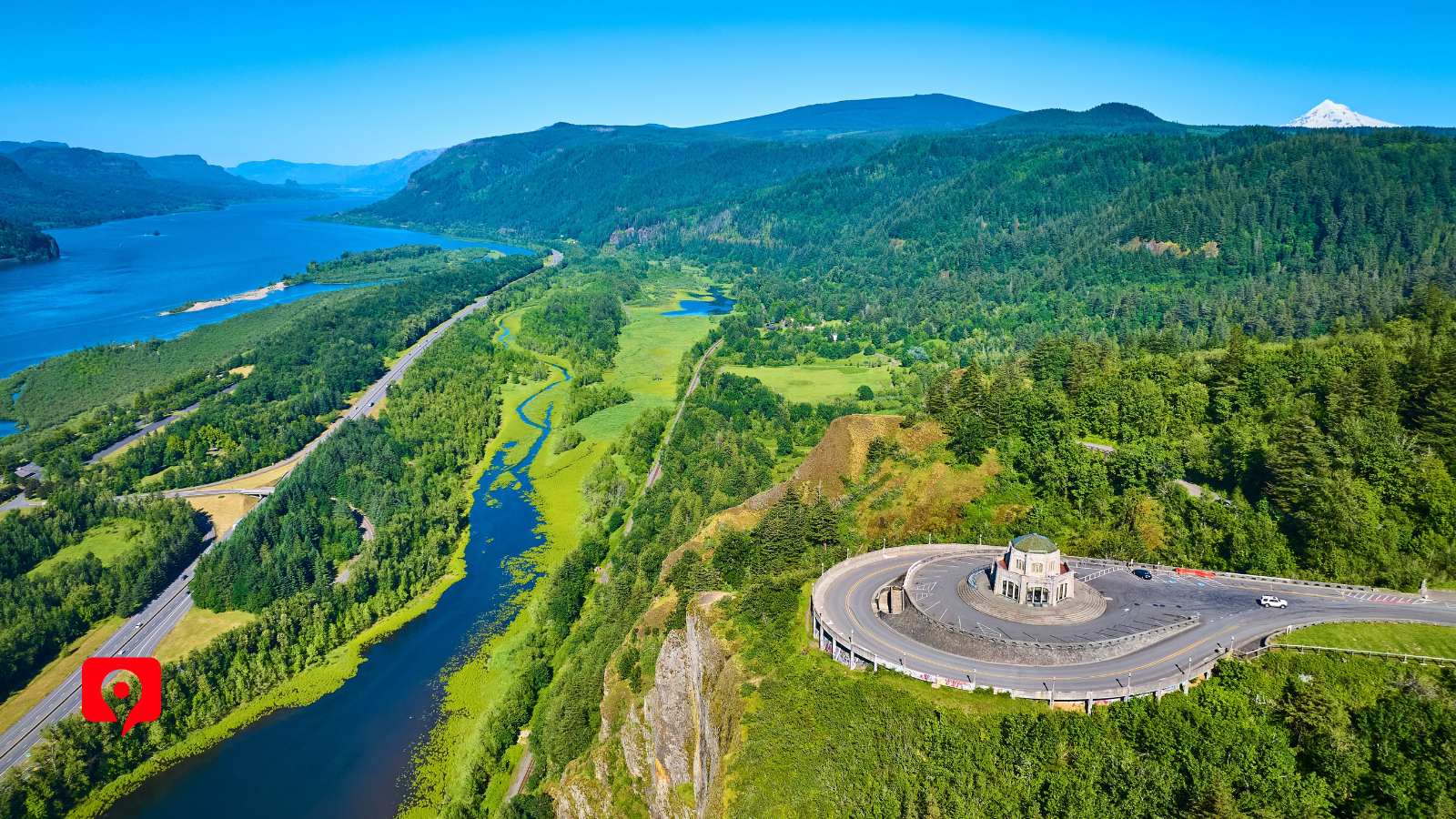
Snow-dusted and ruggedly beautiful, Mt. Hood is the crown jewel of northern Oregon and one of the most rewarding mountain drives out there. This scenic loop begins in the Columbia River Gorge, where ancient lava flows and Ice Age floods carved dramatic cliffs and hidden waterfalls. A standout stop here is the awe-inspiring Multnomah Falls, where a two-tiered cascade plunges 620 feet past the historic Benson Bridge. The highway offers stunning viewpoints, iconic hikes, and lush greenery at every turn.
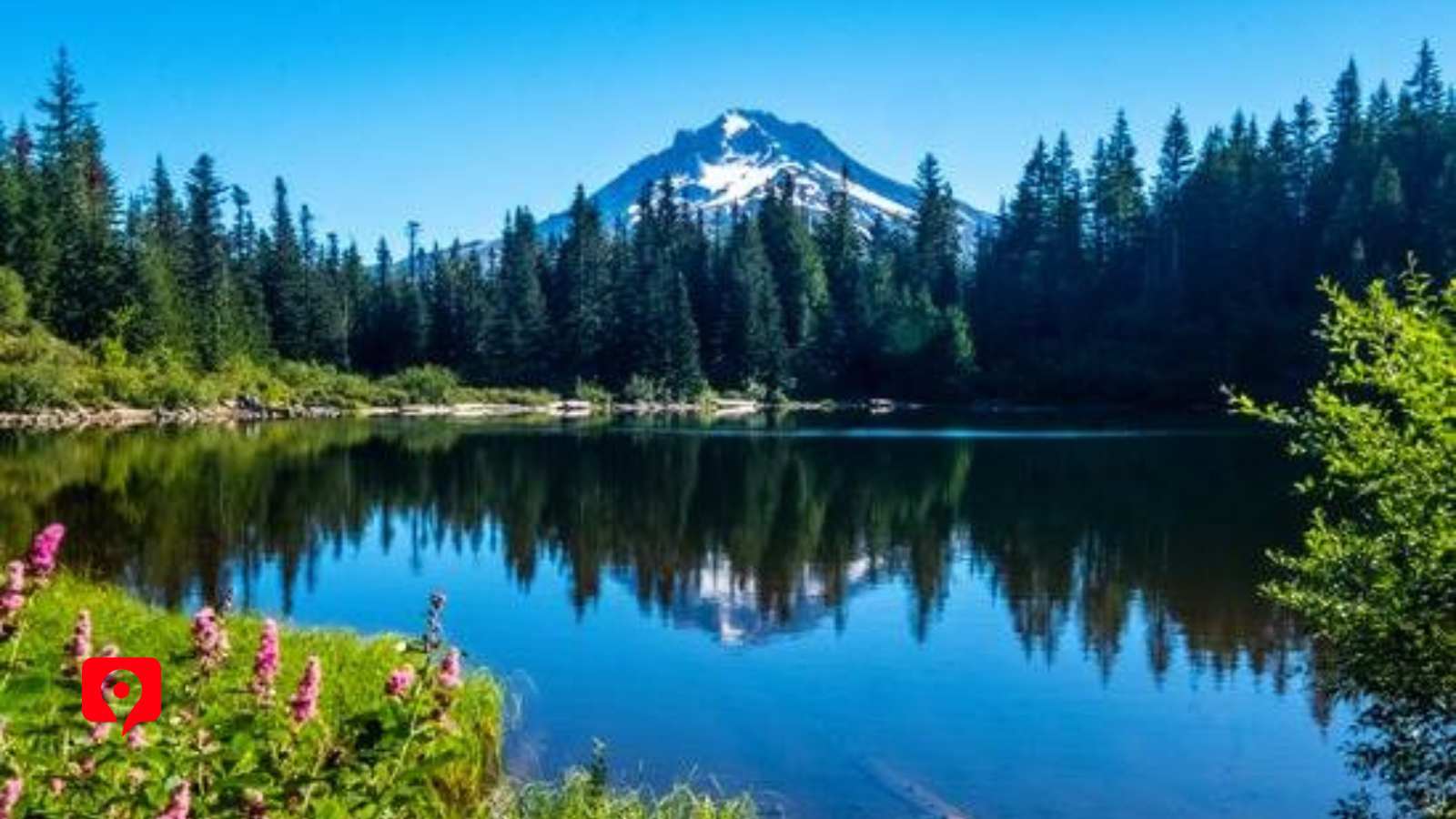
Heading south, the route climbs into dense alpine forest, approaching the towering presence of Mt. Hood. Stop at serene spots like Little Zigzag Falls and Mirror Lake, where the mountain’s reflection is postcard-perfect. At the picturesque Timberline Lodge discover its cozy atmosphere and panoramic views.
Descending through rolling orchards and valleys, the loop brings together Oregon’s natural beauty, pioneer past, and mountain-town character. Whether you’re chasing waterfalls, wildflowers, or snowy slopes, Mt. Hood offers a spectacular getaway year-round.
The Mount Hood Loop is easy to access and perfect for a day trip or a weekend escape from the Portland area. The journey circles through the Columbia River Gorge climbs into forested high country and winds back down past mountain towns and orchards. Many visitors start from Portland just an hour away by car.
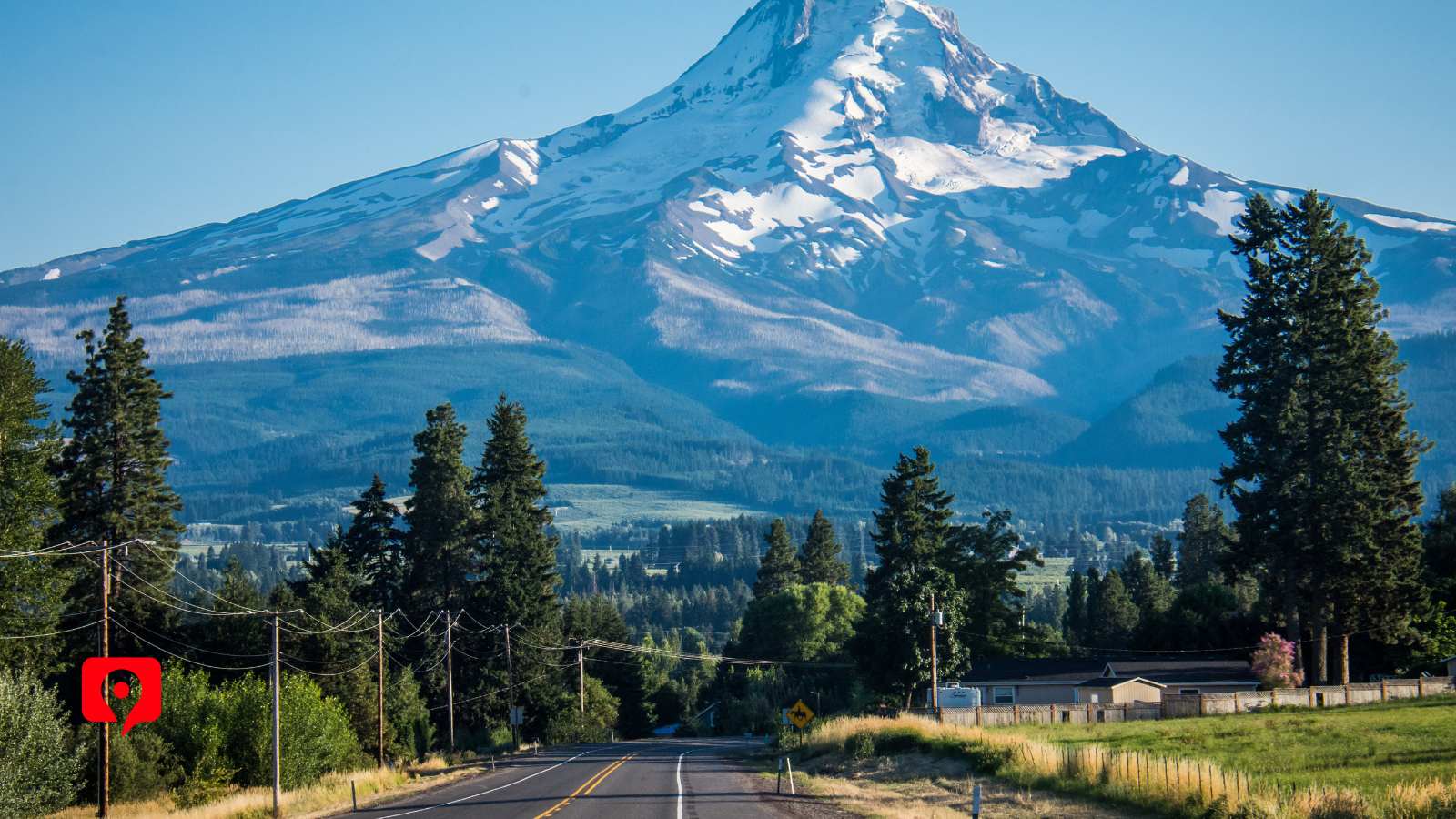

The Mount Hood Loop is most easily accessed from Portland, which serves as the primary gateway to the region. If you’re flying, the closest airport is Portland International Airport (PDX), which is about 20 minutes away from our starting point. From there, renting a car is the best option, as the loop is a self-guided driving route with limited public transportation.

By car, the full loop typically follows a combination of highways including I-84 through the Columbia River Gorge, Highway 35 along the eastern flank of Mount Hood, and Highway 26 returning to Portland. The route can be driven clockwise or counterclockwise, though many visitors start east along I-84 to see the waterfalls early.
Public transportation options are limited. While some seasonal shuttles and guided tours operate in the Columbia River Gorge, they do not cover the full loop. Rideshares are also unreliable in remote areas, so having your own vehicle is strongly recommended.
Most stops along the Mt. Hood Loop are free to visit, but a few trailheads and recreation areas may require a day-use pass. Signs will let you know if one’s needed, and you can usually pay on site or use a recreation pass.
Popular stops like Trillium Lake, Ramona Falls trailhead access areas, and some Eagle Creek trailhead parking areas require this pass. Passes can be purchased onsite at fee stations or online, and some additional recreation sites and trailheads may also require a day-use pass. Display your pass on your dashboard when parked.
Rooster Rock State Park and Viento State Park require an Oregon State Parks day-use parking permit. A single daily permit covers both parks for the same day, and an annual permit is also available. Parking at Starvation Creek State Park is typically free, but some nearby Columbia River Gorge trailheads may require a recreation pass.
Portland is a popular hub for accommodations, as it’s the gateway to the entire area and offers easy access to the airport. There are a wide variety of options, from affordable chains to boutique and luxury hotels.
Additional hotel options can be found in Hood River and Government Camp, which allow visitors to stay right next to the natural beauty of the mountain.
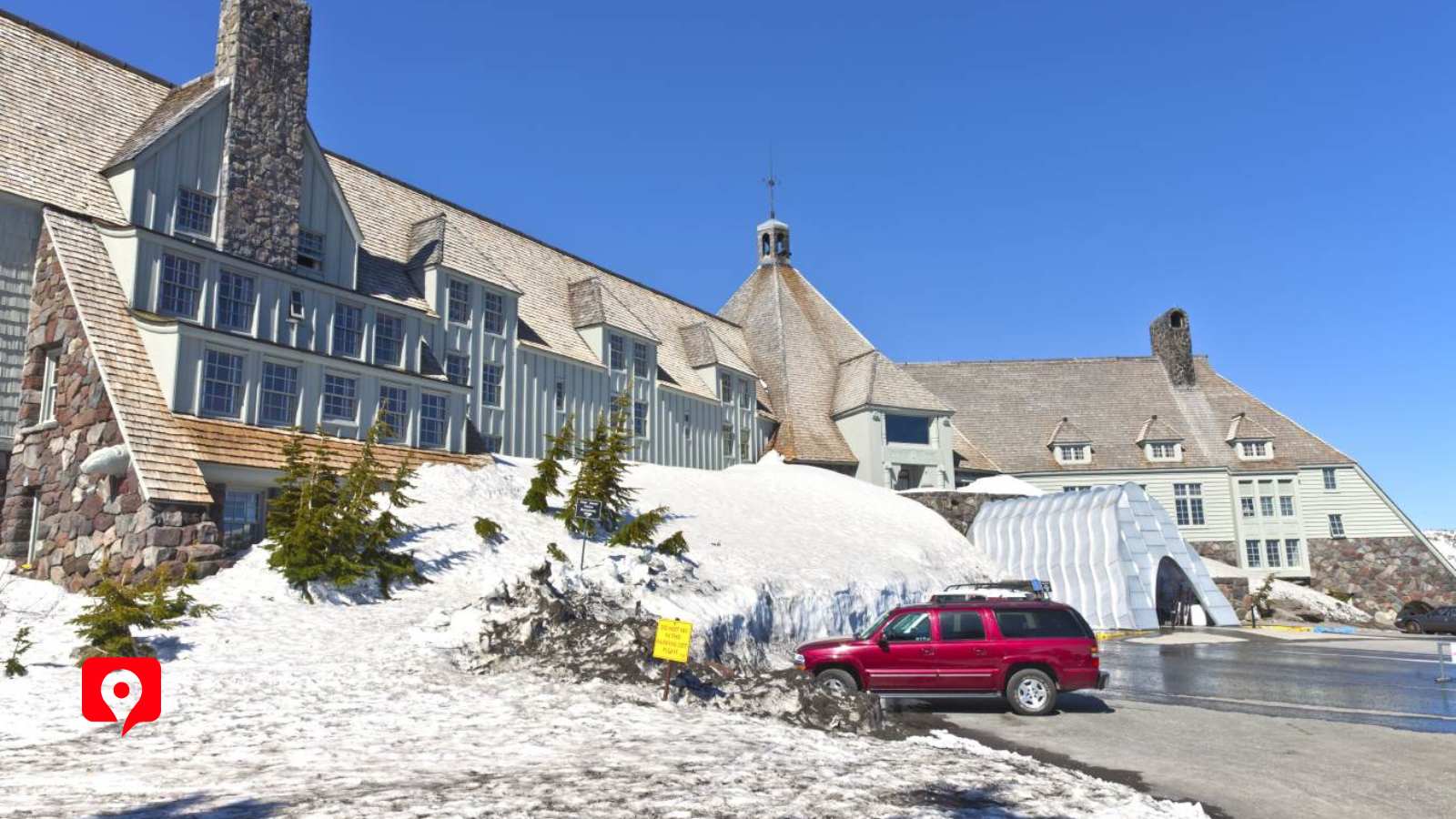
Visitors travelling to Mount Hood for a special occasion or specifically for winter sports may enjoy staying in the historic Timberline Lodge, a unique venue perched right on the slopes and offering plenty of architectural charm.
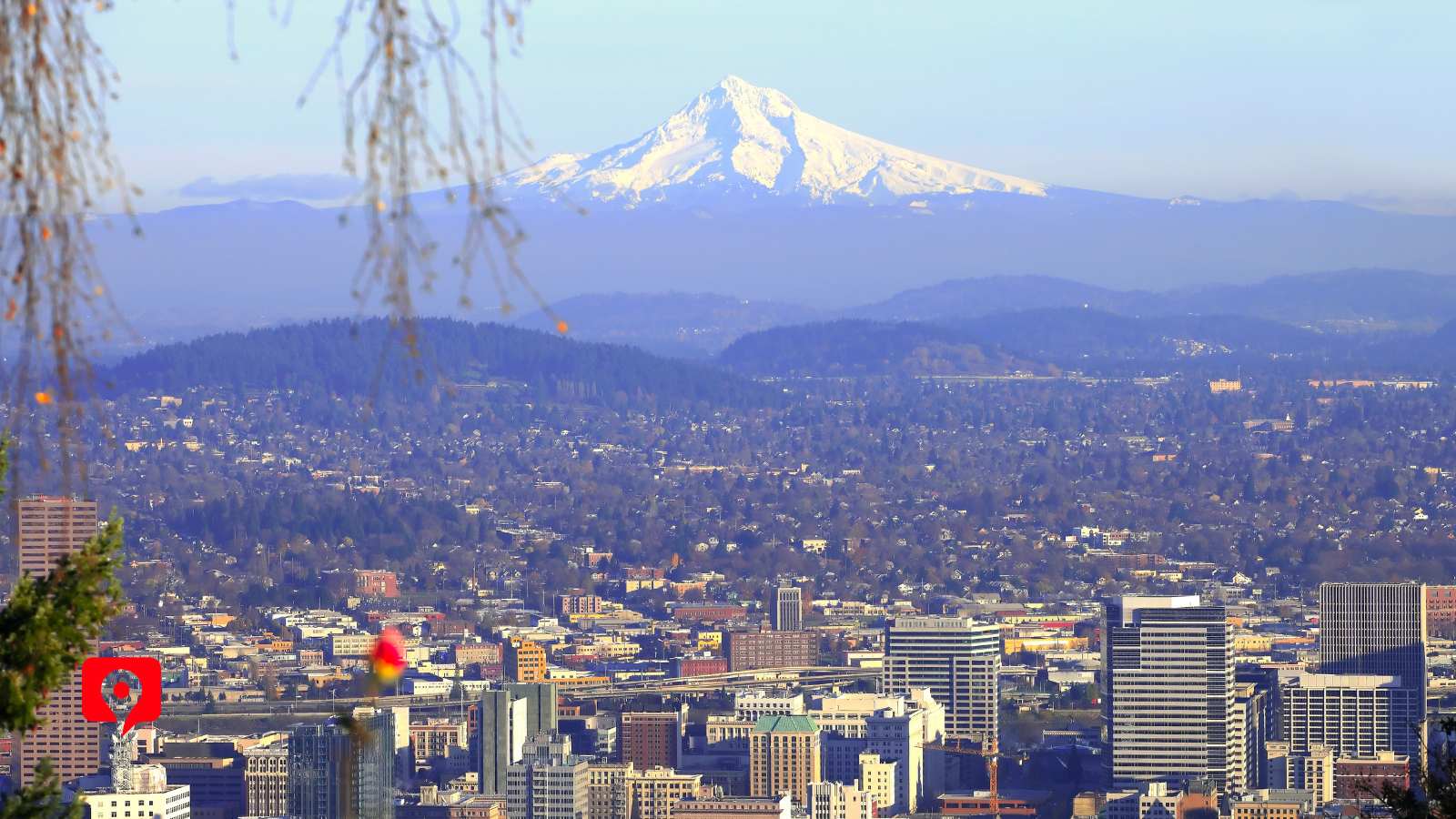
Visitors who want to stay right on the trail have numerous options for both RV and tent camping, but reservations need to be made early, as top spots tend to fill up quickly for the peak summer season. Trillium Lake and Clear Lake Campground are especially nice spots for the full mountainside experience.

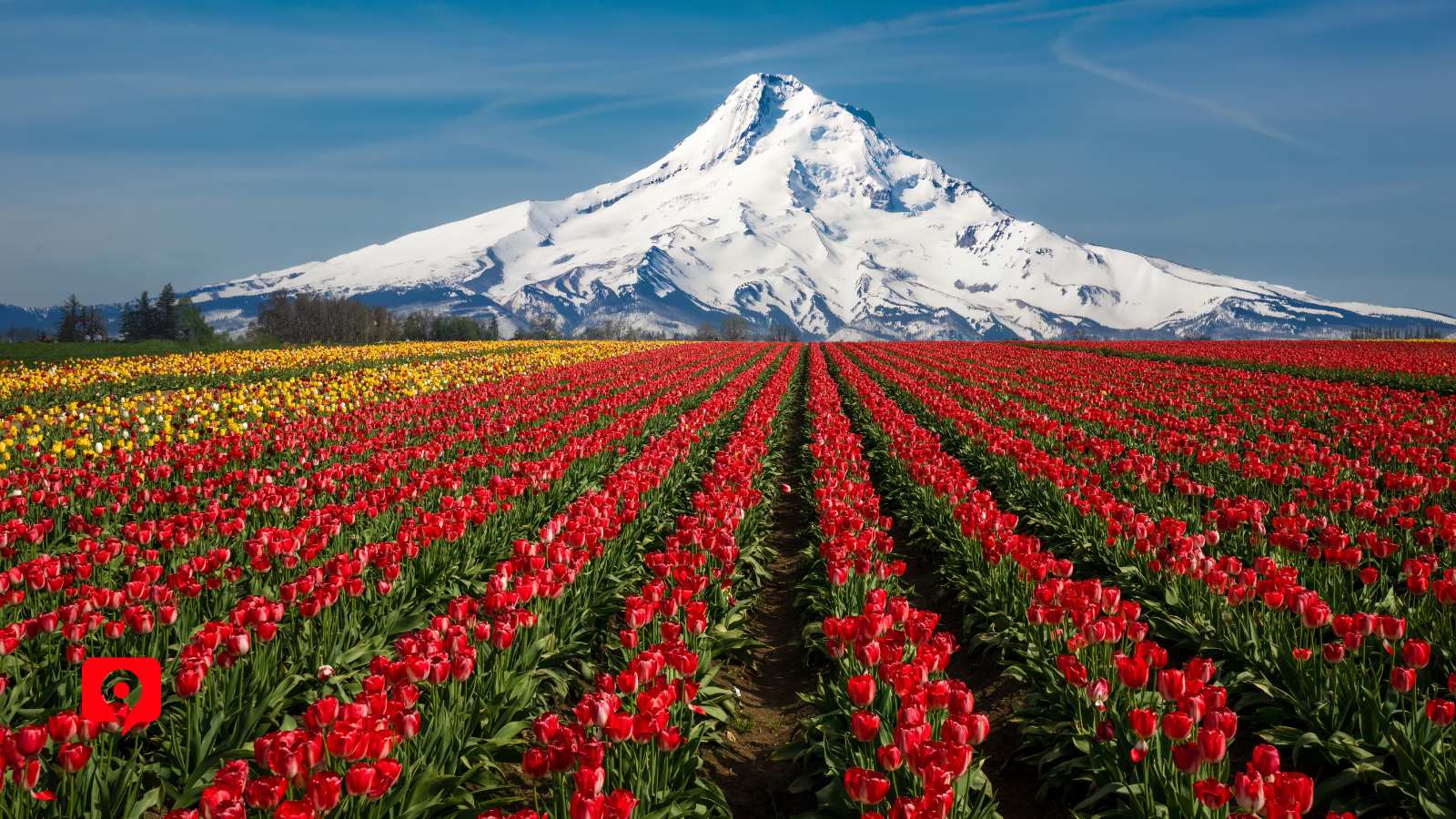
The best time to drive the Mount Hood Loop is from late spring through early fall.Roads and trails are mostly clear of snow, waterfalls are flowing strongly, and wildflowers paint the meadows in vibrant color. July and August offer the warmest weather, ideal for hiking, swimming in alpine lakes, and enjoying scenic drives.
Travellers preferring fewer crowds should aim for late spring or early fall. Winter brings snow-covered beauty and caters mostly to skiers and snowboarders.
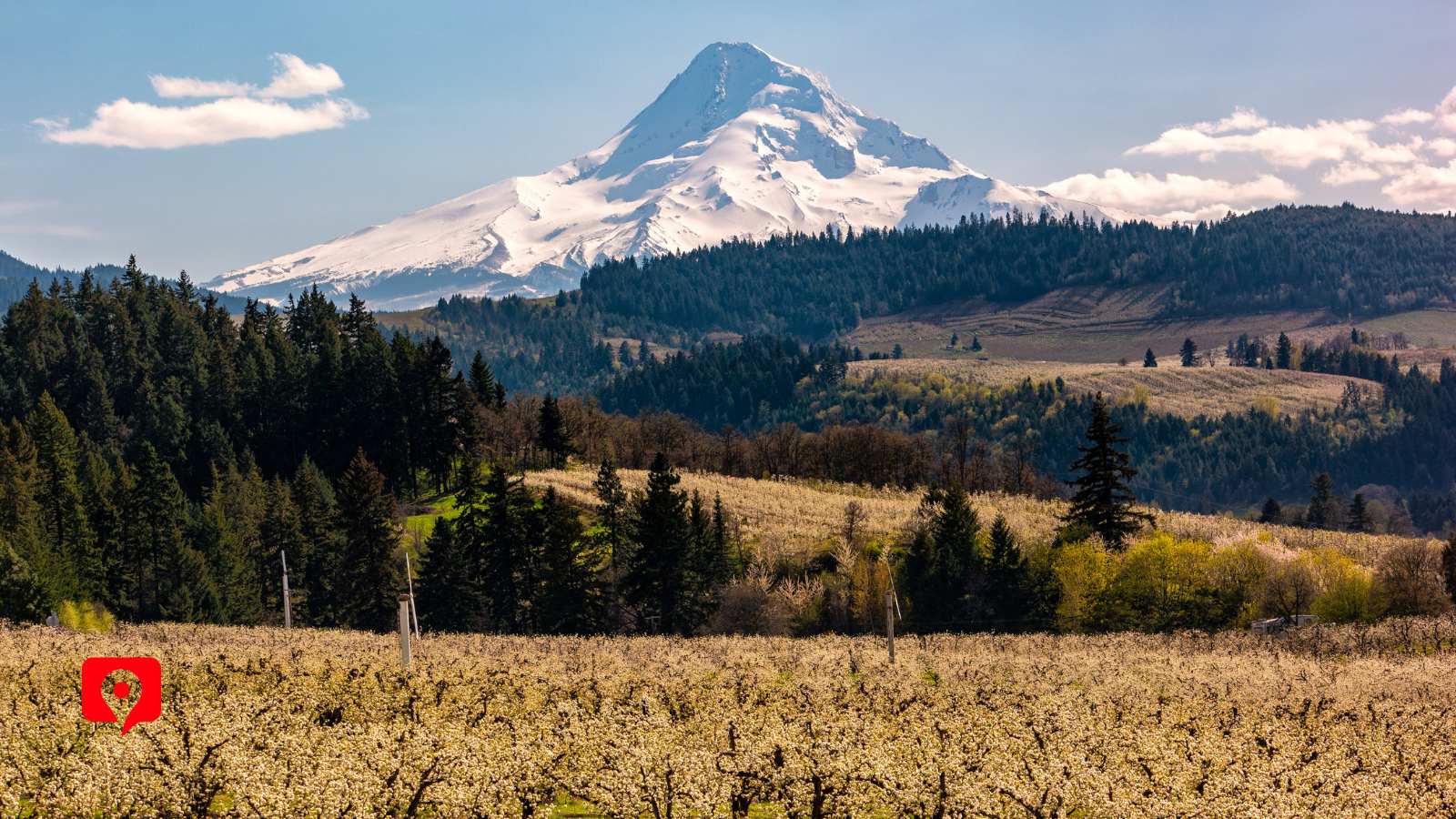
The time it takes to complete the Mount Hood Scenic Loop depends on individual interests and energy. In one full day, most people can complete the loop with stops at top highlights like Multnomah Falls, Timberline Lodge, and Trillium Lake. Plan for at least 8–10 hours with a few side trips.
With two days, visitors can explore at a more relaxed pace, add scenic hikes like Ramona Falls or Mirror Lake, and stay overnight in Hood River or Government Camp.
To truly savor the experience, spend three or more days discovering quieter waterfalls, local farm stands on the Fruit Loop, and perhaps even skiing or wildflower hikes, depending on the season.
The first hydroelectric dam built on the Columbia River, Bonneville, is vital for both power generation and fish migration. At the visitor centre, you can watch salmon and lamprey navigate the fish ladders through underwater viewing windows. The historic Hatchery offers shady paths and viewing pools.
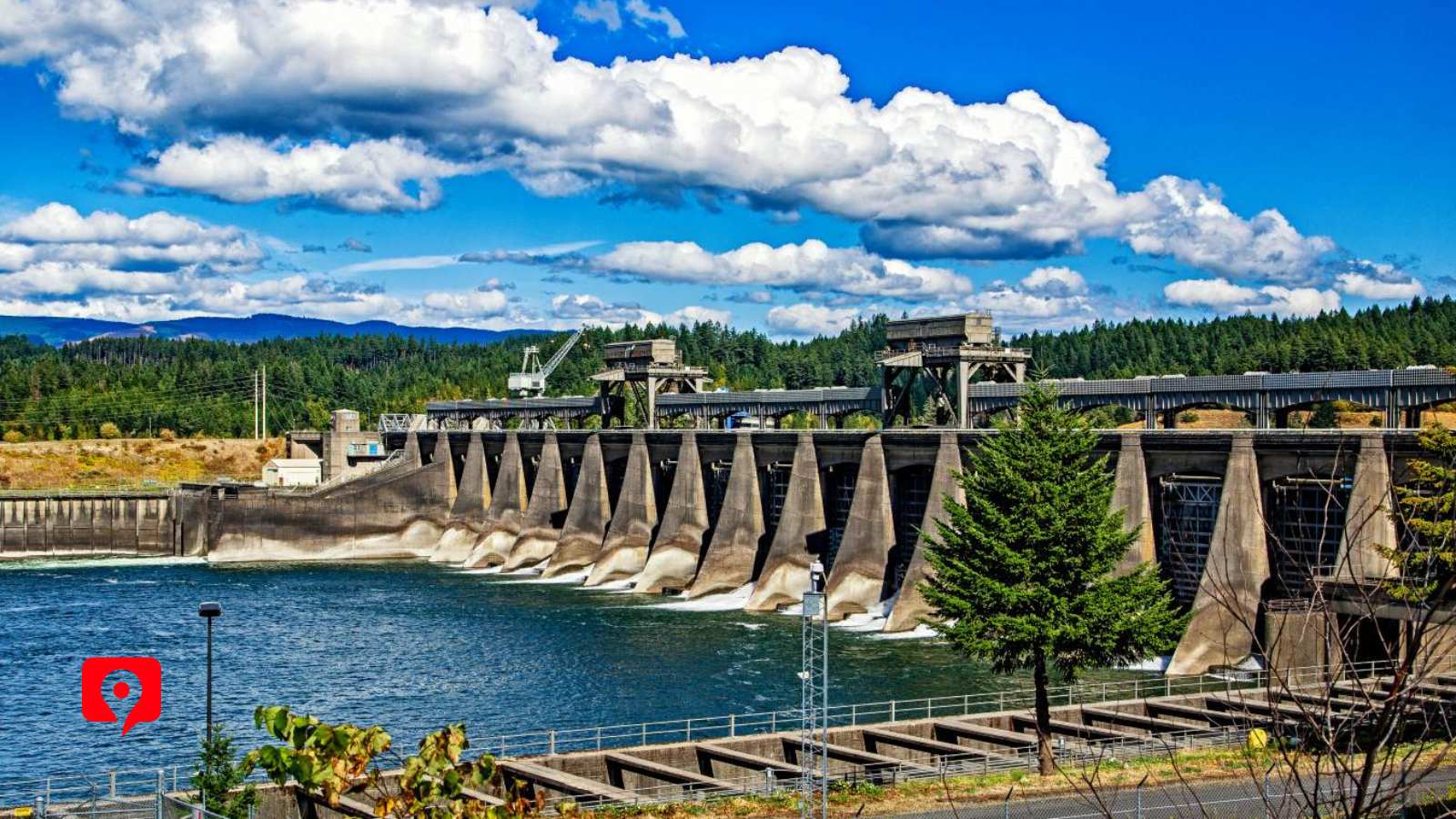
Each season brings something new to the slopes of Mt. Hood. Summer adventurers can discover the hikes for every level here, while in the wintertime, it transforms into a playground for skiing and snowboarding. It even offers dark sky camping for stargazers who want to experience the breathtaking wilderness at night.
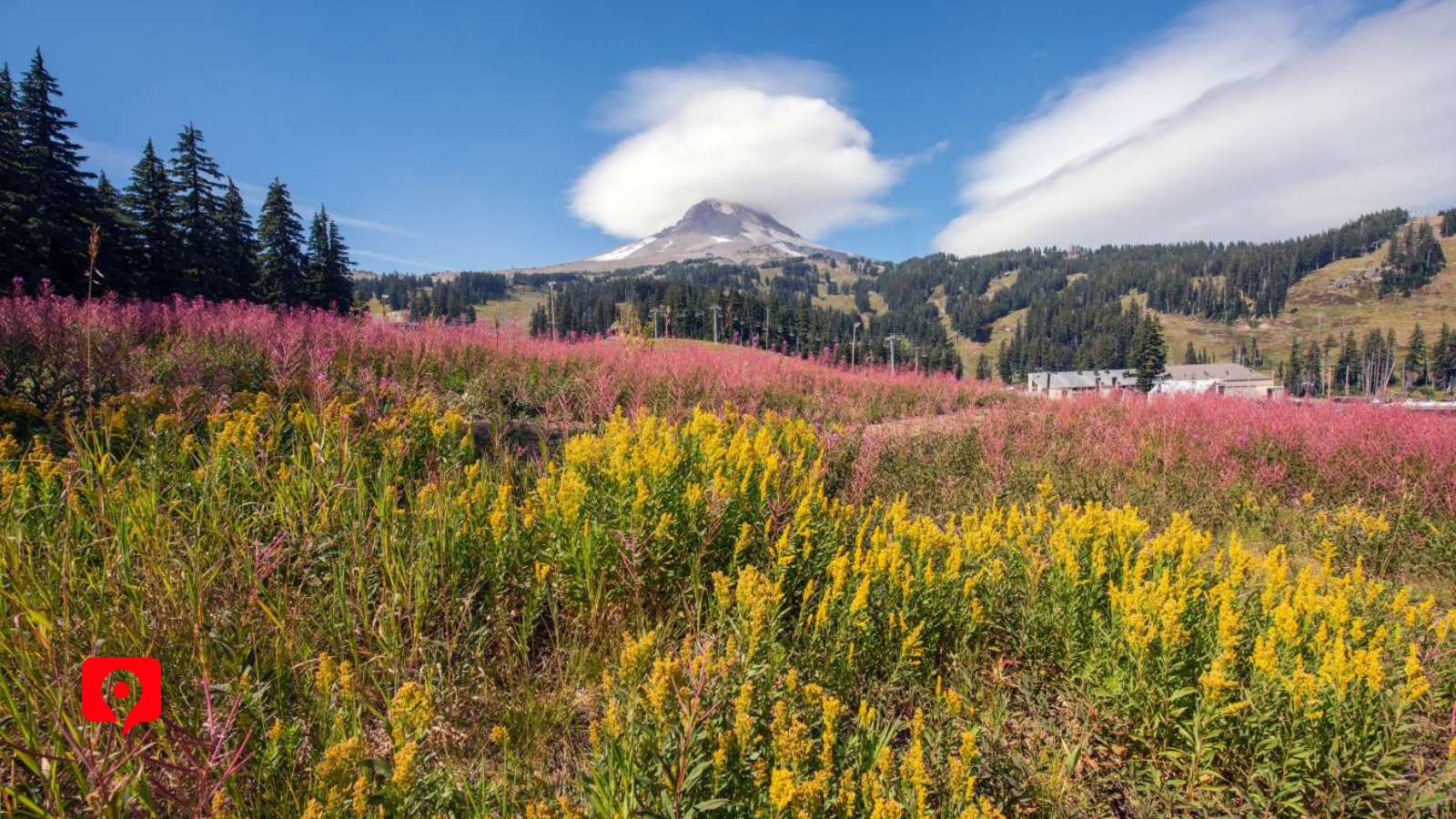
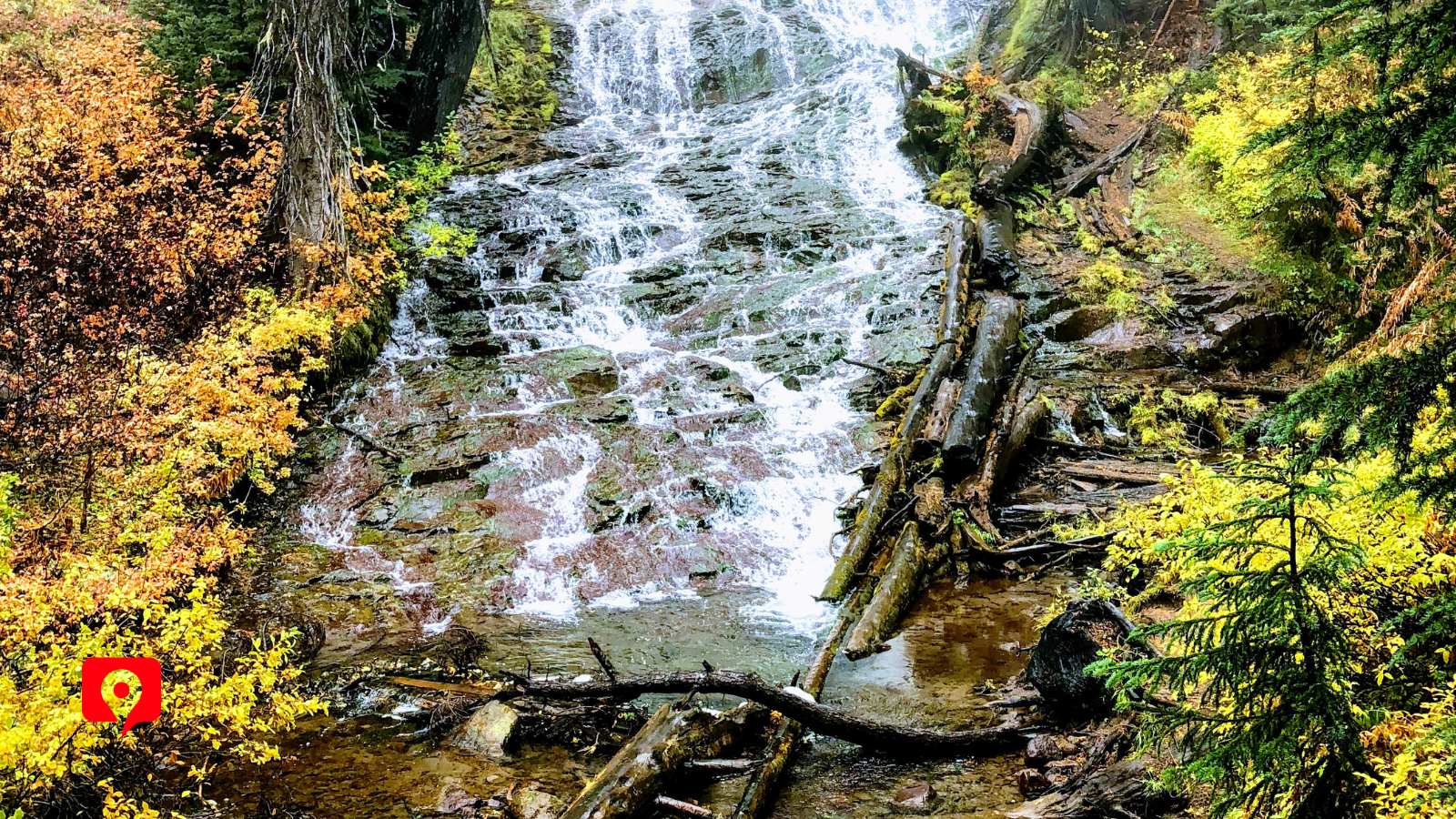
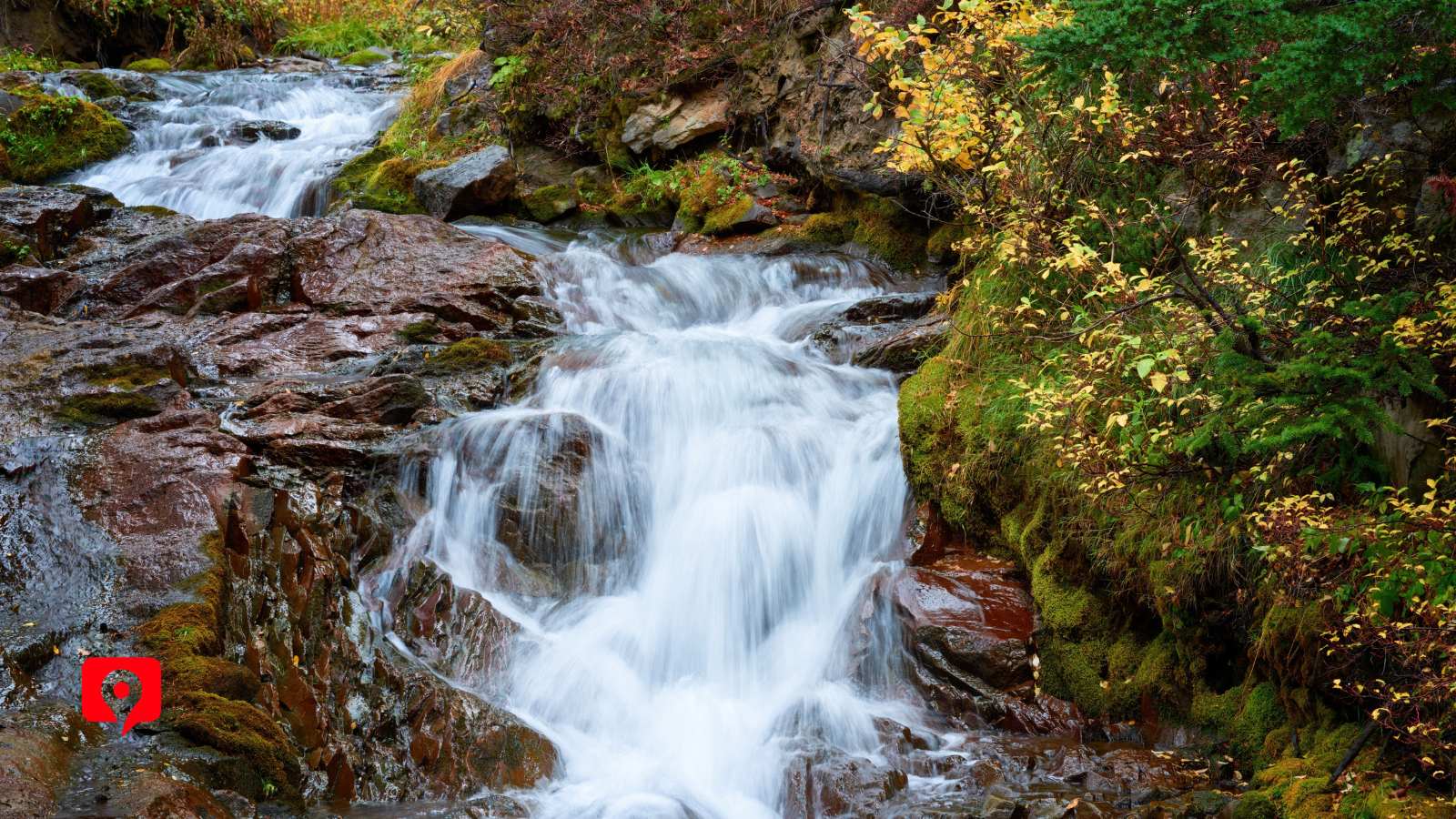
Tucked away in the forested backcountry, Ramona Falls features a braided cascade tumbling down a rugged cliff face, spilling into the creek below. Visitors can enjoy the secluded setting and search for the delicate wildflowers that coexist with the powerful Falls and the surrounding forest. Solidified pyroclastic flow forms part of the forest floor of this area, and is gradually being shaped by the Sandy River.

Set far up in the slopes, Timberline Lodge is a historic lodge that looks straight out of an alpine fairytale. A year-round gateway to adventure, Timberline is the perfect place to relax and soak in the mountainside views, or try out some winter sports during the colder months. Even in the summer, mountain biking and hiking make this a favorite stop for adventure-seeking looking for a home base on the mountain.
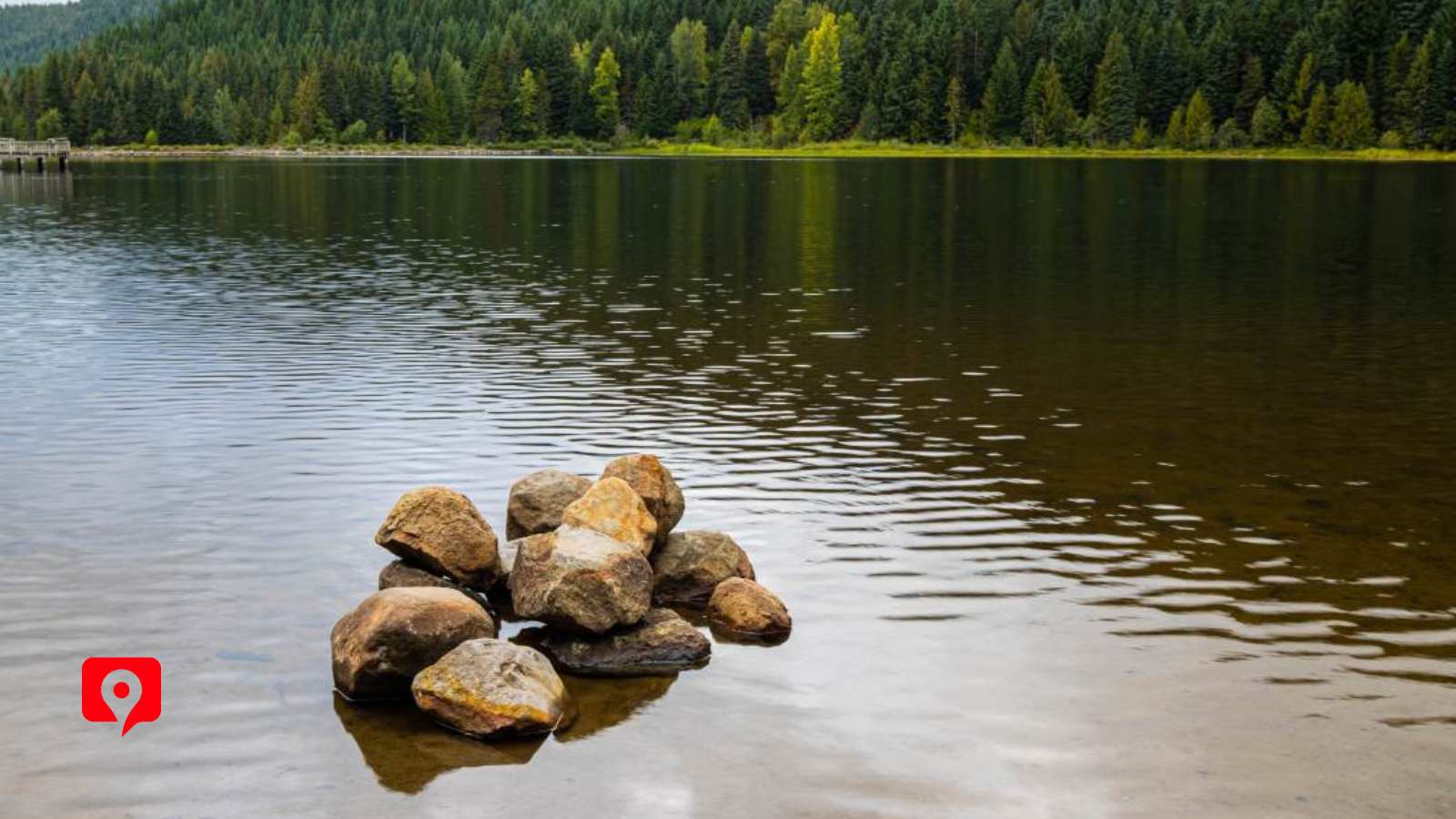
Nestled deep in the slopes of Mount Hood, Trillium Lake offers a cool alpine escape that’s perfect for a quick dip after a hot summer hike. The still waters reflect the majestic Mount Hood, making the entire setting seem almost magical. Endless shorelines lined with evergreen forests give plenty of opportunity for fishing, boating, and relaxing. It’s clear why this is one of the most famous attractions along the entire mountain.
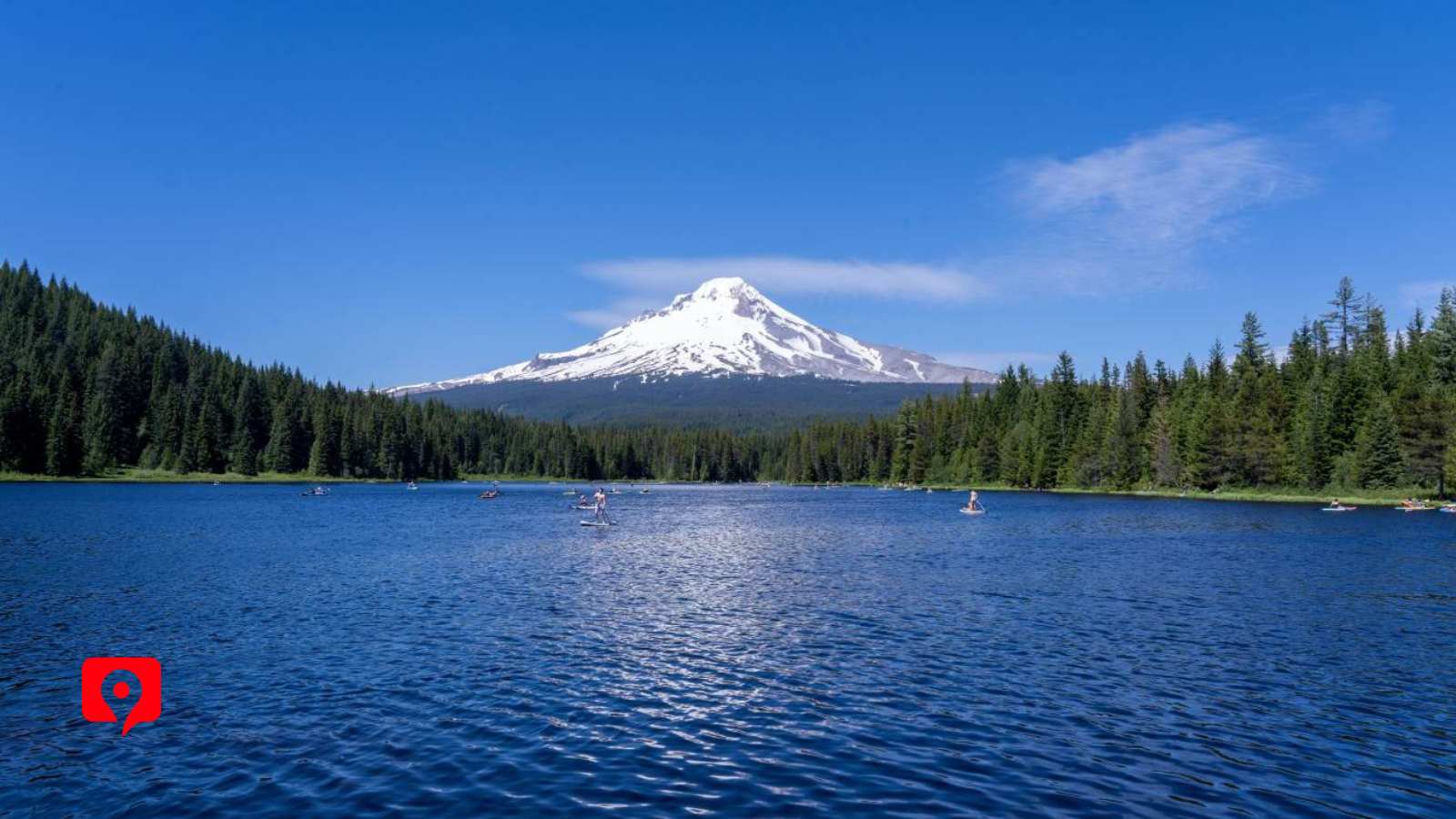
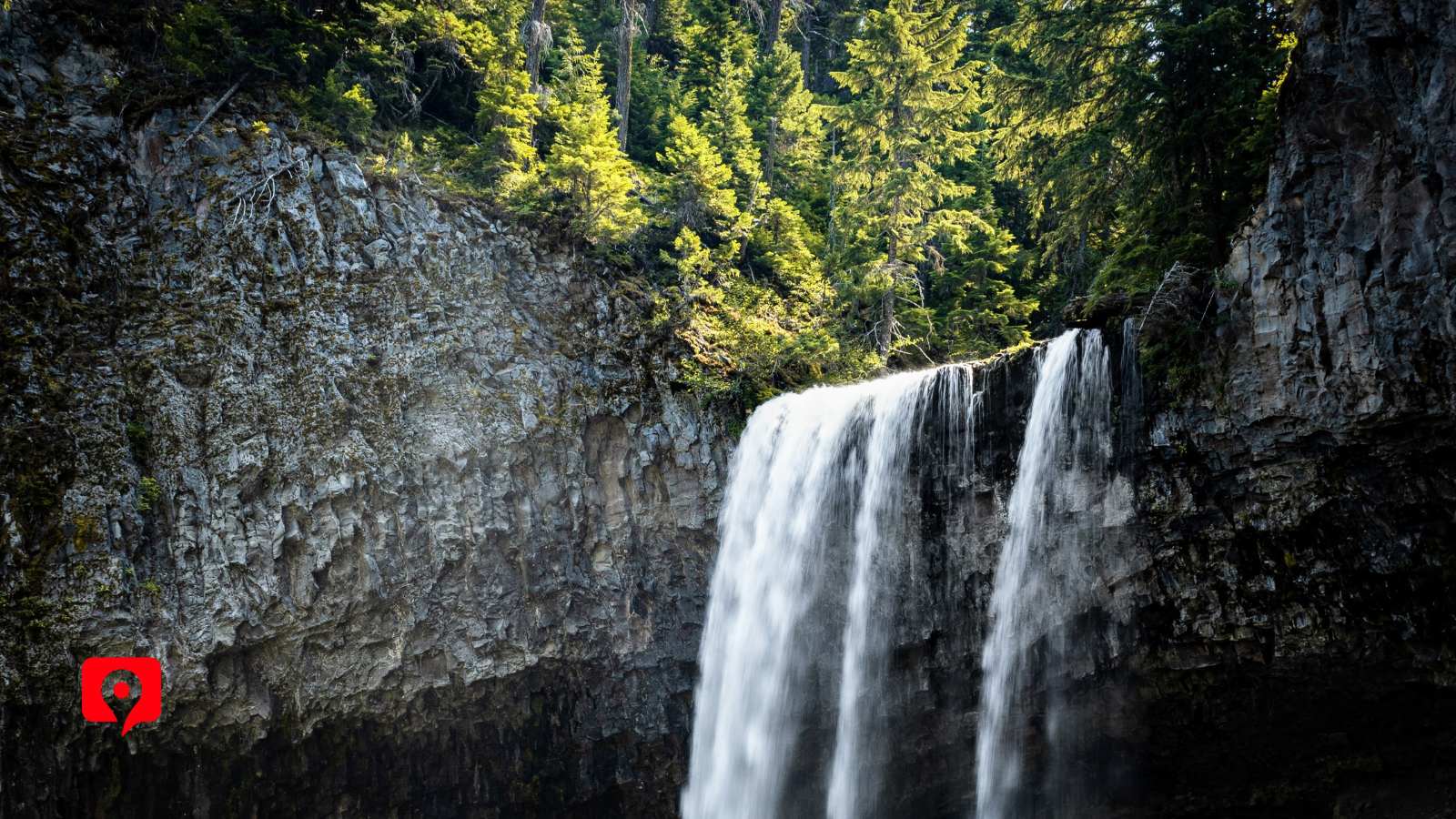
These stunning waterfalls are some of the favorite sites along the Mount Hood Loop. As they tumble down the stony cliff face, they inspire awe at the sheer power of the natural world. At Multnomah, water crashes down 620 feet, while the gentler 242-foot Wahkeena Falls delights visitors at the end of the path. It’s the perfect welcome to the wild road ahead.
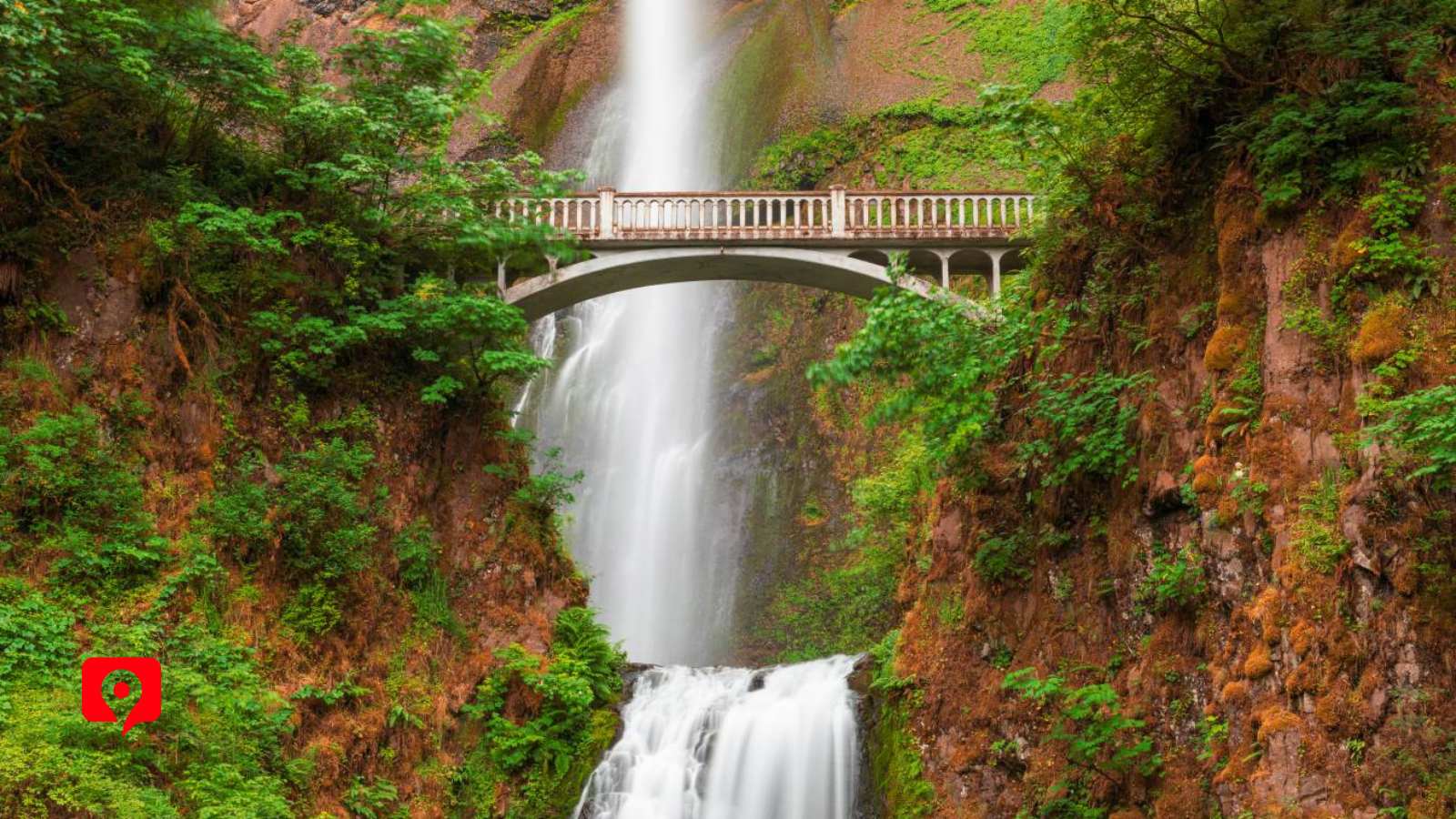
Tucked into a scenic rest area off I-84, Starvation Creek Falls plunges 190 feet in a long, elegant drop. It’s just a short walk from the parking area, making it an easy stop on your drive. If you’re up for a longer outing, nearby trails lead to other waterfalls, including Cabin Creek Falls, Hole-in-the-Wall Falls, and Lancaster Falls.
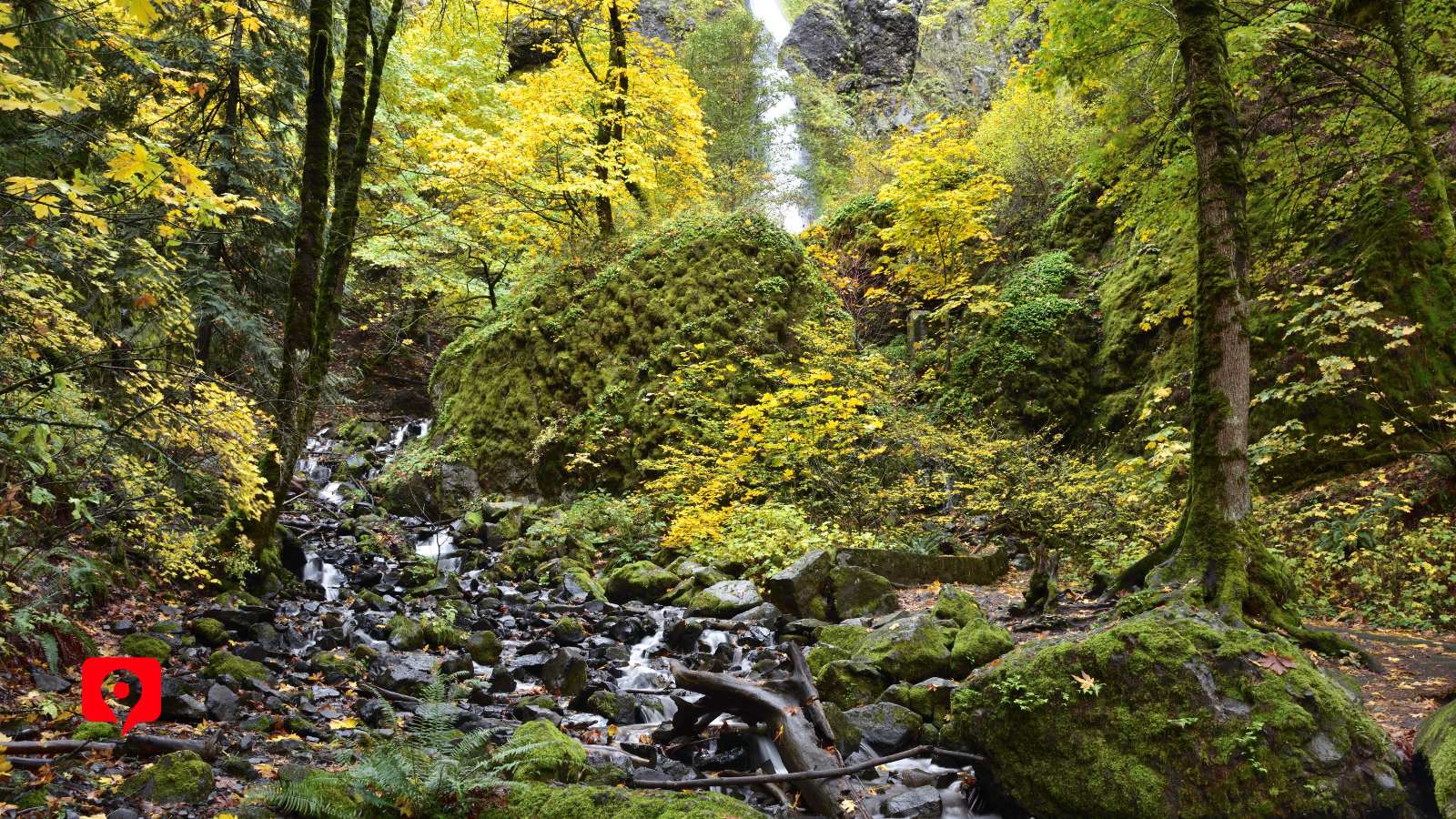
Winding through the Hood River Valley, this driving loop is filled with orchards, farms, wineries, and roadside stands. The route is especially colourful during harvest time and blossom season. Many of the farms are family-run and open to visitors, with wine tastings, fresh fruit, and lavender picking.
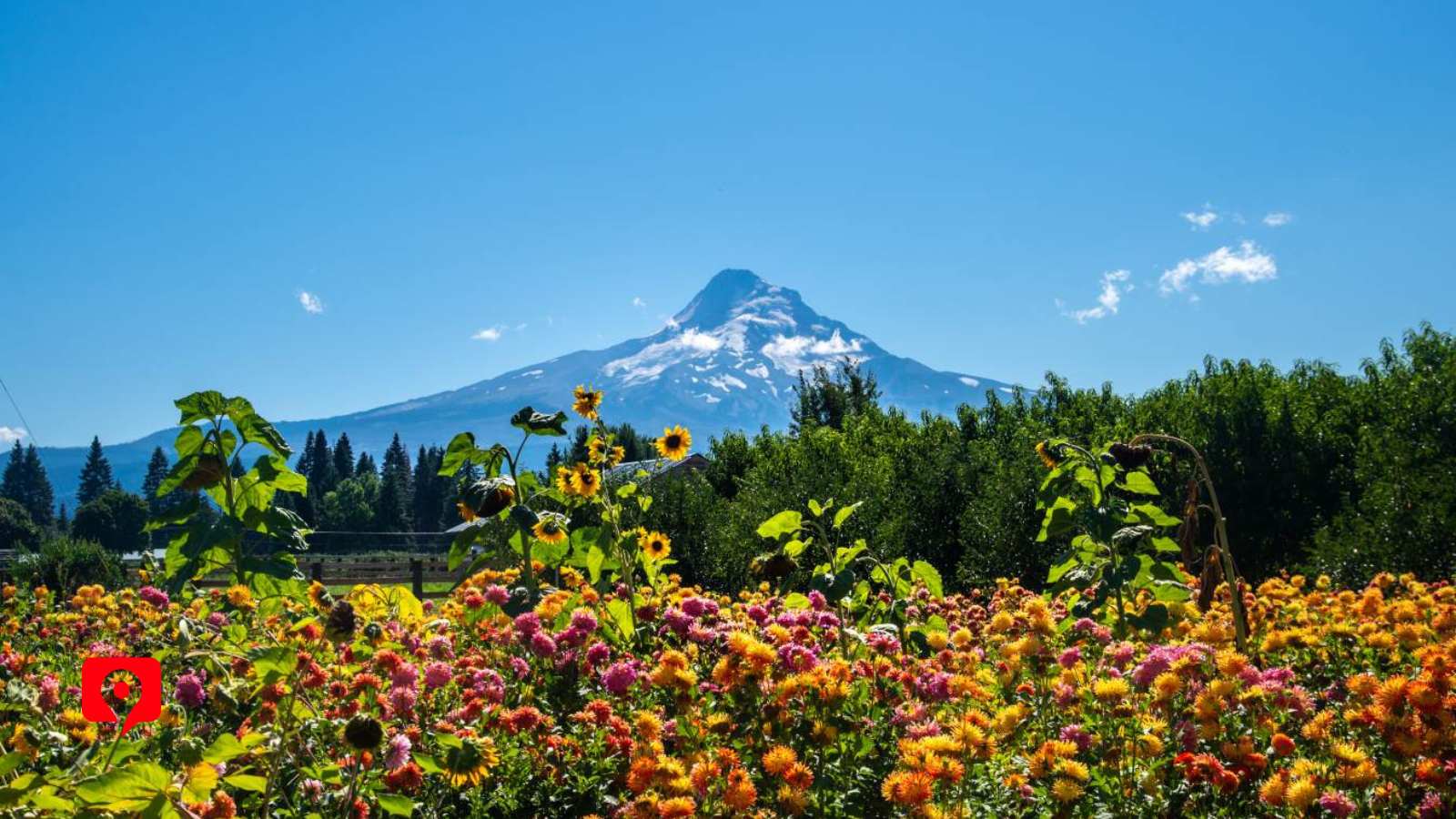
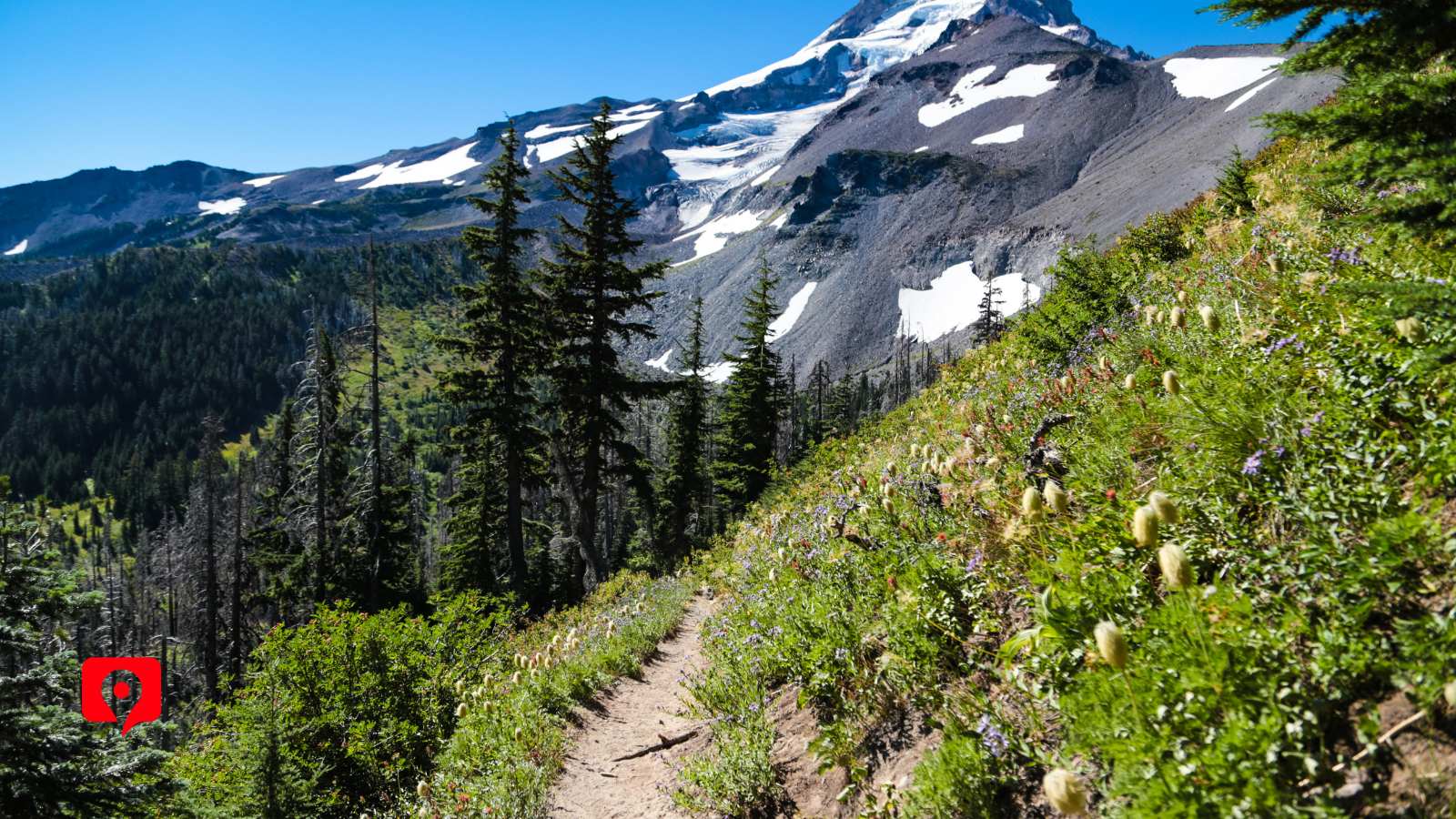
Just a short distance from Mirror Lake, this easy, half-mile hike leads to a picturesque two-tier waterfall along the Little Zigzag River. Quieter than some of the more famous hikes along our route, it’s a great choice for a short hike with a big payoff, and also a good choice for travelers with kids or pets. Expect to take about 30 minutes here.
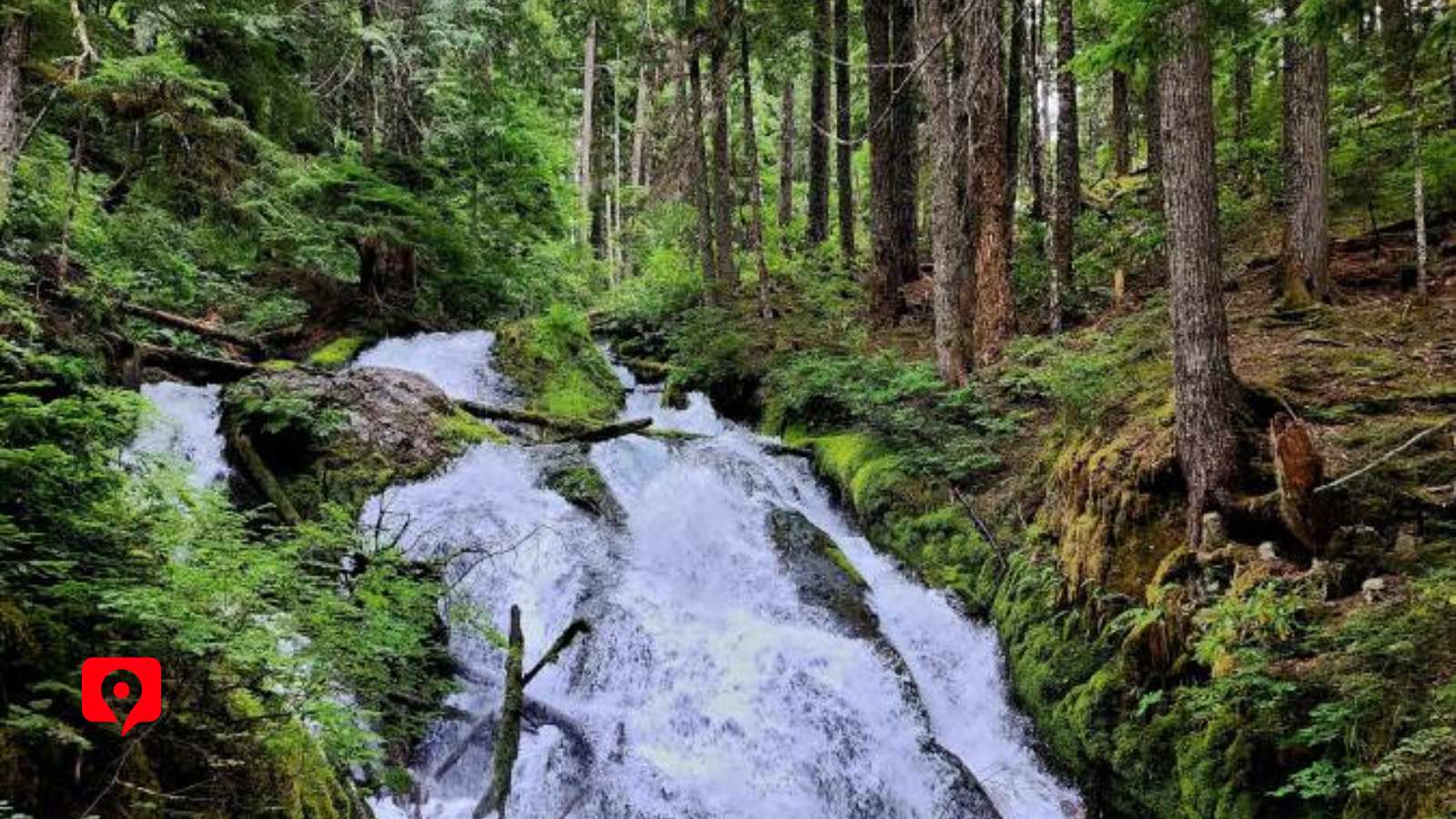
This loop trail covers about two miles of relatively easy hiking to the lake, for a total distance of 4.3 miles if walking around the lake, too. It’s a family-friendly hike with beautiful views of a scenic alpine lake lined in evergreen forest as the reward. It takes most people about 2.5 hours to complete this hike.
This steep but paved hike to the top of Multnomah Falls takes most people about 2 hours to cover the 2.-4 mile roundtrip. With 800 feet of elevation gain, it’s a moderate workout, but the payoff is a view from the top of the Multnomah Falls, the most-visited tourist stop in the Pacific Northwest. Due to high demand, a timed reservation is required for the main parking lot from late May through September.

A more demanding challenge for skilled hikers, this 7-mile hike involves some careful fording over the Sandy River. It leads to the beautiful Ramona Falls, which cascades down the cliff face in the remote forest. For experienced hikers looking for an expedition away from the busier spots like Multnomah, Ramona is an adventure that takes about 4 hours. Be aware that the seasonal bridge is no longer installed, so hikers must cross the Sandy River by balancing on logs or fording the water. This crossing can be dangerous when water levels are high. Always check trail conditions before heading out to enjoy this serene and cooling reward.
The Trillium Loop Trail circles the lake for a 2-mile hike that takes most people about an hour of fairly easy hiking. Trillium Lake is always bustling with camping, fishing, mountain biking, and paddleboating, but the lake itself reigns serene and peaceful – a longtime favorite destination for locals and visitors alike.
One day is typically enough to complete the driving tour around the Mount Hood Loop, including a short hike or two. Plan extra time for popular sites that might be crowded, like Multnomah Falls, and bring a picnic and plenty of snacks – all the exploring creates large appetites!
With two days, visitors can take advantage of the excellent hikes here. This is a good time to add in a longer trip to Trillium Lake, including the loop hike and perhaps some swimming, canoeing, or fishing. Consider camping at Trillium or one of the other sites on the mountain for a truly immersive mountainside experience.
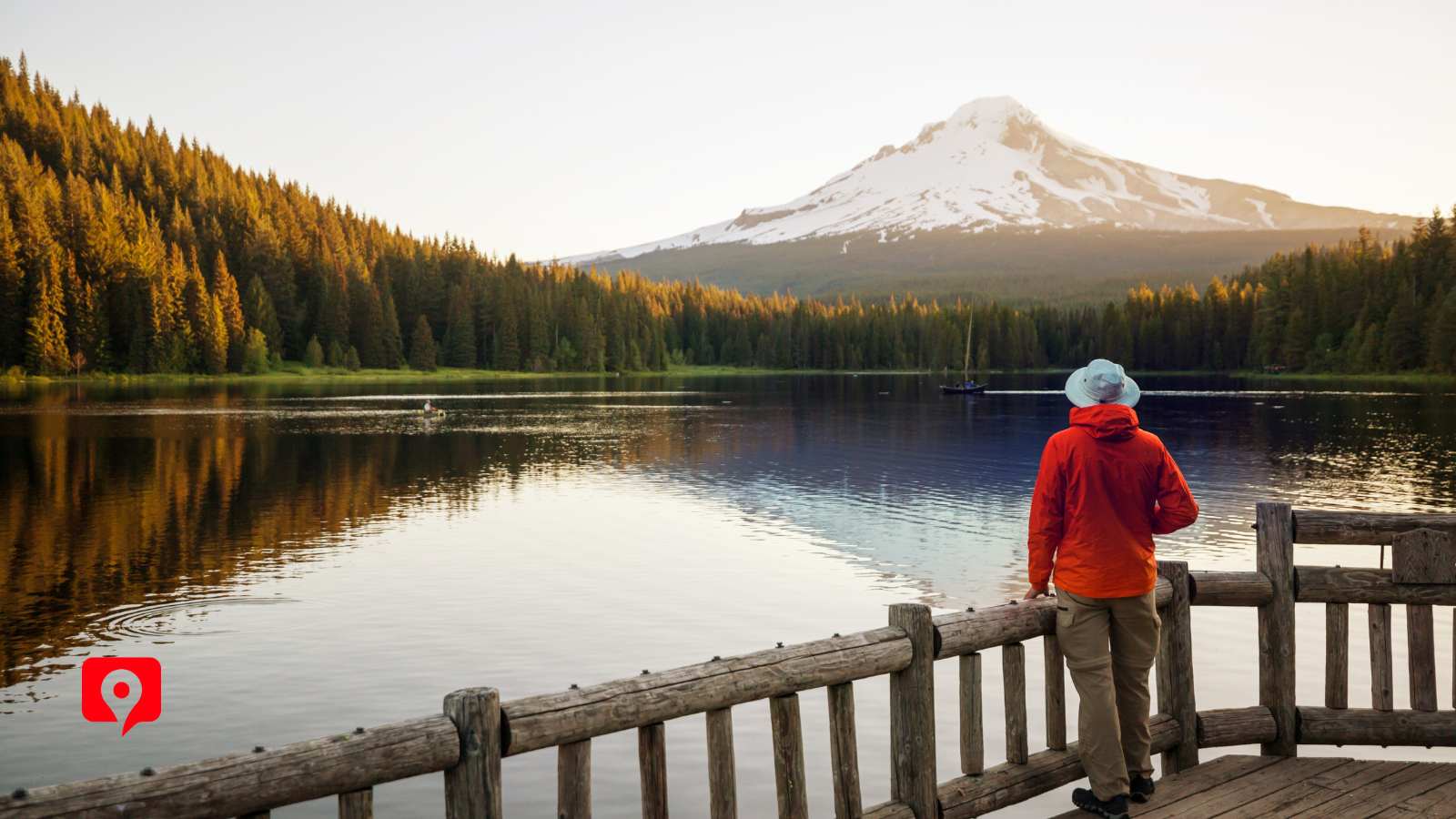
One day is enough to complete the driving loop around Mount Hood, but there is so much to explore here that it’s well worth extending the time over two or even three days. This allows visitors enough time to enjoy more of the iconic hikes along the route, or take in winter sports at Timberline Lodge.
With one day, focus on the can’t miss sites along our route, like Multnomah Falls, Timberline Lodge, Devil’s Kitchen, and the Fruit Loop. Choose one or two easy hikes to complete the experience, like Little ZigZag Falls or Multnomah. Since Portland is only a half-hour drive away, visitors can spend the full day enjoying the Mount Hood Loop with plenty of time to make it back to the hotel for a good night’s sleep.
With two days, definitely take the time to add in Trillium Lake. Skilled hikers can try out one of the more technical hikes, like Ramona Falls, for a deeper experience of the mountain. Those with three or even more days to spend exploring will want to camp at one of the many sites on the mountain to make accessing trails, fishing, boating, and swimming more convenient.
Phone Charger: Bring an extra battery pack, solar charger, and car charger – you’ll be taking lots of photos, and will want to keep the tour going.
Extra Layers: Mountain temperatures can change suddenly and drastically. Start with moisture-wicking base layers, add on fleece for insulation, and make sure you pack water-repellant top layers. In wintertime or if planning to ski extra layers are essential.
Footwear: Sturdy, broken-in hiking boots are best. Some people like to throw in a pair of sneakers for easier trails as well.
Sun Protection: For hiking in the mountains, bring strong sunblock, a wide-brimmed hat, and sunglasses. Even in forested areas, UV exposure can cause damage.
Bring Supplies: Carry ample water, especially if you plan to hike, and use a reusable water bottle to stay hydrated. Pack snacks like energy bars, nuts, and fruit, which can be helpful between stops or if you intend to picnic in the scenic areas along the loop, as towns and lodges may be spaced out.
Bug Spray: Essential in late spring and summer when mosquitoes and ticks are active.
Tire Chains: If traveling during the winter months, you are legally required to carry tire chains or traction tires when driving in Oregon snow zones, even if it isn’t currently snowing.
First Aid Kit: Visitors to any remote area should bring the basics, like Ibuprofen, blister and wound care, and antiseptic. If anyone in the party has asthma or allergies, bring along any prescribed medications like inhalers or epinephrine.
Plastic Bag: All visitors are expected to pack out trash, so bring plenty of bags along.