
00:00

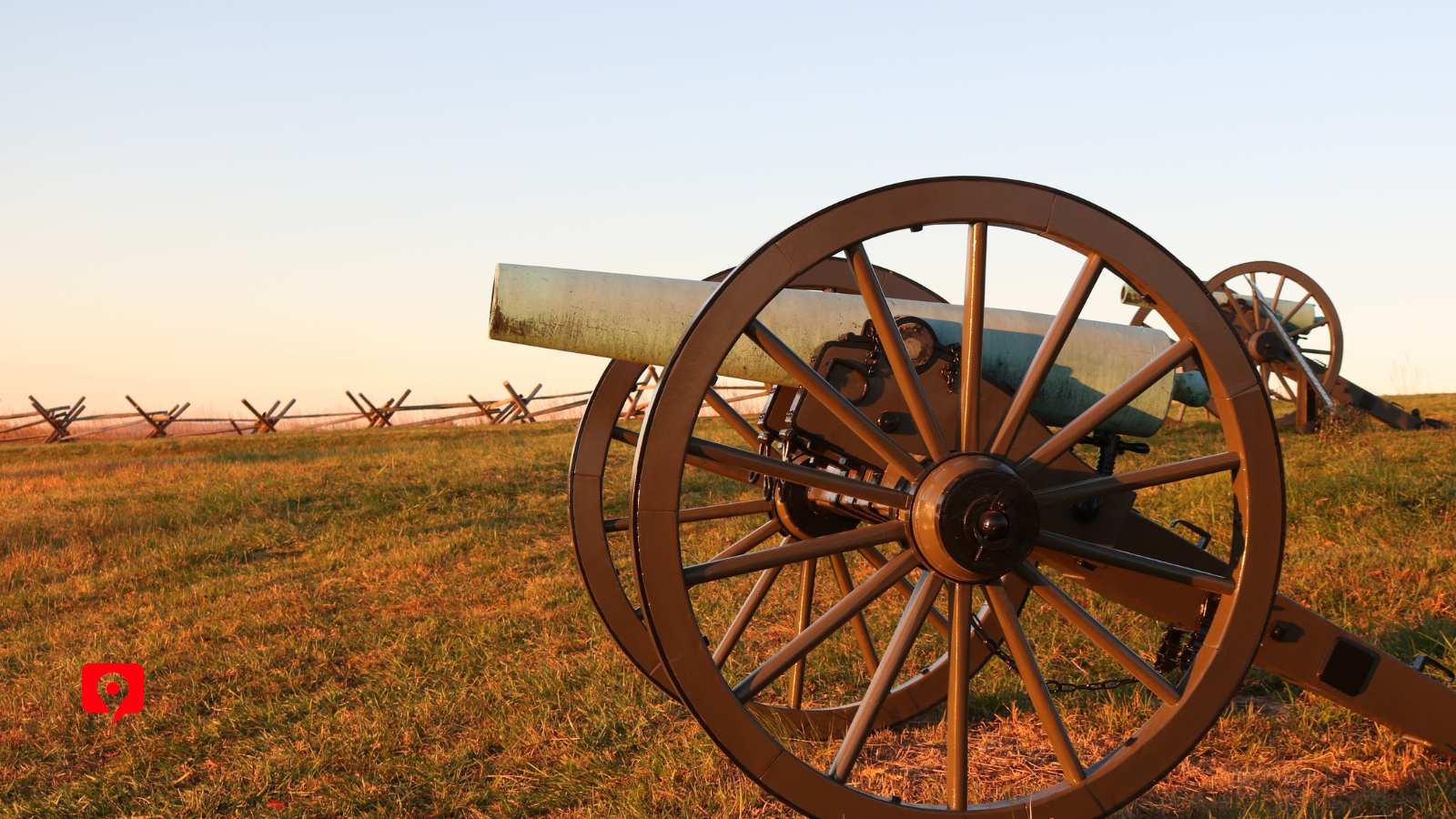
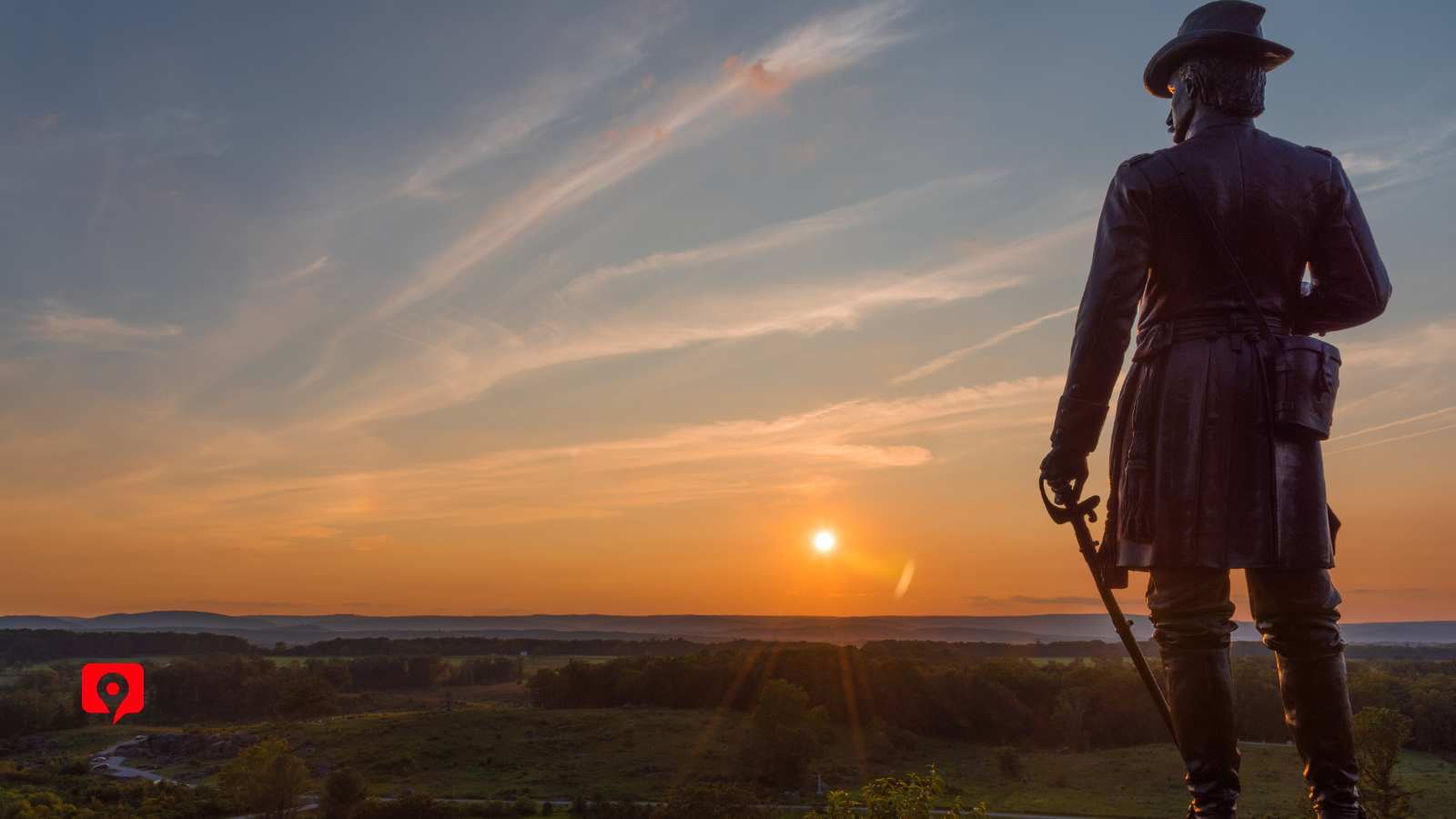
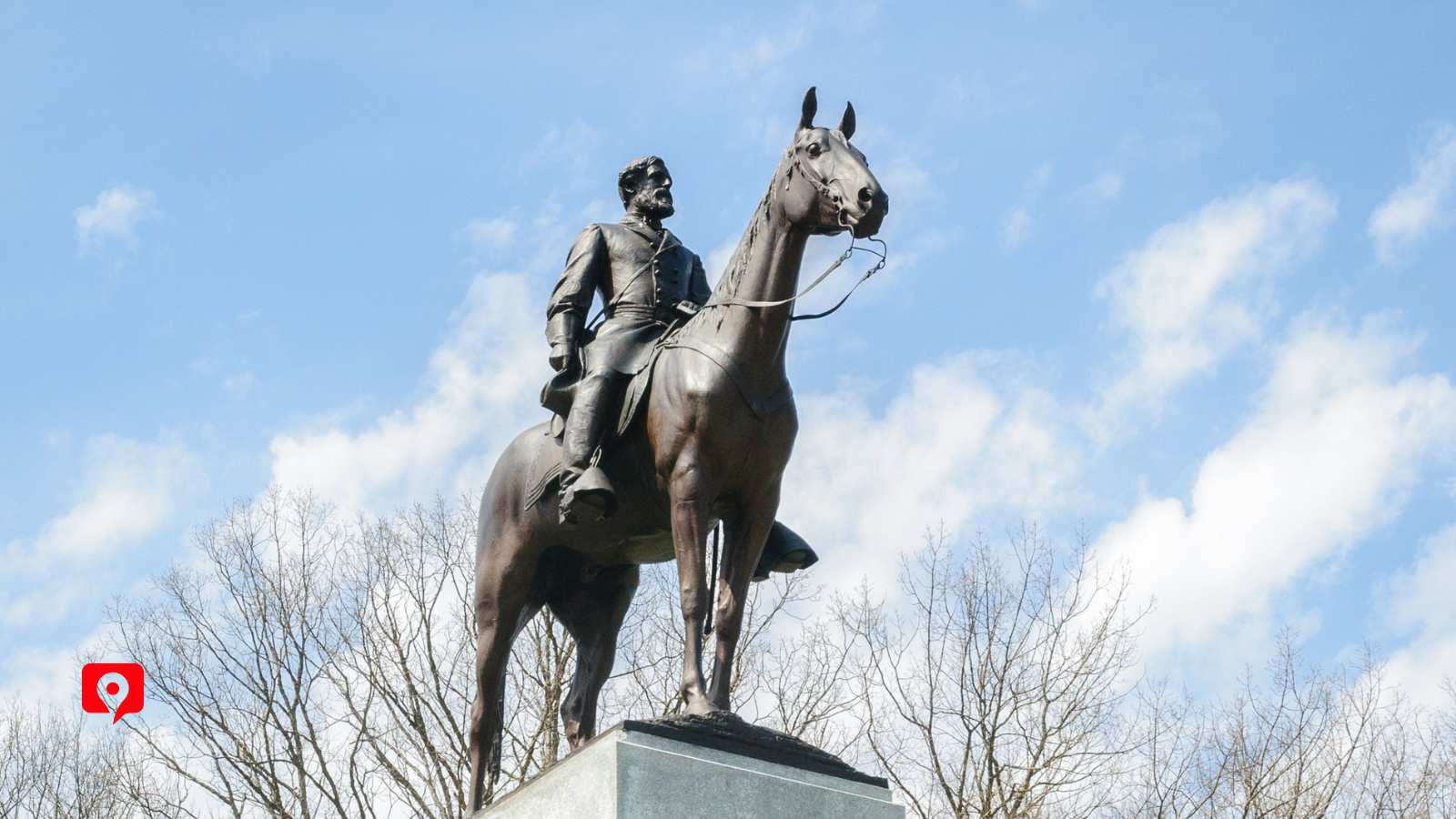
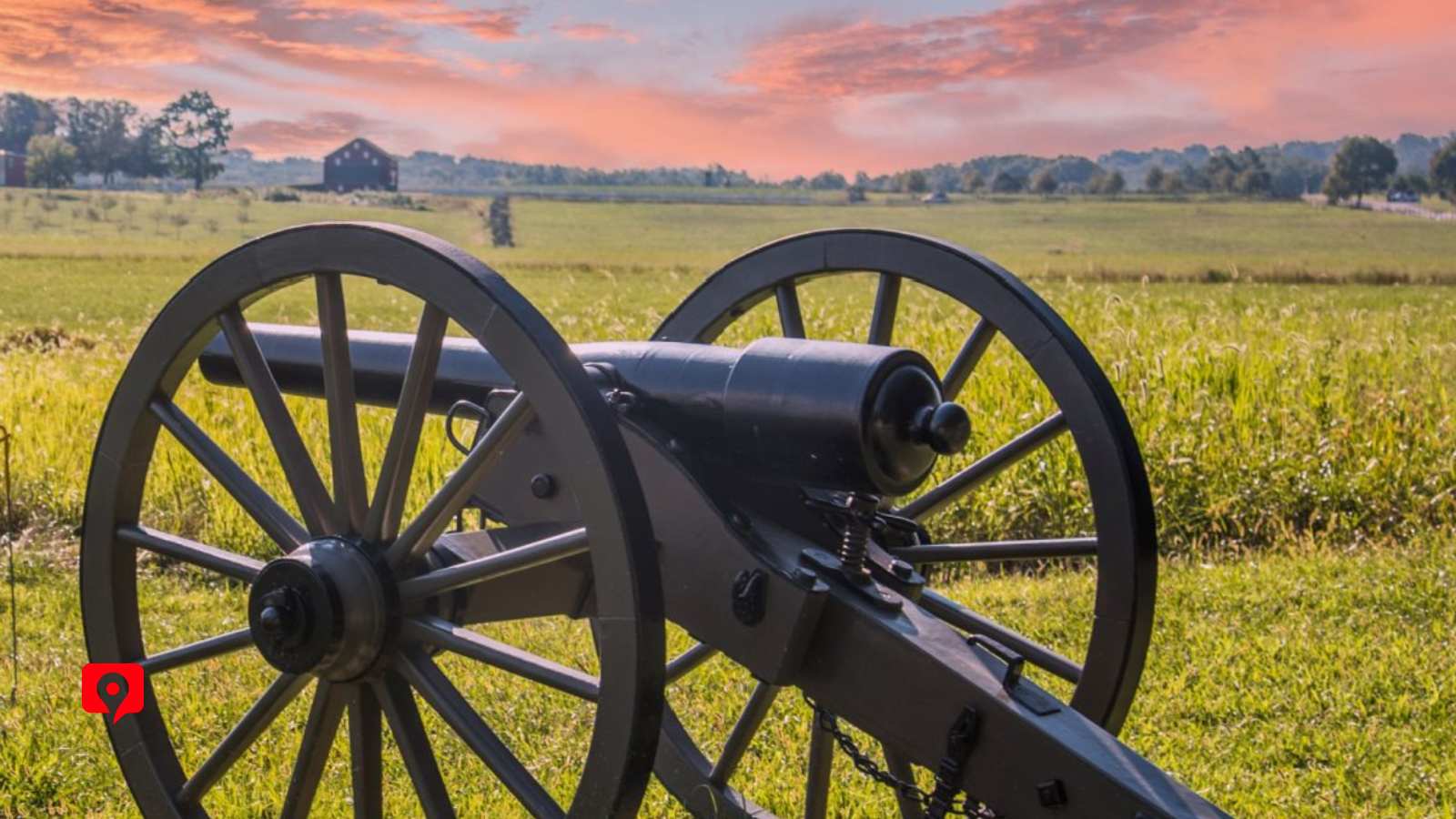
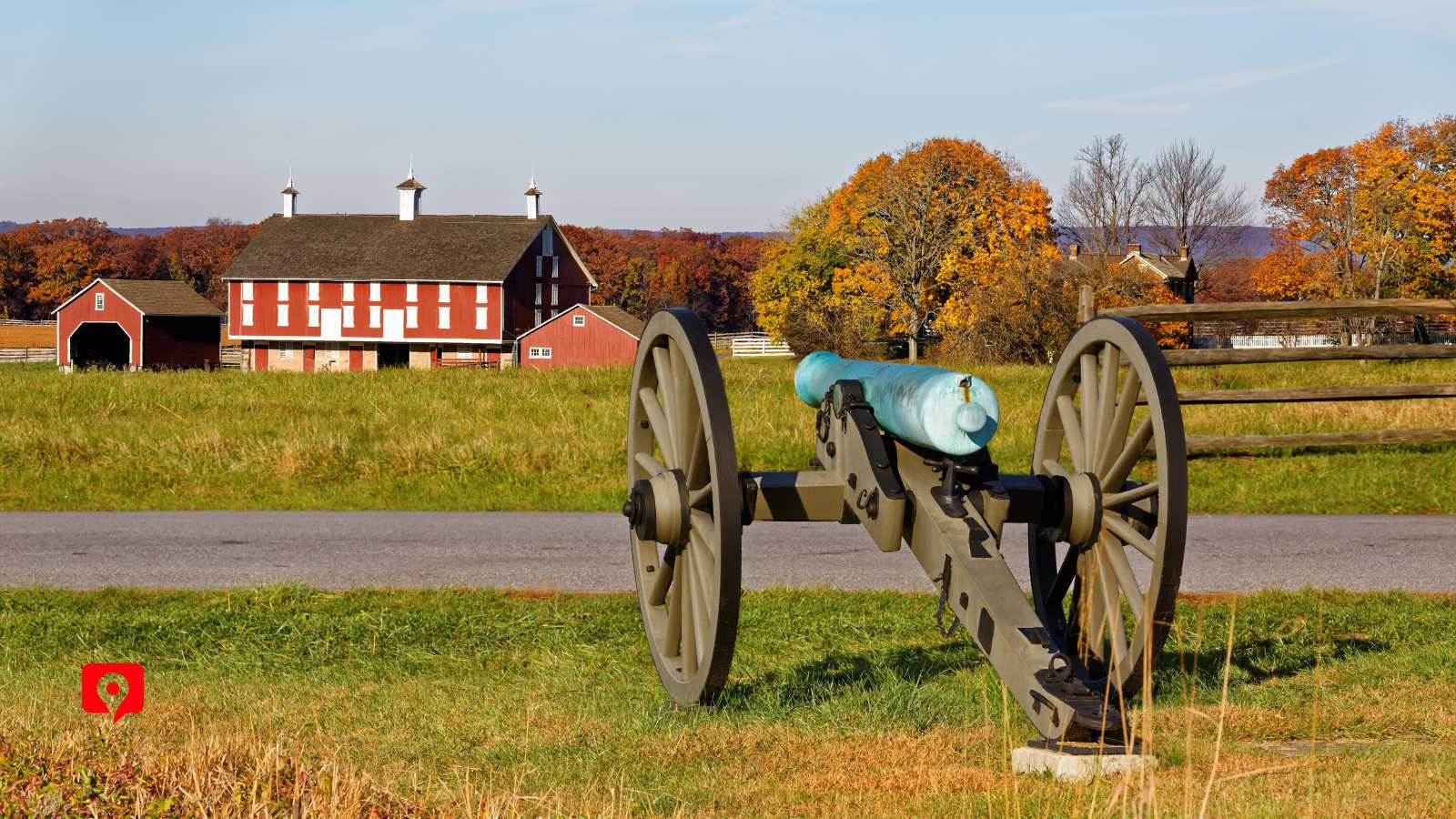
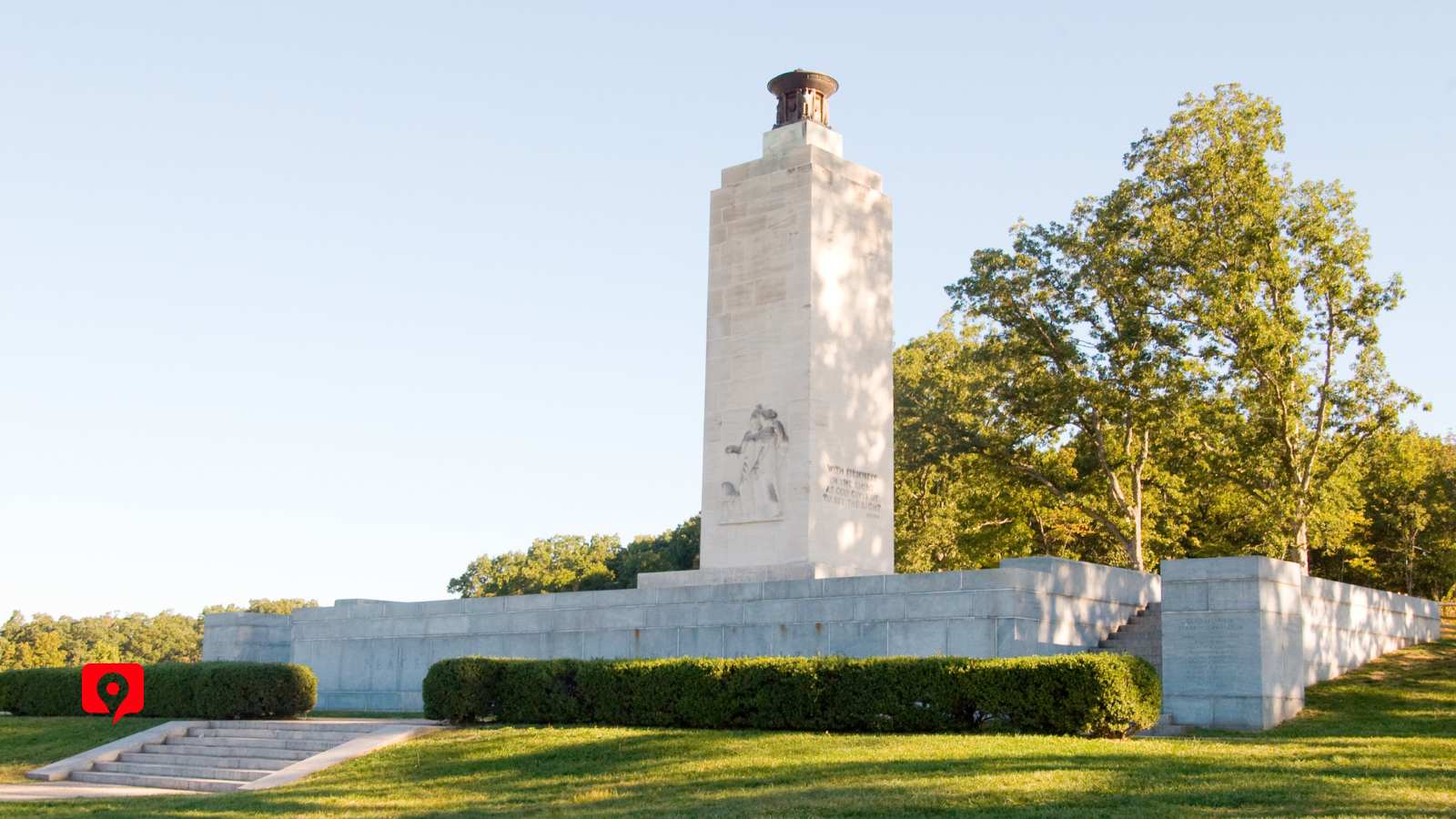
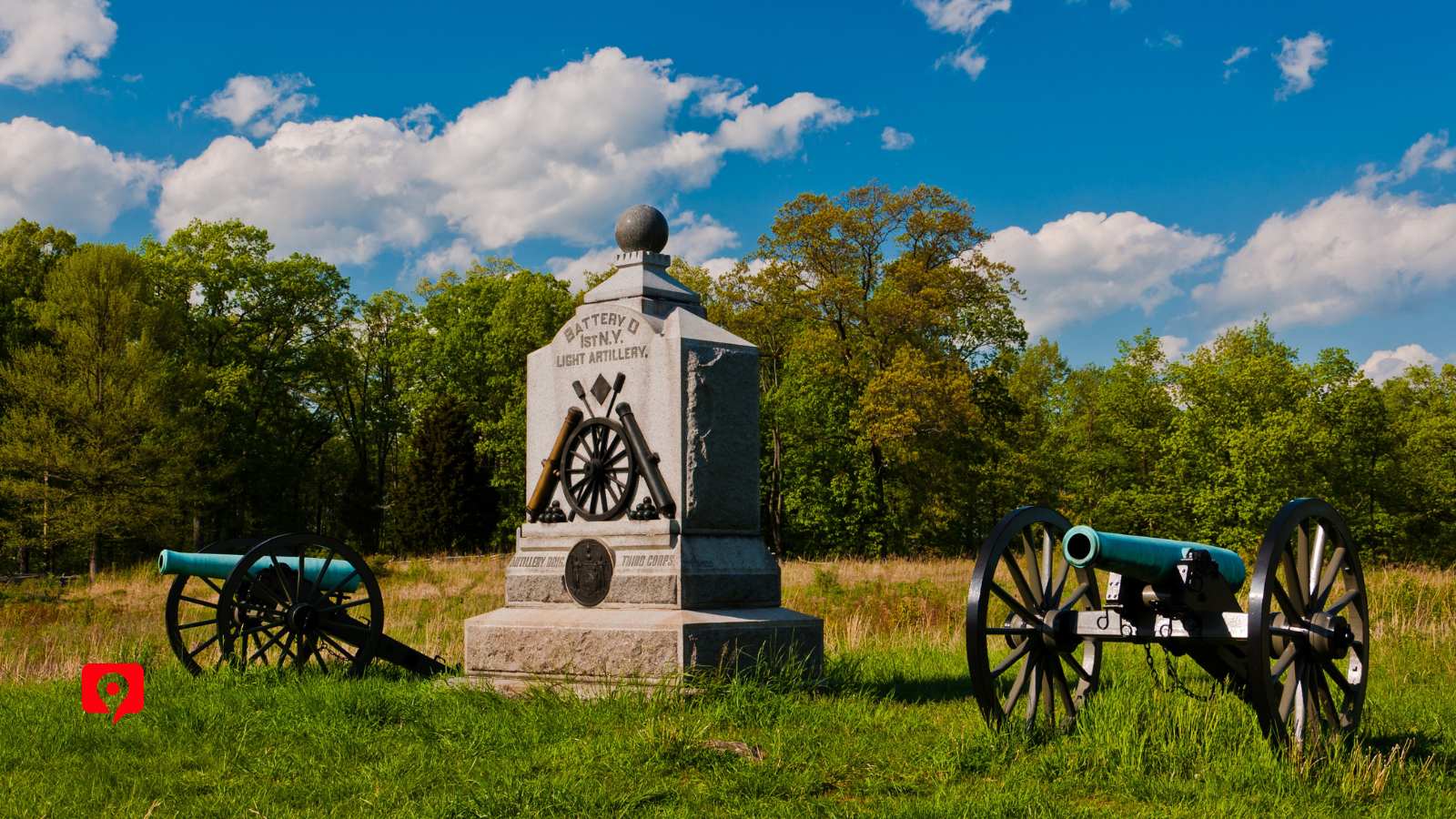
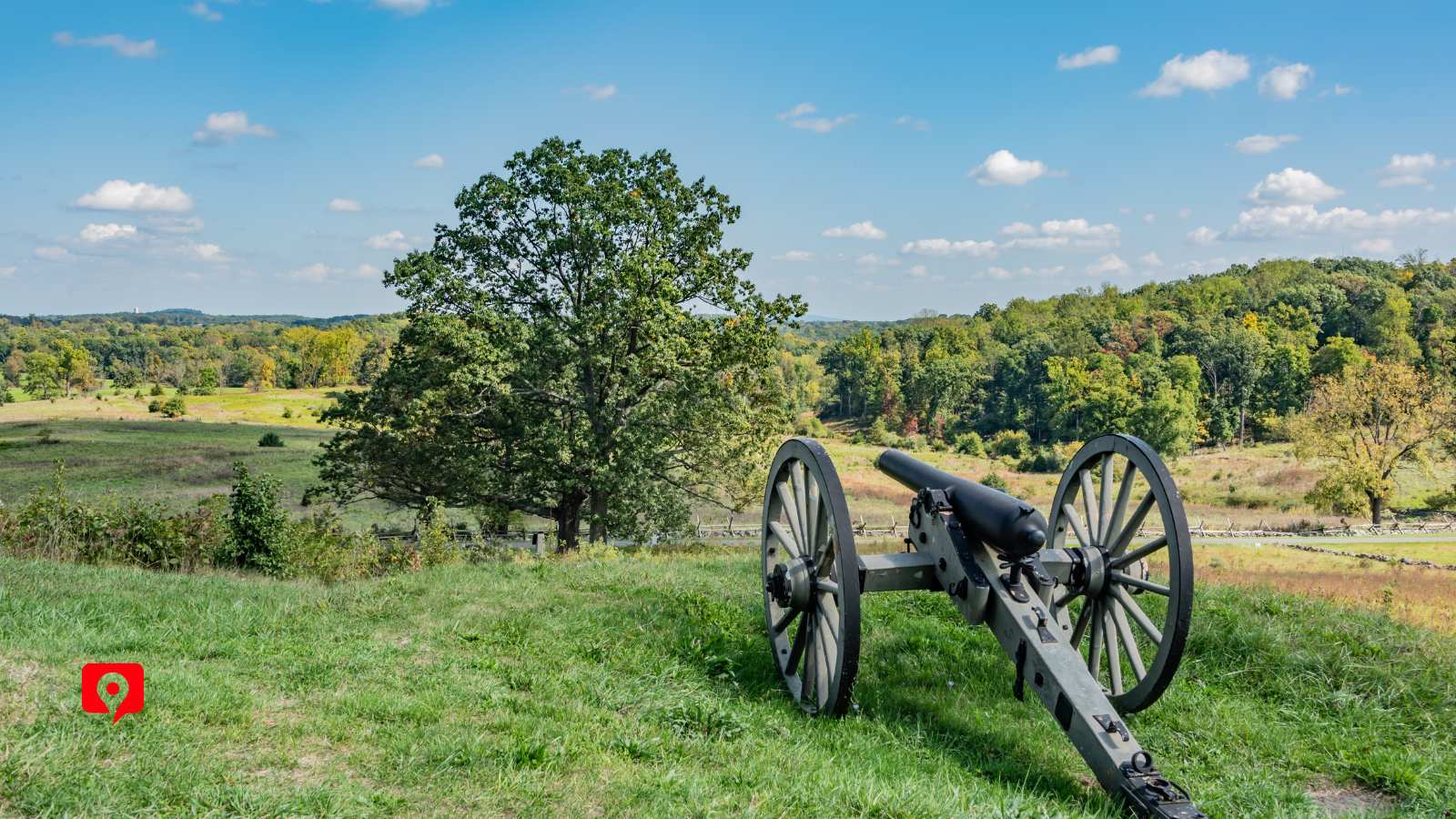
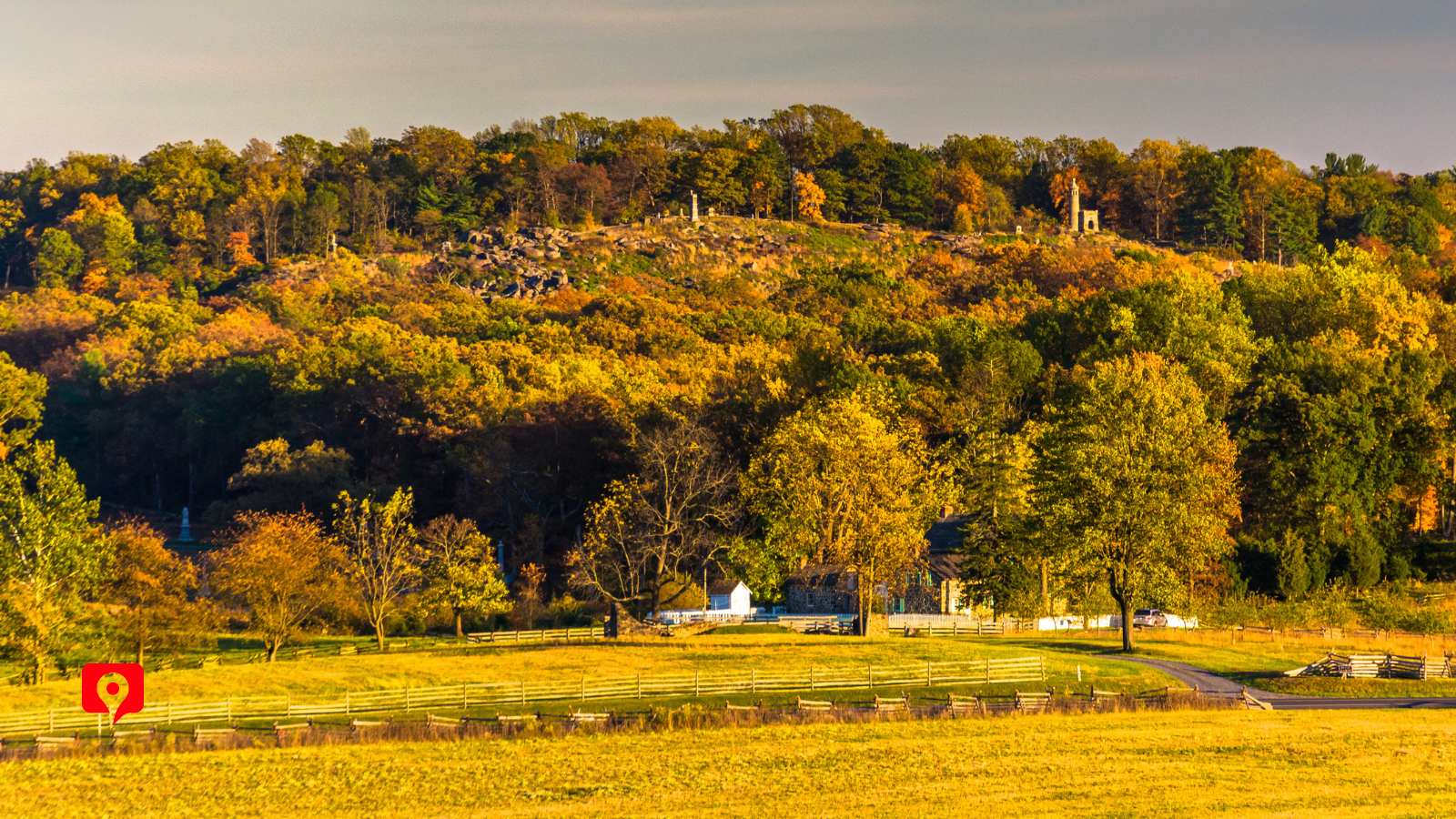
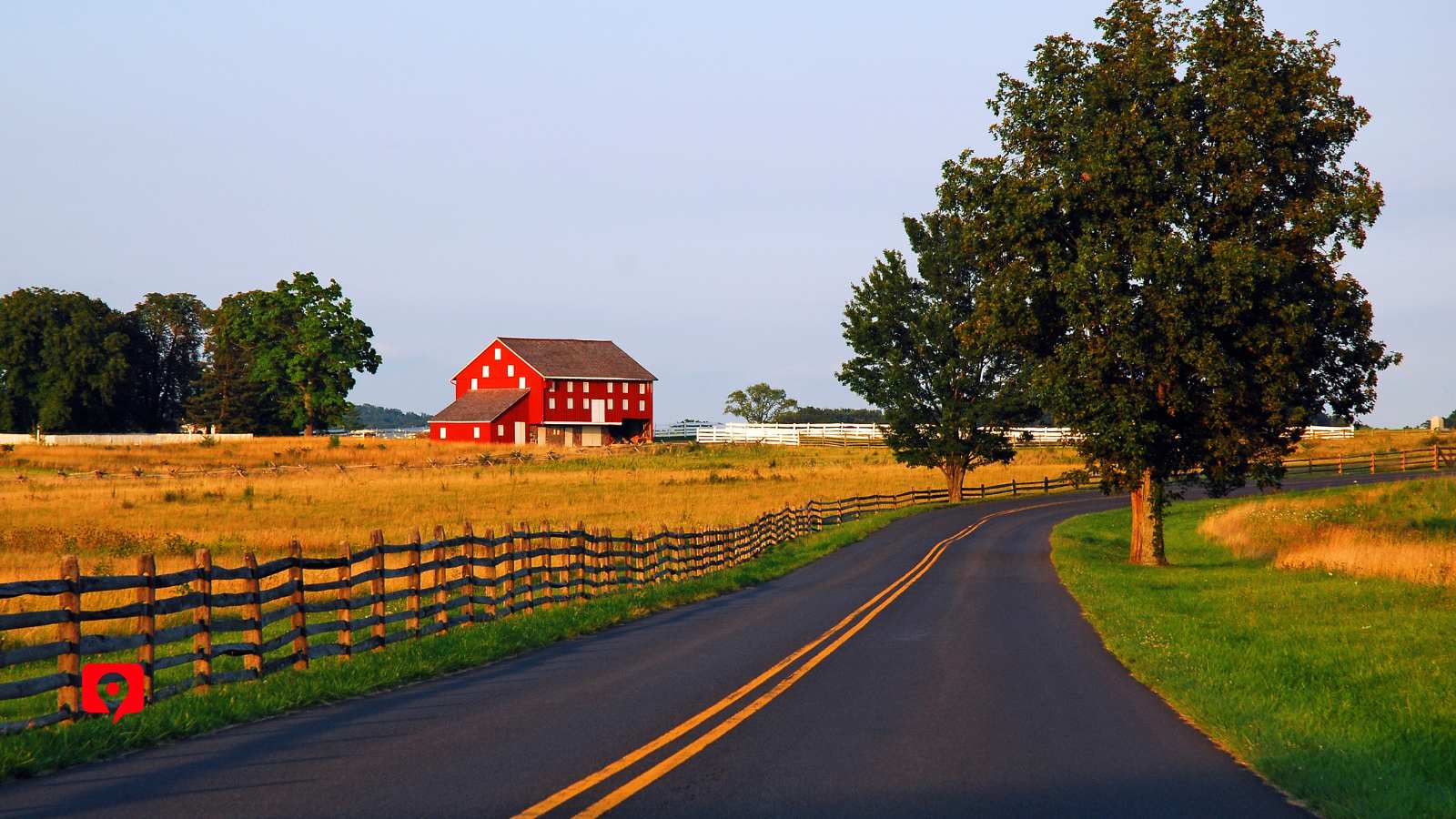
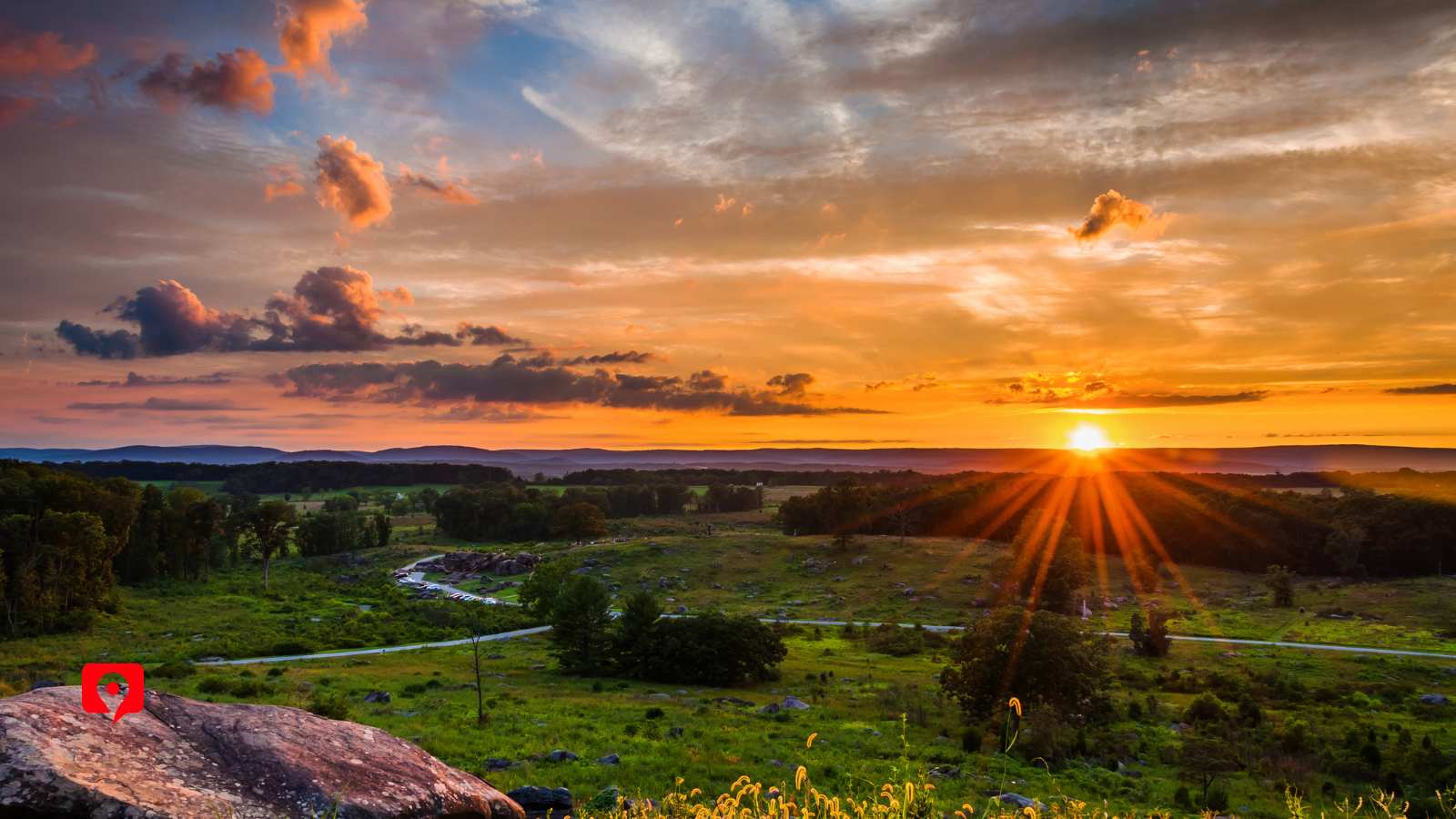
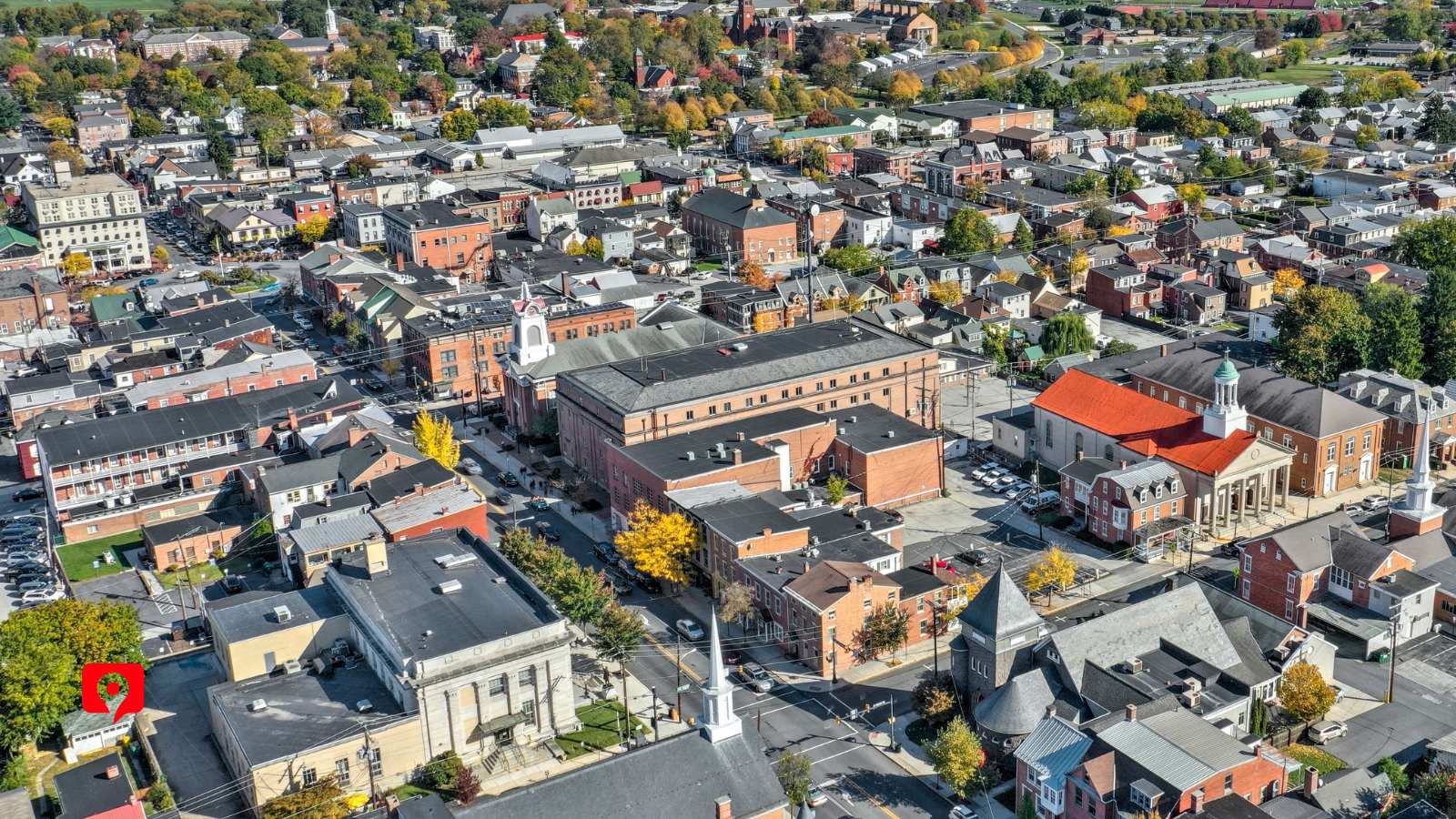
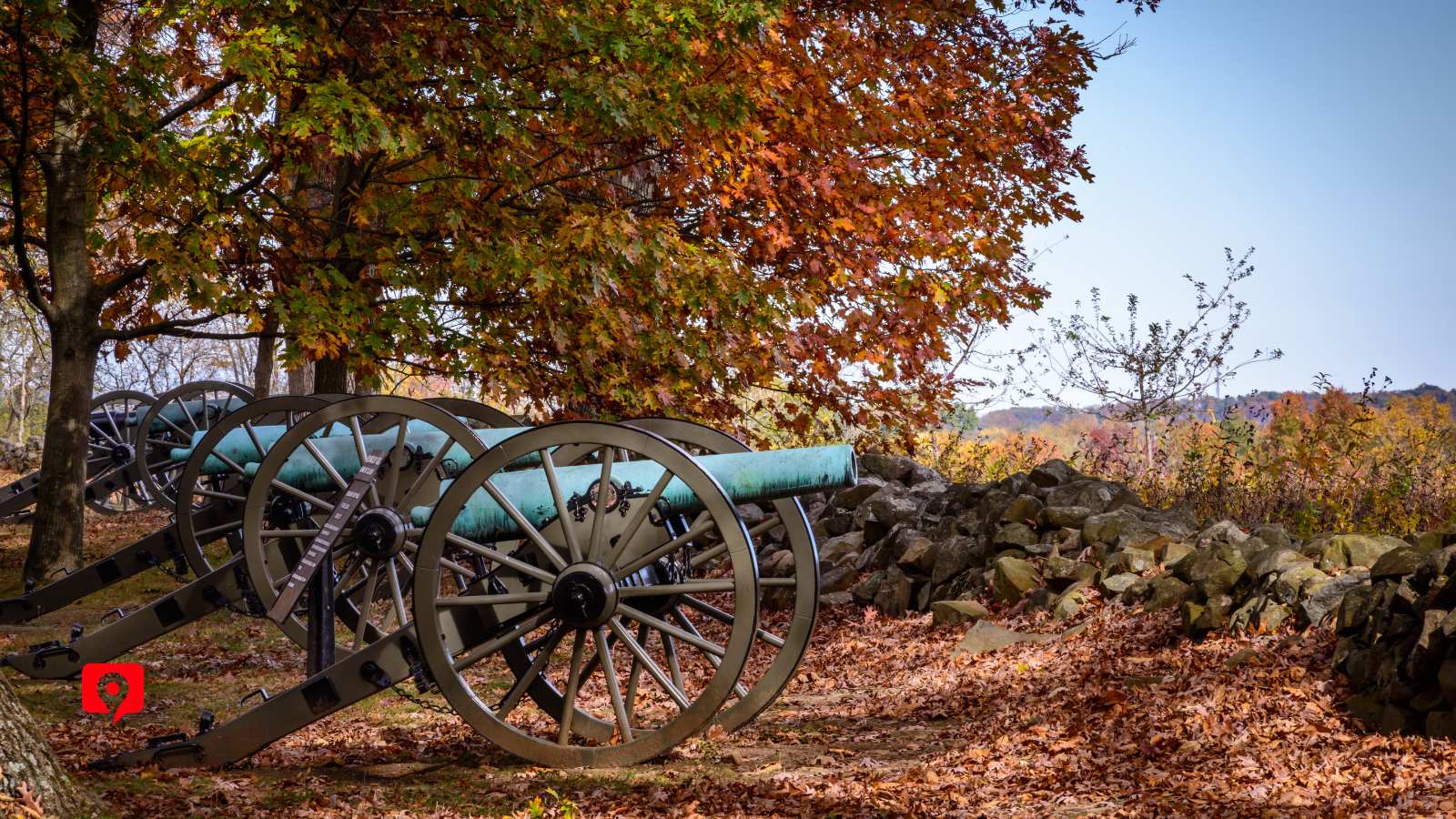
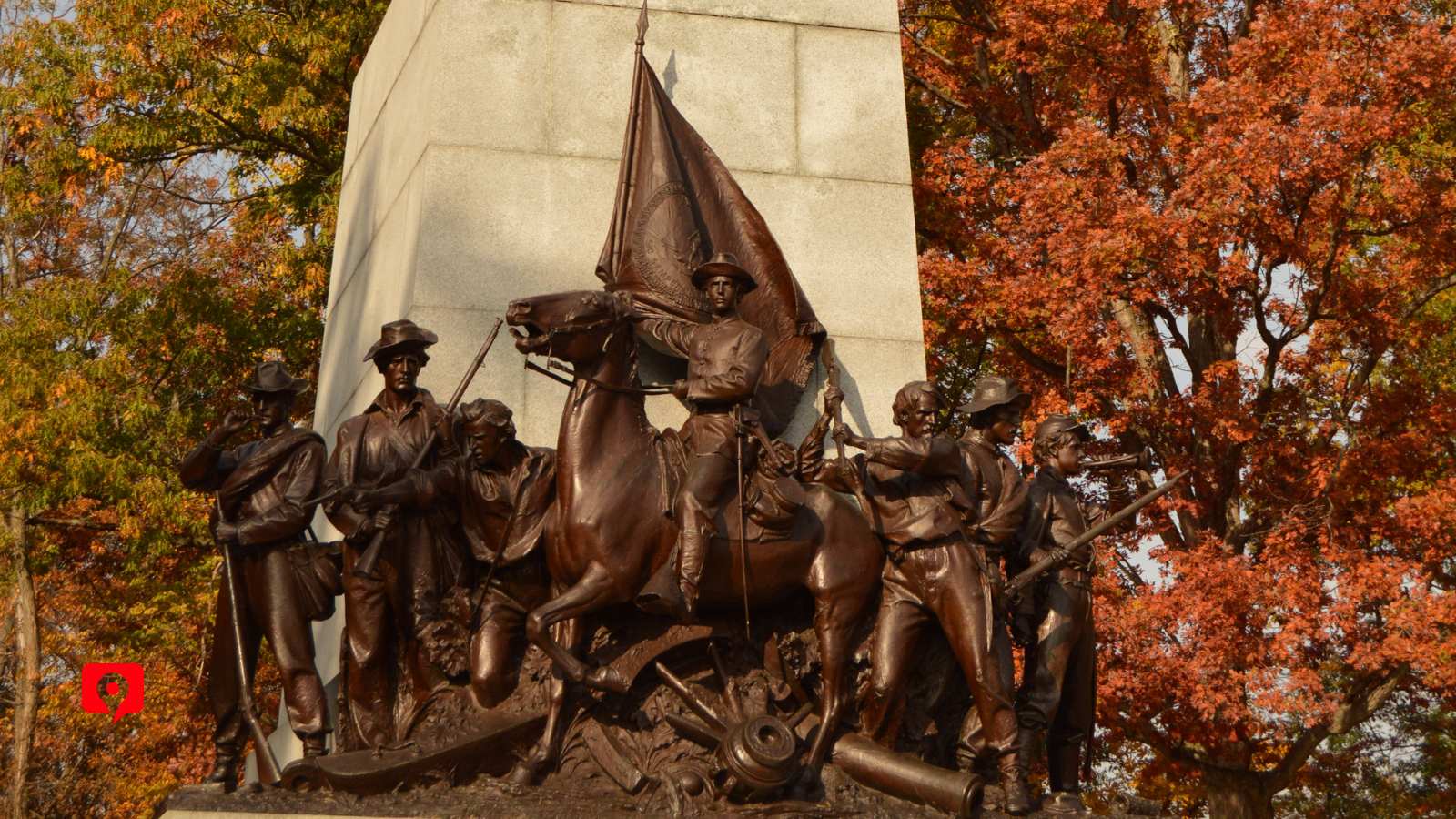
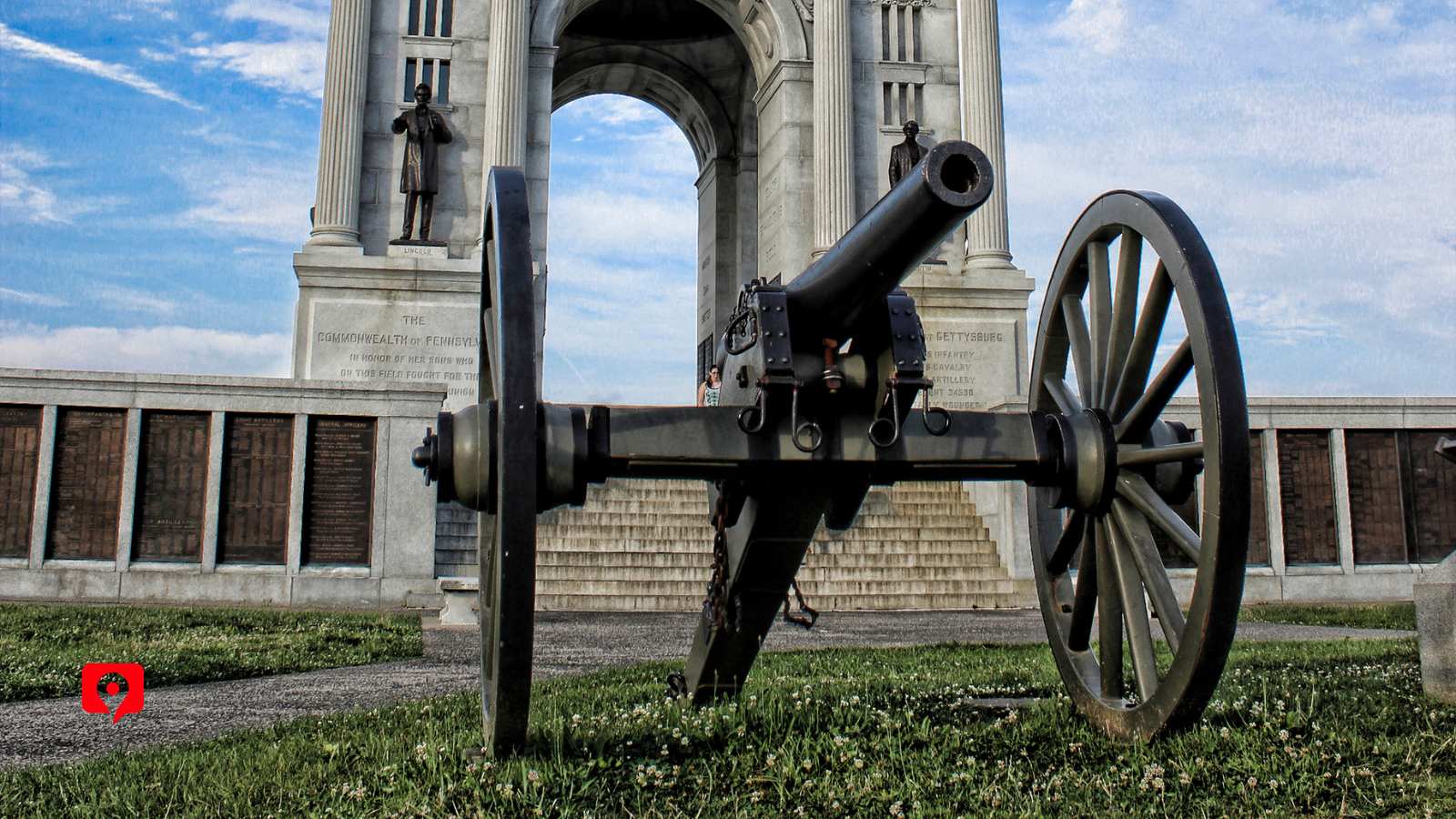
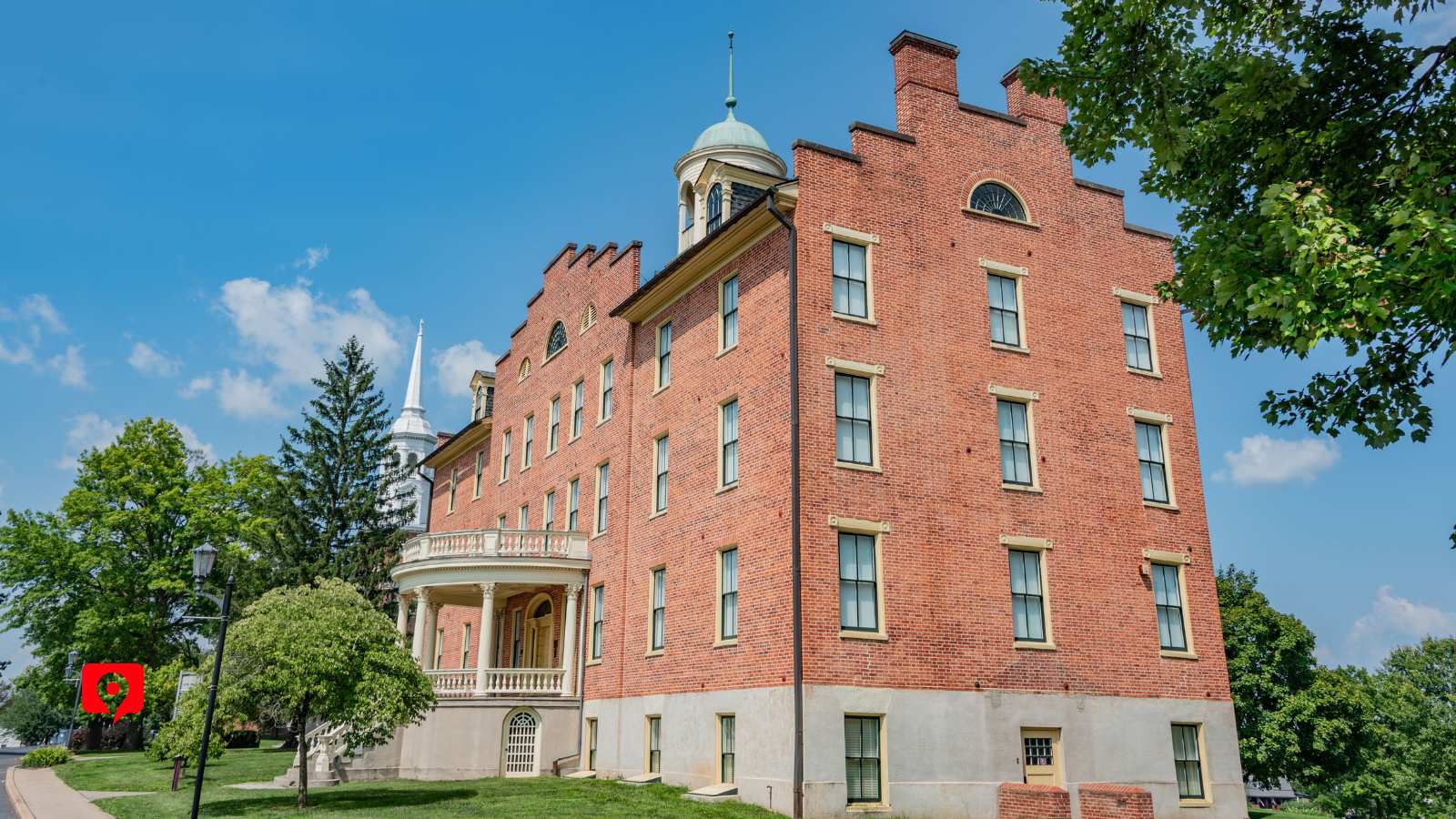
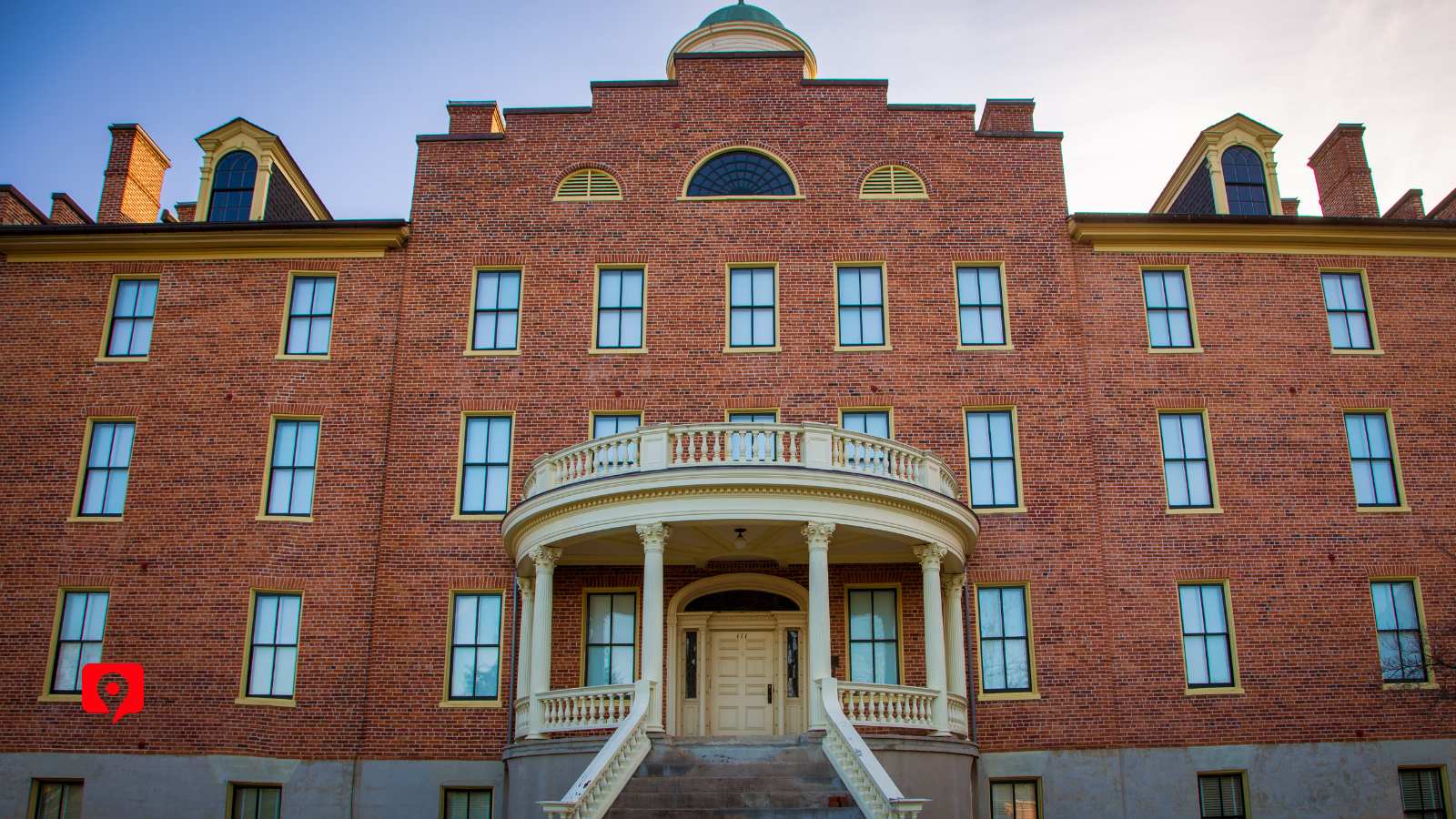
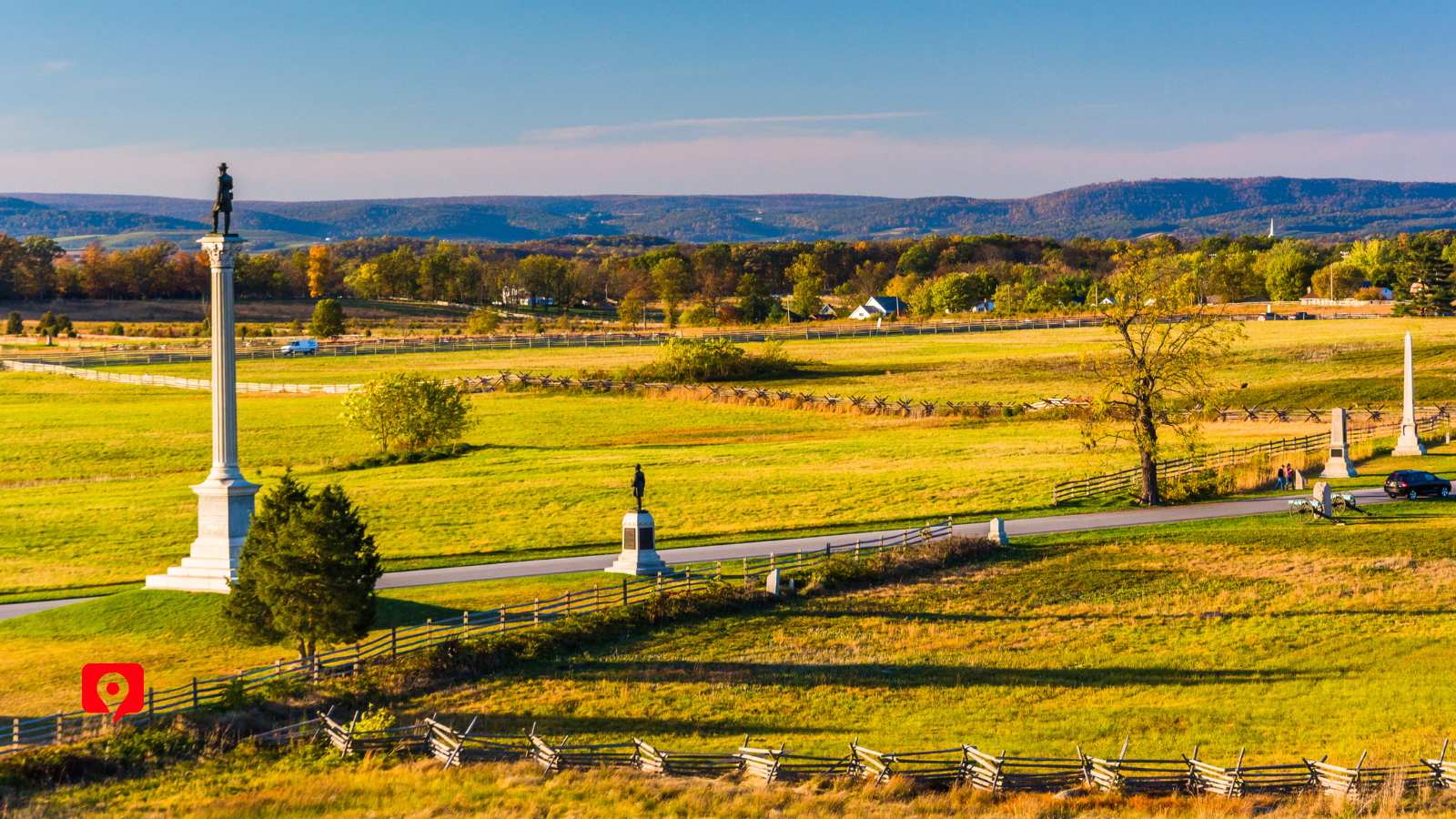
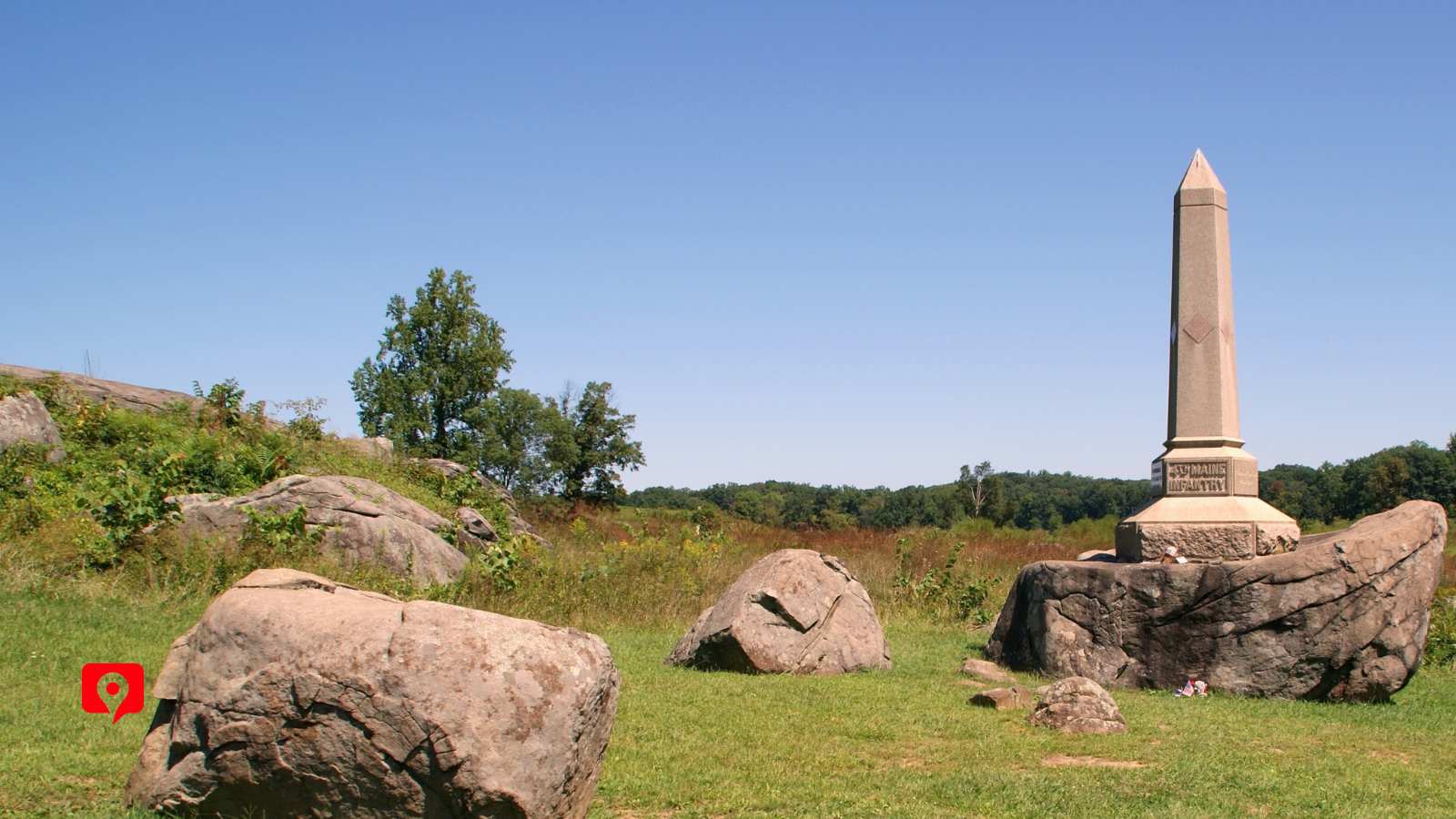
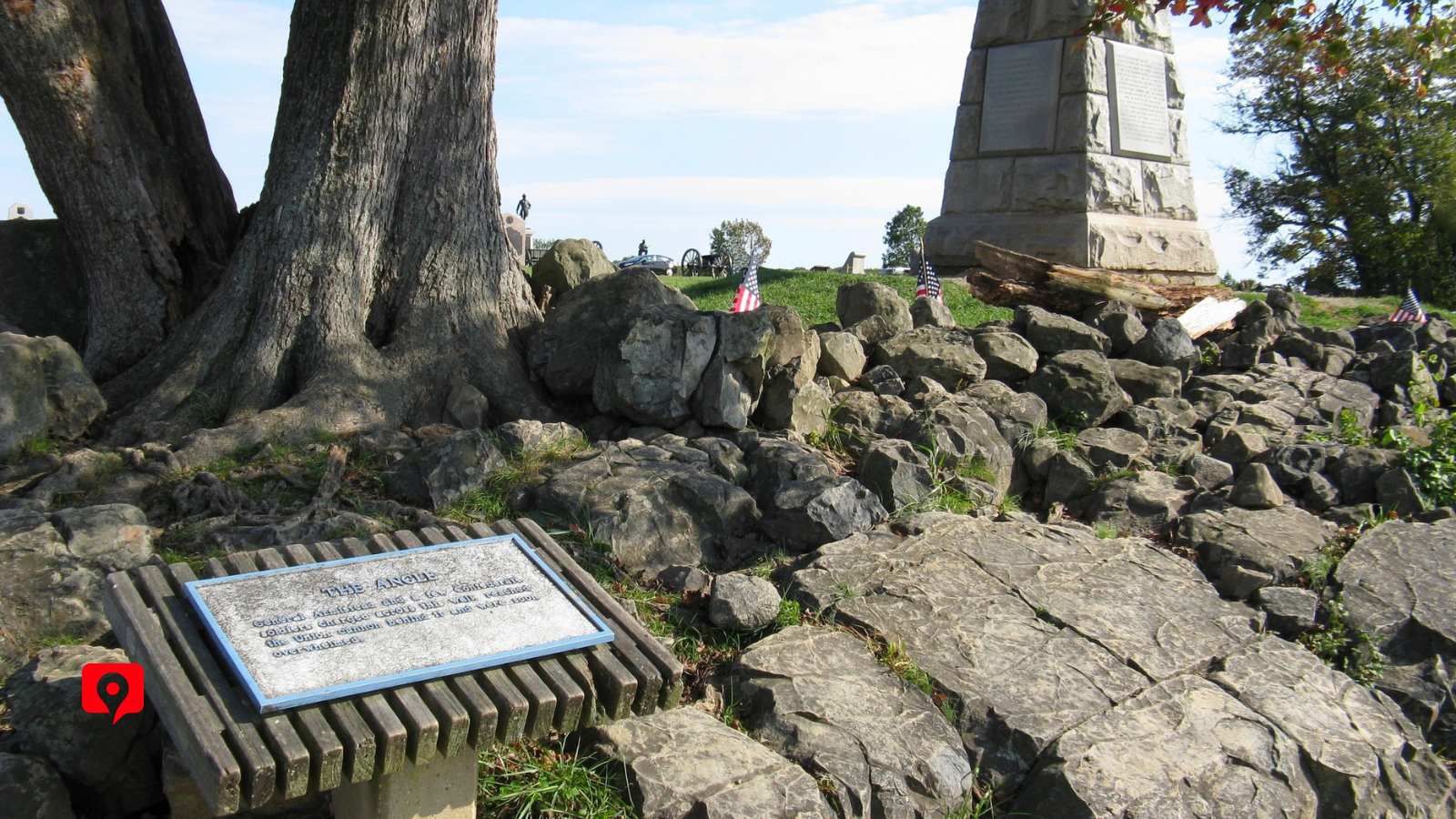
In the rolling hills of southern Pennsylvania lies the Gettysburg Battlefield, the site of the most pivotal battle of the American Civil War. Over three summer days in July 1863, Union and Confederate forces clashed here in a fight that would determine the fate of the nation. Nearly 50,000 soldiers were killed, wounded, or missing, making it the war’s bloodiest battle.
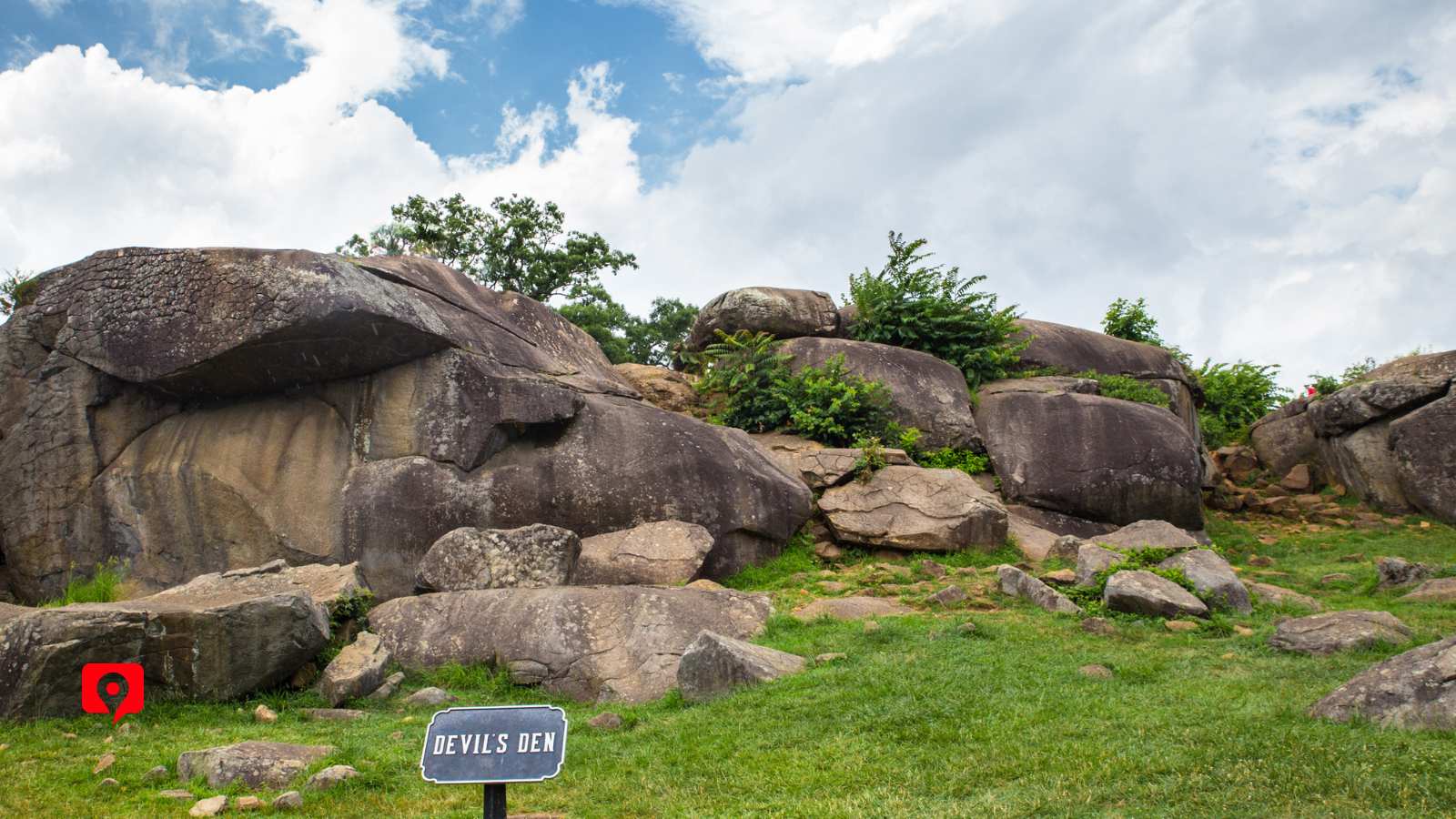
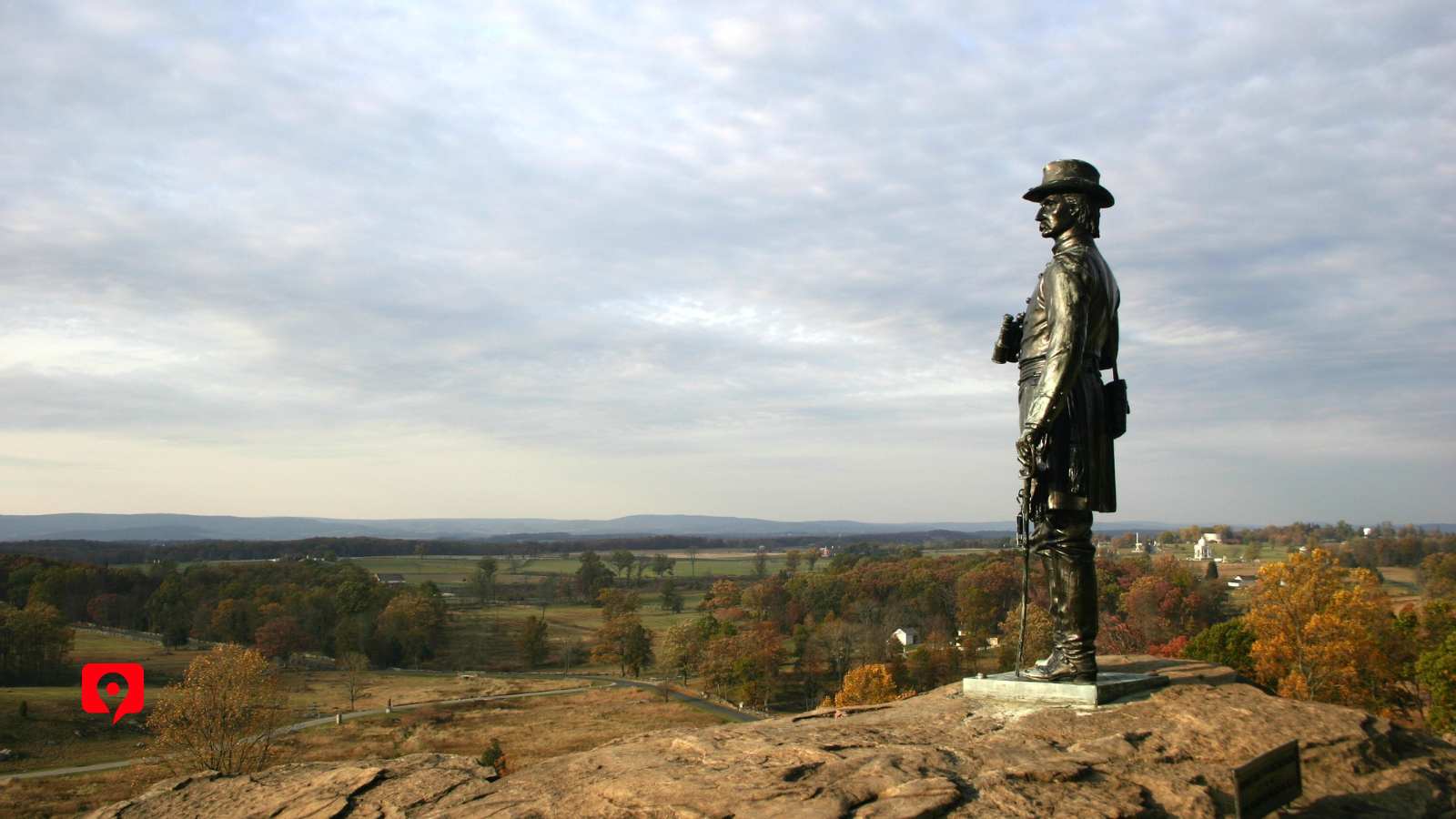
Today, Gettysburg National Military Park preserves these hallowed grounds, where open fields, stone walls, and historic farmhouses still tell the story of sacrifice and courage. Following the park’s Auto Tour route, you can drive the battlefield roads, stand where soldiers once fought, climb observation towers for sweeping views, and visit iconic landmarks like Little Round Top, Devil’s Den, and the High Water Mark, the closest the Confederacy ever came to victory.
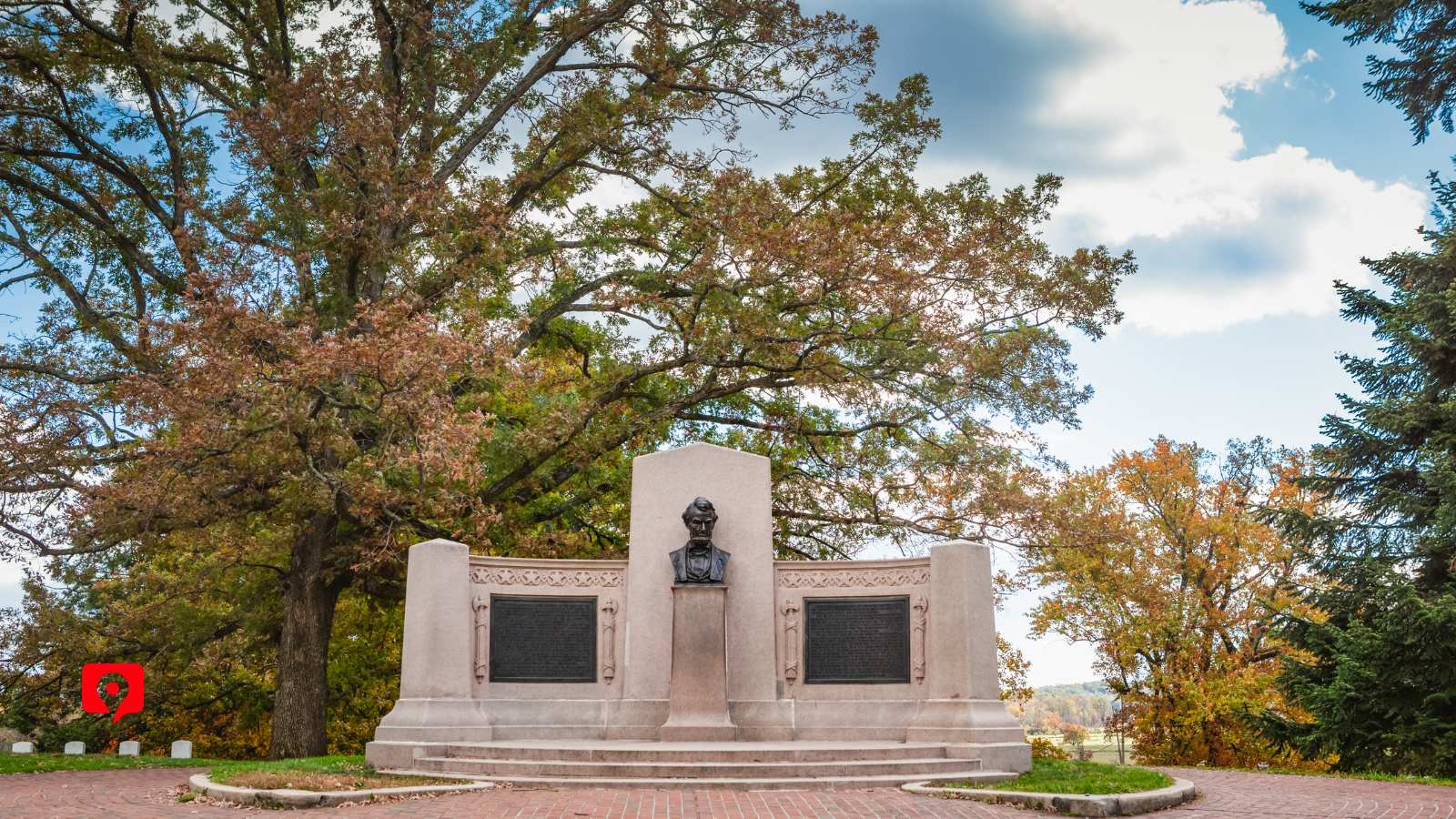
The park also includes Soldiers’ National Cemetery, where President Abraham Lincoln delivered his famous Gettysburg Address.
In addition to the main driving tour, this journey across the battlefield includes two walking routes at Seminary Ridge and Devil’s Den.
Whether you’re a devoted history buff or a curious traveler, the Gettysburg Battlefield offers a powerful journey into America’s past.
Any drive into Gettysburg or Visitor Center Parking
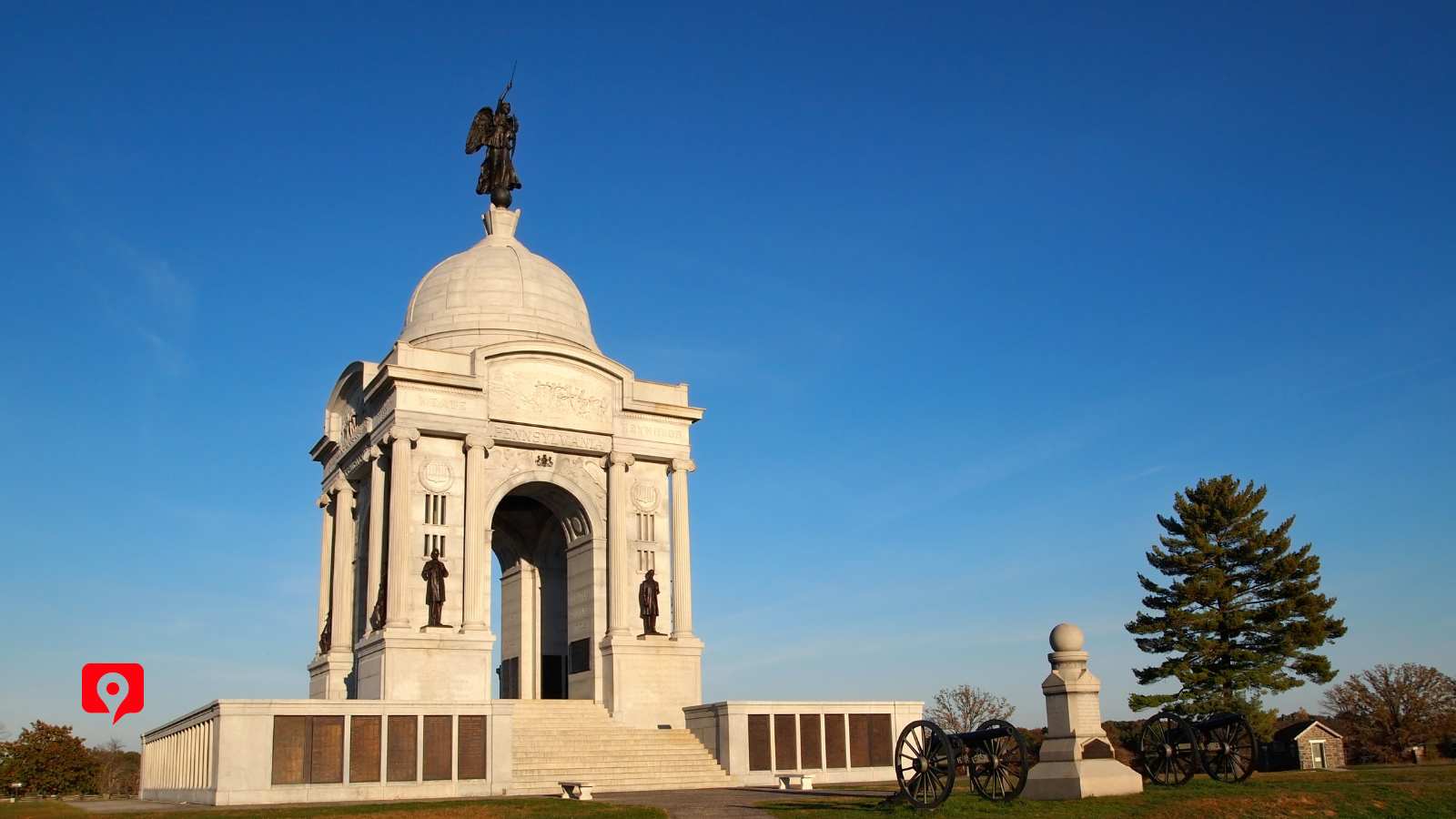
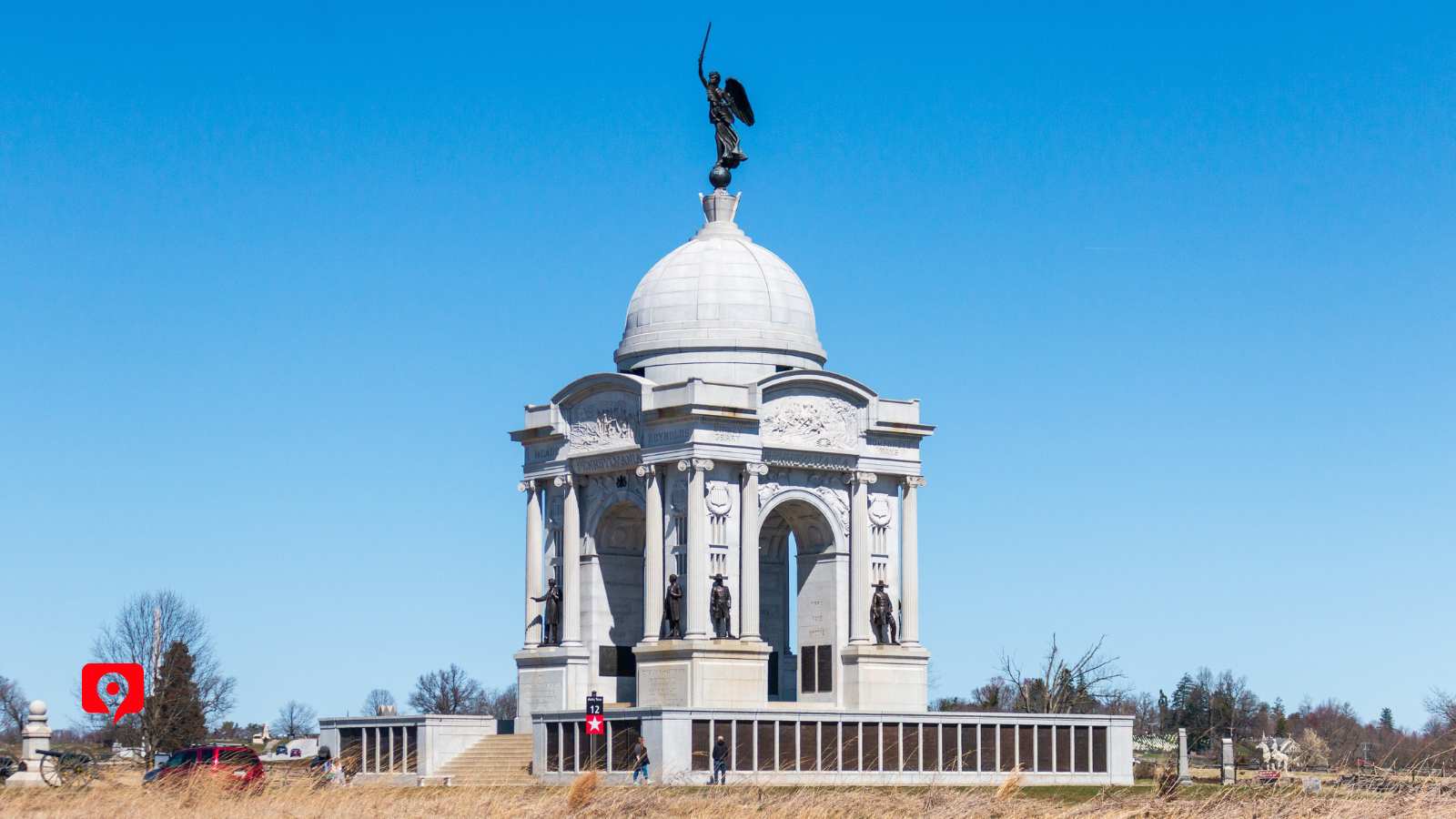
At Gettysburg, you can experience the battlefield’s main attractions in half a day if you’re short on time. This would include driving the Auto Tour route and stopping at key landmarks like Little Round Top, the Pennsylvania Memorial, and the High Water Mark.
However, to fully appreciate the history and beauty of the site, plan to spend a full day in Gettysburg.
The driving distance is about 20+ miles.