00:00

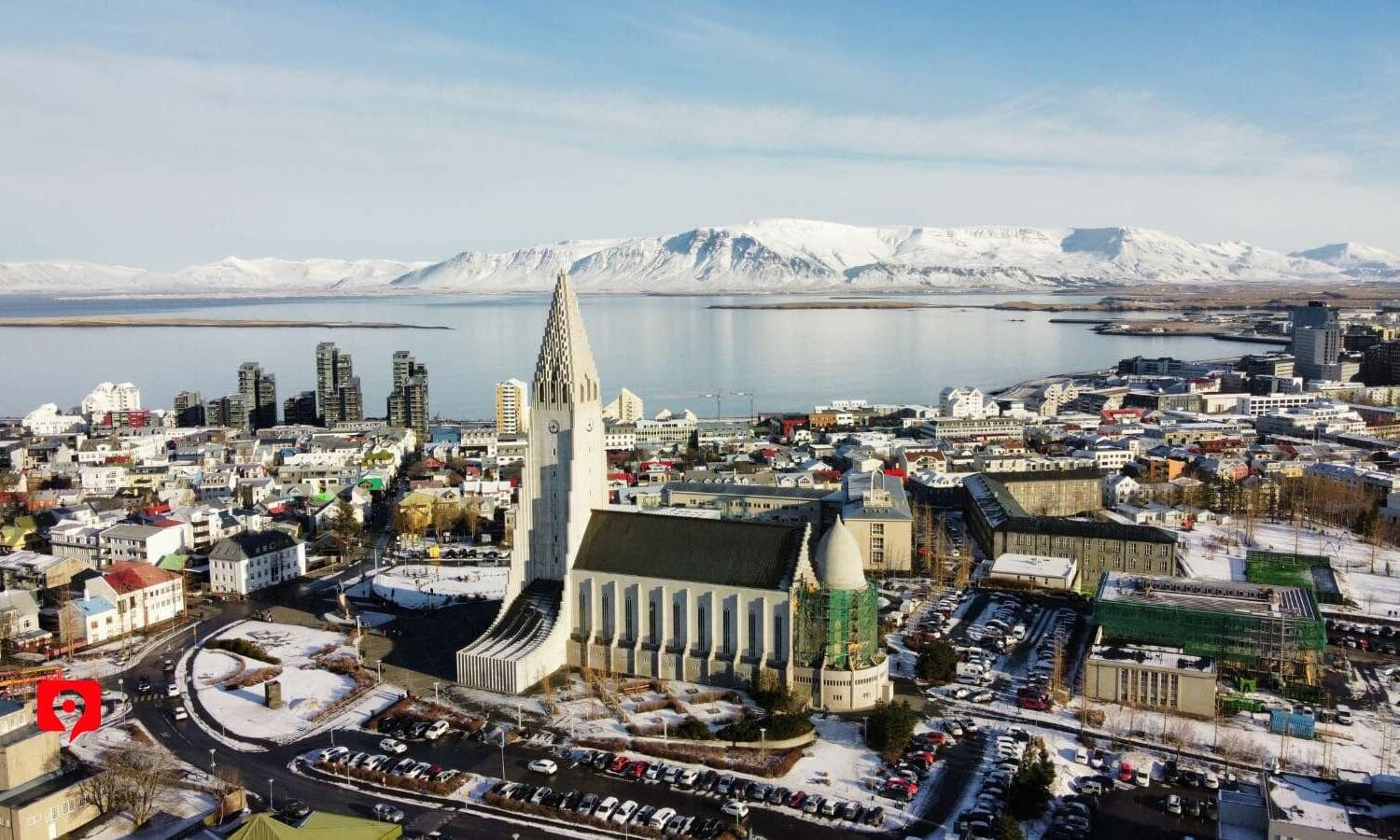
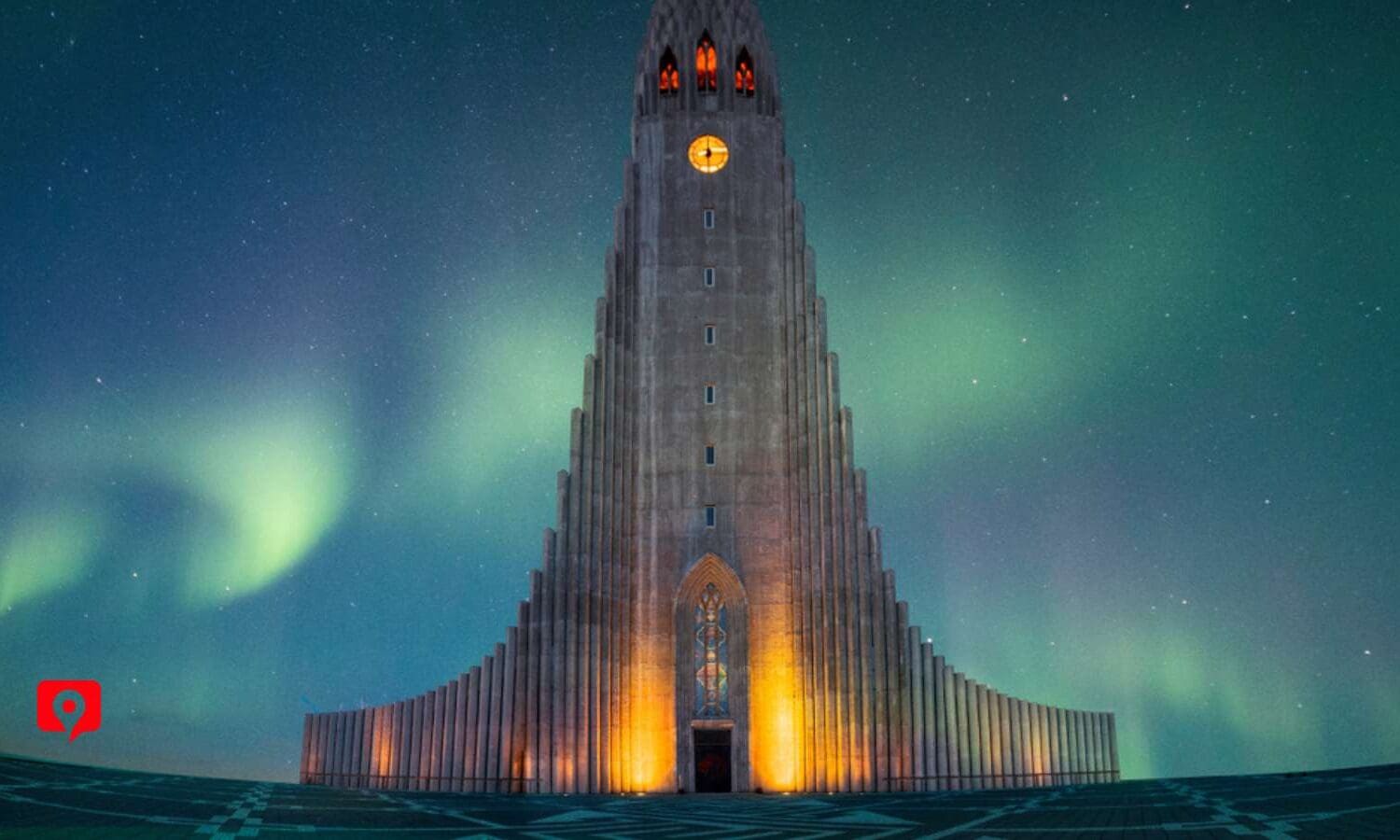
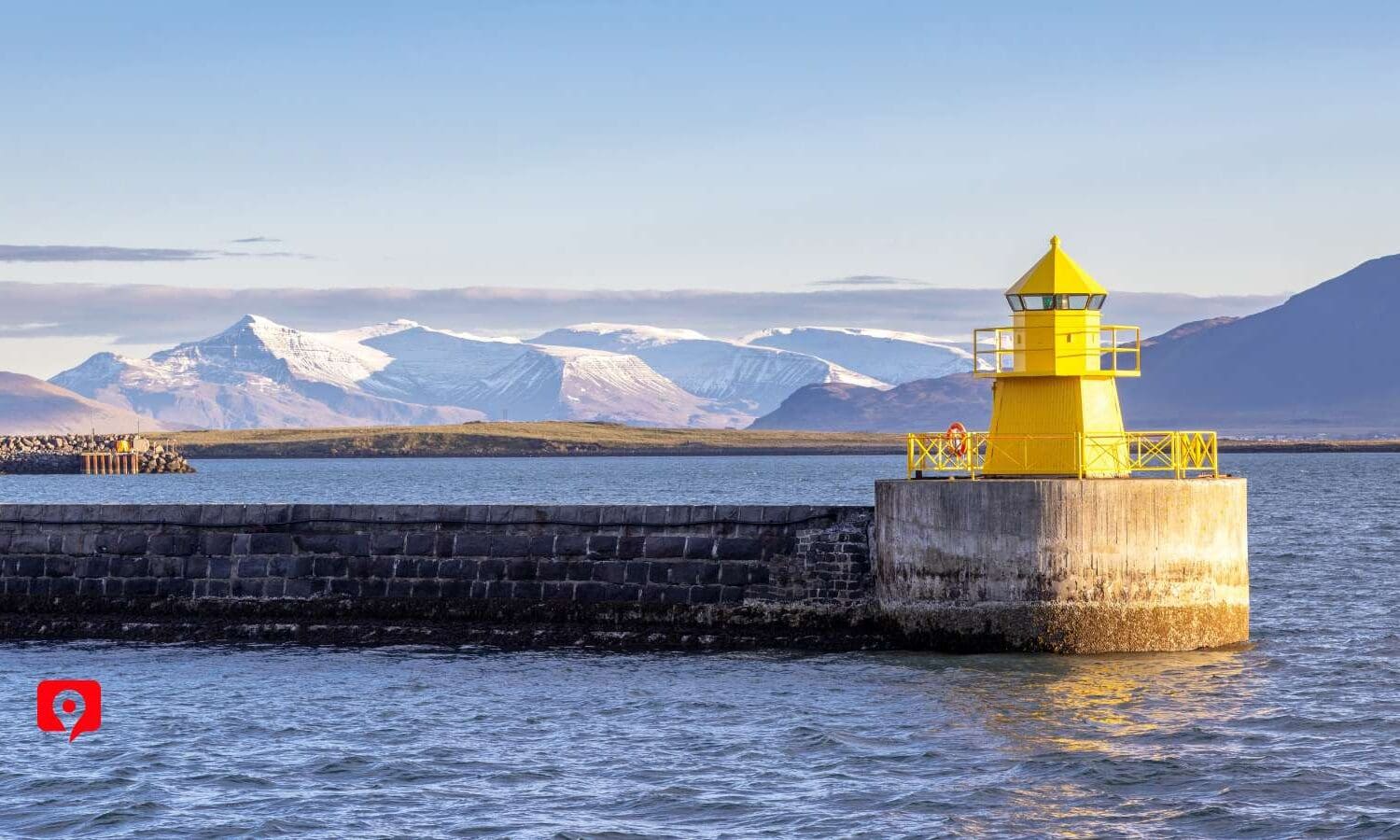
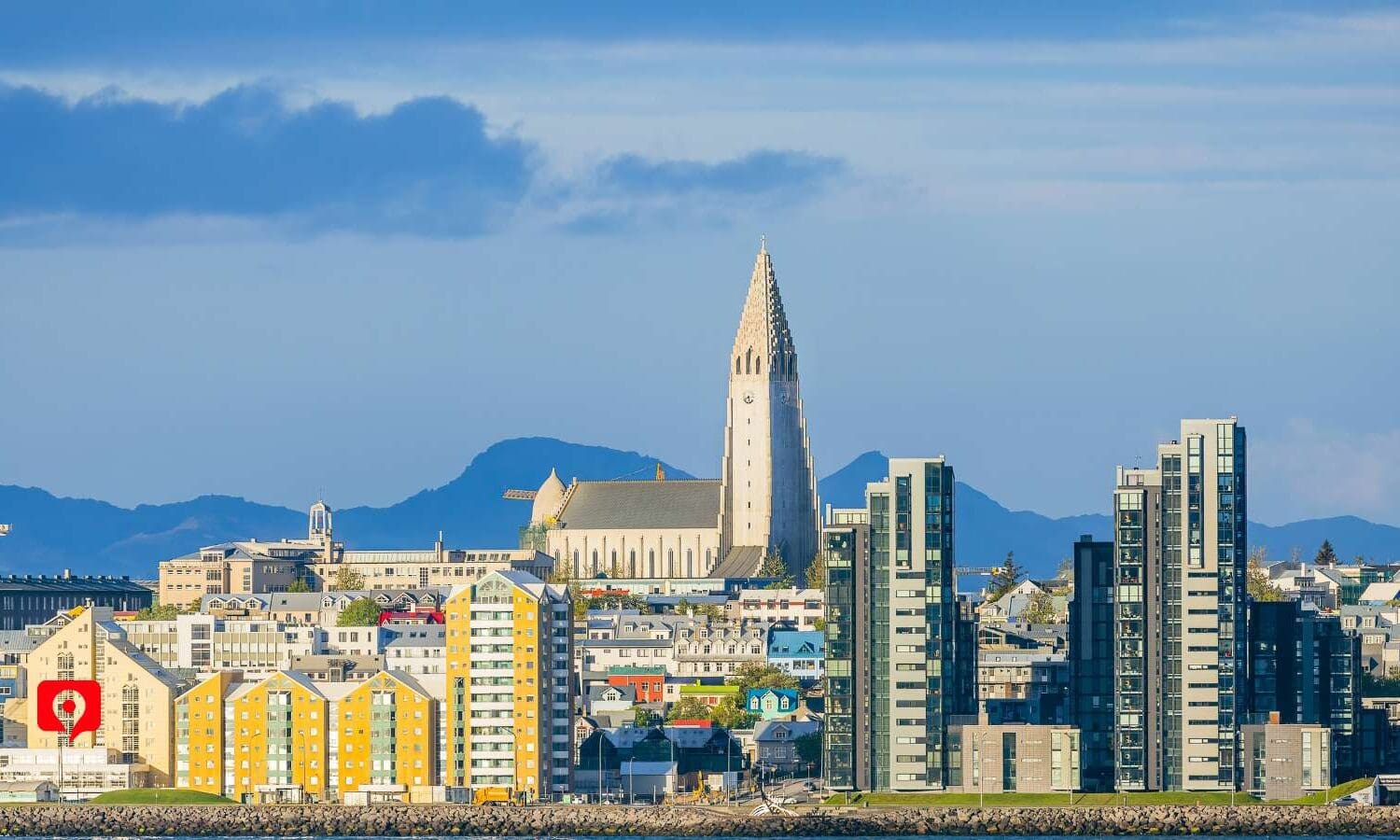
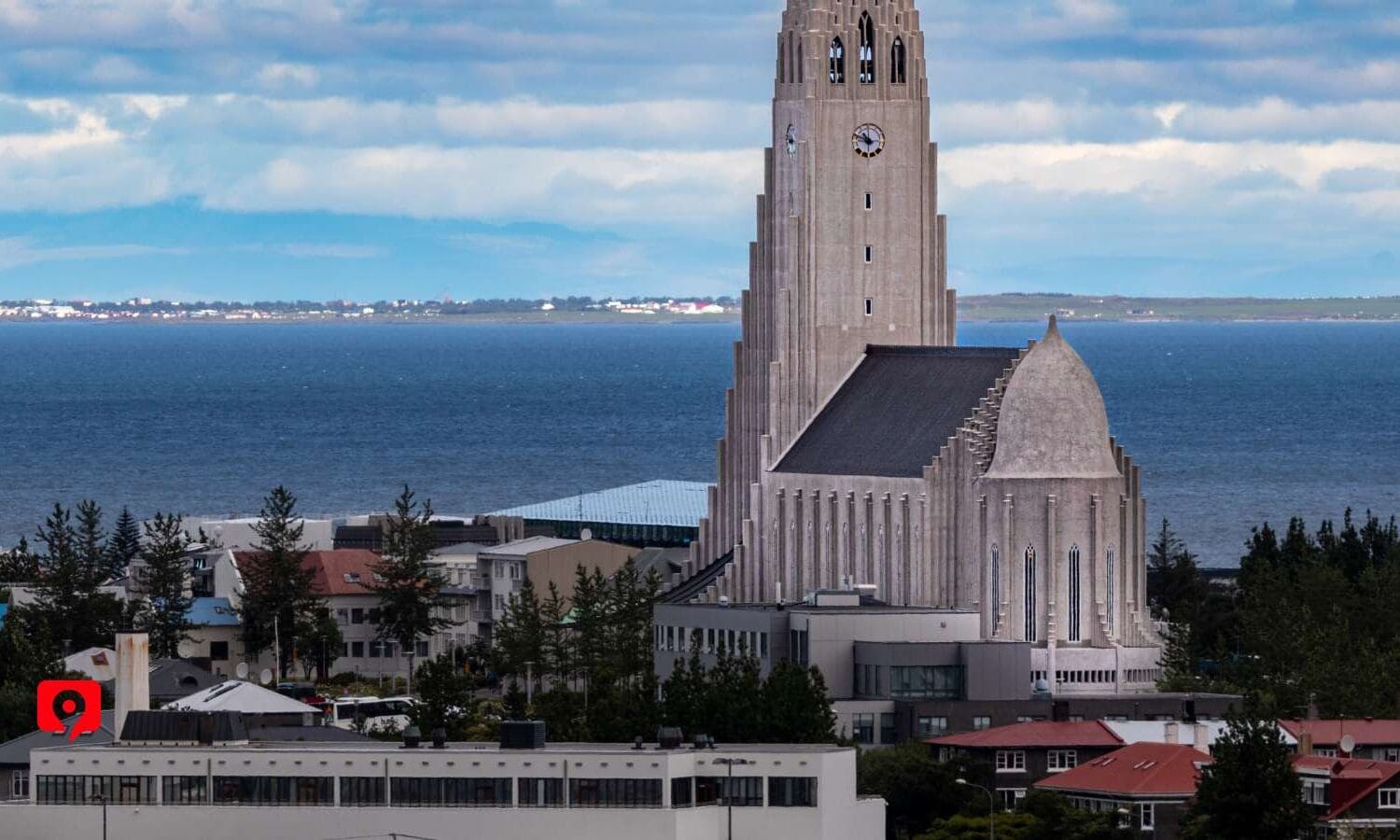

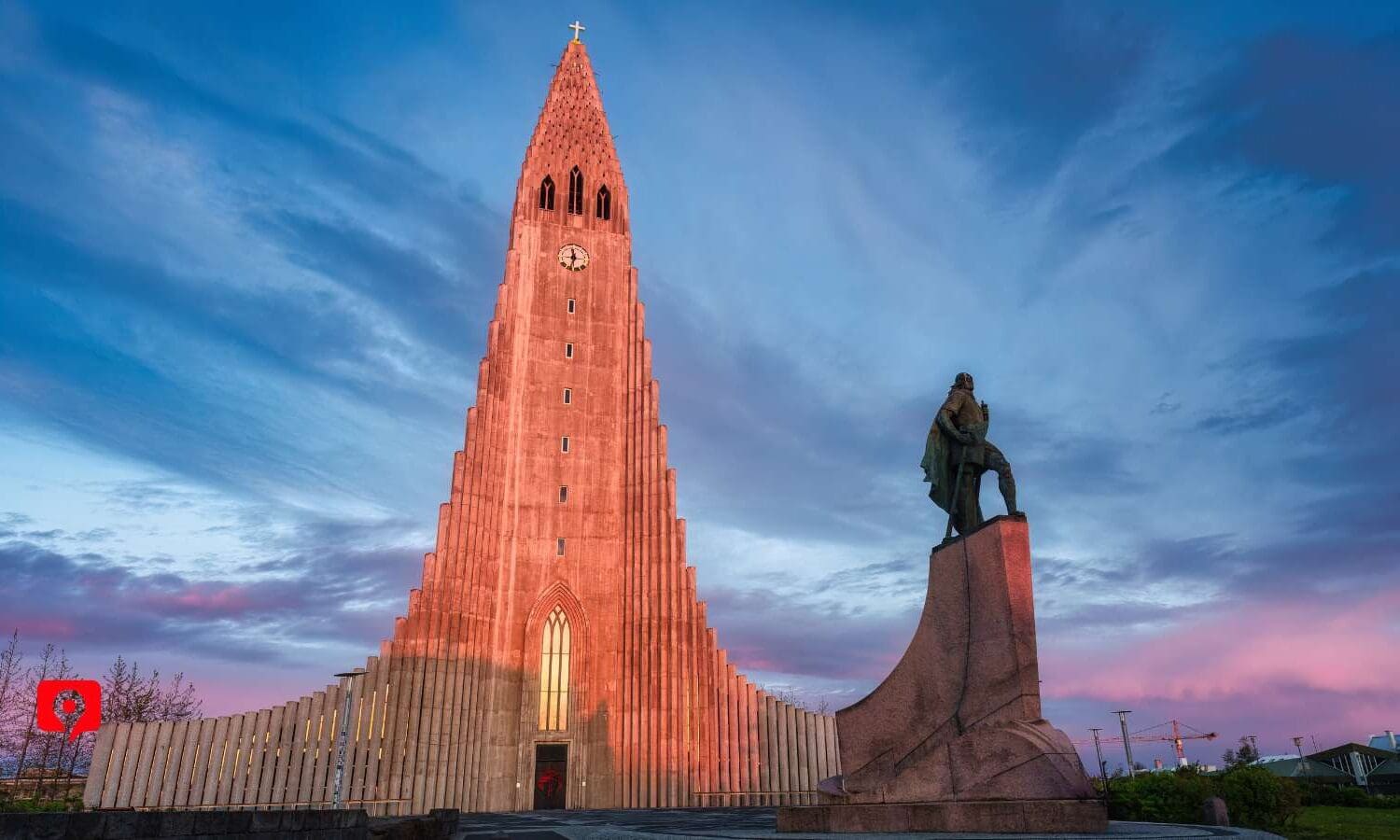

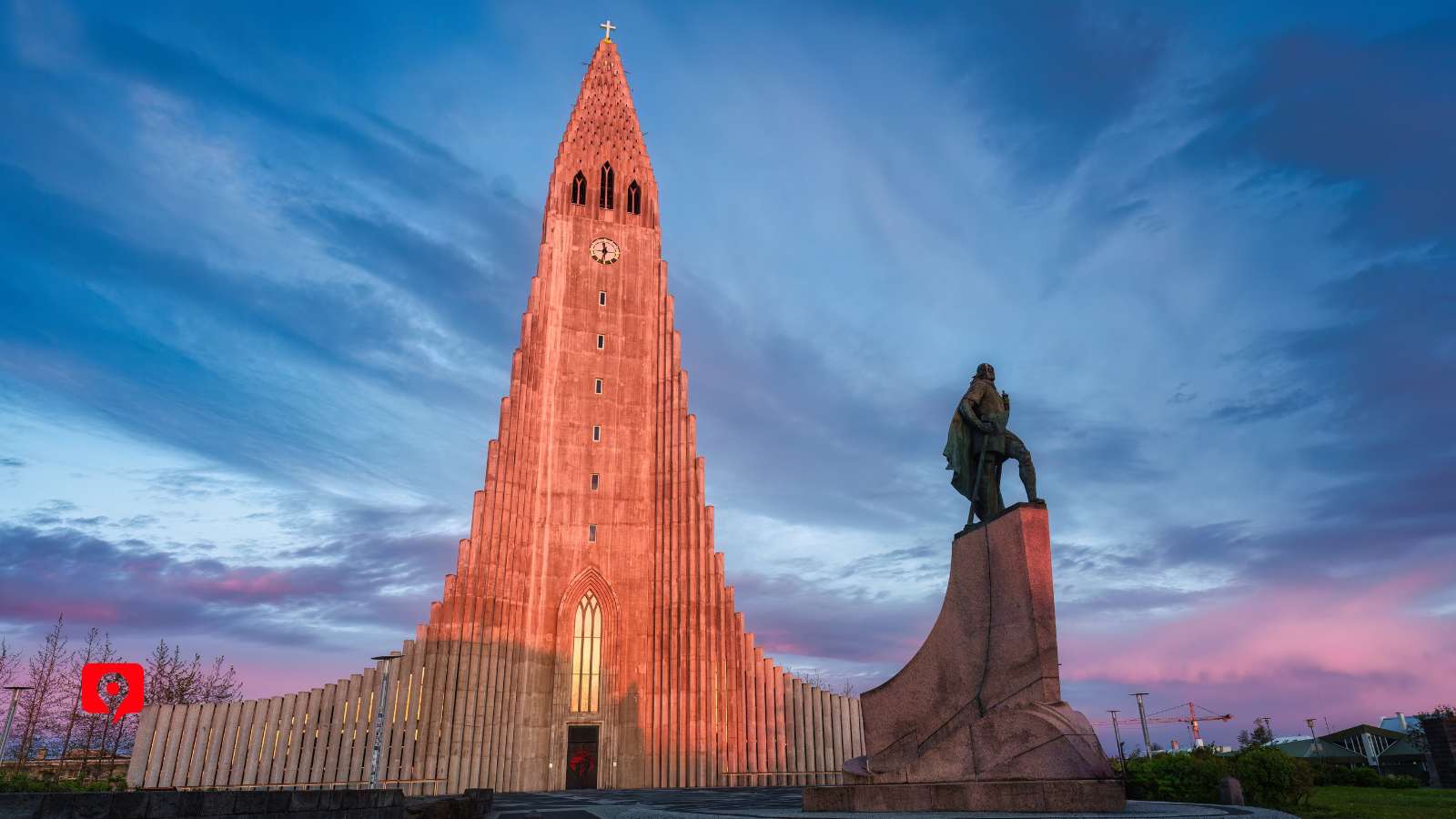
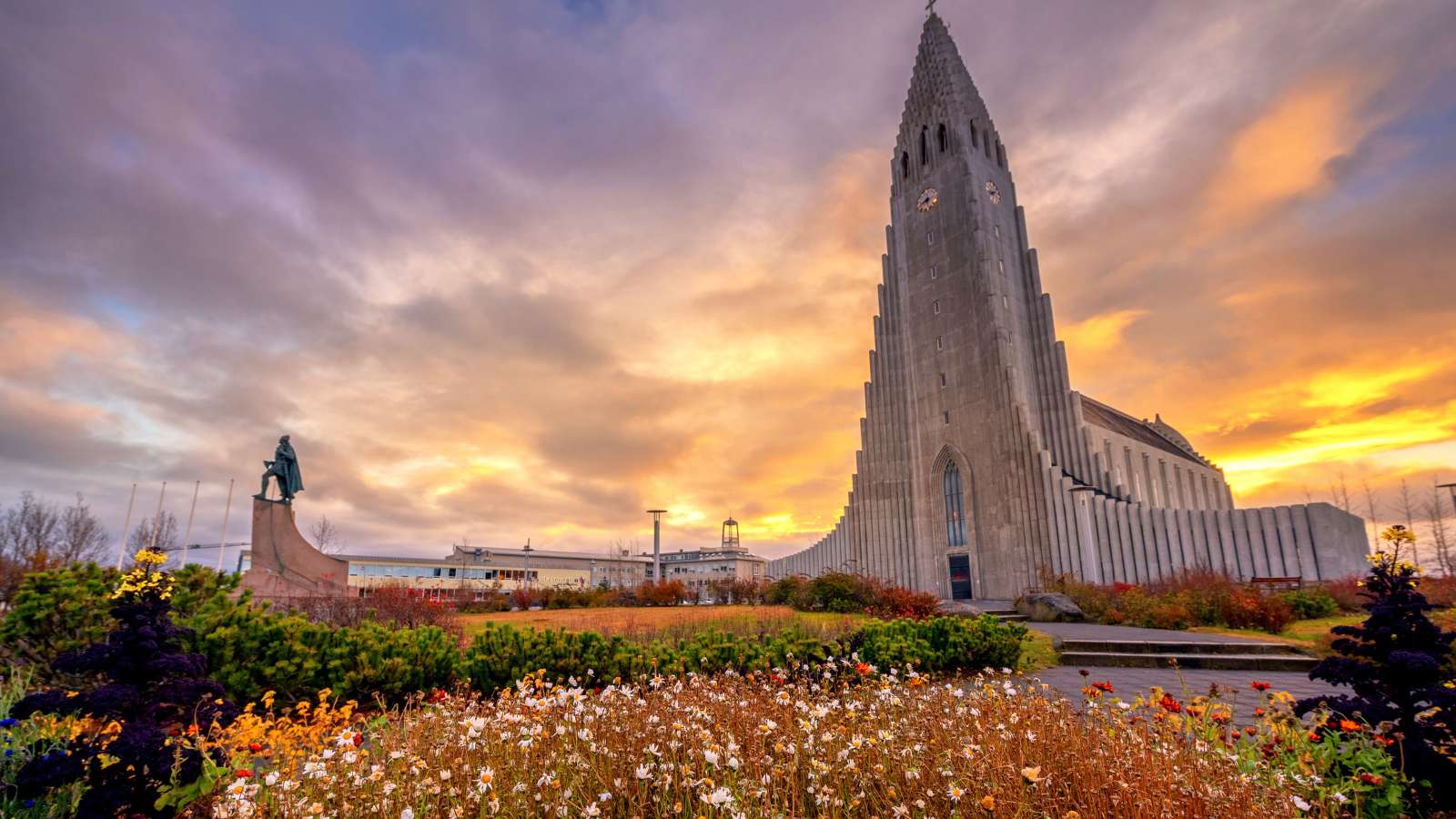
Explore Reykjavik’s living story, where Viking legend, sea-winds, and modern creativity collide. Begin at Hallgrímskirkja, the basalt-inspired landmark towering over the city, then step into the saga-era roots of Iceland’s capital with Mt. Esja watching from across the bay.
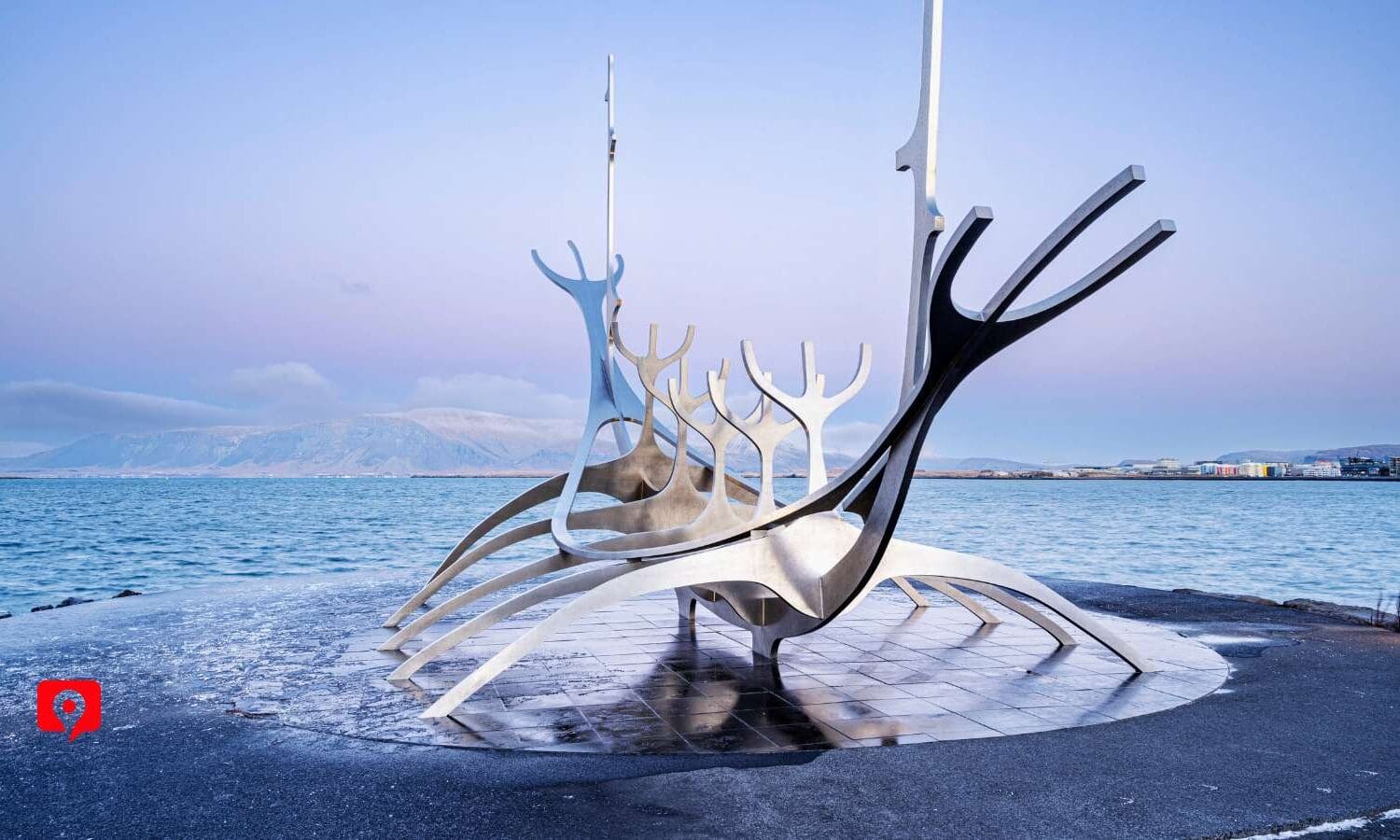
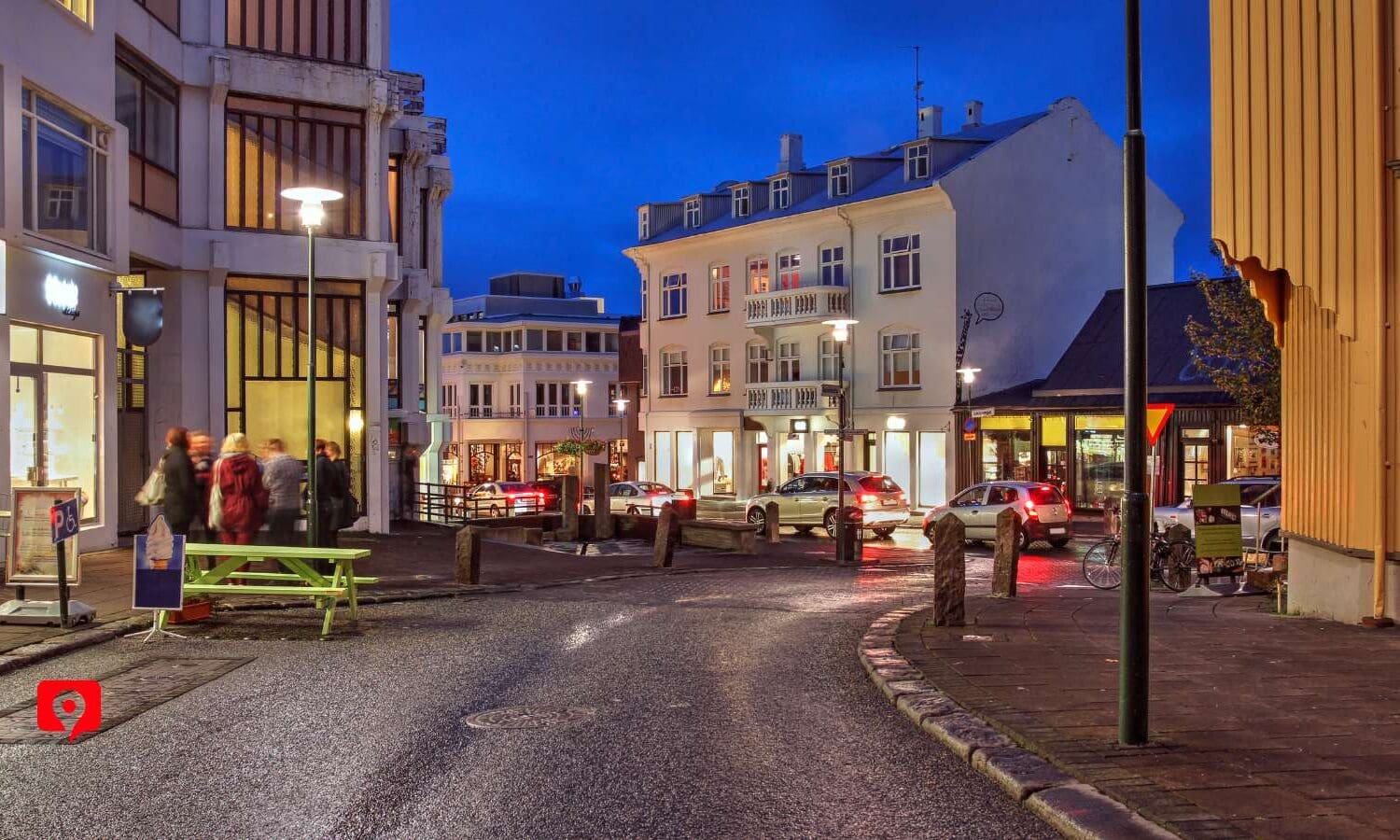
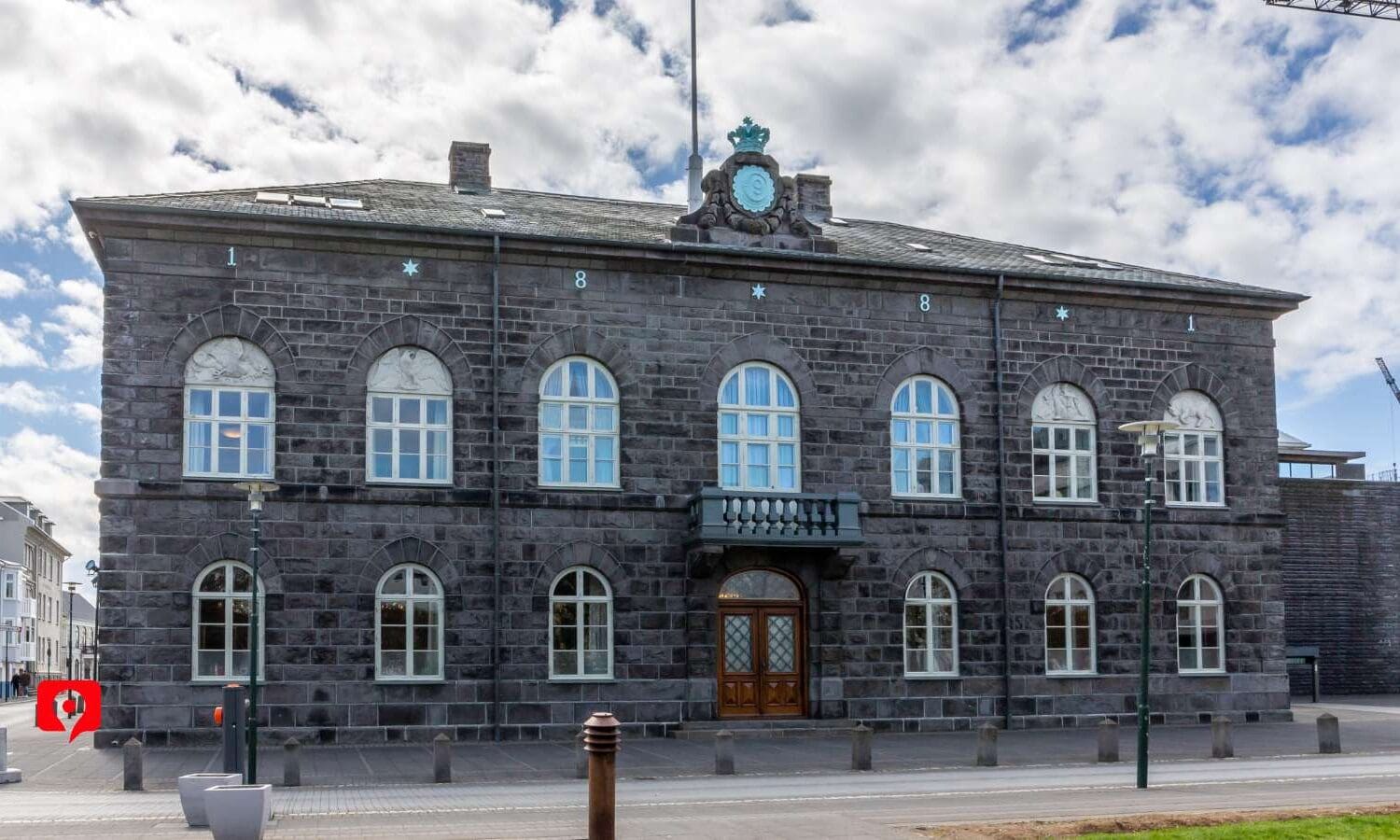
Your walk leads you down to the Sun Voyager, a dream-ship pointed toward new horizons, and onward to Harpa, the shimmering concert hall that turned the waterfront into a cultural icon. From there, loop into the heart of town to find Alþingishúsið, Iceland’s Parliament, and nearby monuments that reflect a nation shaped by independence and protest.
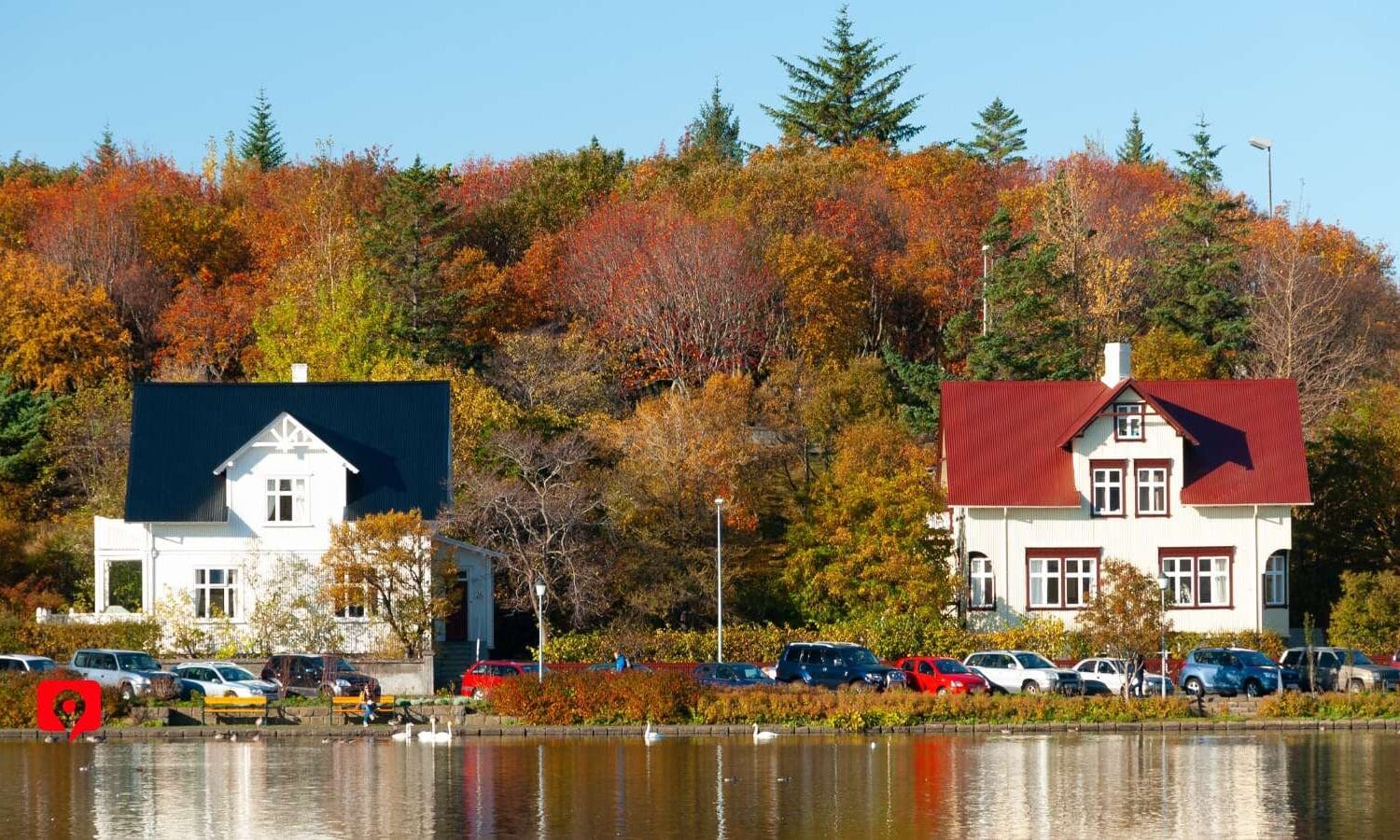
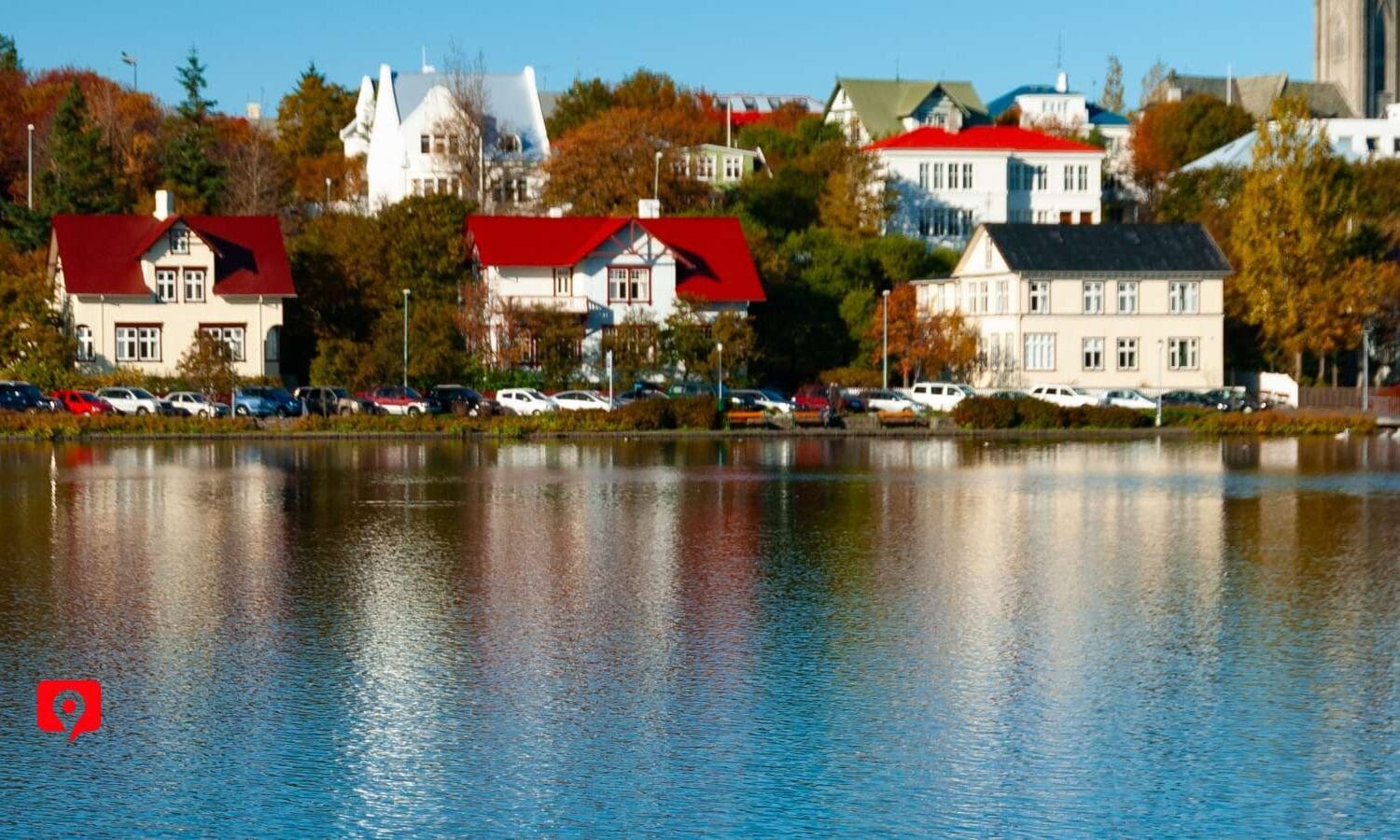
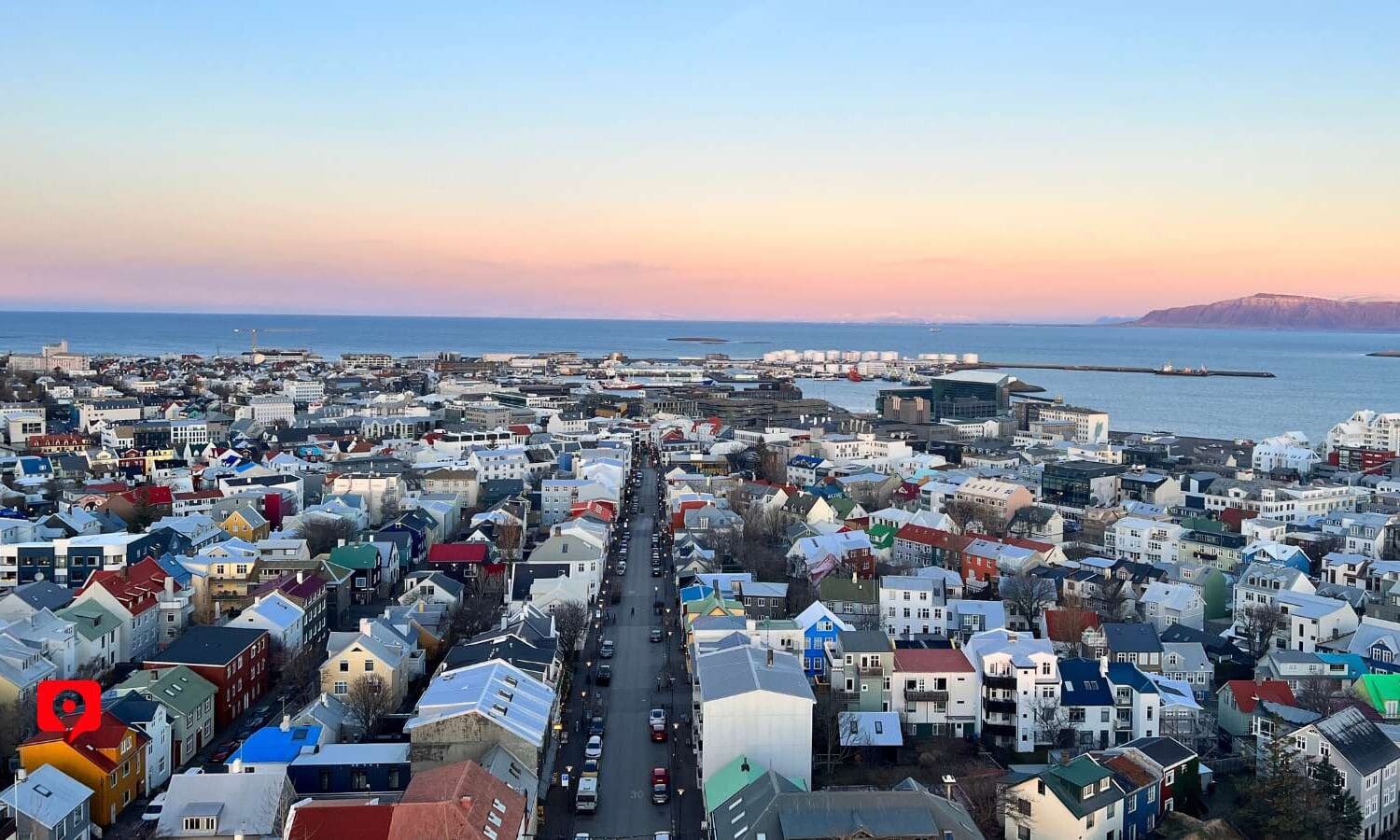
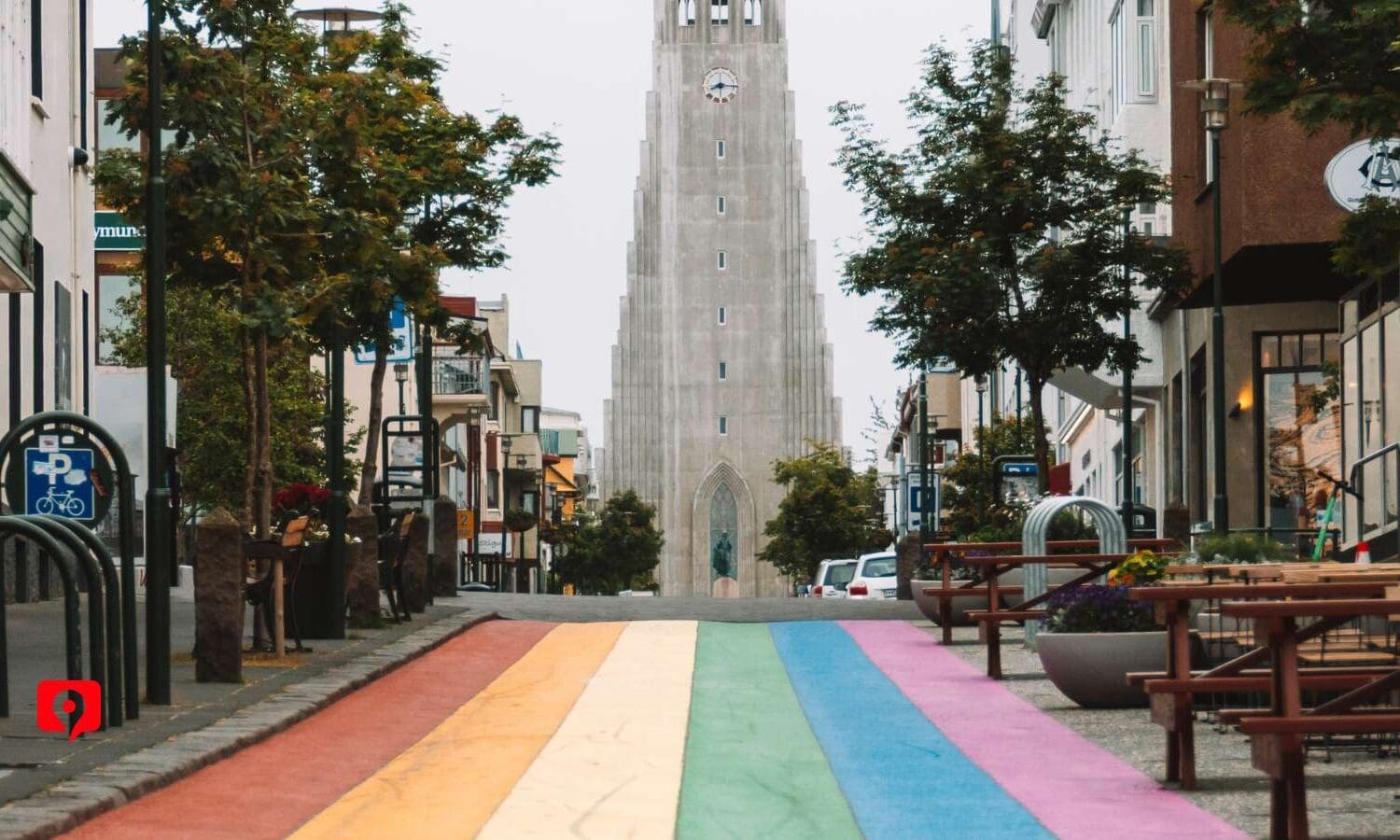
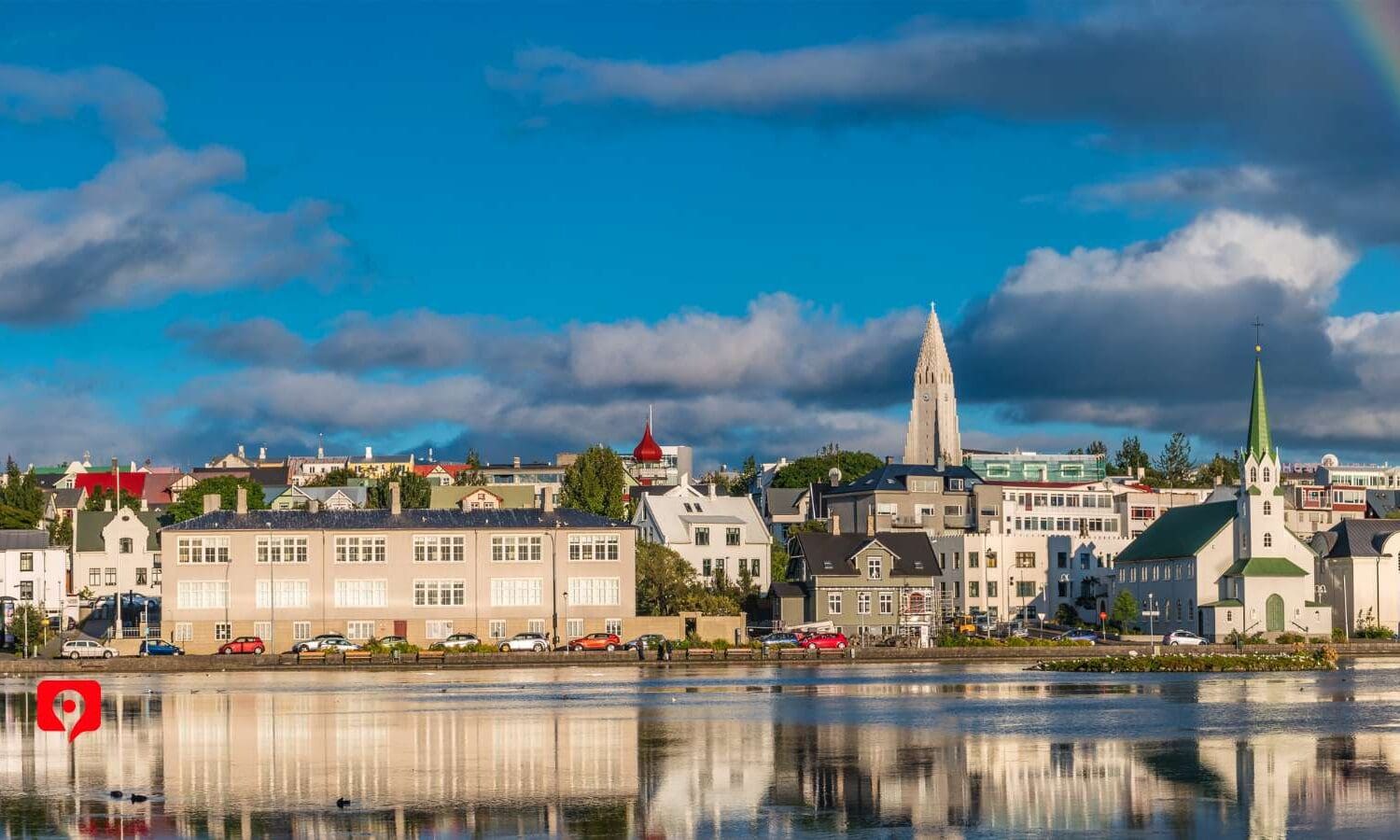
Along the way, meet the Unknown Bureaucrat near City Hall, then unwind by Tjörnin, the city’s beloved pond. The commentary shares local gems like the Water Carrier, the Old Grammar School, and the Icelandic Punk Museum, hidden underground in a former public restroom. Conclude on Rainbow Street, passing Hegningarhúsið, the old stone prison still looming over the city’s most famous avenue.
Begin at Hallgrímskirkja in Skolavorduholt.
2 miles