
00:00

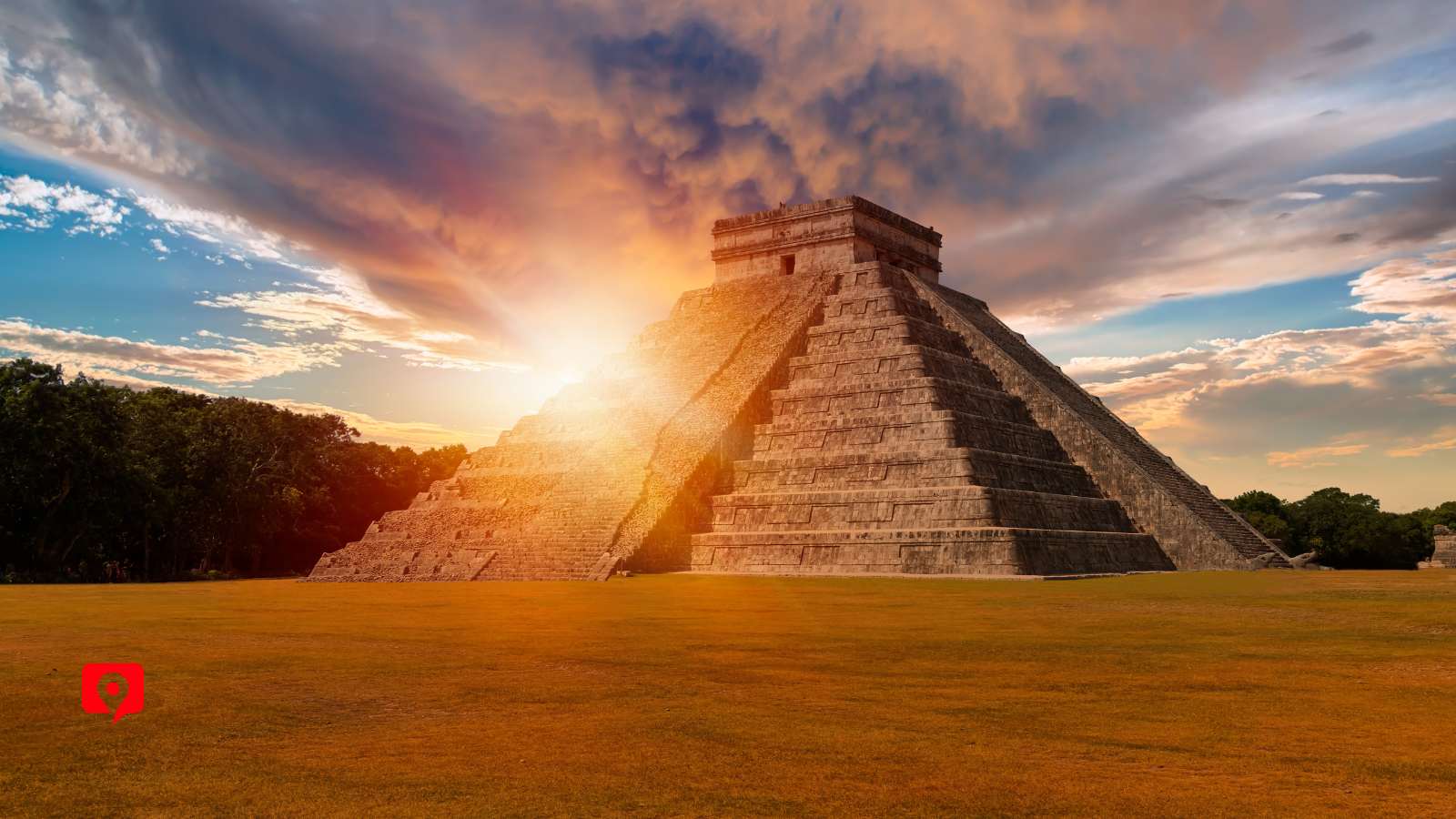
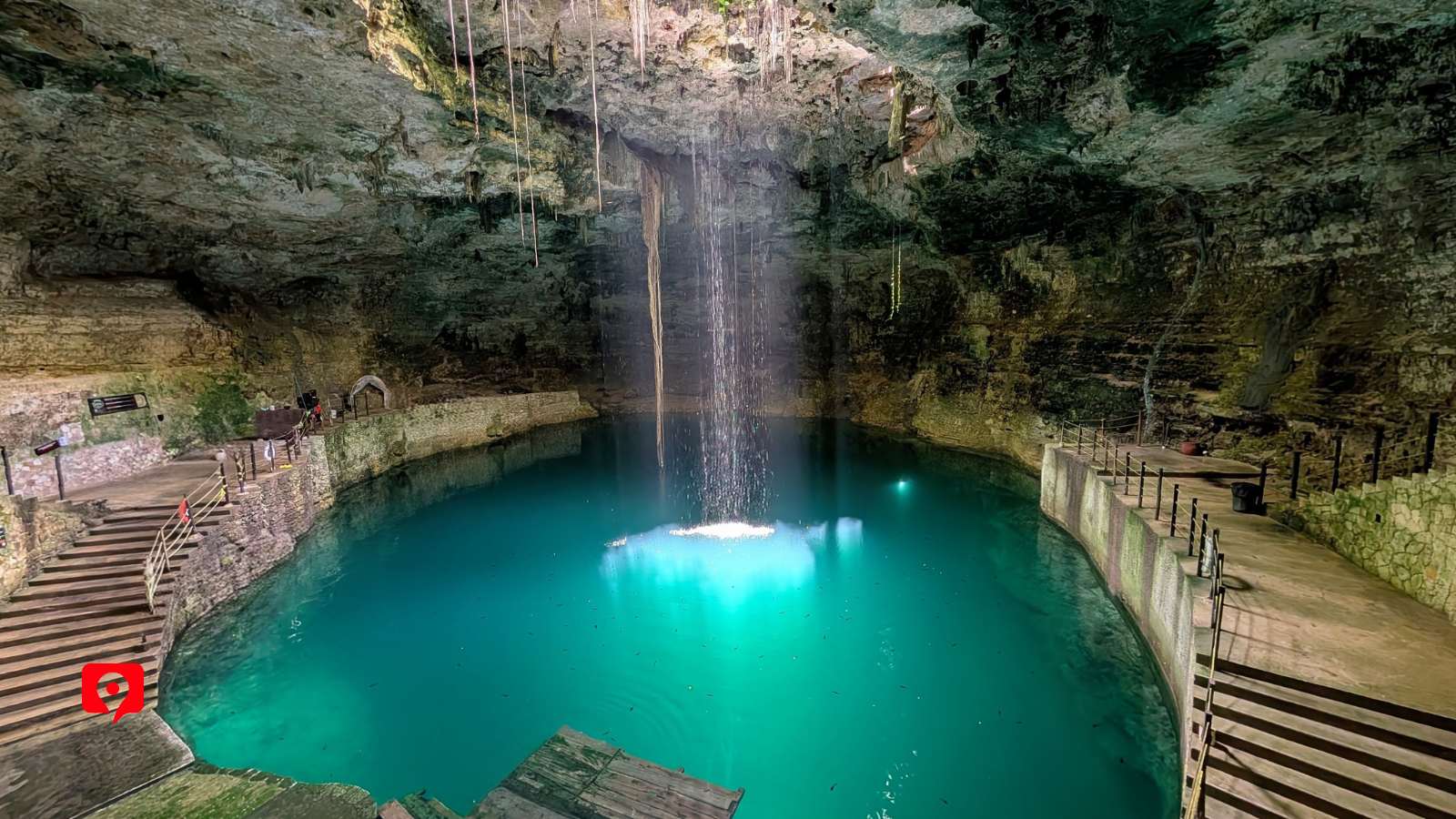
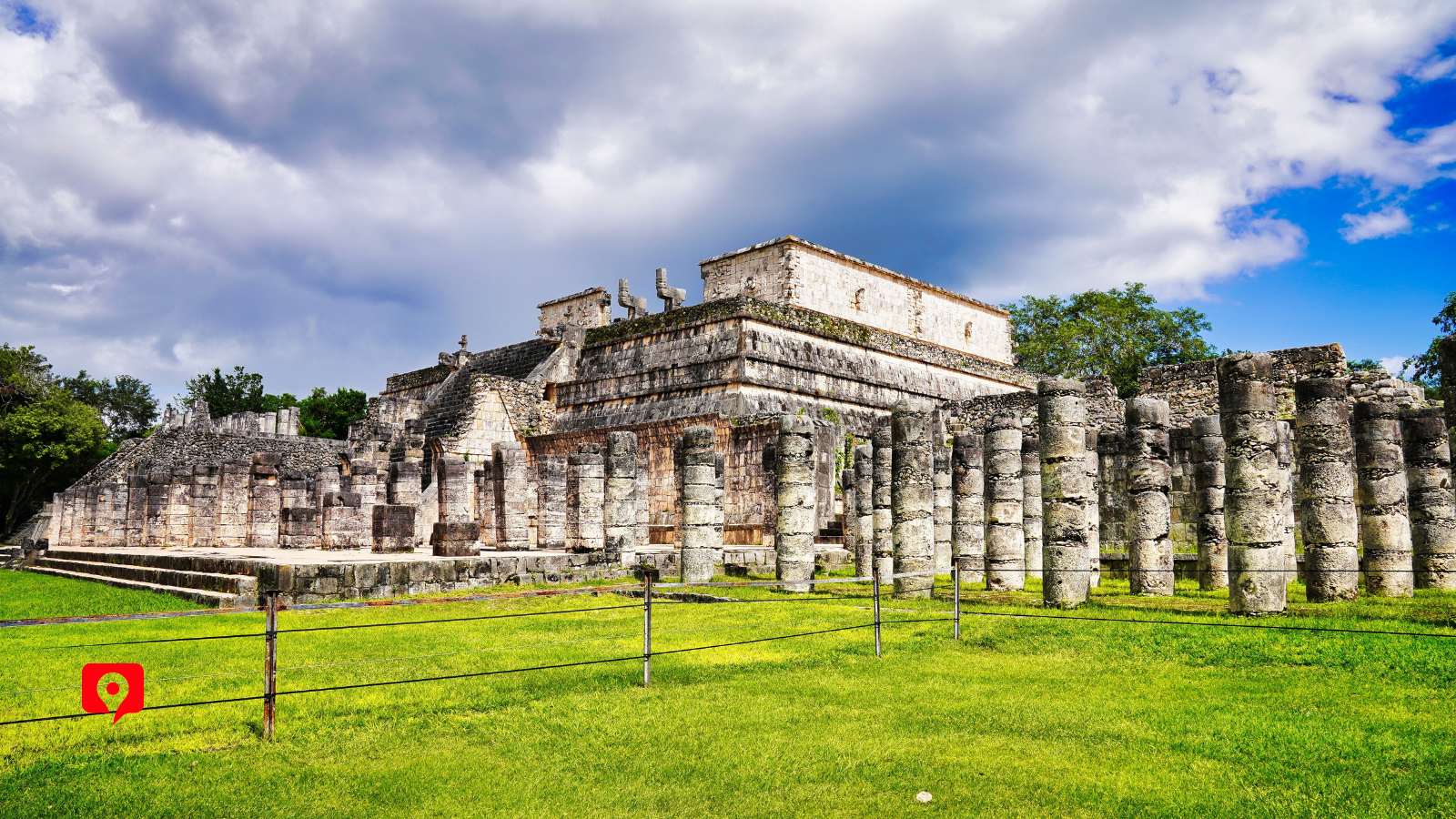
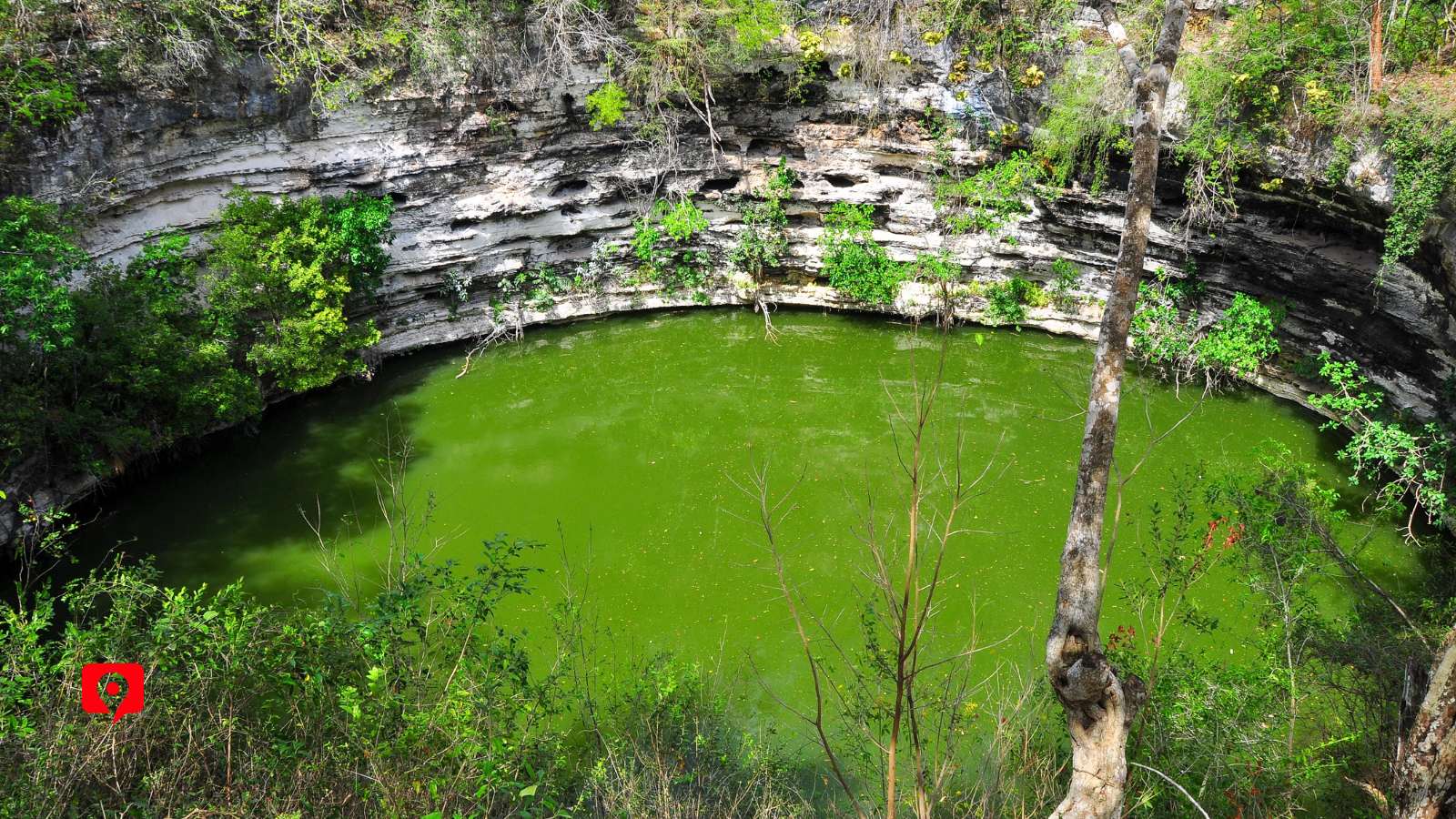
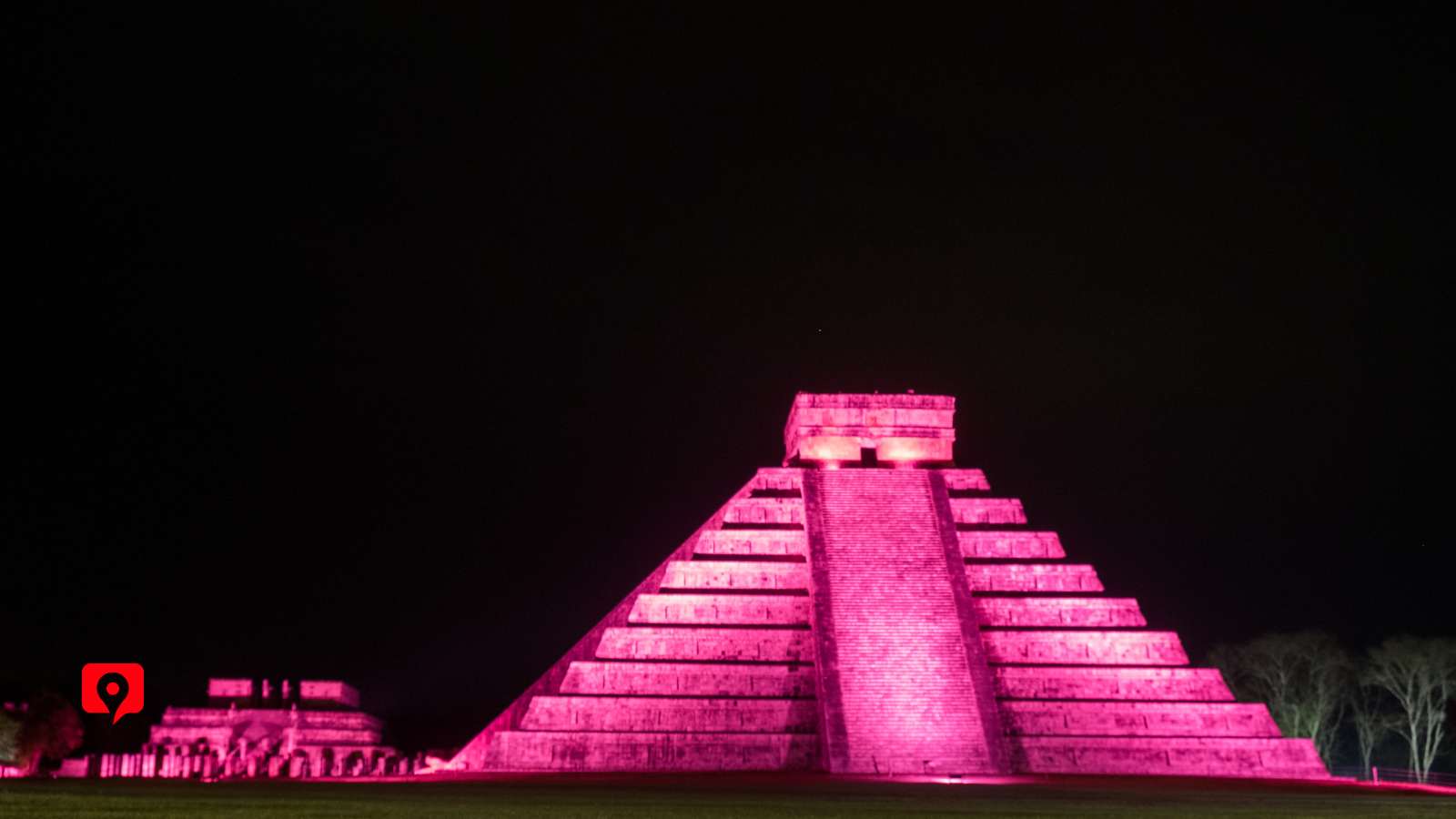
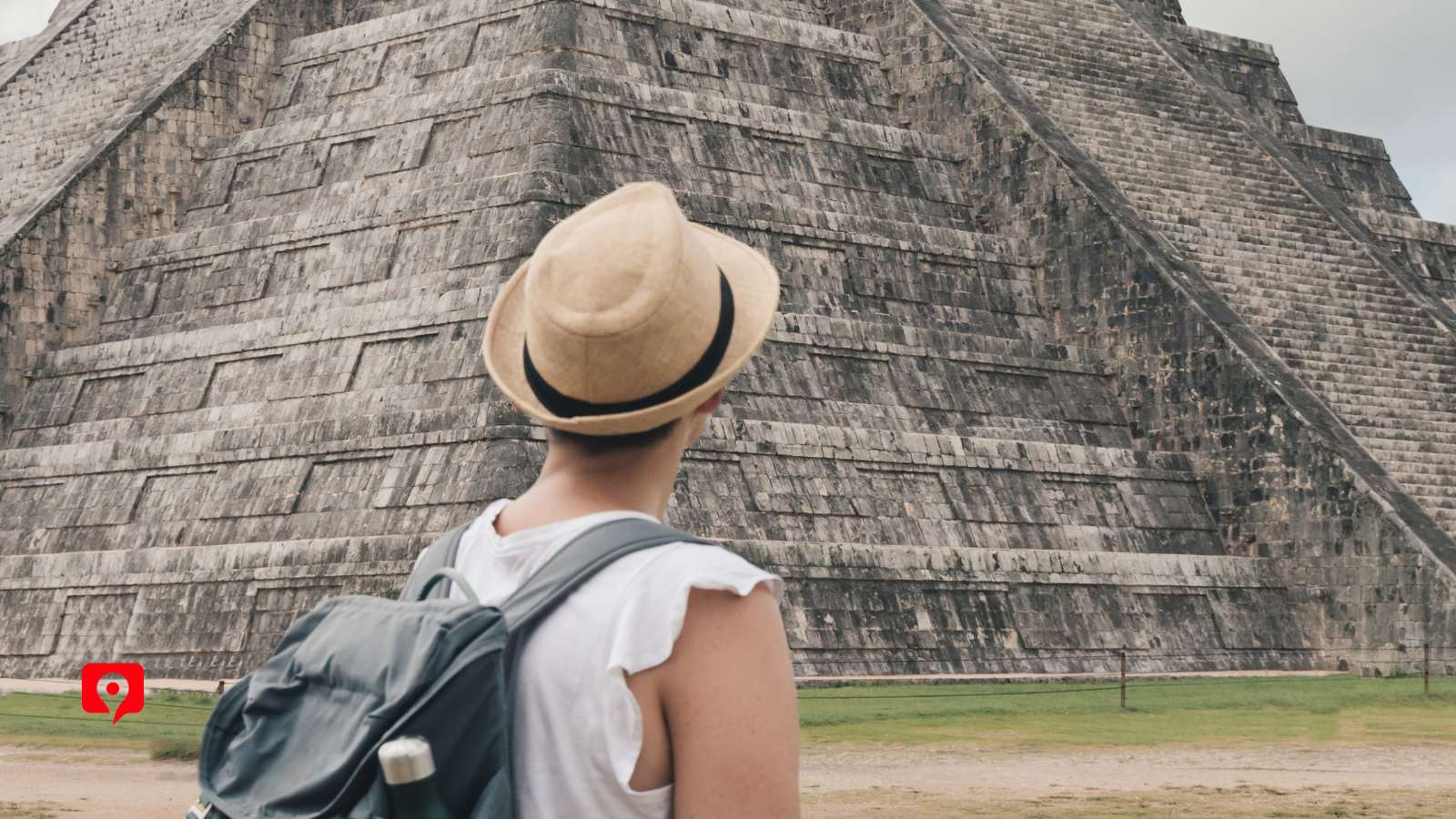
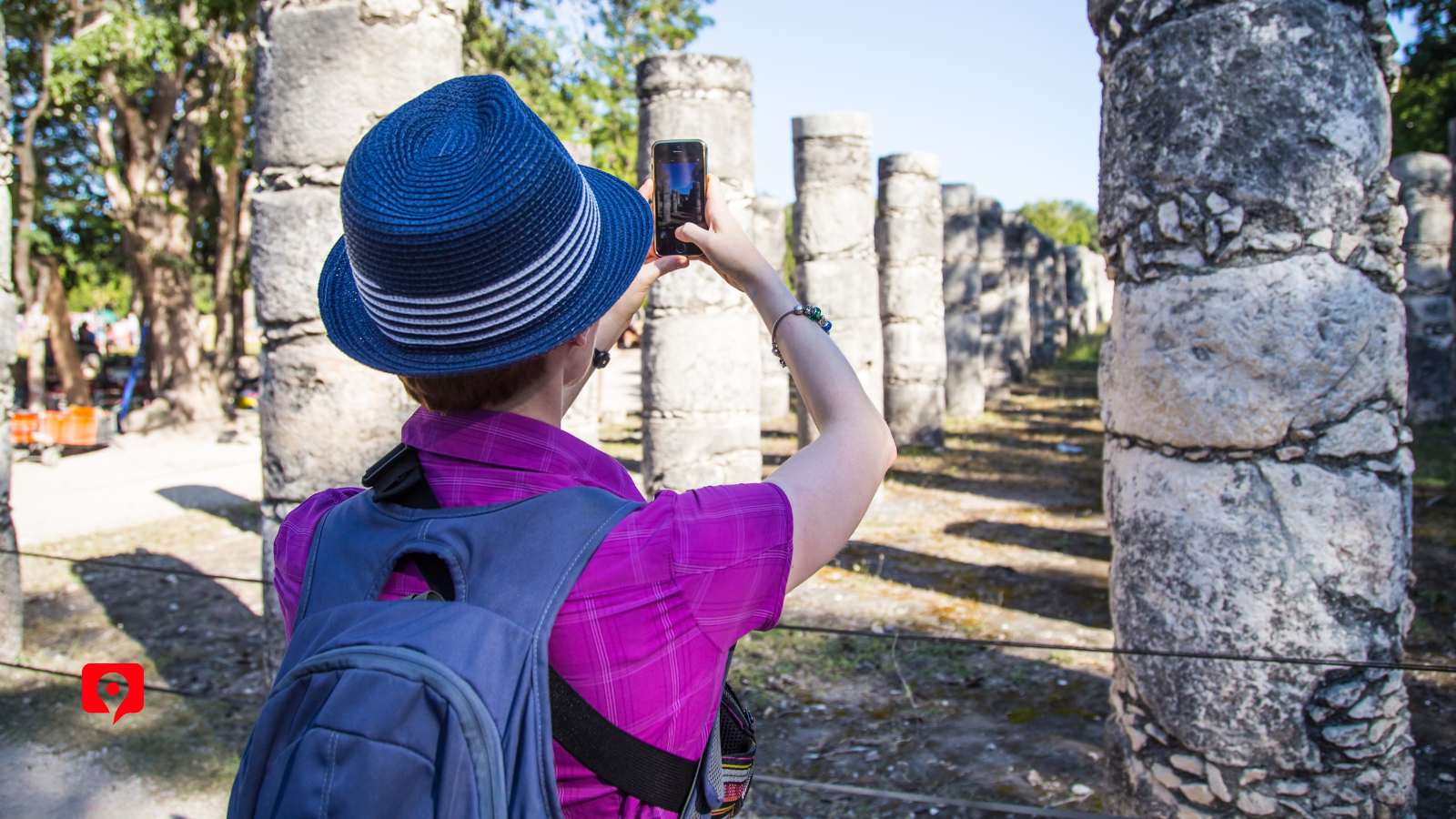

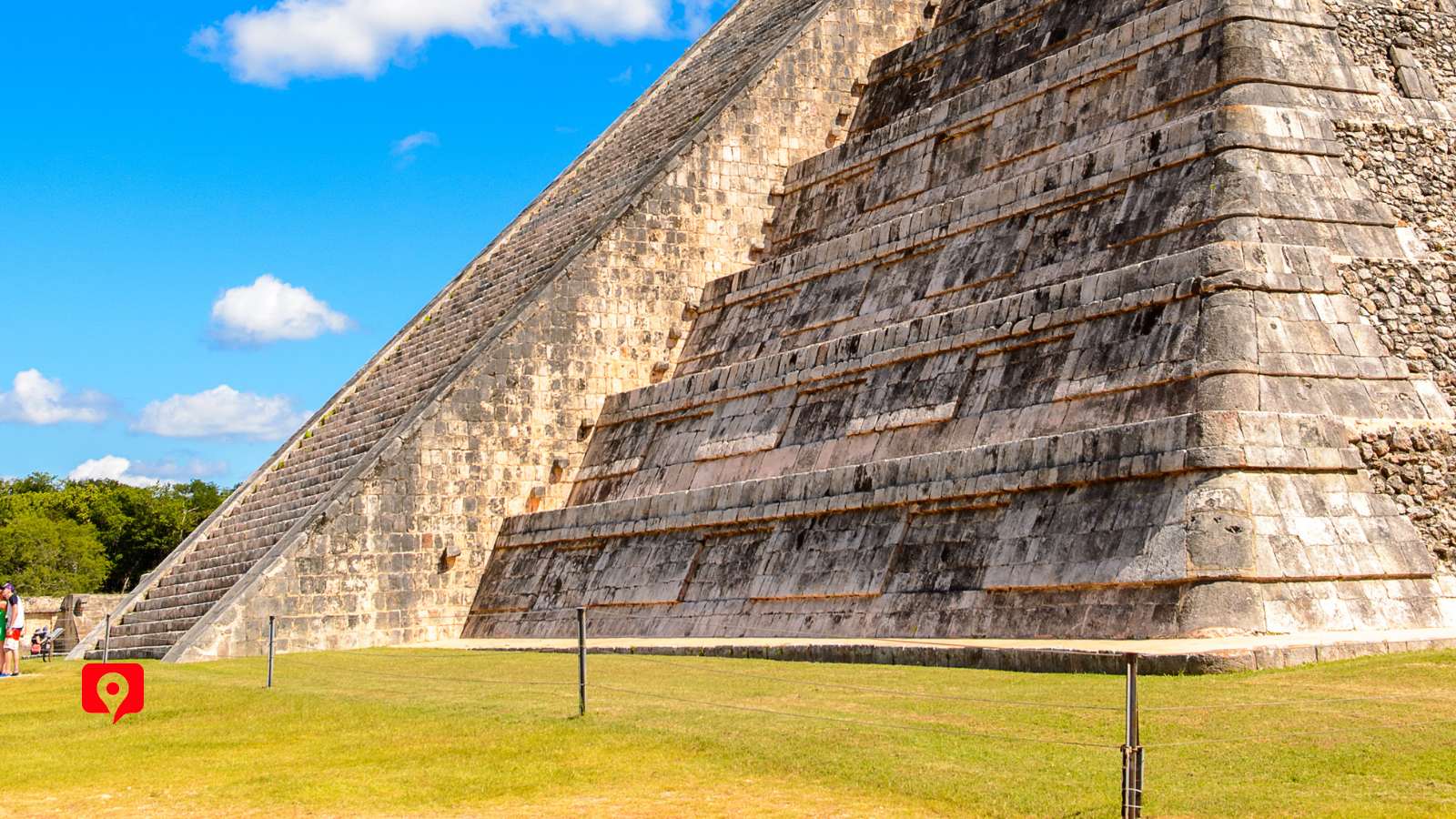
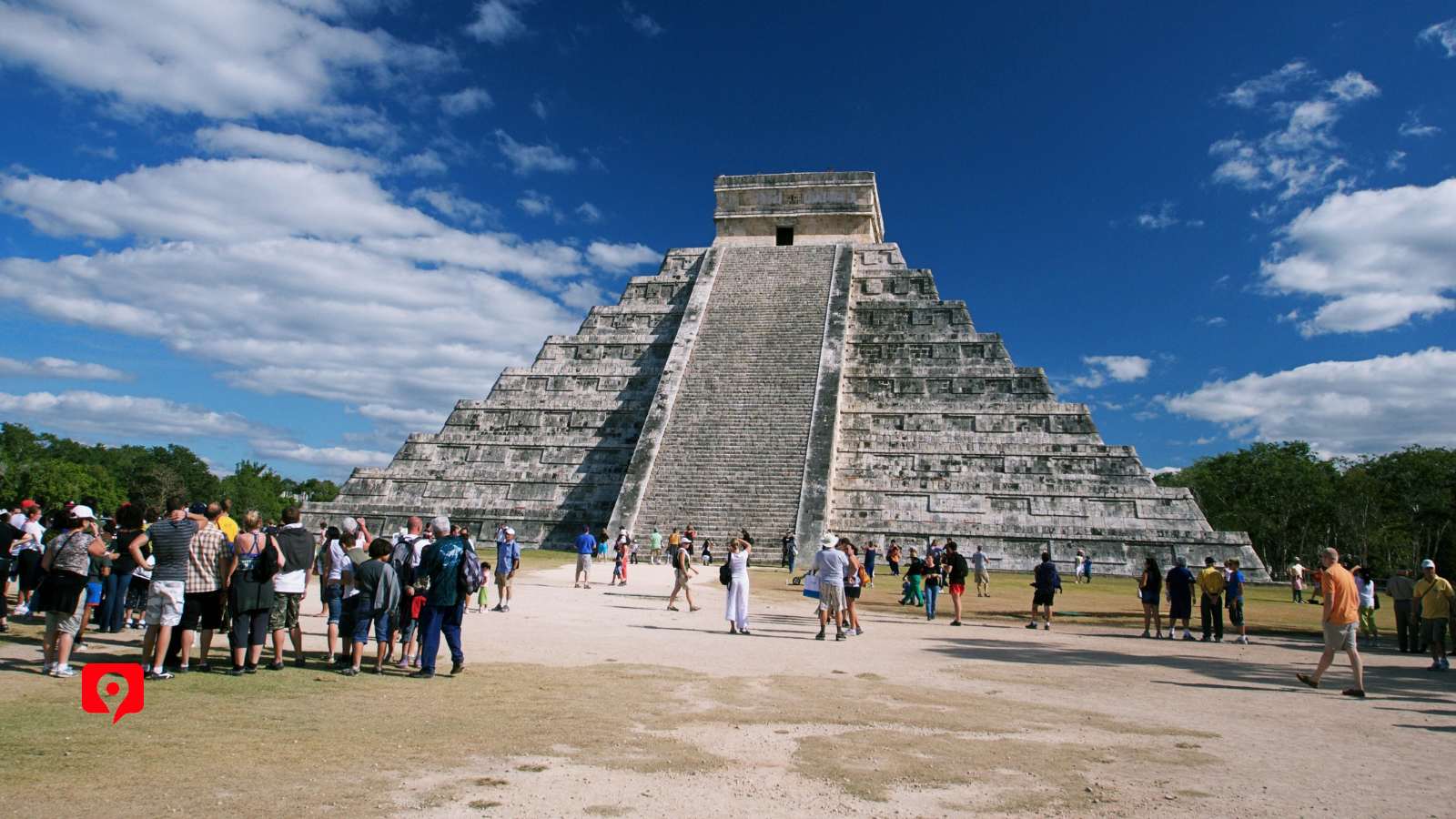
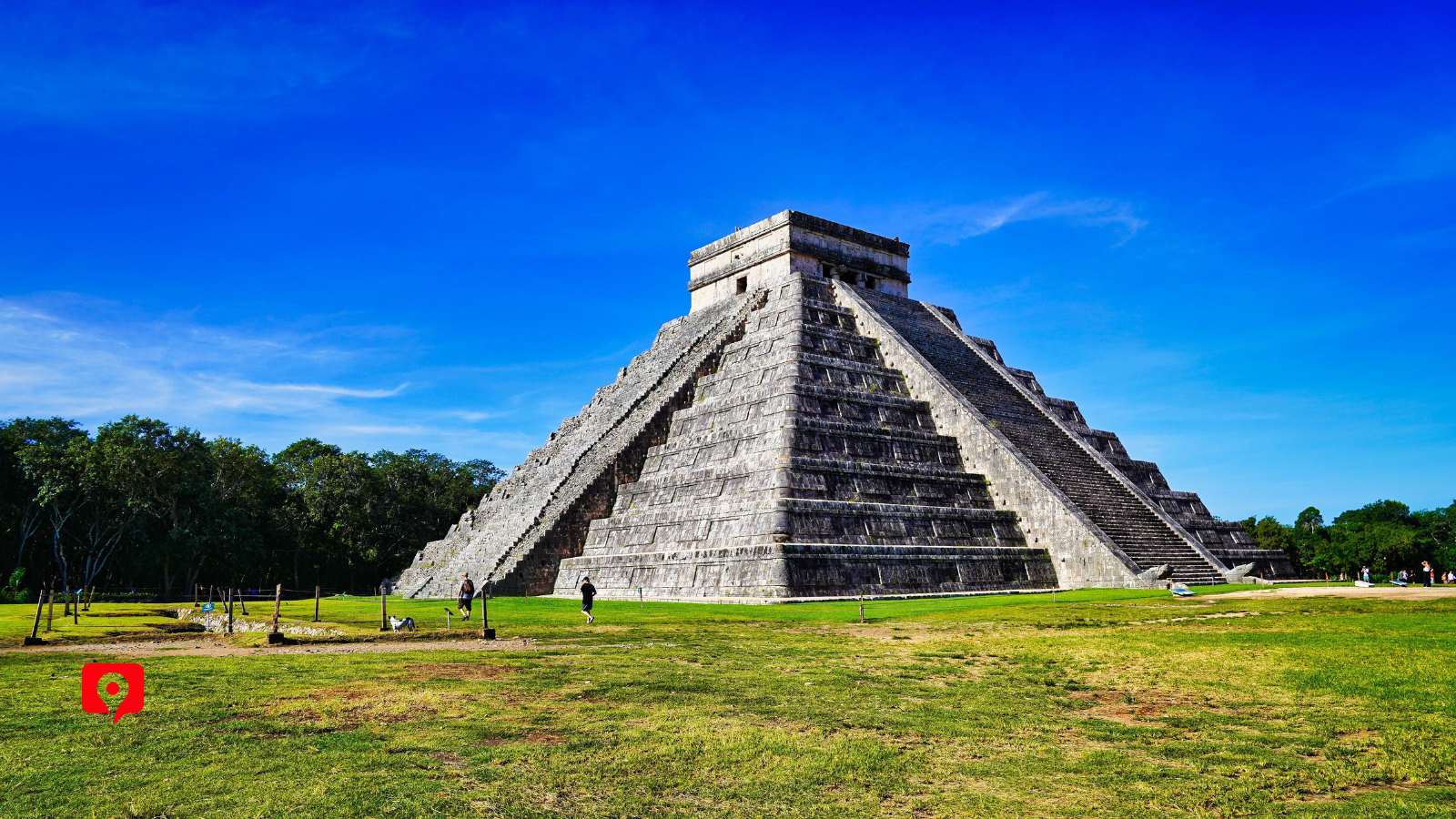
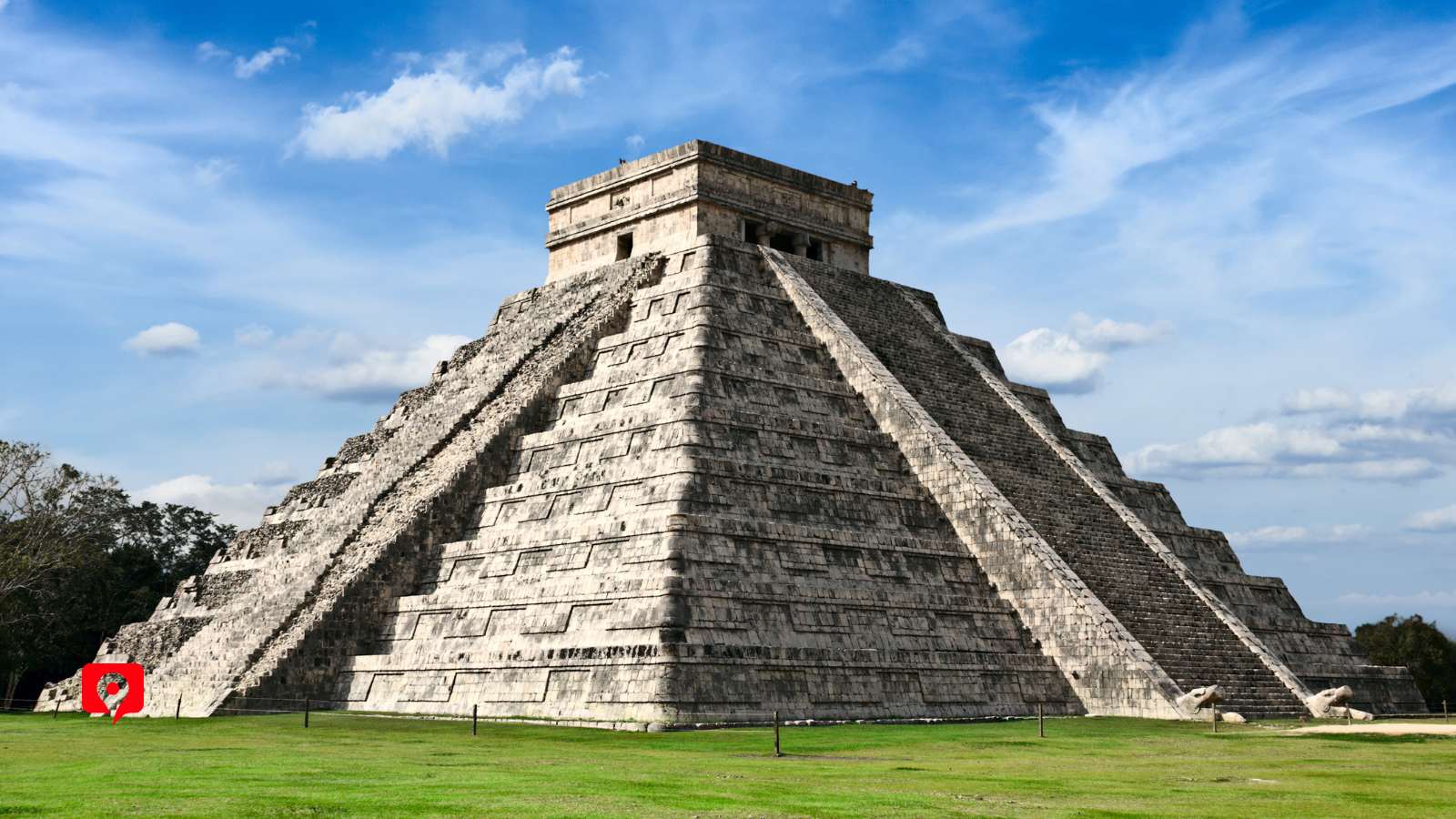
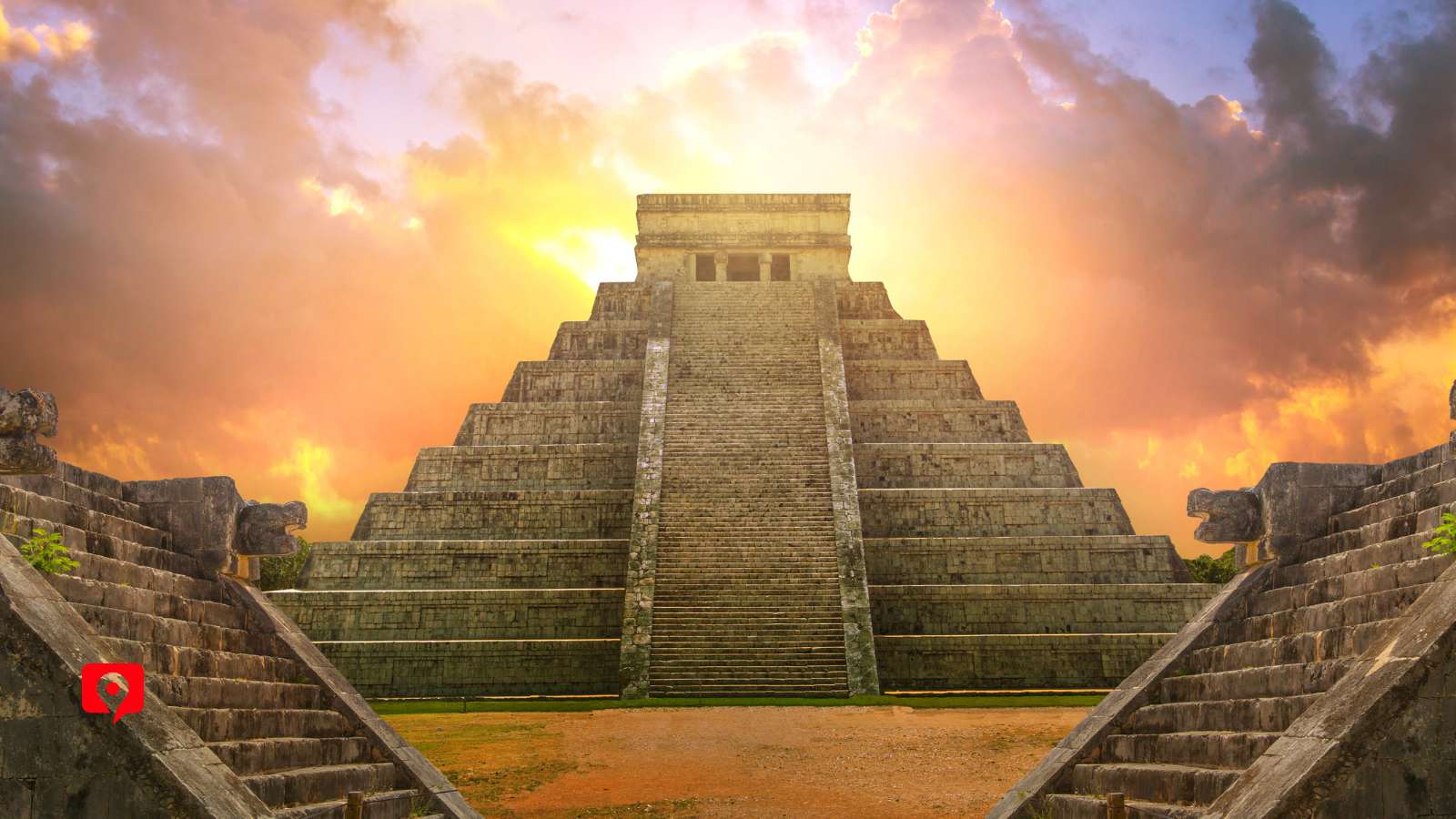
Step into the world of the ancient Maya on this walking tour of Chichén Itzá, where pyramids, sacred wells, and ornate temples reveal a civilization that blended science, power, and spirituality. As we make our way through the site, you’ll stand before El Castillo, the Temple of Kukulcán, and learn how its precise design reflects the Maya calendar, even creating the famous serpent-shaped shadow during the equinox.
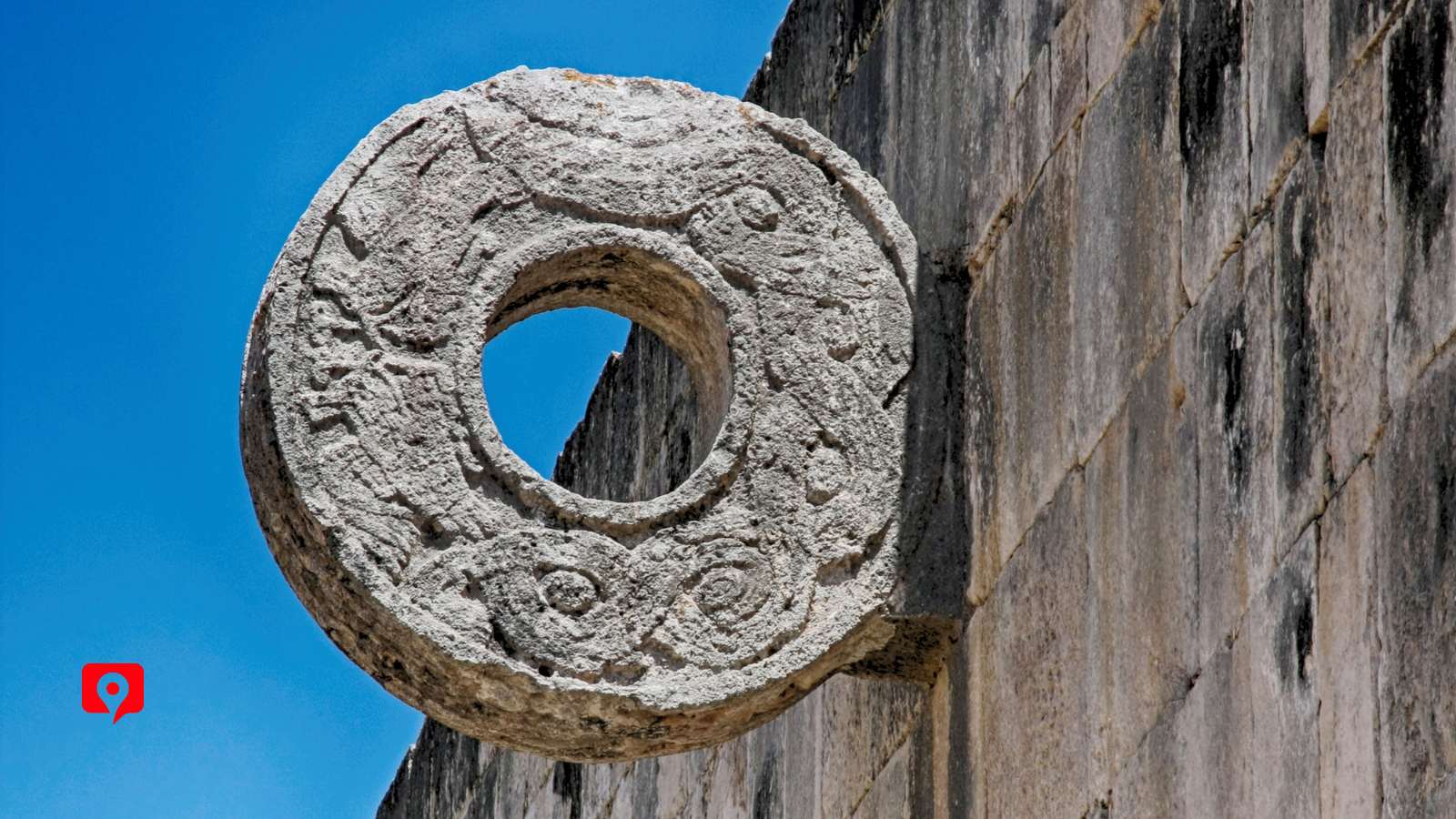
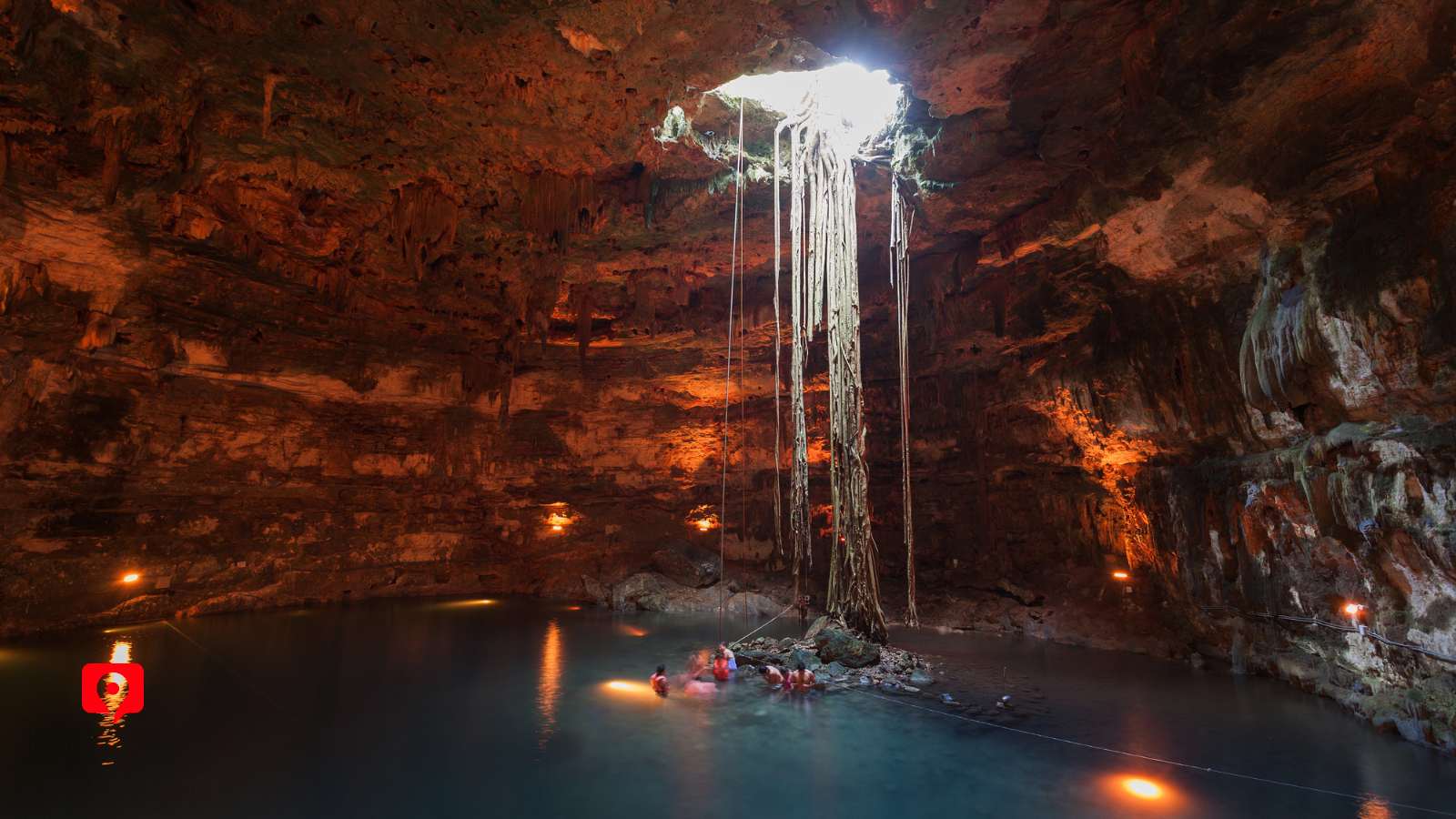
We’ll step into the Great Ball Court, the largest in Mesoamerica, and hear how the Maya fused athletic competition, ceremony, and myth in the dramatic game of Pok-a-Tok. At the Sacred Cenote, you’ll discover why this deep natural well became a place of offerings, rituals, and connection to the Maya underworld.
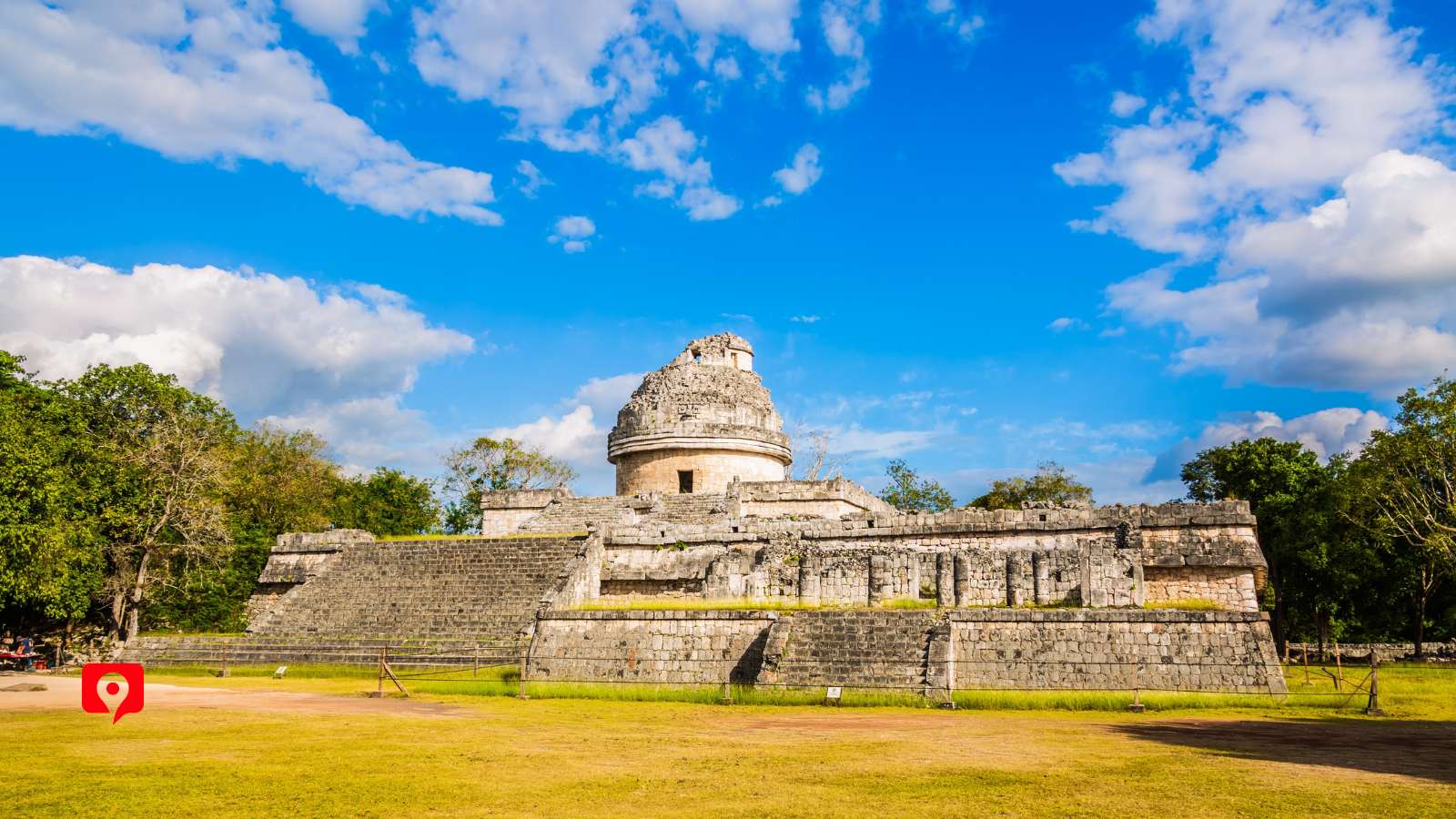
You’ll also explore the Nunnery complex and La Iglesia, where expressive Chaac masks and intricate friezes have survived for centuries. Finally, we’ll visit El Caracol, the city’s distinctive observatory, where Maya priests tracked the skies and followed the movements of Venus.
By the time we finish, Chichén Itzá won’t just feel like a collection of ruins; it will feel like a living story of astronomy, power, faith, and the people who never disappeared.
The tour begins at the official parking lot in front of the Chichén Itzá Visitor Center.
To experience Chichén Itzá at a comfortable pace, plan to spend 2 to 3 hours inside the archaeological zone.
2 miles